


Choosing the right mattress can make a big difference in how well you sleep, and mattress thickness is one of the most important factors to consider.
Thickness affects comfort, support, and how your bed feels when you sit or lie down. Different mattresses offer a range of heights, from low-profile options to extra-deep models.
The ideal mattress depends on your sleeping position, body weight, and bed frame.
This mattress thickness guide will help you understand how height, layers, and construction affect support and comfort, so you can pick the mattress that gives the best rest every night.
What is Mattress Thickness?
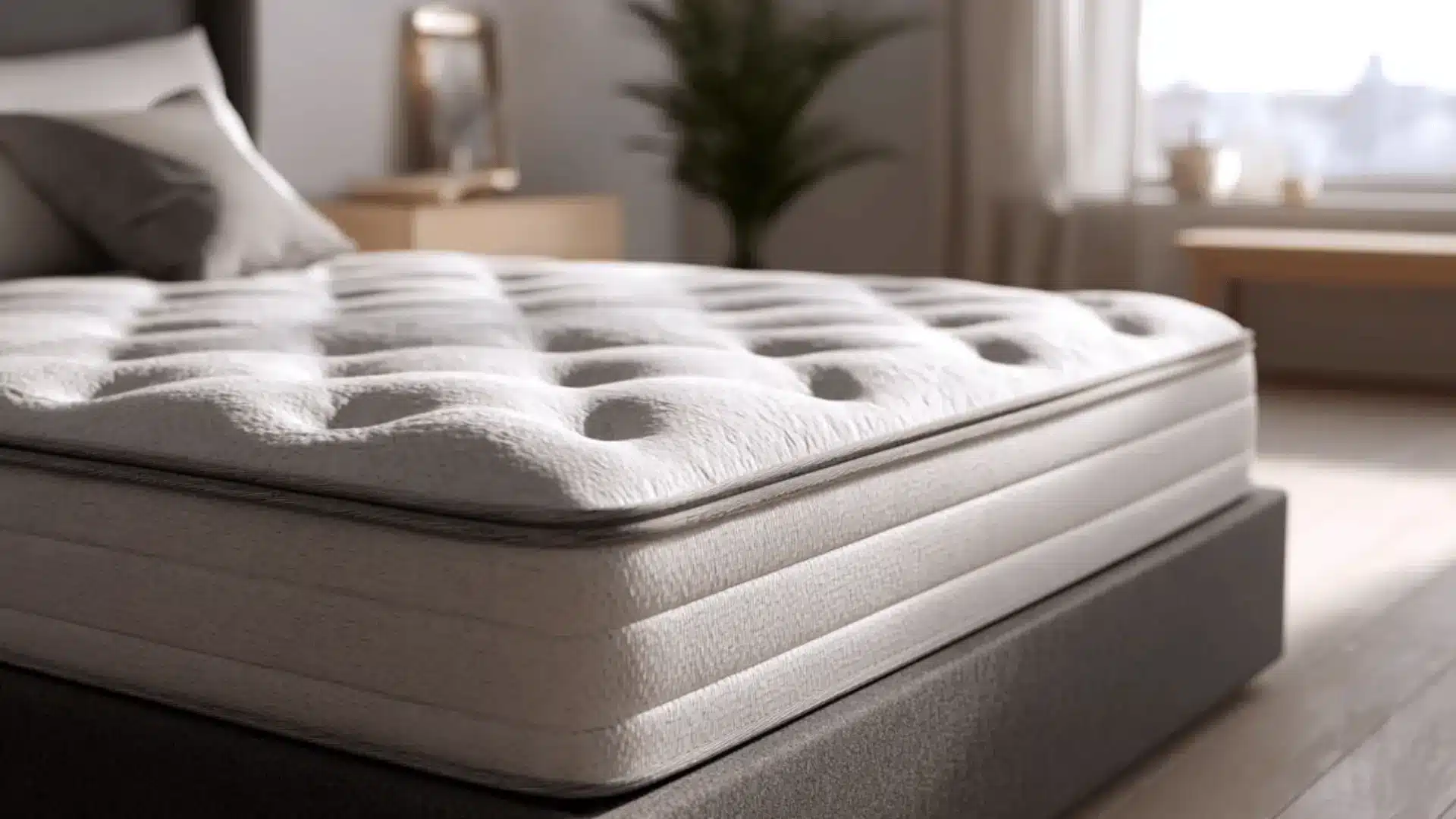
Mattress thickness is the measurement from the very bottom of the support layers to the top of the comfort layers.
It shows how tall a mattress is when it sits on a bed frame. Mattresses come in different heights, from low-profile options around 4–8 inches to extra-deep models that can be 14 inches or more.
Most adult mattresses fall in the 10–12 inch range. Thickness affects more than just how high you sleep; it also influences comfort and support.
A mattress’s layers, materials, and construction all work together to provide proper pressure relief and spinal alignment, so two mattresses of the same height can feel very different.
Mattress Thickness Chart: What the Numbers Mean
Mattress thickness can affect comfort, support, and how high your bed feels. Different heights work better for different sleepers, body types, and bed setups.
| THICKNESS CATEGORY | TYPICAL RANGE | BEST FOR |
|---|---|---|
| Low Profile | 4–8″ | Kids, trundle or bunk beds |
| Slim | 8–10″ | Shorter or lighter adults |
| Standard | 10–12″ | Most adults, balanced comfort |
| Thick/Deep | 12–14″ | Side sleepers, heavier adults |
| Extra Thick | 14″+ | Plush feel, high-end mattresses |
Pillow-top or Euro-top layers can add extra height, making a mattress feel taller and plusher than its core measurement.
Choosing the right thickness ensures your bed is comfortable, supportive, and easy to get in and out of.
How to Choose the Right Thickness?

Finding the right mattress thickness depends on your body, sleep style, and comfort needs.
A mattress that is too thin may not support pressure points, while a very thick mattress may feel too soft or hard to get in and out of.
Considering the standard height of a mattress can help you know what feels comfortable and keeps your spine aligned across most bed frames.
By Sleeping Position
Side sleepers usually benefit from thicker mattresses, around 12 inches or more, to cushion the hips and shoulders. Back sleepers do well with medium thickness, about 10–12 inches, to keep the spine properly aligned.
Stomach sleepers often need slightly thinner mattresses to prevent sagging in the middle.
Combination sleepers should choose a flexible, standard range. Certain bed types pair better with these thicknesses, particularly when you consider the right mattress height for platform beds.
By Body Weight
Body weight affects how a mattress feels and supports the body. Light sleepers under 130 pounds can often use slightly thicker layers for comfort without sinking too much.
Average sleepers weighing 130-230 pounds do best with a standard thickness of 10–12 inches. Heavier sleepers over 230 pounds usually need thicker mattresses for proper support and durability.
Does Mattress Thickness Affect Comfort and Support?
Mattress thickness plays a big role in comfort and support. Thicker mattresses can provide better pressure relief, especially for side sleepers, while helping maintain proper spinal alignment for back and stomach sleepers.
Motion isolation is also affected, as a thicker comfort layer can reduce movement transfer between partners.
However, thickness isn’t the only factor; well-built thin mattresses with strong support cores can feel just as comfortable and supportive.
Thicker mattresses often last longer because their support cores distribute weight and wear more evenly, providing a durable sleep surface that maintains its shape over time.
Tips for Matching Mattress Thickness with Your Bed Frame
Choosing the right mattress height can make a big difference in comfort and accessibility. The mattress and bed frame should work together so getting in and out of bed is easy, and the bed looks balanced.
The ideal height for a mattress also plays a role in accessibility, sheet fit, and how the mattress feels with different frame styles.
- Check Frame Height: Make sure the combined height of mattress and frame isn’t too tall or too low.
- Sit Test: Your feet should touch the floor comfortably when sitting on the edge.
- Sheet Fit: Thicker mattresses may need deep-pocket sheets to fit properly.
- Bed Style: Platform beds and low-profile frames may work best with thinner mattresses.
- Accessibility: Consider who will use the bed and how easily they can get in and out.
Matching mattress thickness to your bed frame ensures comfort, safety, and a neat appearance in your bedroom.
Common Mistakes When Choosing Mattress Thickness
Picking the wrong mattress thickness can affect comfort, support, and how your bed feels. Many people make avoidable errors when shopping for a mattress.
- Too Tall for Frame: A very thick mattress on a high bed frame can make getting in and out difficult.
- Ignoring Sleep Position: Choosing a thickness without considering side, back, or stomach sleeping can cause discomfort.
- Overlooking Body Weight: Lighter or heavier sleepers may need different thicknesses for proper support.
- Assuming Thicker Is Better: Thicker mattresses aren’t always more comfortable; quality construction matters too.
Avoiding these mistakes helps you pick a mattress that feels right, properly supports your body, fits your bed frame, and provides a comfortable, restful night’s sleep.
That’s a Wrap
Choosing the right mattress height is easier when you know how thickness affects support, comfort, and bed accessibility.
This mattress thickness guide can help you select a mattress that matches your sleeping style, body weight, and bed frame, creating a more comfortable and restful sleep environment.
Remember, a thicker mattress isn’t always the most supportive; quality construction matters just as much.
Matching mattress thickness to your needs and bed setup can prevent discomfort and improve sleep quality. Have you found a mattress thickness that works best for you? Share your experience in the comments, I’d love to hear!