




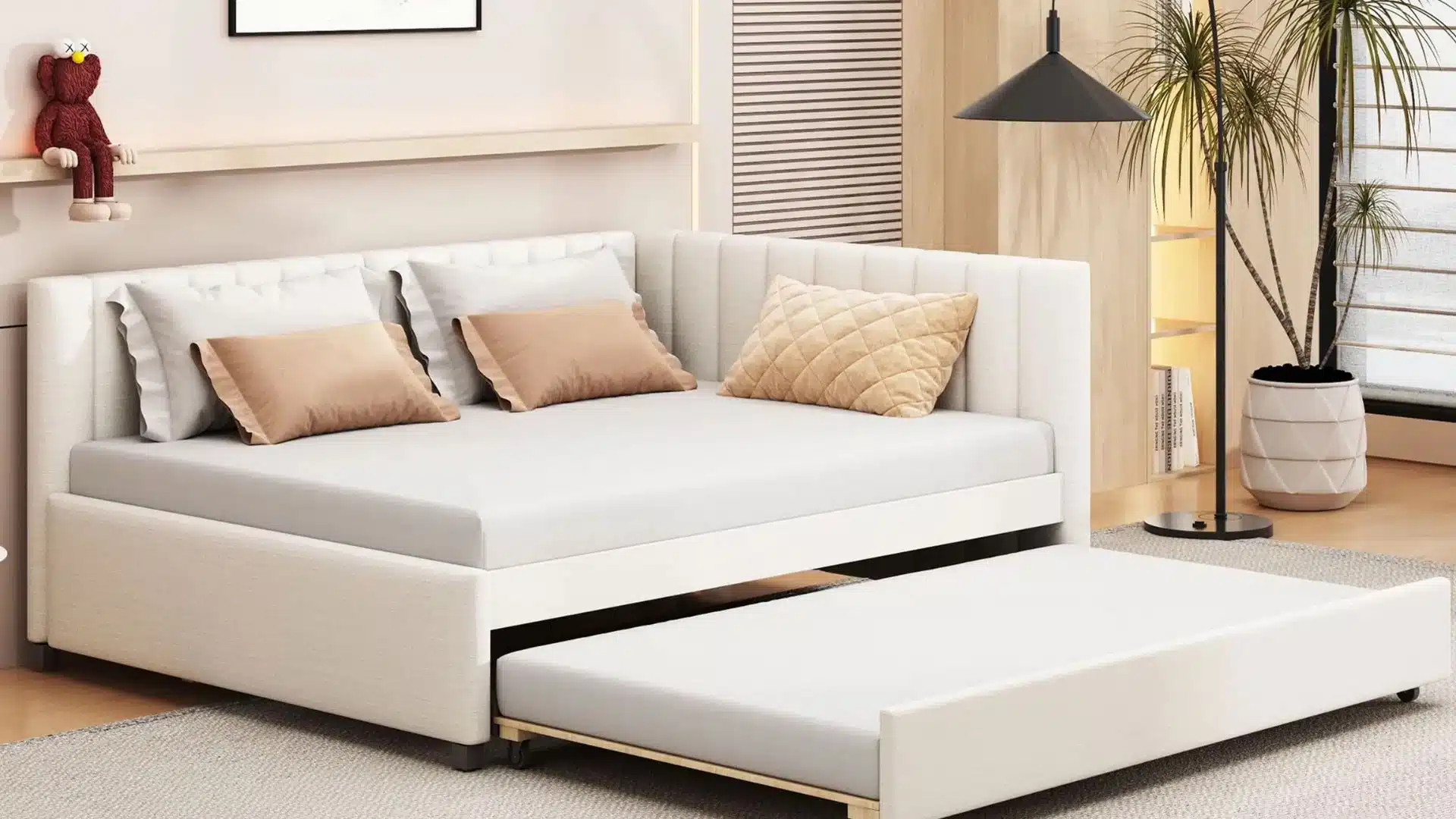
When I was shopping for my first mattress, I didn’t realize how much the height would matter. I thought a mattress was just a mattress, but boy, was I wrong!
The thickness of your mattress affects way more than you might think. It impacts how comfortable you feel, how well your body is supported during sleep, and even how easy it is to get in and out of bed each morning.
Mattress height plays a big role in bedroom ergonomics, which is just a fancy way of saying how well your sleeping setup works with your body.
I’ll explain standard mattress height, compare different types, and help you understand what factors matter most. Soon, you’ll know the perfect thickness for your needs.
What Is the Standard Mattress Height?
In the mattress industry, the standard height typically falls between 8 and 14 inches. This measurement includes both the support core (the base that supports everything) and the comfort layers (the softer materials on top that cushion your body).
When shopping, you’ll hear terms like low-profile, standard, and high-profile mattresses. Low-profile mattresses are thinner and closer to the ground.
Standard mattresses fit that 8-14 inch range and work for most people. High-profile mattresses are extra thick, usually 14 inches or taller, and offer maximum cushioning.
It’s important to know that “standard” varies across brands and mattress technologies, so always check specific measurements before buying.
Mattress Thickness Chart
To help you quickly compare different mattress heights and their best uses, here’s a handy reference chart:
| Mattress Thickness | Category | Best For | Description |
|---|---|---|---|
| 2-5 inches | Very Low-Profile | Kids, bunk beds, toppers | Minimal height for safety rails, compact spaces, or adding comfort. Not for primary adult use. |
| 6-8 inches | Low-Profile | RVs, trundle beds, guest beds | Thin mattresses for temporary sleeping and tight spaces. Basic comfort with limited support. |
| 8-12 inches | Standard | Most adult sleepers, all positions | Most common choice with balanced comfort and support. Works with standard frames. |
| 12-14 inches | High-Profile | Side sleepers, couples, extra comfort | Enhanced cushioning with multiple layers. Better pressure relief for various body types. |
| 14+ inches | Extra-Thick | Heavier individuals, luxury seekers | Premium thickness with extra layers. Maximum cushioning but requires mobility consideration. |
For a deeper breakdown of how these thickness levels translate to real comfort and support, a mattress thickness guide covers each category in detail.
What Influences the Ideal Mattress Height?
Choosing the right mattress height isn’t random. Several key factors determine which thickness will provide the best comfort, support, and practicality for your unique situation.
1. Body Weight and Pressure Relief
Body weight plays a major role in determining the right mattress height. Heavier individuals typically benefit from thicker mattresses with more supportive layers.
Extra height prevents them from sinking too deeply and hitting the firm base underneath, which can cause discomfort and poor sleep quality.
2. Sleeping Position
Your preferred sleeping position matters when choosing mattress height. Side sleepers often need more cushioning to accommodate their shoulders and hips, which might mean a slightly thicker mattress.
Back and stomach sleepers usually do well with medium heights, as they need less contouring and body-hugging support.
3. Health and Mobility Issues
Health concerns can’t be ignored when selecting mattress height. People with back pain need proper support at the right height for spinal alignment.
Those with joint pressure or arthritis might require extra cushioning for comfort. Mobility concerns are especially important.
Seniors or people with disabilities need a height that they can easily get into and out of safely without straining.
4. Bed Frame and Foundation Style
The bedframe and foundationyou have (or plan to buy) affect the overall height from floor to mattress top. A platform bed adds less height than a traditional box spring and metal frame combination.
Calculate the total height by adding your mattress thickness to your frame height to ensure comfortable access.
5. Aesthetic and Design Preferences
Your aesthetic preferences and bedroom design trends might also influence your choice. Some people love the modern, low-profile look that sits closer to the floor.
Others prefer the classic, taller bed appearance that makes a statement. Consider how the bed height will look in proportion to other bedroom furniture.
6. Considerations for Couples
For couples sharing a bed, both partners’ needs must be considered. If one person is much heavier or has different comfort requirements, finding the right height becomes a balancing act.
Discuss preferences together and test mattresses together to ensure the height works well for both sleepers.
Why Mattress Height Matters
Your mattress height does more than you’d expect. It affects your sleep quality, your comfort levels, and how easily you get in and out of bed each day.
- It affects spinal alignment: Too thin, and your spine curves the wrong way, causing back pain.
- It impacts bed accessibility: A bed that sits too high or too low makes getting in and out a daily hassle.
- It shapes pressure relief: Thicker mattresses have more cushioning layers, so they’re better for side sleepers and heavier bodies.
- It determines durability: Thin mattresses sag faster, sometimes within 3–4 years. A 12-inch mattress can hold up to 7–10.
- It controls your total bed height; Your mattress, frame, and foundation together decide how far off the ground you actually sleep.
Height isn’t just an afterthought. Get it right, and the rest of your sleep setup starts to make sense. The right mattress height can make your bed look more balanced, luxurious, and in proportion with your room’s overall design.
Standard Mattress Height by Mattress Type
Different mattress materials require different heights to deliver optimal comfort and support. Let’s learn what you can expect from each type and how to choose wisely.
1. Memory Foam
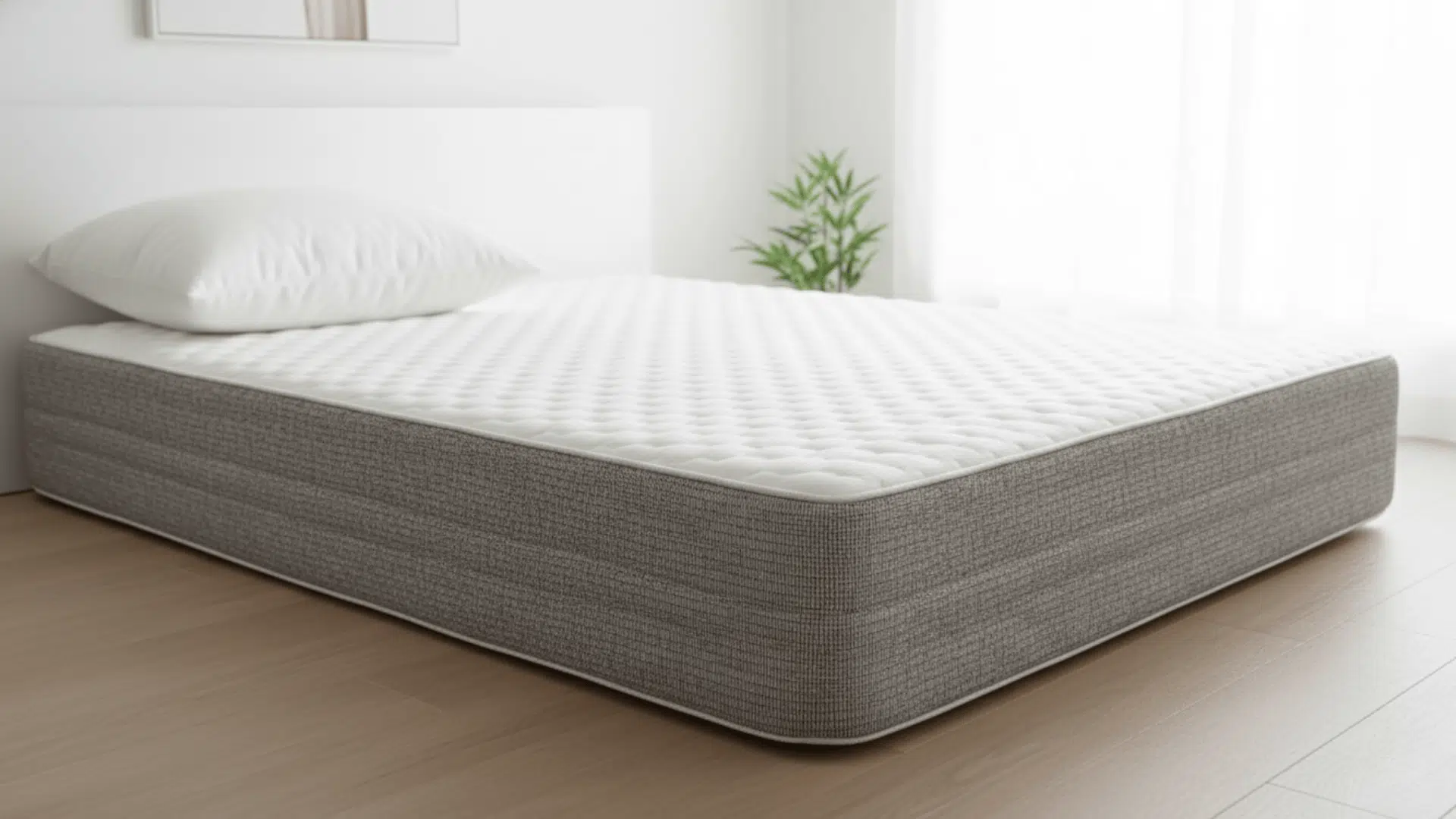
Memory foam mattresses typically range from 8 to 14 inches, though some luxury models go thicker. The layer structure usually includes a dense foam base (around 5-7 inches) with softer memory foam layers on top (3-7 inches).
How the height is distributed affects mattress firmness. Thicker comfort layers mean more contouring and a softer feel, while a thicker base provides firmer support.
Pro Tip: If you’re a side sleeper or have joint pain, opt for a 12-14 inch memory foam mattress with at least 4 inches of comfort layers for proper pressure relief and cushioning.
2. Latex
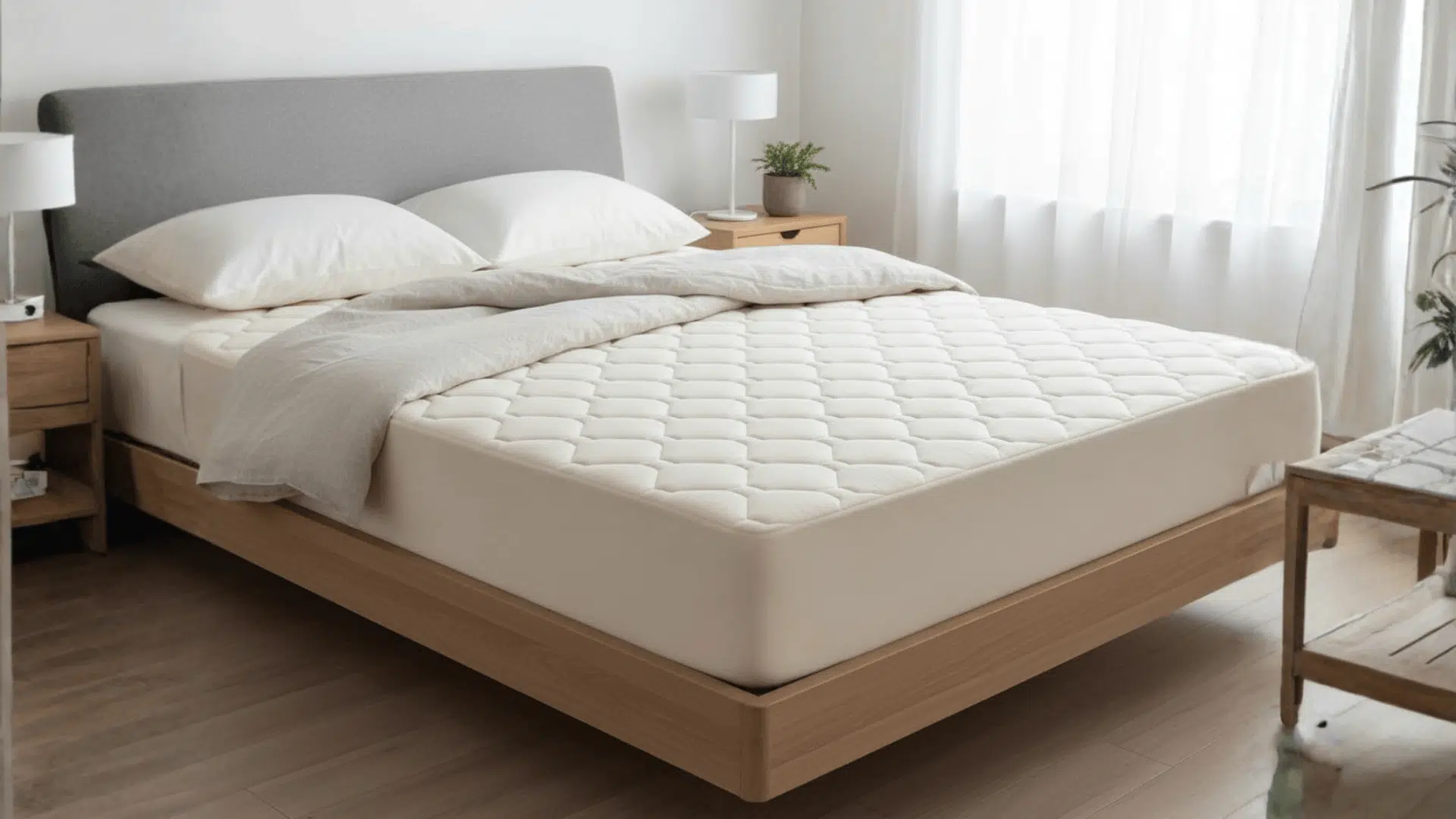
Latex mattresses often feel slightly firmer than memory foam, which means people sometimes need less height to achieve adequate support. These mattresses commonly range from 8 to 12 inches.
The natural responsiveness of a latex mattress topperprovides good support without requiring as many layers as other materials.
Many sleepers find that a 10-inch latex mattress offers comfort similar to that of a 12-inch memory foam mattress.
Pro Tip: Choose a 9-10 inch latex mattress if you sleep hot or prefer a bouncier, more responsive feel. Latex naturally sleeps cooler and doesn’t require extra height for support.
3. Innerspring
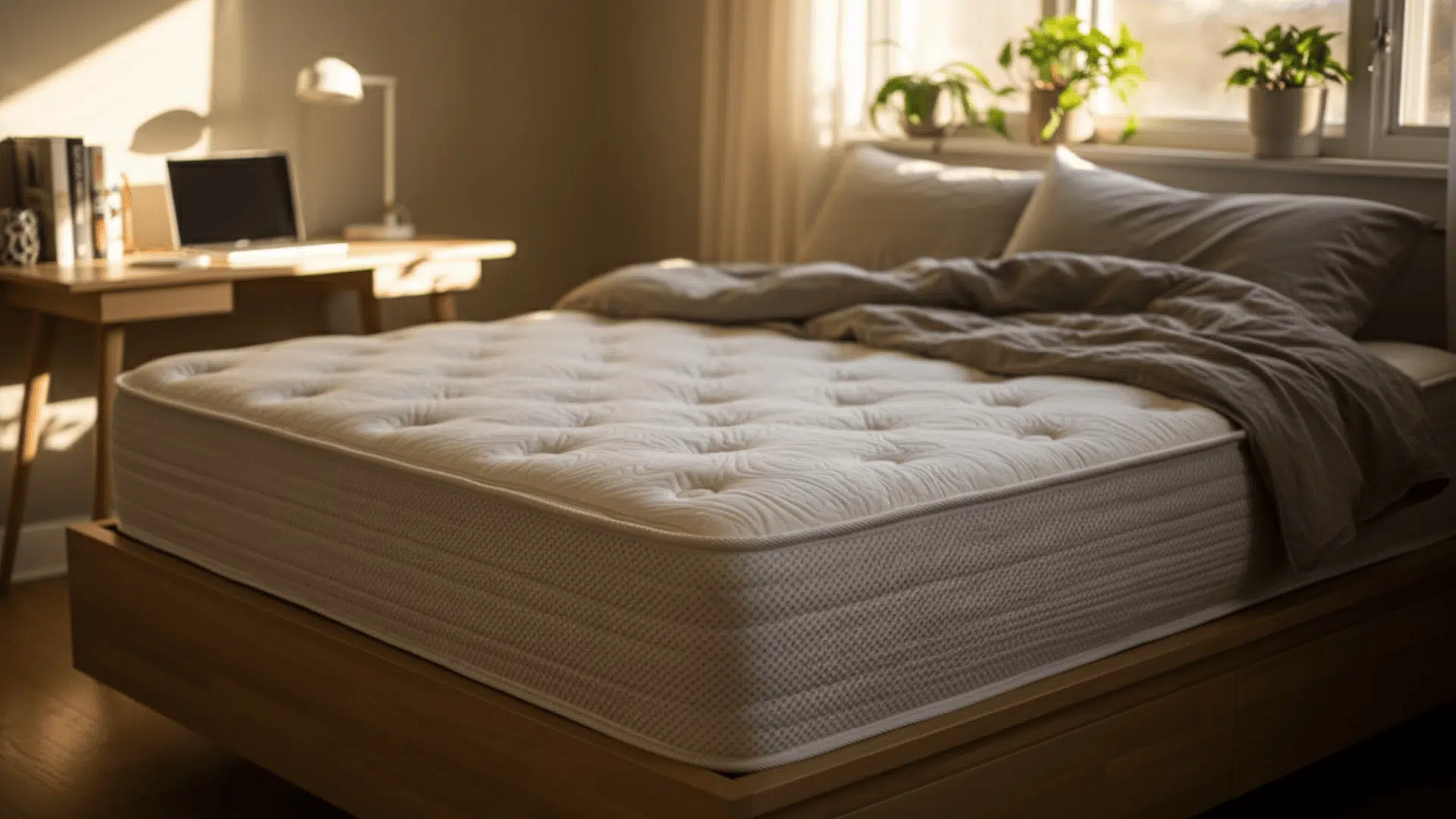
Traditional innerspring mattresses include coil support systems that take up significant space, usually 6-8 inches. Manufacturers then add comfort layers on top, which often makes these mattresses thicker overall.
Most innerspring models range from 10 to 16 inches. The coils provide the support base, while padding, foam, or fiberfill creates the comfort layer that cushions your body.
Pro Tip: Look for innerspring mattresses with at least 3-4 inches of comfort layers above the coils. Less cushioning may feel too firm, leading to pressure points, particularly for side sleepers.
4. Hybrid Mattresses
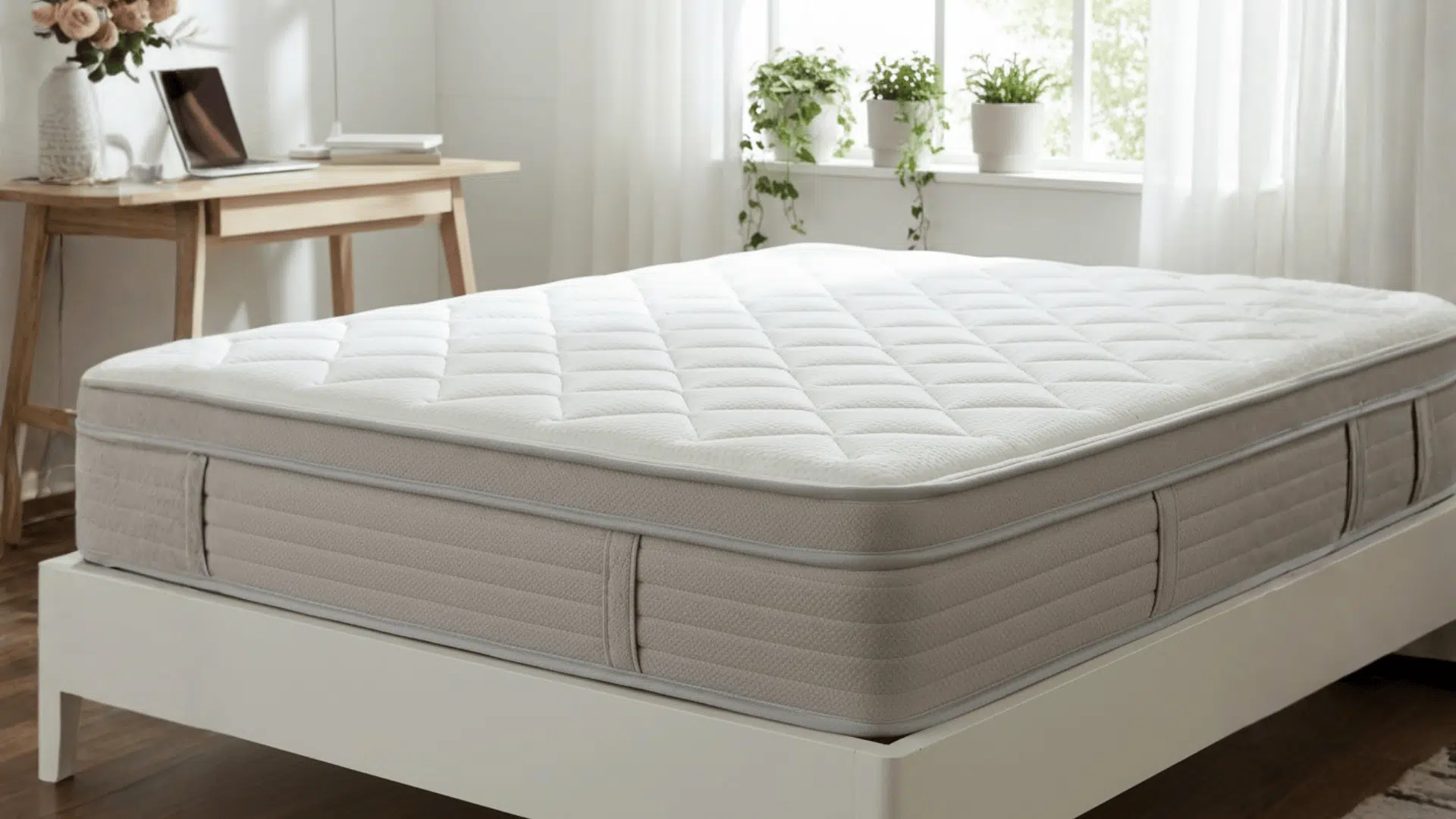
Hybrid mattresses combine coil systems with foam or latex layers, making them among the tallest options.
The construction includes a 6-8-inch coil base, transition layers, and thick comfort layers on top, typically resulting in a height of 12-18 inches.
Hybrids offer the best of both worlds: coil support with foam comfort, but this multi-purpose design requires more layers.
Pro Tip: Hybrids offer foam contouring, coil support, and airflow. They cost more but provide superior edge support and durability compared to all-foam mattresses.
5. Pillow-Top & Euro-Top
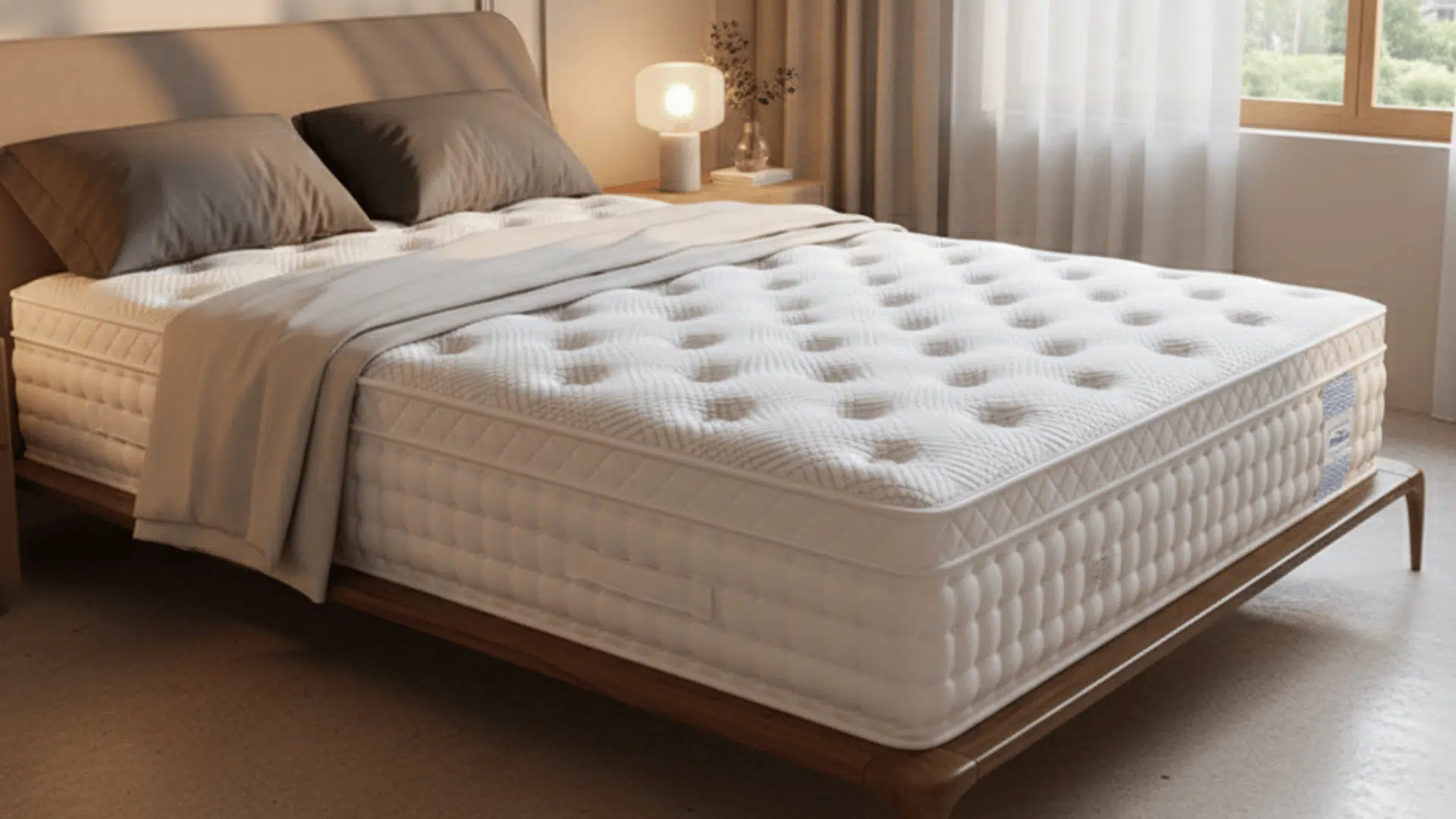
These mattresses feature extra padding sewn onto the top surface, which automatically increases total height by 2-4 inches.
A pillow-top mattress might start with a 12-inch base but end up at 15-16 inches after the pillow-top is added. Euro-tops are similar but have a flush appearance rather than the distinct pillow look.
Both styles appeal to people who want extra plush comfort on top of their mattress.
Pro Tip: Pillow-tops and euro-tops provide luxurious softness but can’t be flipped and may sag faster. Choose these only if you value initial comfort over durability.
Standard Mattress Height vs Total Bed Height
These terms sound similar, but they mean different things. Knowing the difference helps you choose a bed that fits your space and feels right for your body.
| Term | What It Means |
|---|---|
| Mattress height | The thickness of your mattress only |
| Total bed height | The full height from the floor to the top of your mattress |
| Standard mattress height | Usually 8–14 inches |
| Ideal total bed height | Often 18–25 inches |
To work out your best bed height, start with your knee height while standing. Add 1–2 inches for comfort, then subtract your bed frame height to estimate the mattress thickness you need.
What Makes a Mattress Thick or Thin?

When you look at mattress height, you’re really looking at its layers. Each one has a job, and together they change how the bed feels under your body.
- Comfort layer: This is the top part you feel first. It adds softness, cushioning, and a bit of pressure relief.
- Transition layer: This sits below the top and helps you avoid that “sink too far” feeling. It keeps comfort and support balanced.
- Support core: This is the thick base layer. It supports your weight and helps keep your spine in line.
- Edge support: Strong edges help you use the full mattress and can make getting out of bed feel easier.
- Cover and extras: Quilted tops, pillow tops, and cooling layers can add height and change the feel.
So, when you choose a taller mattress, you’re often getting more material and a more layered feel. That can mean better comfort, but only if the bed suits your sleep style.
What Is the Best Mattress Height for Different People?
The best mattress heightdepends on who’s using it and how you sleep. Your comfort, body weight, and ease of movement all play a part.
| Person | Best Height |
|---|---|
| Kids | 6–10 inches |
| Teens | 8–12 inches |
| Adults | 10–14 inches |
| Seniors | 8–12 inches |
| Heavier sleepers | 12–14 inches |
| Side sleepers | 10–14 inches |
If you want a bed that feels easy to use, think beyond comfort alone. The right height helps you sleep well, and it also makes getting in and out of bed much easier.
When to Use a Mattress Topper
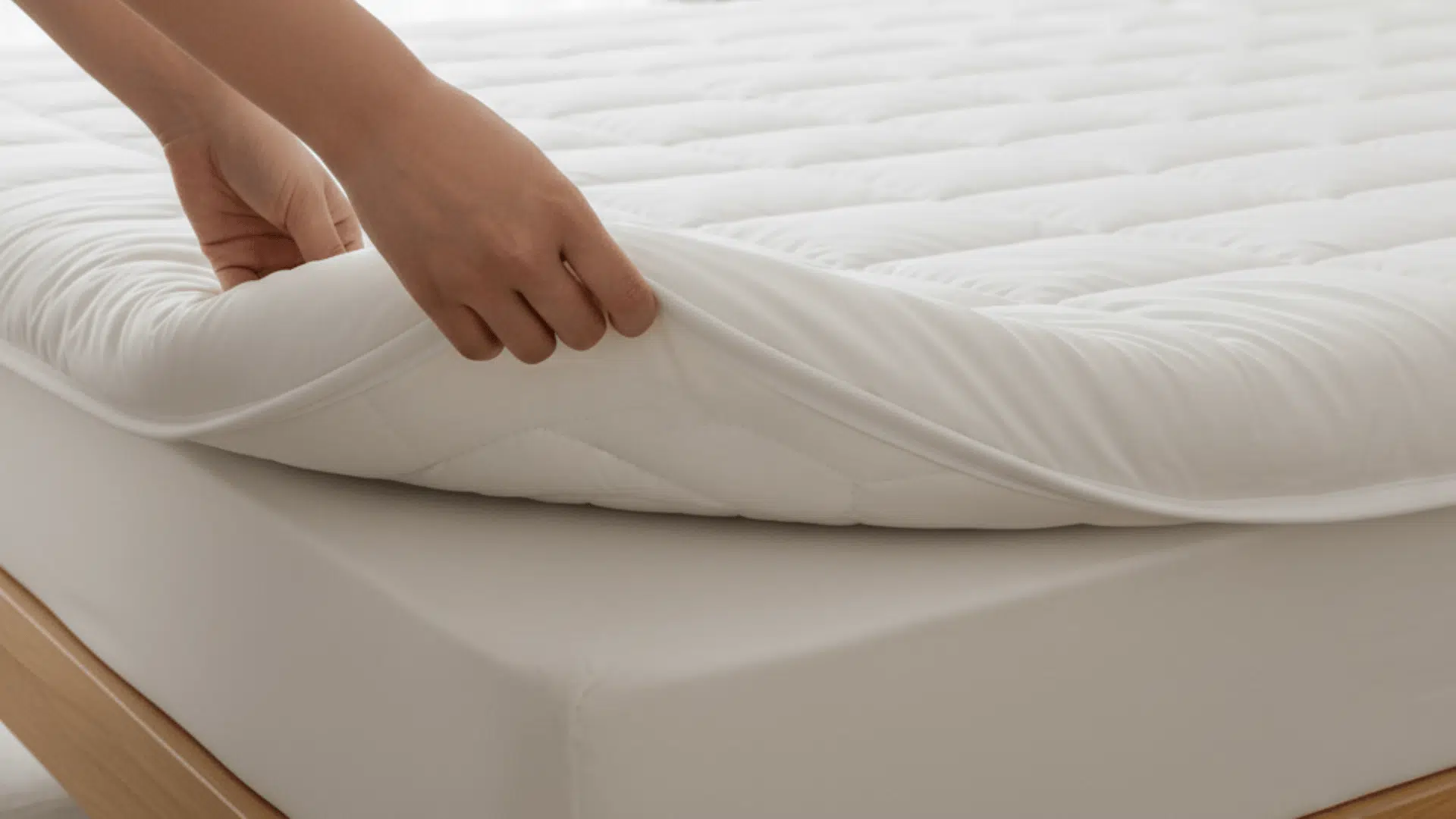
Mattress toppers work well if you have a decent mattress that’s slightly too firm or thin. Adding a 2-4 inch topper improves comfort without replacing the entire mattress and costs much less.
They’re affordable, easy to clean, and let you try different comfort levels without major investment. However, toppers have limitations.
They don’t fix structural problems like sagging or broken springs, can shift during sleep, and won’t provide the integrated support of a quality thick mattress.
Think of toppers as temporary fixes or customization tools, not replacements for a mattress when you truly need a new one.
Tips for Choosing Mattress Height
Finding the perfect mattress height involves more than just picking a number. Consider these key factors to ensure your choice supports both comfort and practicality.
- Assess your comfort needs: Consider your weight, sleeping position, and physical issues. Aches or pains indicate you need better support or cushioning.
- Check mobility requirements: Your knees should bend to 90 degrees when sitting on the edge of the bed. This is crucial for seniors, disabled individuals, or pregnant women.
- Calculate the total bed height: Aim for 20-25 inches from the floor to the mattress top. Add mattress and frame heights, then adjust if needed.
- Test before buying: Lie on the display for 10+ minutes and sit on the edge. Imagine daily use before committing to purchase.
- Consider your partner’s needs: Test the mattress together. Discuss if the height works for both and prioritize greater health or mobility concerns.
- Think about bedroom layout: Ensure taller mattresses won’t block windows or artwork. Bed height should complement your other bedroom furniture.
Taking time to evaluate these factors ensures you’ll choose a mattress height that improves your sleep quality and fits easily into your daily routine.
Conclusion
I hope you now understand that standard mattress height isn’t one-size-fits-all. While the 8-14 inch range works for most people, your ideal thickness depends on body type, health concerns, sleeping position, and daily use.
Don’t assume thicker is automatically better. Focus on finding the right balance of comfort, support, and practicality for your needs.
Before buying, measure the height of your current bed from the floor. This helps you decide what to do, to stick with something similar or make adjustments.
Taking measurements now will save you from buyer’s remorse later! Now it’s time to head to your local mattress store or browse online to find the perfect height that’ll give you the best night’s sleep.
Frequently Asked Questions
Is a Thicker Mattress Always Better?
No. Quality matters more than thickness. A well-made 10-inch mattress can outperform a poorly constructed 16-inch one. Focus on materials and construction quality.
Are Extra-High Mattresses Bad for Seniors?
Yes, they can be problematic. Very tall mattresses increase the risk of falls and make getting in and out difficult. Seniors need moderate heights for safety.
Does Bed Frame Height Affect Ideal Mattress Thickness?
Absolutely. The combined frame and mattress height determines your sleeping surface height. Tall frames need thinner mattresses; low frames can accommodate thicker ones.