


If you’ve ever sat on the edge of your child’s bed at 10 PM, waiting for them to finally fall asleep, you’re not alone.
As a health coach, I’ve worked with many parents stuck in the same exhausting pattern of bedtime struggles, night waking, and tired mornings.
Sleep plays a major role in a child’s growth, mood, and learning, yet getting enough of it is not always easy.
While routines and sleep habits should come first, some families also explore kids’ sleep aids, including melatonin and non-melatonin options, when extra support is needed.
For most children with common sleep difficulties, behavioral strategies, consistent bedtime routines, reduced screen time, and a sleep-friendly environment are the first and most effective steps. Melatonin and other supplements should only be considered under pediatric guidance, particularly for children under 5. |
Why Sleep Matters for Children
A child’s day often goes better after a good night of sleep. Sleep gives the body and brain time to grow, learn, and reset. It helps with memory, attention, mood, and steady energy during the day. Sleep needs also change as children get older.
Toddlers usually need 11 to 14 hours of sleep in a 24-hour period, school-age children need 9 to 12 hours, and teens need 8 to 10 hours.
These ranges come from the American Academy of Pediatrics (AAP), which recommends that children maintain regular sleep schedules and avoid screens before bed as foundational sleep hygiene steps.
When children do not get enough sleep, they may struggle to focus, feel more irritable, act more restless, and seem tired throughout the day. Over time, poor sleep can also affect learning, behavior, and overall health.
Common Sleep Problems in Children
Many children have sleep problems from time to time. Knowing the usual signs can help parents notice what may be affecting rest at home.
- Trouble Falling Asleep: Stress, screen time, or inconsistent bedtime habits can keep children awake past their bedtime.
- Waking up at Night: Night awakenings may occur due to nightmares, noise, illness, or difficulty resettling.
- Night Fears or Restlessness: Fearful dreams, anxiety, or body discomfort can make sleep feel broken.
- Irregular Sleep Schedules: Late bedtimes and changing wake times can upset a child’s body clock.
- When to Seek Medical Care: Loud snoring, breathing pauses, daytime sleepiness, or lasting sleep struggles.
One pattern I hear from parents repeatedly: the child catches a second wind around 8 or 9 PM and becomes almost hyperactive at bedtime.
This is often a sign of an overtired child whose cortisol has spiked, a counterintuitive response to missed sleep windows. Moving bedtime earlier by 15–30 minutes can sometimes resolve this within a week.
When sleep problems occur frequently, affect daytime mood or learning, or are accompanied by breathing concerns, medical advice may be needed.
What is a kids’ sleep aid?
A kid’s sleep aid is anything that helps a child fall asleep more easily and stay asleep through the night. This can include simple daily habits, changes in the sleep setting, or certain products.
Behavioral sleep aids focus on routines, like a calm bedtime and regular sleep times. Environmental aids include dim lights, quiet rooms, and soft background sounds that support rest.
Some families consider supplements, such as melatonin or other calming nutrients, but these should be used with care. In some cases, doctors may suggest medication, though this is uncommon and is used only when sleep problems are more serious or long-lasting.
When Should You Consider a Sleep Aid for Kids?
A sleep aid for kids may be worth discussing when sleep problems persist for more than a few weeks, especially if a child is not getting enough rest despite consistent bedtime habits.
It may also be time to seek help when poor sleep starts to affect school, mood, behavior, or overall health during the day.
Sleep supports learning, attention, and emotional health, so ongoing sleep trouble should not be brushed aside.
Red Flags That Warrant a Doctor Visit (Not Just a Sleep Aid)
- Loud snoring, mouth breathing, or visible pauses in breathing during sleep, these may indicate obstructive sleep apnea
- Leg discomfort or restlessness at night that disrupts sleep (possible restless leg syndrome)
- Extreme daytime sleepiness despite apparently adequate nighttime sleep
- Sleep problems that began suddenly after a stressful life event or illness
- Any sleep supplement use in children under 3
When sleep problems continue or warning signs appear, medical guidance can help identify the cause and support safer, more effective treatment.
Kids’ Melatonin: What Parents Need To Know

Melatonin is a natural hormone made by the body that helps control the sleep–wake cycle. It rises in the evening to signal that it is time to sleep and lowers in the morning.
Some parents consider giving their kids melatonin when a child has trouble falling asleep, especially in short-term situations like travel, schedule changes, or certain conditions that affect sleep timing.
However, it should not be the first step for common sleep problems, where routines and healthy habits often work better. The FDA does not strictly regulate melatonin products.
The use of melatonin in children should be carefully guided, as the right dose and timing matter. It is always best to speak with a doctor before giving melatonin to a child.
Melatonin Gummies For Kids: Benefits And Concerns
Melatonin gummies for kids may seem like an easy sleep option, but they need careful thought. These products can help in some short-term cases, yet they are not the best first step for most sleep problems. It also helps to know where the concerns come in before choosing them.
| Benefits | Concerns |
|---|---|
| Easy to take and pleasant taste make gummies more acceptable for children | Gummies may be mistaken for candy, increasing the risk of accidental overdose |
| Helpful for short-term sleep issues like travel or schedule changes | Can cause side effects like daytime sleepiness, headaches, or mood changes |
| Simple format makes dosing feel convenient for parents | Not recommended for long-term or nightly use without medical advice |
| Can support sleep onset in specific cases when used properly | Limited research on the long-term effects on growth and hormones in children |
These are not recommended for children under 5 without medical advice. Many pediatric sources also stress that healthy sleep habits should come first, with melatonin used only when a doctor agrees it makes sense.
Recommended Products: Natrol Kids’ Gummies, up&up Kids’ Gummies, Walgreens Melatonin Gummies
Non-Melatonin Kids Sleep Aid Options
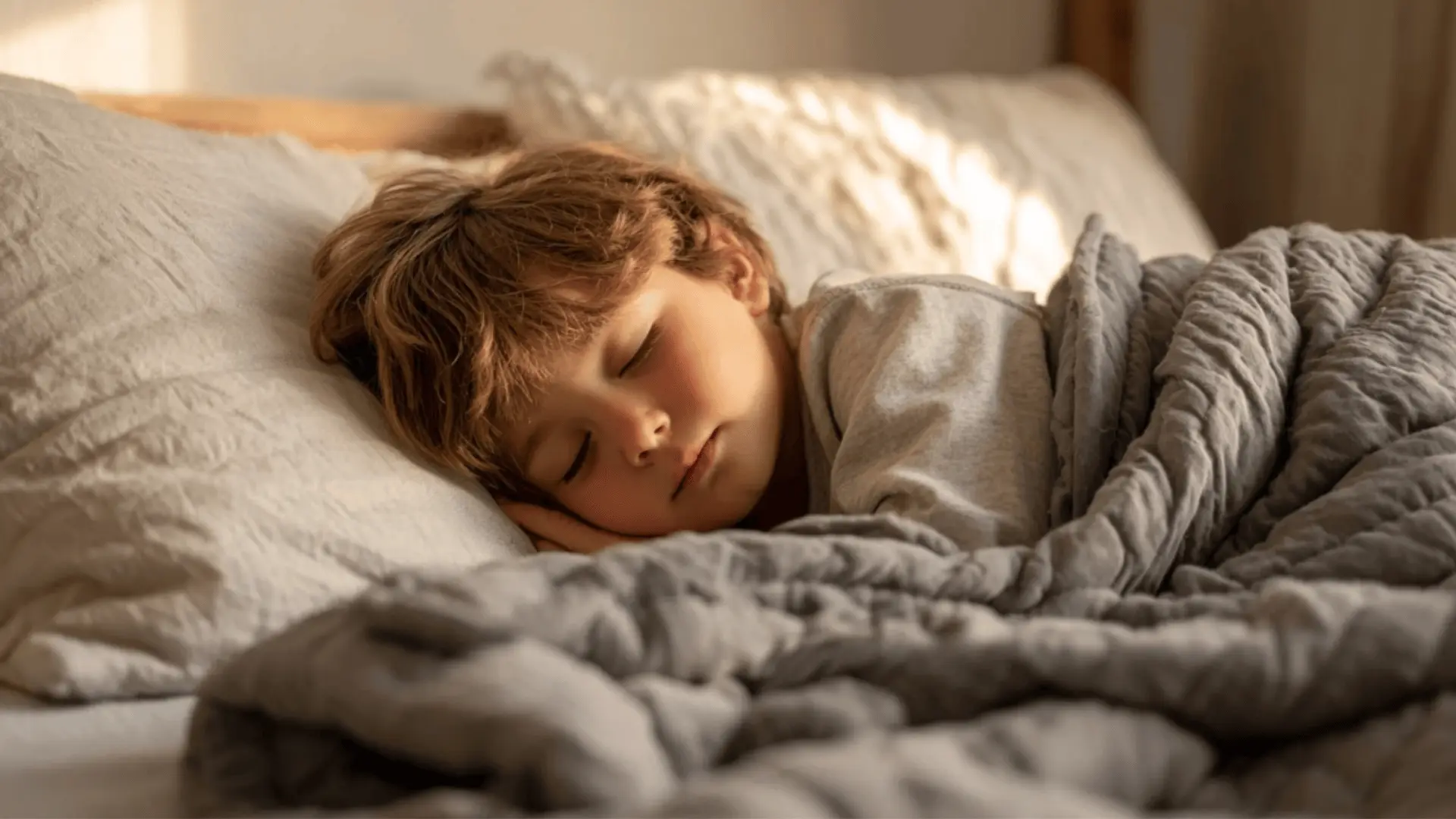
Many families look for non-melatonin ways to improve sleep before trying supplements.
That approach aligns with current pediatric advice, which prioritizes steady routines and a sleep-friendly setting. The key is choosing methods that are safe, age-appropriate, and used with realistic expectations.
1. Bedtime Routines
A steady bedtime routine is one of the most helpful non-melatonin sleep aids for children. Going to sleep and waking up at about the same time each day helps the body keep a regular sleep pattern.
Quiet steps before bed, such as reading, a bath, or soft music, can help children settle down and feel ready for sleep.
2. Sleep Environment Changes
The sleep setting can make a big difference in how easily a child falls asleep. A dark, quiet, and comfortably cool room often helps the body relax at night.
Blackout curtains may reduce outside light, and soft, comfortable bedding can make the bed feel more restful. Keeping screens and play items away from the sleep space may also support better sleep.
3. White Noise and Sound Machines
White noise or a sound machine can help cover sudden sounds that might wake a child or delay sleep. A steady background sound may help some children feel calmer at bedtime, especially in noisy homes.
Still, volume matters. Pediatric sources advise using these devices carefully and avoiding loud sound levels, especially near younger children during sleep.
4. Weighted Blankets and Comfort Tools
Some children feel calmer with extra comfort at bedtime, and weighted blankets are sometimes used for that reason.
The gentle pressure may help certain children relax, especially those with sensory needs or anxiety. Still, research on sleep benefits is mixed, so results are not the same for every child. Families should choose these products carefully and ask a doctor when unsure.
Understanding why we sleep with blankets can help explain how this added comfort supports better rest.
A General Safety Guideline: Weighted blankets should not exceed 10% of a child’s body weight, and they are generally not recommended for children under 3 or for any child who cannot remove the blanket independently.
5. Aromatherapy and Calming Scents
Mild calming scents, such as lavender, are sometimes used at bedtime to help children feel more relaxed. Some families report that aromatherapy supports a calmer mood, but research on its sleep benefits remains limited.
Safety matters most. Essential oils should be used with care around children, and they should not be placed directly on the skin unless a health professional says it is safe. You can learn the best essential oils for sleep to understand which options may work well.
If using a diffuser, run it for 30 to 60 minutes before bedtime rather than continuously through the night. Eucalyptus and peppermint oils are generally not recommended for children under 6 years old, as they may irritate the respiratory tract.
6. Natural Supplements (Melatonin-Free)
Some parents look at melatonin-free products such as magnesium, chamomile, or herbal blends. These may be marketed as calming options, but evidence in children is limited, and product quality can vary.
Experts generally suggest starting with sleep habits before trying supplements. If a family is considering any sleep product, it is best to check with a doctor first.
7. L-Theanine
L-theanine is an amino acid found in tea leaves and is known for its calming effect. It may help children feel more relaxed without making them sleepy right away, which can make bedtime easier.
Some early studies suggest it may improve sleep quality, but research in children is still limited. It should only be used with medical advice to ensure safe use and proper dosing.
8. Valerian Root
Valerian root is a plant-based option sometimes used to support relaxation and sleep. It may help reduce restlessness and support a calmer bedtime in some children. However, strong evidence of its safety and effectiveness in children remains limited.
It can also interact with other medicines, so it is important to speak with a doctor before using valerian root for sleep support.
9. Behavioral Sleep Training Approaches
For younger children and toddlers, especially, structured behavioral approaches are often overlooked in lists of sleep aids, but they deserve a prominent place.
Techniques such as the “Ferber method” (graduated extinction) and “sleep fading” (gradually shifting bedtime later, then earlier, to consolidate sleep pressure) have strong pediatric backing and do not involve any products or supplements.
These methods are best introduced with guidance from a pediatrician or certified pediatric sleep consultant, particularly for children with anxiety or complex sleep histories.
Simple Habits That Improve Sleep Without Supplements
Small daily habits can make sleep come more easily, even without supplements. These changes work best when they stay steady from day to day.
Screen time before bed: Turn off devices at least 30 minutes before bedtime to help the brain wind down for sleep.
Daytime activity: Regular movement during the day can support better sleep and steadier bedtime routines.
Evening food choices: Avoid sugary foods late evening, since they may make settling down harder.
Self-soothing skills: Teach calm breathing or quiet comfort habits so children can settle themselves.
Steady routine: Keep bedtime steps simple and regular, since consistency helps the body expect sleep.
When these habits are practiced often, they can support better sleep over time. If sleep problems continue, or if snoring, breathing pauses, or strong daytime sleepiness are present, it is best to speak with a doctor.
Age-by-Age Guide: What Sleep Aids Are Appropriate
| Age Group | Recommended first steps | Supplement use |
|---|---|---|
| Infants (0–12 months) | Sleep schedule consistency, a safe sleep environment, and white noise | None, not appropriate at this age |
| Toddlers (1–3 years) | Consistent bedtime routine, comfort object, brief check-ins | Not recommended without physician guidance |
| Preschool (3–5 years) | Bedtime routine, addressing night fears, limiting screen time | Only under doctor’s supervision, melatonin is rarely appropriate |
| School age (6–12 years) | Sleep hygiene, screen limits, consistent schedule | Melatonin may be considered short-term with doctor’s guidance |
| Teens (13–18 years) | Delayed school start awareness, screen management, and sleep education | Melatonin for circadian shift only; discuss with doctor |
Safety Tips for Choosing a Kid’s Sleep Aid
Choosing a sleep aid for a child calls for extra care. A few simple checks can lower risk and help families make better decisions.
- Check age labels: Ensure the product is appropriate for your child’s age and stage.
- Use the lowest amount: If using supplements, begin small and follow medical advice closely.
- Avoid mixing products: Combining sleep aids can increase risks and make side effects more severe.
- Ask a pediatrician first: A doctor can check causes, timing, dose, and product safety.
- Watch for side effects: Notice daytime sleepiness, headaches, mood shifts, or behavioral changes.
Safety matters more than speed when sleep problems come up.
If a child’s sleep issues continue, or if snoring, breathing pauses, or daytime sleepiness appear, it is best to talk with a pediatrician before trying or continuing any sleep aid.
Wrap-Up
Finding the right sleep support often begins with small, steady changes that fit a child’s age and routine.
In my years as a health coach, I’ve seen that the families with the most lasting success are usually the ones who stay consistent with the basics.
A regular bedtime, less screen time at night, morning light, and a calm wind-down routine often help more than supplements for most children.
If sleep problems continue, speak with a pediatrician before trying any sleep aid. The right support can help your child sleep better and build healthy habits that last.
Frequently Asked Questions
What is the Right Dosage of Melatonin for Children?
The right dose varies by age and need. Start low, around 0.5-1 mg, and use only with a doctor’s advice.
What is a Good Bedtime for School-Age Children?
Most school-age children do well with a bedtime between 7:30 PM and 9:00 PM, depending on age and routine.
Do Sleep Trackers or Apps Help Kids Sleep Better?
They may give some insights, but they are not always accurate. Healthy habits matter more.