





Your mattress has been there through everything. late-night snacks, sweaty summer nights, sick days, and years of sleep.
Over time, sweat, dead skin cells, dust mites, and the occasional spill quietly build up deep inside it, making your bed far less clean than it looks.
That faint smell lingering on your sheets? The yellowish patch you have been ignoring for months? Those are signs your mattress needs attention.
A dirty mattress can affect your sleep and your health more than most people realize. Knowing the best way to clean a mattress means you can skip the costly replacement and just bring it back to life.
Why Cleaning Your Mattress Matters
Most people wash their sheets regularly, but never think about the mattress underneath. Every night, your mattress absorbs sweat, dead skin cells, and body oils.
Over time, this creates the perfect conditions for dust mites and bacteria to build up deep inside the layers.
According to the American Lung Association, dust mites alone can trigger sneezing, congestion, and poor sleep, especially for people with allergies.
Even without them, a mattress carrying months of built-up grime can leave you waking up feeling drained. A clean mattress means better sleep, fewer irritants, and a longer-lasting bed.
What You Need Before You StartBefore getting into the actual cleaning, gather everything first. Stopping midway to hunt for supplies makes the whole process messier than it needs to be. Here is what you will need:
|
Best Way to Clean a Mattress Step by Step
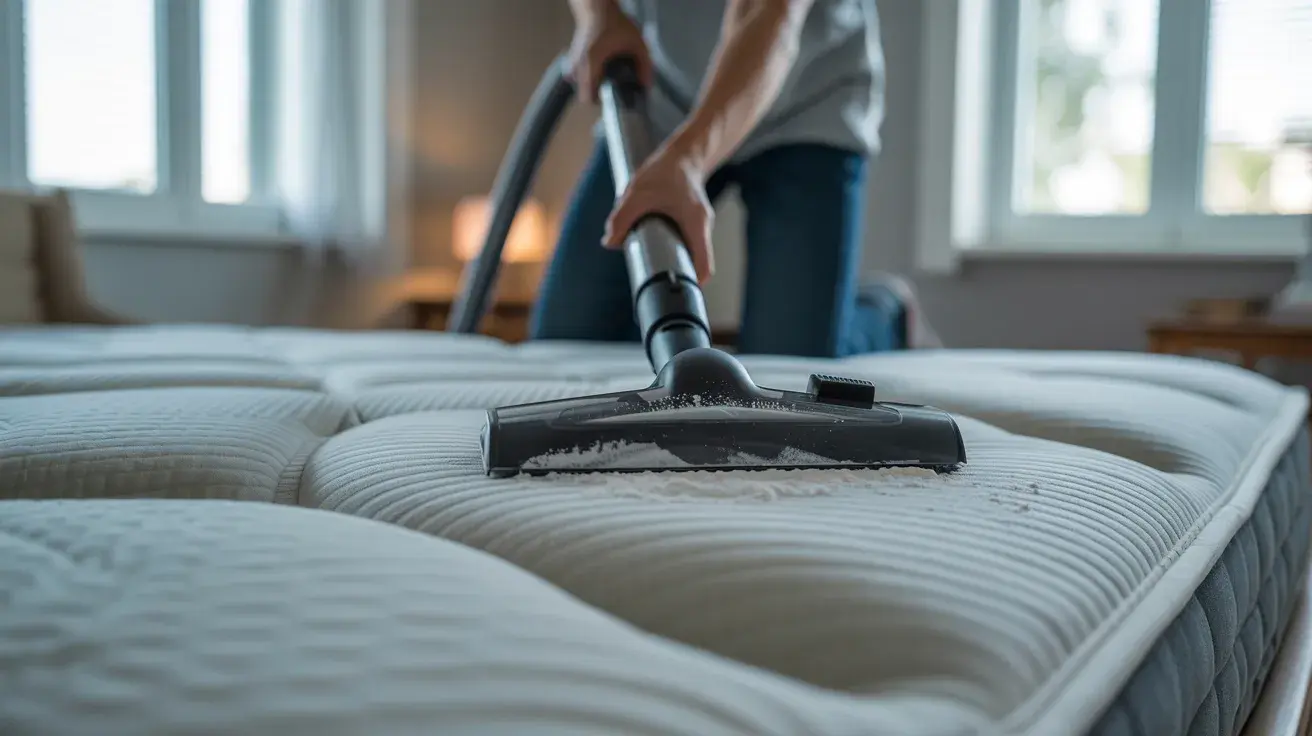
A mattress that looks clean on the outside can still be carrying months of sweat, dust, and bacteria beneath the surface. Follow these steps in order, and you will see a genuine difference in the way your mattress is sanitized.
Step 1: Strip the Bed and Inspect
Pull off all sheets, pillowcases, and mattress protectors and toss them straight into the wash. With the mattress bare, take a moment to look it over properly.
Check for stains, discoloration, or any spots that smell off. Knowing where the problem areas are before you start saves you from missing them later.
Step 2: Vacuum the Mattress
Run your vacuum over the entire surface of the mattress, top, sides, and any crevices along the edges. Use an upholstery attachment if you have one, as it picks up dust, dead skin cells, and debris far more effectively than a standard head.
Work in slow, overlapping strokes so nothing gets left behind.
Step 3: Treat Stains
Mix a small amount of mild dish soap with cold water, then dab it onto the stained area with a clean white cloth. Never scrub, always blot from the outside of the stain inward to stop it from spreading.
For tougher stains like urine or blood, an enzyme-based cleaner is more effective. Apply it, let it sit for a few minutes, then blot it dry. Avoid soaking the mattress; too much moisture can lead to mould forming inside.
Step 4: Clean Mattress with Baking Soda
Once the stains are treated, sprinkle a generous, even layer of baking soda over the entire mattress surface. Cleaning a mattress with baking soda is one of the most effective ways to pull out lingering moisture and break down odors that have settled deep in the fabric.
Leave it on for at least one hour, but if you have the time, a few hours will give you much better results. Open a window while you wait to help the mattress breathe.
Step 5: Vacuum Again
After the baking soda has had time to work, vacuum the mattress thoroughly from top to bottom. Make sure you pick up every trace of powder, especially along the edges and seams.
This step also pulls out whatever the baking soda has absorbed: odor, moisture, and loose debris, leaving the surface much cleaner than before.
Step 6: Let It Air Dry
Before putting your sheets back on, give the mattress time to dry out completely. If possible, prop it up near an open window or point a fan directly at it. Even a mattress that feels dry on the surface can still hold moisture underneath.
Putting bedding back on too soon traps that moisture inside, which can eventually lead to mould or a musty smell returning quickly.
How to Clean a Mattress with Baking Soda
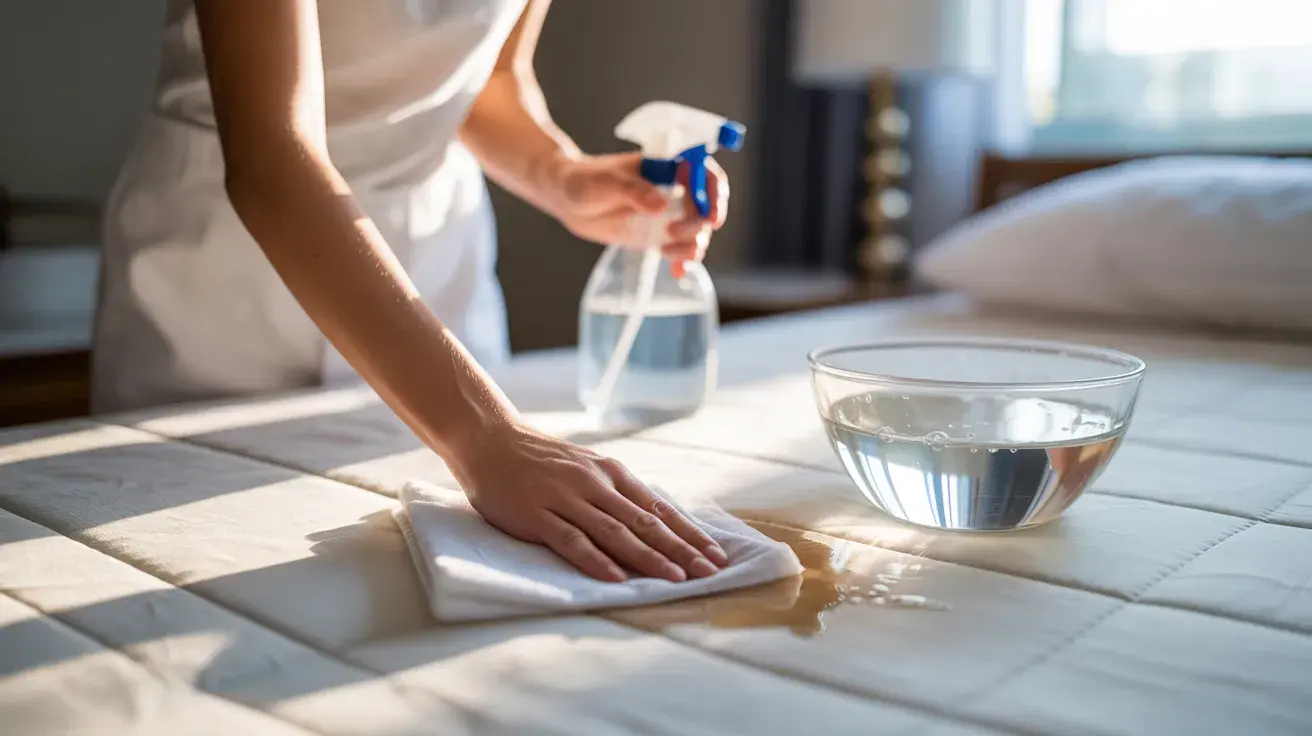
Baking soda is one of the simplest and most affordable ways to freshen a mattress. It works by absorbing moisture trapped in the fabric and breaking down the acidic compounds that cause that stale, lingering smell.
No special equipment, no harsh chemicals, just a box of baking soda and some time.
Why It Works:
Sweat and body oils that soak into your mattress over time turn acidic as they break down.
Baking soda is alkaline, meaning it actively neutralizes odor-causing compounds rather than just masking the smell. It also pulls out residual moisture, which, left unchecked, can lead to that musty scent that is hard to get rid of.
How Long to Leave It:
For light odors and regular maintenance, leave the baking soda on for at least one hour.
For a mattress that hasn’t been cleaned in a while or that carries stronger smells, leave it on for 3 to 5 hours. If you can leave it on overnight, that gives you the best results. The longer it sits, the more it draws out.
Common Mistakes to Avoid
|
How to Remove Common Mattress Stains
Not all stains respond to the same treatment. Here is what works for the most common ones.
Sweat Stains
- Mix equal parts cold water and white vinegar in a spray bottle
- Lightly mist the stained area and let it sit for ten minutes
- Blot dry with a clean cloth, never scrub
- For older yellow stains, sprinkle baking soda on top after spraying and let it bubble before blotting
Urine Stains
- Blot up as much liquid as possible immediately using a dry cloth
- Apply an enzyme-based cleaner and let it sit for ten to fifteen minutes
- Blot dry, then sprinkle baking soda over the area
- Leave the baking soda for a few hours, then vacuum it off
Blood Stains
- Always use cold water; hot water sets blood stains permanently
- Mix dish soap with cold water and dab onto the stain, working from the outside in
- For dried blood, apply a baking soda and cold water paste, leave for thirty minutes, then blot away
- For stubborn stains, apply a small amount of hydrogen peroxide, let it fizz, then blot immediately
Mold and Mildew
- Mix equal parts rubbing alcohol and warm water
- Dab the affected area with a cloth; never saturate
- Let it dry fully in a well-ventilated space before assessing whether the mold is fully gone
- For extensive mold growth covering a large area, replacement is safer than cleaning. Mold that has penetrated deep into foam layers cannot be reliably removed
Also check: How to spot and clean mold on a mattress?
How Often Should You Clean Your Mattress?
How often you clean your mattress depends on who sleeps on it and what it comes into contact with day to day. A home with allergies, pets, young children, or humid weather usually needs a more regular cleaning routine.
| Household | Deep Clean | Spot Clean | Quick Vacuum |
|---|---|---|---|
| No allergies, no pets, adults only | Every 3–6 months | As needed | Monthly |
| Allergy sufferers | Every 6–8 weeks | As needed | Every 2 weeks |
| Young children or pets on the bed | Every 6–8 weeks | Immediately after accidents | Monthly |
| Hot sleepers or humid climates | Every 2–3 months | As needed | Monthly |
A quick vacuum helps keep dust, crumbs, and surface debris under control between deeper cleans. Spot-clean stains right away so they do not set in the mattress.
Quick Mattress Cleaning for Busy Days
No time for a full clean? This 15-minute routine keeps your mattress fresh between deep cleans.
- Minutes 1–3: Strip the bed and toss sheets in the wash
- Minutes 4–7: Vacuum the entire mattress surface, focusing on seams and edges
- Minutes 8–10: Spot-treat any visible stains with a dab of dish soap and cold water, then blot dry
- Minutes 11–13: Sprinkle baking soda evenly over the surface
- Minutes 14–15: Open a window and let it air while you handle other tasks, vacuum it off when you are back
It is not a replacement for a deep clean, but done regularly, it stops dirt, odor, and moisture from building up in the first place.
How to Clean Different Types of Mattresses
The cleaning method matters depending on what your mattress is made of. Using the wrong approach can damage the material or push moisture where it shouldn’t.
Memory Foam Mattress
Memory foam is sensitive to water and heat, so less is always more. Never soak it or use a steam cleaner directly on the surface; excess moisture gets trapped inside and is nearly impossible to dry out fully.
Spot-clean stains with a lightly damp cloth and mild soap, blotting gently. Sprinkle baking soda to absorb odors, leave it for a few hours, then vacuum it up. Always let it air dry completely before putting sheets back on.
Latex Mattress
Latex is highly water-sensitive and should never be soaked or steam-cleaned. Use only a lightly dampened cloth for spot cleaning, and ensure the area dries fully before replacing bedding. Avoid alcohol-based cleaners, which can degrade the latex over time. Baking soda is safe to use on the surface, sprinkle lightly, leave for an hour, and vacuum thoroughly.
Find out: Between Latex and Memory foam which mattress suits better your sleep style
Spring Mattress
Spring mattresses are more forgiving with moisture than foam, but still should not be soaked. You can use a slightly damp cloth with a mild cleaner to remove stains without worrying about water damage.
Vacuum the surface and sides regularly, as dust and debris tend to accumulate around the coil. Baking soda works well here, too. Leave it on for an hour and vacuum thoroughly.
Pillow-Top Mattress
The quilted top layer on these mattresses traps dust, sweat, and dead skin cells more than other types. Vacuum slowly and carefully, using an upholstery attachment to get into the quilted grooves properly.
For stains, blot gently; scrubbing can pull at the stitching and damage the top layer. Baking soda is safe to use here; just make sure you vacuum every bit of it out of the grooves before putting your bedding back on.
When in doubt, always check the care label on your mattress; manufacturers often include cleaning instructions specific to that material.
Should You Use a Steam Cleaner? Steam cleaners are effective at killing dust mites and bacteria, but they are not appropriate for all mattress types. They can be used cautiously on spring mattresses with a quick pass, held at a distance, and not applied directly. They should never be used on memory foam or latex, as the heat and moisture penetrate the layers and cannot escape, which accelerates breakdown and mold risk. If you want to use steam, check the care label on your mattress first. |
Simple Tips to Keep Your Mattress Clean Longer
A little consistency between deep cleans makes a big difference over time.
- Use a mattress protector: It acts as a barrier against sweat, spills, and dust mites. Wash it every two to four weeks
- Keep food and drinks out of bed: Crumbs attract dust mites, and spills soak through sheets faster than most people expect
- Vacuum monthly: A quick run over the surface once a month stops dust and dead skin cells from building up
- Let it breathe: Pull back the sheets for thirty minutes each morning before making the bed. It allows moisture from the night to evaporate
- Rotate your mattress: Every three months helps distribute wear evenly and stops one area from absorbing more sweat than the rest
Stick to these habits, and you will likely get years more use out of your mattress before replacement even becomes a conversation.
Summing Up: A Fresh Mattress is Closer Than You Think
A clean mattress is not something you need to spend money on; the right steps and a box of baking soda are enough to make a real difference.
Strip it down, vacuum it, treat the stains, let the baking soda do its work, and give it time to dry properly. Done regularly, it takes less effort each time, and your sleep genuinely feels better for it.
Start with one section today, even just a vacuum and a sprinkle of baking soda, and build from there.
Your mattress will last longer, smell fresher, and give you the clean sleep surface you actually deserve.
Frequently Asked Questions
Can You Clean a Mattress without Removing It from the Bed Frame?
Yes, you can clean it in place; just make sure you can comfortably access all sides. Strip the bedding, vacuum, treat stains, and apply baking soda without moving it.
Is It Safe to Use Vinegar on All Mattress Types?
White vinegar is safe for most mattress types, but should be used sparingly on memory foam. Always dilute it with water and blot lightly; never soak the surface.
How Long Does a Mattress Take to Dry After Cleaning?
A mattress can take anywhere from two to eight hours to dry fully, depending on how much moisture was used. A fan or open window speeds the process up significantly.
Does Cleaning a Mattress Get Rid of Bed Bugs?
Regular cleaning reduces the conditions bed bugs prefer, but does not eliminate an infestation. If you suspect bed bugs, a professional treatment is the only reliable solution.