


You know that feeling when you flop onto a hotel bed after a long day and just melt into it?
That kind of softness isn’t an accident. It usually comes from a pillow-top mattress, and honestly, once you’ve slept on one, your old bed at home starts feeling a bit.
So, what is a pillow top mattress in plain words? It’s just a regular mattress with a thick, soft pad sewn right on top.
That extra layer cradles your body, takes the pressure off your hips and shoulders, and makes climbing into bed feel like a small reward at the end of the day.
If you’re waking up stiff or just craving sleep that feels a little fancier, this might be exactly what your bedroom is missing.
What Is a Pillow Top Mattress?
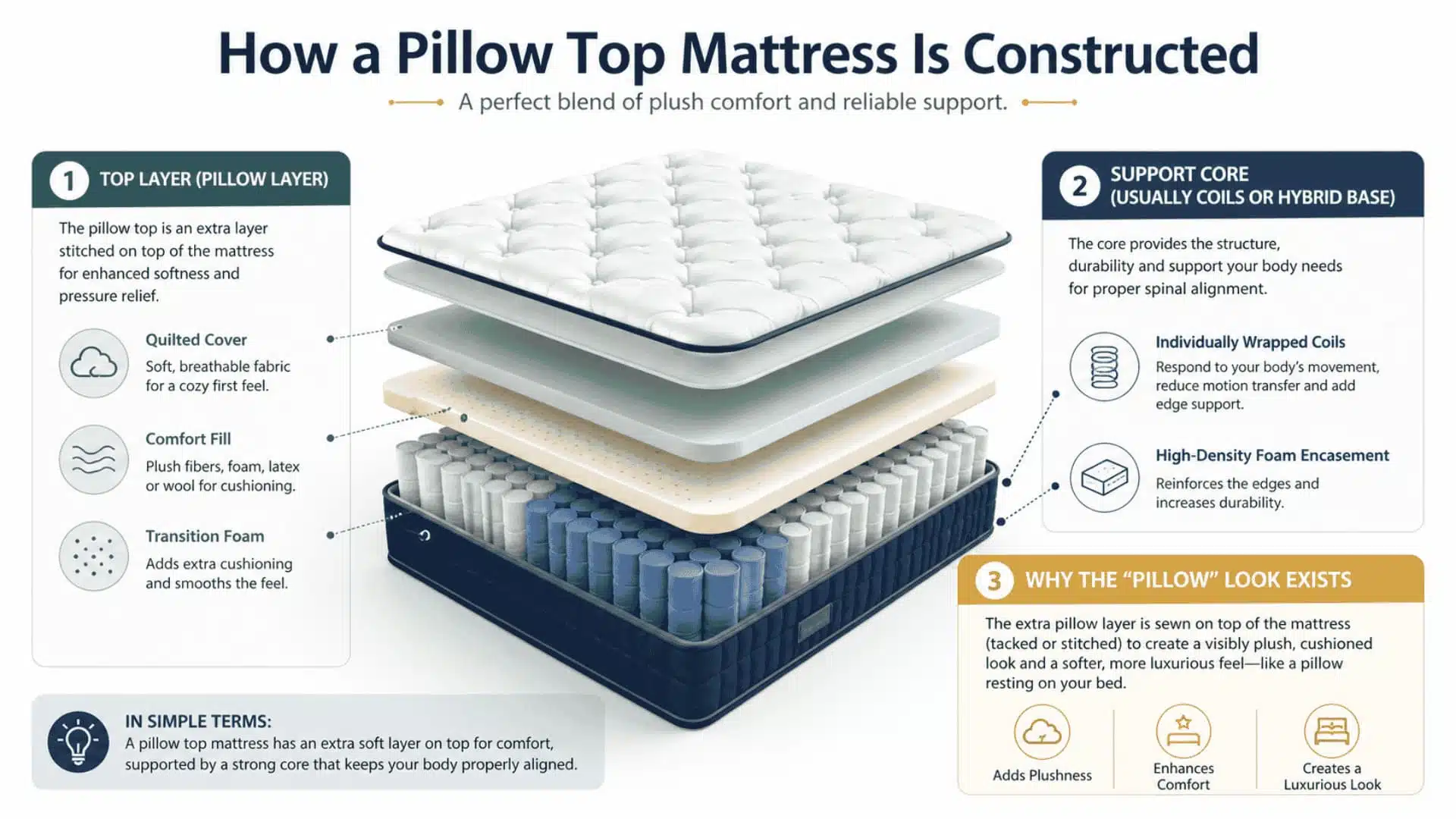
A pillow-top mattress is a type of mattress that features an extra layer of soft, plush padding stitched or sewn onto its top surface, giving it a noticeably cushioned and cloud-like feel.
This additional comfort layer sits above the main support core, which is usually an innerspring, pocket spring, or hybrid base, and is designed to deliver superior pressure relief, especially around the hips and shoulders.
Often associated with luxury hotel beds, pillow-top mattresses are taller than standard mattresses, typically 11 to 14 inches, thanks to the added padding.
The top layer can be made from various materials such as memory foam, latex, cotton, wool, or polyester, allowing buyers to choose a feel that suits their comfort preference.
Key Features of a Pillow Top Mattress
A pillow-top mattress stands out for its plush comfort and luxurious feel. Here are the key features that make it a popular choice among sleepers seeking both softness and support.
- Dual-Layer Construction: Combines a sturdy support base with a soft top layer, balancing firmness and softness for enhanced overall sleep comfort.
- Greater Mattress Height: Pillow-top mattresses are taller than regular ones, typically measuring between 11 and 14 inches due to the added padding, which also pushes them above the usual standard mattress height for many bed bases.
- Superior Pressure Relief: The soft upper layer cushions the hips, shoulders, and lower back, reducing pressure points and improving overall sleep quality.
- One-Sided Design: Pillow top mattresses cannot be flipped, but they can be rotated head-to-toe to ensure even wear and longer durability.
- Hotel-Style Luxury Feel: Often used in premium hotels, these mattresses deliver a rich, indulgent sleeping experience right inside your home.
These features, together, make pillow-top mattresses ideal for sleepers who want a balance of plush comfort, body-contouring support, and a touch of everyday luxury.
Types of Pillow Top Mattresses (By Design)
Pillow-top mattresses can be categorized based on how the top comfort layer is constructed and attached to the mattress. Each design offers a slightly different look, feel, and level of support.
| TYPE | WHAT IT MEANS | BEST FOR |
|---|---|---|
| Standard Pillow Top | A soft layer stitched on top, creating a raised, plush surface. | People who want a soft, cushioned feel |
| Euro Top Mattress | A flush layer sewn under the cover for a smoother, slightly firmer feel. | Sleepers who want a more supportive feel with a neat appearance |
| Box Top Mattress | A thick, box-shaped top layer that adds deeper cushioning. | Those who prefer extra padding and enhanced comfort |
A euro‑top or pillow‑top surface can change how the mattress looks and feels, so the right choice depends on whether you prefer a softer, plush surface or a more structured and supportive finish.
Pillow Top Mattress Pros and Cons
Like all mattress types, pillow-top mattresses have their own set of advantages and drawbacks. Knowing both sides helps you make an informed buying decision.
Pros of a Pillow Top Mattress
- Excellent Pressure Relief: Cushions the hips, shoulders, and lower back, helping reduce pressure points and easing common body aches.
- Even Weight Distribution: Spreads body weight evenly across the surface, promoting proper spinal alignment and a more restful night’s sleep.
- Ideal for Side Sleepers: Provides extra cushioning at contact points, making it especially comfortable for side sleepers and those with joint pain.
- Variety of Material Options: Available with memory foam, latex, cotton, or wool tops, allowing buyers to match their personal comfort preferences.
- Great for Couples: The soft top layer absorbs movement well, reducing motion transfer and ensuring undisturbed sleep for partners sharing the bed.
Cons of a Pillow Top Mattress
- Cannot Be Flipped: Pillow-top mattresses are one-sided, so they cannot be flipped, which may shorten their lifespan and lead to uneven wear.
- Shorter Lifespan: The top cushioning layer can compress over time, often leading to sagging within five to seven years of regular use.
- Heat Retention Issues: Foam-based pillow tops can trap body heat, making them less suitable for hot sleepers or warm climates like India.
- Higher Price Point: These mattresses are generally more expensive than standard ones due to their premium construction and added comfort layer.
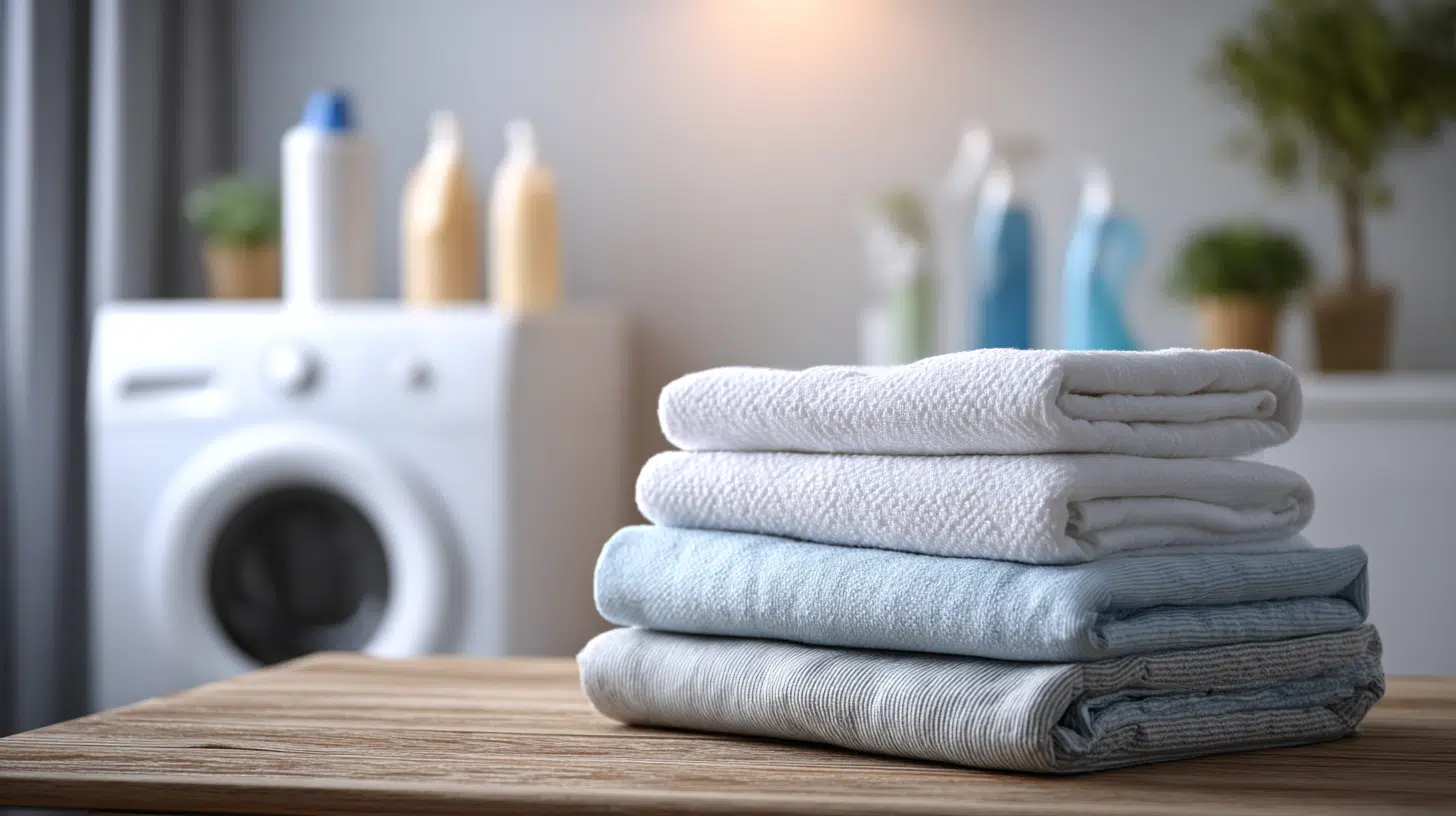
- Requires Deep-Pocket Sheets: Their extra height means standard fitted sheets may not fit, so deep-pocket sheets are required for proper coverage.
Weighing these pros and cons carefully will help you decide whether a pillow top mattress truly fits your sleep style, budget, and long-term comfort expectations.
Pillow Top vs Memory Foam
Both pillow top and memory foam mattresses offer comfort, but they feel very different in everyday use. Understanding how they compare can make your choice much easier.
| Feature | Pillow Top Mattress | Memory Foam Mattress |
|---|---|---|
| Feel | Soft, plush surface with slight bounce | Body-hugging, contouring feel |
| Support | Depends on the base (often coils or hybrid) | Even support across the body |
| Pressure Relief | Good, but less targeted | Excellent for joints and pressure points |
| Cooling | Can be more breathable depending on materials | Can retain heat unless designed for cooling |
| Motion Isolation | Moderate | High (absorbs movement well) |
| Durability | May sag sooner | Typically lasts longer |
| Best For | Those who like a soft, cushioned surface | Those needing support and pain relief |
Which One Should You Choose?
- Go with a pillow-top mattress if you prefer a soft, cloud-like surface and a bit of bounce.
- Choose memory foam if you want deeper support, pressure relief, and reduced motion transfer.
Your final choice often comes down to how you like your mattress to feel when you lie down, soft and cushioned or more shaped to your body.
How Long Does a Pillow Top Mattress Last?
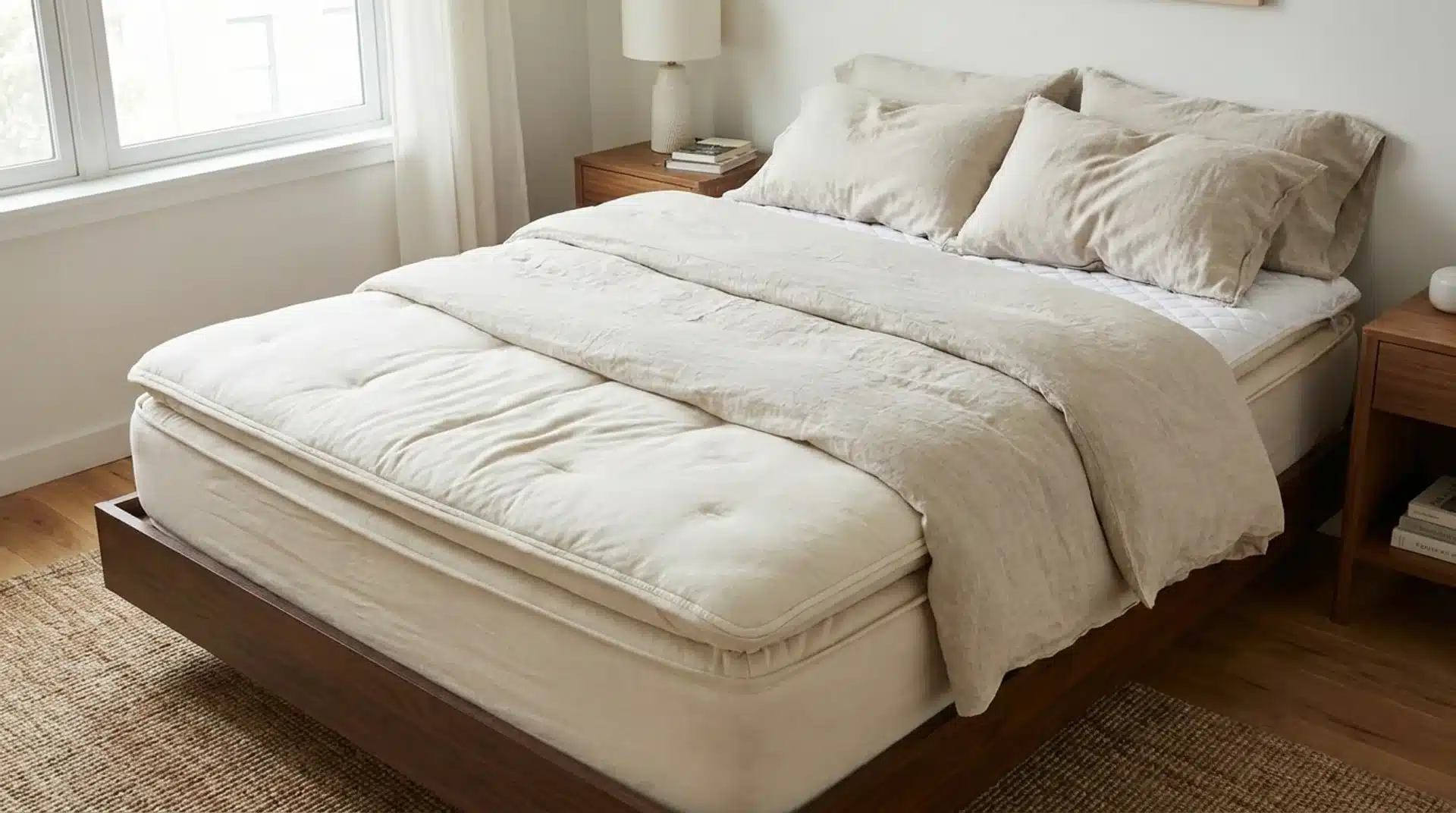
A pillow-top mattress usually lasts between five and seven years with regular use, though this depends on its material quality, construction, and how well it is cared for.
Higher-end pillow top mattresses made with latex, natural fibers, or stronger support cores may last closer to eight to ten years.
On the other hand, budget models may start to sag or develop body impressions within 3 to 4 years, especially if the top padding is thin or made from lower-quality foam.
Daily use, body weight, mattress rotation, and bed base support can all affect durability. Since pillow-top mattresses are usually not flippable, rotating them every few months can help spread wear more evenly.
A good mattress protector can also help reduce moisture, dust, and staining, keeping the mattress comfortable for longer.
How to Care for and Maintain a Pillow Top Mattress
A pillow-top mattress needs simple, regular care to stay comfortable and clean. These habits can help reduce sagging, stains, dust, and early wear.
- Rotate Regularly: Turn the mattress head-to-toe every 3 to 6 months to distribute pressure and prevent uneven sagging.
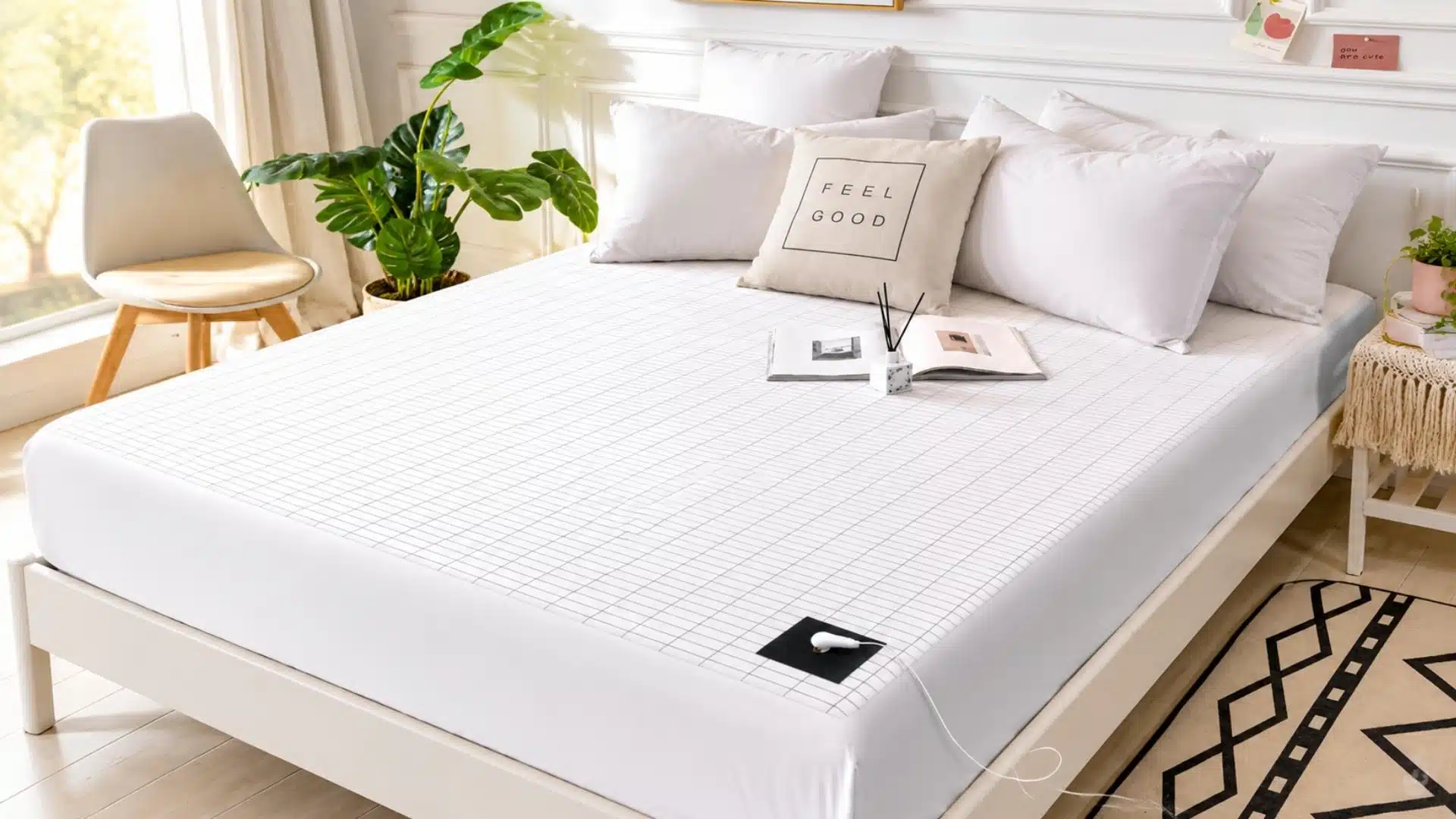
- Use a Mattress Protector: A breathable, waterproof protector helps guard against spills, sweat, dust mites, and allergens.
- Vacuum the Surface: Gently vacuum the surface every 1 to 2 months to remove dust, dead skin, and surface dirt.
- Spot-Clean Stains Quickly: Use a mild detergent and a damp cloth, but avoid soaking the top layer of the soft pillow.
- Use a Sturdy Foundation: A strong bed base helps prevent uneven sinking and keeps the mattress properly supported.
A little routine care can make a big difference. With the right support, cleaning, and rotation, your pillow-top mattress can stay fresher for longer.
Wrap Up
A pillow-top mattress combines firm support with a soft, cloud-like surface that cradles your body as you sleep.
If you’re a side sleeper looking for pressure relief, a couple wanting less motion disturbance, or someone who loves a hotel-like feel, this style offers comfort that feels indulgent night after night.
Now that you understand what a pillow-top mattress is, it’s easier to decide if it suits your sleep needs and comfort preferences.
It does come with trade-offs like possible heat retention, a shorter lifespan, and a higher price, so weighing what matters most is important.
So, is that plush comfort worth it for you? Share your thoughts below, I’d love to hear what matters most to you.
Frequently Asked Questions
Is a Pillow-Top Mattress Good for Back Pain?
Yes, it cushions pressure points and supports spinal alignment, but firmness level should match your sleeping position and weight.
Is a Pillow-Top Mattress Good for Side Sleepers?
Yes, pillow-top mattresses are generally good for side sleepers as the soft top layer cushions the hips and shoulders, reducing pressure points. However, the overall support depends on the mattress base and firmness level.
Can You Flip a Pillow-Top Mattress?
No, pillow-top mattresses are one-sided and cannot be flipped, but rotating them head-to-toe every few months prevents uneven sagging.