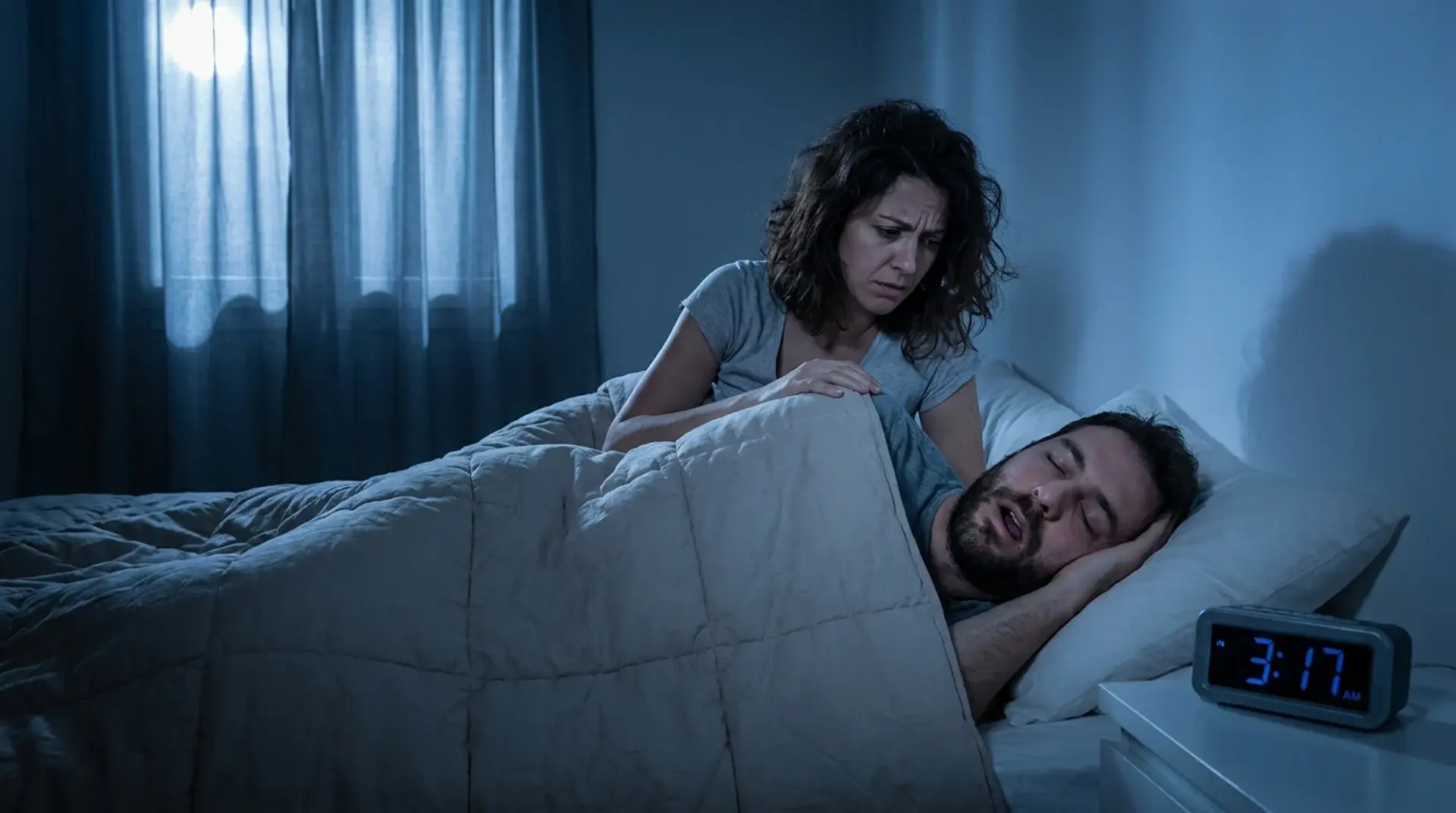

Waking up damp and sticky, sheets clinging to you after a few drinks the night before, is uncomfortable in a way that’s hard to ignore. Most people brush it off as part of drinking.
But that sweaty wake-up has a real explanation rooted in how your body handles alcohol.
Alcohol widens your blood vessels (vasodilation), which increases blood flow near the skin and creates a flushed, warm feeling.
At the same time, alcohol can disrupt normal thermoregulation, so your core body temperature may actually drop even while your skin feels warm, prompting sweating as the body tries to stabilize heat balance.
The timing often lands right in the middle of sleep. The tricky part is that night sweats from alcohol aren’t always just a mild side effect. Sometimes, they point to something worth paying attention to.
What Are Night Sweats?
Night sweats happen when your body sweats heavily during sleep, often enough to dampen or fully soak through your sleepwear and sheets. It’s not just feeling a little warm.
The sweating can happen once after a rough night, or it can keep coming back over several days or weeks.
Alcohol gets blamed for this often, and sometimes that’s fair. But it’s far from the only cause. Hormonal changes, infections, certain medications, and conditions like menopause or diabetes can all cause the same thing.
That’s worth knowing, because pinning it entirely on alcohol might mean missing something else that deserves attention.
Night Sweats Alcohol: Does Drinking Trigger Them?
Does alcohol cause night sweats? Yes, alcohol can trigger night sweats through its effects on the body’s temperature regulation and nervous system.
Alcohol widens blood vessels (vasodilation), increasing blood flow near the skin and creating a warm, flushed sensation. This can prompt sweating as the body attempts to regulate heat balance.
It also disrupts the central nervous system’s control over temperature during sleep, making it harder for the body to maintain stable thermoregulation overnight.
As blood alcohol levels fall later in the night (typically 2-6 hours after your last drink), this instability in temperature regulation and sleep cycles can continue to trigger sweating.
The liver’s process of metabolizing alcohol also generates heat that adds to the body’s overall heat load. While vasodilation and nervous system disruption are the primary drivers, the liver’s contribution is a real, if secondary, factor.
In people who drink heavily or regularly, night sweats may also be linked to early or mild alcohol withdrawal.
This can involve sweating, tremors, anxiety, and an increased heart rate. In dependent individuals, these symptoms can begin within 6 to 24 hours after reducing or stopping alcohol.
Why Alcohol Causes Night Sweats
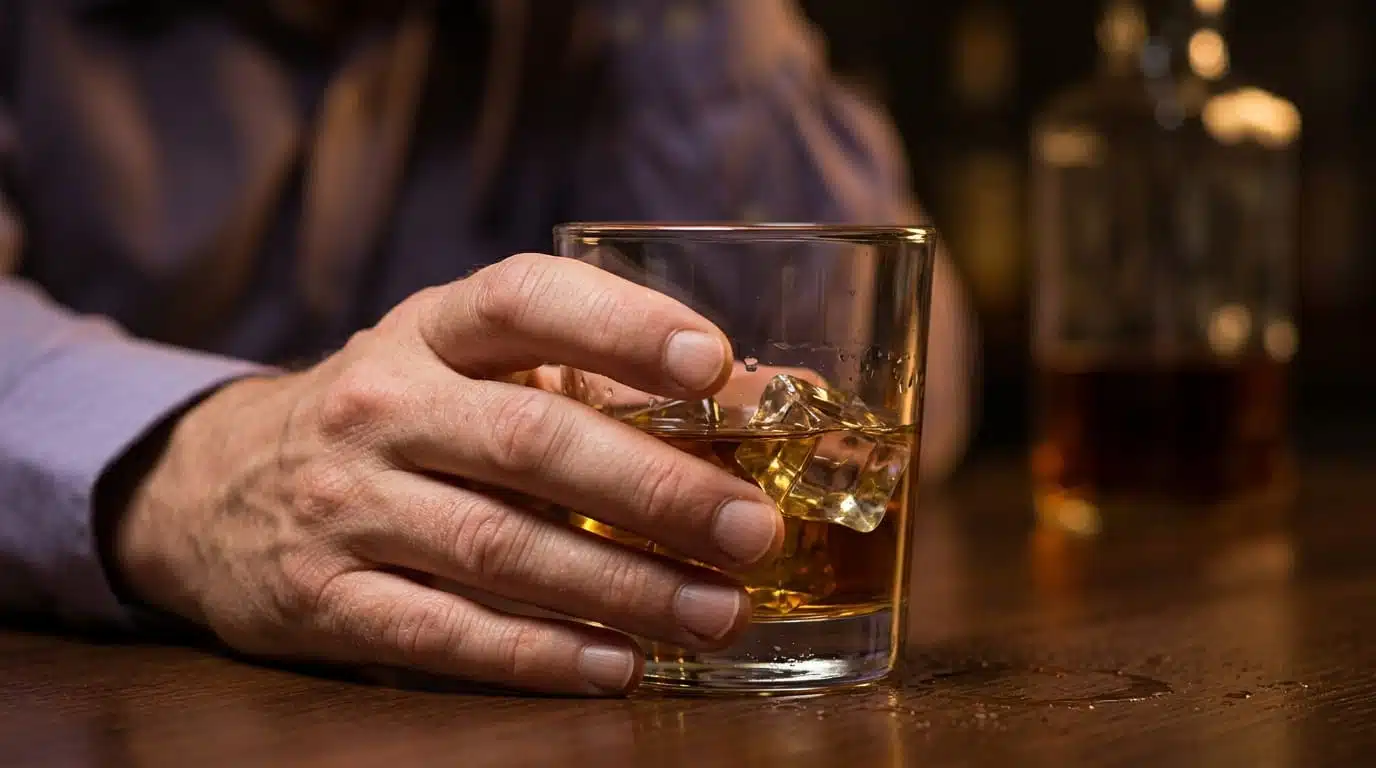
Alcohol does not cause night sweats for one single reason. Alcohol can trigger night sweats through several overlapping effects on the body’s temperature regulation and nervous system.
- Blood vessel expansion pushes more heat toward the skin’s surface, which can trigger sweating as the body tries to cool itself.
- As alcohol leaves the system later in the night, the nervous system can shift into a more activated state, which may increase sweating and make sleep less stable.
- Alcohol also disrupts normal sleep cycles and body temperature regulation, making overheating and sweating more noticeable during sleep.
- Dehydration from alcohol’s diuretic effect can make temperature regulation less efficient overnight, especially after heavier drinking.
- During alcohol withdrawal, the body increases production of cortisol and adrenaline as part of a stress response. Both hormones directly stimulate the sweat glands and raise body temperature, contributing significantly to night-time sweating during detox.
All these can happen together after just one night of drinking. That overlap makes alcohol sweats hard to predict. The next section covers when this pattern warrants close attention.
The Difference Between Alcohol Sweats vs Normal Sweating
Most people who wake up a little sweaty after drinks assume it’s just part of the night. Sometimes it is. But the line between a mild body reaction and something that keeps disrupting your sleep is worth knowing before you write it off.
| Category | Normal | Concerning |
|---|---|---|
| Intensity | Light dampness or minor sweating | Heavy sweating that soaks sleepwear or sheets |
| Sleep impact | Stays asleep or barely notices | Wakes you up mid-sleep |
| Frequency | Once or twice after a heavy night | Repeatedly, even after moderate drinking |
| Other symptoms | Slightly warm, maybe a little flushed | Racing heart, chills, nausea, or anxiety |
| Timing | Fades as your body cools down naturally | Persists through the night or keeps returning |
| Linked to | Normal body response to alcohol | Possible intolerance, withdrawal, or dependence |
| Bedding soaked | Rarely, if at all | Often, sometimes multiple nights in a row |
The left column clears up on its own. The right column tends to stick around, show up more often, or get worse over time. That pattern is the part worth tracking.
How Much Alcohol Triggers Night Sweats?
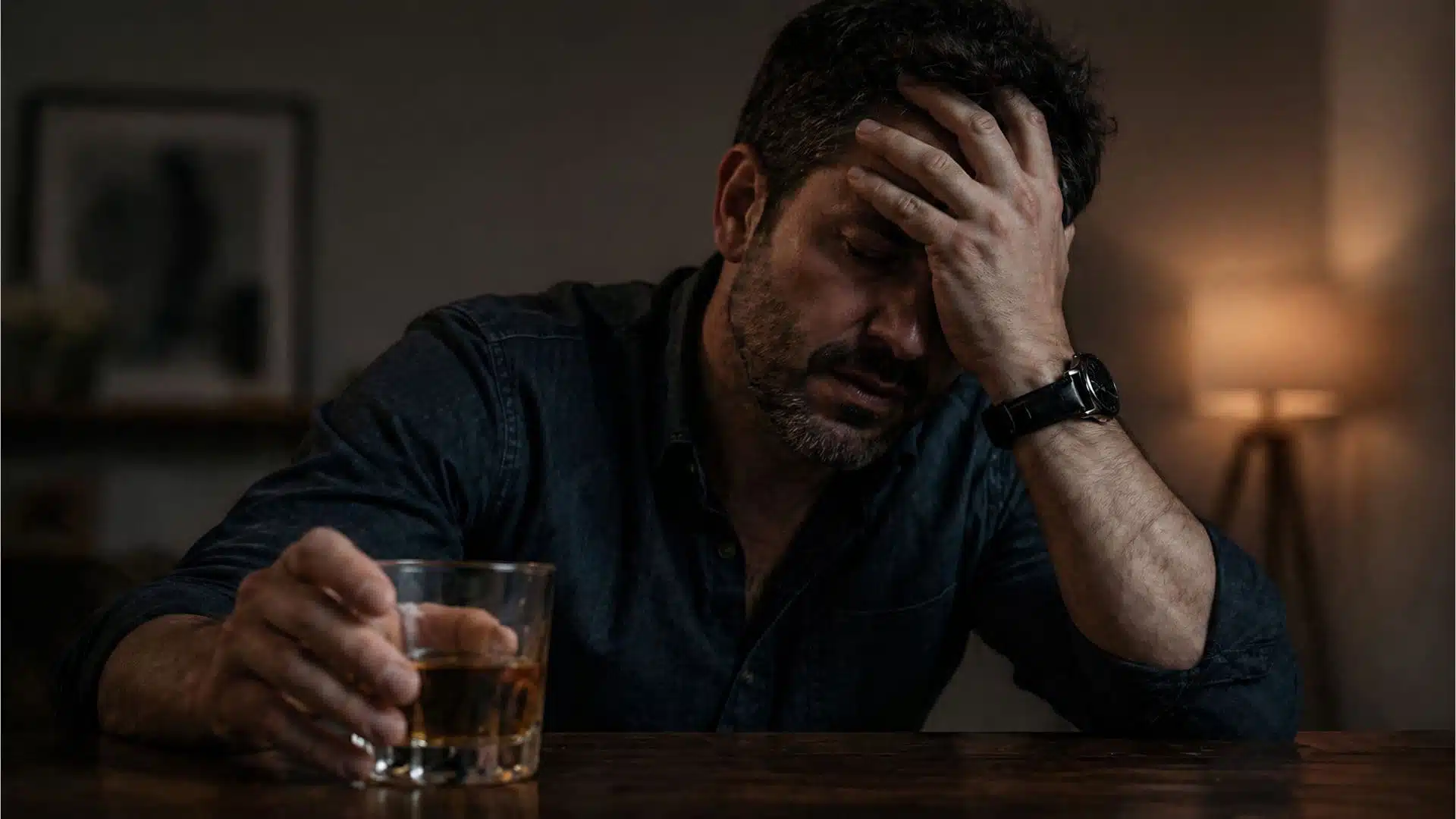
There’s no set number of drinks that triggers alcohol night sweats. The amount that affects you depends on several things happening at once.
Body size plays a direct role. Smaller bodies have less water volume to dilute alcohol, so the effects set in faster and are stronger.
Tolerance is another factor. Regular drinkers often need more before they notice a physical reaction, while people with low tolerance can sweat after just one or two drinks.
Being well-hydrated before drinking slows things down, and higher-ABV drinks like spirits tend to produce stronger reactions than lower-ABV drinks like beer or wine. For people with alcohol intolerance, even a single drink can set it off.
When Night Sweats From Alcohol May Be a Warning Sign
Most of the time, alcohol night sweats are uncomfortable but not dangerous. These warning signs are worth knowing before you brush them off.
Alcohol Intolerance Sweating (ALDH2 Deficiency)
Alcohol intolerance occurs when the body has a deficiency in the ALDH2 enzyme. Normally, ALDH2 breaks down acetaldehyde, a toxic byproduct of alcohol metabolism. When the enzyme is deficient, acetaldehyde builds up in the bloodstream, causing flushing, sweating, rapid heartbeat, and nausea even after just one or two drinks.
This genetic mutation is most common in people of East Asian descent, affecting an estimated 30-50% of that population. If you consistently flush and sweat within minutes of having a single drink, ALDH2 deficiency may be the reason.
Alcohol Withdrawal Night Sweats
Withdrawal symptoms can start within 6 to 24 hours of stopping or significantly reducing alcohol, showing up as sweating, shaking, and anxiety. In dependent individuals, these symptoms require medical attention, not self-management at home.
Alcohol Withdrawal Night Sweats Timeline
Withdrawal progresses in stages, and sweating intensity changes along with it:
- Early stage (6-24 hours after last drink): Mild to moderate sweating begins, along with anxiety, tremors, and restlessness. This is when the nervous system starts to rebound.
- Peak stage (24-72 hours): Sweating is often most intense. Other symptoms, including rapid heart rate, confusion, and (in severe cases) hallucinations, may appear. This is the most medically dangerous window.
- Recovery stage (5-7 days and beyond): Most symptoms improve, though some people experience disrupted sleep and sweating for weeks. Severe withdrawal (delirium tremens) may require up to 8-10 days of medical care.
Liver Stress
Chronic heavy drinking puts the liver under significant strain, which disrupts temperature regulation. Warning signs alongside night sweats: persistent fatigue, appetite changes, or yellowing of the skin.
Sleep Apnea
Alcohol relaxes throat muscles, worsening obstructive sleep apnea and forcing your body to work harder overnight, which triggers heat and stress responses.
Alcohol-Induced Hypoglycemia
Alcohol interferes with the liver’s ability to release stored glucose, which can cause blood sugar to drop during sleep. Sweating is a major sign of a hypoglycemic episode. This is worth knowing because intoxication can mask the cognitive symptoms of low blood sugar, making it harder to recognize in the moment.
Underlying Conditions
Diabetes, infections, and some cancers can cause night sweats that show up even on nights without drinking. When more than one warning sign shows up together, it is no longer just a side effect of a rough night.
How to Reduce Night Sweats After Drinking?
Night sweats from alcohol are not a fixed outcome. Small, practical changes in drinking habits can reduce the strain on your body overnight.
Cutting back on the amount you drink in one sitting gives your liver more time to metabolize alcohol, since it processes about one standard drink per hour.
Staying hydrated between drinks helps offset alcohol’s diuretic effect and supports better fluid balance during the night. Avoiding alcohol two to three hours before bedtime can reduce sleep disruption by allowing blood alcohol levels to decrease before sleep begins.
Good sleep hygiene habits, such as maintaining a consistent bedtime routine, can further support stable body temperature regulation during the night. Choosing lighter drinks and keeping your bedroom cool (ideally 60–67°F or 15.5–19.5°C) can also reduce the likelihood of night sweats.
When to See a Doctor?
Occasional night sweats after drinking are one thing. But some patterns push past normal and into territory worth taking to a doctor.
- Sweating several nights a week, even without drinking
- Sweating that keeps waking you up mid-sleep
- A persistent fever or fatigue that won’t clear up
- Unexplained weight loss alongside the night sweats
The American Osteopathic Association states that night sweats, which regularly disrupt sleep or occur alongside symptoms like weight loss, are reason enough to book an appointment.
Don’t wait for the symptoms to stack up before bringing them up.
Conclusion
Night sweats and alcohol have a real, well-documented connection, but the connection isn’t the same for everyone.
A one-off sweaty night after a few drinks is your body doing exactly what it’s built to do. The concern comes when the sweating stops being occasional and starts being predictable, frequent, or paired with symptoms you’ve been putting off.
At that point, it stops being a minor inconvenience and becomes information worth acting on. Your body doesn’t signal for no reason.
When something keeps showing up, especially during sleep when your body is supposed to be recovering, it’s usually trying to tell you something specific. Monitor symptoms and seek medical advice if needed.
Frequently Asked Questions
Can One Drink Cause Night Sweats?
Yes, it can. People with alcohol intolerance or sensitivity can sweat after a single drink. For most people, it’s more common after several drinks in one sitting.
Why Do I Sweat After Drinking Even when It’s Cold?
Alcohol widens your blood vessels, pushing blood toward the surface of your skin and generating heat. Your body sweats to cool down regardless of how cold the room is.
Should You Stop Drinking If You Get Night Sweats?
Not necessarily; it depends on how often they occur and how severe they are. Cutting back, staying hydrated, and avoiding alcohol close to bedtime can reduce night sweats caused by alcohol without stopping completely.
How Long Do Alcohol Night Sweats Last?
After a typical night of drinking, they usually clear up within a few hours. For heavy drinkers in withdrawal, the symptoms can last 5 to 7 days or longer.