


Picking the right bed size matters more than you think. Queen vs full bed sizes is one of the most common debates when setting up a bedroom.
And honestly, the difference goes beyond just a few inches. The size you pick affects how well you sleep, how much space you have, and even how your room looks and feels.
A full might feel fine until it doesn’t. And a queen might seem like the obvious choice, but is it always? Both sizes have their strengths and their limits.
What is a Full Size Bed?
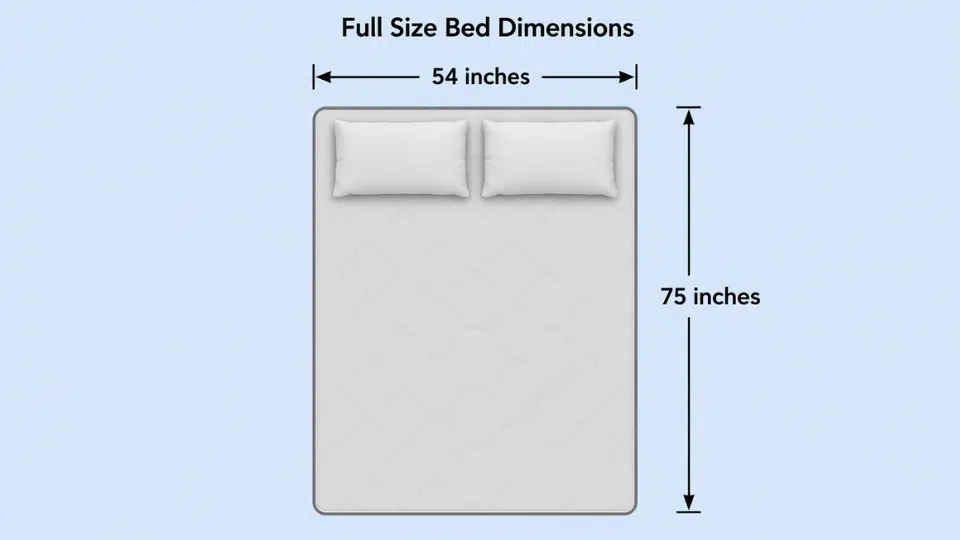
A full-size bed, also called a double bed, measures 54 inches wide and 75 inches long. It’s bigger than a twin but smaller than a queen. If you’re a single sleeper, it gives you decent space to stretch out.
But if you’re tall or like to move around at night, those 75 inches might feel a little tight. It works well in smaller rooms and fits easily without eating up too much floor space.
A full-size bed works well when you want decent comfort without giving up too much floor space. It’s simple, practical, and gets the job done.
If you’re unsure what blanket size works best with a full bed, understanding the right dimensions can make a big difference in comfort and coverage.
What is a Queen-Size Bed?
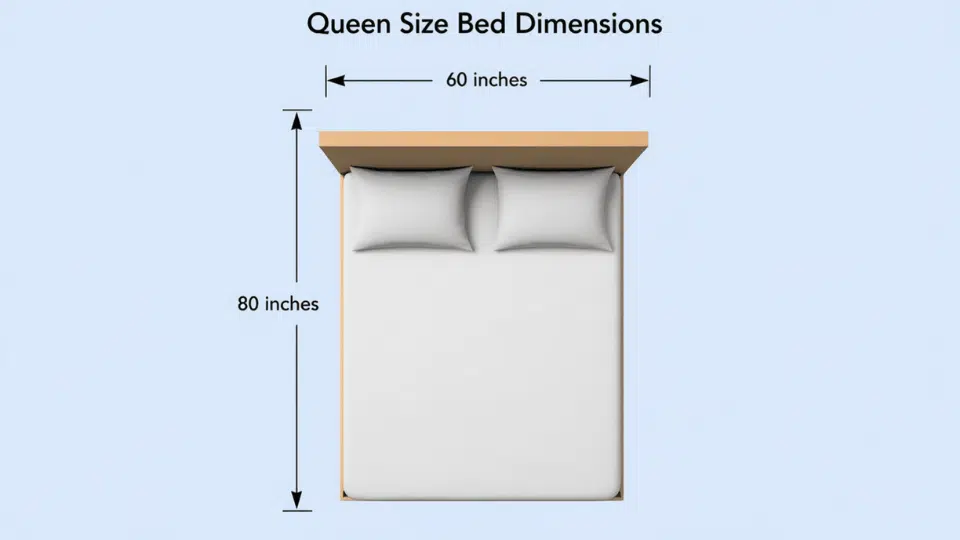
A queen-size bed measures 60 inches wide and 80 inches long. That’s 6 inches wider and 5 inches longer than a full. It gives you noticeably more room to sleep comfortably.
You can stretch out, shift positions, and still have space left over. It fits well in most standard bedrooms without making the room feel cramped.
And because it’s so popular, you’ll find more mattresses and bedding options available for it. A queen-size bed strikes a good balance between comfort and practicality. Not too big, not too small. It just works.
Key Differences Between Queen and Full Bed Sizes
When you put queen vs full bed sizes side by side, the differences become pretty clear. It’s not just about size. Things like price, bedding, and room fit all play a role.
| Feature | Full Size Bed | Queen Size Bed |
|---|---|---|
| Width | 54 inches | 60 inches |
| Length | 75 inches | 80 inches |
| Room Size Needed | 9 x 10 ft | 10 x 12 ft |
| Bedding Options | Moderate | Wide variety |
| Price Range | Budget-friendly | Slightly higher |
| Best Room Fit | Smaller rooms | Standard rooms |
These numbers might look small on paper, but you’ll feel every inch once you’re actually sleeping on it. The right size isn’t just a measurement. It’s the difference between a good night’s sleep and a restless one.
Which Bed Size Should You Choose?
Choosing between queen vs full bed sizes comes down to your space, budget, and how you sleep. Both are good options, but one will suit your situation better than the other.
Choose a Queen Bed if:
- You have a standard or larger bedroom
- You want more room to move while sleeping
- You share the bed with a partner
- You prefer a wider variety of bedding options
- You sleep with a pet or a child
- You are taller, up to 6’7″
- You’re a restless sleeper who tosses and turns at night
- You sleep in a starfish or spread-out position
Choose a Full Bed if:
- Your bedroom is on the smaller side
- You’re working with a tighter budget
- You sleep alone and don’t need extra space
- You’re a teen or young adult in a starter apartment
- You need a bed for a guest room with limited floor space
- You are petite or under 6 feet tall
- You’re a still sleeper who stays in one position through the night
- You curl up or sleep in a compact position
Take your time with this decision. Measure your room, consider your sleep habits, and choose what actually works for your life.
Choosing the Right Bedding for Full vs Queen Beds
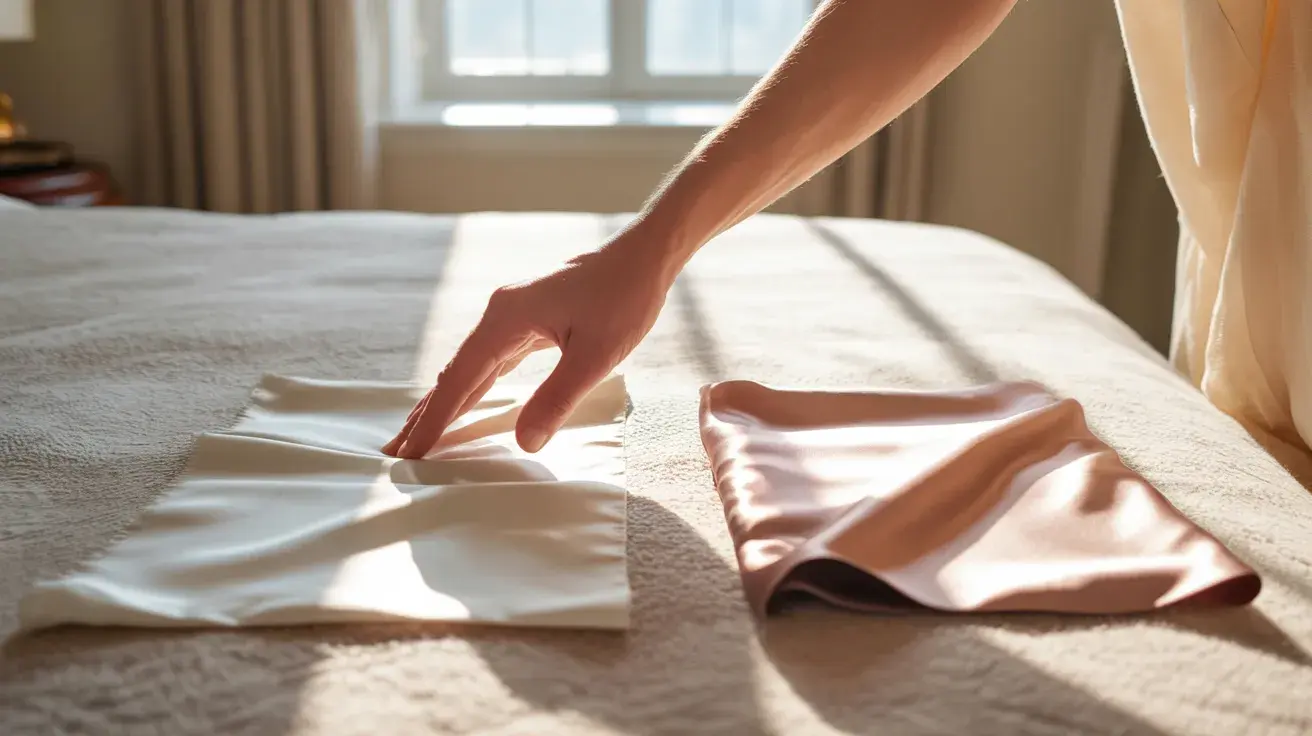
Once you pick your bed size, the next step is bedding. And this is where size really starts to matter. Full and queen beds use different sheet and cover sizes, so they’re not interchangeable.
- Sheet Sizes: Full runs 54 x 75 inches, while queen goes up to 60 x 80 inches.
- Comforters: Queen gives you more styles and materials to pick from. It is also worth knowing that certain fills, like down, need extra care, including checking for signs of bed bugs before putting them back on your bed
- Mattress Options: Queen has more brands and price ranges available.
- Accessories: Full bedding is generally easier on the budget.
- Availability: Queen-size bedding is more widely stocked in most stores.
Getting the wrong size bedding is an easy mistake to make. Always check the label before you buy, and measure your mattress just to be sure.
The Bottom Line
Picking a bed size isn’t always straightforward, and that’s okay. But once you understand queen vs full bed sizes, the choice gets a lot simpler.
You know what each size offers, what it costs, and how it fits your space and sleep style. So take what you’ve learned here and put it to use.
Measure your room, think about how you sleep, and pick the size that actually fits your life. Not someone else’s. Take your time, look into your options, and when you’re ready, the right bed will be waiting for you.
Frequently Asked Questions
Is A Full-Size Bed Just 2 Twins?
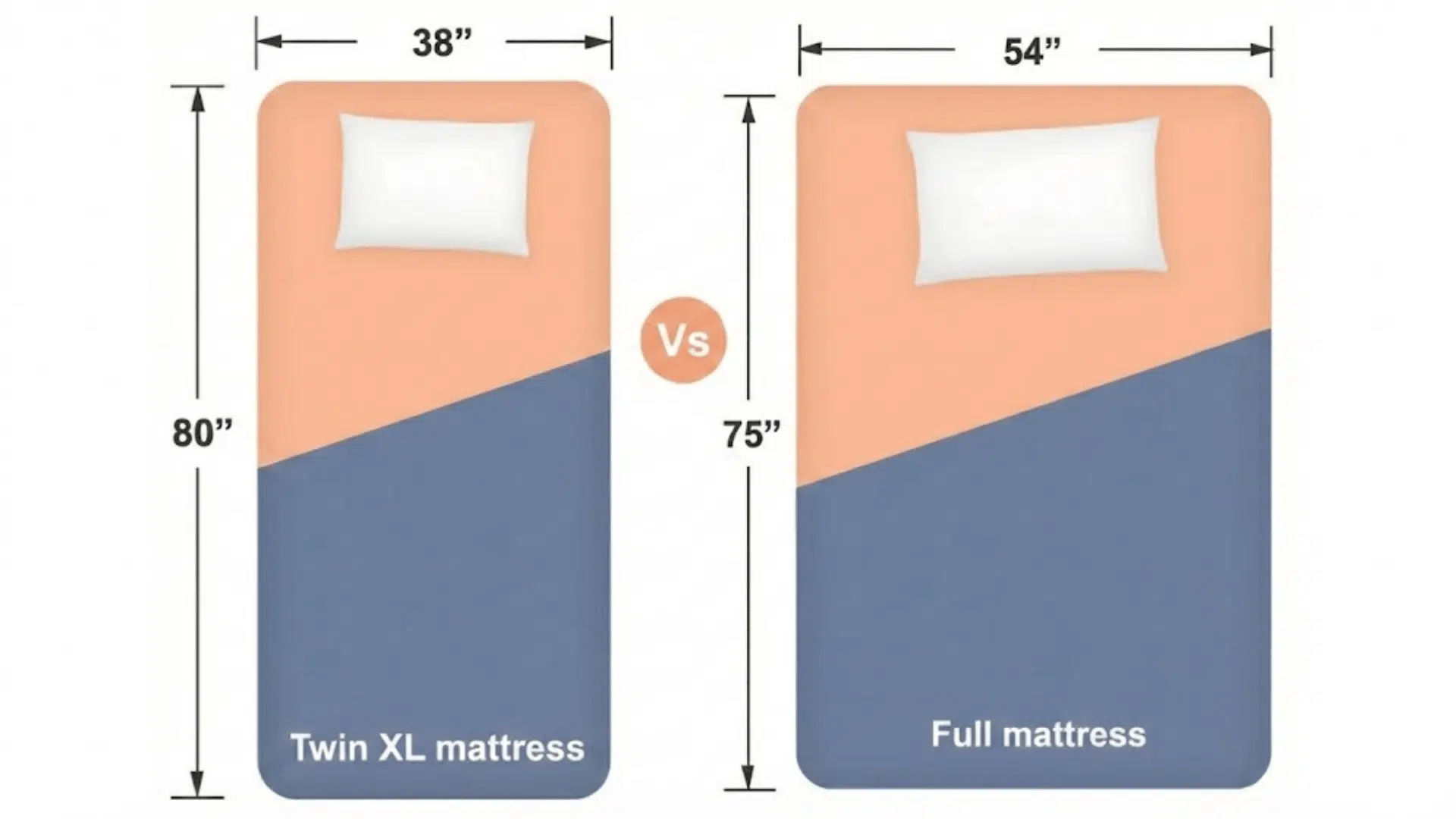
No, a full-size bed is not the same as two twin beds. A full bed is 54 inches wide, while two twin beds together would be 76 inches wide (38 + 38).
Can Four People Sleep On A Queen Bed?
A queen bed is 60 inches wide, so it is designed for two adults. Four people can fit only in a very tight situation, like with small kids or for a short time. It will feel crowded and not comfortable for proper sleep.
Are Full-Size Beds Being Phased Out?
No, full-size beds are not being phased out. They are still popular for single sleepers, teens, and small rooms. However, many people prefer queen beds today because they offer more space, especially for couples.