

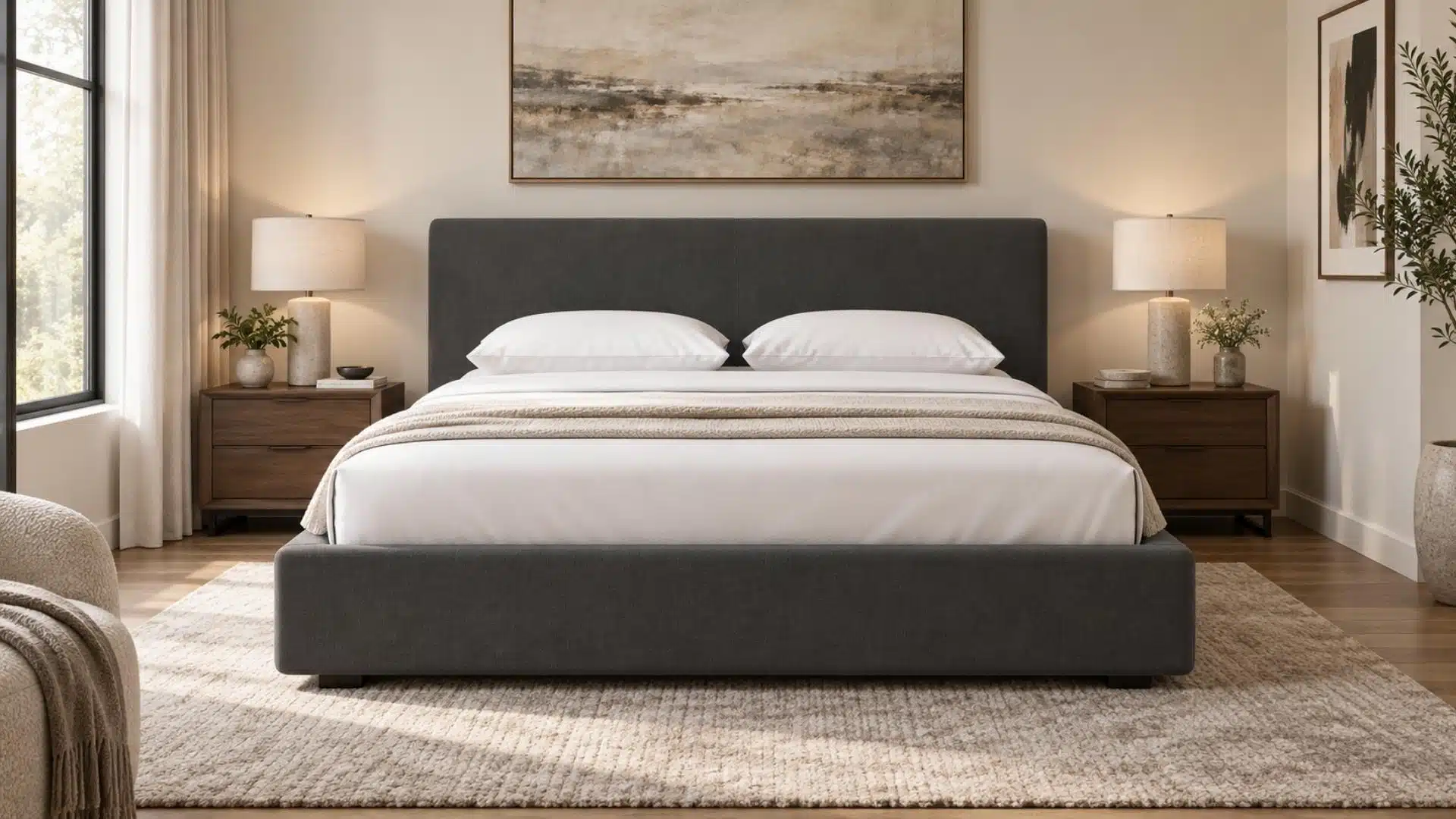

Mattress pads and toppers look so similar that most people think they are the same thing.
But they actually serve pretty different purposes, and grabbing the wrong one can mean an unsatisfactory night’s sleep or a mattress that wears out faster than it should.
If you are buying your first mattress and feeling confused, you are in the right place.
We will look at how these two differ in comfort, protection, thickness, and materials, so by the end, you will know exactly which one your bed actually needs.
What is a Mattress Pad?
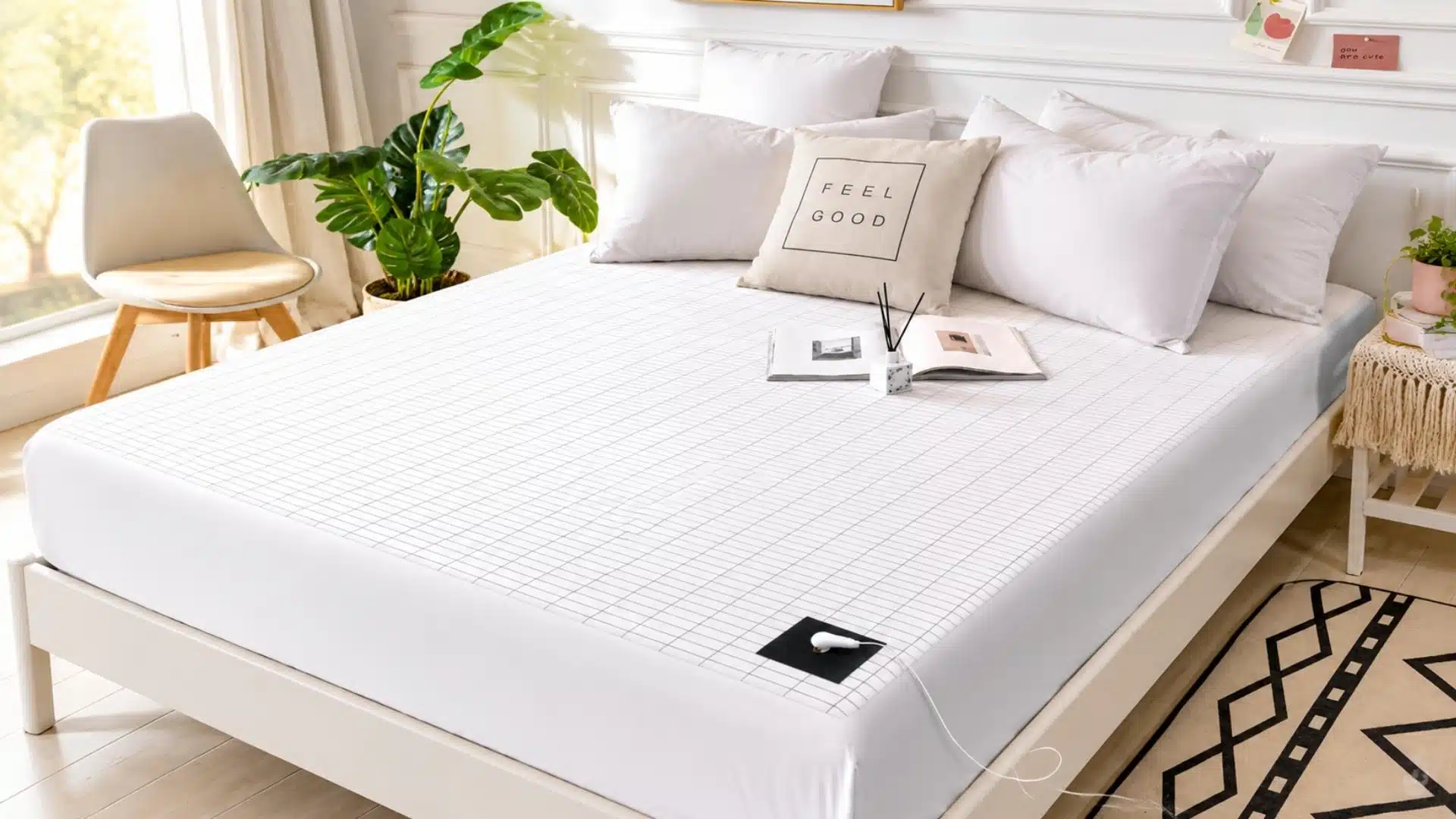
A mattress pad is a thin layer that sits on top of your mattress, usually held in place by elastic corners, just like a fitted sheet.
It is not meant to dramatically change how your bed feels. Its main job is to protect your mattress from spills, dust, sweat, and general wear over time.
How does it work?
A mattress pad lies flat over your mattress and is secured with straps at the corners.
Some versions are waterproof, some are quilted for a little extra softness, but none of them add serious height or change the feel of your mattress in a big way. What they do well is keep your mattress cleaner for longer.
What are the Pros and Cons of Mattress Pads?
Here is a quick look at where a mattress pad wins and where it falls short
| Pros | Cons |
| Protects against spills and stains | Does not change mattress comfort |
| Machine washable and easy to clean | Minimal cushioning |
| Affordable and widely available | Waterproof versions can feel crinkly |
| Helps with allergens and dust mites | Needs regular washing |
| Breathable and sleeps cooler | Not a fix for an uncomfortable mattress |
Common Materials Used
Mattress pads come in a few different materials, depending on what you need:
- Cotton is breathable and soft, great if you sleep hot or have sensitive skin.
- Polyester blends are more affordable and tend to be more durable through repeated washing.
- Quilted fill adds a thin layer of padding between the top fabric and the base, giving your bed a slightly softer feel without much added thickness.
What Is a Mattress Topper?
A mattress topper is a thick layer you place on top of your mattress to change how it feels to sleep on.
If your mattress is too firm, too soft, or just not doing it for you anymore, a topper can fix that without you having to buy a whole new mattress. Unlike a mattress pad, a topper provides comfort. It does not provide protection.
How does it work?
A topper adds anywhere from 2 to 4 inches of material on top of your mattress, which is enough to noticeably change how firm or soft your bed feels, thus increasing the thickness of the mattress.
A firm mattress will feel softer, and an older mattress that has lost its support gets a second life.
The difference is something you feel the moment you lie down.
What are the Pros and Cons of a Mattress Topper?
Here is a list suggesting where a mattress pad delivers and where it has its drawbacks
| Pros | Cons |
| Noticeably improves comfort and feel | More expensive than a mattress pad |
| Good fix for a too-firm or too-soft mattress | Memory foam versions can get hot |
| Helps with pressure relief and joint pain | Harder to clean and not machine washable |
| Extends the life of an aging mattress | Adds height, may not fit all sheet sets |
| Multiple material options to suit different needs | Does not fully protect against spills |
Common Materials Used
- Memory foam adapts to your body shape and relieves pressure on your shoulders and hips. It can feel a little warm, so it works best in cooler rooms or with breathable bedding.
- Latex mattress toppers are bouncy, responsive, and naturally cooling. It does not hug your body the way memory foam does, but it holds up really well over time.
- Down alternative is soft and light, giving your bed a plush, hotel-like feel. It is a good pick if you want something cozy without added firmness or structure.
Mattress Pad vs Mattress Topper: Key Differences

Both of them have very different jobs in your bed. Here is a side-by-side comparison
| Metric | Mattress Pad | Mattress Topper |
| Purpose | Protects the mattress from spills, sweat, and wear | Changes how your mattress feels when you sleep on it |
| Thickness | 1 inch or less | 2 to 4 inches |
| Durability | Lasts 3 to 5 years with regular washing | Lasts 3 to 5 years, depending on the material |
| Cleaning | Machine Wash in most cases | Spot clean only for foam and latex; some covers are removable and safe for machine washing. |
| Cost | Budget-friendly, ranging from $20 to $100 | Expensive, but a good investment |
| Best For | New mattress owners, New parents, guest room | People with back, light sleepers, and renters |
Role of Mattress Toppers and Mattress Pads in Preventing Dust Mites and Allergens
Mattresses accumulate dust mites over time, and there isn’t much you can do to prevent them completely.
What you can do is slow it down. A tightly woven mattress pad creates a barrier that makes it harder for dust mites to settle in the mattress.
If you have allergies, a few things are worth keeping in mind:
- Look for pads labeled allergen-resistant or hypoallergenic
- Wash your mattress pad every two to four weeks to keep allergen levels down
- Avoid relying on a topper alone since most are not machine washable and cannot be cleaned as regularly
Temperature and Sleep Comfort with Cooling Mattress Pads and Mattress Toppers
Mattress pads generally sleep cooler than toppers. They’re thinner, use more breathable fabrics, and sit closer to the mattress surface, allowing better airflow.
Toppers, especially foam ones, add more mass between you and the mattress, which means more material trapping your body heat.
If staying cool at night is a priority, a pad has the clear edge here.
Cooling Mattress Pad Options
If you run warm at night, a cool sleeping mattress pad is one of the easiest fixes you can make without spending much. Here is what to look for:
- Cotton is naturally breathable and a solid everyday option for regulating sleep temperature, with no extra features needed.
- Bamboo-derived fabric pulls moisture away from your body and stays cool to the touch, making it a good pick for people who sweat at night.
- Phase change material pads are a step up in price but actively absorb excess body heat and release it when your temperature drops, helping you maintain a more consistent sleep temperature throughout the night.
If a cooling mattress topper is what you need for comfort reasons, but heat is also a concern, pairing a latex or gel foam topper with a breathable pad on top is a setup that balances both.
Durability and Maintenance of Mattress Pads and Mattress Toppers Over Time
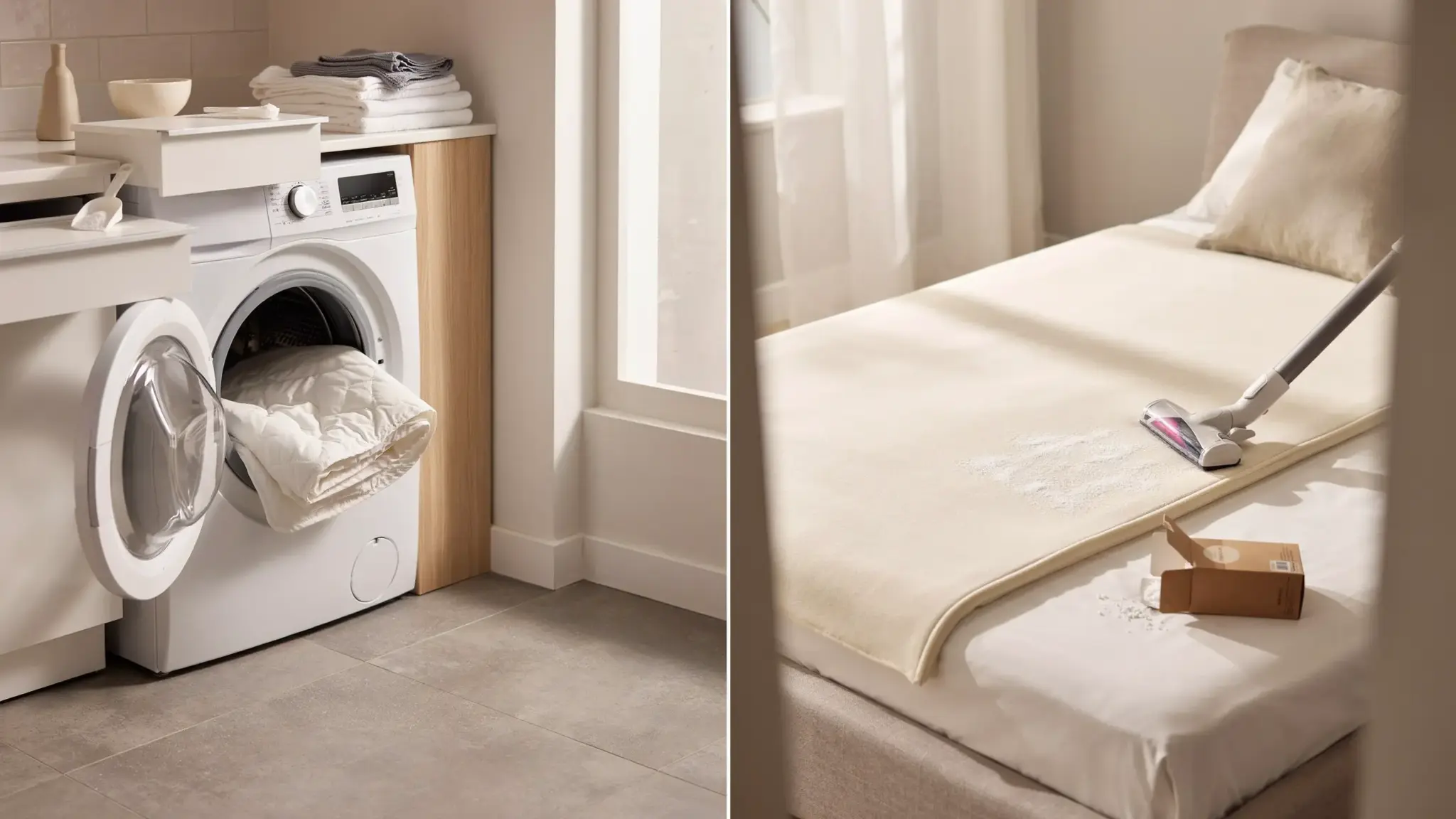
Wash your mattress pad every 1 to 2 months, or more often if you sweat heavily, have allergies, or sleep with pets. Use warm water on a gentle cycle and dry it completely before putting it back, since dampness can lead to mold.
Toppers need more care. Memory foam and latex can’t go in the washer. Spot-clean spills, or use the baking soda and vacuum method for a deeper refresh.
As for lifespan, here’s how the two compare across materials:
| Product | Material | Average Lifespan | What Shortens It |
| Mattress Pad | Cotton Quilted | 2 to 5 years | Frequent washing can wear it down |
| Mattress Pad | Waterproof Vinyl | 1 to 3 years | Heat and bleach degrade the coating |
| Mattress Pad | Wool or Natural Fill | 3 to 5 years | Matting without proper care |
| Mattress Topper | Memory Foam | 3 to 5 years | Body impressions will build over time |
| Mattress Topper | Latex | 5 to 10 years | Most durable option on the list |
| Mattress Topper | Down or Fiber Fill | 2 to 4 years | Fill the clumps, and it loses support |
| Mattress Topper | Wool | 4 to 7 years | Resists dust mites and holds shape well |
Which One Should You Choose?
The right pick comes down to what your mattress needs right now.
Go with a mattress pad if your mattress is still comfortable but needs protection from spills, sweat, or allergens.
It’s also the better call if you share your bed with kids or pets, or want something easy to wash without changing how your bed feels.
Go with a mattress topper if your mattress feels too firm, too soft, or is losing support. It’s worth it if you want real cushioning, have joint pain or back discomfort, or are putting off buying a new mattress for now.
Can You Use Both Together?
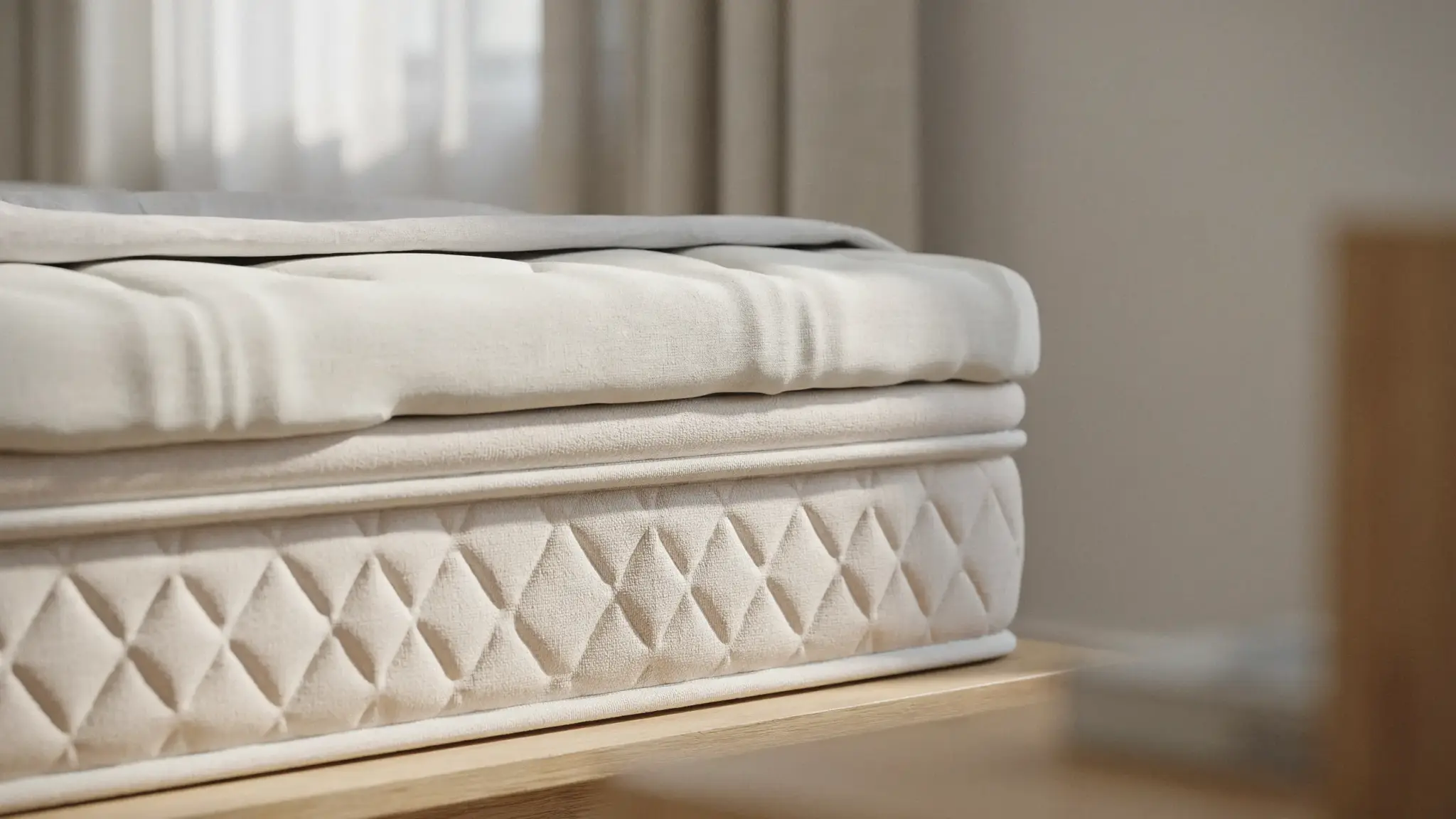
Yes, and it actually works well. Put the topper on first to adjust comfort, then layer the pad on top to protect both the topper and your mattress.
The pad takes the daily wear, spills, and washing, while the topper stays clean underneath and keeps doing its job longer.
Just make sure your fitted sheet is deep enough to cover both layers without slipping off at night.
Common Mistakes When Choosing Between the Two
A few small oversights can land you with the wrong product entirely. Here’s what to watch out for.
- Protection: Pads protect your mattress, but won’t make it more comfortable. If your bed already feels off, you need a topper.
- Height: Toppers range from 2 to 4 inches, and adding a thick one to an already tall mattress can make it hard to climb into bed and will likely send your fitted sheet flying off by morning. Measure first, buy second.
- Material: Memory foam traps heat, so if you’re a warm sleeper, it’ll make nights worse. Latex and wool sleep cooler, quilted cotton breathes well, and synthetic or waterproof pads hold more heat. Pick based on how you actually sleep, not what’s on sale.
Conclusion
Mattress pads and toppers solve different problems. If your mattress is in good shape and you want to protect it, a pad does the job well.
If comfort is the issue, a topper is the better fix. You’ve seen how they differ in feel, materials, temperature control, durability, and maintenance.
There’s no universally right answer, just the one that fits your sleep needs and your current mattress. Use everything you’ve read here to make that call with confidence.
And if your mattress needs both protection and a comfort boost, layering the two is always an option.
Frequently Asked Questions
Do Mattress Toppers Go Under or Over the Mattress Pad?
The topper goes directly on the mattress; the pad goes on top of the topper. The sheet covers both.
Are Mattress Toppers Good for Side Sleepers?
Yes. A soft-to-medium memory foam or latex topper cushions shoulders and hips, which is exactly what side sleepers need.
Can a Mattress Topper Make a Bed Too Soft?
Yes. Choosing a topper that’s too thick or too soft on an already soft mattress can reduce support and cause back discomfort.