





Choosing the right mattress firmness can make or break your sleep quality.
With so many options available, understanding the firmness scale becomes crucial for finding your perfect match.
This comprehensive guide breaks down the standard 1-10 firmness scale, helping you decode manufacturer labels and match firmness levels to your specific needs.
Even if you’re a side sleeper seeking pressure relief, a back sleeper needing spinal support, or someone dealing with a specific health concern
firmness directly impacts your comfort and sleep health.
We’ll find out how each firmness level impacts your sleep, discuss how your sleeping position and body weight influence your ideal choice, and provide practical tips for testing mattresses before making this critical investment in your nightly rest.
What is the Mattress Firmness Scale?
The mattress firmness scale typically ranges from 1 to 10, with 1 being the softest and 10 being the firmest.
This standardized system helps manufacturers and consumers communicate about mattress feel consistently.
However, it’s essential to understand that firmness refers to the initial surface feel, not the overall support structure of the mattress.
The scale serves as a starting point for narrowing down options, though personal preference and individual body characteristics ultimately determine what feels right for you.
Mattress Firmness Scale Levels Explained
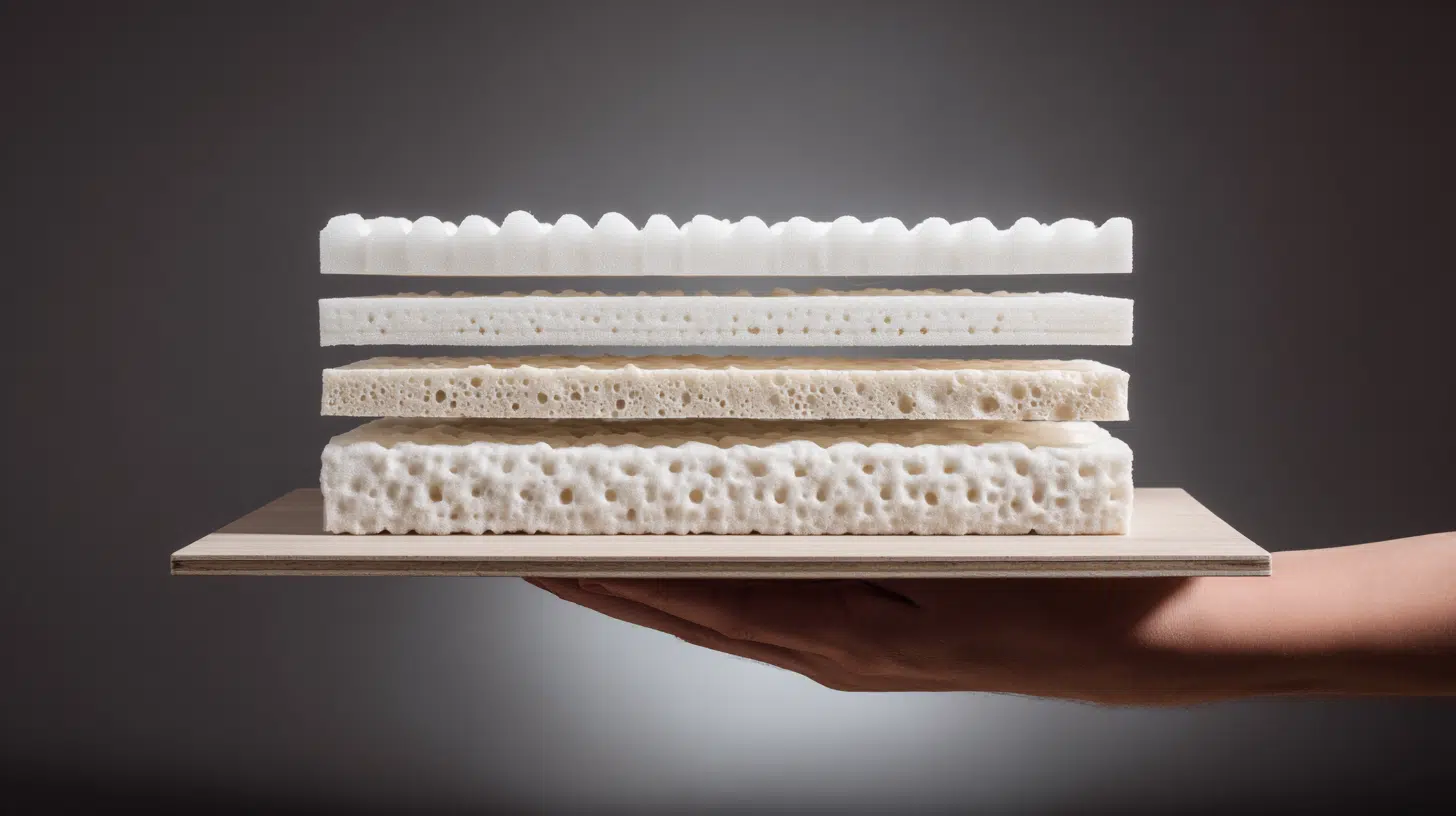
Each firmness level on the scale offers distinct characteristics that cater to different sleep needs and body types.
Understanding these differences will help you identify which range aligns best with your comfort preferences and physical requirements.
1. Extra Soft (1–2)
These mattresses feel ultra-plush, allowing the body to sink in almost completely. They provide maximum contouring, which can feel like sleeping “in” the bed rather than on top of it.
Extra soft surfaces may feel luxurious for very lightweight sleepers, but usually lack the structure needed for proper support.
Heavier individuals often find them uncomfortable over time as the body sinks too deeply.
2. Soft (3–4)
Soft mattresses still have a plush, cushioned feel but with slightly more resilience than extra soft options. They allow noticeable sinkage, cradling the body while offering decent motion isolation.
Many people enjoy them for their cozy, enveloping surface that eases pressure points. However, some may find them too yielding if they prefer a stable, supportive feel.
3. Medium (5–6)
Medium-firm mattresses strike a balance between contouring comfort and supportive structure. They provide enough softness to relieve pressure without making you feel stuck in the bed.
This level adapts to a wide range of sleep styles and body types, which is why it’s often considered the most “universal comfort” option.
Couples with different preferences frequently settle on this range as a compromise.
4. Medium-Firm (7–8)
Medium-firm options feel stable and supportive while still offering a touch of cushioning on the surface. They prevent excessive sinkage and help the body maintain a more neutral alignment.
People often choose this level for its reliable balance between comfort and durability. It’s a great option if you want firmness without sacrificing all softness.
5. Extra Firm (9–10)
Extra firm mattresses feel very solid, with almost no contouring or give. They prioritize stability, preventing the body from sinking into the surface at all.
This firmness can feel highly supportive for those who prefer to sleep “on” the mattress rather than “in” it.
For some sleepers, though, the rigid feel may cause pressure buildup and reduced comfort over long periods.
How Firmness Affects Sleep Quality

Firmness directly impacts several key sleep factors.
Pressure point relief occurs when softer surfaces allow your body to sink in slightly, reducing stress on shoulders, hips, and other prominent areas.
Conversely, proper spinal alignment requires adequate support to prevent your body from bending unnaturally.
Motion isolation tends to be better with softer mattresses, as they absorb movement rather than transferring it across the surface.
Additionally, firmness affects durability differently depending on construction materials and your body weight distribution.
Mattress Firmness by Sleep Position
Your sleep position is the most critical factor when choosing mattress firmness.
Each position creates different pressure points and requires specific support to keep your spine correctly aligned throughout the night.
1. Side Sleepers: Soft to Medium (3-6)
Side sleepers place concentrated pressure on shoulders and hips, requiring softer surfaces for comfort. Without proper cushioning, you’ll wake with joint pain and poor circulation.
Your shoulders and hips need cushioning to prevent pressure points and maintain spine alignment.
Key Benefits:
- Reduces pressure on joints
- Fills waist gap for proper spine curve
- Prevents arm numbness and tingling
Warning: Shoulder or hip pain means your mattress is too firm.
2. Back Sleepers: Medium to Medium-Firm (5-7)
Back sleeping distributes weight evenly but requires support for your spine’s natural curves. This position offers the most firmness and flexibility of all sleep styles.
This is the most flexible position, accommodating various firmness levels.
Key Benefits:
- Supports natural lower back curve
- Even weight distribution
- Best balance of comfort and support
Warning: Lower back pain indicates wrong firmness level.
3. Stomach Sleepers: Firm to Extra-Firm (7-9)
Stomach sleeping puts your spine in an unnatural position that can cause back strain. Firm support is essential to prevent your midsection from sinking too deeply.
Requires firmest support to prevent back strain.
Key Benefits:
- Prevents midsection sinking
- Keeps spine straight
- Reduces neck strain
Warning: Any sinking in the midsection causes back problems.
4. Combination Sleepers: Medium-Firm (6-7)
Moving between positions throughout the night requires a mattress that performs adequately in all positions. Medium-firm provides the best compromise for multiple sleep styles.
Change positions frequently? Choose a medium-firm.
Key Benefits:
- Works for multiple positions
- Easier movement between positions
- Balanced support throughout the night
Quick Tip: When unsure of your primary position, medium-firm (6-6.5) works for most people.
How to Choose the Right Firmness for You
Think about these factors to choose the right fit for yourself
| Factor | Soft (1-4) | Medium (5-6) | Firm (7-10) |
|---|---|---|---|
| Sleep Position | Side sleepers | Combination sleepers | Back/stomach sleepers |
| Body Weight | Under 130 lbs | 130-230 lbs | Over 230 lbs |
| Pressure Relief | High | Moderate | Low |
| Support Level | Low | Moderate | High |
| Motion Isolation | High | Moderate | Low |
Based on Sleeping Position
Side sleepers typically need softer surfaces to accommodate hip and shoulder curves.
Back sleepers benefit from medium to medium-firm options that support the natural spine curve while cushioning pressure points.
Stomach sleepers require firmer surfaces to prevent excessive sinking around the midsection, which can strain the lower back.
Based on Body Weight
Lightweight individuals often prefer softer mattresses because they compress the surface less.
Heavier sleepers typically need firmer options to prevent excessive sinkage and maintain proper support throughout the night.
Testing Mattress Firmness Before You Buy

When testing in-store, spend at least 10-15 minutes lying in your typical sleep position. Pay attention to pressure points and whether your spine feels aligned.
For online purchases, prioritize brands offering extended trial periods (90+ nights) with hassle-free returns.
Read customer reviews from people with similar body types and sleep preferences.
Remember that new mattresses may feel different initially and often require a brief break-in period for optimal comfort.
Common Myths About Mattress Firmness
Many misconceptions surround mattress firmness, leading consumers to make decisions based on outdated or inaccurate information.
Let’s examine some of the most common myths and the reality behind each one.
| Myth | Reality |
|---|---|
| Firmer mattresses are always better for back pain. | The right firmness depends on your specific condition, sleep position, and body type. |
| Soft mattresses wear out faster. | Durability depends more on construction quality and materials than surface firmness. |
| Firmness feels identical for everyone. | Body weight, shape, and sleep position dramatically affect how firmness feels to each individual. |
Find Your Perfect Mattress Today!
Now that you understand the firmness scale and how to match it to your needs, it’s time to start shopping with confidence.
Remember to consider your sleep position, body weight, and any specific health concerns when making your decision.
Take advantage of sleep trials to ensure your choice works for your unique needs.
Don’t rush the decision-making process, as investing time in research will pay off with years of better sleep quality.
Keep in mind that what feels comfortable in a showroom for 10 minutes may feel different after sleeping on it for several weeks.
Start your search today by visiting reputable mattress retailers or surveying online options with generous trial periods. Your best night’s sleep is waiting!