


Shopping for bedding can feel confusing when different terms seem to describe the same thing. One item that often causes questions is the duvet insert.
Many people see duvet covers, comforters, and inserts when shopping and are unsure how they work together.
So, what is a duvet insert? It is the soft, filled layer that goes inside a duvet cover and provides the warmth and comfort you feel while sleeping.
It can be made from materials like down, cotton, wool, or synthetic fibers. Understanding how a duvet insert works can make it much easier to choose bedding that feels comfortable and suits your needs.
What is a Duvet Insert?

A duvet insert is a layer of quilted bedding, soft and meant to be warm and comfortable, placed under a removable cover. It is usually filled with down, an alternative to down, cotton, wool, or silk, which gives it loft and insulation.
A duvet insert looks like a comforter, fluffy and stitched in sections to ensure the filling stays evenly distributed, though there are clear differences between a duvet and a down comforter in how they are used.
The main difference is that it is intended to be used with a separate outer cover, not on its own.
It’s called an “insert” because it’s put inside a duvet cover, just like a pillow goes inside a pillowcase. The duvet insert is the core of the bedding ensemble, providing warmth, and the cover adds protection and style.
What Goes Inside of a Duvet Cover?
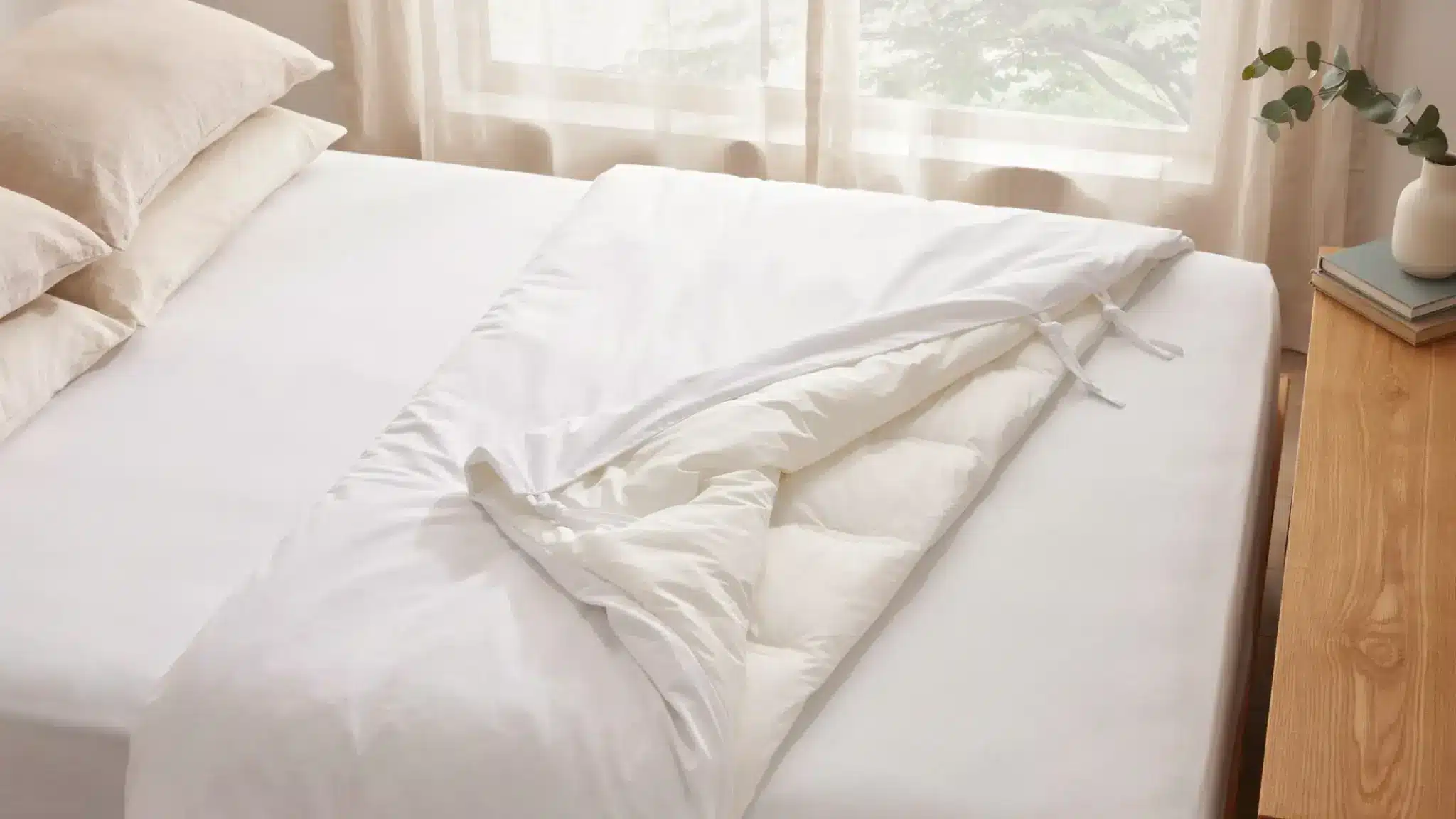
A duvet insert is designed to go inside a duvet cover. The two pieces work together to create a complete and functional bedding system.
The insert provides the warmth and structure, while the duvet cover acts as a protective and decorative outer layer. Most duvet covers include practical features such as corner ties, loops, or button-and-zipper closures to keep the insert securely in place and prevent shifting or bunching.
Using a duvet cover makes maintenance much easier. Instead of frequently washing a bulky insert, you can simply remove and wash the cover, keeping your bedding fresh with less effort.
What is the Purpose of a Duvet Insert & How Does It Work?
A duvet insert is designed to provide you with the same warmth, softness, and comfort while making your bedding easier to care for. The fill traps your body heat to create an insulating effect that keeps you warm without weighing you down.
- For one complete layer of bedding, the duvet insert is placed in a duvet cover.
- The fill material of the insert gives it loft that helps keep heat and regulate temperature.
- The duvet cover protects the insert from dirt, spills, and everyday wear and tear.
- The cover is removable and washable separately, which greatly simplifies the cleaning.
Together, the insert and cover create a practical system that balances comfort, hygiene, and style, making it a popular choice for everyday use and hotel-style bedding.
What Materials Are Used in a Duvet Insert?
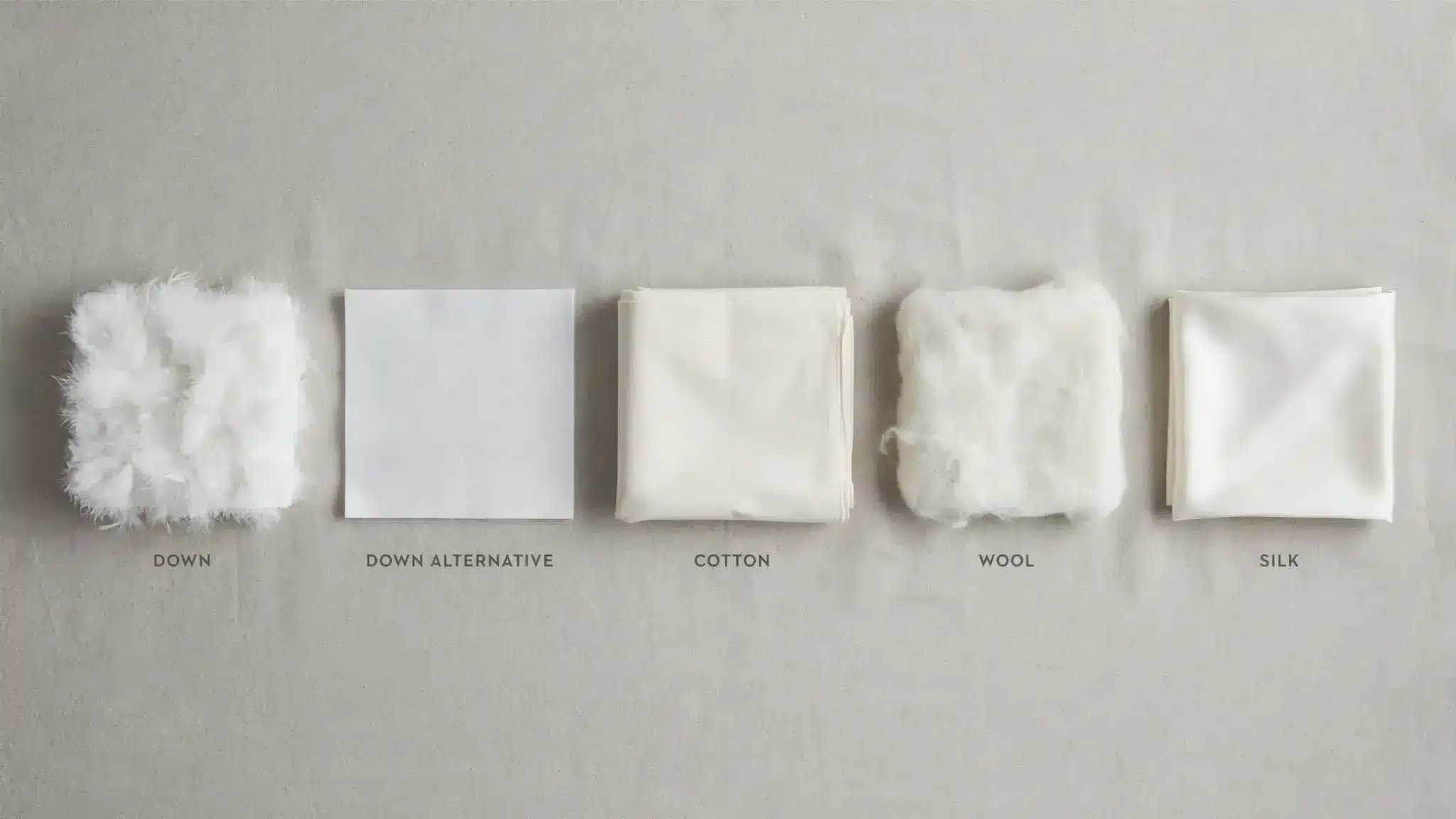
Duvet inserts come in various materials, each offering unique benefits for warmth, comfort, and maintenance.
1. Down Duvets
Down duvet inserts are filled with the soft under-feathers of ducks or geese, giving them a lightweight, airy, and fluffy feel.
They provide a high level of warmth while remaining breathable, making them ideal for cold climates or those who want maximum insulation without added weight.
Known for their durability and luxurious comfort, down inserts can be expensive and are not suitable for people with allergies unless specially treated. They also require careful cleaning and regular fluffing to maintain their loft
2. Down Alternative Duvets
Down alternative duvet inserts use synthetic fibers designed to mimic the softness of real down, resulting in a slightly heavier but still comfortable feel.
They offer medium to high warmth depending on quality and are best suited for allergy sufferers or anyone looking for a more affordable option.
These inserts are easy to maintain, hypoallergenic, and widely available, but they may be less breathable than natural down and can lose their fluffiness over time.
3. Cotton Duvets
Cotton duvet inserts are made from natural fibers that create a soft, breathable, and slightly weighted feel.
They typically provide light-to-medium warmth, making them a great choice for hot sleepers or warm climates.
Cotton is easy to clean and gentle on the skin, but it does not insulate as well as down and can feel heavier for the same level of warmth.
4. Wool Duvets
Wool duvet inserts have a slightly dense, cushioned feel with a soft but mildly textured surface.
They have a slightly dense texture and offer medium warmth with excellent temperature regulation. They are well-suited for year-round use, as wool naturally adapts to body temperature and wicks away moisture.
While they are durable and long-lasting, they can feel heavier than other options and may not be as plush or smooth.
5. Silk Duvets
Silk duvet inserts have a smooth, lightweight, and airy feel that drapes gently over the body.
They provide light-to-medium warmth with excellent temperature balance, making them suitable for those who prefer breathable, less bulky bedding.
Silk is naturally hypoallergenic and comfortable, making it ideal for sensitive sleepers or those seeking a more luxurious option. However, it is more expensive and requires delicate care to maintain its quality.
Note: Each material offers a different sleeping experience, so choosing the right one comes down to how warm you sleep, your budget, and how much maintenance you’re comfortable with.
Benefits of Using a Duvet Insert
Using a duvet insert offers a practical and comfortable way to manage your bedding while keeping your bedroom looking clean and styled.
- Comfortable Warmth: Provides consistent insulation without feeling overly heavy
- Easy Maintenance: Only the duvet cover needs frequent washing, not the insert
- Flexible Styling: Swap covers to change your bedroom look without replacing the insert
- Longer Lifespan: The cover protects the insert from dirt, spills, and wear
- Seasonal Versatility: You can switch between lightweight and heavyweight inserts
- Hotel-Like Feel: Creates a plush, layered look commonly seen in hotels
A duvet insert combines comfort, convenience, and style in a single layer, making it a reliable choice for everyday bedding. If you prefer a lightweight option for warmer months or something cozier for colder nights, it adapts easily to your needs.
Duvet Insert vs Other Bedding Basics
Understanding how a duvet insert compares to other bedding options helps you decide what works best for your needs.
1. Duvet Insert vs Comforter
When choosing between a duvet insert and a comforter, the main difference comes down to flexibility versus simplicity. While both provide warmth, they differ in maintenance, styling, and long-term use.
| Feature | Duvet Insert | Comforter |
|---|---|---|
| Construction | Insert + removable cover | Single stitched piece |
| Warmth | Adjustable with different inserts | Fixed warmth level |
| Appearance | Customizable with covers | Fixed design |
| Cleaning | The cover is easy to wash | The entire piece must be washed |
| Best use | Flexible, long-term bedding | Simple, all-in-one solution |
Overall, a duvet insert offers more versatility and easier upkeep, while a comforter works well if you prefer a straightforward, ready-to-use option. The right choice depends on how much flexibility you want in your bedding.
2. Duvet Insert vs Quilt
A duvet insert and a quilt serve different purposes, even though they may look similar at first glance. The key distinction lies in their warmth level and how they are typically used in layering.
| Feature | Duvet Insert | Quilt |
|---|---|---|
| Construction | Fluffy insert with cover | Thin, stitched layers |
| Warmth | Medium to high | Light warmth |
| Appearance | Soft and plush | Flat and decorative |
| Cleaning | Wash cover separately | Easy to wash fully |
| Best use | Primary blanket | Layering in warmer climates |
In the end, a duvet insert is better suited as a primary source of warmth, while a quilt works best as a lightweight layer or decorative addition, especially in warmer climates.
3. Duvet Insert vs Blanket
Comparing a duvet insert with a blanket highlights the difference between structured bedding and simple layering. Each serves a role depending on how much warmth and coverage you need.
| Feature | Duvet Insert | Blanket |
|---|---|---|
| Construction | Filled and quilted | Single-layer fabric |
| Warmth | High insulation | Light to medium warmth |
| Appearance | Structured bedding layer | Casual and simple |
| Cleaning | Requires a cover for easy care | Easy to wash |
| Best use | Main bedding layer | Extra layer or mild weather |
While blankets are great for casual use or extra layering, a duvet insert provides more consistent warmth and a more polished, complete bedding look.
These comparisons make it clear that a duvet insert offers more flexibility and comfort, especially if you want a long-term bedding solution that’s easy to maintain and style.
How to Choose the Right Duvet Insert?
Choosing the right duvet insert comes down to your comfort preferences, climate, and how you use your bedding. Here are the key factors to consider:
- Bed Size: Make sure the insert matches your bed size, or go slightly larger for a fuller, more luxurious look. This becomes even more important for larger beds, where typical king duvet dimensions can vary slightly depending on the brand and style.
- Fill Material: Choose between down, down alternative, cotton, wool, or silk based on comfort, allergies, and budget.
- Warmth Level: Lightweight for warm weather, medium for year-round use, and heavyweight for colder climates.
- Sleeping Temperature: Hot sleepers should opt for breathable materials like cotton or silk, while cold sleepers may prefer down.
- Climate: Your local weather plays a big role in how much insulation you need.
- Allergy Concerns: Down alternative and silk are better options for those with sensitivities.
Choosing carefully ensures your duvet insert feels comfortable throughout the year and suits your lifestyle.
Cost of a Duvet Insert
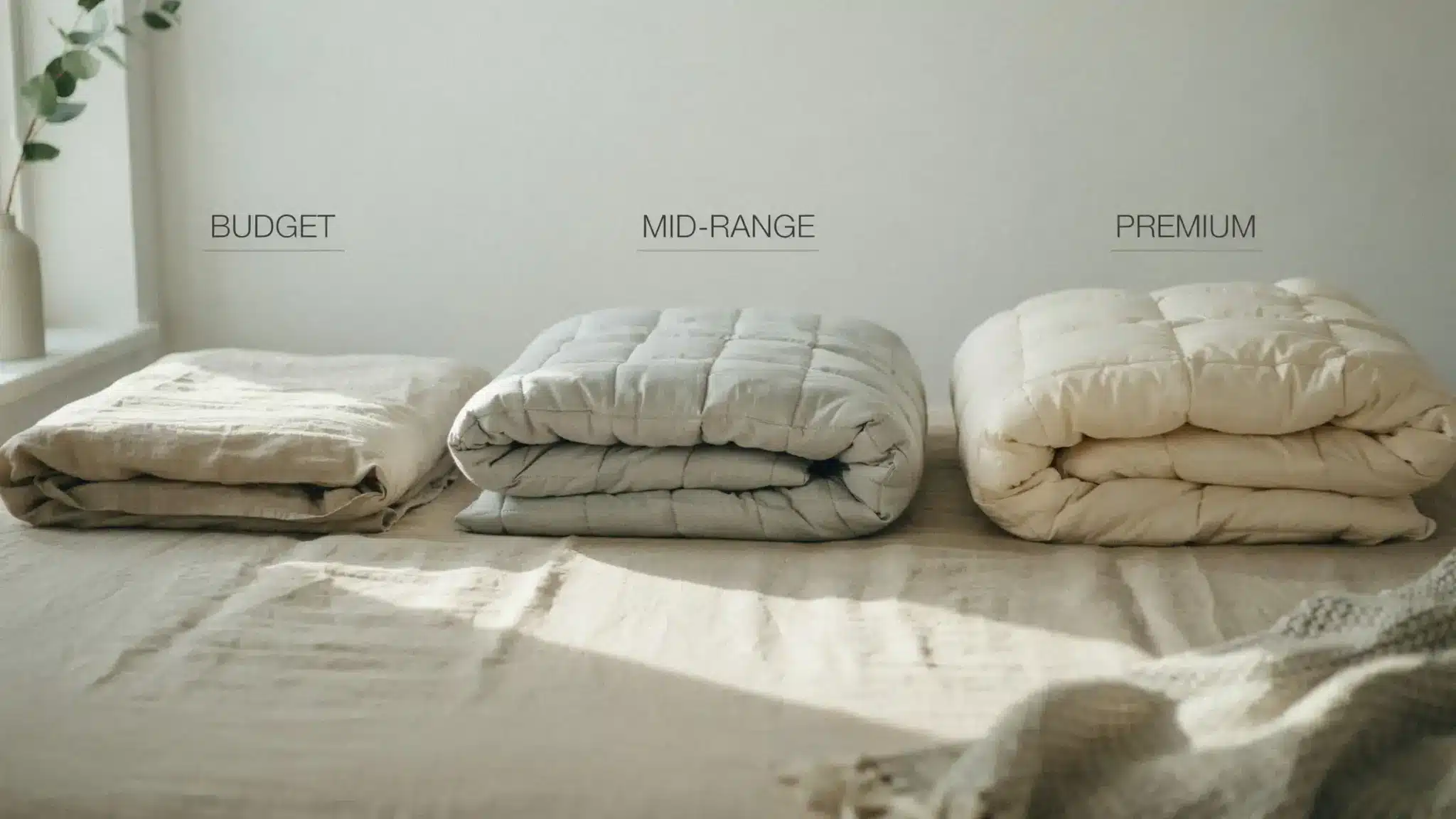
The cost of a duvet insert varies depending on the material, construction quality, and overall durability.
- Budget Options ($20–$60): Typically made with down alternative or basic cotton fill. Suitable for guest rooms or light, occasional use.
- Mid-Range Options ($60–$150): Better construction, improved durability, and more consistent warmth, ideal for everyday use.
- Premium Options ($150–$500+): Usually made with high-quality down or silk, providing superior softness, insulation, and long-term durability.
While budget options can work, investing in a higher-quality duvet insert often leads to better comfort and a longer lifespan.
Conclusion
Now that you know what a duvet insert is, it becomes much easier to understand how a duvet bedding system works.
A duvet insert provides the warmth, loft, and comfort, while the duvet cover protects it and adds style to your bed. With different fill materials and warmth levels available, there is an option for almost every sleeping preference and climate.
Choosing the right duvet insert can help create a more comfortable and practical sleep setup that is easy to maintain throughout the year. Do you use a duvet insert, or are you thinking about getting one?
Share your thoughts, questions, or experiences in the comments below.
Frequently Asked Questions
Do You Need a Duvet Insert for a Duvet Cover?
Yes, a duvet cover is designed to hold a duvet insert. Without the insert, the cover will not provide warmth or structure.
Can a Comforter Be Used as a Duvet Insert?
Yes, a comforter can be used inside a duvet cover as a substitute. However, it may not fit perfectly or have corner ties to keep it in place.
How Do You Keep a Duvet Insert from Bunching?
Use duvet covers with corner ties or loops and secure them to the insert. Regularly shaking and adjusting the insert also helps maintain even distribution.
How Long Does a Duvet Insert Typically Last?
A good-quality duvet insert can last between 5 and 10 years, depending on the material and how well it is maintained.
Do You Use a Top Sheet with a Duvet Insert?
A top sheet is optional. Many people use a duvet cover on its own because it protects the insert and can be washed regularly. Others prefer a top sheet for an extra layer between themselves and the duvet.