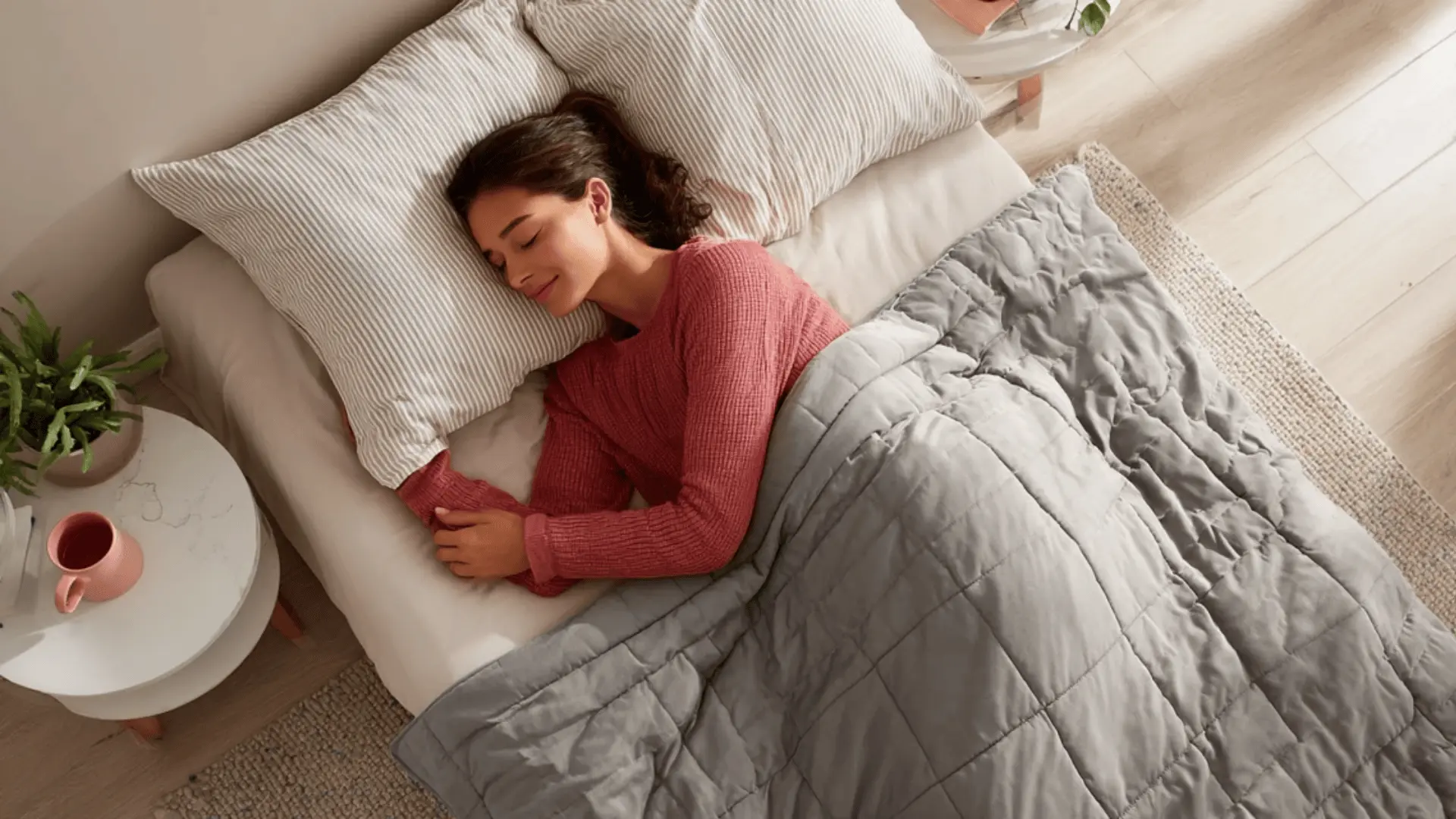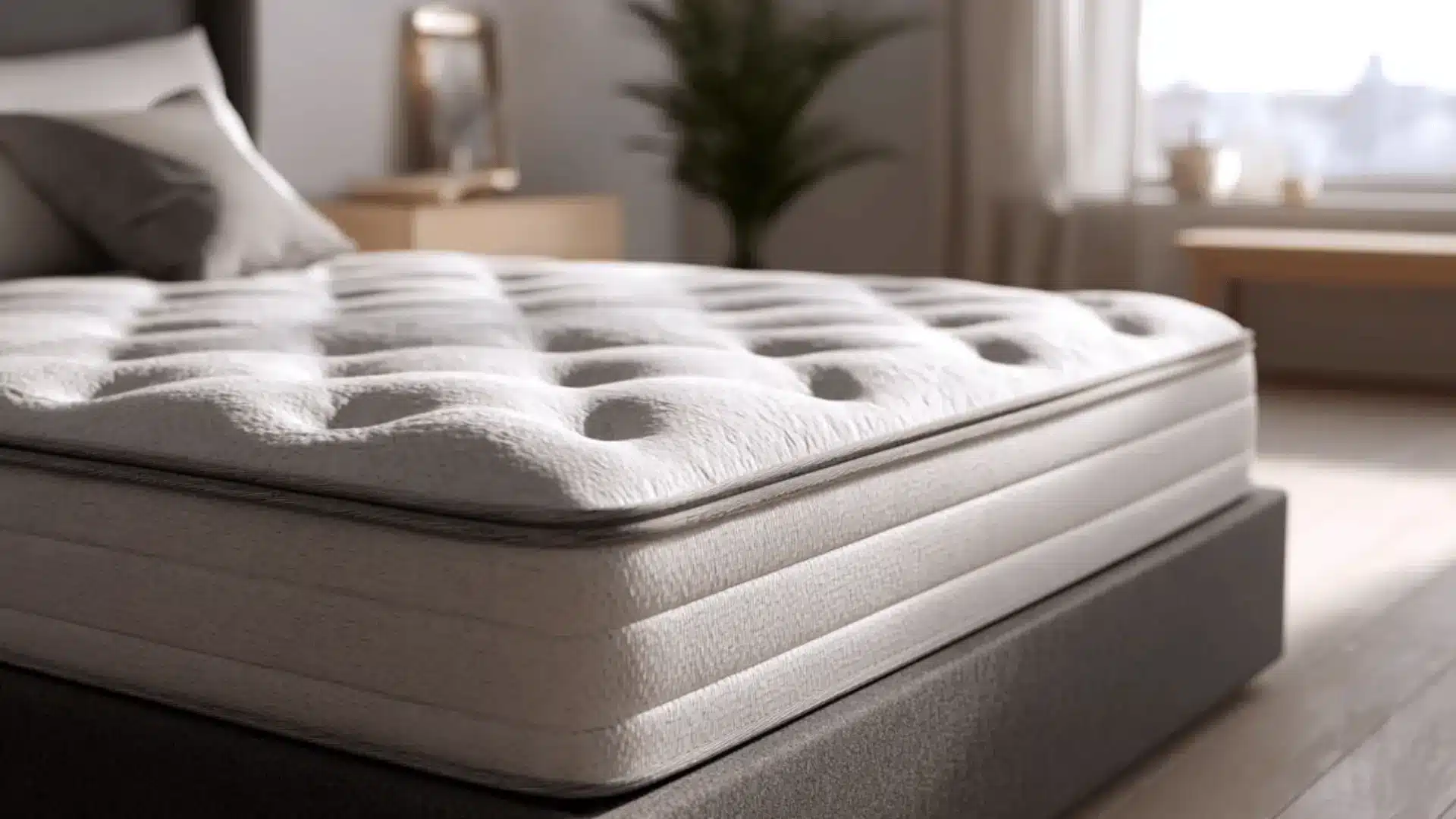


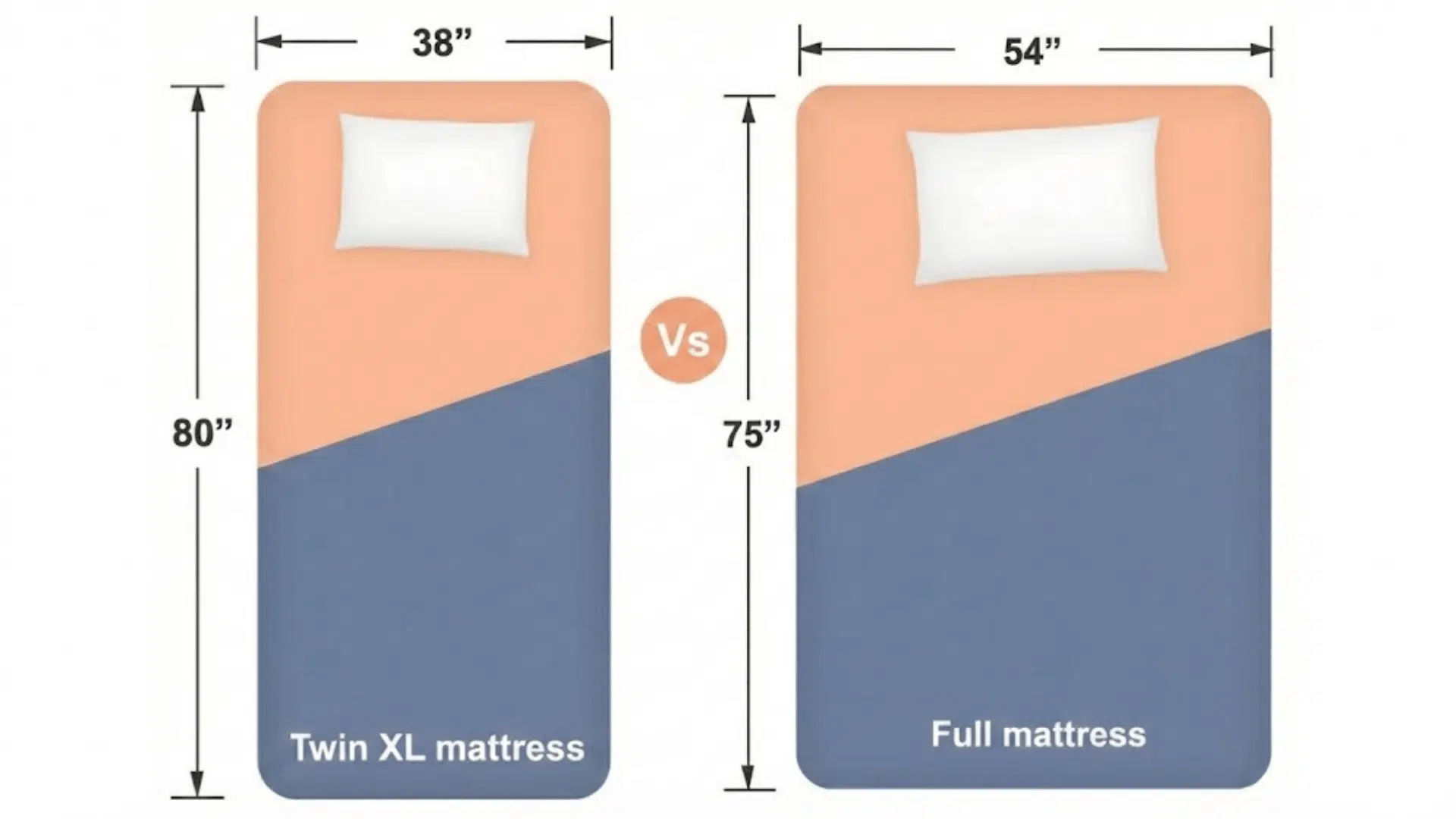


Finding the ideal mattress height can make a big difference in sleep quality and overall comfort.
A mattress that is too tall or too short can make getting in and out of bed difficult, affect spinal alignment, and change how bedding fits.
The right height supports the body, relieves pressure points, and works with the bed frame to create a balanced and comfortable feel.
Understanding what makes a mattress the right height helps ensure restful sleep and better posture. Choosing the correct mattress height is not just about style; it’s about comfort, support, and daily usability for every sleeper.
What is Mattress Height & Why Does It Matter?
Mattress height is the distance from the bottom of the mattress to the top surface where you lie. It might seem like a small detail, but it can make a big difference in comfort and convenience.
A mattress that is too tall or too short can make getting in and out of bed awkward, especially for children or older adults.
The right height also helps keep your spine aligned while you sleep, reducing pressure on your shoulders and hips.
Mattress height affects how your bed looks and how bedding fits, but taller doesn’t always mean better; materials and construction play a key role in comfort and support.
Standard Mattress Height Ranges
Mattresses come in different heights, and choosing the right one can affect comfort, support, and how your bed feels overall.
Understanding the typical mattress height helps show how different sizes work for various sleepers.
| MATTRESS HEIGHT | THICKNESS | BEST FOR |
|---|---|---|
| Low‑Profile | 4–8″ | Kids, bunk beds, guest beds |
| Slim | 8–10″ | Shorter beds, easy access |
| Standard | 10–12″ | Most adults |
| Thick/Deep | 12–14″ | Heavier sleepers, extra comfort |
| Extra‑Thick | 14″+ | Luxury feel, heavier beds |
Remember, taller mattresses aren’t always better. Comfort and support depend on materials and construction, not just height. Choosing the right height should match your body, bed setup, and how you use the bed daily.
How to Choose the Ideal Mattress Height?
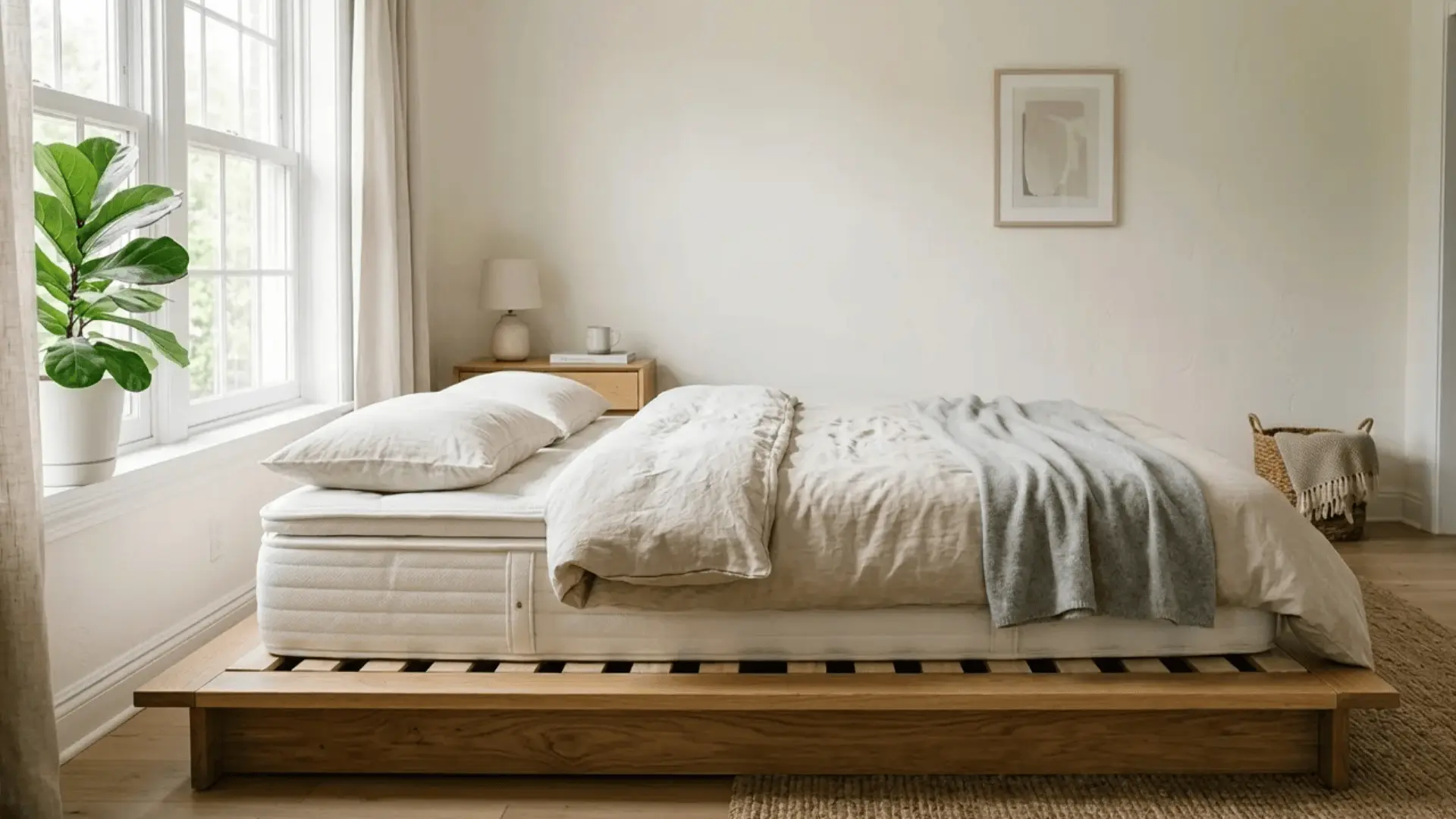
Choosing the right mattress height affects comfort, support, and everyday use.
Your ideal mattress height depends on your body, bed frame, and how you use the bed.
Sleep position, weight, and pressure points all play a role, and understanding mattress thickness can help explain how height and layers work together.
1. Based on Body Weight & Sleep Position
Your body weight and sleep position influence the best mattress height. Side sleepers usually need thicker mattresses to relieve pressure on their shoulders and hips.
Back and stomach sleepers often do well with medium-height mattresses that keep the spine aligned. Heavier individuals may prefer mattresses 12 inches or taller for added support and to prevent sagging over time.
2. Based on Bed Frame & Bed Height Setup
Mattress height and bed frame work together to determine total bed height.
A mattress that is too tall on a high frame can feel awkward, while a low mattress on a short frame may feel flat or less comfortable.
A simple check is to sit on the edge with feet flat on the floor and knees at hip level. The frame type, like a platform or a box spring, also affects how high the bed feels.
3. Ease of Getting In & Out of Bed
Mattress height can make getting in and out of bed easier or harder.
Tall mattresses on high frames can be tricky for children, older adults, or anyone with limited mobility.
Beds that are too tall may strain the legs or back when sitting or standing. Choosing the right height makes daily use safer, more comfortable, and easier for everyone.
4. Bedding Compatibility
The height of a mattress affects how well sheets and bedding fit. Thicker mattresses usually need deep-pocket sheets to fully cover the corners.
Very tall mattresses can make tucking sheets difficult, while short mattresses may leave bedding loose. Picking a mattress height that matches your sheets helps keep the bed neat, secure, and comfortable throughout the night.
Pros & Cons of Different Mattress Heights
Different mattress heights come with their own benefits and drawbacks. Understanding the pros and cons can help you pick a mattress that feels comfortable, suits your bed setup, and matches your sleep needs.
| MATTRESS HEIGHT | PROS | CONS |
|---|---|---|
| Low‑Profile (4–8″) | Lightweight and easy to access | Less comfort for adults |
| Standard (10–12″) | Balanced comfort, wide options | May feel thin for larger sleepers |
| Thick (12–14″+) | Plush feel, extra comfort | Harder to handle; requires deep-pocket sheets |
Choosing the right mattress height is a balance between comfort, usability, and practical needs. Use this table as a quick reference to decide which height works best for your body, bed frame, and sleeping style.
Impact of Mattress Height on Sleep Quality
Mattress height affects more than just how your bed looks; it also impacts sleep quality.
A mattress that is too thin may not support your spine properly, while the right height helps with alignment and relieves pressure on your shoulders, hips, and back.
Height can also affect airflow and heat retention, keeping you cooler or warmer at night.
Thicker mattresses often last longer because comfort layers hold up better over time. The type of foundation or bed frame also matters, as it works with the mattress to provide proper support.
Choosing the right height and support together makes sleep more comfortable and restorative.
Common Mistakes When Choosing Mattress Height
Picking the right mattress height can be tricky, and many people make simple mistakes that affect comfort and daily use. Being aware of these common errors can help you avoid problems and choose a mattress that fits your bed and body.
- Assuming Taller is Better: A taller mattress doesn’t always mean more comfort or support.
- Ignoring Bed Frame Height: The frame affects the total bed height and how easy it is to get in and out of bed.
- Not Testing in Real Life: Sitting or lying on the mattress can reveal if the height works for you.
- Forgetting Bedding Fit: Sheets and blankets need to match the mattress height.
- Overlooking Mobility Needs: High mattresses can be hard for kids, older adults, or people with limited movement.
Avoiding these mistakes ensures your mattress height works well for comfort, support, and practical use.
Final Thoughts
The ideal mattress height affects comfort, support, and practicality more than most people realize.
The right mattress height helps maintain proper spinal alignment, reduces pressure points, and makes getting in and out of bed easier.
It also ensures sheets and blankets fit properly, keeping the bed neat and comfortable. Considering body type, sleep position, and bed frame height helps select the mattress that works best for individual needs.
What mattress height feels most comfortable for you, and what factors influenced the choice? Share experiences and tips in the comments below to help others find their perfect mattress height.