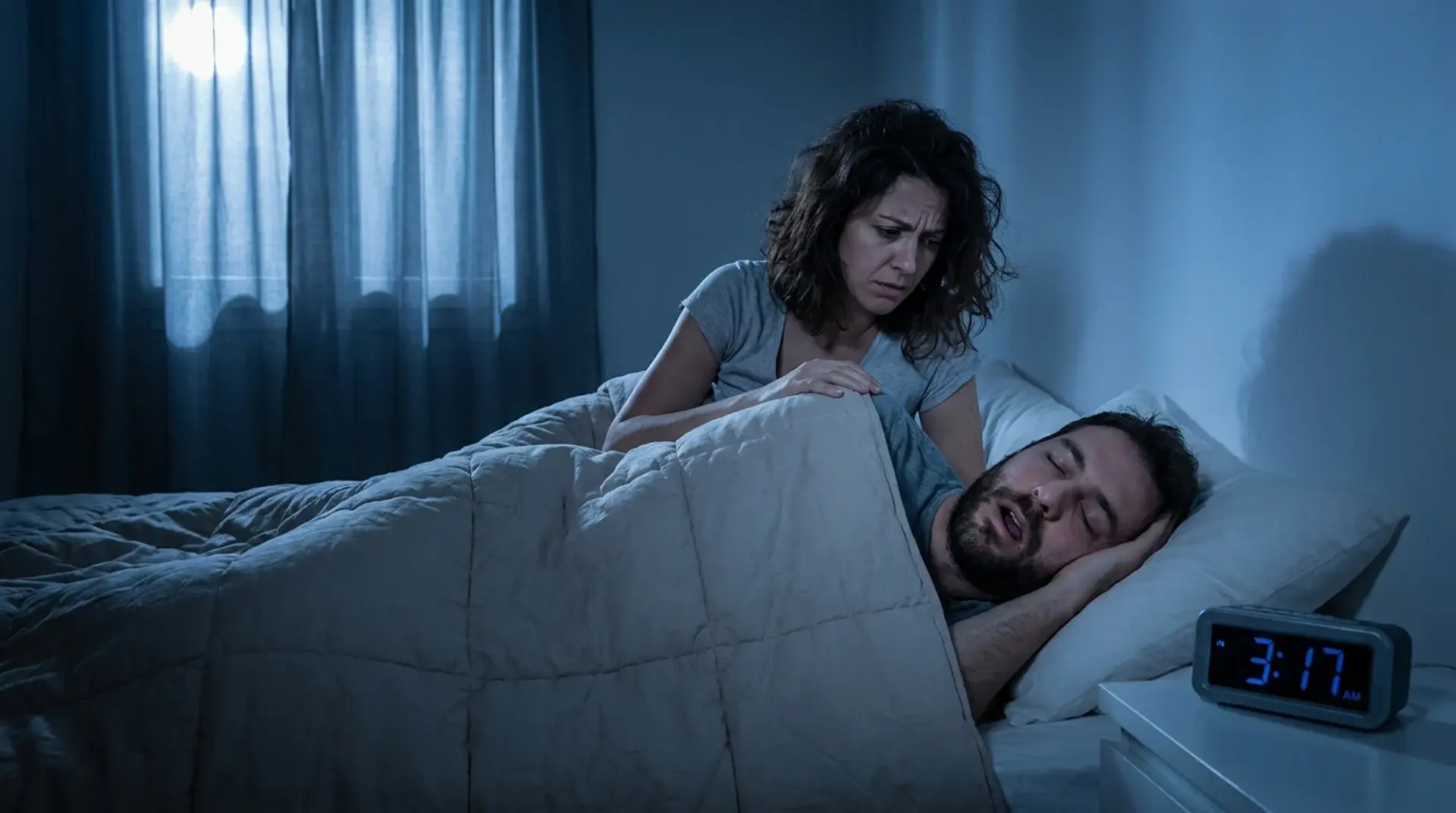

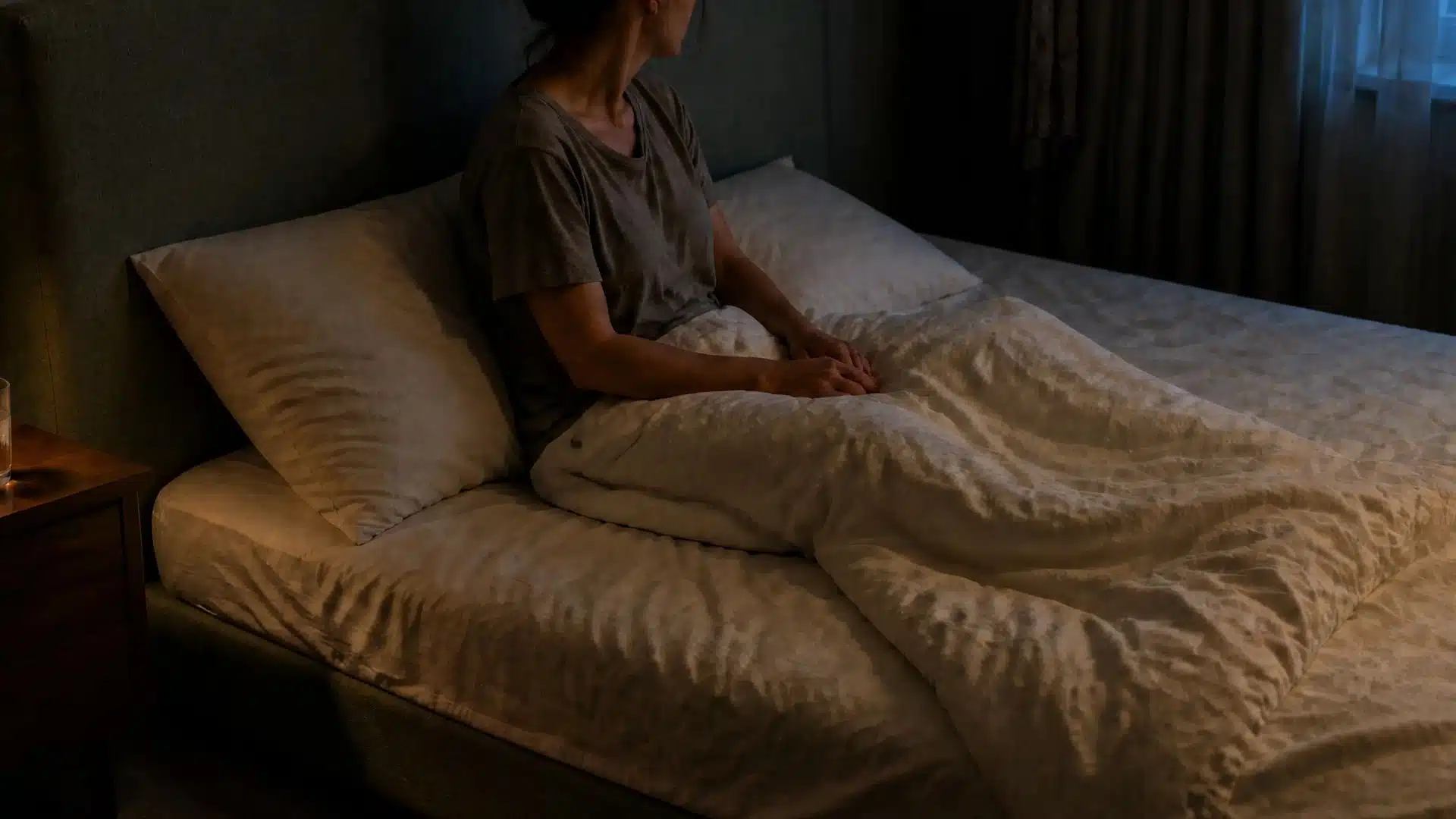



Leg pain at night is no joke. For people with peripheral artery disease (PAD), the burning, cramping, or tingling in the legs can make sleep feel impossible. Tossing and turning all night leaves the body exhausted and frustrated.
Sleep does not have to be a nightly battle. Finding the best sleeping position for peripheral artery disease can make a real difference.
For many people, lying on the back with the head and upper body slightly raised is the most comfortable place to start. Side sleeping with extra support may also help.
But raising the legs too high can actually make symptoms worse. The right position, a few smart sleep habits, and knowing when to call a doctor can all add up to much better nights.
Understanding Peripheral Artery Disease
Peripheral artery disease, or PAD, happens when the arteries that carry blood to the legs become narrow. This narrowing slows down blood flow, meaning the legs do not get enough oxygen.
That leads to symptoms such as leg pain while walking, numbness, cold feet, and slow-healing sores. In serious cases, pain can show up even at rest.
PAD can also raise the risk of heart attack and stroke. Catching it early really matters.
What is the Connection Between Sleep and PAD?
Nighttime can be tough for people with PAD. Lying flat can reduce blood flow to the legs in people with severe PAD, making discomfort harder to ignore.
These interruptions can break sleep repeatedly. Studies have shown that sleep apnea and PAD often occur together.
Over time, poor sleep affects energy, mood, and daily functioning. For people with PAD, getting good sleep is not a luxury. It is an important part of feeling better overall.
Best Sleeping Position for Peripheral Artery Disease
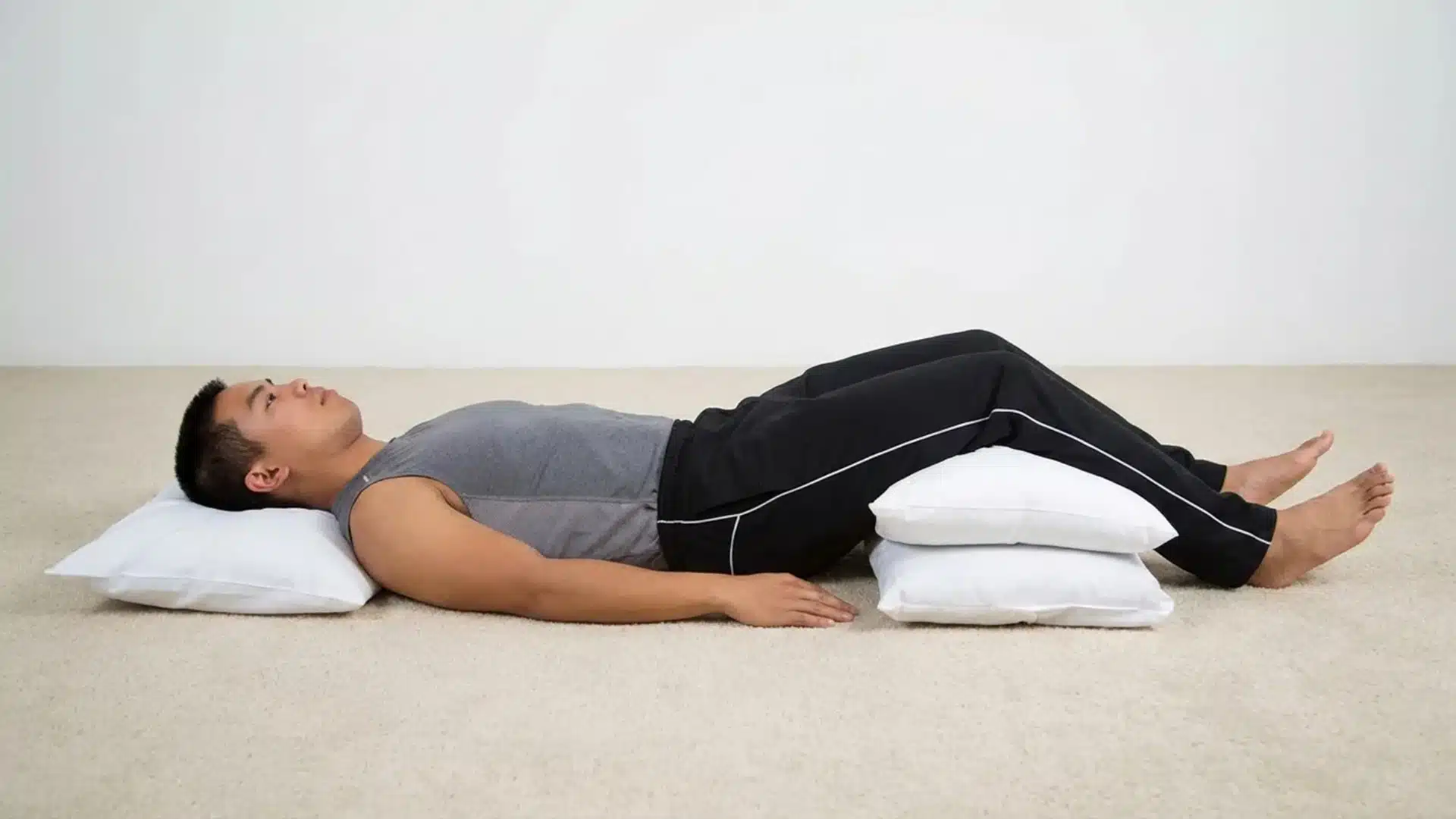
Sleep position matters more than most people think. For those with PAD, the wrong position can make leg pain and discomfort worse through the night. These positions are a good starting point to try.
1. Sleep on Your Back with Your Head Slightly Elevated
This is often the first position worth trying for PAD. Keeping the head and upper body slightly higher than the legs may help blood move more comfortably through the body.
A wedge pillow works well for this. An adjustable bed is another option. Even a few extra pillows under the upper back can make a noticeable difference in comfort through the night.
2. Sleep Flat On Your Back If Elevation Feels Uncomfortable
For some people, lying completely flat feels better than any elevation. A flat back position spreads body weight evenly when combined with proper mattress support, which can reduce pressure on any one spot.
Place a pillow under the knees to take stress off the lower back. A small pillow under the neck can also keep the spine in a comfortable position throughout the night.
3. Try Side Sleeping With Leg Support
Side sleeping can work well for some people with PAD. Placing a pillow between the knees helps keep the hips aligned and reduces pressure on the legs.
Tucking a small pillow between the ankles adds extra comfort. Try to avoid curling the legs too tightly, as this can twist the lower back and add unnecessary pressure to the legs.
The best sleeping position depends on the severity of the symptoms. For those with advanced PAD or pain that shows up even at rest, raising the legs too high can actually make things worse.
What works for one person may not work for another. When symptoms are severe, it is always best to consult a doctor before changing sleep position.
Positions that Can Worsen PAD Symptoms at Night
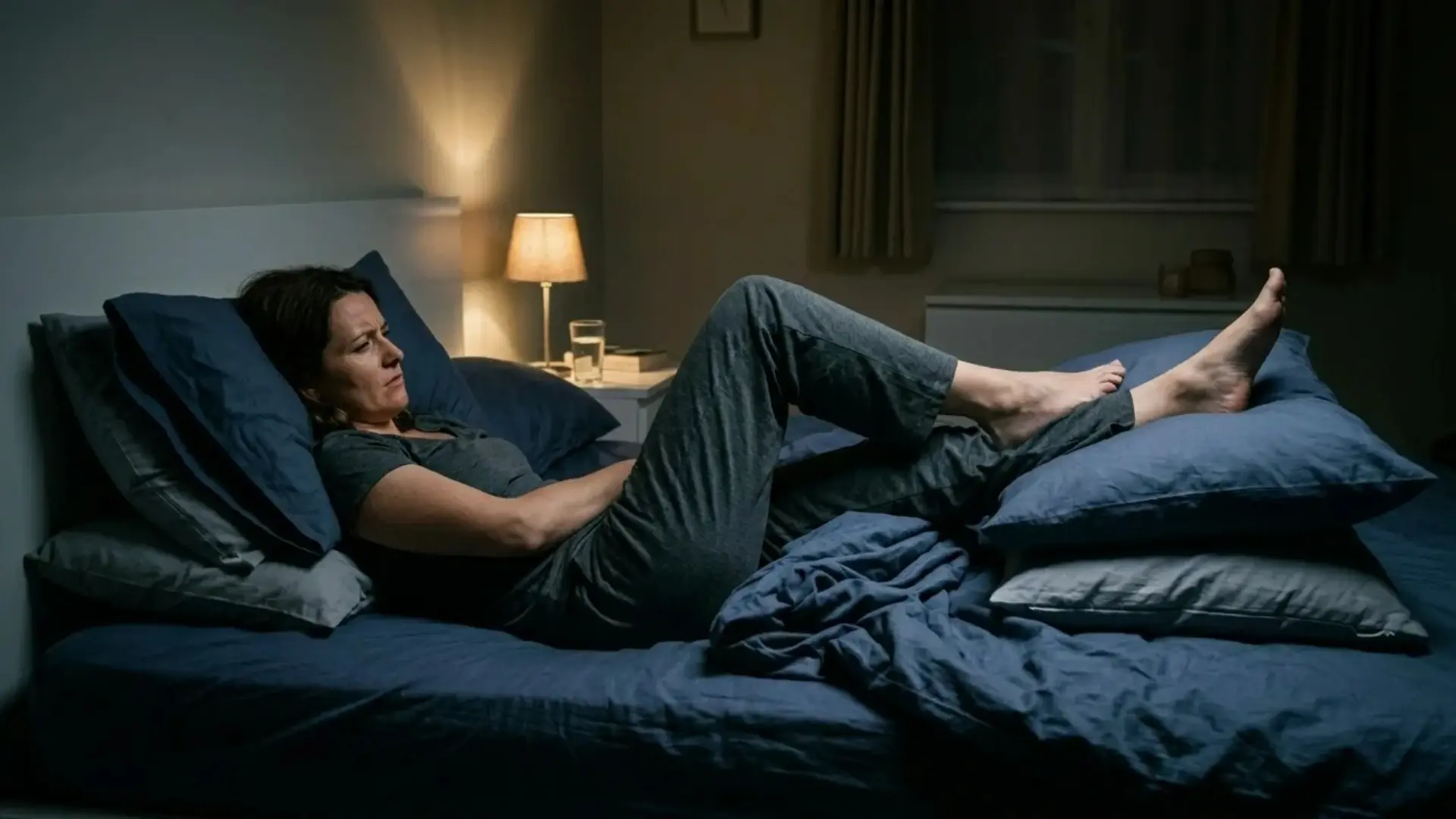
Not every sleep position is safe or comfortable with PAD. Some positions can make pain, numbness, and poor circulation worse at night.
- Legs Raised Too High: For some people, this position makes symptoms worse instead of better. Those with advanced PAD should be extra careful with leg elevation, as it can reduce blood flow further.
- Curled-Up or Tight Positions: Bent and compressed positions may further cut off circulation. This can make tingling, cramping, and discomfort stronger during the night.
- Lying on the stomach: This position may feel uncomfortable or increase pressure on the legs and hips, which can make it harder to stay comfortable at night.
- Crossing the Legs While Sleeping: This habit can press on blood vessels and increase discomfort, especially for people who already have poor blood flow in the legs.
- Any Position that Causes Numbness or Increased Pain: Do not push through the discomfort. Adjust slowly, try a different position, and take note of what helps and what does not.
Paying attention to how the body feels at night is important. If a position causes more pain or discomfort, it is worth changing. Tracking what works can help find a better sleep setup over time.
Dangers of Sleeping in the Wrong Position If You Have PAD
Sleeping in the wrong position does not cause PAD, but it can make things harder. Poor positioning can worsen leg pain throughout the night and disrupt sleep repeatedly.
Over time, broken sleep leads to tiredness, low energy, and difficulty getting through the day. Certain positions also put extra pressure on sensitive areas, worsening discomfort.
Another concern is that ongoing pain can continue to disrupt sleep and reduce overall comfort. Paying attention to sleep position is a small step that can have a real impact on comfort and overall health.
Quick Note: Wrong sleep positioning will not cause PAD. But it can make symptoms feel worse and lower sleep quality over time. Small adjustments can go a long way.
Ways to Manage and Treat Peripheral Artery Disease
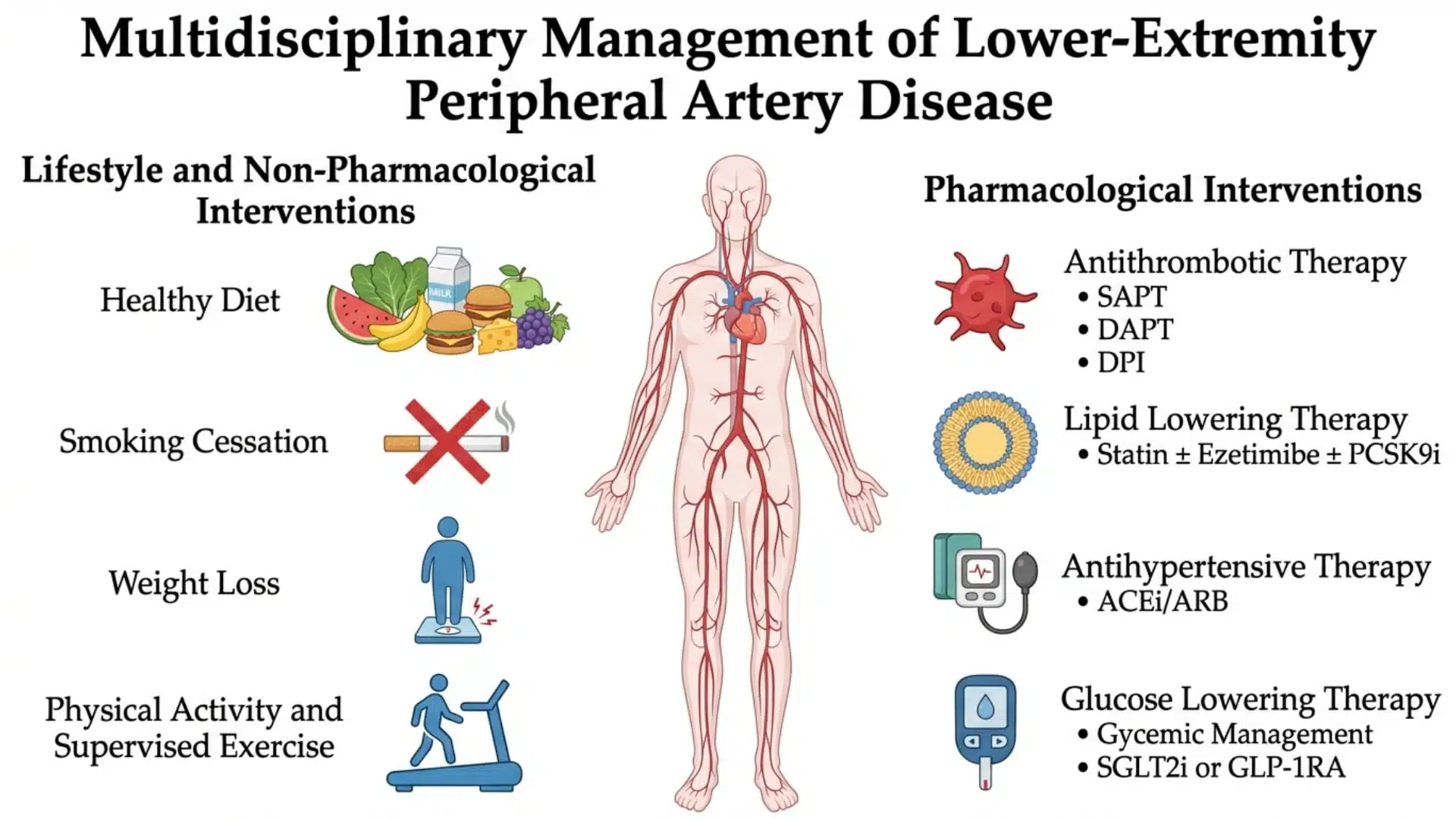
Managing PAD takes more than just finding a comfortable sleep position. Treatment focuses on slowing the progression of the disease, reducing symptoms, and lowering the risk of serious complications.
- Quit Smoking: Smoking narrows the arteries and worsens PAD over time. Stopping is one of the most important steps for improving circulation.
- Regular Walking: Walking helps improve blood flow in the legs. A doctor may recommend a supervised exercise program for better results.
- Medications: Doctors may prescribe statins, blood pressure medications, or blood thinners to manage risk factors and improve blood flow.
- Medical Procedures: In more serious cases, procedures such as angioplasty or bypass surgery may be needed to restore proper circulation.
- Supportive Sleep Changes: Adjusting sleep position can reduce discomfort and improve rest, but it does not treat blocked arteries.
Getting the right treatment plan from a doctor is the most important step. Sleep position changes can support comfort, but they work best alongside proper medical care and healthy habits.
When to Seek Professional Medical Care?
Some symptoms should never be ignored. See a doctor if leg pain occurs at rest or wakes you up at night.
Unhealing foot sores, one leg feeling colder than the other, or changes in skin color are all warning signs worth checking.
Sudden worsening of pain, numbness, or weakness in the legs needs urgent attention. These signs can indicate serious problems that require prompt medical care.
PAD can get worse over time, so acting early makes a real difference. When in doubt, it is always better to get checked sooner rather than later.
Simple Ways To Sleep Better With Peripheral Artery Disease
Getting better sleep with PAD takes a few simple adjustments. These small changes can make a noticeable difference in comfort and rest quality through the night.
- Wedge Pillow or Adjustable Bed: These help keep the upper body at a comfortable angle. This can reduce leg discomfort and make it easier to stay asleep through the night.
- Keep the Bedroom Cool: A cool room can support better sleep overall, though it is not specific to PAD.
- Avoid Nicotine Before Bed: Nicotine tightens blood vessels and can make PAD symptoms worse at night. Cutting it out before bed can help circulation and improve sleep quality.
- Consistent Sleep Schedule: Going to bed and waking up at the same time each day helps the body settle into a regular sleep pattern, making rest easier to come by.
- Gentle Evening Movement: Light movement in the evening may help with circulation. Always check with a doctor first before adding any new activity.
- Check for Sleep Apnea: Sleep apnea and PAD can occur together. If snoring or pauses in breathing during sleep are noticeable, it is worth bringing it up with a doctor.
Small changes to the sleep routine can add up over time. Trying even one or two of these tips can lead to more comfortable nights and better energy during the day.
Conclusion
Living with PAD is not easy, especially when pain makes sleep hard. But small changes can help. The best sleeping position for peripheral artery disease is lying on the back with the upper body slightly raised.
Side sleeping with proper leg support is another option worth trying. Both can reduce discomfort and improve rest. That said, if nighttime pain keeps getting worse, it is a sign to see a doctor.
Sleep position helps with comfort, but proper medical care is what truly manages PAD. Better nights and better health go hand in hand.
Have you found a sleep position that helps with PAD symptoms? Share it in the comments below.
Frequently Asked Questions
Can a Recliner Help with Peripheral Artery Disease at Night?
Yes, a recliner can help. It keeps the upper body raised, which may reduce leg discomfort. It works similarly to sleeping with a wedge pillow.
Does Walking During the Day Help Reduce PAD Pain at Night?
Yes, regular walking improves blood flow in the legs. Over time, this can reduce pain and cramping, including at night. Always follow a doctor’s guidance.
How Do I Know if My Night Leg Pain is from Pad or Something Else?
PAD pain often comes with cold feet, numbness, or slow-healing sores. If pain occurs at rest or at night, a doctor can run tests to confirm the diagnosis.