
Mattress sitting in storage sounds simple until you come back to find mold, a permanent sag, or a smell that will not leave.
Most people do not think much about how to store a mattress until something goes wrong.
The process is not complicated, but a few overlooked steps, such as skipping proper drying or choosing the wrong location, can quietly cause damage over weeks.
Knowing what actually protects a mattress is what separates one that comes out of storage ready to use from one that ends up in the trash.
A month in storage carries different risks than several years, and knowing the difference keeps you from losing a mattress you never meant to replace.
What Mattress Storage Really Means and Why It Matters
Knowing how to store a mattress properly matters more than most people think. Moving to a new home, clearing out a guest room, or going through a renovation are all common reasons people find themselves needing a storage plan.
Without one, a mattress that is perfectly fine today can come back damaged in ways that are not fixable.
A mattress left in the wrong conditions can develop mold, permanent sagging, or fabric odor that no amount of cleaning will fix, the same kind of damage that usually points to when it is time to replace it.
Dust mites and pests can also settle in quickly, making the mattress completely unusable by the time you need it again.
How to Store a Mattress
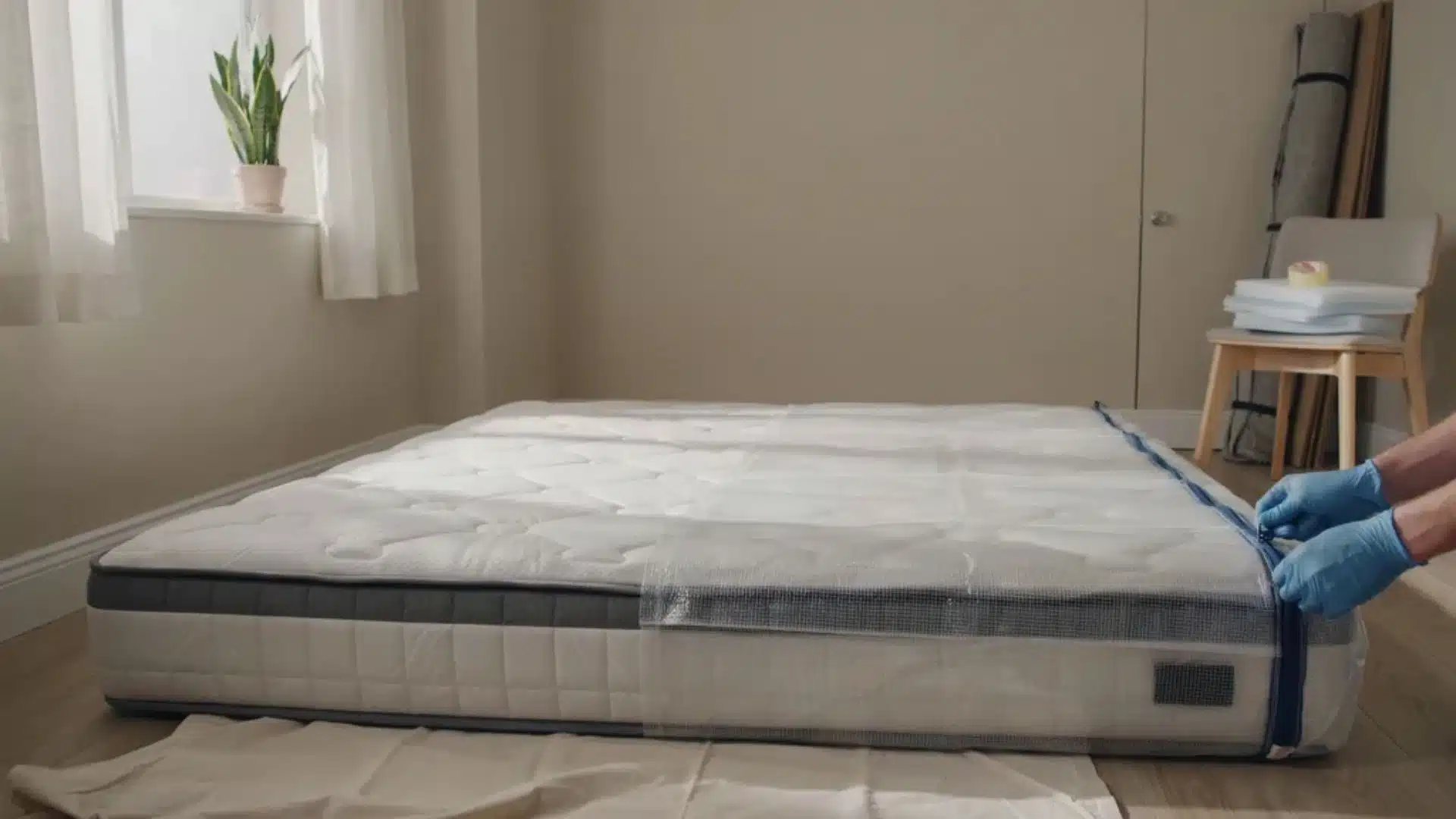
Getting mattress storage right comes down to preparation and placement. Skipping even one step can lead to damage that sets in silently over weeks.
Following a clear process from cleaning to covering to choosing the right spot makes all the difference for long-term protection.
Step 1: Clean the Mattress Properly Before Storage
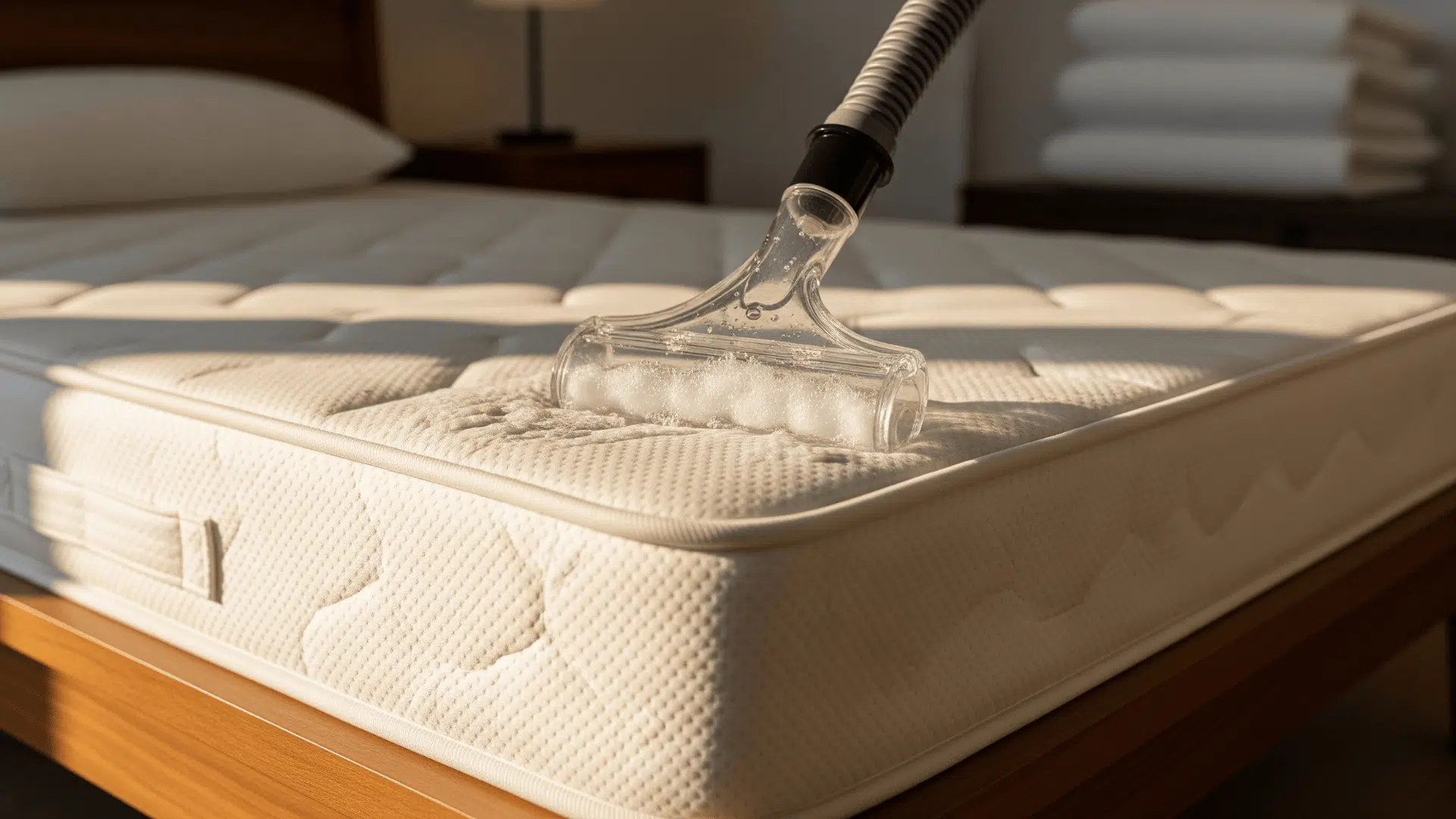
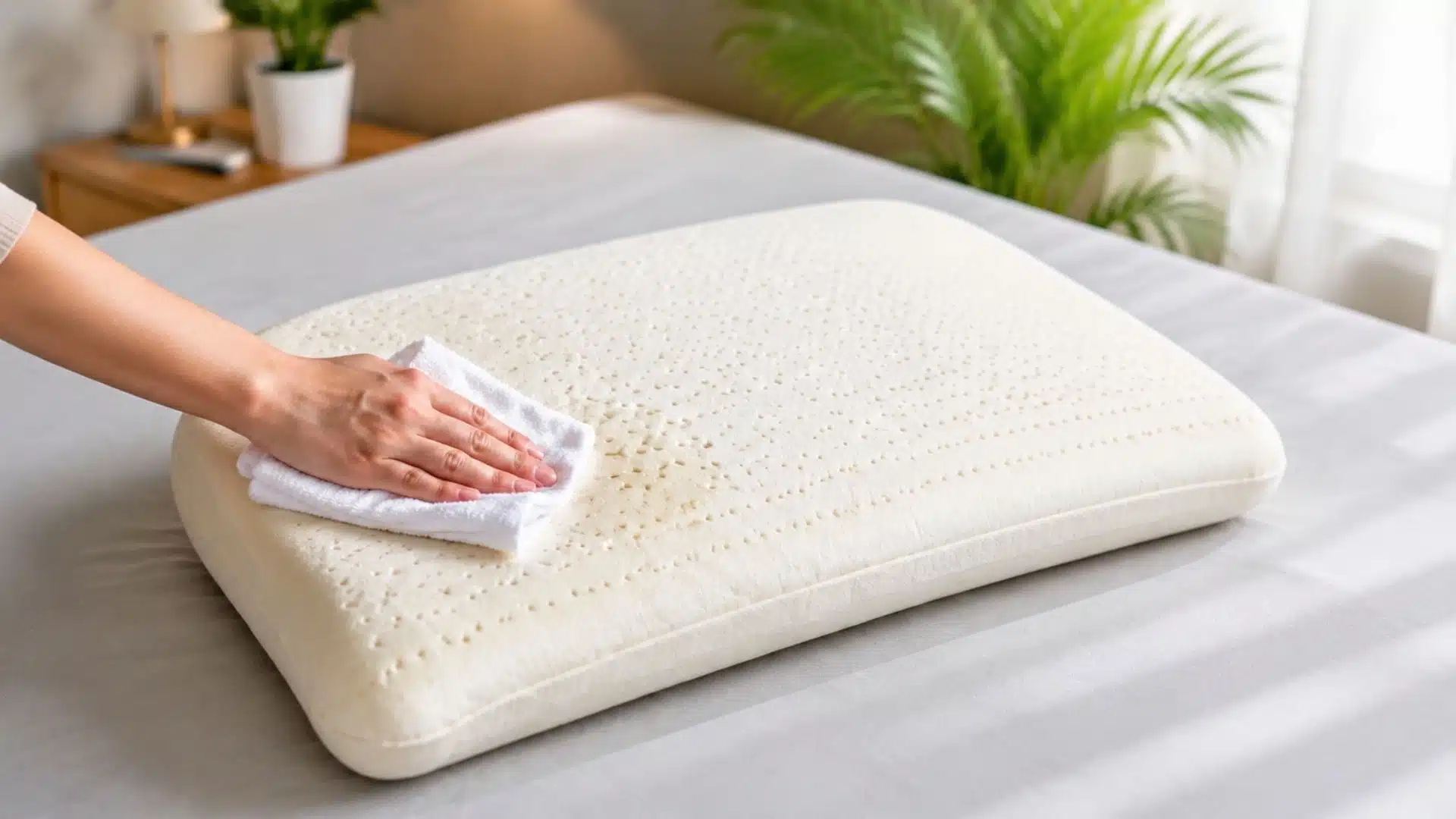
Start by vacuuming all surfaces slowly to pull out dust, dead skin, and debris. Treat any stains with a mild cleaning solution, then sprinkle baking soda over both sides and let it sit for a few hours before vacuuming it off. Let the mattress dry out fully before moving it anywhere.
Storing a mattress with even a slight amount of moisture trapped inside is one of the fastest ways to invite mold growth and ruin the surface.
Step 2: Prepare a Protective Cover
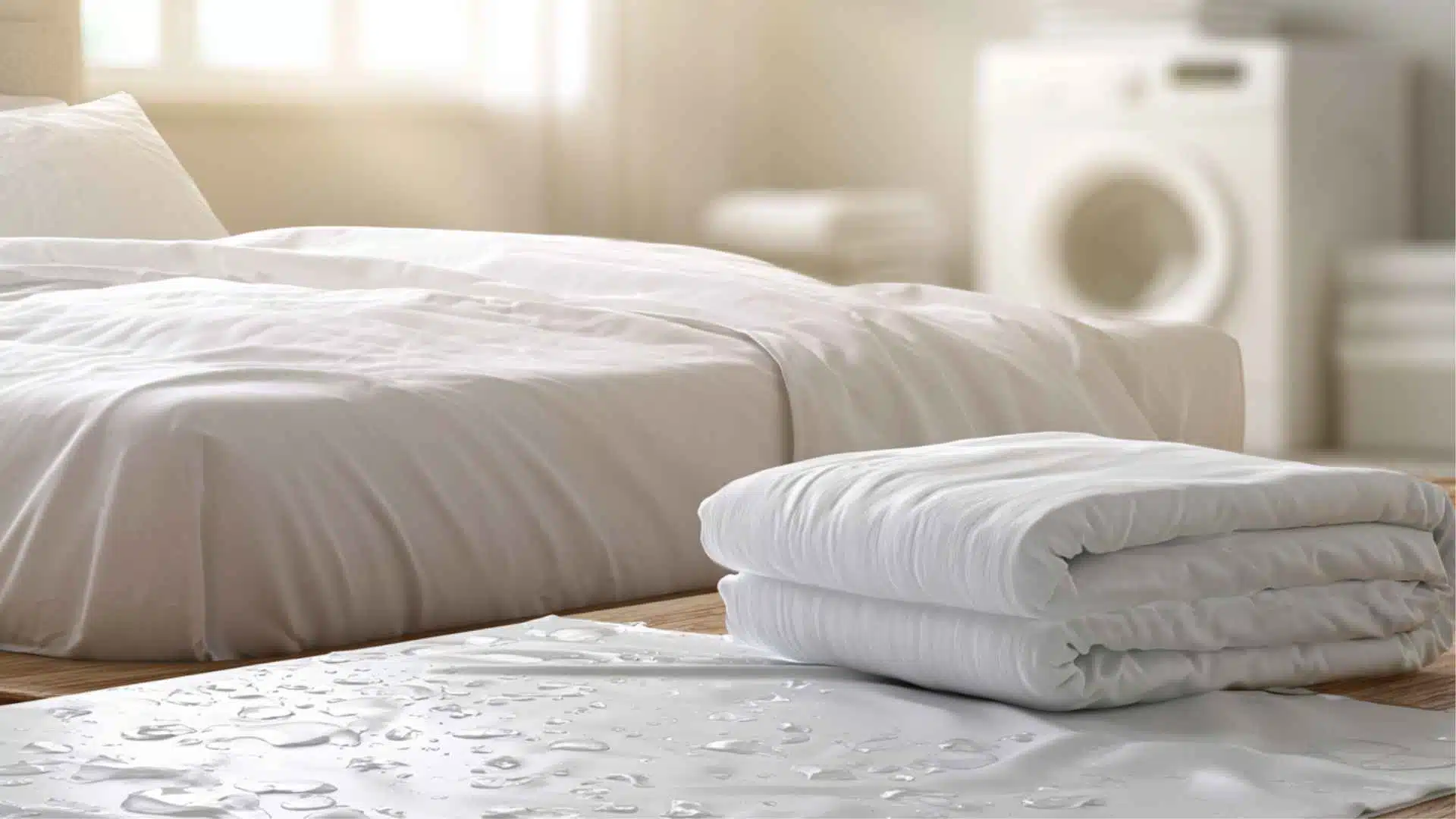
A proper mattress storage bag or thin breathable plastic cover is worth the investment.
If you have a protective layer sitting between you and the mattress, remove it and store it separately to keep both in better condition. Seal all edges carefully so dust and insects cannot get inside.
Before sealing it up completely, make sure no moisture is trapped inside the cover, as airtight packaging over a damp mattress will accelerate mold growth faster than leaving it uncovered.
Step 3: Choose the Right Storage Position
Keeping the mattress flat is the best way to store a mattress without risking structural damage. Folding or bending it at any point can permanently break down the internal support layers.
If space is tight and upright storage is the only option, limit that position to a short period and check on it regularly.
Step 4: Pick a Safe Storage Location
A dry indoor space is the minimum requirement for safe mattress storage. A climate-controlled storage unit is the best option for anything longer than a few weeks.
Basements, garages, and outdoor sheds expose the mattress to humidity, temperature swings, and pests that can cause damage even through a sealed cover.
Step 5: Set the Mattress for Long-Term Protection
Place the mattress on pallets or a raised surface so air can circulate underneath. Good airflow around all sides helps prevent moisture from settling against the fabric.
Never stack heavy boxes or furniture on top, as consistent pressure over time will compress the mattress and create permanent dents that cannot be reversed.
Best Places People Use for Mattress Storage
Choosing the right location is just as important as how you prepare the mattress. The wrong space can undo all your cleaning and covering efforts within weeks.
Here is a quick comparison of the most common storage options and what each is best suited for.
| Storage Location | Best For | Key Benefit | Watch Out For |
|---|---|---|---|
| Home Storage Room | Short-term storage | Easy to check on regularly | Limited space and airflow |
| Climate-Controlled Unit | Long-term storage | Controls moisture and temperature | Comes with a monthly cost |
| Guest or Spare Room | Temporary placement | Convenient and accessible | Must stay dry and clutter-free |
Picking the right spot comes down to how long you plan to store the mattress and what conditions that space can reliably maintain.
A climate-controlled unit gives you the most protection for long-term storage, while a clean spare room works fine for a few weeks. Whatever location you choose, keep checking on the mattress periodically to catch any issues early.
How Long a Mattress Can Be Stored Safely
Storage duration plays a big role in how much care and preparation your mattress needs. A few weeks in a clean, dry space is very different from storing it for several months.
Short-Term Storage
Storing a mattress for a few weeks up to three months carries relatively low risk when the mattress is properly cleaned, covered, and placed in a dry indoor space.
The main thing to watch is moisture. Even short-term storage in a humid or poorly ventilated area can lead to mold forming underneath the cover before you even notice it.
Long-Term Storage
Anything beyond three months requires more attention and better conditions. A climate-controlled storage unit becomes the most reliable option at this stage, as temperature and humidity fluctuations over several months can break down foam layers and fabric.
Plan to check the mattress every few weeks, inspect the cover for tears, and make sure no moisture or pests have gotten in.
Tips for Storing a Mattress Successfully
A few extra habits can keep a stored mattress in good shape for months or years. These small steps help protect it from common storage damage.
- Check on the mattress every few weeks during storage, since small issues like a faint smell or slight dampness are much easier to fix early than after they spread.
- Keep the storage area free of clutter so air can circulate around the mattress, since trapped air near walls or boxes often leads to moisture buildup over time.
- Avoid using strong-scented sprays or fabric fresheners on a mattress before storage, as these products can trap odors rather than remove them once the cover is sealed.
- Label the storage bag with the date it was placed in storage so you have a clear record of how long the mattress has been sitting before use.
Small habits like these protect the mattress over time and keep it ready to use again whenever you need it.
Common Storage Mistakes People Make
Even with good intentions, a few common mistakes can quietly ruin a mattress in storage. Avoiding these will save you from costly damage down the line.
- Storing the mattress without fully drying it first allows mold to grow deep within the layers where you cannot see it.
- Keeping a mattress sealed in plastic for months traps moisture, leading to a persistent odor that is hard to remove.
- Placing the mattress directly on a damp floor exposes the bottom surface to moisture damage that builds up gradually from below.
- Stacking heavy boxes or furniture on top creates pressure marks and internal compression that permanently alter the mattress shape.
Avoiding these mistakes keeps your mattress in good condition and ready to use whenever you need it again.
Experiences People Share About Mattress Storage
People who have stored mattresses share some consistent lessons across forums and communities.
Many say that using a proper storage bag and keeping the mattress flat make the biggest difference in preserving its shape and fabric.
Others learned the hard way that garage storage almost always leads to a musty smell. Mold from sealing a damp mattress is one of the most frequently mentioned regrets.
According to discussions on Reddit, completely drying the mattress before storage and maintaining good airflow are the two steps most people wish they had taken more seriously from the start.
Conclusion
Storing a mattress properly comes down to three things: cleaning it properly, protecting it with the right cover, and keeping it in a dry space.
The steps are not complicated, but each one matters. A mattress stored flat in a climate-controlled space with good airflow can last for months without losing comfort or shape.
Cut corners on any part of the process, and the damage tends to show up slowly, often after it is too late to fix. Take the time upfront, and the mattress will be just as usable when you need it again.
Frequently Asked Questions
Can You Store a Mattress on its Side?
Yes, but only for up to one month. Storing a mattress upright longer than that causes internal layers to shift and sag permanently.
How Long Can a Mattress Stay in Storage?
A properly protected mattress stored flat can last several years in storage with periodic checks.
Do You Need a Climate-Controlled Unit for Mattress Storage?
Not always, but it is strongly recommended for anything longer than two to three months.
What Is the Best Way to Wrap a Mattress for Storage?
Use a breathable mattress storage bag and seal all edges to block dust, pests, and moisture.
Can a Mattress Get Mold in Storage?
Yes. Storing a mattress before it is fully dry or in a humid space makes mold very likely.