


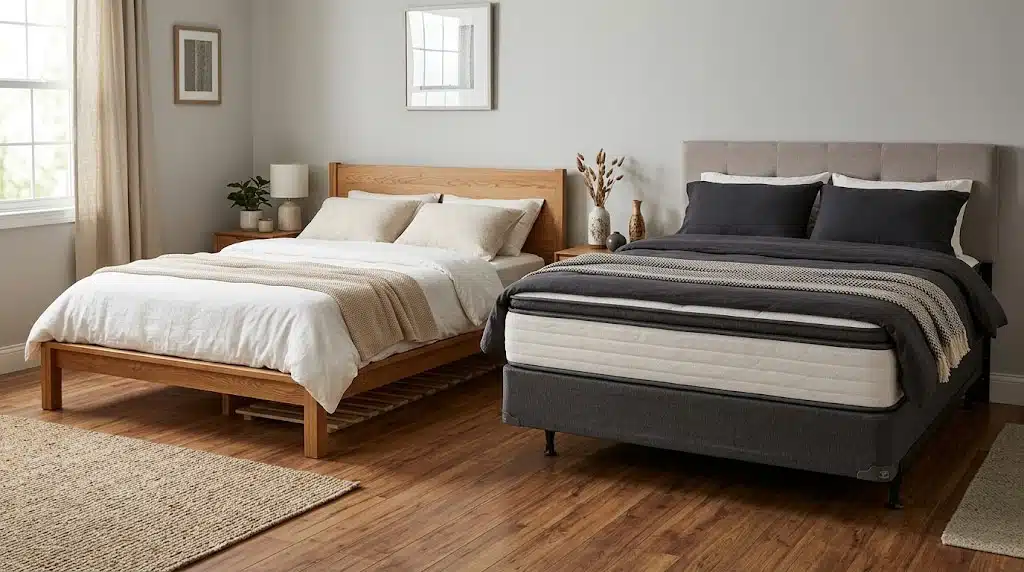
I bought the queen-size Thuma Classic Bed in walnut with the wood headboard and used it as my primary frame for four months.
The quick assembly impressed me on day one, but that mattered less once I began paying attention to movement, noise, finish wear, and the stability of its interlocking joints.
The frame stayed solid and quiet throughout my test. Still, its high price is difficult to ignore.
This Thuma bed frame review combines my daily experience with current specifications, warranty terms, and findings from other independent testers.
Testing disclosure: I purchased this Thuma Classic Bed independently. Thuma did not supply the frame, pay for this review, or approve its conclusions.
My Scorecard and Verdict
I scored the frame on the features I tracked during four months of daily use, including assembly, stability, noise, construction, design, and value.
Category | Score |
|---|---|
Construction | 4.5 out of 5 |
Assembly | 5 out of 5 |
Stability | 4.5 out of 5 |
Noise control | 4.5 out of 5 |
Design | 4.5 out of 5 |
Value | 3.5 out of 5 |
Overall | 4.4 out of 5 |
My verdict: The Thuma Classic Bed feels solid, looks carefully finished, and comes apart almost as easily as it goes together.
I would buy it again, but mainly for its construction and moving-friendly design. Someone who only needs a functional mattress foundation can spend much less.
What is the Thuma Classic Bed?
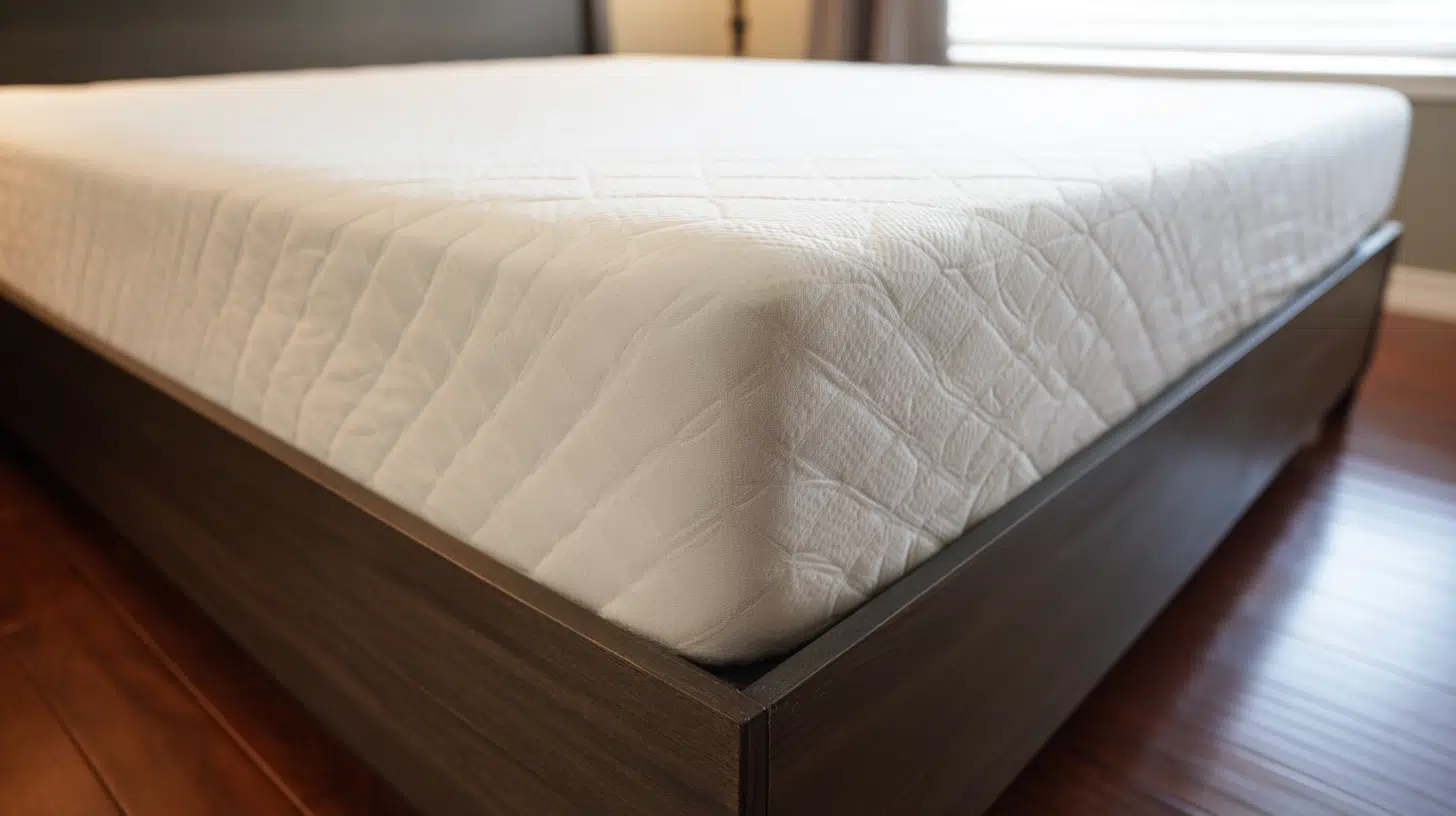
The Classic Bed is Thuma’s low-profile wooden platform frame. Its rails, center support, and cushion-coated slats provide a complete mattress foundation, so it does not need a box spring.
Thuma offers several Classic Bed configurations:
- Frame only
- Frame with PillowBoard
- Frame with wood headboard
- Frame with headboard and upholstered cushion
I tested the queen-size walnut frame with the attached wood headboard. This distinction matters because assembly, price, appearance, and headboard movement can vary between configurations.
Thuma also sells Essential and Signature beds, but I did not test those models. Any comparisons with them below are based on current manufacturer specifications rather than personal use.
How I Tested the Thuma Bed Frame
I used the Classic Bed every night for four months with a dense queen-size hybrid mattress.
My test covered:
- Setup and rebuilding: I timed the first assembly, then dismantled and rebuilt the frame twice to check how well the joints held.
- Nightly performance: Over four months, I watched for squeaking, shifting, sagging, or movement as I changed sleep positions.
- Headboard and finish: I regularly checked the headboard connections, wooden rails, corners, and walnut finish for loosening or wear.
- Changing room conditions: I monitored the frame as indoor humidity changed to see if the wood developed movement or noise.
I also compared my observations with Thuma’s current specifications and independent testing from established publishers.
What’s the Thuma Bed Frame Made Of?
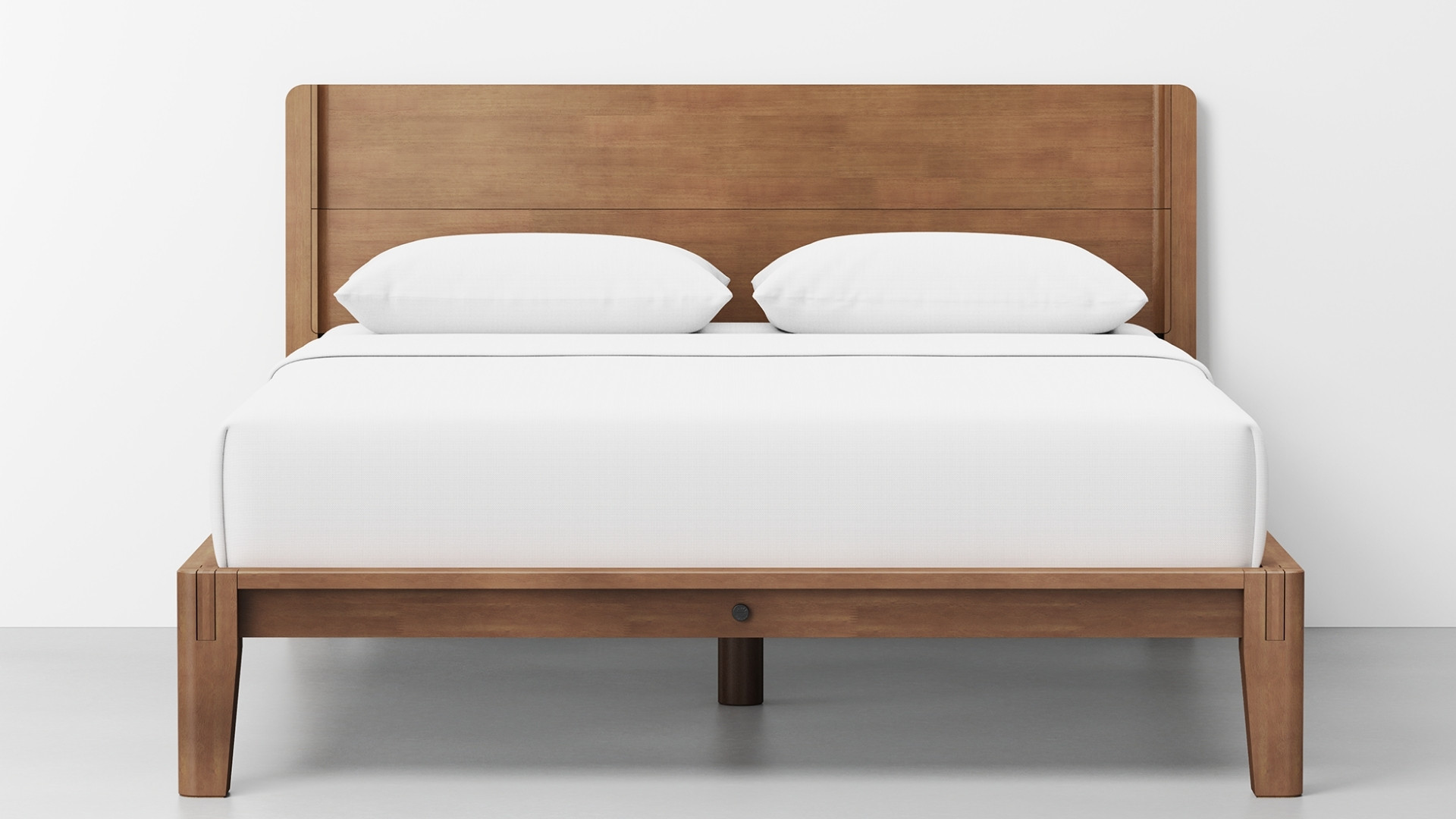
My frame arrived with natural variations in grain and color, which are normal for solid wood. According to the official specifications, it is also GREENGUARD Gold certified for low chemical emissions.
Joinery and Slats
The Classic Bed uses Japanese-inspired interlocking joints, so the main frame fits together without conventional screws or tools. My frame felt secure with no visible wobble, although the wood headboard required hand-tightened connections.
Cushion-coated slats help reduce noise and allow airflow beneath the mattress.
Thuma currently lists a 1,000-pound weight capacity, including the mattress. The slats supported my heavy hybrid mattress without bowing during four months of testing.
Underbed Clearance
The frame offers about nine inches of clearance, enough for shoes, spare bedding, and low storage bins. Measure containers carefully because lids and wheels may prevent taller bins from fitting.
How Hard is the Thuma Bed Frame to Assemble?
I assembled my queen frame in about 10 minutes once I unpacked everything and arranged the components around the room. Unboxing and moving the parts upstairs took longer than connecting them.
The process involved:
- Positioning the four legs
- Sliding the end and side rails into their joints
- Installing the center support
- Securing the required hand-tightened connections
- Placing the cushion-coated slats
- Attaching the wood headboard
The instructions matched the components, and I did not have to guess where each rail belonged.
I could handle much of the setup alone, but a second person helped with the longer queen rails and headboard. The parts are straightforward to connect, but they are still large pieces of solid wood.
Is It Easy to Take Apart?
Disassembly is one of the strongest reasons to consider this frame.
I took mine apart and rebuilt it twice during testing. The pieces separated cleanly, and the joints still felt tight after the third assembly. I did not have to remove dozens of bolts or worry about stripping screw holes in the wood.
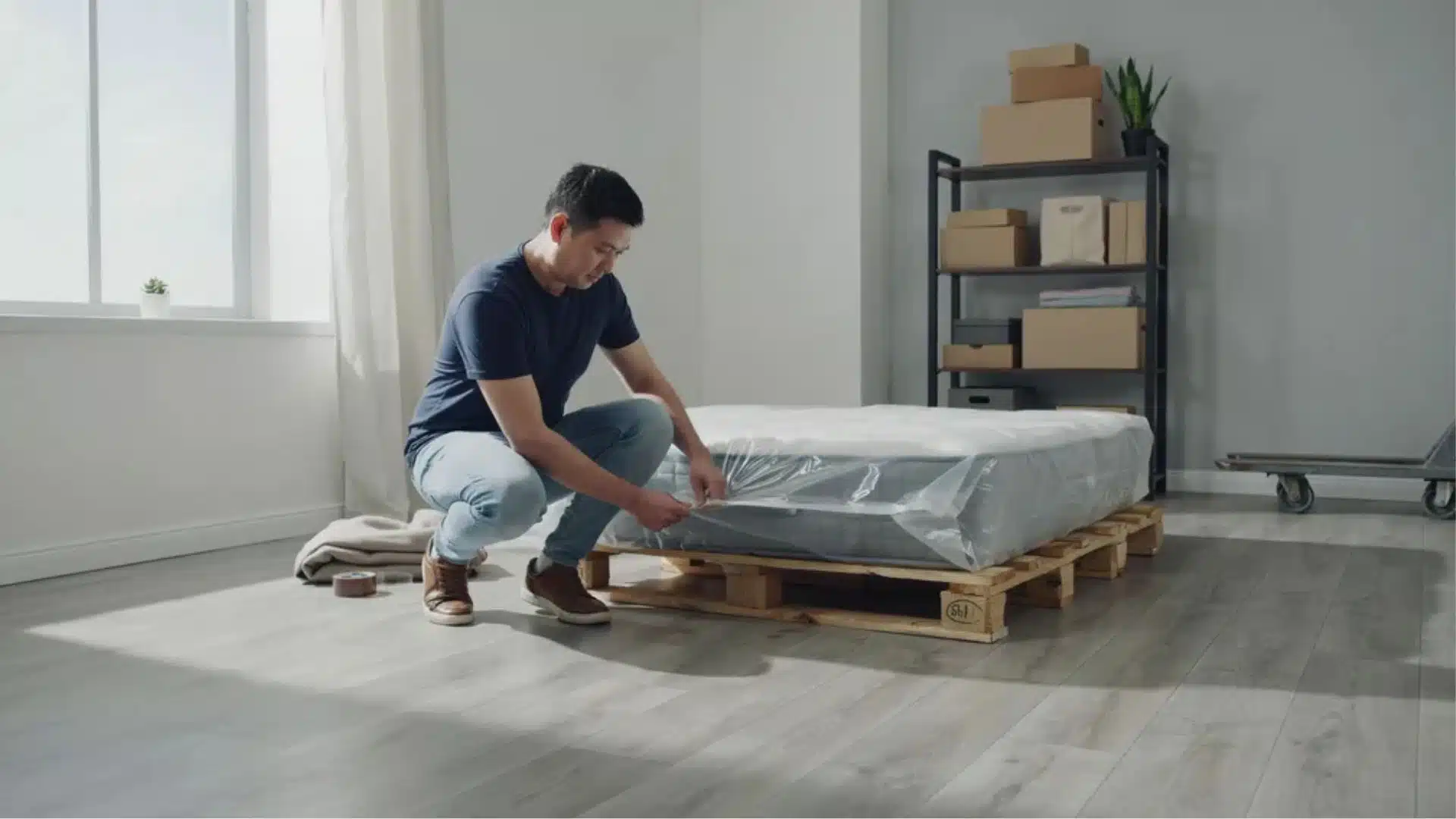
The design could be particularly useful for renters and anyone expecting to move. However, carry the pieces separately. Moving the assembled frame could damage its joints and may affect warranty coverage.
How Did It Hold Up After Four Months?
After four months, I found:
- No visible sagging
- No shifting at the corners
- No loosening in the main joints
- No recurring squeaks
- No meaningful scratches in the finish
- No movement in the center support
- No need to retighten the headboard
That is a strong early result, but four months cannot prove how the bed will perform after five or ten years. I would describe this as a promising durability check rather than a long-term conclusion.
The lifetime limited warranty offers some reassurance, but it does not cover every type of damage or normal wear.
Does the Thuma Bed Frame Squeak?
My Classic Bed remained quiet during the test. I listened for noise while changing sleeping positions, sitting on the edge, getting out of bed, and applying pressure near the corners.
The cushion-coated slats seem to help because bare wood doesn’t rub directly against the supporting rails.
Still, not every tester has reported the same experience.
Some people reported creaking during the first several days, while other owners and reviewers have described consistently quiet frames.
Noise can depend on:
- How firmly the joints are seated
- Headboard connections
- Slat placement
- Flooring
- Mattress weight
- Room humidity
- Contact between the headboard and wall
If a Thuma frame begins making noise, check each connection, the center support, and the position of the slats before assuming the wood has failed.
How Did the Finish Handle Daily Use?
The walnut finish on my frame still looked even after four months. I didn’t notice peeling, moisture marks, or obvious discoloration.
Rubberwood can still dent or scratch. I avoided placing metal objects on the rails and lifted the pieces during disassembly instead of dragging them.
The rounded corners were another practical detail. I brushed against them more than once without the sharp impact I have experienced with square-edged frames.
Anyone with pets, young children, or a habit of placing objects on the frame should expect normal surface wear over time.
What are the Headboard Options?
The Classic Bed offers several headboard arrangements. I chose the solid wood headboard because I wanted an attached structure rather than a cushioned panel resting against the wall.
Wood Headboard
The wood headboard connects to the frame and maintains the same finish as the base. Mine felt stable during daily use and did not knock against the wall.
It is firm, so you still need pillows when sitting upright.
PillowBoard
The PillowBoard is a cushioned panel that rests between the mattress and wall. It does not attach directly to the frame.
It offers a softer surface and interchangeable covers, but it needs a wall behind it. A bed positioned beneath a window or away from a wall may not hold it securely.
Headboard With Cushion
This configuration combines a structured headboard with an upholstered cushion. It provides a softer backrest while remaining connected to the bed.
I did not test the PillowBoard or cushioned headboard, so those descriptions are based on current product information.
What I Liked About the Thuma Bed
Assembly: My queen configuration took about 10 minutes to build after unboxing.
Stability: The joints remained tight through four months and three assemblies.
Noise: I did not experience recurring squeaks or rattling.
Materials: The solid upcycled wood felt stronger than the veneer kits I have handled.
Moving: The frame came apart quickly without conventional tools.
Clearance: Nine inches of space accommodated my low storage containers.
Finish: The walnut surface showed no meaningful damage during testing.
Warranty: Limited coverage lasts for the product’s lifetime for an eligible original buyer.
Where It Falls Short
High price: Basic platform beds can support a mattress for considerably less.
Heavy pieces: The queen rails and headboard were easier to handle with another person.
Low profile: The frame may be uncomfortable for someone with limited mobility.
Softer hardwood: Rubberwood can mark more easily than oak or hard maple.
Limited storage height: Nine inches of clearance will not fit every storage container.
PillowBoard placement: It requires a wall because it does not attach directly to the frame.
Variable noise reports: Other independent testers have experienced initial or occasional creaking.
How Much Does the Thuma Bed Frame Cost?
The Classic Bed currently starts around $1,095, although the total changes with size, finish, and headboard configuration.
My queen frame with the wood headboard cost more than the basic frame-only version. Adding storage, a mattress, nightstands, or other matching pieces increases the total further.
Thuma’s prices have changed over time, which explains why older reviews show lower amounts. Check the live price on the Classic Bed page before buying.
Prices checked September 2026.
At this level, buyers are paying for more than mattress support. Part of the cost goes toward solid wood, interlocking construction, finish options, design, convenient disassembly, and the warranty.
What Does Thuma’s Warranty Cover?
The Classic Bed comes with a limited warranty that lasts for the lifetime of the product. Coverage applies to the original purchaser when the bed was bought directly from Thuma.
The warranty covers eligible defects in materials or workmanship during normal use. Thuma may repair or replace an approved defective product.
The policy does not generally cover:
- Normal wear
- Damage caused while moving
- Improper assembly
- Unauthorized repairs or modifications
- Burns, cuts, stains, or misuse
- Natural disasters
- Small cosmetic marks that do not affect function
- A change of mind
Keep the purchase receipt and take photographs if a defect appears. Thuma may request evidence when reviewing a claim. Read the current warranty policy for the complete terms.
What is Thuma’s Return Policy?
The Classic Bed currently includes a 30-day trial for a first purchase, starting on the delivery date. Older reviews may still mention a 100-night period, but that is not the trial currently displayed on the product page.
Standard returns must be sent back in their original packaging. I recommend keeping every box until the trial period ends, even though the packaging takes up a lot of space.
Orders delivered through scheduled white-glove service may follow a different return process when the original packaging has already been removed.
Check the product’s current Shipping and Returns section before ordering because policies can change.
How Does Thuma Compare With Floyd and Zinus?
Feature | Thuma Classic | Floyd Bed | Zinus Moiz |
|---|---|---|---|
Price position | Premium | Premium | Budget |
Main material | Solid upcycled rubberwood | Veneer, engineered core, and steel | Solid wood |
Assembly | Interlocking joints with limited screws | Panels, steel supports and straps | Conventional hardware |
Clearance | About 9 inches | About 6 inches | Depends on selected height |
Best feature | Solid wood and easy disassembly | Modular construction | Lower purchase price |
Main drawback | High cost | Wide platform and high price | Simpler finish and construction |
The Floyd Bed is a closer design competitor. Its modular panels can be expanded or reduced, while Thuma uses solid wooden rails and interlocking joints.
The Zinus Moiz is aimed at a different budget. It offers a straightforward wooden platform without Thuma’s level of finish or joinery.
Floyd wins for modularity. Zinus wins on cost. Based on my experience, Thuma’s biggest advantage is how solid it feels while still being easy to take apart.
My Final Verdict After Four Months
My Thuma bed frame review ends with a qualified yes.
I would buy the Classic Bed again because it stayed solid and quiet through four months of daily use and repeated assembly.
The upcycled solid wood and tight-fitting joints felt like a meaningful improvement over the cheaper flat-pack frames I have handled.
The price remains its biggest weakness.
A lower-cost platform can support a mattress adequately, so Thuma makes more sense for someone who values its construction, low profile, and moving-friendly design.
Keep the packaging until the trial ends, and choose the headboard carefully because it changes both the cost and everyday experience.
Frequently Asked Questions
Is Thuma Worth It Compared to a Traditional Box Spring Bed?
For most people, yes. Thuma’s slat system supports the mattress directly, eliminating the extra weight, height, and maintenance of a box spring.
What’s the Actual Difference Between the Classic, Essential, and Signature Beds?
The Classic offers the most headboard options, the Essential has a simpler low-profile design, and the Signature uses a fully upholstered shell. All three feature tool-free joinery, an upcycled wood core, and a lifetime warranty.
Does the Frame Get Noisier as the Wood Ages?
Not typically. Seasonal humidity can slightly loosen the hand-tightened headboard screws, so checking and retightening them every few months can help prevent creaks.
Can One Person Move the Assembled Frame, or Does It Need to Come Apart First?
It is best to disassemble the frame before moving it. The pieces can reportedly be taken apart and reassembled in about five to ten minutes, making the process relatively quick.
Does the Thuma Bed Frame Ship Outside the Contiguous United States?
Shipping is limited outside the contiguous US. Alaska, Hawaii, and international orders may cost more or require a freight forwarder, so check Thuma’s current shipping options before ordering.