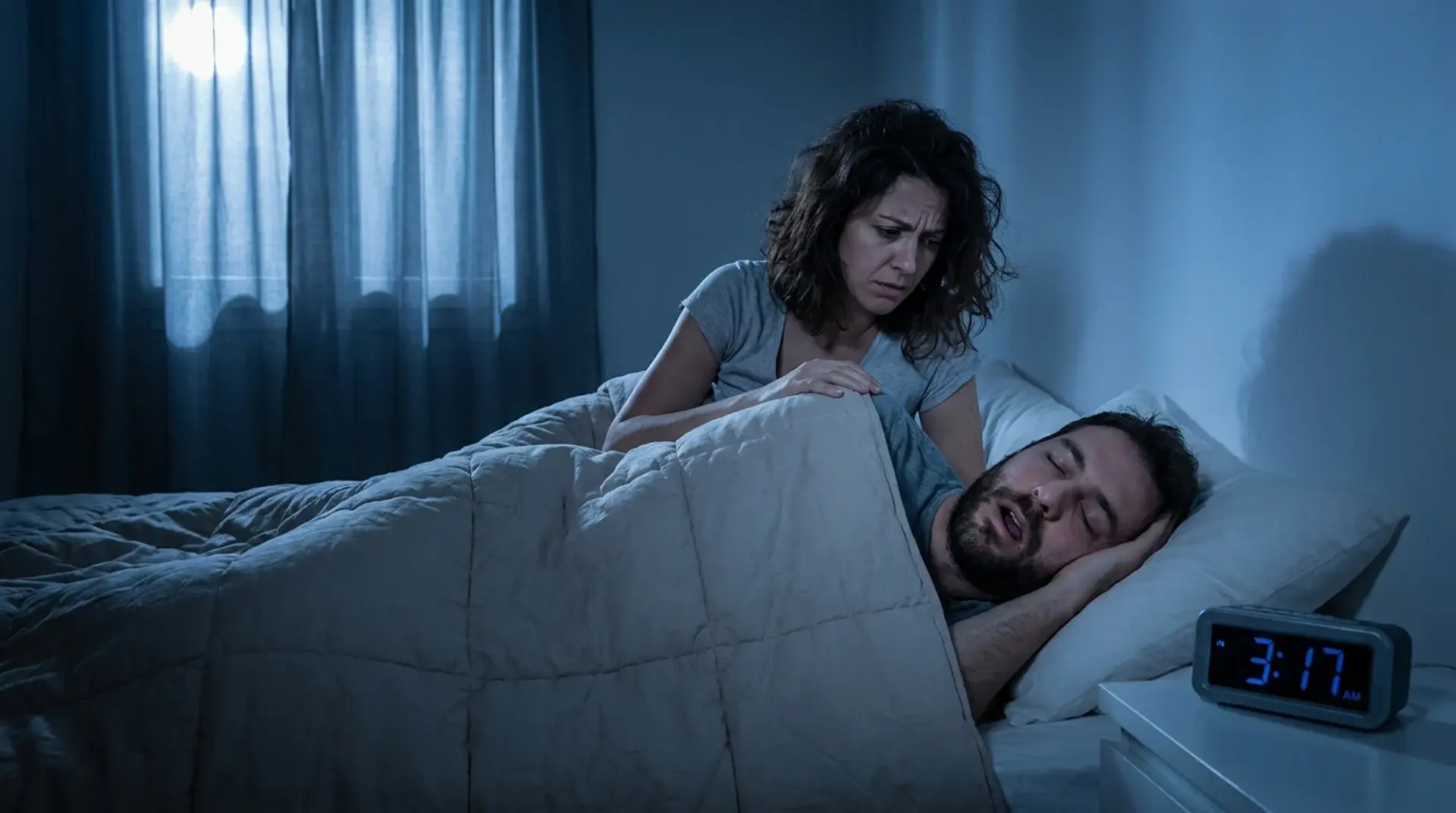




I didn’t realize my mattress was the problem at first. I thought I was just tired, stressed, or not sleeping enough.
Then I spent one night at a relative’s house and woke up feeling normal, no stiff back. No tossing around. Just proper rest.
That’s when it hit me, my mattress had slowly stopped doing its job. That was one of the first clear signs you need a new mattress. It’s easy to miss because it happens little by little.
What once felt comfortable starts to feel just okay, and then one day, it feels wrong.
A worn-out mattress affects more than your comfort: it can quietly disrupt your sleep quality, your posture, and how rested you feel each morning. This post covers the key signs to watch for, how long different mattress types last, and when replacement is the right call.
How Long Does a Mattress Last?
Most mattresses last 7 to 10 years, though some need replacing closer to 6–8 years, depending on wear and daily use, according to sleep research from GoodRx.
But that number isn’t fixed; it depends a lot on the type of mattress and how it’s used.
Average Lifespan by Type
- Innerspring: 5–7 years (springs lose tension faster)
- Memory foam: 6–10 years (depends on foam density)
- Hybrid: 7–10 years (combines foam and coils)
- Latex: 10–15 years (more durable natural materials)
What Affects How Long Your Mattress Lasts
Working with clients on sleep and recovery habits over the years, I noticed that mattress lifespan comes down to a few consistent factors:
- Material quality: better materials hold their shape longer
- Body weight and usage: heavier use leads to wear faster
- Care and maintenance: rotation and protection matter more than people think
- Room conditions: humidity and dust can contribute to wear, mold risk, and reduced hygiene over time
So while 7–10 years is a good rule of thumb, your mattress might need replacing sooner or last a bit longer.
Clear Signs You Need a New Mattress
These are the signs I see most often, both from experience and from what people commonly report.
1. You Wake Up With Aches or Back Pain
Morning soreness is one of the clearest signs your mattress is no longer supporting you well.
If your back, hips, neck, or shoulders feel stiff after sleeping, the surface may be forcing your body into poor positions rather than keeping your spine comfortably supported throughout the night.
2. Your Mattress is Sagging or Has Dips
A sagging mattress can make your body sink unevenly while you sleep. Even a small dip can affect your posture and create pressure in your back or hips.
If the surface no longer feels level, your mattress may have lost the support it once had.
3. It Feels Lumpy or Uneven
Lumps usually mean the inner materials are breaking down. Foam can lose shape, springs can shift, and padding can bunch in certain areas.
When the surface feels uneven, your body doesn’t get consistent support, which can lead to restless sleep and morning discomfort.
4. You’re Not Sleeping Well Anymore
If you keep waking up, tossing, turning, or struggling to settle in, a worn mattress can be one of the contributing factors to the problem.
A worn-out bed can make it harder to stay comfortable through the night, even if your room, routine, and sleep schedule have not changed.
5. You Sleep Better Somewhere Else
This is a sign many people notice by accident. If you wake up feeling better after sleeping at a hotel, a friend’s house, or a guest room, your mattress may no longer suit you.
Your body often tells you the difference before you fully notice it.
6. Your Mattress is 8+ Years Old
Once a mattress reaches about 8 years old, it is worth paying closer attention to it. It may still look fine from the outside, but the support layers inside can weaken over time.
Age alone doesn’t decide replacement, but it increases the chances that internal materials have already weakened.
7. Allergies or Breathing Issues Get Worse at Night
Older mattresses can collect dust, sweat, skin cells, and allergens over time. If you notice more sneezing, stuffiness, coughing, or breathing discomfort at night, your mattress may worsen allergy symptoms due to the buildup of dust mites and allergens.
Cleaning helps, but heavy buildup may mean it is time to replace it.
8. You Notice Noise
A mattress that squeaks, creaks, or pops when you move may have worn-out springs or weakened internal parts.
This is more common with innerspring and hybrid mattresses. Noise can also disturb your sleep, especially if even the slightest movement wakes you or your partner.
9. You Feel Hotter Than Before While Sleeping
If your mattress used to feel comfortable but now traps heat, the materials may be wearing down.
Older foam and compressed layers can reduce airflow, making the bed feel warmer. If you often wake up sweaty or uncomfortable, your mattress may no longer be keeping you cool while you sleep.
10. Visible Stains, Smells, or Hygiene Concerns
Stains and odors are more than cosmetic issues. Over time, mattresses can hold sweat, spills, moisture, and bacteria.
If deep cleaning no longer removes smells or the mattress feels unhygienic, replacement may be the better choice for comfort, cleanliness, and peace of mind.
Most mattresses wear down gradually, which is why the signs are easy to ignore at first, but when comfort fades and sleep suffers, replacing it can make a noticeable difference in how you feel daily.
11. Your Body or Sleep Needs Have Changed
A mattress that felt right several years ago may no longer match what your body needs today. Weight changes, pregnancy, a new injury, surgery, or the natural effects of aging can all shift the type and level of support your body needs from a sleep surface.
Some clients I’ve worked with replaced their mattresses after going through major lifestyle changes and noticed meaningful improvements in their sleep almost immediately. If your circumstances have changed and you’re sleeping less comfortably than before, your mattress may no longer be the right fit, even if it shows no visible signs of wear.
How Your Mattress Affects Your Spine?

A good mattress keeps your spine in a neutral position while you sleep.
When support breaks down, your hips or shoulders may sink too far, which can strain your back and lead to stiffness or pain over time.
This is why even a mattress that looks fine from the outside can still cause problems. The layers that matter most for spinal alignment are inside, and they break down long before the surface shows it.
As a health coach, I started asking clients about their mattress age whenever they reported persistent morning back pain that wasn’t explained by activity or posture during the day. It came up as the overlooked cause more often than most people expect.
Research cited by Sleep Foundation found that replacing an old mattress significantly improved sleep quality and reduced both back pain and perceived stress in study participants. For something as practical as a mattress swap, that is a meaningful outcome.
This is why even a mattress that “looks fine” can still affect how your body feels in the morning.
Can You Fix an Old Mattress Instead of Replacing It?
Some mattress issues can be improved for a while, but deeper support problems usually need a full replacement.
| A Quick Fix May Help | Replacement is Better |
|---|---|
| Adding a mattress topper | Deep sagging |
| Rotating the mattress | Broken internal support |
| Deep cleaning the mattress | Long-term discomfort |
A topper can make a firm mattress feel softer or slightly more comfortable, but it cannot restore lost support. If the base structure is worn out, the problem will still be there underneath.
How to Make Your Mattress Last Longer?
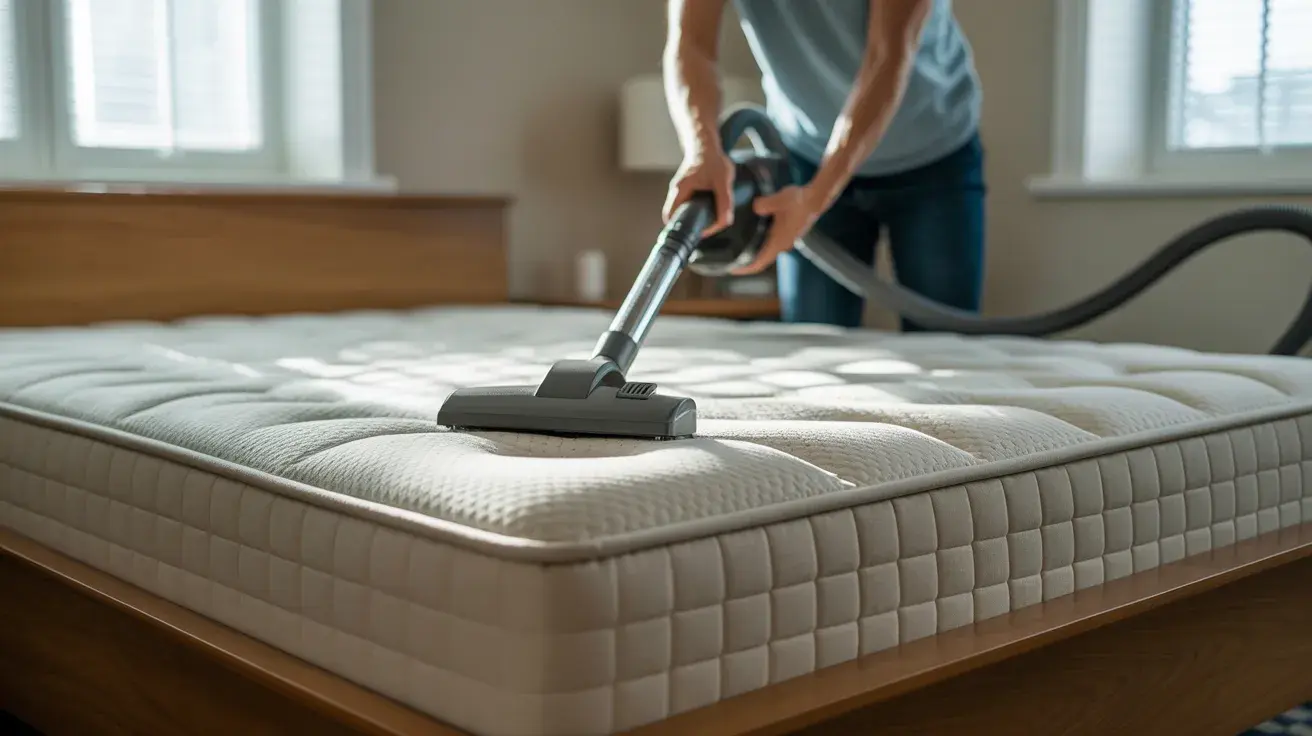
A little care can help your mattress stay comfortable for longer. Rotate it every few months so one side does not wear down faster than the rest.
Use a mattress protector to guard against sweat, spills, dust, and stains; MedlinePlus also notes that covering mattresses can help reduce dust mites in bedding.
Keep the mattress clean and dry by vacuuming it occasionally and promptly addressing spills, especially if you follow a proper mattress-cleaning routine.
It also needs proper support underneath, whether that is a solid platform, slats, or a good bed frame.
These simple habits will not make a mattress last forever, but they can slow down wear and help you get more years from it.
What to Look for When Replacing Your Mattress
If you’ve decided it’s time for a new mattress, focus on a few key things:
- Support for your sleeping position (side, back, or stomach)
- Materials that match your comfort preference (foam, hybrid, or latex)
- Cooling features if you tend to sleep hot
- Motion isolation if you share your bed
Choosing the right type can make just as much difference as replacing the old one.
Quick Checklist: Do You Need a New Mattress?
Use this quick check to spot the main warning signs before your mattress starts affecting your sleep every night.
Go through this quickly:
- Do you wake up with pain?
- Is there visible sagging or unevenness?
- Are you sleeping poorly more often?
- Is your mattress over 8 years old?
- Has your body, health, or lifestyle changed since you bought it?
If you answered “yes” to more than one, it’s probably time to start thinking about a replacement. If you’re planning a replacement, arranging mattress removal in advance can make the process much simpler.
Final Thoughts
Looking back, I wish I had noticed the signs earlier. It was never one big problem, just small things adding up, stiff mornings, restless nights, and waking up tired.
Once I slept better somewhere else, it became hard to ignore. My mattress had stopped giving me the support I needed.
If your bed no longer feels comfortable or you wake up tired more often than not, your body is already giving you clear signals – real signs you need a new mattress.
Paying attention to those small changes early can make a big difference in how you feel each day, and knowing what to do with your old mattress can make the next step easier.
Frequently Asked Questions
Can a Mattress Affect Your Mood and Energy Levels?
Yes, poor sleep from an unsupportive mattress can leave you feeling tired, low on energy, and less focused during the day.
Is It Okay to Keep Using a Mattress with No Visible Damage?
Yes, but if comfort or sleep quality has dropped, internal wear may still be affecting support even without visible damage.
Do Firm Mattresses Last Longer than Soft Ones?
Not always. Lifespan depends more on material quality and usage than firmness, though firmer mattresses may resist sagging slightly longer.
Does a Mattress Warranty Mean It Will Last That Long?
Not necessarily. A mattress warranty usually covers manufacturing defects, not normal wear and loss of comfort. Even with a long warranty, a mattress may still need to be replaced if it feels uncomfortable.