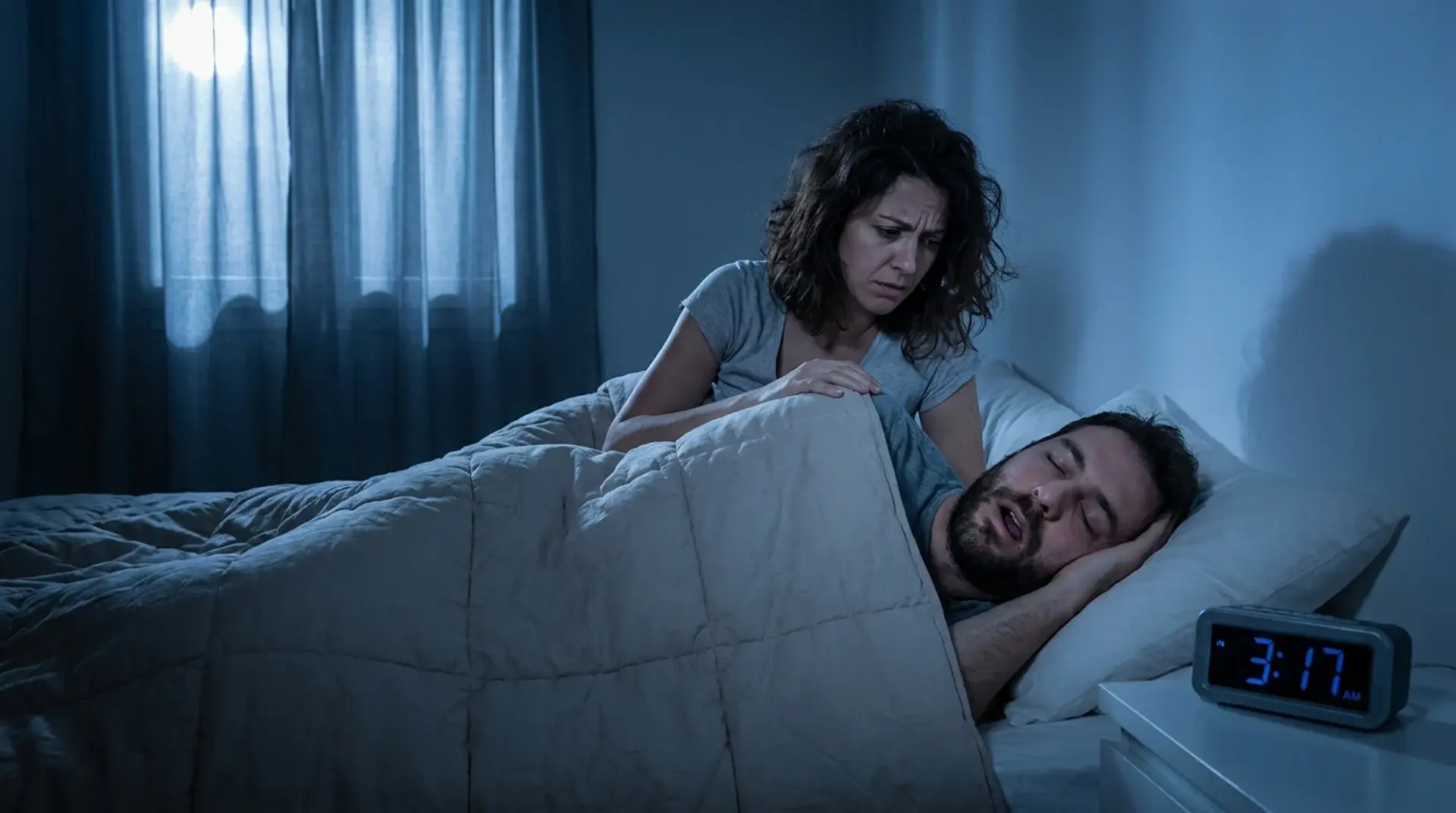




I’ve been there, getting only 4 to 5 hours of sleep a night, and wondering if I could somehow sleep 8 hours in just 4.
Maybe you’re in the same boat, too. You hear all the time that 8 hours of sleep is essential, but what if you simply don’t have the time to get that much rest?
So, the question remains: Is it really possible to condense 8 hours of sleep into just 4? And can you feel rested after sleeping less than your body ideally needs?
Let’s take a deeper look into the science of sleep, personal experiences, and some strategies that people swear by when they’re trying to function on less sleep.
Can You Sleep 8 Hours in 4 Hours?
Condensing 8 hours of sleep into just 4 hours is not feasible, as the body requires specific sleep stages, such as deep sleep and REM, for full recovery.
While 4 hours of sleep may feel manageable temporarily, it doesn’t allow enough time for your body to complete these essential sleep cycles.
Without adequate deep and REM sleep, you’ll miss the benefits of physical restoration, memory consolidation, and mental clarity. Over time, chronic sleep deprivation will catch up, leading to fatigue and reduced performance.
Pro Tip: Focus on improving sleep quality through consistency and a restful environment to maximize the rest you get in fewer hours.
How Sleep Really Works: The Basics You Need to Know
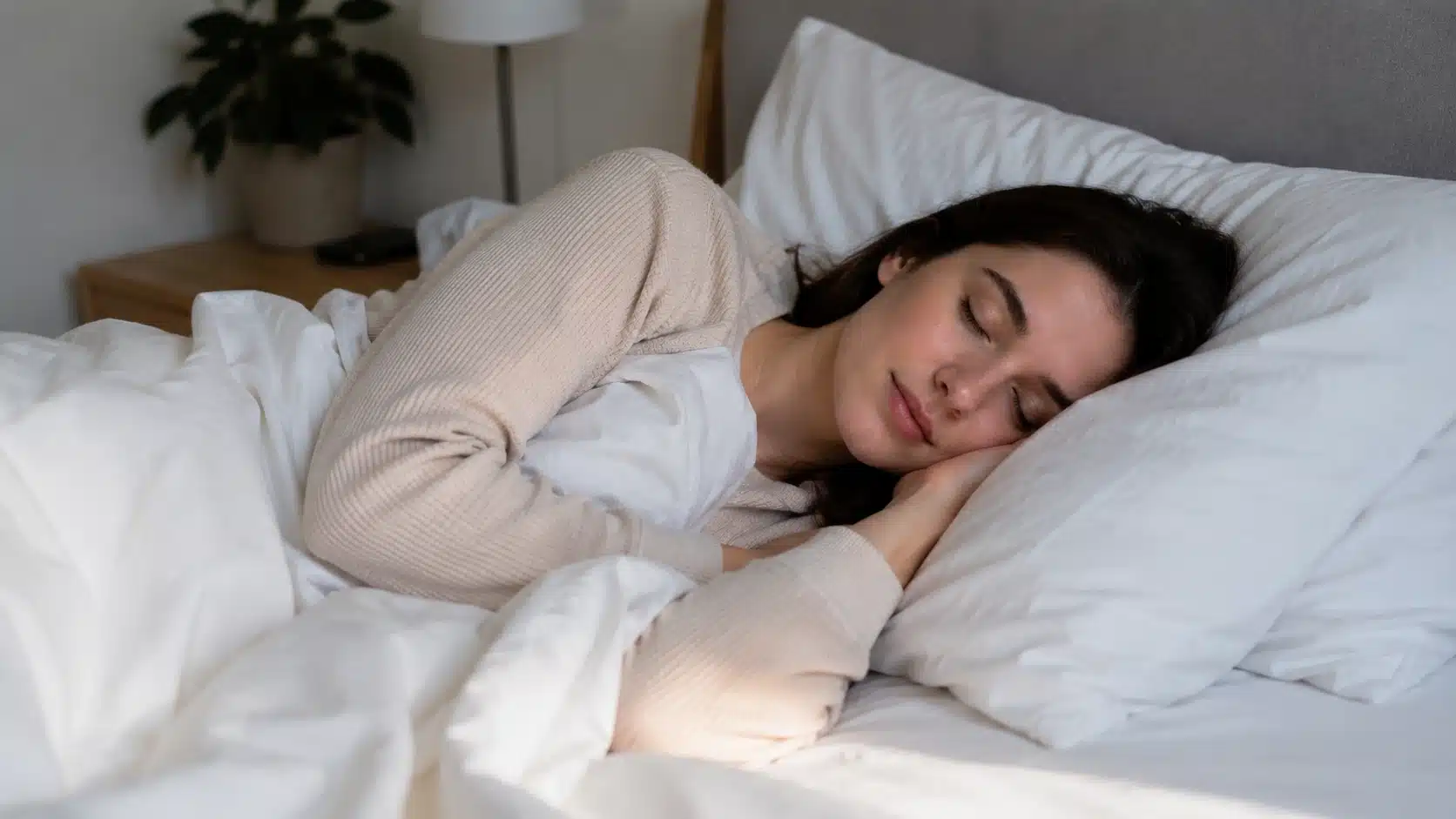
Before we look into whether it’s possible to sleep 8 hours in 4, let’s first understand how sleep works. Our bodies cycle through several stages: light sleep, deep sleep, and REM sleep, each with a specific purpose.
Deep sleep helps with physical recovery, while REM supports mental restoration. If you don’t experience enough of these restorative stages, you won’t feel fully rested, no matter how long you sleep.
The 10-3-2-1-0 sleep rule can help improve the timing of your sleep. So, while you can’t simply condense 8 hours into 4, there are ways to improve sleep quality and make the most of the hours you do get.
What Science Says About Sleep Needs?
According to the National Sleep Foundation, most adults need between 7 and 9 hours of sleep per night to function at their best.
While there are rare cases of people who feel okay with less sleep, they’re a tiny minority; these are natural short sleepers who can thrive on just 4 to 5 hours. This genetic trait is very uncommon.
For most of us, regularly sleeping less than our bodies need can lead to what’s called sleep debt. It’s like borrowing from your energy reserves, and over time, that debt accumulates.
Research shows that chronic sleep deprivation affects everything from our concentration and mood to our long-term health.
In other words, while you might feel okay for a while, shortchanging your sleep eventually catches up with you.
Why Some People Feel Fine on 4–5 Hours?
Now, here’s the thing: some people feel fine on just 4–5 hours of sleep. I’m one of those people. I only sleep 4-5 hours a night for a while, and some days I feel great, energized, productive, and totally in control.
But there are also those days when I crash hard and wonder if I’m pushing my limits.
Why does this happen? Well, it comes down to a few factors:
- Sleep Efficiency: Some people can achieve high-quality sleep in a shorter period of time. If you fall into a deep sleep quickly and stay there, you might wake up feeling rested even after a shorter duration.
- Sleep Cycle Timing: If you wake up during a light sleep phase (as opposed to deep sleep or REM), you’re more likely to feel refreshed.
- Consistency: Your body may temporarily become accustomed to shorter sleep, making the lack of sleep feel less noticeable at first, even though cognitive performance and recovery can still decline over time.
But again, this isn’t the case for everyone. And even if you’re someone who feels fine on less sleep, it’s important to check in with yourself and make sure you’re not running on empty without realizing it.
Why You Cannot Train Your Body to Need Less Sleep?
You cannot train your body to need less sleep because sleep is biologically necessary for physical and mental restoration. While some individuals may appear to adapt to shorter sleep, this doesn’t change their fundamental need for rest.
Sleep debt accumulates over time, impairing cognitive function, mood, and overall health. Shortened sleep disrupts essential stages, such as deep sleep and REM, which are critical for recovery.
Even if you feel fine on less sleep, your body will eventually show signs of exhaustion and dysfunction. Ultimately, sufficient sleep is non-negotiable for long-term well-being and cannot be trained away.
Common Sleep Hacks People Try
You’ve probably heard all kinds of sleep hacks people use to try to get the most out of their sleep. Let’s take a look at some popular strategies, their effectiveness, and what the experts say.
1. Polyphasic Sleep
Polyphasic sleep splits your sleep into multiple shorter periods, such as the “Uberman” schedule, which involves several 20-minute naps throughout the day.
While some people claim benefits, research suggests that polyphasic sleep can disrupt your body’s natural sleep rhythm and limit deeper, restorative sleep, especially during very short naps.
Experts generally warn against relying on it long-term, as it may lead to sleep deprivation and affect overall well-being.
Research on Sleep Deprivation supports these concerns, linking chronic sleep deprivation to numerous cognitive and health issues.
2. Sleep Hygiene
Good sleep hygiene is a game-changer, no matter how much sleep you’re getting. A few simple changes can drastically improve the quality of the sleep you do get. Here are a few sleep hygiene tips that can help:
- Keep Your Bedroom Cool and Dark: Aim for a temperature between 60–67°F (15-20°C) to optimize sleep quality.
- Limit Screen Time at Least 30 Minutes Before Bed: The blue light from screens can interfere with your body’s ability to produce melatonin, a hormone that helps you sleep.
- Stick to a Consistent Sleep Schedule: Go to bed and wake up at the same time every day to train your body for better rest.
Trust me, even when I’ve slept less, improving my sleep environment has made a huge difference in how rested I feel. Small changes can make a big impact.
3. Napping
While naps can help reduce sleep debt, they don’t replace a full night of sleep. A 20-minute power nap can recharge your energy and improve your focus, but it’s not a substitute for the deep sleep stages you get during a full night’s rest.
If you’re struggling with sleep deprivation, a nap might help you get through the day, but don’t rely on it too often.
Signs You are Not Getting Enough Sleep
When you’re not getting enough sleep, your body and mind will show clear signs of sleep deprivation. Watch for these:
- Constant Fatigue: You feel tired throughout the day, even after a full night’s rest.
- Difficulty Concentrating: Focus and productivity drop, making it hard to stay on task.
- Mood Swings: Increased irritability, stress, or anxiety may occur.
- Memory Problems: Forgetfulness or trouble recalling information can signal insufficient rest.
- Weakened Immune System: Frequent colds or illnesses may indicate poor sleep.
- Slower Reaction Time: Your reflexes become sluggish, increasing the risk of accidents.
- Increased Appetite: Sleep deprivation can lead to unhealthy cravings, particularly for high-calorie foods.
If you notice these signs, it’s time to prioritize sleep for better health and performance.
The Risks of Getting Less Sleep

Here’s the tough truth: consistently getting less sleep than your body needs can take a toll. Sure, you might feel fine for a few days, or even a few weeks. But over time, sleep deprivation has serious consequences.
Chronic sleep deprivation has been linked to numerous health issues, including:
- Impaired brain function (memory, concentration, decision-making)
- Increased stress levels
- Weakened immune system
- Higher risk for heart disease, diabetes, and obesity
- Chronic sleep deprivation is a known trigger for frequent headaches
I’ve definitely felt the effects of running on little sleep, and I can tell you firsthand that it’s not sustainable. Eventually, your body will let you know that it’s time to slow down and catch up on rest.
How to Improve Sleep Quality Instead of Sleeping Less?
If you’re short on time but still want better rest, focus on improving sleep quality. Start by optimizing your sleep environment: keep your bedroom cool, dark, and quiet, and invest in a comfortable mattress.
Practice good sleep hygiene by sticking to a consistent sleep schedule, avoiding screens at least 30 minutes before bed, and limiting caffeine intake in the afternoon.
Consider relaxation techniques such as meditation or deep breathing to help you ease into sleep.
Managing your sleep cycles, such as aiming for uninterrupted sleep, also helps your body experience deeper, more restorative rest. Prioritize these habits for better sleep.
Final Takeaway
At the end of the day, sleep is deeply personal. Some people are naturally short sleepers, while others need a solid 8 hours to feel rested.
But if you’re pushing the limits on how little sleep you can get, remember that sleep quality matters, but it cannot fully replace adequate sleep duration. So, listen to your body.
If you’re feeling run-down, don’t be afraid to prioritize sleep. Your mind and body will thank you.
Frequently Asked Questions
Can Polyphasic Sleep Replace Full Night’s Rest?
Polyphasic sleep might allow you to rest for shorter periods, but it can disrupt natural sleep cycles and lead to sleep deprivation.
How Can I Improve My Sleep Efficiency?
To sleep more efficiently, focus on consistent sleep schedules, reducing distractions, and creating a cool, dark sleep environment.
Is Napping a Good Solution to Sleep Less?
While naps help alleviate sleep debt, they don’t replace the deeper stages of rest your body needs from full sleep.
Can Your Body Get Used to Less Sleep?
Some people adjust to shorter sleep durations, but this may come with risks, like cognitive impairment and long-term health issues.