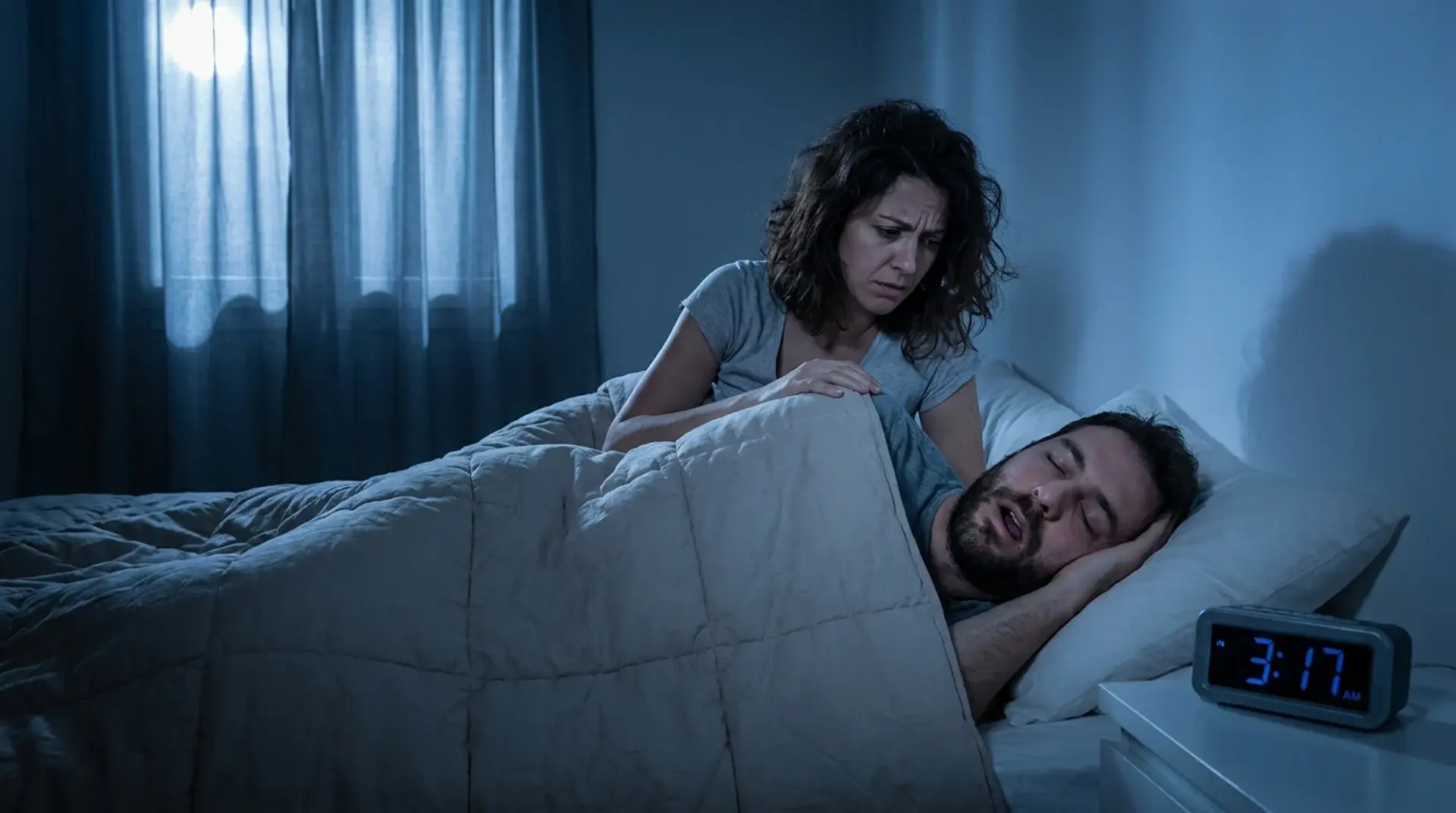
Waking up tired after a full night’s sleep is frustrating, especially when you’ve done everything right.
If a doctor recently told you that you have sleep apnea, one question is probably stuck in your head: Does sleep apnea go away on its own? Or are you stuck dealing with it forever? The answer isn’t a simple yes or no.
Some people see big improvements with the right changes, while others need long-term treatment.
So, can you reverse sleep apnea? That depends on the cause and what you’re ready to do about it.
What is Sleep Apnea? Understanding the Basics
The National Heart, Lung, and Blood Institute explains that sleep apnea is a condition where your breathing stops and starts during sleep. The pauses happen because your airway gets blocked, or because your brain forgets to send the right signals to your breathing muscles.
These short breaks can happen many times an hour, leaving you tired the next day, even after a full night in bed.
There are three main types, and each responds differently to treatment.
Obstructive Sleep Apnea (OSA): The most common type. It happens when the muscles in your throat relax too much and block the airway. OSA is often linked to weight and lifestyle factors, which means it has the best chance of improving or going away.
Central Sleep Apnea (CSA): Your brain doesn’t send proper signals to the muscles that control breathing. CSA is usually tied to other health issues like heart failure or stroke, so reversal depends on treating the underlying cause.
Complex/Mixed Sleep Apnea: A combination of both OSA and CSA. Treatment is harder because you’re dealing with two different conditions at once, and full reversal is less common.
Your type plays a big role in identifying if things can actually get better. So the next big question is, does sleep apnea ever truly go away on its own?
Can Sleep Apnea Go Away on Its Own?
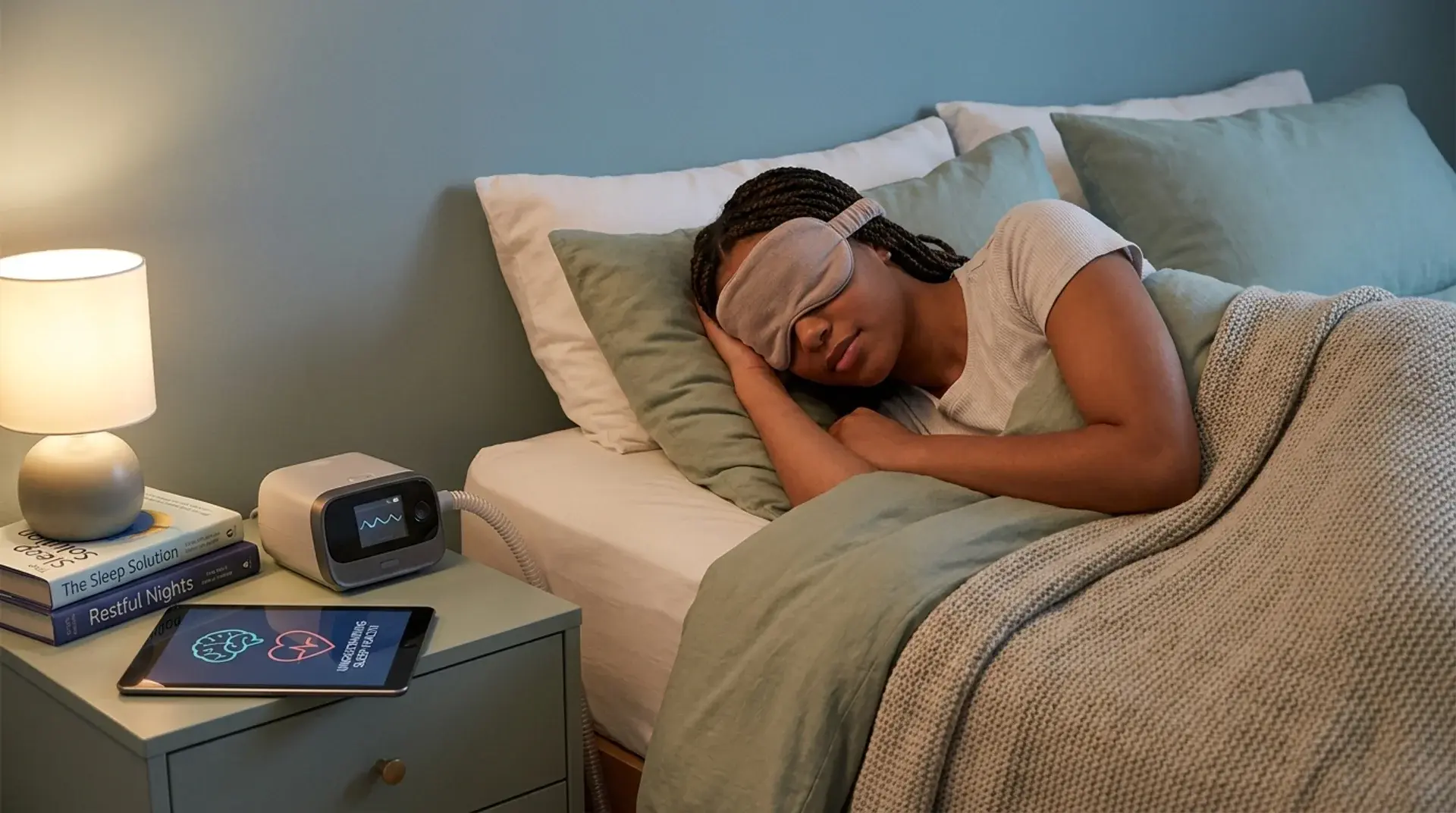
For most adults, sleep apnea doesn’t just disappear on its own. It usually sticks around or gets worse over time if you don’t treat it.
The reason comes down to how your airway is built. If you have a narrow throat, a thick neck, a low jaw, or extra tissue around the airway, those things don’t change without help.
Muscle tone also weakens with age, increasing the likelihood of airway collapse during sleep.
There are a few exceptions, though. Children sometimes outgrow sleep apnea once their tonsils or adenoids shrink, or after surgery to remove them.
Adults with mild OSA can also see their symptoms fade after losing a meaningful amount of weight, or after surgery to fix something physical like a deviated septum.
Sleep medicine groups like the American Academy of Sleep Medicine warn that untreated sleep apnea raises your risk for heart disease and stroke, along with other long-term health problems. So even if your case feels mild, getting it checked is worth your time.
Can You Reverse Sleep Apnea? What Does Reversal Mean?
When people ask if you can reverse sleep apnea, they often mean different things. Knowing the difference between improvement, remission, and a true cure helps set clear expectations before you start any treatment plan.
Improvement: Symptoms get better, but the condition persists. You might snore less, wake up fewer times at night, or feel more rested during the day. Tests would still show signs of sleep apnea, just at a lower level.
Remission: Your symptoms go quiet, sometimes for months or years, but the underlying issue can come back. This often happens after major lifestyle changes like losing weight or treating a health problem that triggered the apnea.
True Reversal or Cure: The condition is gone for good. Your AHI drops to a normal range and stays there without any device or ongoing treatment. This is rare in adults and usually occurs only when a clear physical cause is corrected, such as surgery to unblock an airway.
For most people, strong symptom relief is what’s actually within reach. A full cure is much harder to get, but even partial improvement can lower your health risks and help you sleep better.
| A real example of progress: Weight loss is one of the most effective changes for adults with mild to moderate OSA. Losing around 10 percent of your body weight can cut your AHI nearly in half. Some people move from a moderate diagnosis to mild, and a small group drops below the threshold for sleep apnea altogether. |
What Can Affect Your Chances of Reversing Sleep Apnea?

Whether your sleep apnea can fade or fully turn around depends on more than one thing. Some you can change, others you can’t.
- Body Weight: Excess weight, especially around the neck and upper body, can compress your airway and increase the risk of airway collapse during sleep. Losing 10 to 15 percent of your body weight can lower your AHI in a meaningful way, and for some people with mild OSA, it can reverse the condition.
- Anatomical Factors: Enlarged tonsils, a deviated septum, a recessed jaw, or extra soft tissue in the throat all narrow your airway. Some can be fixed with surgery, while others are harder to change. CSA is more about brain signaling than physical structure, so reversal usually depends on treating the underlying health issue.
- Severity of the Condition: Mild OSA has the best chance of resolving with lifestyle changes alone. Moderate and severe cases usually need ongoing treatment like CPAP, even after big improvements.
- Age: The older you are, the harder it gets. Throat muscles weaken with age, and fat distribution shifts, narrowing the airway. Younger adults and children tend to bounce back faster.
- Lifestyle Habits: Sleep hygiene, regular exercise, cutting back on alcohol, and eating well all help. These changes won’t always cure sleep apnea, but they can lower your AHI and improve the effectiveness of any treatment you’re using.
You can shape several of these factors yourself. Even small changes in weight or daily habits can make a real difference in how your sleep apnea behaves over time.
Medical and Surgical Interventions for Reversing Sleep Apnea
If lifestyle changes aren’t enough, several medical and surgical options can help. Some manage symptoms night by night, while others target the cause, which may lead to actual reversal.
CPAP Therapy
A CPAP machine pushes a steady stream of air through a mask to keep your airway open while you sleep. It works very well, but it doesn’t fix the underlying problem. Stop using it, and the symptoms come back the same night.
Best for: Moderate to severe OSA, or anyone who needs reliable nightly relief.
Oral Appliances (MADs)
A mandibular advancement device is a custom mouthpiece that pushes your lower jaw slightly forward to keep the airway open. It’s smaller and easier to travel with than a CPAP, but less powerful.
Best for: Mild to moderate OSA, or people who can’t tolerate CPAP.
Surgical Options
Surgery aims to fix the physical thing blocking your airway. Common procedures include:
- UPPP (Uvulopalatopharyngoplasty): Removes extra tissue from the soft palate and throat.
- Jaw Advancement Surgery: Moves the upper or lower jaw forward to widen the airway.
- Nasal Surgery: Corrects a deviated septum or other issues that block airflow through the nose.
When surgery targets a clear physical cause, full reversal is possible.
Best for: People with specific anatomical issues that can be corrected.
Emerging Treatments
Newer options are giving hope to patients who don’t respond well to standard care:
- Hypoglossal Nerve Stimulation (Inspire): A small implant that gently activates the tongue muscle during sleep, keeping the airway open.
- BiPAP: Similar to CPAP but delivers two different air pressures, one for breathing in and one for breathing out. Often used for CSA or severe cases.
Best for: Patients with moderate to severe OSA who can’t use CPAP, or those with central sleep apnea.
Can Weight Loss and Lifestyle Changes Reverse Sleep Apnea?
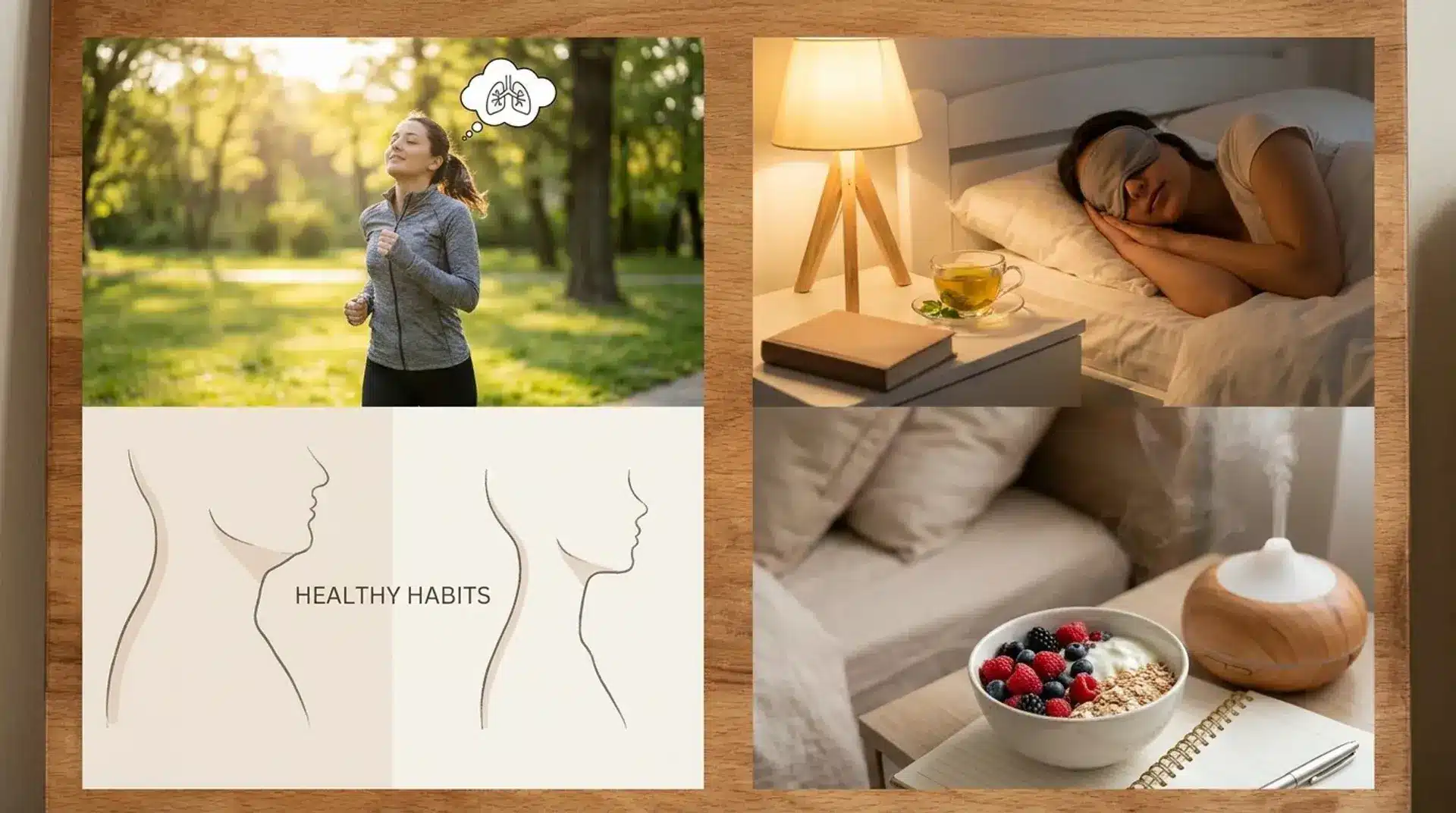
For mild to moderate cases, yes, lifestyle changes and natural remedies can sometimes reverse sleep apnea or bring it down to a non-clinical level.
The biggest factor is weight. Losing 10 to 15 percent of your body weight reduces fat around the neck and upper airway, which makes it less likely to collapse during sleep.
Many adults with mild OSA see their AHI drop by half or more after meaningful weight loss.
Exercise also helps even without weight loss. Regular cardio strengthens the muscles around your airway and improves overall breathing tone. Sleep position matters too.
If your apnea is worse on your back, switching to side sleeping can cut episodes by a lot, especially in cases of positional OSA.
Better sleep hygiene won’t cure the condition on its own, but avoiding alcohol before bed and sticking to a consistent sleep schedule support every other treatment you’re using.
Long-Term Outlook: What Happens if Sleep Apnea is Left Untreated?
Untreated sleep apnea does more than make you tired. Over time, the constant drops in oxygen and broken sleep cycles can lead to serious health problems and chip away at your daily life.
Health Risks
When your body keeps cycling through low-oxygen nights night after night, it puts extra strain on nearly every system. The most common long-term risks include:
- Cardiovascular Issues: High blood pressure, heart attacks, irregular heartbeat, and heart failure are all more common in people with untreated sleep apnea.
- Stroke: The risk of stroke rises sharply, especially in moderate to severe cases.
- Type 2 Diabetes: Poor sleep can affect how your body handles blood sugar, increasing your risk of insulin resistance.
- Cognitive Decline: Years of fragmented sleep have been linked to memory problems, slower thinking, mood changes, and a higher chance of dementia later in life.
Quality of Life
Even before serious health issues show up, untreated sleep apnea drains your day-to-day life. You wake up tired, no matter how long you sleep.
Your focus, mood, energy, and patience all take hits. Many people report feeling foggy at work, snapping at loved ones, falling asleep behind the wheel, or struggling to stay awake during meetings.
Over the years, this kind of exhaustion damages both relationships and work performance.
Why Treatment Matters Even Without a Cure
You don’t need full reversal to see real benefits. Lowering your AHI from severe to mild can cut your stroke and heart disease risk dramatically.
Better sleep also restores energy, sharpens focus, lifts your mood, and improves overall health within weeks.
No matter if you go with CPAP, an oral appliance, surgery, or major lifestyle changes, getting back restful nights and energetic days is itself a major win, even without a full cure.
When Should You Seek Help for Sleep Apnea?
If you suspect you’re dealing with sleep apnea, it’s important to recognize when it’s more than just occasional snoring. Knowing when to seek help can make a big difference in your health and quality of life.
Watch for These Signs
|
What a Sleep Study Reveals:Polysomnography is the gold standard for diagnosing sleep apnea. Done either at a sleep lab or through an at-home kit, it tracks your breathing, oxygen levels, heart rate, and brain activity overnight.
The results show if you have sleep apnea, what type it is, how severe it is, and what’s likely causing it.
When to See a Specialist: A sleep specialist becomes worth the visit when home remedies aren’t working, when symptoms return after lifestyle changes, when over-the-counter aids don’t make a dent, or when you’re worried about long-term health risks.
They can read your sleep study, rule out other conditions that mimic apnea, and put together a treatment plan that fits your case.
Conclusion
Sleep apnea rarely goes away on its own, but that doesn’t mean you’re stuck with it forever. With the right treatment plan and lifestyle changes, many people see real improvement, and some reach full remission.
Mild cases tied to weight or anatomy have the best shot at reversal, while moderate to severe cases usually need ongoing support like CPAP or surgery to stay under control.
If you suspect you have sleep apnea, don’t put off getting checked. A sleep study and a conversation with a specialist can give you clear answers and a plan that actually works for your case.
Better sleep and stronger health are both within reach once you start treatment.
Frequently Asked Questions
Can Sleep Apnea Kill You?
Sleep apnea itself rarely kills directly, but untreated cases sharply raise the risk of fatal heart attacks and strokes over time.
Is Sleep Apnea Genetic?
Yes, family history plays a role. Inherited traits like throat anatomy and body fat patterns can raise your risk, even without other lifestyle factors.
Can You Have Sleep Apnea Without Snoring?
Yes, especially with central sleep apnea. Many people stop breathing without any sound, so bed partners or sleep studies often catch it first.
Is Sleep Apnea Considered a Disability?
Yes, in some cases. If sleep apnea severely affects your ability to work or function safely, it may qualify under disability protections in your country.