




Bad sleep can ruin your entire day. You wake up tired, your focus is gone, and everything feels harder than it should. A lot of people deal with this every night and do not know where to start.
The good part is that nature has some solid answers. Herbs for sleep have been used for centuries, and many of them actually work.
If you want the short answer: valerian root, ashwagandha, chamomile, passionflower, and lavender are the most research-backed herbs for sleep.
Each works differently, and the right one depends on your specific sleep problem. Keep reading to find your match.
From calming chamomile to stress-busting ashwagandha, plant-based remedies can help you fall asleep faster, stay asleep longer, and wake up feeling like yourself again.
How Herbs Can Support Sleep?
Your brain has a natural calming system. It uses a chemical called GABA to slow down nerve activity and help your body relax. Many sleep herbs support this system.
Some herbs calm the nervous system, some reduce stress hormones, and others help relax tight muscles. The result is that your body and mind find it easier to wind down and fall asleep.
There are four main ways herbs help with sleep: they can act as mild sedatives, reduce anxiety, relax muscles, or help your body better handle stress. These are called adaptogenic effects.
The Best Herbs for Sleep
Not every herb works the same way, and not every herb is right for every person. Some help you fall asleep faster, some keep you asleep longer, and some take the edge off stress so your body can relax. Here are the top herbs for sleep that have the strongest track record.
1. Valerian Root
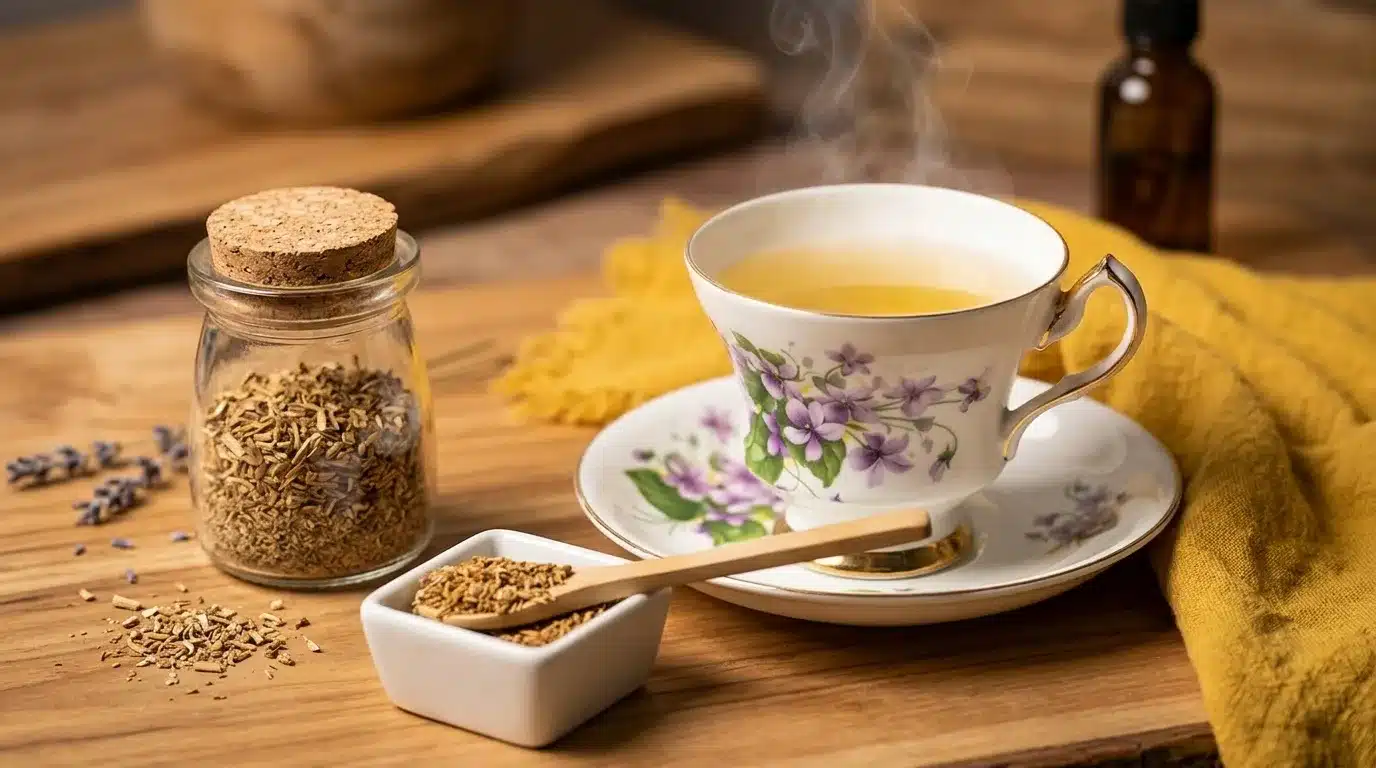
Valerian root is one of the most well-known and well-studied herbs for sleep. Research on Valerian Root suggests it may work by boosting GABA levels in the brain, the chemical that tells your nervous system to slow down.
People have used it for hundreds of years to deal with insomnia and restlessness.
- How to Take It: Tea, capsule, or tincture, taken 30 to 60 minutes before bed.
- Best For: People who have a hard time falling asleep at the start of the night.
2. Chamomile
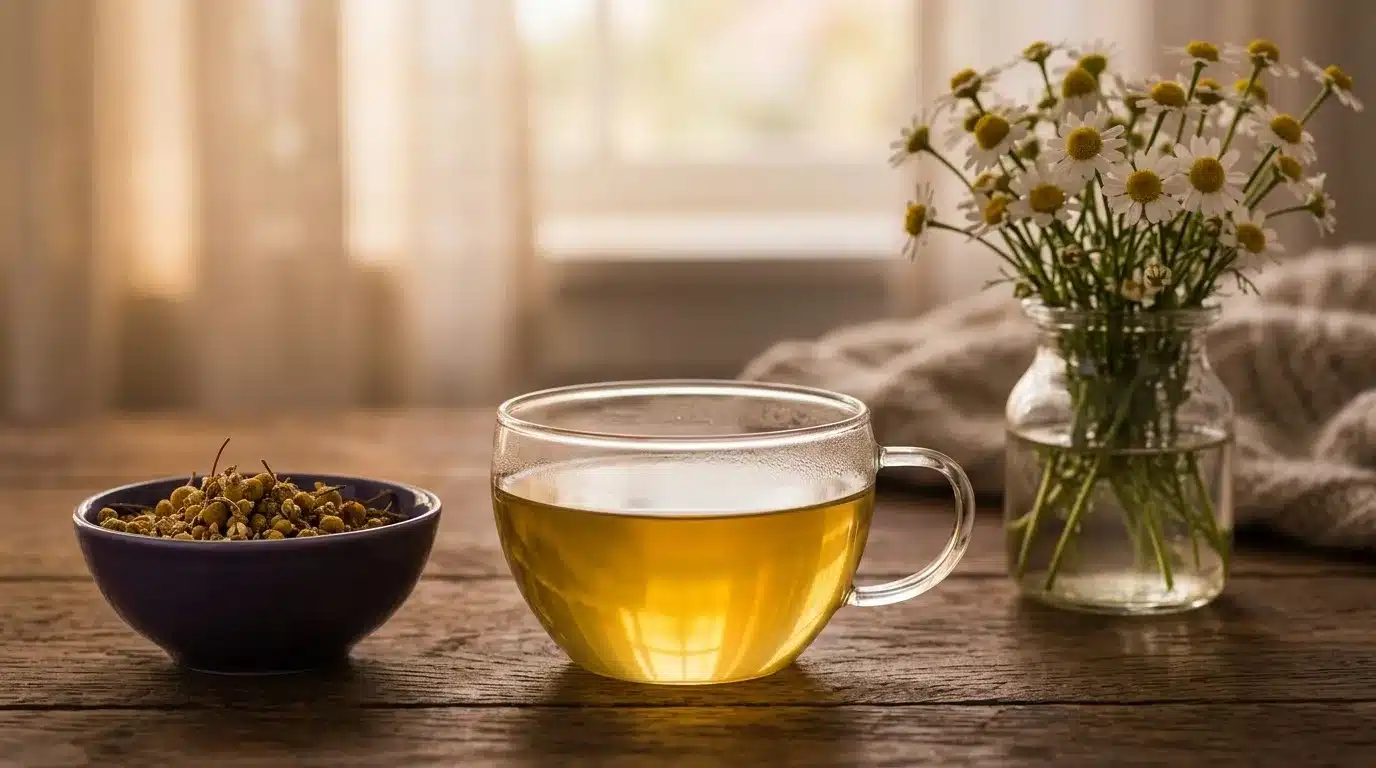
Chamomile is gentle, safe, and one of the most popular herbs for sleeping. It contains a natural compound called apigenin that binds to calming receptors in the brain.
It does not knock you out, but it takes the edge off and helps your body ease into sleep.
- How to Take It: Best as a warm tea, about 30-45 minutes before bed.
- Best For: People with light insomnia or those who want a simple bedtime routine.
3. Lavender
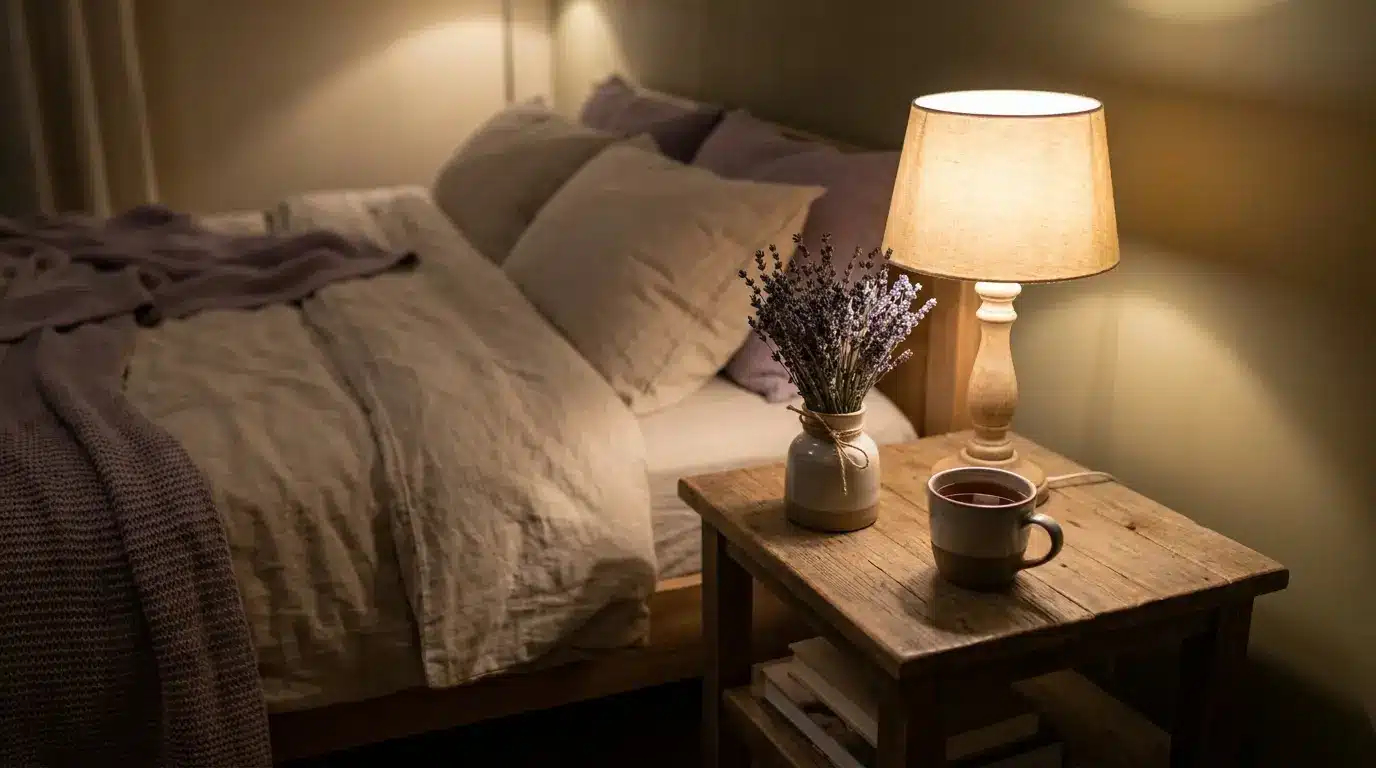
Lavender is best known for its calming scent, but it does a lot more than smell good. Research shows it can lower heart rate and reduce feelings of anxiety, making it easier to wind down at night. It works through both smell and when taken as a tea.
- Howto Take It: Use as an essential oil in a diffuser, spray it on your pillow, or drink it as a tea. Lavender is one of the most effective calming nighttime scents for relaxation before bed.
- Best For: People who feel anxious or restless before bed.
4. Passionflower
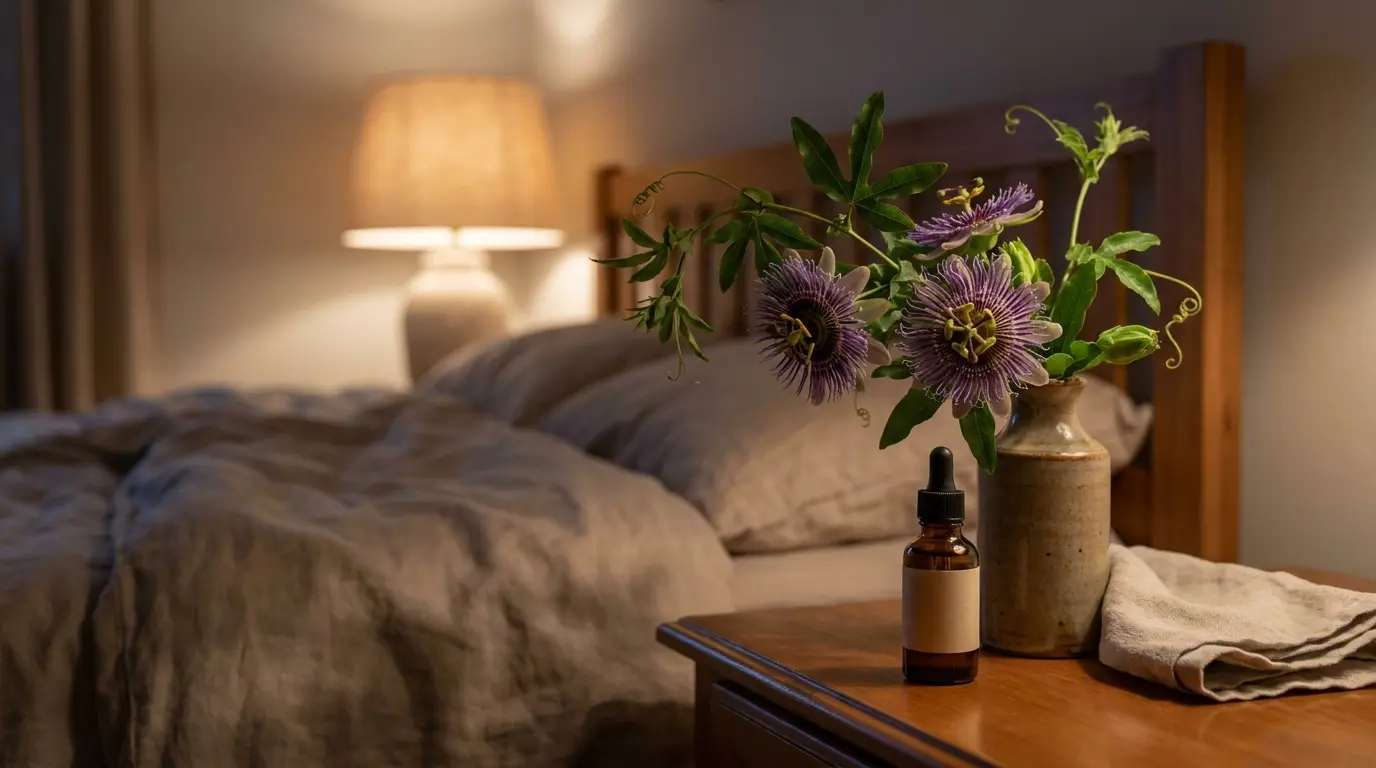
Passionflower is a quieter herb that does not get as much attention, but it deserves a spot on this list. It works on the GABA system in the brain, similar to valerian, and studies show it can improve overall sleep quality. It is especially good at calming a busy, overthinking mind.
- How to take it: Tea or tincture, around 30-60 minutes before bed.
- Best for: People who lie awake at night with racing thoughts.
5. Ashwagandha

Ashwagandha is an adaptogen, which means it helps your body handle stress more efficiently. It works by lowering cortisol, the stress hormone that can keep your brain in alert mode even when you want to sleep.
Multiple studies have shown that it can reduce the time it takes to fall asleep and improve overall sleep quality.
- How to take it: Capsule or powder mixed into warm milk, taken at night.
- Best for: People whose poor sleep is caused by high stress or ongoing anxiety.
Herbs for Sleep-Related Issues and What Else May Keep You Up at Night
Sometimes, the reason you cannot sleep is not just sleeplessness itself. Stress, anxiety, racing thoughts, and a tense body can all get in the way of a good night. These herbs are especially helpful when something deeper is keeping you up.
6. Lemon Balm
Lemon balm is a mint-family herb with mild calming and sedative effects. It is often paired with valerian or chamomile to boost the effect.
It also supports mood, which makes it useful when stress and low mood are getting in the way of sleep.
- How to take it: Tea or capsule, taken in the evening.
- Best for: People whose sleep problems are tied to anxiety or stress.
7. Hops
Most people know hops as the plant used in beer, but it also has real calming effects on its own. Research shows hops work even better when combined with valerian and passionflower.
This improves total sleep time and reduces nighttime wake-ups. It has a mild sedative effect that helps the body feel ready for rest.
- How to take it: Capsule or combined herbal supplement with valerian.
- Best for: People dealing with insomnia that comes with anxiety.
8. Skullcap
Skullcap is a traditional herb used for nervous tension and restless nights. It has mild sedative properties and may help calm an overactive nervous system so your body can shift into rest mode.
It is not as well studied as some others, but it has a long history of use for stress-related sleep issues.
- How to take it: Tea or capsule, taken in the evening.
- Best for: People who struggle with restlessness or tension at bedtime.
9. Holy Basil (Tulsi)
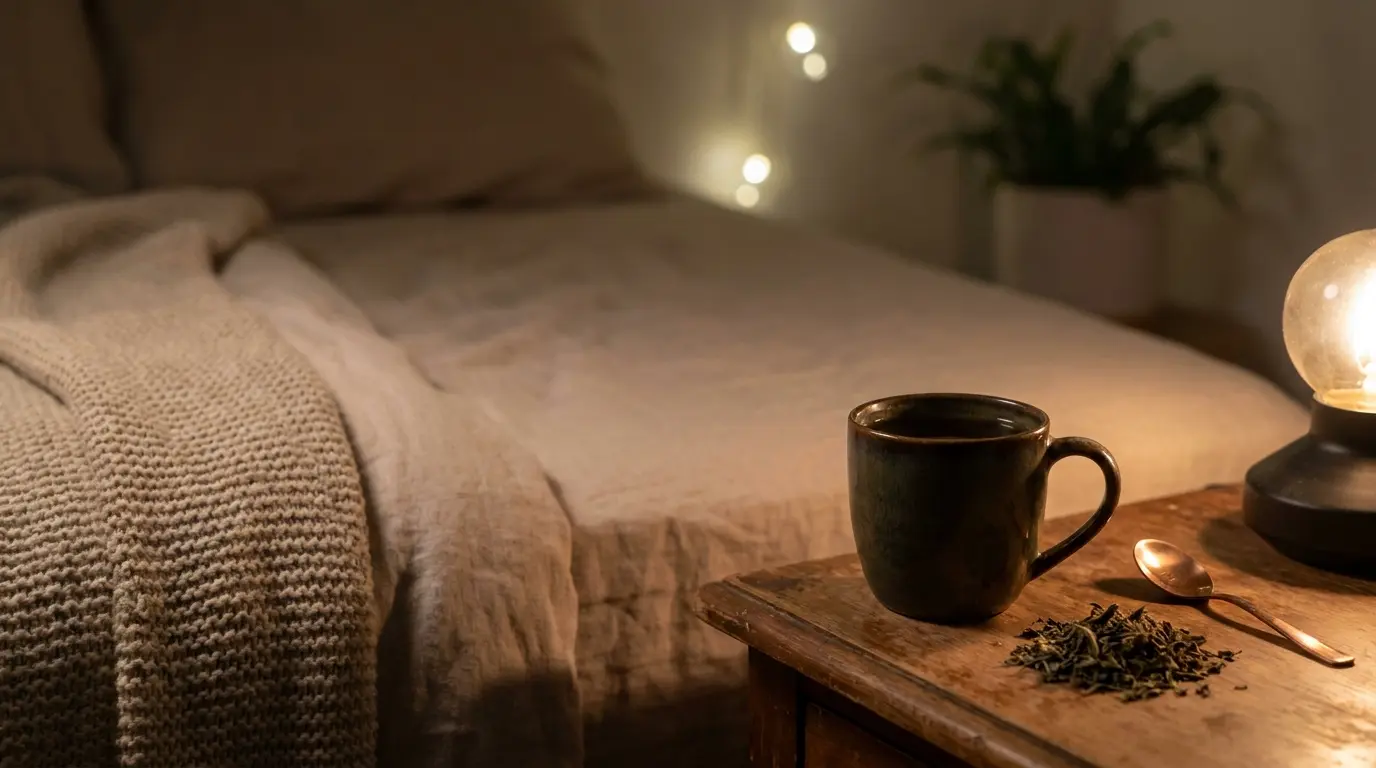
Tulsi is a staple herb in Ayurvedic medicine and is widely used for stress and overall wellness. It works as an adaptogen, helping your body cope with daily stress and bringing a natural sense of calm. Drinking tulsi tea in the evening is a simple habit that can make a real difference over time.
- How to take it: Warm tea in the evening, about 30 to 45 minutes before bed.
- Best for: People with high stress levels that make it hard to wind down at night.
10. Kava
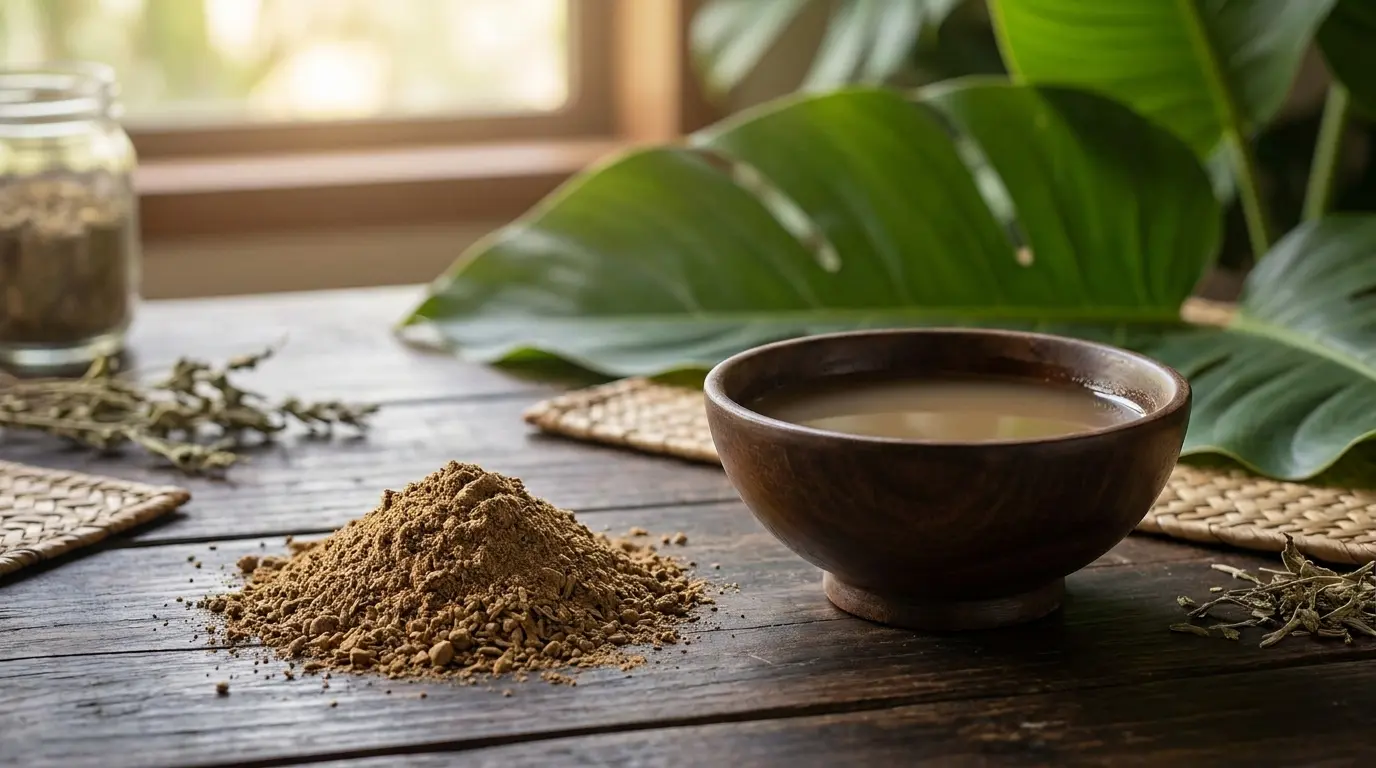
Kava, a plant native to the Pacific Islands, has been used for generations to reduce anxiety and promote calm. It works by affecting the limbic system, the part of the brain that controls emotions and stress responses.
It is one of the stronger herbal options for anxiety-related sleep issues, but it should only be used short-term and with medical guidance because rare but serious liver damage has been reported.
- How to take it: Kava tea or standardized supplement, taken in the evening.
- Best for: People with strong anxiety that makes it hard to relax before sleep. Note: Avoid if you have liver problems or take medications.
11. California Poppy
California poppy is not related to the opium poppy and is generally considered non-addictive and milder than opium poppy.
It has gentle sedative effects and helps the body settle into rest without causing heavy grogginess the next morning. It is a good option when you want something mild that still gets the job done.
- How to take it: Tea or tincture, taken about 30 minutes before bed.
- Best for: People with mild insomnia or nighttime anxiety.
12. Magnolia Bark
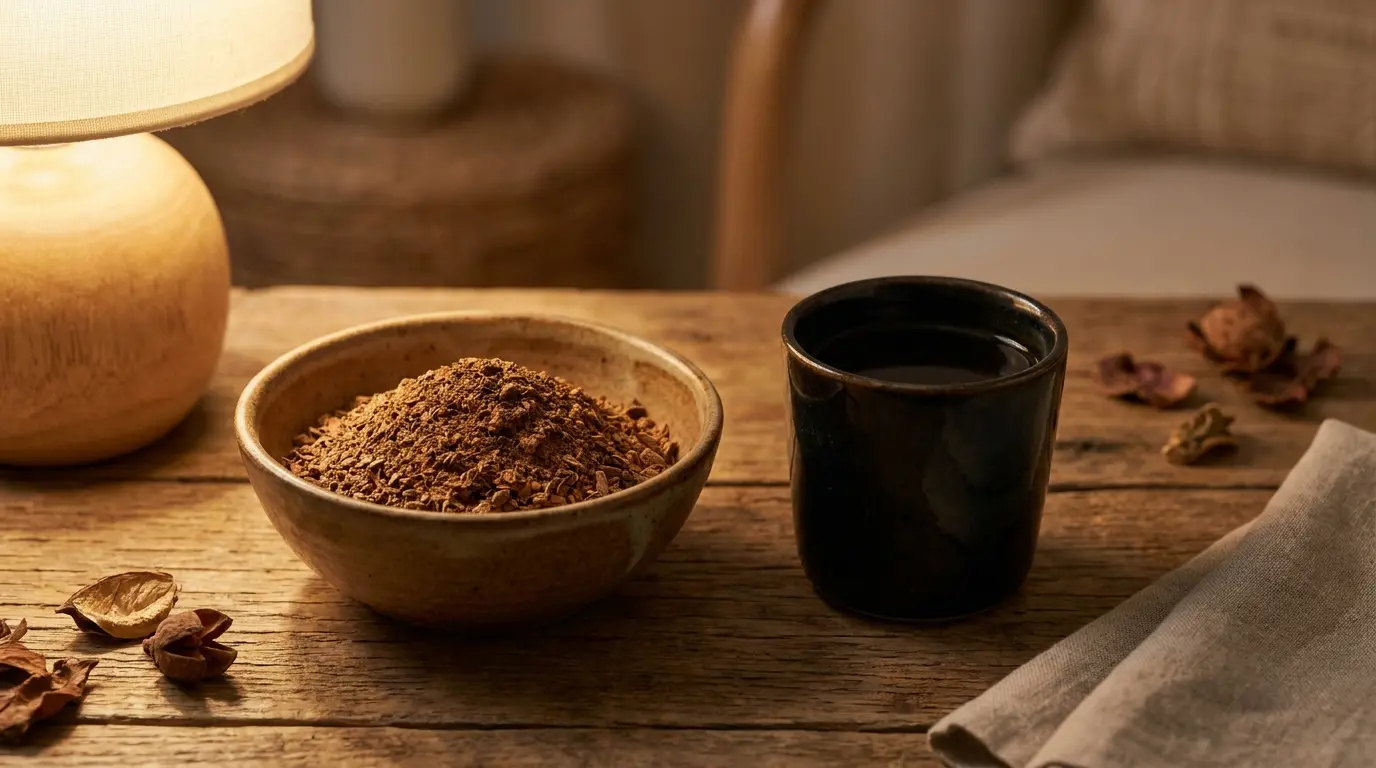
Magnolia bark has been used in traditional Chinese medicine for centuries to help with sleep and anxiety. It contains a compound called honokiol, which works on GABA receptors in the brain to promote relaxation.
Some studies suggest it may also reduce time spent in light sleep and increase deeper, more restful sleep.
- How to take it: Capsule or supplement, taken in the evening.
- Best for: People who want deeper, more restorative sleep.
13. Saffron
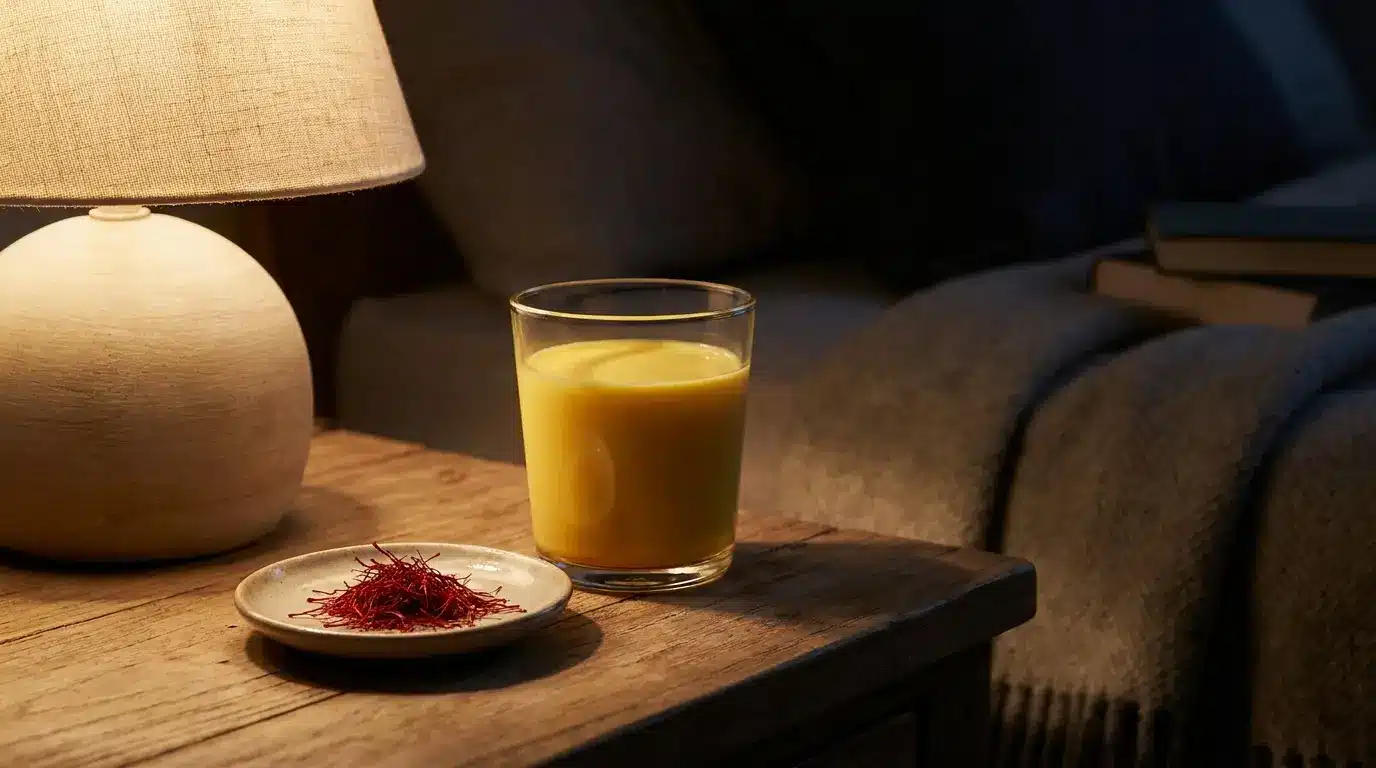
Saffron is mostly known as a cooking spice, but it also has some impressive sleep-supporting properties. It contains compounds such as safranal and crocin, which may improve mood and support healthy sleep cycles.
A small but growing body of research shows it can improve sleep quality, especially in people dealing with mild depression or low mood.
- How to take it: Small supplement capsule or dissolved in warm milk at night.
- Best for: People whose sleep is affected by low mood or mild depression.
Herbal Teas for Sleeping
Herbal teas are one of the easiest ways to use sleep herbs. The most popular options are chamomile, passionflower, lavender, lemon balm, and tulsi.
To get the best results, brew your tea about 30 to 45 minutes before bed. Use hot, but not boiling, water, and let it steep for 5 to 10 minutes.
Keep this habit consistent, and you will likely see better results over time.
How to Choose the Right Herb for Your Sleep Problem
Not all sleep problems are the same, and neither are herbs. Using the wrong one is why many people think they do not work. Match the herb to your issue for better results.
| Your Sleep Problem | Best Herb(s) | Why It Works |
|---|---|---|
| Trouble falling asleep | Valerian root | Boosts GABA, reduces sleep onset time. Take 30–60 min before bed. |
| Waking up at night | Valerian + hops | This combination improves total sleep time and reduces nighttime awakenings. |
| Racing thoughts | Passionflower | Calms an overactive mind without causing morning grogginess. |
| Stress or high cortisol | Ashwagandha | Lowers cortisol directly; works best with consistent daily use over several weeks. |
| Light or restless sleep | Chamomile + magnolia bark | Chamomile relaxes; magnolia may increase time spent in deeper sleep stages. |
| Anxiety-driven insomnia | Lavender + lemon balm | Both calm the nervous system without being habit-forming. |
| Sleep is affected by low mood | Saffron | Safranal and crocin support mood and sleep cycle regulation. |
How to Use Herbs for Better Sleep
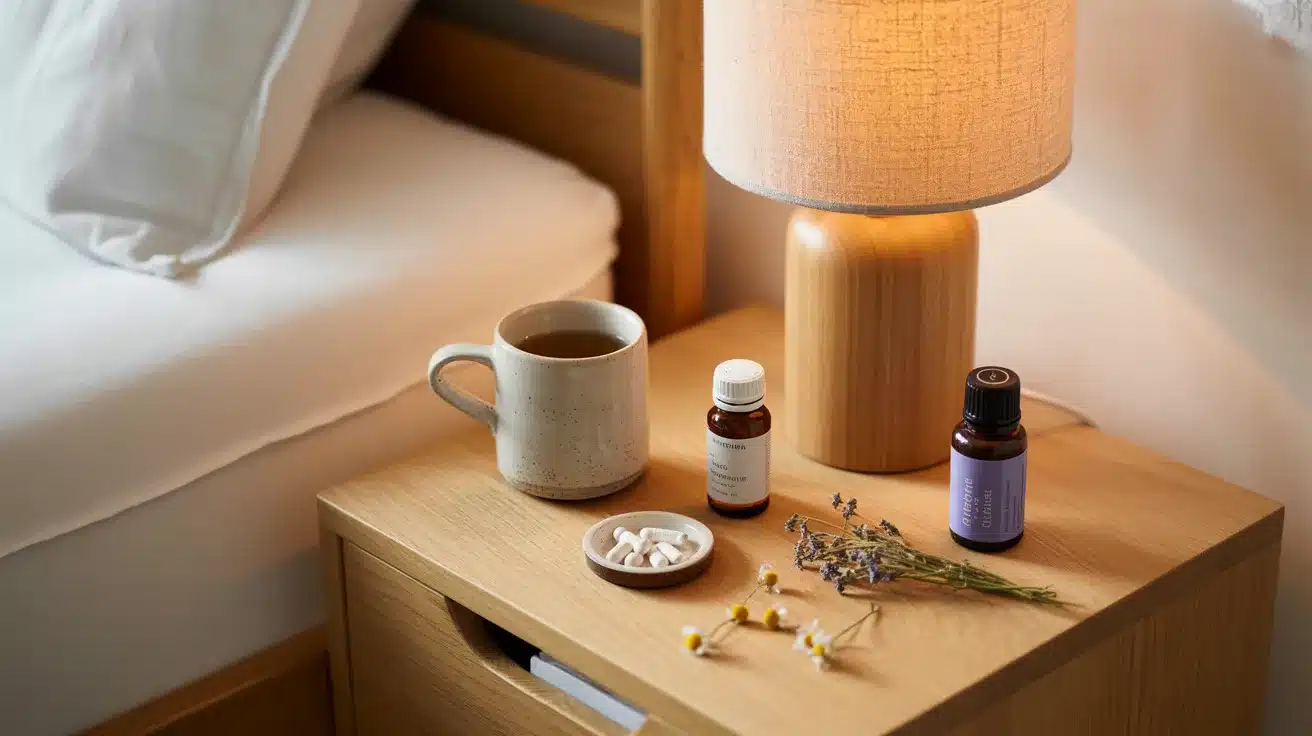
Herbs come in many forms. Here is a quick breakdown:
Teas are the simplest and most relaxing option. Tinctures are liquid extracts that work quickly. Capsules or tablets give you a measured dose and are easy to take.
Essential oils like lavender can be used in a diffuser or applied to your pillow. Herbal baths with lavender or chamomile can also help relax your body before sleep.
Timing-wise, most herbs work best when taken 30 to 60 minutes before bed. Herbs work better when combined with a consistent sleep routine and a calm nighttime environment. Turn off screens, dim the lights, and let your herbal tea or supplement do its job.
How to Use Herbs for Better Sleep
Herbs come in different forms:
- Teas are the most relaxing.
- Tinctures work quickly.
- Capsules provide a measured dose.
- Essential oils can be diffused or applied to your pillow.
- Herbal baths relax your body before bed.
Take herbs 30–60 minutes before bed and pair with a calming routine, like dimming the lights and turning off screens.
Can You Combine Herbs Safely?
Yes, but start with one herb to see how it affects you. Only add another after a week or two. Avoid mixing herbs with prescription sedatives or anti-anxiety medications without consulting your doctor.
Herbs vs. Melatonin
Melatonin helps adjust sleep schedules, while herbs reduce stress and promote relaxation. Herbs are better for stress and anxiety; melatonin works best for jet lag or shift work. Always check with your doctor before combining any supplements.
What the Science Says
According to NCCIH’s herbal sleep evidence, herbs for sleep show measurable but moderate benefits. Valerian has been found to reduce the time it takes to fall asleep, while chamomile shows small improvements in overall sleep quality.
Passionflower has demonstrated benefits in clinical trials, particularly for anxiety-related sleep issues. Ashwagandha has been linked to reduced cortisol levels and better sleep outcomes in people under chronic stress.
Combinations like valerian, hops, and passionflower have shown improvements in total sleep time and fewer nighttime awakenings.
However, the evidence has limits. Many studies are small, short-term, or use different dosages, which makes results inconsistent. Effects also vary significantly between individuals.
The bottom line: herbs can help, but expect gradual, modest improvements, not instant or dramatic results.
Sleep Herbs: Safety Rules You Shouldn’t Ignore
Natural doesn’t mean harmless; herbs can still mess with your body if you use them mindlessly. If you don’t respect dosage, interactions, and your own health conditions, then you’re setting yourself up for problems.
- Medication Interactions: Valerian may interact with sedatives or anti-anxiety drugs. Ashwagandha may affect thyroid medications. Always check with your doctor and read up on herb-drug interactions before starting any herbal supplement.
- Pregnancy & Breastfeeding: Avoid most sleep herbs unless a healthcare provider approves
- Existing Health Conditions: Be cautious with valerian if you have liver issues, especially in high doses or long-term use
- Start Small: Begin with low doses to test how your body reacts
- Watch for Side Effects: Stop immediately if you notice anything unusual and consult a professional
If you treat herbs casually, you’re gambling with your health; there’s no upside to that. Use them deliberately, or don’t use them at all.
Conclusion
Getting better sleep does not always mean taking strong medication. Sometimes your body needs a little natural support to wind down and rest properly.
Herbs for sleeping, like valerian root, passionflower, lavender, and ashwagandha, have helped millions of people build a calmer, more restful night.
Pick one or two that match your situation, stay consistent, and pair them with a simple wind-down routine.
Cut the screens, dim the lights, brew your tea, and stick to a consistent wind-down routine to give your body the signal it needs.
Frequently Asked Questions
Do Herbs Really Help You Sleep?
Yes, for many people, herbs can make a real difference. They work best for mild to moderate sleep problems. They are not a replacement for treating serious sleep disorders.
How Long Does It Take Herbs to Work?
Some people feel results within a few days. For others, it may take two to four weeks of consistent use to notice a clear difference.
Are Herbal Sleep Remedies Safe for Everyone?
Not always. Children, pregnant women, people with certain health conditions, and those on medication should check with a doctor first.