
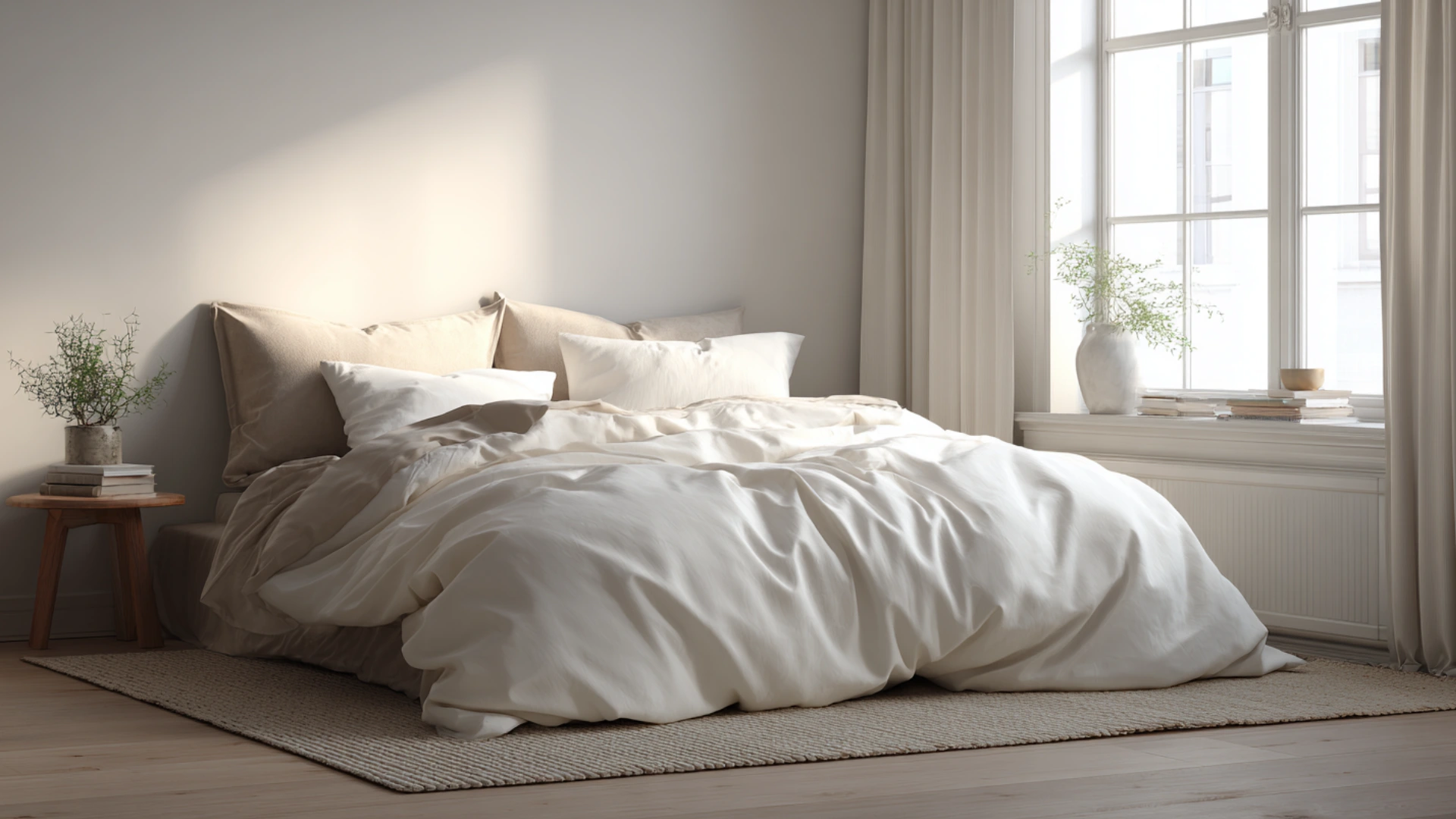

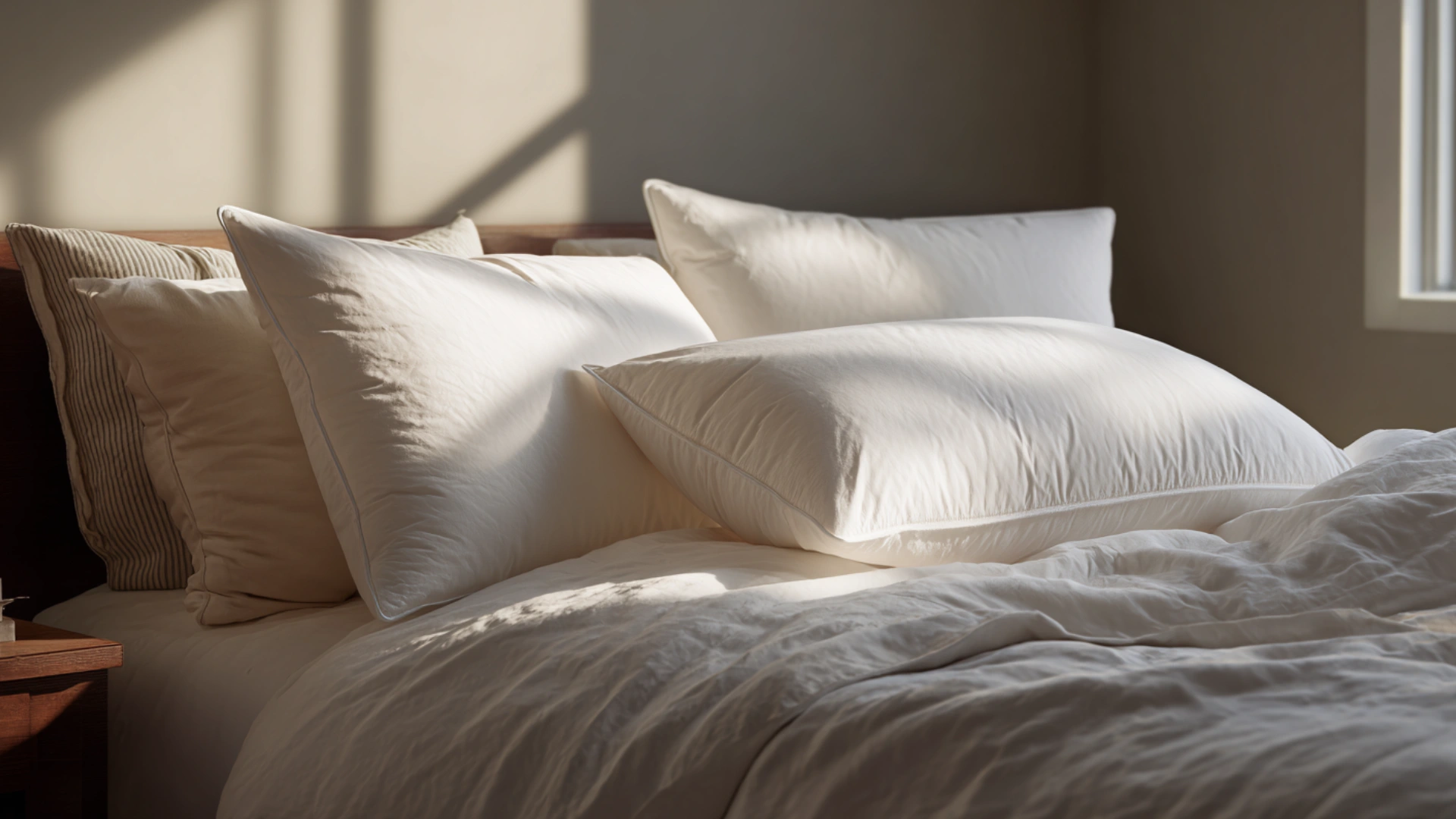

You have probably stood in a bedding aisle, stared at your options, and thought blankets vs. comforters, what is even the difference? They both keep you warm. They both sit on your bed.
But they are not the same thing, and picking the wrong one can mess with your sleep more than you think. Your bedroom, your comfort, your choice.
The difference between a blanket and a comforter goes deeper than just thickness or fluff. It touches your sleep habits, your climate, and even how you like your bed to look and feel. And once you know what sets them apart, you might rethink everything.
What Is a Blanket?

A blanket is a single layer of fabric that goes over you while you sleep. That is really it. No filling, no outer shell, just one flat piece of material. You can find them in cotton, fleece, wool, or even thermal weaves.
They are simple, and that is exactly what makes them useful. You can throw one on the couch, pack it for a trip, or layer it on your bed when the temperature drops.
Blankets come in all weights and sizes. So whether you run hot or cold at night, there is likely one that works for you.
Types of Blankets
Blankets are not one-size-fits-all. They come in different materials, each serving a different purpose. Knowing your options helps you pick what actually suits your lifestyle.
| Type | Material | Best For |
|---|---|---|
| Fleece Blanket | Synthetic fabric | Lightweight warmth, everyday use |
| Wool Blanket | Natural wool fibers | Cold climates, heavy insulation |
| Cotton Blanket | Breathable cotton | Warm sleepers, summer nights |
| Thermal Blanket | Waffle-knit cotton | Layering, mild weather |
| Electric Blanket | Fabric with heating wires | Targeted warmth, winter nights |
Not every blanket works for every person. So take a moment to think about your sleep habits, your climate, and how warm you usually like to be before picking one.
What Is a Comforter?
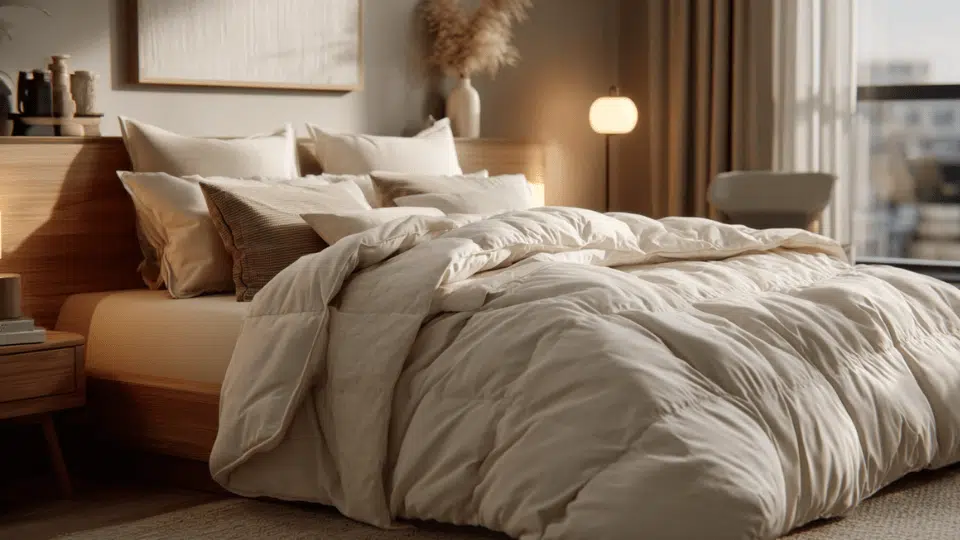
A comforter is a thick, quilted bedding piece filled with either down, wool, or synthetic material. Unlike a blanket, it has two fabric layers stitched together, with filling between them.
That filling is what gives it its signature puffiness and warmth. Comforters also attract more dust and debris over time, so it is worth knowing whether pests can live inside them before you commit to one.
You typically use a comforter as the top layer on your bed. It is heavier than a blanket and designed to be used on its own. No extra layering needed.
Comforters also come in different warmth levels, so you can pick one based on your climate. Cozy, straightforward, and built for deeper warmth.
Key Differences Between Blankets and Comforters
Both keep you warm, but they work in very different ways. When you put blankets vs comforters side by side, the differences go beyond just thickness. Structure, maintenance, and everyday use all play a role.
| Feature | Blanket | Comforter |
|---|---|---|
| Construction | Single layer | Two layers with filling |
| Weight | Light to medium | Medium to heavy |
| Warmth Level | Moderate | High |
| Versatility | High | Moderate |
| Ease of Washing | Easy | Requires a large washer |
| Price Range | Budget-friendly | Moderate to expensive |
These differences matter more than you think. So before you buy, consider how you sleep and what your bedroom actually needs.
When to Choose a Blanket or a Comforter
Picking between the two really comes down to your lifestyle and sleep needs. Neither is better than the other. It just depends on what works for you.
Choose a Blanket if:
- You sleep in a warm climate
- You like layering your bedding
- You want something easy to wash at home
- You need bedding that works beyond the bedroom
Choose a Comforter if:
- You live somewhere cold
- You prefer one thick layer over multiple thin ones
- You want your bed to look put-together without much effort
- You tend to feel cold at night
The right pick saves you restless nights. So think about your habits first, then decide. And remember, there is no wrong answer as long as you are sleeping well.
How to Choose Based on Climate and Sleep Style
Your climate and how you sleep at night matter more than most people realize. The right bedding should match both. So before anything else, take stock of where you live and how your body feels at night.
- Hot climate or warm sleeper: Go with a lightweight cotton or thermal blanket for breathability
- Cold climate or cold sleeper: A thick comforter with down or synthetic fill gives you the warmth you need
- Mixed climate: Layer a blanket over a light comforter so you can adjust easily
- Restless sleeper: A blanket is easier to manage and readjust through the night
Your sleep style is personal, and your bedding should reflect that. Pick what genuinely fits your nights, not just what looks good on a bed.
The Bottom Line
Choosing between blankets vs comforters is not complicated, but it does require a little thought. You now know the differences, the use cases, and what suits different climates and sleep styles.
That knowledge alone puts you ahead. No more guessing at the store or settling for bedding that does not actually work for you.
So take what you have read here and apply it tonight. Look at your bedroom, think about your sleep, and make a choice that genuinely works for you.
Ready to upgrade your sleep? Start by picking the one that fits your life, not just your bed.
Frequently Asked Questions
Is a Comforter Better Than a Blanket?
A comforter is better for warmth and cold weather. A blanket is better for light cover and layering.
What’s the Best Comforter for Allergies?
A down alternative comforter is usually best for allergies. Choose one that is hypoallergenic and machine washable.
Is Comforter for Summer or Winter?
A comforter is mostly for winter. A lightweight comforter can also work in summer.