
Bedding trends come and go fast. A few years ago, everyone wanted that tall, layered hotel bed.
Now, minimalism is everywhere, and many people are tossing out anything that feels “extra.” Pillow shams have taken a big hit from this shift.
But here’s the real question: are pillow shams outdated, or have we just been using them wrong all along?
Short answer: Pillow shams are not outdated. They’re just often misused. And there’s a big difference.
What Exactly is a Pillow Sham?
A pillow sham is a decorative cover for your pillow. It looks like a pillowcase, but it’s not meant for sleeping. You put it on your pillow during the day to make the bed look neat and styled.
The main difference from a regular pillowcase? Shams usually have a flap or zipper at the back, and they’re made from nicer fabrics with more detail.
If you’re still using regular pillowcases daily, you’ve probably noticed wear and tear over time; issues like yellow stainsare common.
There are three common types:
- Standard shams fit regular and queen pillows, the most common type.
- Euro shams are generally large, square, and usually 26×26 inches, and are used to structure the back of the bed.
- Decorative shams come in all sizes, often with embroidery or special textures.
Are Pillow Shams Actually Outdated?
No. The real issue is that their use has evolved over time. And a lot of the confusion starts with not knowing the difference between a pillow sham and a pillowcase, they look similar but serve completely different purposes.
Heavy, layered beds stacked with four to six matching shams are out; in their place is a cleaner, more intentional approach. People have simply become more selective about when and how they use them.
One or two well-chosen shams, styled with purpose, still look great in modern bedrooms. The problem was never the sham itself. It was the excess around it.
Modern Ways to Use Pillow Shams
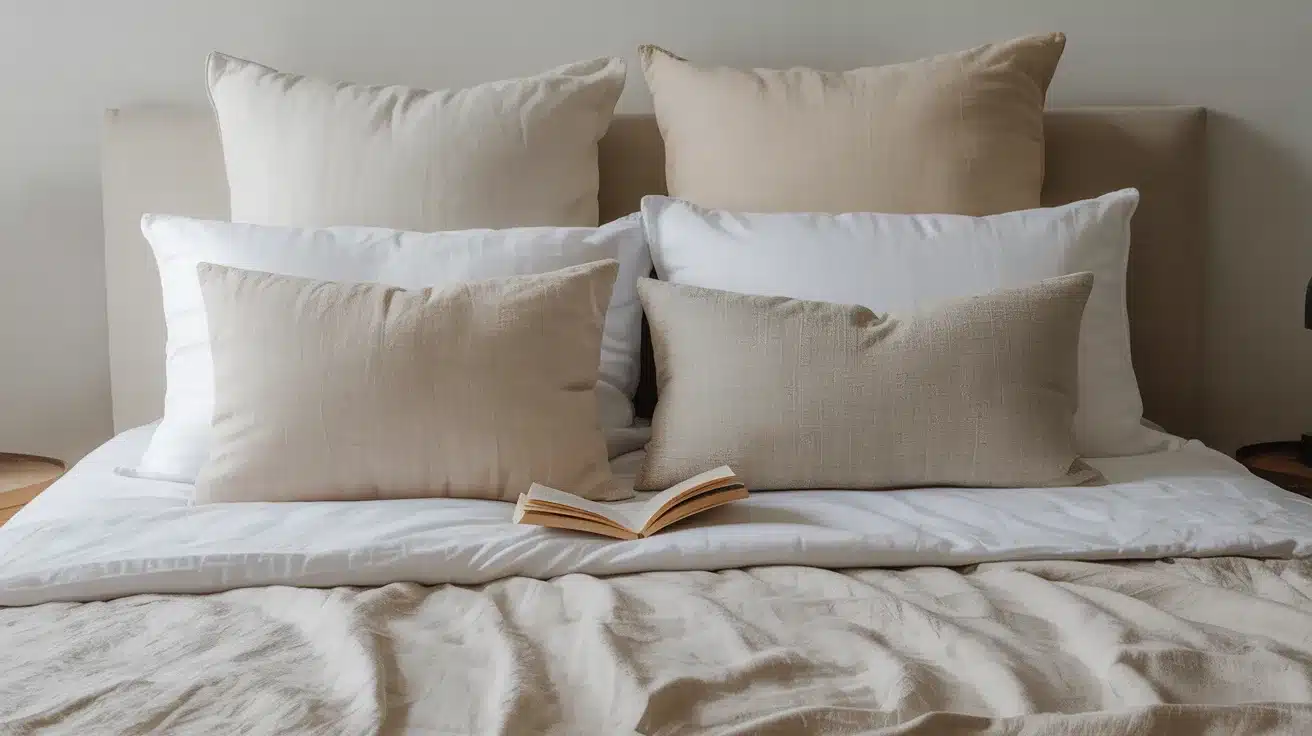
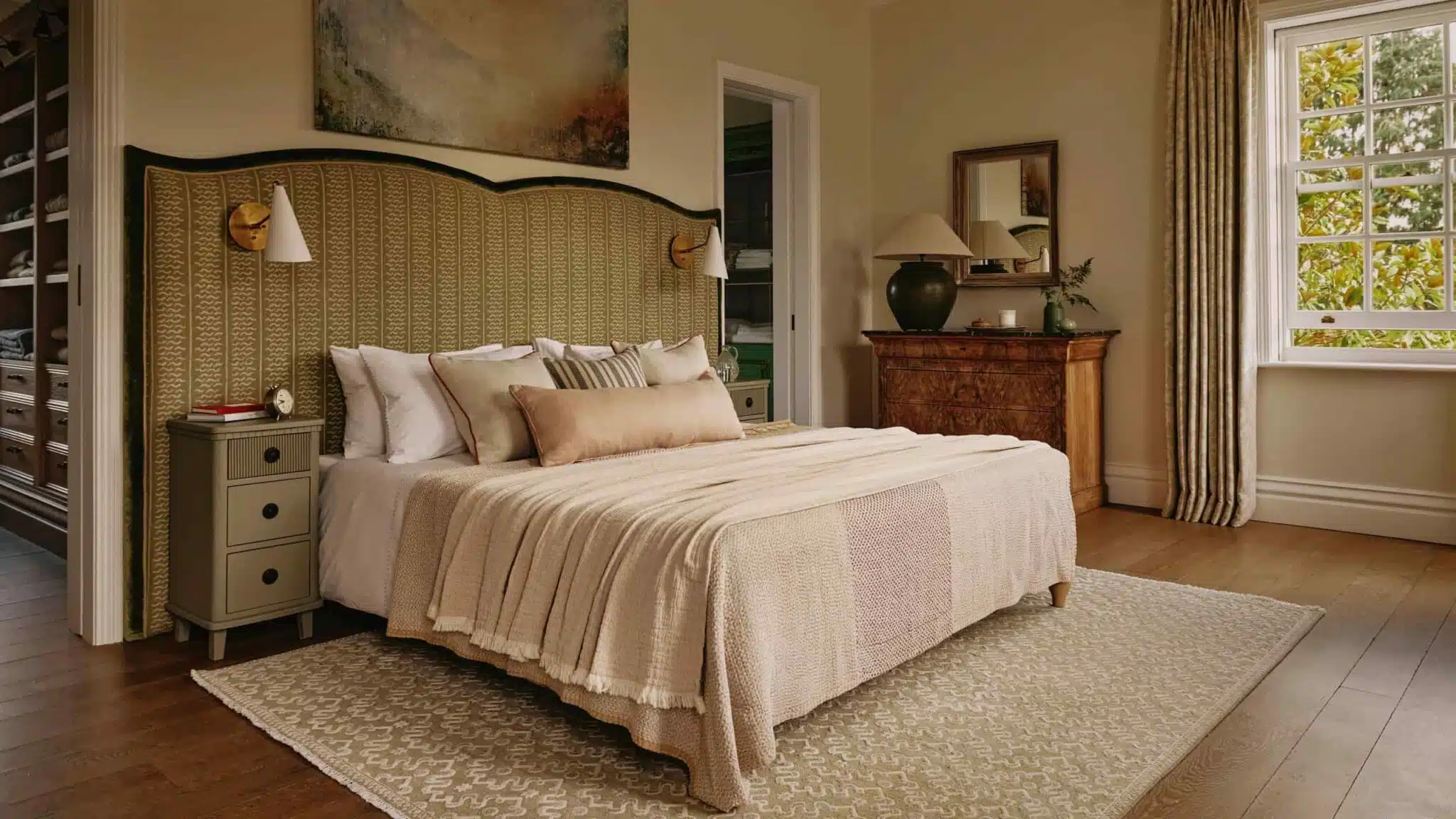
Pillow shams look best when kept simple. You only need one or two; anything more just feels like extra work. A pair of your sleeping pillows behind your sleeping pillows, or a couple of Euro shams at the back, is enough to make the bed look put together.
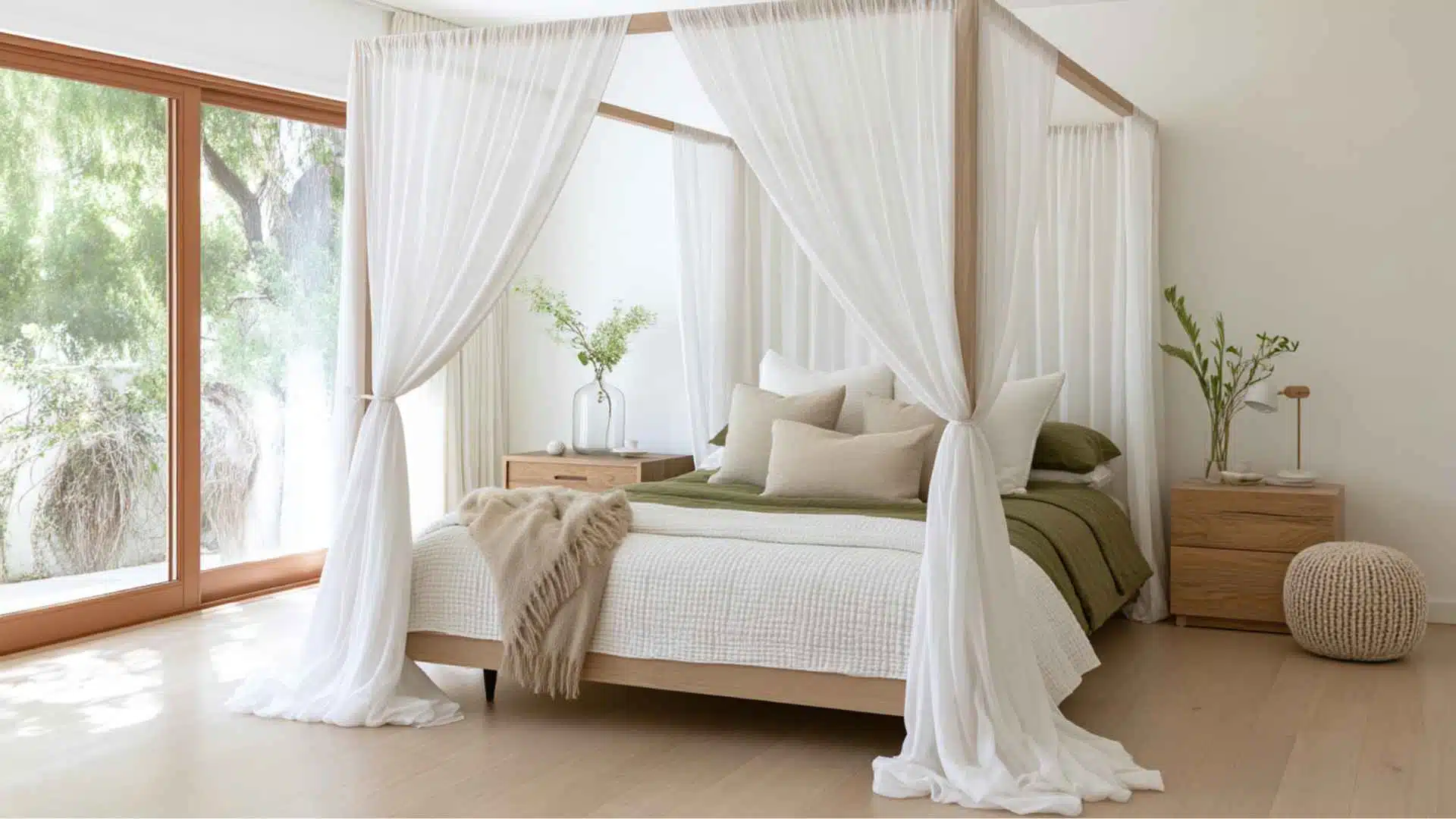
They also help add a bit of texture. On a plain bed in white or cream, something like a linen or velvet sham can break the flat look without being too loud. Mixing different fabrics, like cotton sheets, a soft throw, and one textured sham, makes the whole setup feel more natural.
Euro shams also help give the bed a clean shape. Placed upright at the back, they create a simple, neat base without adding clutter, which works well in modern or minimal rooms. And they’re not just for looks.
You can actually use them when sitting up in bed for reading or relaxing. Once they have a real use, they stop feeling like something extra and start making sense.
Styling Tips that Actually Work Today
- Keep Layers to 2–3 Max: Euro shams in back, standard in front, and one throw pillow. More looks cluttered.
- Don’t Match Everything: Aim for slight contrast in color or texture; it looks more intentional.
- Use Them for Their Roles: Euro shams add structure, standard shams add softness.
- Skip Shiny and Heavy Details: Satin and heavy embroidery date quickly. Stick to linen, cotton, velvet, or woven textures.
- Neutral Base, One Accent: Add a single colored sham (terracotta, sage, dusty blue) to break up neutrals.
- Keep It Practical: only easy-to-remove shams. If it’s a hassle, simplify.
When You Should Just Skip Them
Shams aren’t for everyone, and that’s fine. Skip them if:
- You have a small bed, they eat up space
- You hate making the bed in the morning
- Your bedroom aesthetic is ultra-minimal or Japanese-style
- They’d be purely decorative, and you’d never actually use them
There’s no rule that says you have to use them. A clean, simple bed without shams is perfectly good.
Final Thought
Pillow shams aren’t outdated. Bad styling is.
The overcrowded, overly formal bed of the early 2000s? That look is gone. But the sham itself? Still useful, still beautiful when used right.
If a sham adds texture, structure, or a pop of color to your room, use it. If it’s just sitting there making your mornings harder, skip it. That’s really all there is to it.
Style your bed with intention, not tradition.