


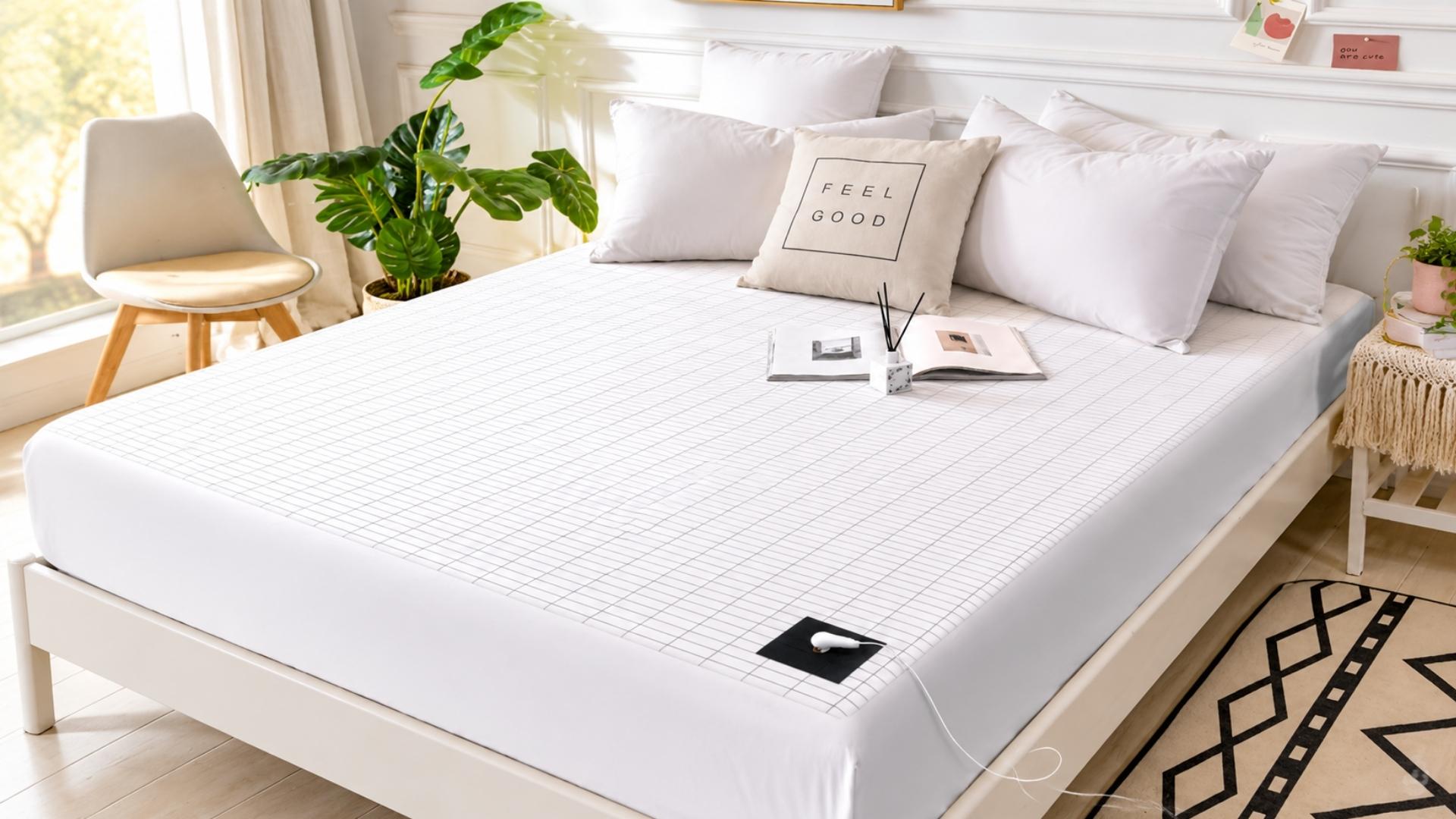

Figuring out how to wash a mattress protector doesn’t need to feel complicated.
Most mattress protectors can go straight into the washing machine, but the way you clean them still matters if you want them to last.
Waterproof versions especially need a bit more care, since heat, fabric softener, or the wrong cycle can slowly damage the protective layer.
If you’re wondering how to properly wash a mattress protector or clean a waterproof mattress cover, this breaks it down into five simple steps without damaging the fabric.
Can I Wash a Mattress Protector?
Yes, most mattress protectors are machine washable, but always check the care label before cleaning.
Cotton, polyester, and blended fabrics usually handle a normal cycle easily. Waterproof covers need a gentler wash to protect their backing, and down-filled protectors often require a specific detergent.
Regular washing removes sweat, dust, allergens, and other buildup over time.
Tools You Need
Grab these items first; they cover everything from stain removal to safe drying.
- Mild Liquid Detergent: A gentle, bleach-free formula works best. Powder detergents leave residue inside the waterproof membrane and should be avoided.
- White Vinegar: Useful for pre-treating urine, mold, and odor stains. Mix equal parts with water before applying directly to the affected area.
- Hydrogen Peroxide: Effective on blood stains only. Dab it on with a cloth, let it sit briefly, then rinse with cold water.
- Clean White Cloths: used for blotting stains before washing. White fabric prevents any color transfer onto your protector during treatment.
- Dryer Balls: Optional but useful if tumble drying. They keep the protector moving freely in the drum and help it dry more evenly.
- Drying Rack or Clothesline: The safest drying method for any protector, especially waterproof ones. Air-drying preserves the membrane for far longer.
These six items are all you need to proceed, nothing specialized, nothing hard to find.
What Type of Mattress Protector Do You Have?
Different protectors wash differently. Knowing yours saves a ruined cover.
| Protector Type | Material | Water Temp | Cycle | Special Notes |
|---|---|---|---|---|
| Cotton or Quilted | Natural or blended cotton | Warm or cold | Gentle | Most forgiving type. No special handling needed. Air dries quickly. |
| Waterproof (PU/TPU Backed) | Polyester with waterproof membrane | Cold only | Gentle | No fabric softener. No high heat. Heat is the main enemy. |
| Bamboo or Tencel | Plant-based fiber | Cold only | Delicate | More delicate than cotton. Fabric softener damages the fiber structure. |
| Down-Filled | Natural down fill | Cold or warm | Gentle | Use down-specific detergent only. Regular detergent strips natural oils and causes clumping. |
| Encasement Style (Zippered) | Varies by material | Follow the material type | Follow the material type | Zip fully closed before placing in the machine to protect the zipper and fabric. |
Always follow care labels closely to protect waterproof layers and fabric quality, and to extend your mattress protector’s overall lifespan.
How to Wash a Mattress Protector
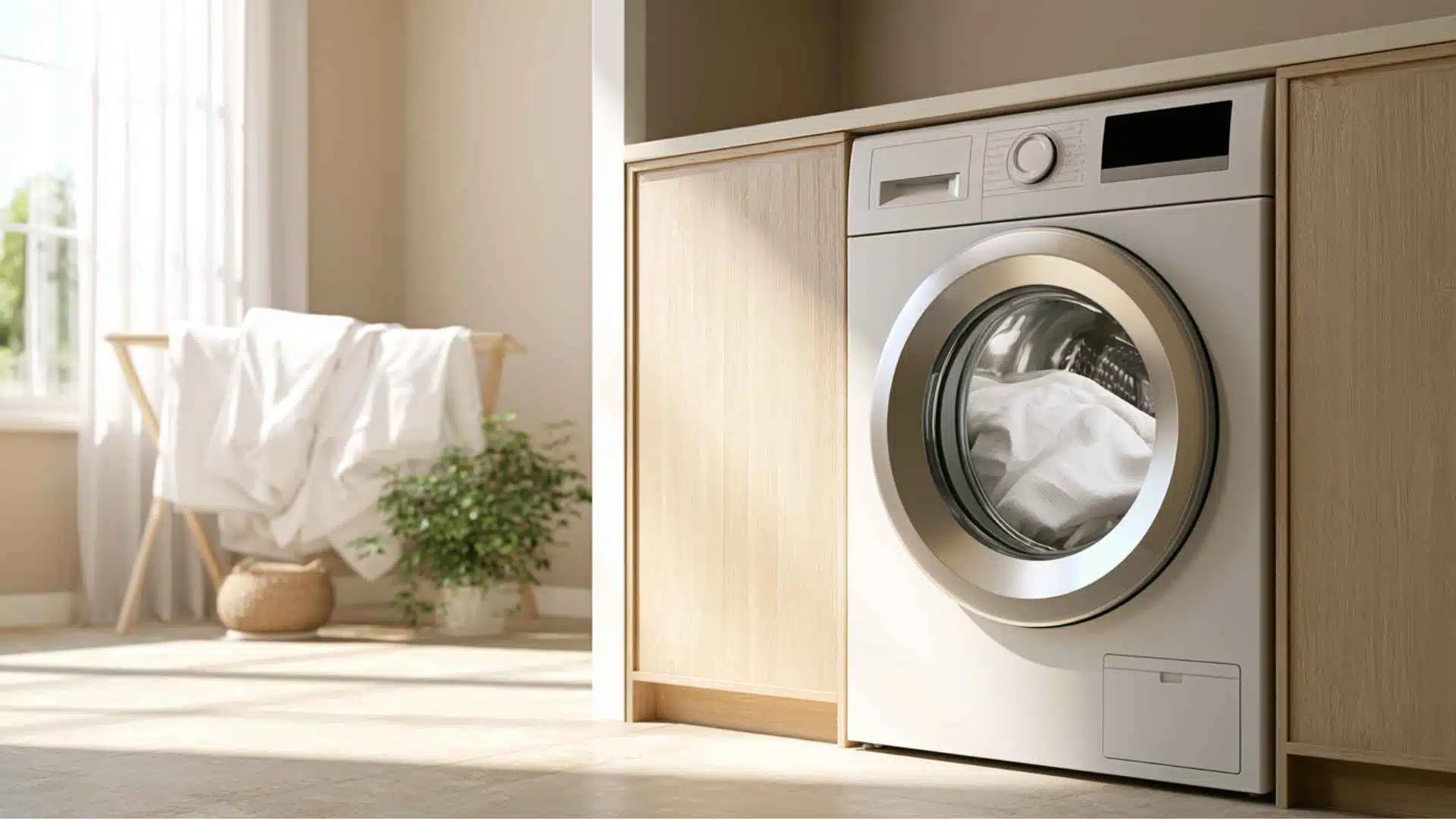
Here’s a simple step-by-step method for washing your mattress protector safely without damaging the fabric or waterproof layer.
Step 1: Check the Care Label Before Anything Else
Start with the care label, as it shows safe limits for water temperature, wash cycle, drying method, and any restrictions, such as bleach or dry cleaning.
Most use simple symbols that are easy to follow once you know them: a hand means hand wash only, numbers set max temperature in °C, and lines indicate gentle cycles.
A triangle with an X means no bleach, a crossed circle means no dry cleaning, and drying symbols indicate low heat or air-dry. If missing, use cold water, gentle cycle, and air dry.
Pro tip: Down-filled protectors need a down-safe detergent. Regular soap strips natural oils and can cause clumping.
Step 2: Pre-Treat Stains Before Washing
Skipping this step is where most stains become permanent. Once heat from washing or drying sets in, it becomes much harder to lift marks from sweat, urine, or blood.
Take a few minutes to treat stains based on what caused them:
| Stain type | Pre-treatment steps |
|---|---|
| Food or sweat | Mild detergent or diluted vinegar, then blot |
| Urine | Cold rinse, then diluted vinegar solution |
| Blood | Cold water rinse, then hydrogen peroxide |
| Mold | Cold water rinse, then hydrogen peroxide |
Avoid bleach. It weakens the waterproof layers and shortens the protector’s lifespan. The goal here is simple: lift the stain before it gets locked into the fabric during the wash cycle.
Step 3: Machine Wash with The Right Settings
This is where most damage happens, often without notice. Wash the protector alone on a gentle cycle using cold or warm water and mild liquid detergent, keeping the amount small.
Avoid washing with other items, hot water, heavy spin cycles, powder detergents, fabric softener, and bleach, as these can damage the waterproof membrane or leave residue.
A second rinse helps sensitive skin. Always load it flat and unfolded, and avoid excess agitation or heat during the wash process.
Pro tip: If anyone in your household has allergies or sensitive skin, run a second rinse cycle to remove detergent residue and prevent irritation or reduced breathability.
Step 4: Dry the Protector Fully Before Use
Drying is not just the final step; it affects hygiene and durability. Even slight moisture trapped inside can lead to odor or mold once it’s back on the mattress.
Air drying is best. If using a dryer, keep it on low heat and avoid overloading so the protector can move freely.
Before putting it back, check the center of the fabric. It often holds moisture longer than the edges. Dry your protector safely using these two methods:
- Air-drying: Hang or lay flat for full airflow; sunlight helps neutralize odors naturally, without sprays.
- Tumble drying: Low heat with dryer balls keeps fabric moving, prevents folds, and speeds even drying.
Note: If stains remain after washing, avoid dryer heat. Re-treat area, wash again, then lay flat to dry.
Step 5: Reinstall and Maintain Freshness After Drying
Once the protector is completely dry, put it back on the mattress right away. This prevents it from picking up dust or moisture from the room and helps keep the bed hygienic.
If it’s been a while since you looked after the mattress itself, it’s worth cleaning the mattress beneath before the protector goes back on, especially after illness or a longer gap between washes.
Check for damp spots, especially at seams and edges, before making the bed. Air it out for 10–15 minutes each morning to release moisture and keep it fresh.
Pro tip : Air mattress 10–15 minutes daily before making bed to reduce moisture buildup and odor.
Following these steps keeps your mattress protector clean, functional, and long-lasting while effectively protecting both fabric and waterproof performance.
How Often Should You Wash a Mattress Protector?
There’s no single answer that fits every household. Here’s a practical breakdown:
| Household Situation | Recommended Frequency |
|---|---|
| Standard adult household | Every 1–2 months |
| Allergies or sensitive skin | Every 2–4 weeks |
| A household with pets sharing the bed | Every 2–3 weeks, or after any accident |
| Young children or bed training | After any accident, at minimum every 2–3 weeks |
| After illness | Wash immediately |
| After a spill or visible stain | Wash as soon as possible |
| Brand new protector | Wash once before first use |
Pro tip: Wash new protector before use to remove residue and soften fabric for better mattress fit.
How to Wash a Waterproof Mattress Cover
Standard washing advice covers most protectors. But if yours has a waterproof backing, and most modern ones do, there are a few extra rules that matter.
Waterproof protectors work because of a thin membrane bonded to the underside of the fabric, usually made from polyurethane (PU) or thermoplastic polyurethane (TPU).
This layer is what stops liquid from soaking through to your mattress. It’s also the part most likely to fail if you wash the protector incorrectly.
What Damages the Waterproof Layer
A waterproof protector lasts longer when properly cared for, but certain products and heat sources can quickly damage its barrier.
- Hot water: it causes the membrane to crack or peel
- Fabric softener: coats the surface and prevents the membrane from functioning, even after one use
- Bleach: degrades both the membrane and the stitching around the edges
- High dryer heat: shrinks the fabric and separates the membrane from the backing material
- Dry cleaning: the solvents used break down the waterproof lining entirely
- Ironing directly on the protector: the heat destroys the membrane from the top down
Avoid these common mistakes to keep the waterproof layer intact and help your protector perform effectively for longer.
What Keeps It Working Well
A few careful washing habits can help the waterproof layer stay flexible, clean, and effective through regular use.
- Cold water, gentle cycle, every time
- Mild liquid detergent only, used sparingly
- Air drying whenever possible
- Low heat only if you use a tumble dryer
- Washing it alone, no friction from other items
Follow these simple care steps each wash to protect the membrane and keep the protector working as it should.
Pro tip : Drop water beads after drying; if absorbed, the waterproof layer is damaged and needs replacement.
Common Mistakes That Shorten the Life of a Mattress Protector
Most protectors don’t wear out from normal use; they wear out from being washed the wrong way. These are the mistakes that come up most often:
| Mistake | What It Does | What to Do Instead |
|---|---|---|
| Hot water wash | Cracks or peels the waterproof membrane | Use cold or warm water only (max 40°C) |
| Fabric softener | Coats fibers and disables the waterproof barrier | Skip it entirely, it’s not needed |
| Washing with other laundry | Causes tangling, tearing, and uneven rinsing | Wash the protector alone |
| Putting it back on damp | Mold and mildew grow between the protector and the mattress | Check the center, not just the edges, before replacing |
| Using bleach for stains | Weakens the waterproof backing and elastic | Use white vinegar or hydrogen peroxide instead |
| High heat in the dryer | Shrinks the fabric and separates the waterproof layer | Low heat only, or air dry |
| Ironing the protector flat | Direct heat destroys the membrane from the surface down | Let it air dry, no ironing needed |
Taking care of a mattress protector is really about avoiding a few small mistakes that quietly shorten its life. Once you stick to gentle washing, skip harsh products, and keep heat low, it stays effective much longer.
If problems persist despite proper care, it may be time to look for signs that your mattress needs replacing, too.
Final Thought
Knowing how to wash a mattress protector the right way helps protect both your mattress and your investment over time.
The process is simple: cold or warm water, a gentle cycle, mild detergent, and complete drying before placing it back on the bed.
If you’re wondering whether you canwash a mattress protector, the answer is yes, and regular washing keeps it hygienic and effective.
For anyone learning how to wash a waterproof mattress cover, avoid fabric softener, bleach, and high heat, as these damage the membrane.
Finish with a water droplet test; if it no longer beads, replacement may be needed.
Frequently Asked Questions
Can I Wash a Mattress Protector in A Washing Machine?
Yes, most mattress protectors are machine washable. Use a gentle or delicate cycle with cold to warm water and a mild liquid detergent.
Can You Put a Mattress Protector in The Dryer?
Yes, but only on a low heat setting. High heat shrinks the material and damages the waterproof backing.
How Do You Wash a Waterproof Mattress Cover without Ruining It?
Use cold water and a gentle cycle with a small amount of mild liquid detergent. Never add fabric softener or bleach, or use high heat.
Can I Use Fabric Softener on A Mattress Protector?
No. Fabric softener leaves a coating on the fibers that interferes with the waterproof membrane’s ability to do its job.