





Getting a good night’s sleep with IT band pain feels almost impossible. The throbbing on the outside of your knee just will not quit, no matter how you lie down.
The best sleeping position for IT band pain is on your back with a pillow under both knees. It keeps your hips level and your spine neutral, and it takes all direct pressure off the outer knee.
The wrong position can make the pain worse by morning, but the right setup can actually help your body recover while you rest.
You will find which positions work, why some make things worse, and simple ways to set up your bed for real relief.
What Is IT Band Syndrome and Why Does It Cause Pain
The iliotibial band is a thick strip of connective tissue that runs along the outside of your leg, stretching from your hip down to just below your knee.
When this band gets too tight, it starts rubbing against the bony part of your knee or hip. That repeated rubbing causes irritation and swelling, which is what doctors call iliotibial band syndrome. (Cleveland Clinic)
The friction builds up gradually, which is why most people do not notice it until the pain becomes hard to ignore.
Runners, cyclists, and other active people are most commonly affected because their workouts involve rapid and repeated bending and straightening of the knee. (NCBI)
That constant friction leads to a burning, aching feeling on the outer knee. Once inflammation sets in, even walking or climbing stairs can start to hurt.
Causes and Risk Factors of IT Band Pain
IT band pain usually has a clear underlying cause. Here are the most common causes to know about.
- Overuse and repetitive movement: Running, cycling, or any activity that repeatedly bends and straightens the knee puts constant stress on the IT band over time.
- Weak hips and glutes: When these muscles cannot do their job, the IT band picks up the slack and ends up overloaded.
- Poor running or walking mechanics: Heel striking, knee caving, or uneven strides add extra strain to the outer leg with every step.
- Uneven surfaces and training errors: Downhill running and trail terrain increase friction on the band more than flat surfaces do.
- Muscle imbalances and posture issues: When one side of the body is tighter or weaker, your movement pattern shifts and the IT band absorbs the extra stress.
Any one of these can be enough to trigger IT band pain. Most of the time, it is a combination of more than one.
Symptoms of IT Band Syndrome
IT band syndrome shows up in pretty specific ways. Knowing what to look for can help you catch it early and act on it faster.
- Outer knee pain and tenderness: The most common sign is a sharp or aching pain on the outer side of the knee that worsens with movement.
- Burning or sharp thigh pain: Some people feel a burning sensation along the outer thigh, not just at the knee.
- Clicking or popping sensation: A subtle clicking or snapping feeling near the knee can occur as the tight band moves across the bone.
- Pain that worsens with activity: The pain typically flares up during running, cycling, or climbing stairs and eases when you stop.
- Nighttime discomfort and stiffness: Many people notice the aching and stiffness most when they finally lie down to rest.
If more than a few of these match what you are feeling, IT band syndrome could be exactly what you are dealing with.
Why IT Band Pain Feels Worse at Night
You make it through the day, finally lie down, and somehow the pain feels even sharper. There is a real reason this happens.
When you lie down, your hip and knee settle into a fixed position for hours. If that position puts pressure on the outer leg, the irritated band has nowhere to decompress.
Inflammation also builds up throughout the day and peaks by bedtime, making the area far more sensitive than it was in the morning.
Poor spinal and pelvic alignment in bed adds to it. When your hips are not supported properly, your pelvis tilts and pulls on the IT band from above.
Lack of movement at night means no blood flow, no muscle activity, and nothing to stop stiffness from settling deep into the tissue.
Best Sleeping Position for IT Band Pain (What Actually Works)
Some positions add pressure right where it hurts, while others take the stress off completely. Here are the ones that actually make a difference.
1. Back Sleeping (Most Recommended)

Back sleeping is the most recommended position for IT band pain relief. It keeps your hips level and your spine neutral, and it takes all direct pressure off the outer knee.
Placing a pillow under both knees gives your legs a slight bend, which reduces tension along the IT band and helps your whole lower body stay relaxed through the night.
2. Side Sleeping With Knee Pillow Support

Side sleeping is fine as long as you do it right. Place a firm pillow between your knees to keep your hips stacked and aligned.
This stops the top leg from dropping inward and pulling on the IT band. Always sleep on the unaffected side so the irritated leg stays on top with no pressure pushing into it.
3. Modified Fetal Position

A slightly curled position with a pillow between the knees can reduce hip strain for some people. The key is to keep the curl gentle, not tight.
Pulling your knees too far into your chest increases tension in the outer hip and IT band area. A soft, partial bend is all you need to stay comfortable.
4. Elevated Leg Position
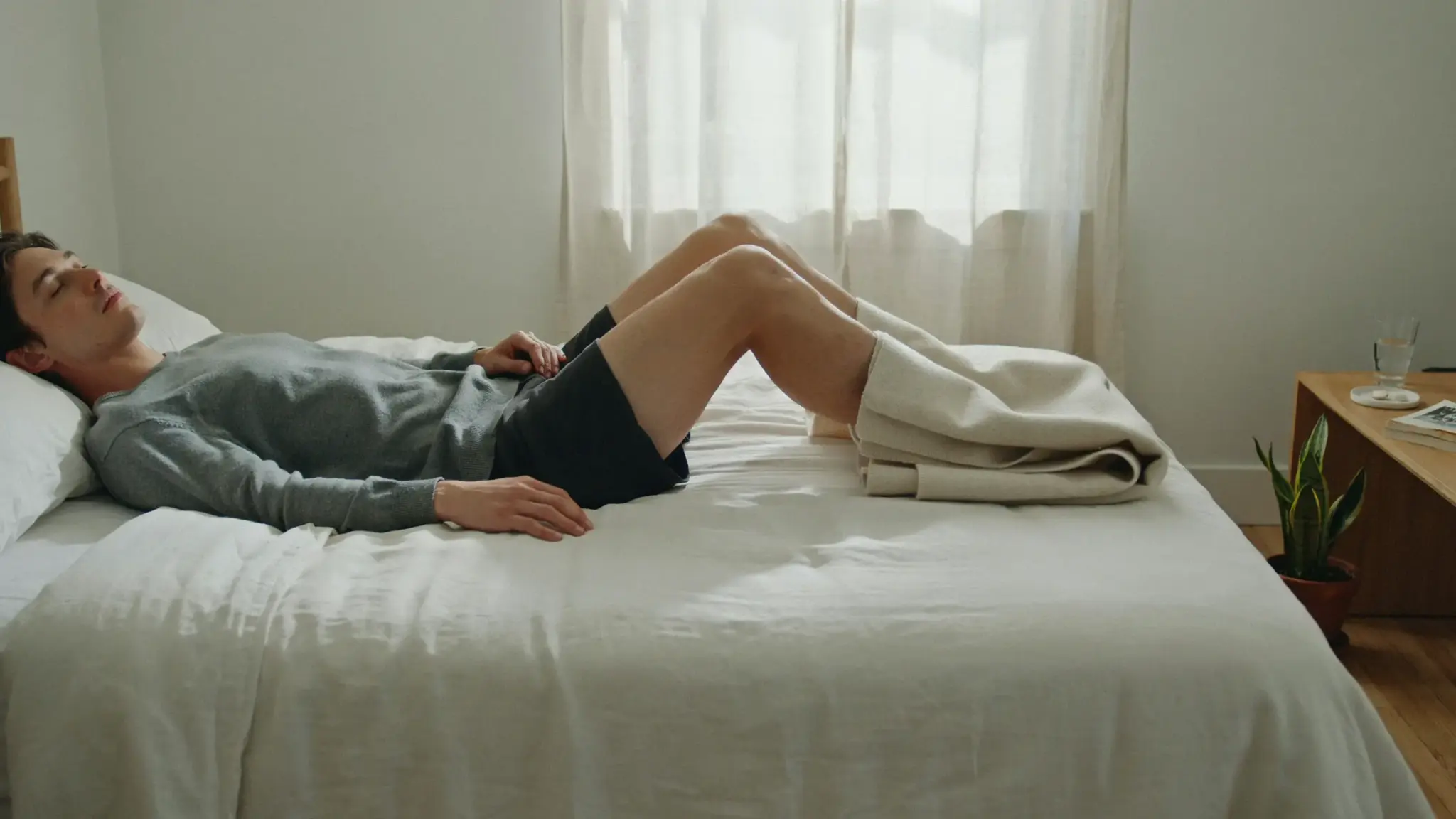
Elevating your legs slightly while lying on your back can help reduce swelling around the knee. Placing a pillow or a folded blanket under both calves lifts the legs just enough to encourage fluid drainage.
This position works especially well on days when your knee feels puffy or particularly tender after a long workout or walk.
5. Reclined or Adjustable Bed Position

If you have an adjustable bed or a recliner, a slightly reclined position can take meaningful pressure off the hips and knees.
The incline shifts your body weight away from the outer leg and keeps the IT band in a more neutral, relaxed state. Even a small change in angle can make falling and staying asleep noticeably easier.
Best Sleeping Position Comparison for IT Band Pain Relief
Not every position works the same way for every person. This comparison breaks it down so you can find the best fit for your situation.
| Sleeping Position | Pressure Relief | Best For |
|---|---|---|
| Back Sleeping | Highest | Most people with IT band pain |
| Side Sleeping (unaffected side) | Moderate | Those who cannot sleep on their back |
| Modified Fetal Position | Moderate | People with hip strain alongside IT band pain |
| Elevated Leg Position | High | Swelling and post-workout tenderness |
| Reclined or Adjustable Bed | High | Severe pain or difficulty finding a comfortable flat |
The right position depends on your pain level and what your body naturally tolerates best at night.
Common Sleeping Mistakes That Make IT Band Pain Worse
Even with the best intentions, a few common habits can undo any relief you are trying to get at night. Here are the mistakes worth avoiding.
- Sleeping on the affected side keeps the IT band compressed against the outer knee and hip for hours.
- Pillows that are too soft collapse quickly and lose the alignment support your hips and knees need overnight.
- Twisting into a rolled position misaligns the pelvis and stretches the IT band unevenly, often worsening pain by morning.
- A mattress that is too soft lets your hips sink too deep, pulling the outer leg out of alignment.
- Letting your knees fall inward or outward without support is an easy way to aggravate the IT band overnight.
- Skipping a pre-sleep routine leaves your muscles already tight, making nighttime discomfort harder to manage.
Small adjustments to these habits can make a bigger difference than most people expect.
What NOT to Do at Night with IT Band Pain
A few habits can quietly set your recovery back even when you are resting. Knowing what to avoid matters just as much as knowing what to do.
Do not ice the area right before bed. Cold therapy close to sleep can stiffen the tissue and make the IT band feel tighter by morning. Save icing for right after the activity instead.
Avoid sleeping without any pillow support. Even one night of lying flat with no support puts the outer knee under hours of uneven pressure and slows recovery.
Do not stretch aggressively before bed. Forceful stretching on an already irritated IT band makes things worse, not better. Keep any pre-sleep stretching slow, short, and gentle.
Skip late-night intense workouts. Exercising hard close to bedtime spikes inflammation right before you lie down, leaving your body dealing with peak soreness during the hours it needs to recover most.
Best Pre-Bed Routine for IT Band Pain Relief
A simple pre-bed routine can make a real difference in how much pain you feel overnight. Here is what works.
Gentle Stretching

Spending five to ten minutes stretching before bed helps release tension that has built up in the IT band and surrounding muscles throughout the day. Focus on the outer hip, glute, and thigh area.
You do not need an intense routine. Even a few slow, held stretches can noticeably reduce the tightness that makes nighttime discomfort so hard to sleep through.
Warm Shower or Heat Therapy

A warm shower or a heat pack applied to the outer knee and hip before bed helps loosen tight tissue and improve blood flow to the area.
Heat is especially useful when the IT band feels stiff rather than acutely inflamed. Keep it on for ten to fifteen minutes and let the warmth do the work before you lie down.
Foam Rolling

Foam rolling the outer thigh and glute area before bed can help release built-up tension along the IT band. Roll slowly and pause on any tight spots rather than rushing through them.
If the area feels too sensitive, skip the IT band itself and focus on the surrounding muscles, such as the glutes and quads.
Relaxation and Muscle Tension Release

Stress and tension keep your muscles in a guarded, contracted state even at night. Taking a few minutes to breathe deeply, do a body scan, or simply lie still before sleep helps your nervous system shift into recovery mode.
When your body is fully relaxed, your muscles release more easily, and the IT band experiences significantly less overnight tension.
Best Mattress and Pillow Setup for IT Band Pain
The right bed setup supports your sleeping position and keeps the IT band from taking on extra stress overnight.
| Setup Element | What to Use | Why It Helps |
|---|---|---|
| Mattress firmness | Medium-firm | Keeps hips level and prevents the outer leg from falling out of alignment |
| Mattress brands | Casper, Purple, Brooklyn Bedding, Texas Mattress Makers | Medium-firm and customizable options built around pressure relief |
| Back sleeper pillow | One firm pillow under both knees | Reduces IT band tension and holds legs in a neutral position |
| Side sleeper pillow | Firm pillow between the knees | Stops the top leg from dropping inward and rotating the hip |
| Pillow type | Firm memory foam or contoured knee pillow | Holds shape through the night, so alignment support does not collapse |
| Swelling relief | Wedge pillow under the calves | Lifts legs slightly to encourage drainage and reduce morning puffiness |
Small changes to your bed setup can be the difference between waking up with less pain and waking up worse than when you went to sleep.
Treatment Options for IT Band Syndrome
Most cases of IT band syndrome respond well to simple, consistent care. Acting early before inflammation builds is what makes the biggest difference.
Rest and activity modification come first. Cutting back on what triggered the pain gives the irritated tissue time to calm down.
Physical therapy is one of the most effective long-term solutions. A therapist will target the muscles around the IT band, correct movement patterns, and reduce load on the outer knee.
Applying ice to the outer knee for 15 to 20 minutes after activity helps reduce swelling quickly. Over-the-counter anti-inflammatory medications can also help during flare-ups, especially for ongoing IT band pain.
In persistent cases, a doctor may recommend corticosteroid injections. Surgery is rarely needed but stays on the table when nothing else has worked.
Exercises and Stretches That Support Recovery
The right exercises take real pressure off the IT band over time. Here are the moves worth adding to your routine.
Hip Strengthening Exercises
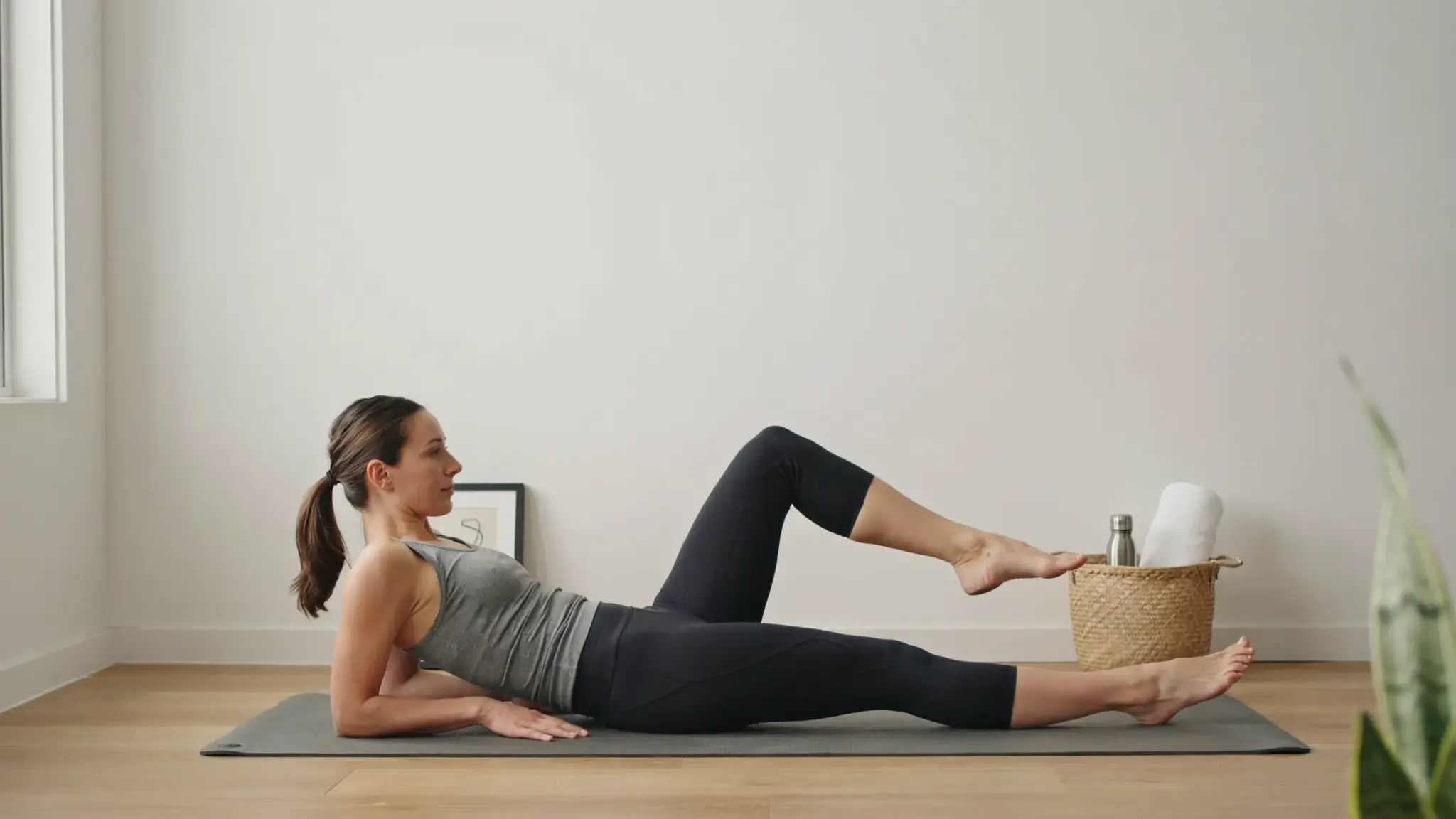
Weak hips are one of the biggest contributors to IT band problems, so strengthening them is a core part of recovery. Side-lying leg raises, clamshells, and lateral band walks are all solid options.
These exercises target the hip abductors directly, helping them carry more of the load so the IT band does not have to work as hard during movement.
Glute Activation Work
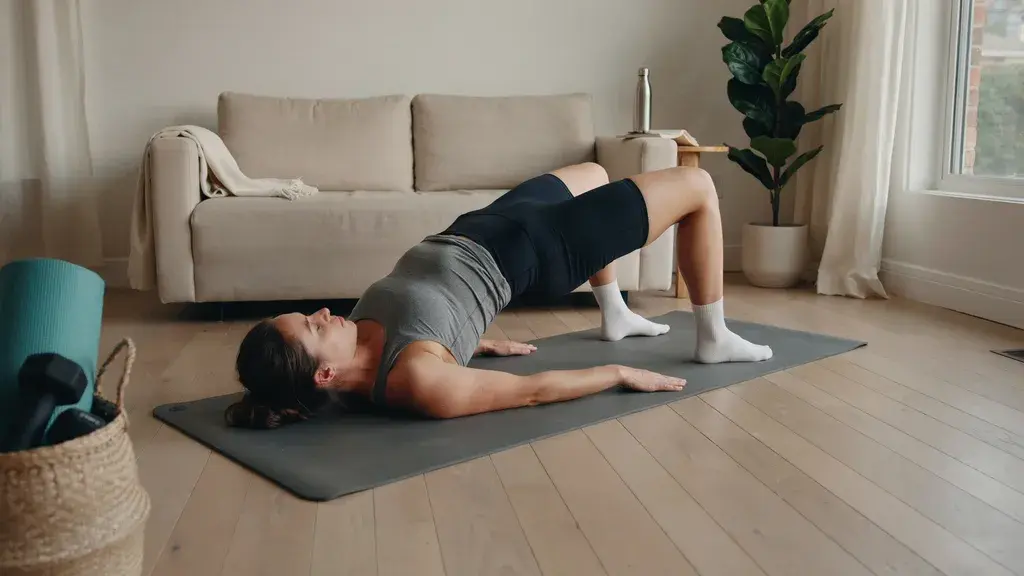
When the glutes are underactive, the IT band compensates, taking on stress it was never meant to handle. Exercises like glute bridges, single-leg deadlifts, and donkey kicks help wake these muscles up and get them working.
Even a few minutes of focused glute work each day can make a noticeable difference in how the outer knee feels.
IT Band Friendly Mobility Drills

Mobility work keeps the hips and surrounding joints moving freely, reducing the tension that transfers to the IT band.
Hip circles, lateral lunges, and controlled leg swings are gentle enough to do during recovery without aggravating the area. The goal is to maintain range of motion and prevent the stiffness that makes the IT band pull tighter over time.
Stretching Surrounding Muscle Groups

Stretching the muscles around the IT band is just as important as strengthening them. The hip flexors, quads, hamstrings, and glutes all attach near the IT band and influence how much tension it carries.
Holding each stretch for thirty seconds and repeating two to three times gives the tissue enough time to release and gradually reduce the load on the outer leg.
How to Prevent IT Band Pain From Coming Back
Getting rid of IT band pain is one thing. Making sure it does not return is another. These habits make the difference.
- Always warm up before activity and cool down after. Skipping either leaves the IT band stiff and unprepared.
- Work on your running form. Small issues like heel striking or knee caving add strain with every single step.
- Replace worn-out footwear regularly. Old shoes lose support and change how force travels up through your leg.
- Strengthen your hips and core consistently. These muscles absorb the load that would otherwise fall directly on the IT band.
- Build mileage and intensity gradually. Sudden spikes in training volume are a common cause of IT band pain returning.
- Avoid heavily uneven or cambered surfaces. These terrains force the leg into awkward angles that wear the IT band down fast.
Stay consistent with these habits, and the chances of IT band pain coming back drop significantly.
When to See a Doctor for IT Band Pain
Most IT band pain improves with rest and a few simple adjustments. But there are times when professional input becomes necessary.
If the pain has been lingering for more than a few weeks without improvement, it is worth getting checked. Pushing through without guidance can make things worse.
Severe or worsening knee pain that affects your ability to walk or bear weight normally should not be ignored. That level of discomfort needs to be properly assessed.
Visible swelling, limited mobility, or pain that consistently disrupts your sleep are all signs the condition is not resolving on its own.
A doctor can confirm the diagnosis, rule out other causes, and put together a plan that actually fits your situation. The earlier you go, the faster you recover.
Conclusion
Managing IT band pain at night comes down to small but deliberate choices. The best sleeping position for IT band pain is one that keeps your hips aligned, takes pressure off the outer knee, and lets your body actually recover while you rest.
Pair that with a simple pre-bed routine, the right pillow setup, and consistent strengthening work during the day, and you give your body everything it needs to heal.
Start with one change tonight and see how your body responds. If the pain persists, reach out to a physical therapist or doctor who can guide you further.
Frequently Asked Questions
Can I Still Exercise with IT Band Pain?
Light activity, such as swimming, is generally fine, but running and other high-impact activities should be avoided until the pain settles.
How Long Does it Take for Band Syndrome to Heal?
Most people see improvement within four to eight weeks with consistent rest and treatment.
Does Stretching the IT Band Directly Actually Help?
The IT band does not stretch much, so focusing on surrounding muscles, such as the glutes and hip flexors, is far more effective.
Is IT Band Pain the Same as Runner’s Knee?
No. IT band pain sits on the outer knee, while runner’s knee causes pain around or behind the kneecap.