



If you have checked your sleep tracker and noticed “core sleep” and “deep sleep,” you may wonder what they mean and which one matters more.
Deep sleep is a specific sleep stage associated with physical recovery, memory consolidation, and feeling rested.
Core sleep is usually a broader term used by sleep-tracking devices to describe lighter, essential parts of your sleep cycle.
Both matter, but they do different jobs. Understanding the difference between core sleep vs deep sleep can help you read your sleep data more clearly and know when poor sleep may need closer attention.
| Feature | Core Sleep | Deep Sleep |
|---|---|---|
| Official sleep stage | No | Yes |
| Sleep depth | Light to moderate | Deepest non-REM stage |
| Main purpose | Supports overall sleep cycle | Physical recovery |
| Typical share | Around 50–60% | Around 15–25% |
| Tracked by wearables | Yes | Yes |
What is Core Sleep?
Core sleep is the initial phase of the sleep cycle and plays a critical role in preparing the body and mind for deeper restorative stages.
It includes lighter non-REM sleep stages (Stages 1 and 2), during which the body gradually relaxes and transitions from wakefulness to a more restful state.
While core sleep isn’t as restorative as deep sleep, it is still essential for energy restoration and mental relaxation.
During this phase, the body begins to restore energy levels, regulate hormones, and prepare for deeper stages of sleep, including muscle repair and cognitive processing.
Core sleep provides a solid foundation for rest that helps you function throughout the day, though the most intense recovery occurs during deep sleep.
What is Deep Sleep?
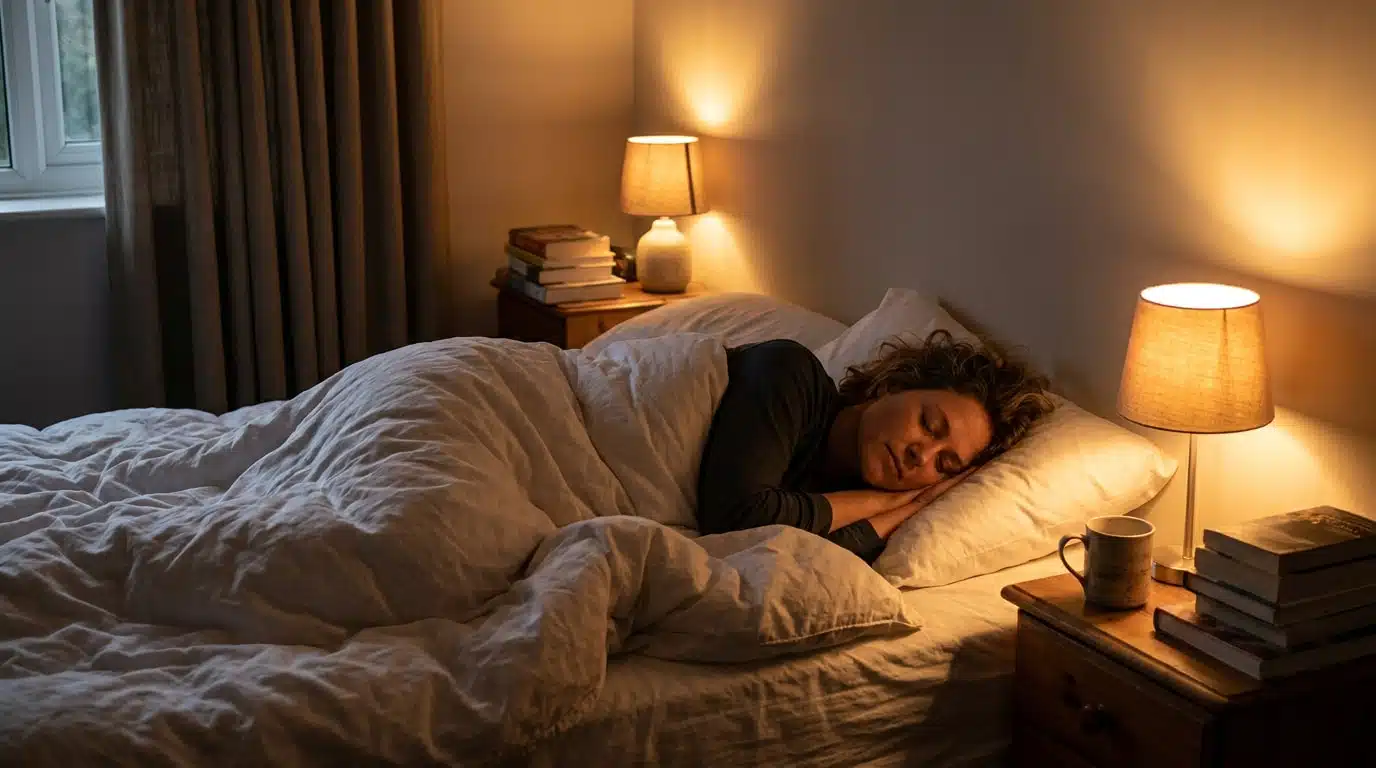
Deep sleep, also known as slow-wave sleep, is the most restorative and rejuvenating phase of the sleep cycle.
During deep sleep, the body focuses on extensive physical recovery, including muscle repair, tissue regeneration, and the release of growth hormones.
It is also the stage where the immune system strengthens, enhancing the body’s ability to fight infections.
Beyond physical recovery, deep sleep plays a key role in mental restoration, as the brain consolidates memories, processes emotions, and enhances cognitive functions.
Deep sleep is usually more concentrated in the first half of the night, while REM sleep tends to be longer later in the night.
Key Differences and Functions
When you think about core sleep vs deep sleep, you might assume they’re the same. They’re not. Core sleep refers to the lighter phases of sleep, while deep sleep provides the most restorative benefits.
| Aspect | Core Sleep | Deep Sleep |
|---|---|---|
| Stage | Lighter stages of non-REM sleep (Stages 1 & 2) | Deepest stage of non-REM sleep (Stage 3) |
| Primary Function | Energy restoration, mental relaxation, and body preparation | Physical repair, muscle recovery, and memory consolidation |
| Duration | The first few hours of sleep, typically 50–60% of total sleep | Makes up about 15–25% of total sleep |
| Physical Benefits | Starts the body’s restorative processes | Muscle repair, tissue regeneration, and immune support |
| Mental Benefits | Provides mental relaxation and reduces stress | Enhances learning, memory consolidation, and cognitive processing |
| Role in Sleep Cycle | Initial phase, preparing for deeper sleep | The most restorative stage, where recovery is most intense |
Core sleep helps prepare your body and mind, while deep sleep is where real recovery happens. Both are essential for optimal health, so be sure to prioritize both stages for better rest and recovery.
Do You Need Both Core Sleep and Deep Sleep?
Both core sleep and deep sleep are important. Deep sleep is more restorative, focusing on muscle repair and memory consolidation. However, core sleep, which makes up a large part of the night, is essential too.
It helps the body transition smoothly through sleep cycles, laying the foundation for deeper recovery. Without adequate core sleep, your body may struggle to enter the deeper stages needed for full restoration.
So, while deep sleep is vital for recovery, core sleep is crucial to the overall sleep process.
Where Does REM Sleep Fit In?
REM sleep is another key part of the sleep cycle, but it differs from both core and deep sleep. REM stands for rapid eye movement, and this stage is most closely linked with dreaming, emotional processing, learning, and memory.
Deep sleep usually happens more in the first half of the night, while REM sleep tends to last longer in the second half.
Core sleep, depending on your sleep tracker, usually refers to lighter sleep stages that help your body move through the full sleep cycle.
So, core sleep helps keep your sleep cycle steady, deep sleep supports physical recovery, and REM sleep supports brain and emotional health. You need all three for good-quality rest.
Signs You’re Not Getting Enough Core Sleep or Deep Sleep
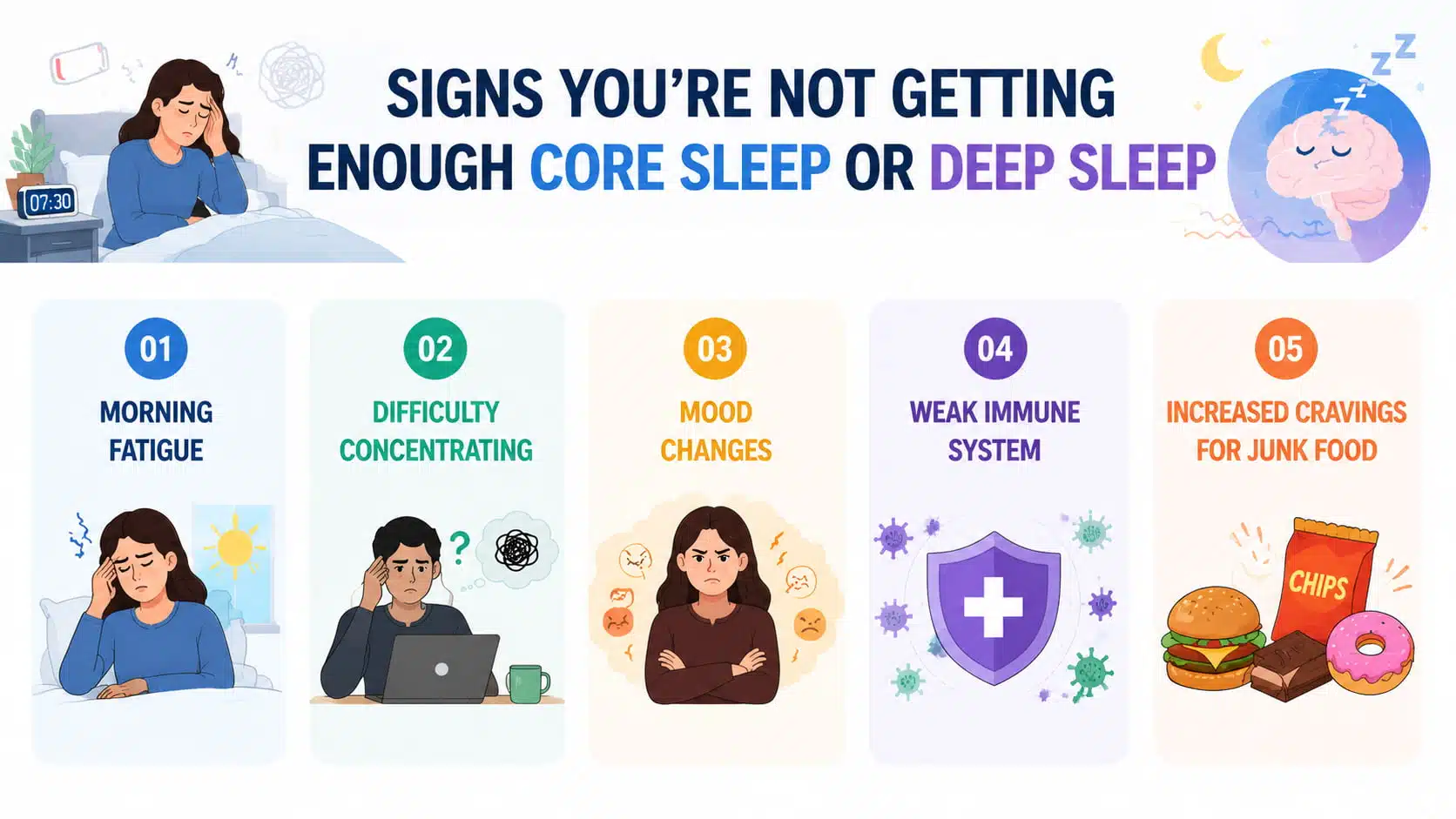
Not getting enough deep sleep can affect your daily life. Recognizing the signs early helps you prioritize better sleep.
- Morning Fatigue: You wake up feeling tired, despite having spent a full night in bed. Waking up with frequent headaches alongside fatigue is worth paying attention to, as the cause might be sleep apnea.
- Difficulty Concentrating: Lack of deep sleep can make it hard to focus during the day. You may struggle to complete tasks or remember important details.
- Mood Changes: Insufficient deep sleep often leads to irritability, anxiety, or stress. Your emotional regulation can be impaired, making you more prone to mood swings.
- Weak Immune System: Frequent colds or illnesses may indicate that your immune system isn’t functioning at its best due to insufficient deep sleep.
- Increased Cravings for Junk Food: Without deep sleep, your body craves sugary and high-calorie foods, which can disrupt your eating habits and lead to weight gain.
Recognizing the signs of insufficient deep sleep helps you take action to improve sleep quality and boost overall well-being.
Why Does My Apple Watch Show Core Sleep?
Your Apple Watch shows core sleep because it groups part of your night into sleep stages, including awake time, REM sleep, core sleep, and deep sleep.
Wearables estimate sleep stages by tracking signals like movement, heart rate, and breathing patterns.
They can be useful for spotting sleep trends, but they are not as accurate as a clinical sleep study.
So, if your Apple Watch says you got more core sleep than deep sleep, that is usually normal. Most adults spend more time in lighter sleep than in deep sleep.
Use the data as a guide, but also pay attention to how rested you feel in the morning.
How Much Core Sleep and Deep Sleep Do You Need?
Deep sleep is crucial for recovery, but how much do you actually need? The amount of core and deep sleep varies by age, lifestyle, and health. Understanding your body’s sleep needs can help improve sleep quality and overall well-being.
| Group | Core Sleep | Deep Sleep |
|---|---|---|
| Adults | About 50-60% of total sleep | 1.5–2 hours (15-25% of total sleep) |
| Older Adults | Decreases with age | May decrease and become less restorative |
| Children/Teens | 50-60% of total sleep | 2-3 hours to support growth and development |
Getting the right amount of core and deep sleep is key to physical and mental recovery. Adjusting your sleep habits to your age can optimize sleep and boost overall well-being.
Common Reasons You’re Not Getting Enough Deep Sleep
Deep sleep is essential for recovery, but several factors can interfere with achieving it. Identifying the reasons you’re not getting enough deep sleep can help you take action to improve rest.
- Stress and Anxiety: Chronic stress or anxiety can prevent you from relaxing enough to enter deep sleep. These mental health issues activate the body’s stress response, keeping you in lighter sleep stages.
- Poor Sleep Hygiene: Irregular sleep schedules, screen time before bed, and uncomfortable sleep environments can disrupt your ability to enter deep sleep. Following a sleep hygiene checklist can help you identify habits that are silently cutting into your deep sleep time.
- Sleep Disorders: Conditions like sleep apnea or insomnia prevent you from reaching deep sleep stages. Sleep apnea, in particular, causes breathing interruptions that disrupt deep sleep, leading to poor rest.
- Caffeine and Alcohol Consumption: Caffeine, especially later in the day, can keep you awake and prevent deep sleep. Alcohol, although it may initially make you feel sleepy, reduces the amount of time spent in deep sleep.
- Lack of Physical Activity: Inactivity can make it harder for your body to reach deep sleep. Regular exercise promotes deeper and more restorative sleep, but avoid intense workouts right before bed.
Identifying the factors that disrupt your deep sleep is the first step to improving it. By making the necessary changes, you can enjoy more restorative sleep and better overall health.
When to See a Sleep Specialist If you’re consistently struggling to get quality sleep, it might be time to consider seeing a sleep specialist. Chronic sleep issues, such as difficulty falling asleep, staying asleep, or experiencing symptoms of sleep disorders. If you notice persistent fatigue, irritability, difficulty concentrating, or worsening mood, it’s a clear sign that your sleep isn’t fully restorative. Don’t wait until sleep issues start affecting your daily life; taking action early can help you regain your energy and overall well-being. |
Tips to Improve Your Core Sleep Quality
Improving your core sleep quality is crucial for overall rest and recovery. By making simple adjustments to your lifestyle and sleep habits, you can boost the restorative benefits of core sleep.
- Stick to a Consistent Sleep Schedule: Going to bed and waking up at the same time each day helps regulate your body’s internal clock, making it easier to enter the restorative stages of sleep.
- Create a Relaxing Bedtime Routine: Knowing how to wind down before bed helps your nervous system shift gears and ease into the lighter stages of core sleep. Engage in calming activities like reading, light stretching, or practicing relaxation techniques to help your body transition into sleep more smoothly.
- Limit Caffeine and Alcohol: Avoid consuming caffeine or alcohol close to bedtime. These can disrupt your sleep cycle, reducing the quality of your rest and the time spent in deeper sleep stages.
- Optimize Your Sleep Environment: Make sure your bedroom is conducive to sleep. Keep it cool, dark, and quiet, and invest in a comfortable mattress and pillows to support better sleep.
- Stay Active During the Day: Regular physical activity promotes deeper, more restorative sleep. However, try to avoid intense exercise right before bed, as it can make it harder to fall asleep.
By following these tips, you can significantly improve your core sleep quality. Prioritizing healthy habits and a consistent sleep schedule will help you get the rest your body and mind need.
Final Thoughts
Now you know the real story behind core sleep vs deep sleep: they’re teammates, not twins. Core sleep keeps your brain cycling through the night, while deep sleep does the heavy lifting for your body.
You can’t pick one over the other; you need both working together. Track your sleep, fix your habits, and stop guessing whether you’re actually resting.
Your energy levels tomorrow depend on what happens tonight. Ready to stop waking up tired? Start paying attention to the sleep stages that actually matter, not just the hours on your clock.
Track your deep sleep tonight and see the difference.
Frequently Asked Questions
How is Deep Sleep Different from Core Sleep?
Deep sleep is a specific, biologically measured stage of non‑REM sleep crucial for physical restoration. Core sleep is a broader concept referring to the overall block of essential sleep time that should include deep sleep.
What Happens if I’m Not Getting Enough Deep Sleep?
People who aren’t getting enough deep sleep often feel unrefreshed, may struggle with memory and focus, experience mood changes, and miss out on key restorative processes.
Can Tracking Devices Accurately Tell How Much Deep Sleep I Get?
Wearable devices offer estimates but aren’t as accurate as clinical sleep studies. They can show trends, but the focus should also be on how refreshed you feel.