


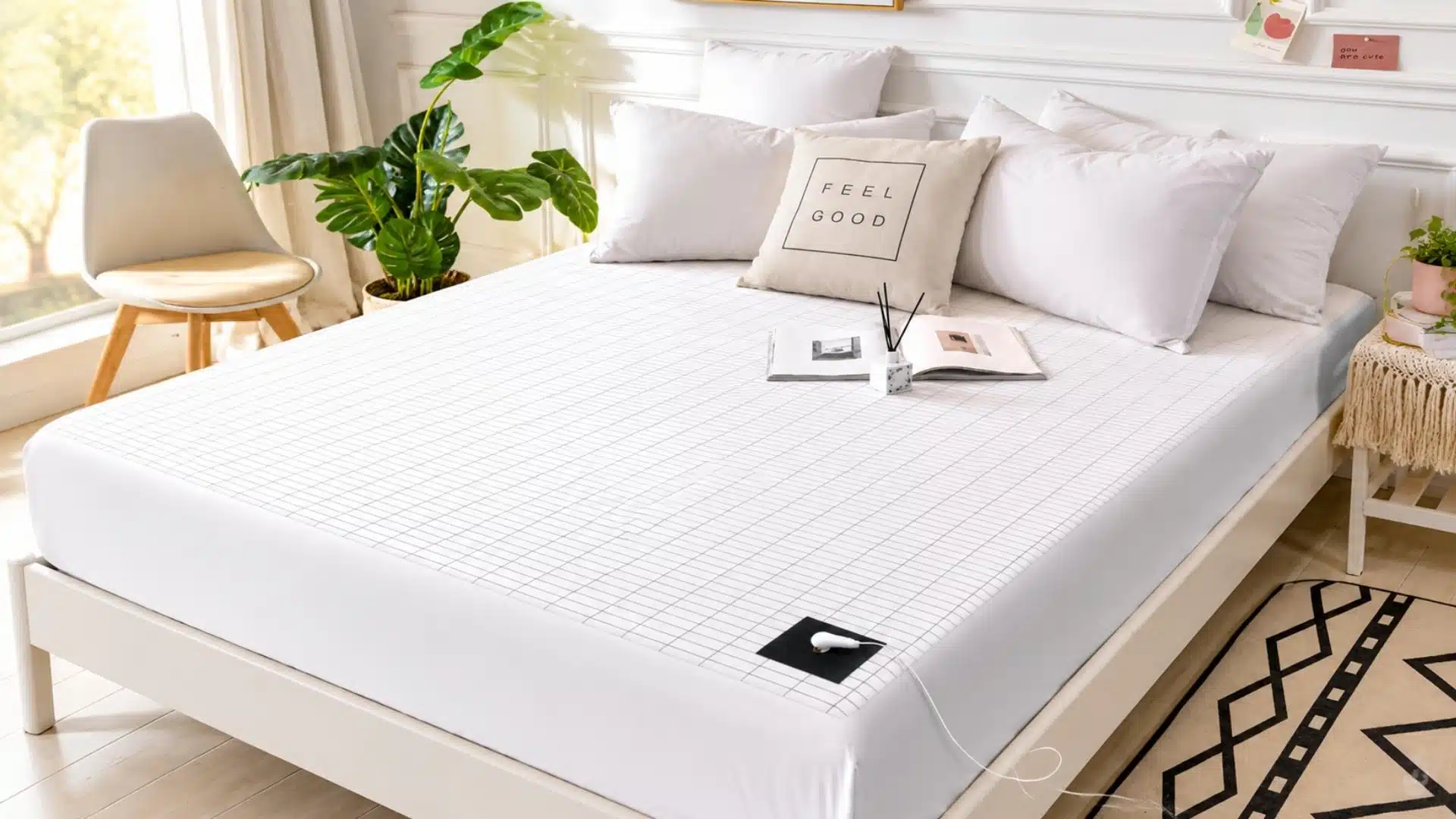
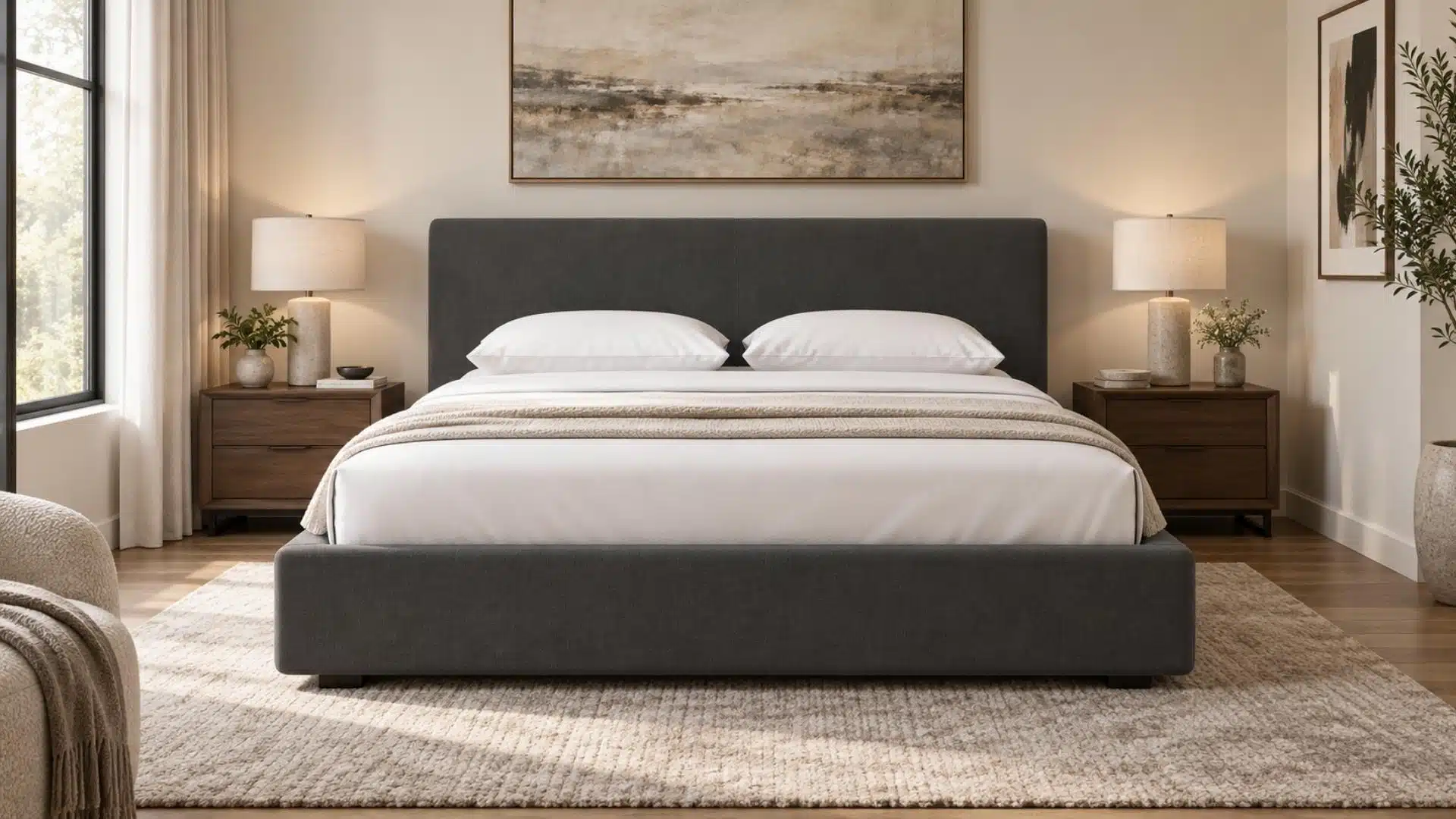

What is a coverlet? It’s one of those bedding terms that sounds fancy but leaves you scratching your head. You might’ve seen one draped across a hotel bed or folded at the foot of someone’s mattress.
Maybe you even own one and just call it a blanket, even though coverlets fall into their own blanket category. The thing is, a coverlet isn’t quite a quilt, and it’s not really a bedspread either.
Technically, a coverlet is a specific type of bedspread, just a lighter, shorter one that doesn’t reach the floor the way old-fashioned bedspreads do. It exists in its own lane, and once you figure out what it actually is, you’ll wonder why nobody explained it sooner.
What Is a Coverlet for a Bed?
A coverlet is a lightweight bed cover with no batting or filling inside, similar in weight to a light blanket, and considerably lighter than a quilt or comforter.
Most coverlets stop at the sides of your mattress or hang down just a few inches, so they don’t touch the floor as a bedspread does.
They’re usually quilted or woven, and you can use them alone during warmer months or layer them with other bedding when it gets cold. Simple as that.
What Is a Matelasse Coverlet?
Most high-quality coverlets are made using a weaving technique called matelasse (pronounced mat-lah-SAY). The word comes from French and means “to pad” or “to quilt.”
Despite the name, matelasse does not use any batting or stitching between layers. Instead, the quilted-looking texture is created entirely through the loom by interlocking multiple threads, producing a slightly raised, dimensional pattern.
The result is a fabric that looks like a quilt but is much lighter and more breathable. Matelasse coverlets are typically monochromatic, with the pattern showing up in texture and shadow rather than contrasting colors, which gives them a refined, hotel-quality appearance that works in almost any bedroom.
Not all coverlets are matelasse; some are quilted (two layers stitched together without batting), and others are woven in styles like cotton waffle or sateen. But matelasse is the most recognized and widely available style you’ll encounter when shopping.
What Is a Coverlet Bedding Used for?
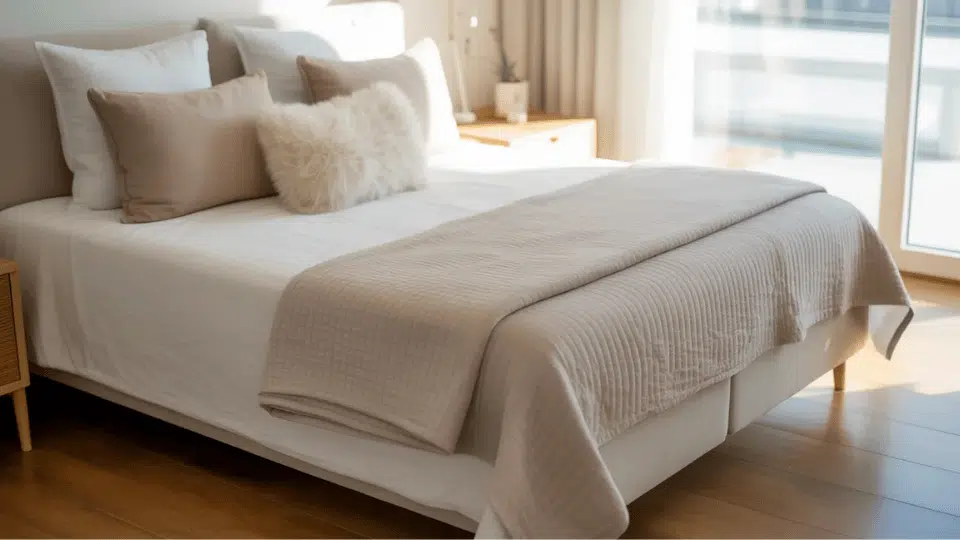
So what’s the actual point of a coverlet? Turns out, it does more than just sit there looking nice. You can use it in a bunch of different ways, depending on the season and how you like your bed set up.
- Lightweight warmth: Perfect for summer nights or for those who run hot while sleeping.
- Layering piece: Toss it over your sheets and under a duvet when winter hits.
- Decorative touch: Adds texture and color without the bulk of a comforter.
- Foot-of-bed accent: Fold it at the end for a hotel-style look that’s also practical.
Basically, coverlet bedding works however you need it to. It’s one of those things that adapts to your life instead of the other way around.
Coverlet vs Quilt vs Comforter vs Bedspread vs Duvet
Trying to tell these apart can feel like a guessing game. They all cover your bed, but they’re not the same thing. Let’s break down what makes each one different, so you know exactly what you’re buying. Two of the most commonly confused options are bedspreads and comforters, which differ in thickness and coverage.
| Bedding Type | Thickness | Coverage | Best For |
|---|---|---|---|
| Coverlet | Lightweight | Stops at mattress sides | Layering or warm weather |
| Quilt | Medium | Hangs slightly over the sides | Year-round use |
| Comforter | Thick and fluffy | Drapes over sides | Cold weather warmth |
| Bedspread | Thin to medium | Reaches the floor | Full bed coverage and decoration |
| Duvet | Very thick | Needs a cover | Maximum warmth with changeable style |
Now you can walk into a store and actually know what you’re looking at. No more standing there confused while someone tries to sell you something you don’t need.
How to Layer a Bed With a Coverlet: Styling Ideas
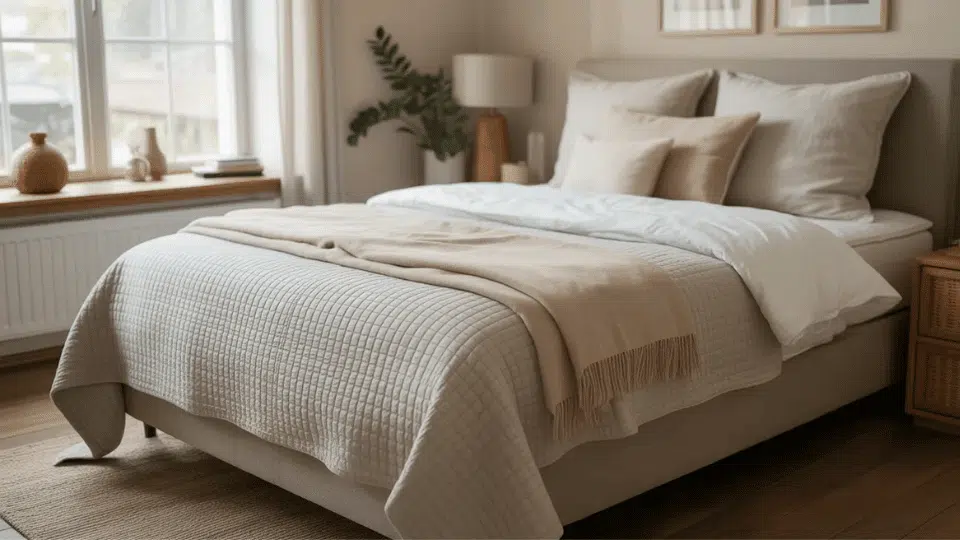
A coverlet for a bed can look a hundred different ways depending on how you set it up. You don’t need to be an interior designer to make it work. Just try a few of these ideas and see what feels right.
- Fold it at the foot: Classic hotel look that keeps things neat and gives you easy access at night.
- Layer it under your duvet: Let a bit of the coverlet peek out at the top for extra color and texture.
- Use it solo: Skip all the other layers during warmer months and just sleep under the coverlet.
- Drape it diagonally: Sounds weird, but it adds a relaxed vibe rather than making it look too stiff.
- Mix patterns: Pair a solid coverlet with patterned sheets, or flip it around.
Play with it until your bed looks like something you’d actually want to climb into. That’s really all styling is. And honestly, there’s no wrong way to do it as long as it works for you.
Pros and Cons of a Coverlet
Like anything else you put on your bed, a coverlet has its upsides and downsides. It’s not perfect for everyone, but it might be exactly what you need. Let’s look at both sides so you can decide.
| Pros | Cons |
|---|---|
| Lighter and easier to wash than comforters | Might not be warm enough for cold sleepers |
| Adds style without overwhelming your bed | Doesn’t cover the sides fully like a bedspread |
| Works great for layering with other bedding | Can slide off easier than tucked-in options |
| Good for people who overheat at night | Limited warmth on its own in winter |
| Takes up less space in your closet | Sometimes costs more than basic blankets |
At the end of the day, it depends on what you want from your bedding. A coverlet won’t solve every problem, but for many people, it hits the sweet spot.
How to Choose the Right Coverlet for Your Bedroom
Picking a coverlet isn’t rocket science, but a few things will help you avoid buyer’s remorse. Think about how you sleep, what your room looks like, and how much effort you want to put into laundry day.
- Check the size: Make sure it fits your mattress properly and hangs the way you want.
- Pick your fabric: Cotton breathes well, while synthetic blends might be easier to care for.
- Consider weight: Heavier ones add warmth, lighter ones keep you cool.
- Match your style: Go with colors and patterns that don’t clash with your existing sheets and walls.
- Read the care label: Some coverlets need dry cleaning, others you can toss in the wash.
Get these basics right, and you’ll end up with something you actually use instead of shoving it in a closet. Your bedroom should feel like yours, and the right coverlet helps make it feel that way.
Care and Maintenance Tips
You spent money on a coverlet, so you might as well make it last. Taking care of it isn’t complicated, but a few simple habits will keep it looking good longer.
- Always check the care tag first. Some need gentle cycles, others can handle regular washing.
- Wash in cold water. Hot water can shrink fabric and fade colors faster.
- Skip the fabric softener. It can break down the fibers and make quilted coverlets look flat.
- Dry on low heat or air dry. High heat can wear out the material and cause pilling.
- Shake it out after washing. This helps it keep its shape and fluff.
- Rotate it occasionally. Flip it around on your bed so one spot doesn’t wear out faster than the rest.
Treat it right, and your coverlet will stick around for years. Plus, you won’t have to go shopping for a replacement anytime soon.
The Bottom Line
Now you know what a coverlet is and how it fits into your bedroom setup. It’s no longer some mystery bedding item. You’ve got the facts on how it compares to other options, how to pick one that works for you, and how to keep it in good shape.
A lightweight coverlet for a bed can be exactly what you need if you want something that’s not too heavy but still pulls your room together.
So go ahead and give one a try. Your bed could probably use the upgrade, and you’ll actually understand what you’re buying this time.
Frequently Asked Questions
Can You Use a Coverlet as a Bedspread?
Yes, but it may not cover the whole bed like a bedspread. A coverlet is usually shorter and gives a cleaner, lighter look.
What Is a Divorce Blanket?
A divorce blanket means each person uses their own blanket on the same bed. It helps stop blanket pulling and keeps both sleepers comfortable.
Can You Sleep with Just a Coverlet?
Yes, especially in warm weather. In colder months, you may need another blanket for extra warmth.