


Spotting a flea crawling through pet fur or hopping across a bedsheet can trigger an instant reaction; squash it immediately. It feels like the quickest way to stop the problem.
Squishing a flea can kill it, but it does not address the hidden eggs, larvae, and pupae that cause infestations. Fleas are small and laterally flattened, making them harder to crush by hand than expected.
Killing one with your fingers does little to stop the larger infestation hiding in carpets, bedding, furniture, and pet resting areas.
A smarter approach focuses on effective flea control methods that target both visible pests and their hidden life cycle. That is the difference between a temporary fix and long-term relief.
Why People Try to Squish Fleas
Most people try to squish fleas because it seems immediate. Fleas are tiny, irritating, and difficult to catch. The moment one appears, instinct takes over.
A quick squeeze feels practical, especially when there is no time to grab tools or treatments. However, fleas are not like ants or flies.
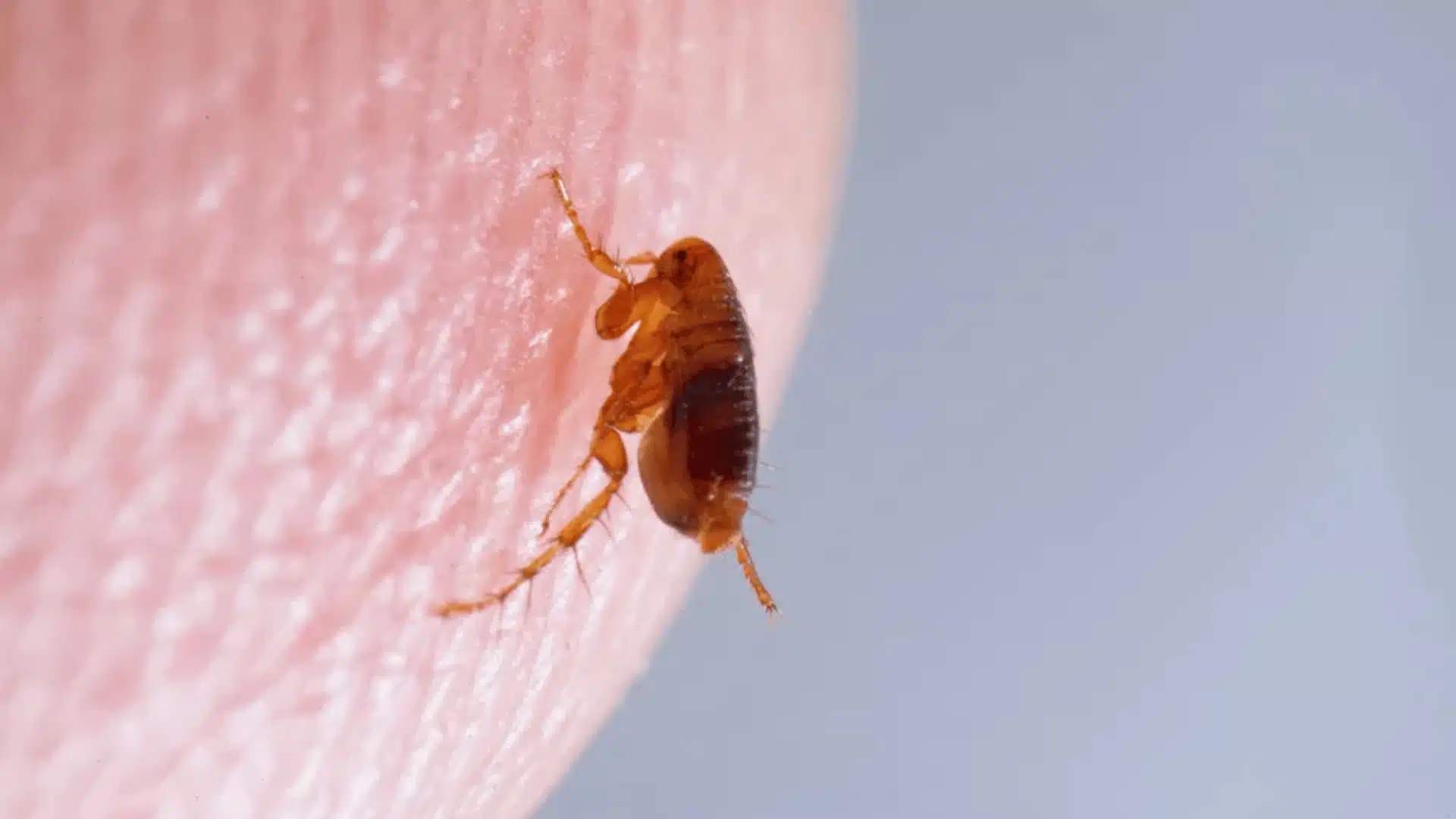
Their bodies are designed for survival. They have a tough outer shell and a narrow shape, making them easy to miss or escape.
Even with strong pressure, some fleas can slip away alive, making this method unreliable from the start.
Why Squishing Fleas Is a Bad Idea
Squishing fleas may feel effective, but it does not solve the underlying infestation. Their structure and life cycle make this approach inefficient and unhygienic.
1. Fleas Have Tough, Flattened Bodies
Fleas are laterally compressed, meaning their bodies are flattened from side to side. This helps them move easily through fur and makes them harder to kill by pressure alone. Fleas can be difficult to crush without a firm surface, making this method unreliable.
2. It Is Messy and Unsanitary
Squishing a flea by hand is not clean. Fleas feed on blood, and crushing them can leave residue on your skin, sheets, furniture, or your pet’s coat. This can be messy and unpleasant, especially on bedding or furniture.
3. One Flea Rarely Means One Flea
The biggest issue with squishing fleas is that it treats the symptom rather than the infestation.
Adult fleas are only one stage of the flea life cycle. Eggs, larvae, and pupae can stay hidden in carpets, pet bedding, mattress seams, rugs, and upholstery.
Even after killing one or two visible fleas, more may still be developing out of sight. This becomes even more important in sleeping areas, where flea eggs can easily go unnoticed on fabric surfaces.
Spotting those early warning signs on sheets and bedding can make cleanup much easier before the infestation spreads further.
Better Ways to Kill Fleas Effectively
Killing fleas effectively requires more than quick reactions. The right methods target active fleas, hidden eggs, and areas where infestations develop.
1. Use a Flea Comb and Soapy Water
A flea comb is one of the safest and most practical tools for removing adult fleas from pets. The fine teeth catch fleas, flea dirt, and debris close to the skin.
After each pass, dip the comb into hot soapy water to kill the fleas instantly and prevent them from escaping.
This method works well for mild infestations and for checking areas like the neck, tail base, and belly.
2. Choose Vet-Approved Pet Flea Treatments
For long-term control, pet-safe flea treatments are essential. Spot-on treatments, oral medications, flea shampoos, and preventive products kill fleas more effectively than manual methods.
The right choice depends on the animal’s age, weight, and health, so professional guidance is recommended.
3. Vacuum Thoroughly and Often
Vacuuming is one of the most effective ways to reduce fleas indoors. It removes adults, eggs, larvae, and debris that support their growth. Focus on carpets, furniture, mattress edges, baseboards, and pet resting areas.
4. Wash Bedding and Fabrics in Hot Water
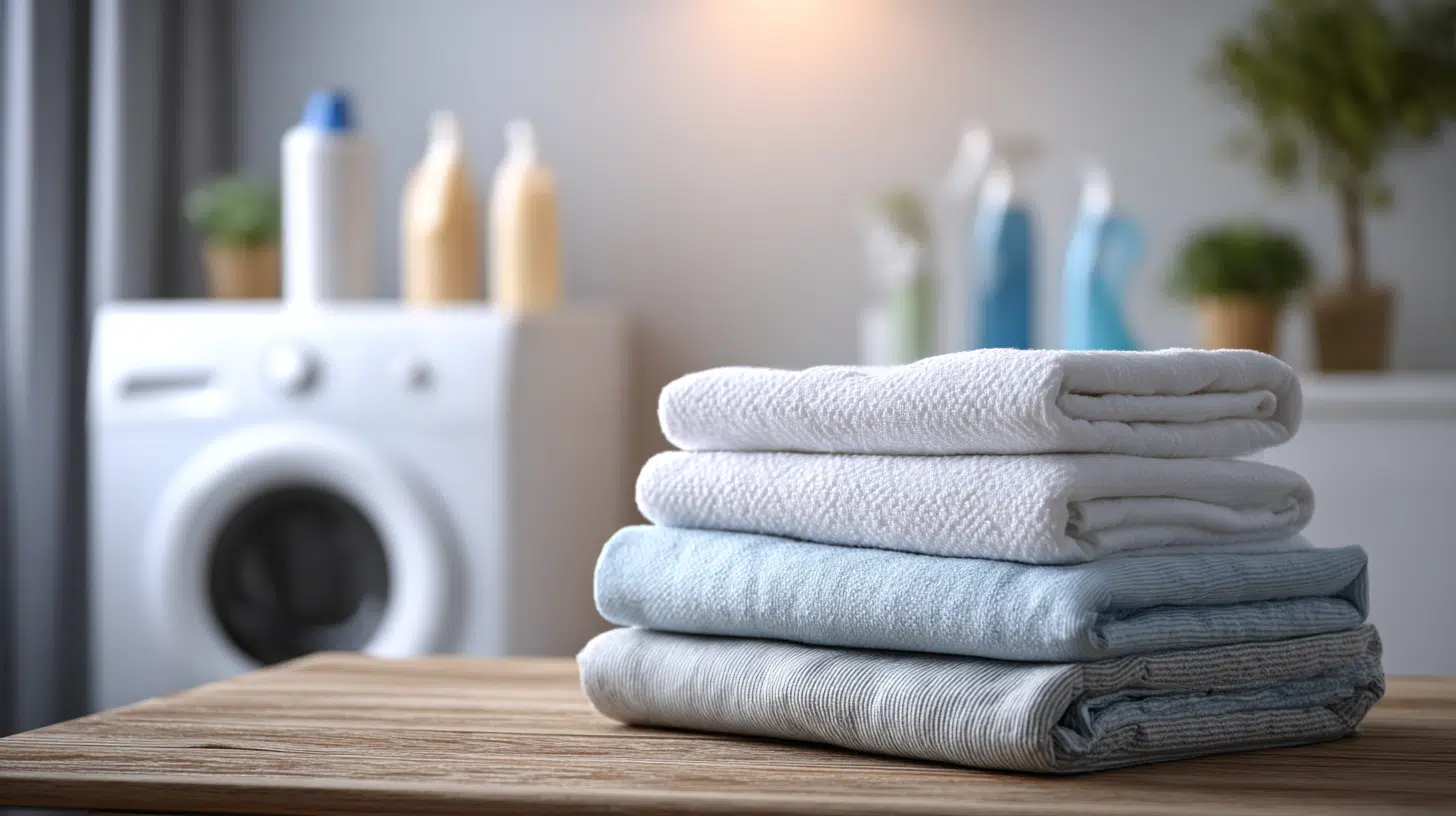
Heat is highly effective against fleas and their eggs. Wash pet bedding, blankets, bed sheets, and cushion covers regularly. Dry items on a hot cycle when possible to ensure fleas are destroyed.
5. Use Targeted Indoor Flea Treatments
Flea sprays and indoor treatments help when cleaning alone is not enough. These products reach areas that are difficult to clean manually and can reduce flea populations quickly when used correctly.
Natural Support Methods That Help
Natural methods can support flea control, especially when combined with proper cleaning and treatment.
- Steam cleaning helps treat carpets and upholstery where fleas may hide.
- Soapy water traps can catch a few adult fleas.
- Frequent cleaning makes the home less suitable for flea development.
Certain scents may help discourage fleas on fabrics and surfaces. Using the right smells as part of a broader flea routine can add another layer of support around the home.
How to Prevent Fleas From Coming Back
Prevention is key to stopping a small problem from turning into a recurring infestation.
- Use regular flea prevention treatments for pets.
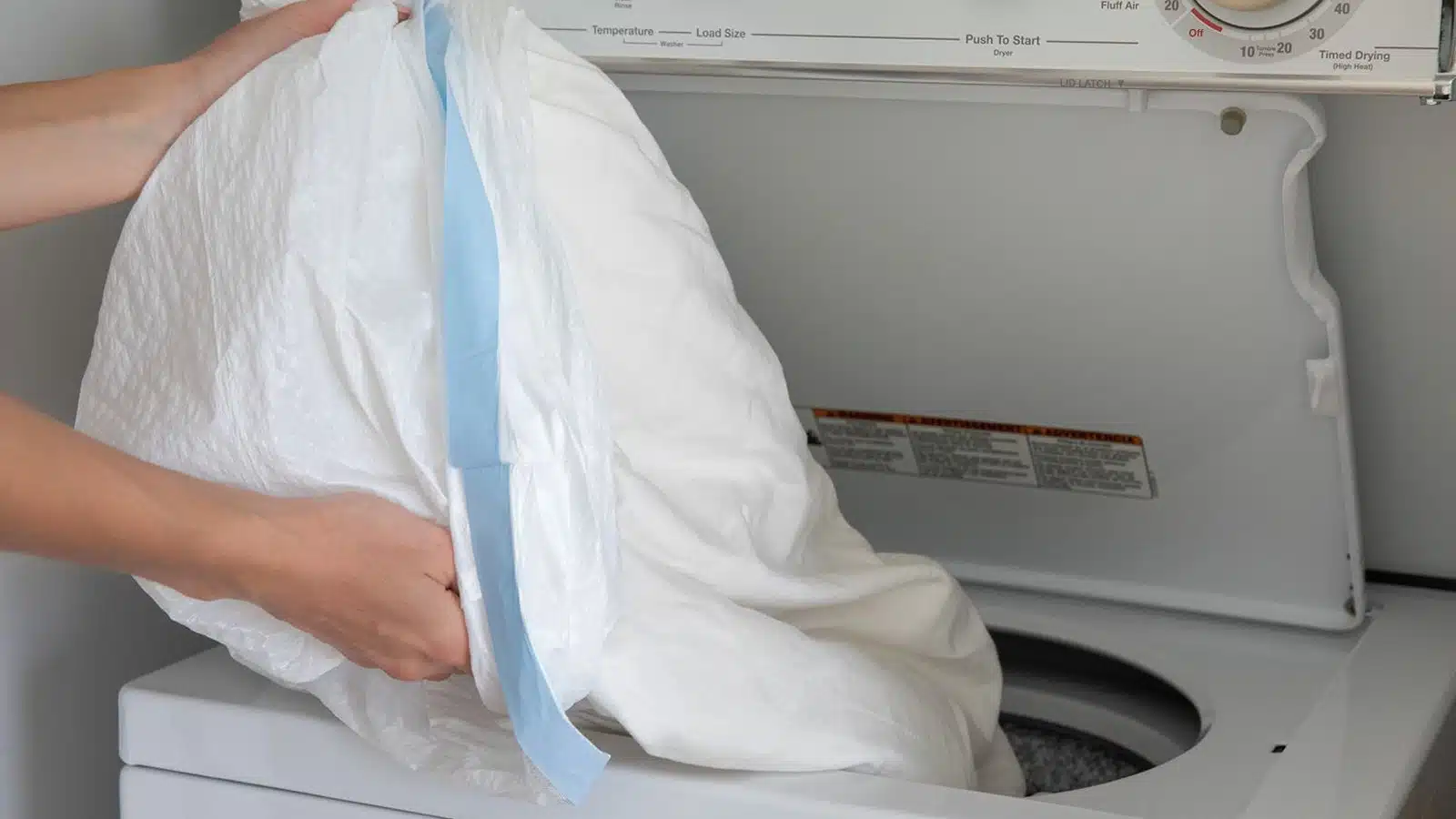
- Wash bedding frequently to remove fleas and eggs.
- Vacuum consistently, especially in high-risk areas.
- Inspect pets after outdoor activity or contact with other animals.
- Maintain the yard by trimming overgrowth and removing debris.
Consistent prevention and cleaning are essential to keep fleas at bay, ensuring a healthier home and happier pets.
Final Thoughts
Squishing fleas may feel like a quick solution, but it is unreliable, unsanitary, and ineffective against the real source of the problem.
Flea control works best when it targets the entire life cycle through cleaning, treatment, and prevention.
Using the right methods not only eliminates fleas more effectively but also helps keep your home and pets protected in the long run.