


Have you ever touched a fabric that felt like silk but was as durable as cotton? You’ve probably encountered modal fabric without even knowing it.
This semi-synthetic textile has quietly taken over closets and bedrooms worldwide, becoming the secret ingredient in your favorite underwear, softest t-shirts, and most comfortable bedsheets.
Modal fabric combines the luxury feel of natural fibers with the practicality of modern manufacturing.
From eco-conscious fashion brands to premium bedding companies, everyone’s talking about this beech tree-based material.
But what exactly makes modal fabric so special, and why are consumers choosing it over traditional cotton?
Let’s go through the enthralling world of modal and see why it might be the perfect fabric choice for your lifestyle
What Is Modal Fabric and How It’s Made
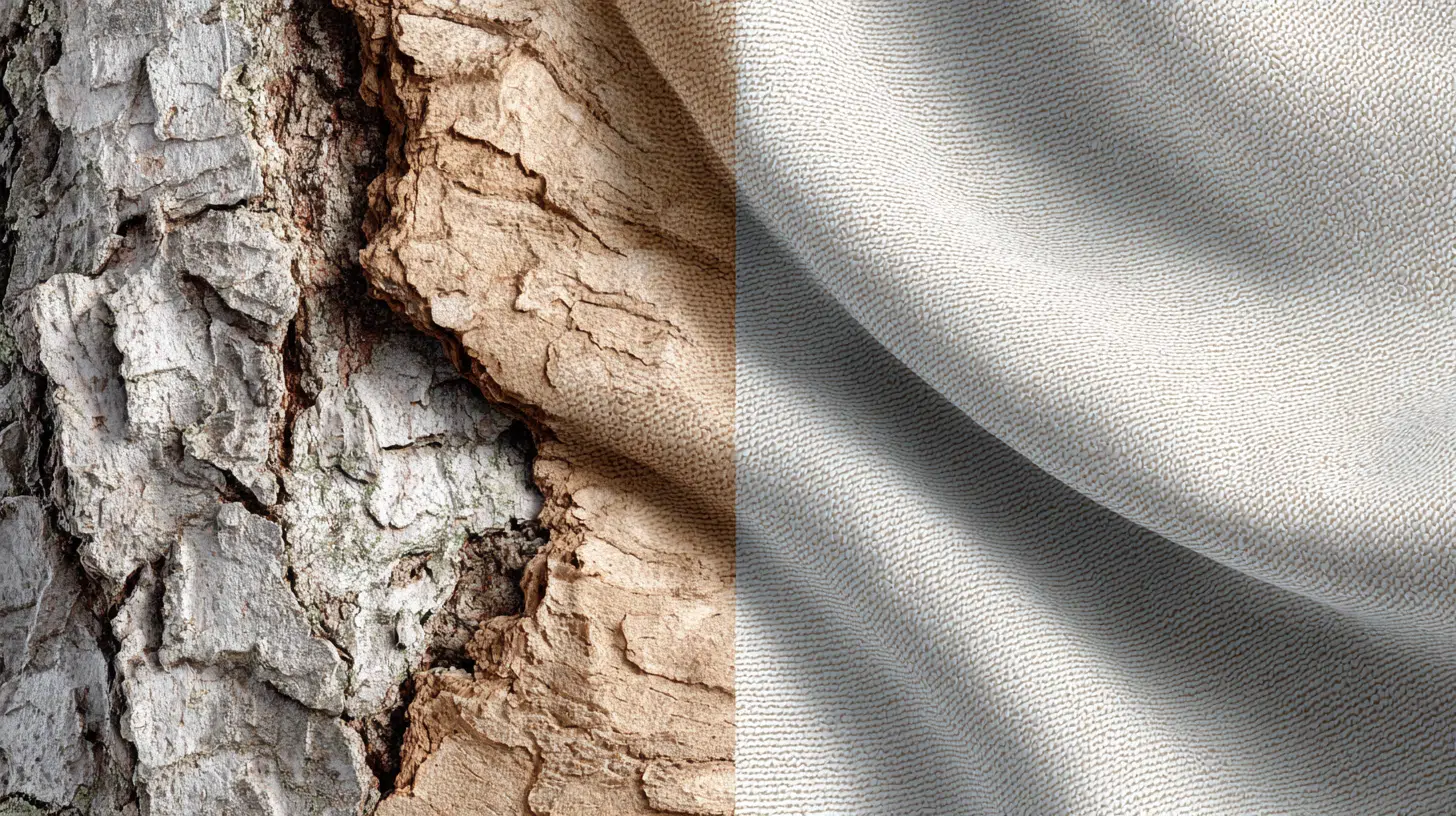
Modal is a semi-synthetic fabric made from European beech tree cellulose, developed in the 1950s and primarily produced by Lenzing AG. It’s valued for breathability and comfort in lingerie, activewear, and bedding.
Modal offers superior performance through:
- Superior texture – Silky feel from fine fibers at affordable prices
- Durability – Maintains softness after frequent washing
- Sustainability – Made from fast-growing, low-water beech trees
Manufacturing process:
- Extraction – Trees are chipped and purified to extract cellulose
- Chemical processing – Treated with sodium hydroxide and carbon disulfide, then spun through spinnerets
- Finishing – Acid treatment creates yarn, then washed and woven into fabric
This process creates finer, longer fibers than standard rayon for superior comfort and durability.
Key Properties and Characteristics
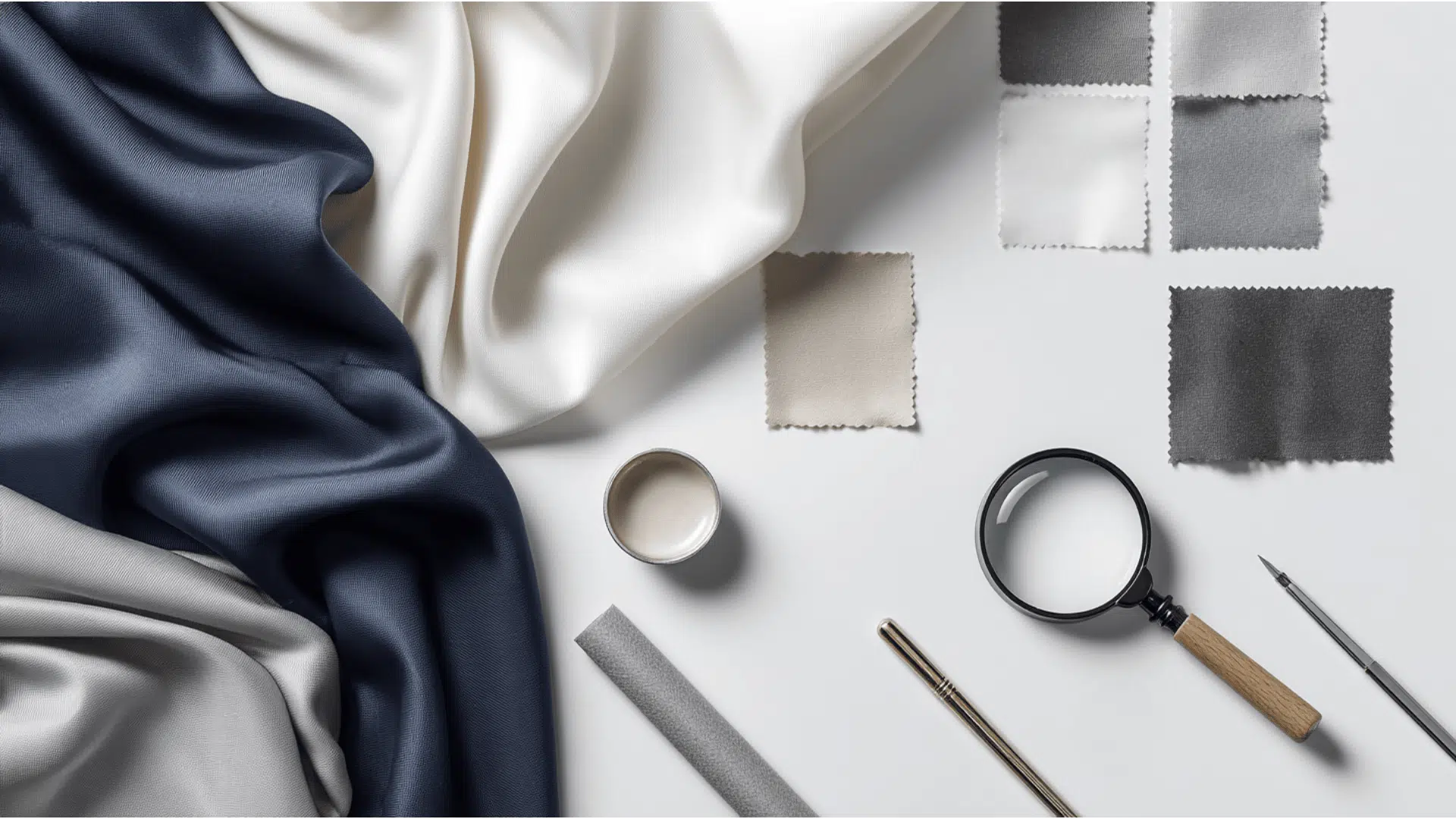
Modal stands out because of its unique balance of luxury and practicality. The specialized production process produces a fabric that is softer and more durable than standard viscose, giving it a premium feel.
| Property | Modal Performance | Why It Matters |
|---|---|---|
| Softness | Silky, smooth texture rivaling silk and cashmere | Perfect for clothing worn close to the skin |
| Breathability | Excellent airflow, 50% more than cotton | Keeps you cool and dry during hot days or workouts |
| Moisture Absorption | Absorbs up to 50% more moisture than cotton | Ideal for sportswear and towels |
| Durability | Resists pilling, shrinking, and fading | Holds softness and structure after frequent washing |
| Color Retention | Holds dye exceptionally well | Garments stay vibrant without bleeding or dulling |
| Environmental Impact | Made from renewable beech trees | Uses 10-20 times less water than cotton |
These properties are particularly suitable for clothing that touches your skin directly.
The fabric maintains its softness even after multiple washes, while its moisture-wicking abilities keep you comfortable throughout the day.
Common Uses and Applications
Thanks to its comfort, performance, and appearance, tmodaldal is widely used across various industries. Its flexibility and skin-friendly properties make it suitable for items that require both durability and a luxurious feel.
Clothing Applications:
- Underwear and lingerie for superior comfort and breathability
- Sleepwear and pajamas that feel soft against the skin all night
- Activewear and sportswear for moisture-wicking performance
- T-shirts, dresses, and blouses that drape beautifully
Home Textile Uses:
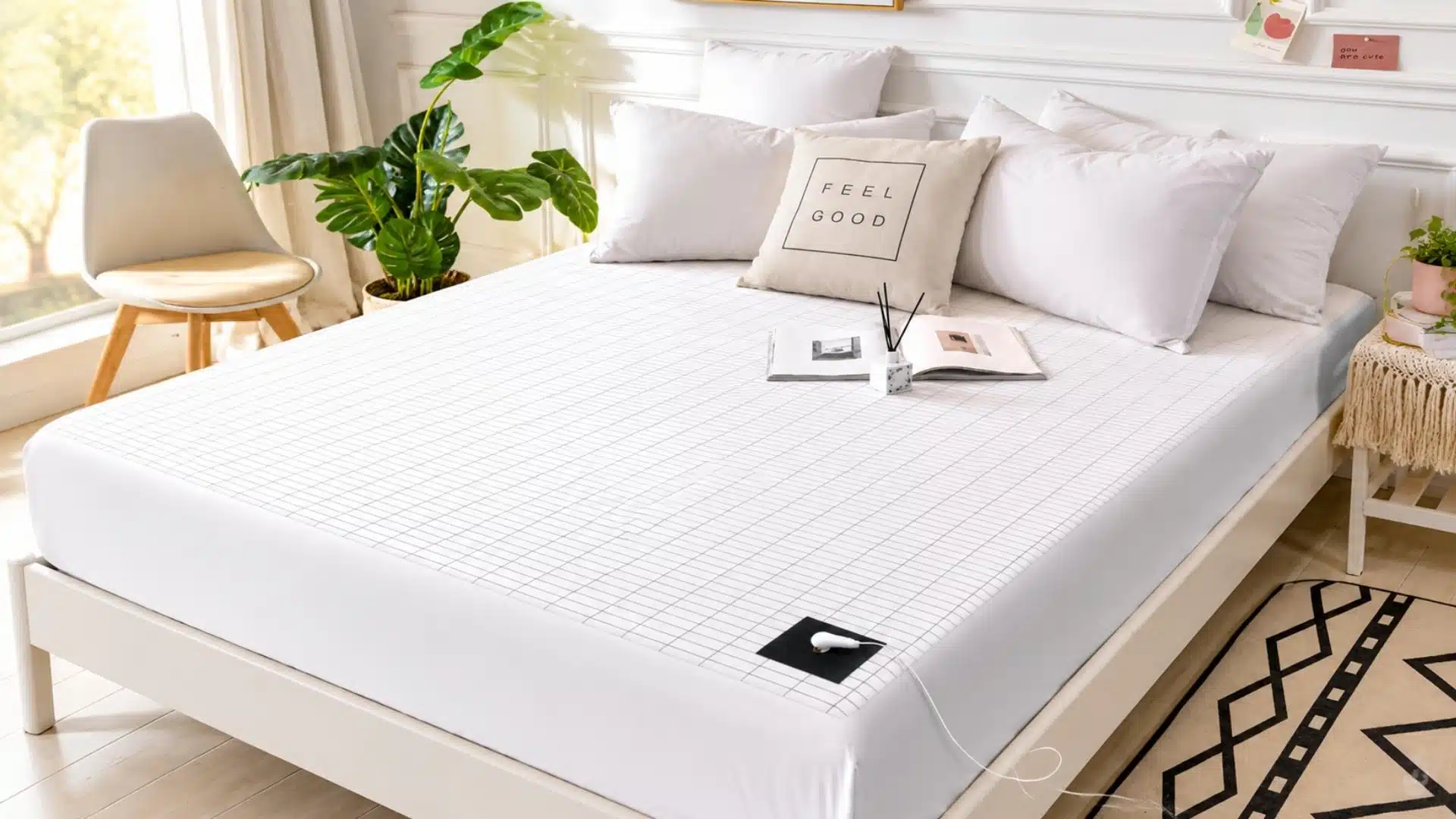
- Bed sheets and pillowcases for a luxury sleep experience
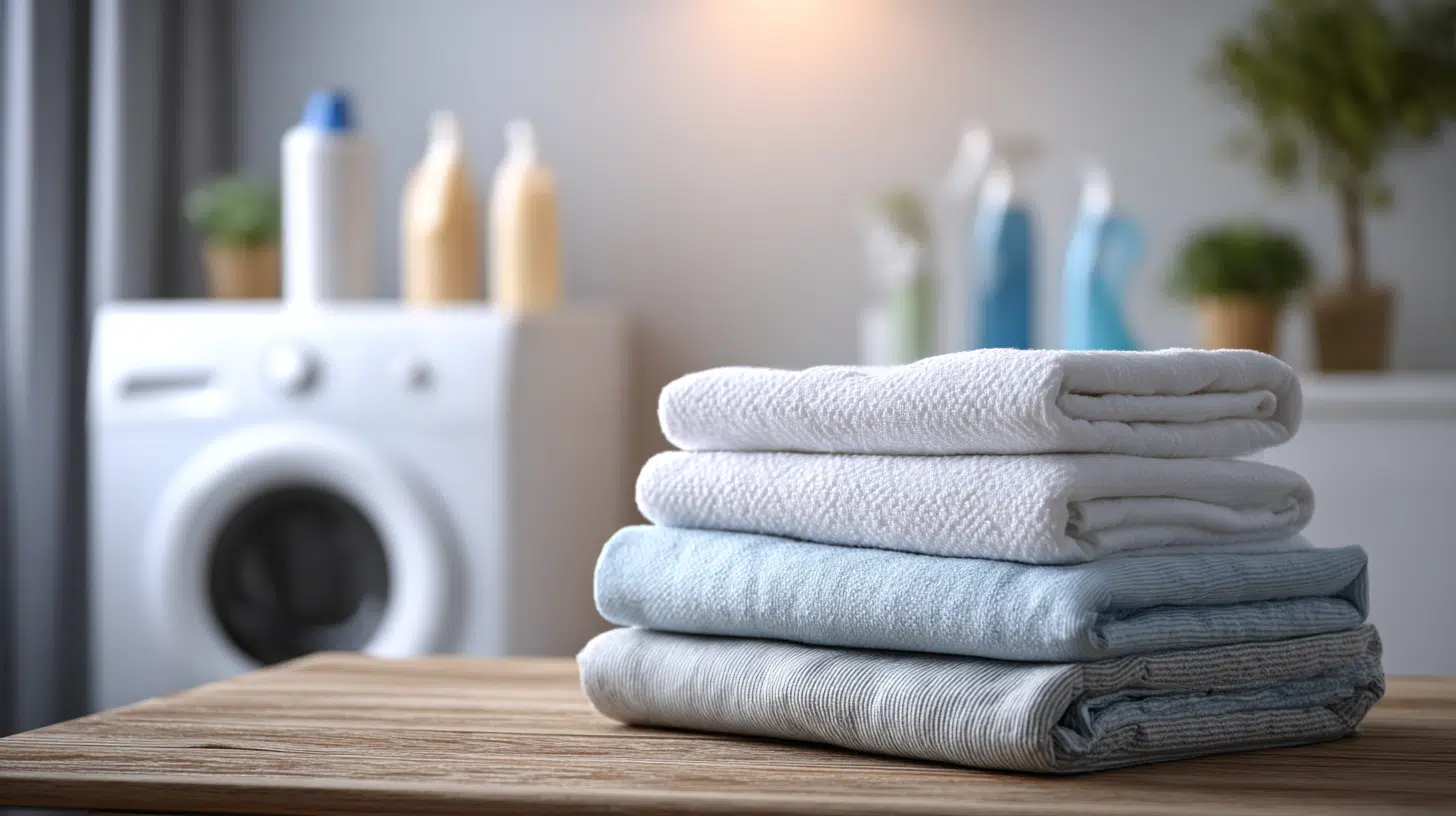
- Towels that absorb moisture effectively while staying soft
- Curtains and drapes that hang gracefully
Modal is often blended with other fibers like cotton for added softness and breathability, or with spandex for stretch and shape retention.
This adjustability allows manufacturers to create products that meet specific performance needs.
Pros and Cons of Modal Fabric
Modal has both impressive strengths and some limitations that consumers should understand.
The benefits often outweigh the drawbacks for most applications, but knowing both sides helps you make informed choices.
| Advantages | Drawbacks |
|---|---|
| Exceptionally soft – Comfortable against skin, rivaling luxury natural fibers | Can wrinkle easily – More prone to wrinkles than polyester or treated cotton blends |
| High breathability – Excellent moisture control keeps you cool and dry all day | May stretch excessively – Can lose shape in structured garments without proper construction. |
| Superior durability – Holds shape, texture, and color through repeated washing | Environmental impact varies, and benefits depend on responsible manufacturing practices. |
| More eco-friendly – Uses renewable sourcing and 10-20 times less water than cotton. | Higher cost – Generally more expensive than basic cotton fabrics |
| Lightweight drape – Creates graceful, flattering fits that move with your body | Chemical processing – Requires careful management of production chemicals |
| Long-lasting quality – Maintains premium feel and appearance longer than cotton | Limited structure – Not ideal for garments requiring rigid shape retention |
The advantages of modal explain why it has become the preferred choice for premium clothes and home textiles, where comfort and performance matter most.
Fun Fact: Modal fabric is often called “the underwear fabric” in the textile industry because its moisture-wicking properties and silky softness make it perfect for intimate apparel.
Modal vs Other Popular Fabrics
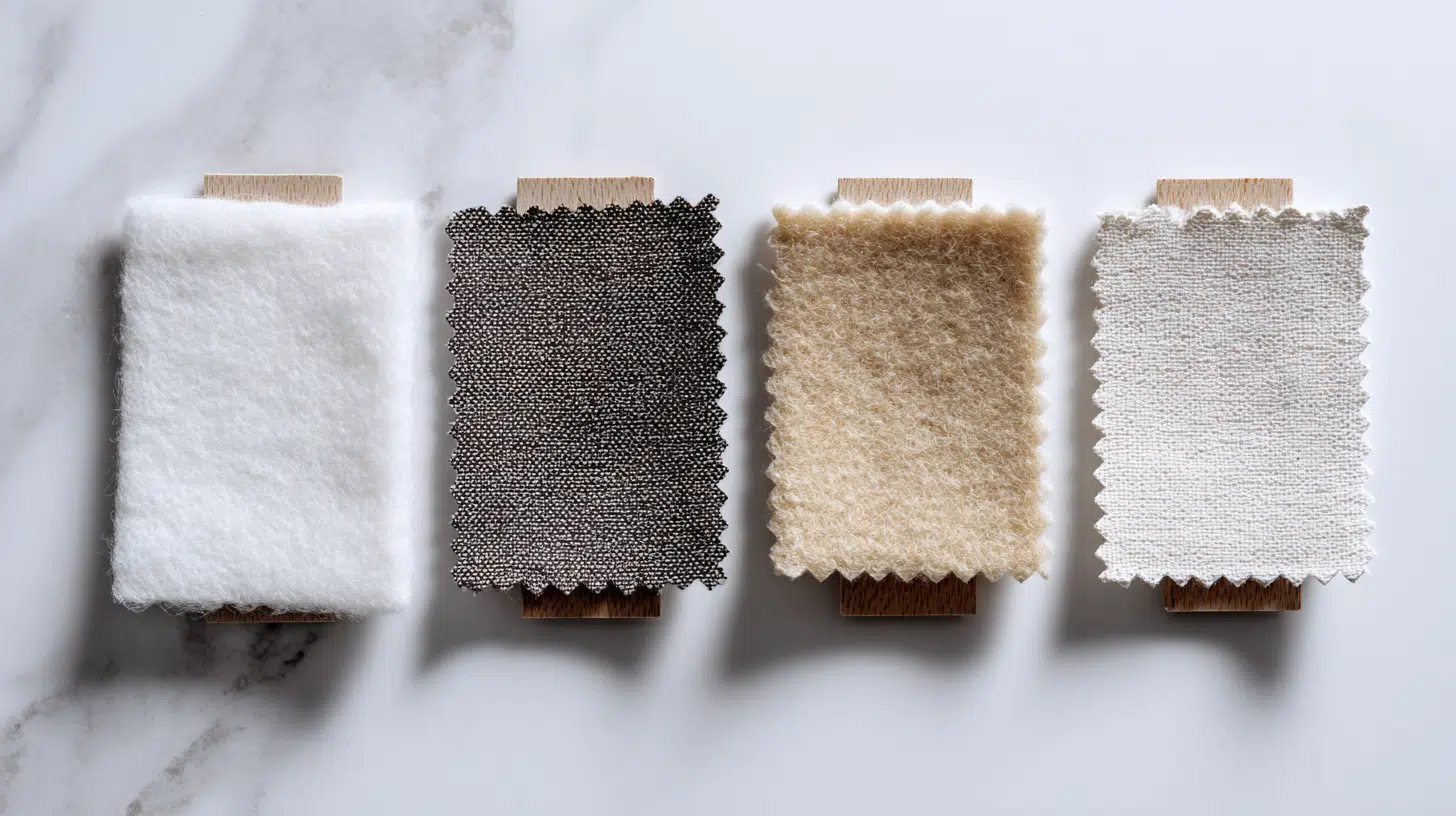
Understanding how modal compares to other standard fabrics helps you choose the right material for specific needs. Each fabric type has distinct characteristics that make it suitable for different applications.
1. Modal vs Cotton Comparison
Cotton remains the most widely used natural fiber, but modal offers several improvements.
Modal feels softer against the skin and maintains that softness longer than cotton. It also provides better moisture-wicking performance and requires significantly less water to produce.
However, cotton may be more suitable for structured garments that need to hold their shape precisely.
2. Modal vs Viscose and Rayon
Viscose rayon is modal’s close relative; modal represents a significant upgrade.
The manufacturing process of modal creates stronger, more durable fibers that resist damage when wet. Modal also shrinks less and maintains its appearance better after washing.
While both come from wood pulp, modal undergoes additional processing that makes it superior in almost every way.
3. Modal vs Synthetic Fabrics
While polyester offers durability and wrinkle resistance, it lacks the breathability and natural feel that modal provides.
Modal offers superior comfort for skin contact applications.
Synthetic fabrics may be cheaper and more structured, but they don’t provide the moisture-wicking properties and softness that make modal ideal for clothing worn close to the body.
Fun Fact: A single beech tree can produce enough cellulose to make approximately 3,000 modal t-shirts!
Making Smart Modal Fabric Choices
Modal fabric represents a significant advancement in textile technology, combining luxury comfort with practical benefits and environmental responsibility.
Its exceptional softness, durability, and eco-friendly production make it an excellent choice for clothing and home goods where comfort matters most.
While modal costs more than basic cotton, the superior performance, longevity, and sustainable qualities often provide better overall value.
This ensures you enjoy all the benefits of this remarkable fabric while supporting environmental stewardship and ethical manufacturing.
Check your clothing labels next time, and give it a try!