


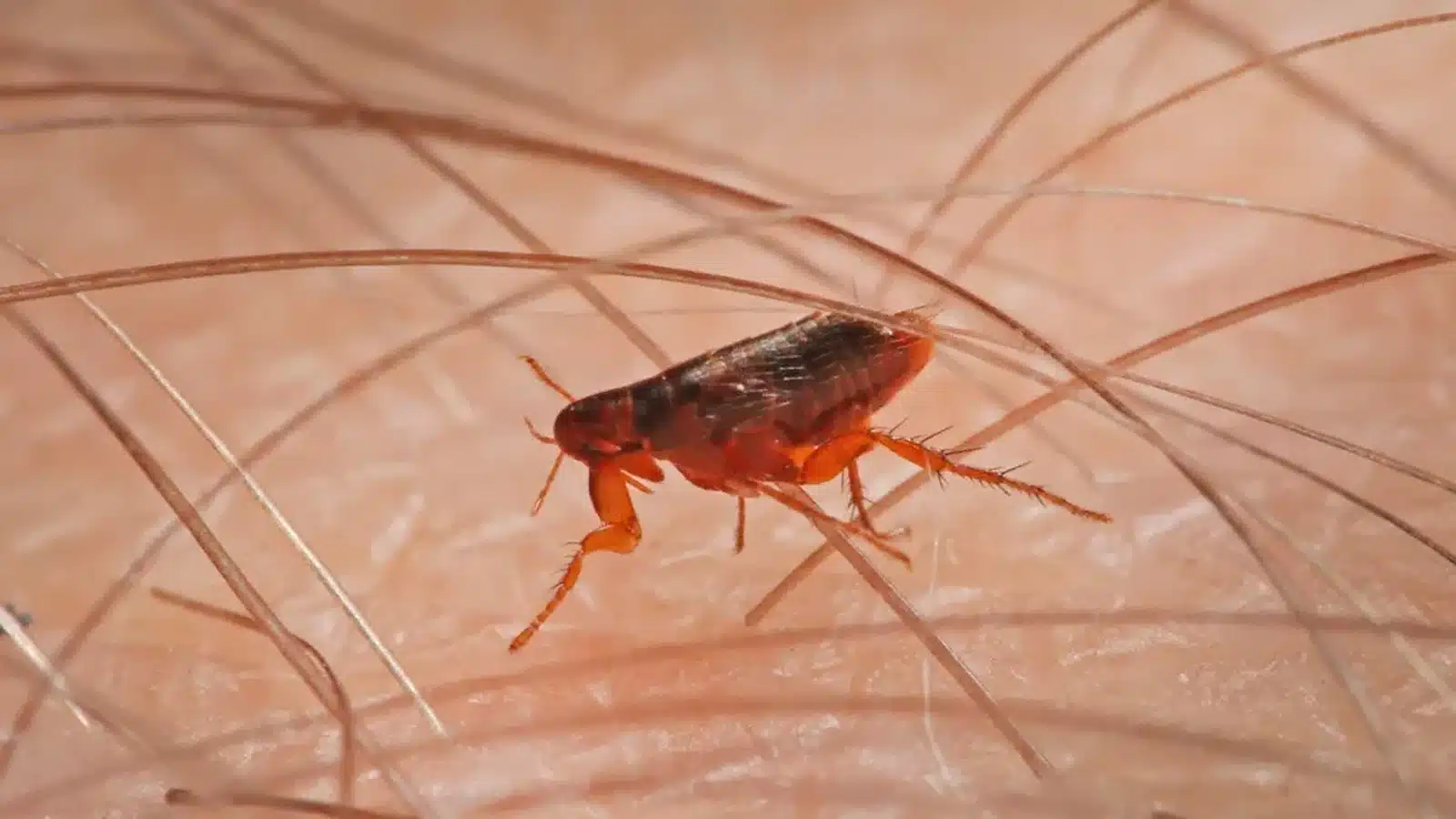
Fleas are one of those problems that seem small until they’re suddenly everywhere. If you’ve ever dealt with them, you know how quickly they multiply and how frustrating they can be to get rid of.
That’s why many homeowners look for safer, non-toxic ways to keep them away, especially when pets and kids are involved.
A common question people ask is: What smell do fleas absolutely hate? While no scent reliably eliminates fleas on its own, some strong natural scents and plant-based repellents can help keep fleas away.
Let’s break down what actually works and how to use it safely.
Why Smell Matters to Fleas

Fleas don’t just randomly show up; they respond to cues like heat, movement, and scent, especially temperature and humidity, which trigger their activity.
Fleas rely heavily on their sense of smell to locate hosts and navigate their environment. Strong plant-based odors can interfere with these sensory signals, making those areas less attractive to them.
But here’s something important to keep in mind: these methods can repel fleas, but they don’t necessarily kill them. If you’re already dealing with an infestation, you’ll need more than just scent-based solutions.
In fact, flea problems often become worse in warm, humid conditions, which is why understanding triggers like temperature and other environmental factors can make a big difference in controlling fleas long-term.
What Smell Do Fleas Absolutely Hate?
While no scent guarantees 100% results, several plant-based smells are commonly used as flea repellents, though effectiveness can vary.
Common smells fleas hate:
- Cedar – One of the most reliable natural flea deterrents
- Lavender – Pleasant for humans, irritating for fleas
- Lemon & citrus – Strong acidic scent fleas avoid
- Peppermint – Sharp and overwhelming for pests
- Eucalyptus – Fresh but powerful
- Rosemary – Often used in herbal repellents
These scents are commonly found in sprays, herbal solutions, and home remedies. They don’t eliminate fleas instantly, but they help create an environment fleas prefer to avoid.
However, their effectiveness can vary depending on concentration, environment, and the severity of the flea problem.
Safe Home Options to Use These Scents
You don’t need complicated solutions to use these methods. Simple, consistent use around your home can go a long way.
1. Cedar-based solutions
Cedar chips or sachets work well in pet bedding, under furniture, or near carpets. They’re long-lasting and low maintenance.
2. Lemon or citrus sprays
A light homemade lemon spray can be used on baseboards, corners, and upholstery. Just avoid direct application on pets unless approved by a vet.
3. Lavender sachets or sprays
Place them in closets, near sleeping areas, or anywhere fabrics are present. It’s a subtle way to keep flea activity down.
4. Herbal cleaning routines
Using cleaning solutions containing eucalyptus or rosemary helps maintain a flea-resistant environment, especially when used regularly.
Consistency matters more than intensity here. You don’t need overpowering smells, just a steady presence.
Are Essential Oils Safe for Flea Control?
This is where many people make mistakes unintentionally. Essential oils are often recommended as herbal flea repellents, but they’re highly concentrated.
Some essential oils can be toxic to pets, especially cats, even in small amounts or when inhaled over time.
If you’re using essential oils:
- Always dilute them properly using a carrier oil or water-based solution
- Avoid applying essential oils directly to pets unless specifically approved by a veterinarian
- Be cautious with diffusers in enclosed spaces
- Check what’s safe for your specific pet
Natural doesn’t automatically mean safe. Pet-safe flea prevention should always come first. Some oils (like tea tree or pennyroyal) can cause serious toxicity in pets and should be avoided entirely.
Why Smells Alone Aren’t Enough

If fleas have already settled in, scent-based solutions alone cannot eliminate a full infestation because they do not reliably kill eggs, larvae, or pupae.
They go through multiple life stages: eggs, larvae, pupae, and adults. Most of the infestation (eggs, larvae, and pupae) is hidden in bedding, carpets, and cracks. Adult fleas make up only a small portion of the total population.
This is why a complete approach works best:
- Vacuum carpets and furniture frequently
- Wash bedding (yours and your pet’s) in hot water
- Keep floors and soft surfaces clean
- Groom pets regularly
- Use vet-approved treatments if needed
Also, while it might feel satisfying to crush fleas when you spot them, squishing fleas isn’t effective for controlling an infestation.
Fleas are tougher than they look, and better methods exist for dealing with them properly. For active infestations, veterinary-approved treatments or professional pest control are often necessary alongside home remedies.
Mistakes to Avoid
When using flea-repellent scents, a few common mistakes can reduce effectiveness:
- Using undiluted essential oils
- Applying DIY sprays directly on pets
- Expecting smells to kill eggs and larvae
- Ignoring hidden areas like carpets and cracks
- Overusing strong scents without considering pet safety
A balanced, informed approach always works better than quick fixes.
When Natural Scents Work Best
Scent-based solutions shine most in prevention and maintenance.
They’re especially useful for:
- Keeping fleas away after cleaning
- Supporting seasonal flea control
- Freshening up pet areas naturally
- Reducing the chances of reinfestation
Think of them as a protective layer, not a standalone cure.
Final Thoughts
So, what smell do fleas absolutely hate? Strong non-toxic scents like cedar, lavender, lemon, peppermint, eucalyptus, and rosemary are among the most commonly used natural repellents.
But the real key isn’t just what you use, it’s how you use it. Safe home options, consistent cleaning, and proper pet care all work together to keep fleas under control.
If you rely on scents alone, you’ll likely fall short. But when you combine them with smart habits, you make your home far less inviting for fleas.