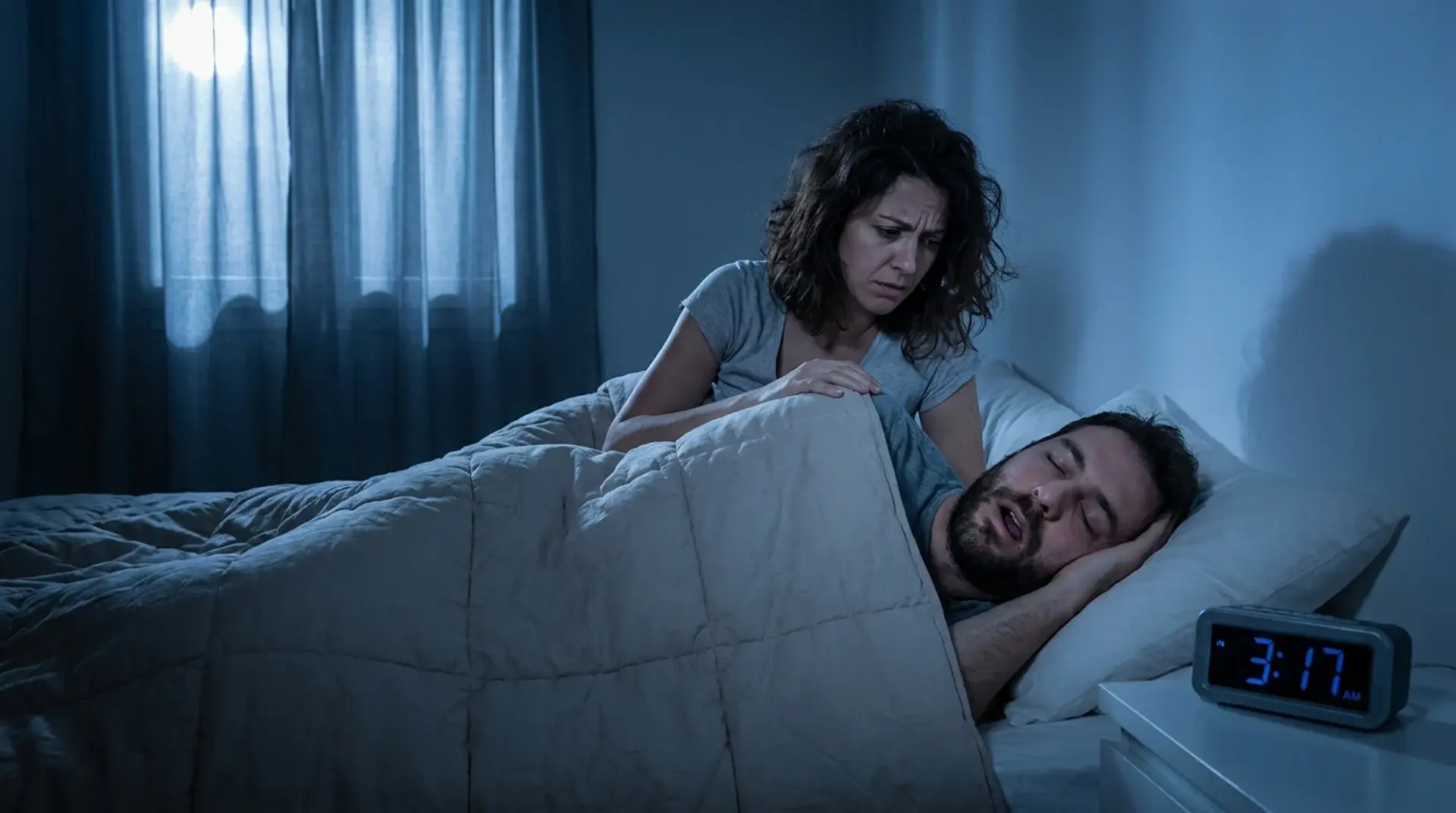


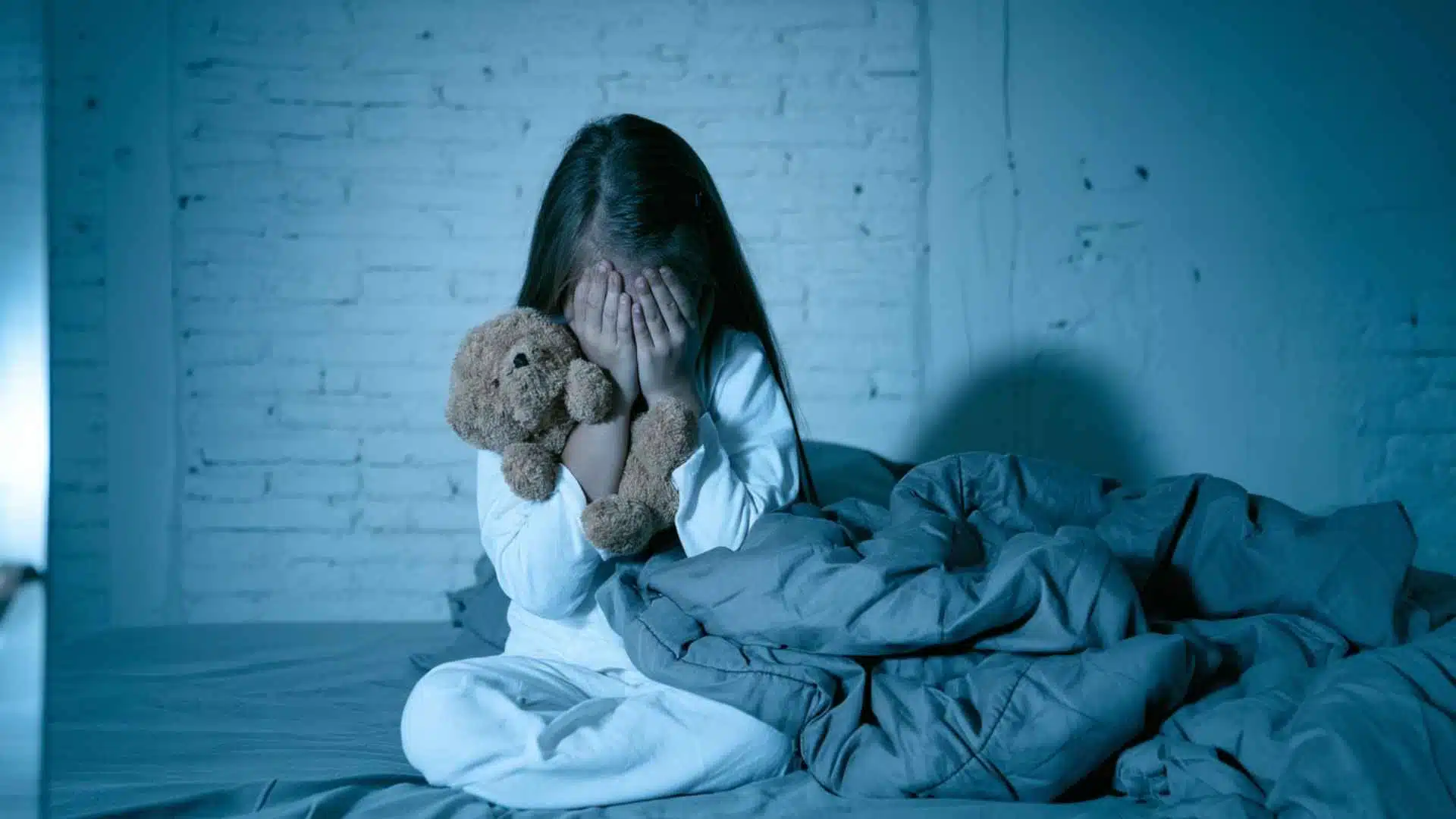
Most parents have watched their child bolt upright in bed, screaming, with no memory of it the next morning. For adults, it can happen too, and it is just as alarming.
Night terrors are not random. They have real causes, recognizable signs, and ways to manage them that actually work.
By the end, you will know what night terrors are, what sets them off, how they differ from nightmares, and what steps you can take to reduce them.
What Are Night Terrors
Night terrors are a type of sleep disorder where a person appears to wake up in a state of intense fear but is actually still asleep.
They fall under a category of sleep conditions called parasomnias, which are disruptive behaviors that happen during sleep. They occur during the deepest stage of non-REM sleep, usually in the first few hours of the night.
This is very different from nightmares, which happen during REM sleep closer to morning, and the differences between night terrors and nightmares go deeper than just timing.
Unlike a bad dream, a person having a night terror will not remember it. There is no story, no visual memory, nothing.
The brain is not dreaming. It is caught between deep sleep and waking up, which is what makes the episode so intense and hard to interrupt.
Signs of Night Terrors
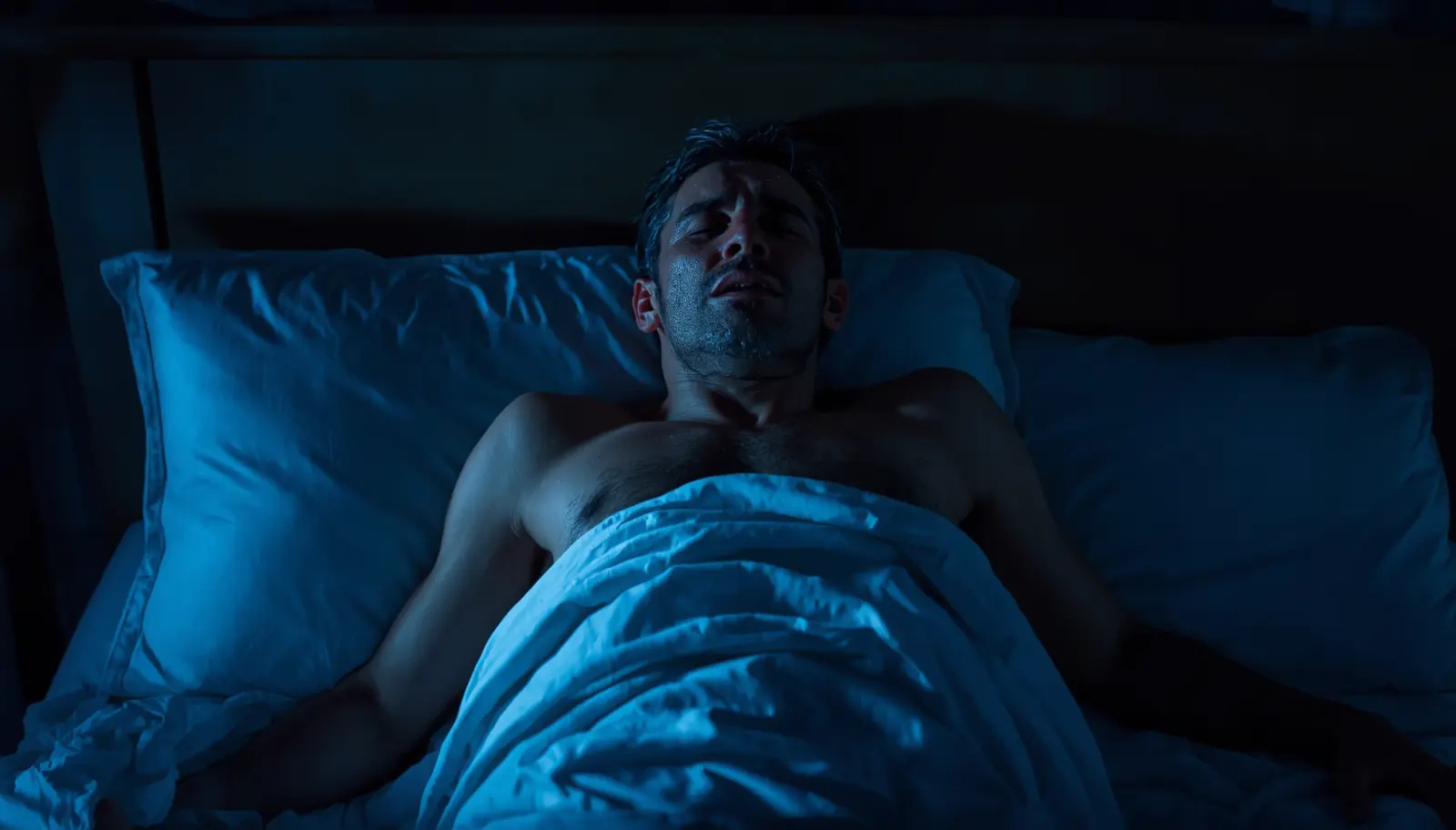
Night terrors do not look like typical sleep disturbances. The signs are sudden and intense and can be alarming to anyone watching.
- Sudden Screaming or Shouting: Abrupt, loud crying or screaming during sleep with no visible reason behind it.
- Physical Symptoms: Rapid heartbeat, heavy sweating, and fast breathing that make the episode look physically intense.
- Thrashing or Moving: Sitting up suddenly, thrashing the limbs, or even getting out of bed while still fully asleep.
- Complete Unresponsiveness: Eyes may be wide open, but the person cannot hear or respond to anyone in the room.
- No Memory After Waking: The person wakes up with zero recollection of what just happened.
- Elevated Agitation: The person may appear confused, panicked, or aggressive for several minutes before calming down.
If any of these signs appear regularly, it is worth paying closer attention to when and how often they happen.
Night Terrors: Causes and Triggers
Night terrors rarely happen without a reason. Most episodes can be traced back to one or more of these common causes.
- Sleep Deprivation: Being overtired or running on poor sleep makes the brain more likely to get stuck between sleep stages.
- Stress and Anxiety: Emotional strain, big life changes, or ongoing worry can push the nervous system into overdrive during sleep.
- Fever or Illness: A high body temperature or physical illness can disrupt the normal sleep cycle and trigger an episode.
- Irregular Sleep Schedules: Inconsistent bedtimes and disrupted sleep patterns interfere with the body’s natural sleep rhythm.
- Alcohol and Medications: Certain medications, alcohol, and some substances are known to suppress REM sleep and increase parasomnia activity.
- Genetics and Family History: Night terrors tend to run in families, with a family history of sleep terrors pointing to a genetic link.
Understanding what is behind the episodes is usually the first step toward reducing how often they happen.
Night Terrors in Children vs Adults
Night terrors affect both children and adults, but the experience and what drives them can look very different depending on age.
| Factors | Children | Adults |
|---|---|---|
| How Common | Very common, affecting up to 6 in 10 children at some point | Less common but not rare |
| Peak Age | Ages 3 to 12 | Can begin or return at any age |
| Main Triggers | Overtiredness, fever, stress, and developmental changes | Anxiety, trauma, sleep apnea, medications |
| Typical Duration | Most outgrow them by adolescence | May persist without treatment or intervention |
| Underlying Cause | Usually developmental and temporary | More likely linked to an underlying condition |
| Memory of Episode | None | None |
| Risk Level | Generally low and self-resolving | Higher chance of an associated disorder |
If night terrors are happening in an adult with no clear trigger, it is worth looking deeper into what might be driving them.
Are Night Terrors Dangerous or a Serious Condition?
For most children, night terrors are not dangerous. They are unsettling to witness but typically resolve on their own as the child gets older.
In these cases, no treatment is usually needed. The bigger concern is physical safety during an episode.
A person thrashing or moving around in an agitated state can fall out of bed, bump into furniture, or hurt themselves without realizing it.
In adults, frequent night terrors can sometimes point to an underlying condition like sleep apnea, PTSD, or a neurological issue.
When episodes occur regularly, worsen, or affect daily life, they move from a minor sleep quirk to something worth addressing with a doctor.
Night Terrors vs Nightmares vs Sleep Disorders
These three things are often confused with one another, but they differ in how and when they occur.
| Factors | Night Terrors | Nightmares | Sleepwalking |
|---|---|---|---|
| Sleep Stage | Non-REM deep sleep | REM sleep | Non-REM deep sleep |
| Timing | First few hours of the night | Later in the night | First few hours of the night |
| Memory of Episode | None | Usually vivid | Little to none |
| Awareness During | Completely unresponsive | Internally aware | Partially aware |
| Physical Movement | Thrashing, sitting up, agitation | Minimal | Walking, moving around |
| Emotional Response | Intense fear, screaming | Distress, crying | Confused, calm |
| Wakes Up Fully | Rarely | Usually yes | Sometimes |
| Linked to Seizures | Occasionally confused with them | No | Occasionally confused with them |
Knowing the difference matters because the right response and treatment depend entirely on what is actually happening during sleep.
When to See a Doctor for Night Terrors
Most occasional night terrors do not need a doctor’s visit. But there are clear situations where getting a professional opinion is the right move.
If episodes are happening multiple times a week or getting more intense over time, that is a sign something deeper may be going on. The same applies if the person is at risk of hurting themselves during an episode.
Daytime fatigue, poor concentration, or feeling unrested despite a full night of sleep can also indicate an underlying sleep disorder, such as sleep apnea.
If there is any concern about seizures or a neurological condition, that should never be left unaddressed.
A qualified doctor can run the right evaluations to rule out anything serious and give you a clear picture of what is actually happening.
Diagnosis of Night Terrors
Diagnosing night terrors usually begins with a detailed discussion of sleep history, episode frequency, and any known triggers. A doctor will also ask about stress levels, medications, and family history of sleep disorders.
In straightforward cases, this clinical evaluation is enough to confirm what is going on. No further testing is needed.
When episodes are frequent, severe, or suspected to involve seizures, a sleep study may be recommended. This involves overnight monitoring of brain activity, breathing, and movement during sleep.
The goal of diagnosis is not just to label the condition but to rule out anything more serious and build a clear path toward the right treatment. Too
Treatment and Management of Night Terrors
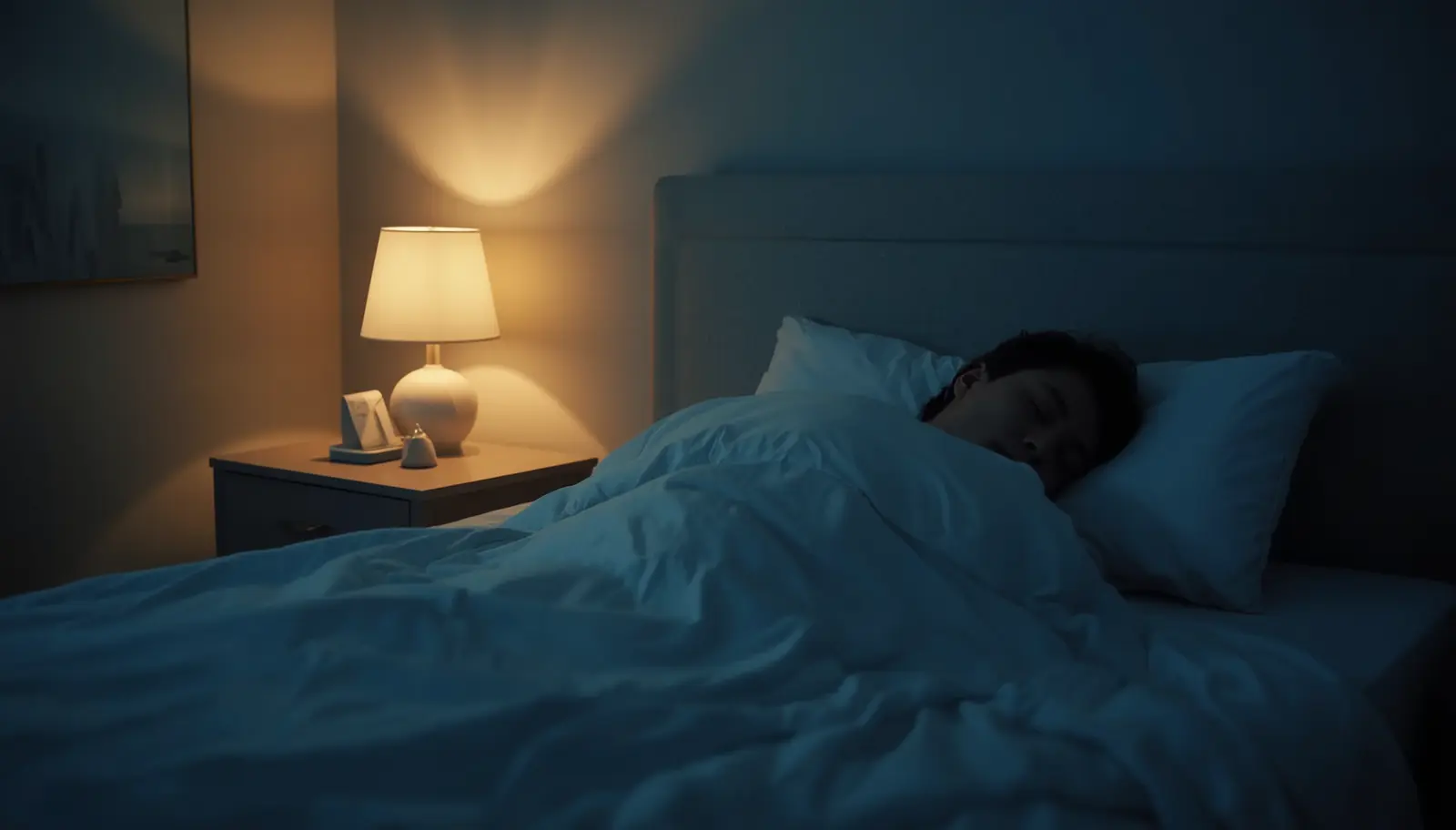
There is no single fix for night terrors, but several approaches consistently help reduce episodes and improve overall sleep quality.
- Sleep Hygiene: Set a consistent bedtime, limit screen time, and build a calm wind-down routine before bed.
- Stress Reduction: Therapy, mindfulness, and relaxation techniques help address emotional triggers that drive episodes.
- Scheduled Awakening: Waking the person 15 to 30 minutes before a typical episode can break the cycle, as per the Sleep Foundation’s guidelines on night terrors.
- Treating Underlying Conditions: Addressing sleep apnea, anxiety, or other connected conditions often reduces episodes significantly.
- Medication: Reserved for severe cases, certain medications can be prescribed short-term under medical supervision.
The right approach depends on what is driving the episodes, which is why an accurate diagnosis always comes first.
How to Respond During a Night Terror Episode
The most important thing to do during a night terror is to stay calm and make sure the person is safe. Do not try to wake them up. It rarely works and can make the episode more intense.
Stay nearby, speak softly, and gently guide them away from anything they could hurt themselves on. Do not restrain them unless there is immediate danger of injury.
Once the episode passes, the person will usually settle back into sleep on their own. There is no need to bring it up in the morning since they will have no memory of it anyway.
Removing sharp objects, securing stairs, and locking doors at night are simple steps that go a long way in preventing injury at home.
How to Prevent Night Terrors
Preventing night terrors comes down to consistency and removing the triggers that disrupt deep sleep in the first place.
- Stick to the same sleep and wake time every day, even on weekends, to keep the body’s internal clock steady.
- Keep the bedroom cool, quiet, and dark to create an environment that supports uninterrupted deep sleep.
- Wind down for at least 30 minutes before bed by avoiding screens, loud noise, and anything overstimulating.
- Manage stress actively through exercise, journaling, or therapy so it does not carry over into sleep.
- Avoid alcohol, caffeine, and heavy meals close to bedtime as these are known to disrupt sleep cycles.
- Address any known triggers early, whether that is an irregular schedule, an ongoing illness, or an unmanaged sleep condition.
Small, consistent changes to the sleep routine are often enough to reduce episodes noticeably over time.
Final Thoughts
Night terrors can feel alarming, but they are manageable once you understand what is behind them.
The key is recognizing the signs early, identifying personal triggers, and making the right adjustments to sleep habits before episodes become a pattern.
For most people, small, consistent changes make a real difference. For others, a conversation with a doctor is the step that changes everything.
If night terrors are affecting your sleep or that of someone you care about, do not wait for it to get worse. Start with the basics, track the episodes, and get professional guidance if needed.
Frequently Asked Questions
Can Stress Alone Cause Night Terrors without Any Sleep Disorder?
Yes, emotional stress is one of the most common standalone triggers, even in people with no underlying sleep condition.
Is It Safe to Share a Bed with Someone Who Has Night Terrors?
It can be disruptive and occasionally unsafe due to physical movement, so light precautions like extra space are worth considering.
Do Night Terrors Affect Sleep Quality Even if the Person Does Not Remember Them?
Yes, they interrupt deep sleep cycles, which can leave the person feeling unrested even after a full night of sleep.
Can Children Grow Out of Night Terrors on Their Own?
Most children outgrow them naturally by the time they reach adolescence, without the need for medical intervention.