
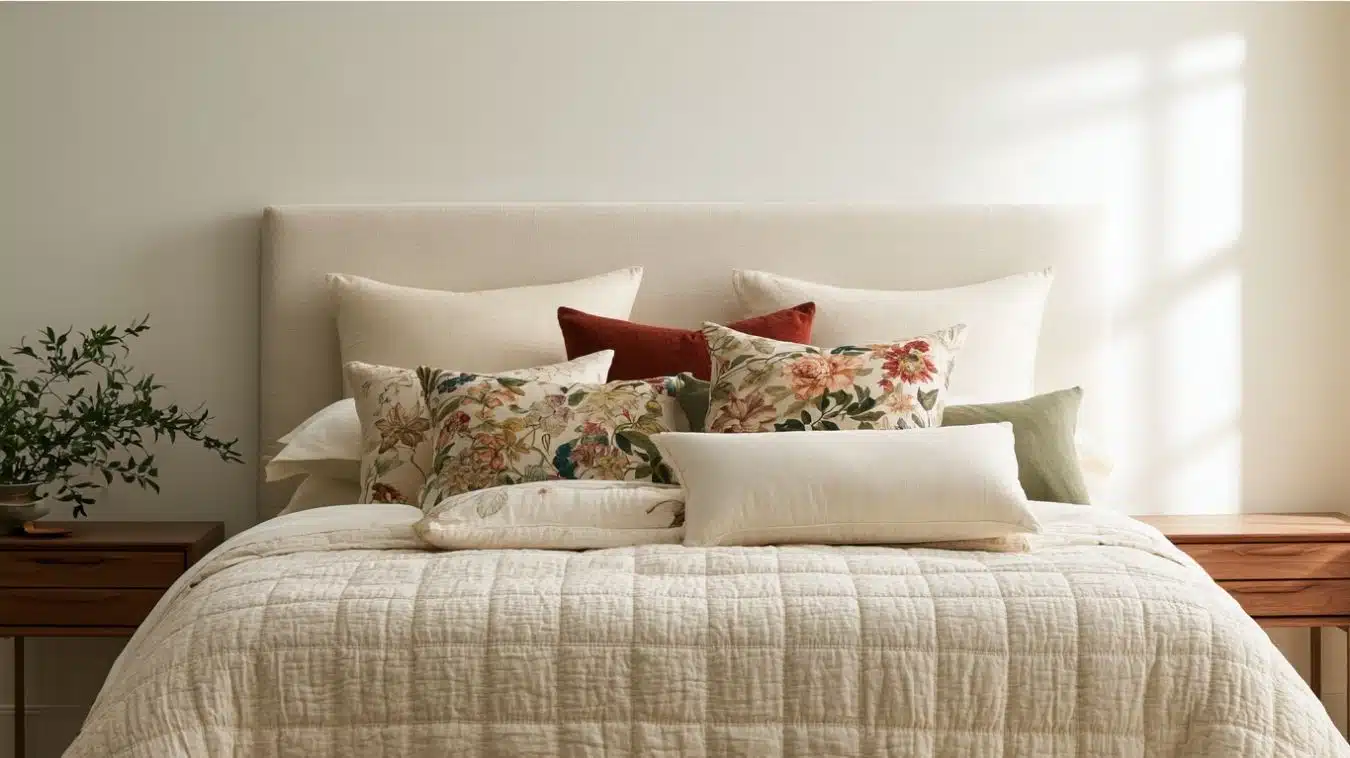
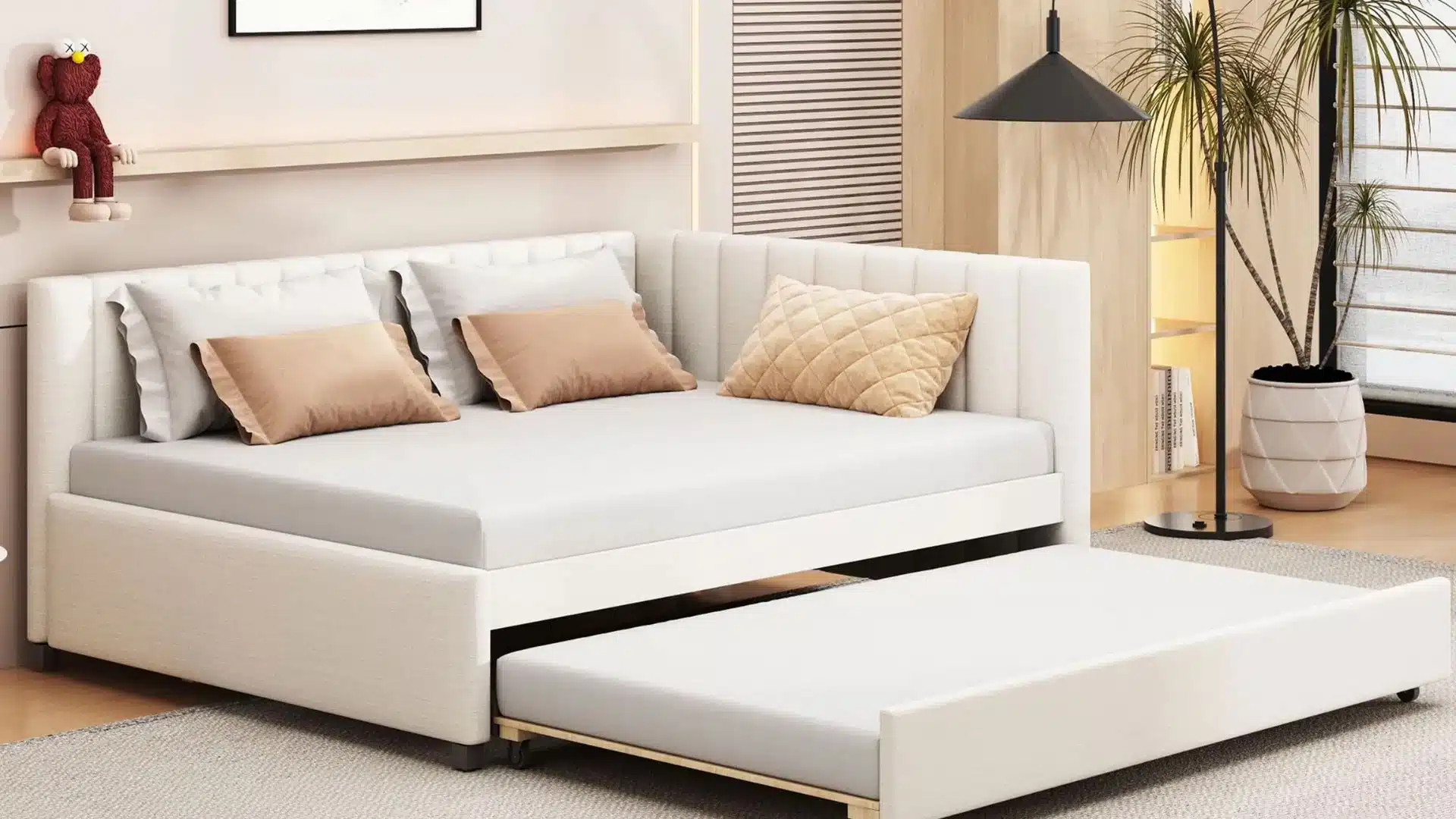
I didn’t think much about bed frames until I started noticing how much they shape a bedroom. The wrong one can leave a space feeling tight or awkward, while the right one can make everything feel more settled and easy to use.
A bed frame does more than hold a mattress. It affects comfort, storage, cleaning, and how the room comes together.
With so many options out there, it helps to see what each type offers. Here’s a clear breakdown of the most common types of bed frames, along with their pros and cons, so it’s easier to find one that fits your space.
What is a Bed Frame and Why Does It Matter?
A bed frame is the structure that supports your mattress and keeps it off the floor. It can be as simple as a metal base or as detailed as a full frame with a headboard, storage, and built-in support.
A good bed frame helps with:
- Proper mattress support
- Airflow (which helps with hygiene and durability)
- Comfort and height
- Overall room layout
It’s also worth noting that “bed frame” and “bed type” are often used interchangeably, but they’re slightly different. A frame refers to the structure, while bed types can include size, function, or design.
Types of Bed Frames
Bed frames shape how your bedroom looks and works. The right choice adds comfort, storage, and balance to everyday living.
1. Platform Bed Frame
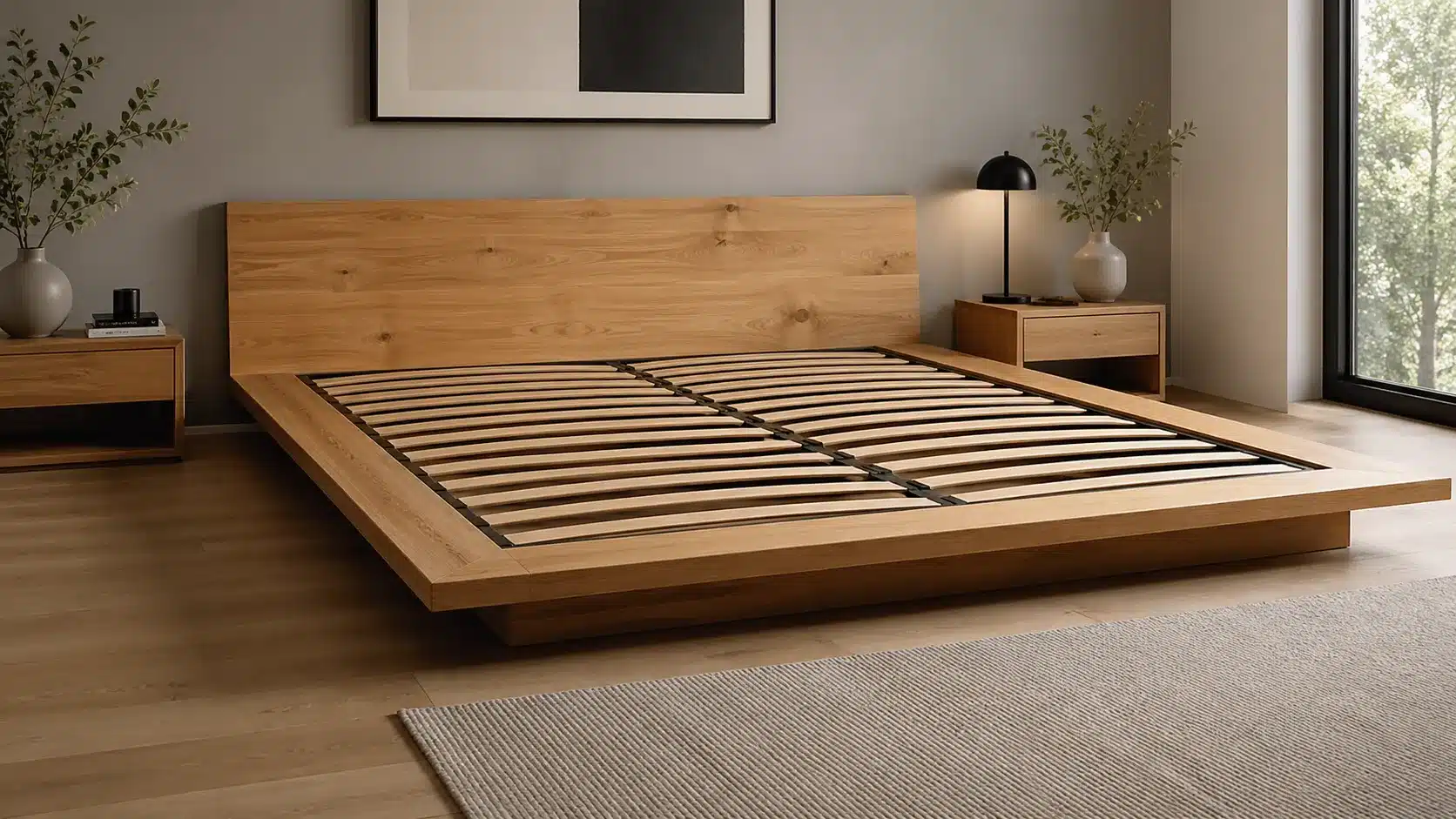
Platform frames keep things simple by supporting the mattress on built-in slats or a solid base. There’s no need for a box spring, which keeps the setup lower and less bulky.
This style fits well in modern rooms or smaller spaces where a lighter, more open layout makes a difference.
Pros
- Keeps setup simple with fewer parts and lower cost over time
- Stable, even support helps reduce mattress sagging
Cons
- A lower height can feel uncomfortable for some people
- Limited under-bed storage, depending on design
Best for: Modern and minimalist rooms, first apartments, buyers who want to skip the box spring
Approximate price range: $150 to $600 for most styles; premium solid wood versions can reach $1,200+
2. Panel Bed Frame
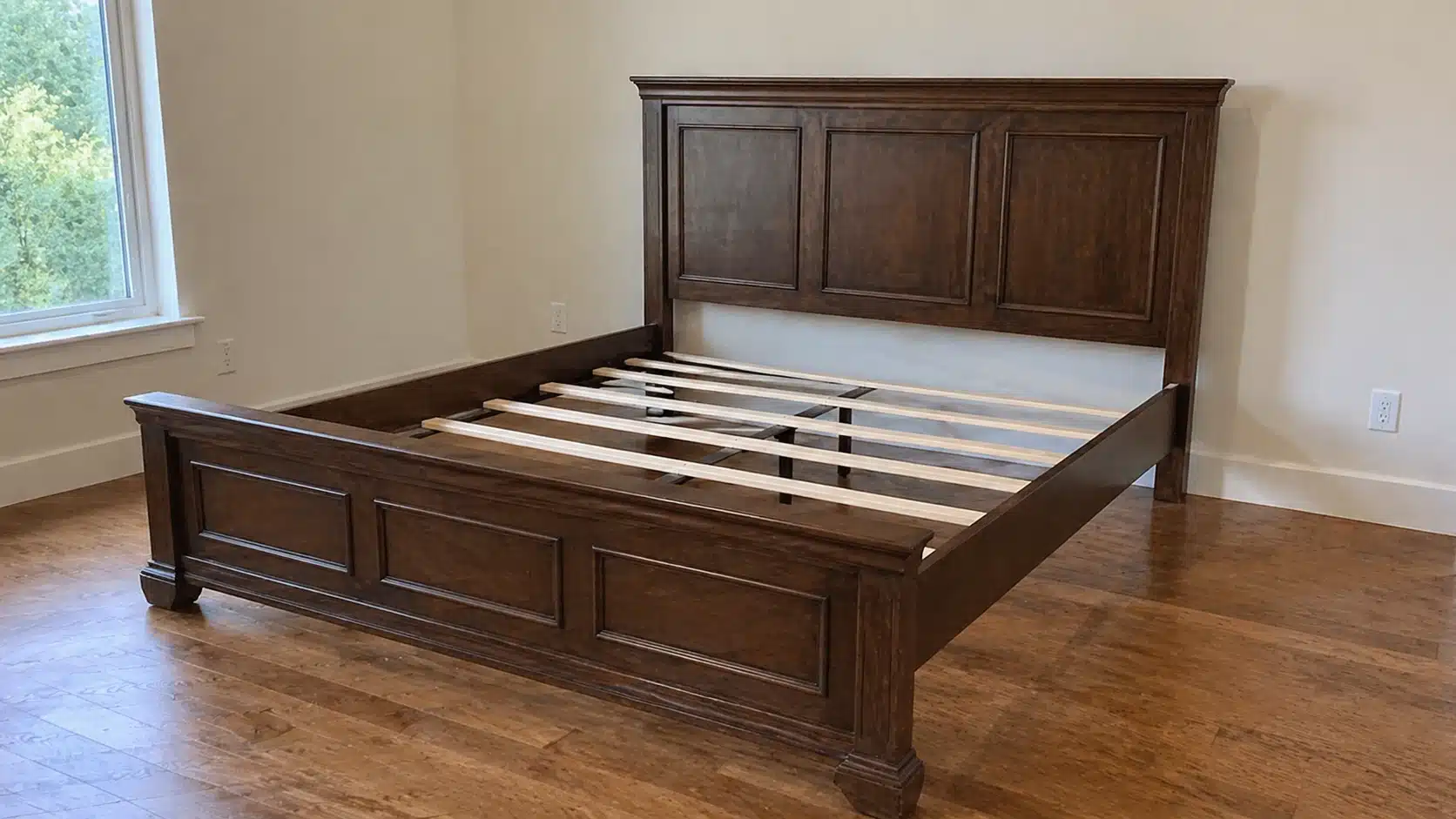
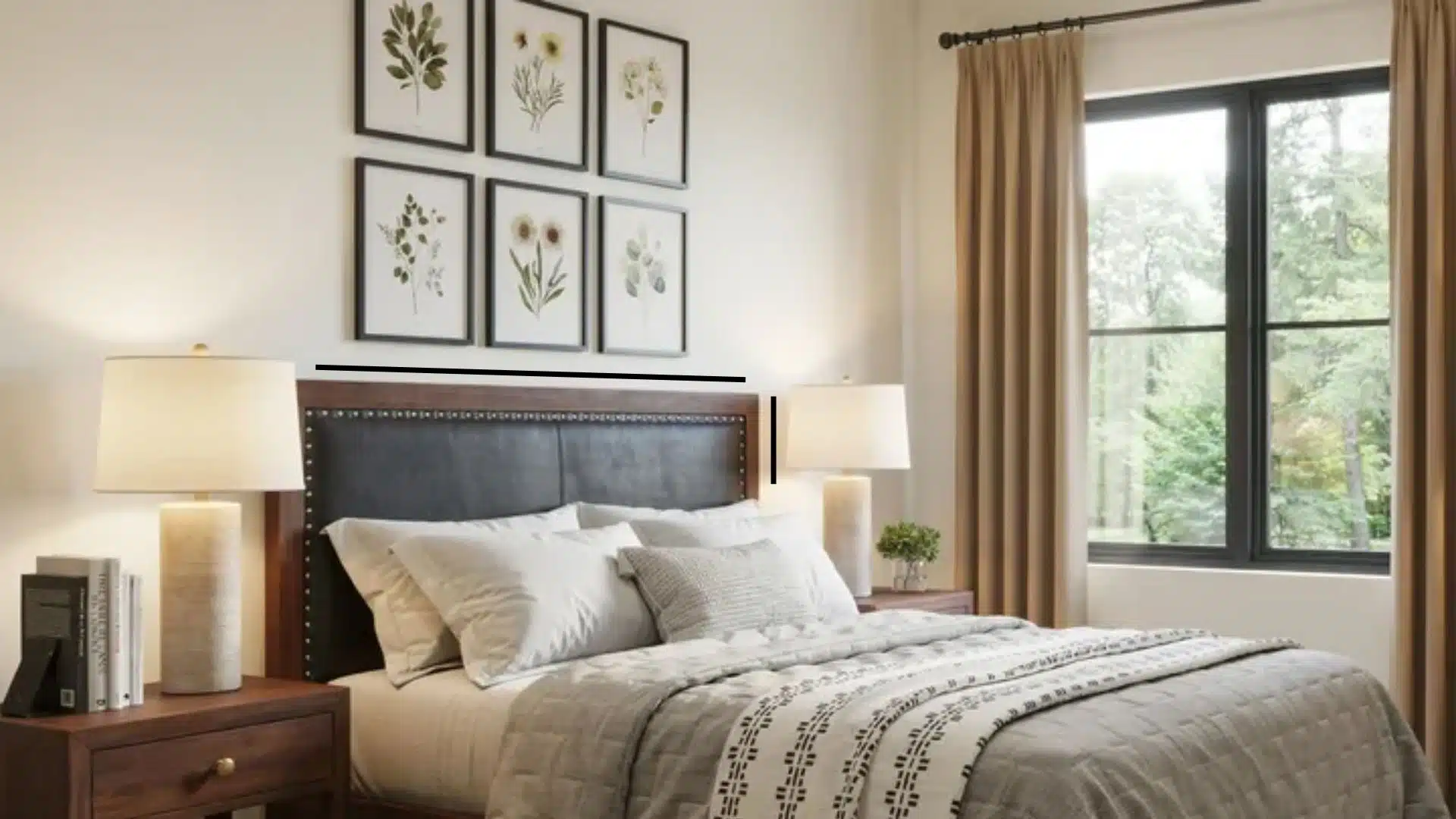
Panel beds provide a more complete structure with side rails, a headboard, and, sometimes, a footboard. They rely on a box spring for proper support.
This setup offers a traditional feel and works well when the bed is meant to visually anchor the room.
Pros
- Strong construction offers long-term durability
- Adds a complete, finished look to the bedroom
Cons
- Requires additional foundation, increasing cost
- Bulky design makes moving and rearranging harder
Best for: Traditional bedrooms, guest rooms, buyers who already own a box spring
3. Storage Bed Frame
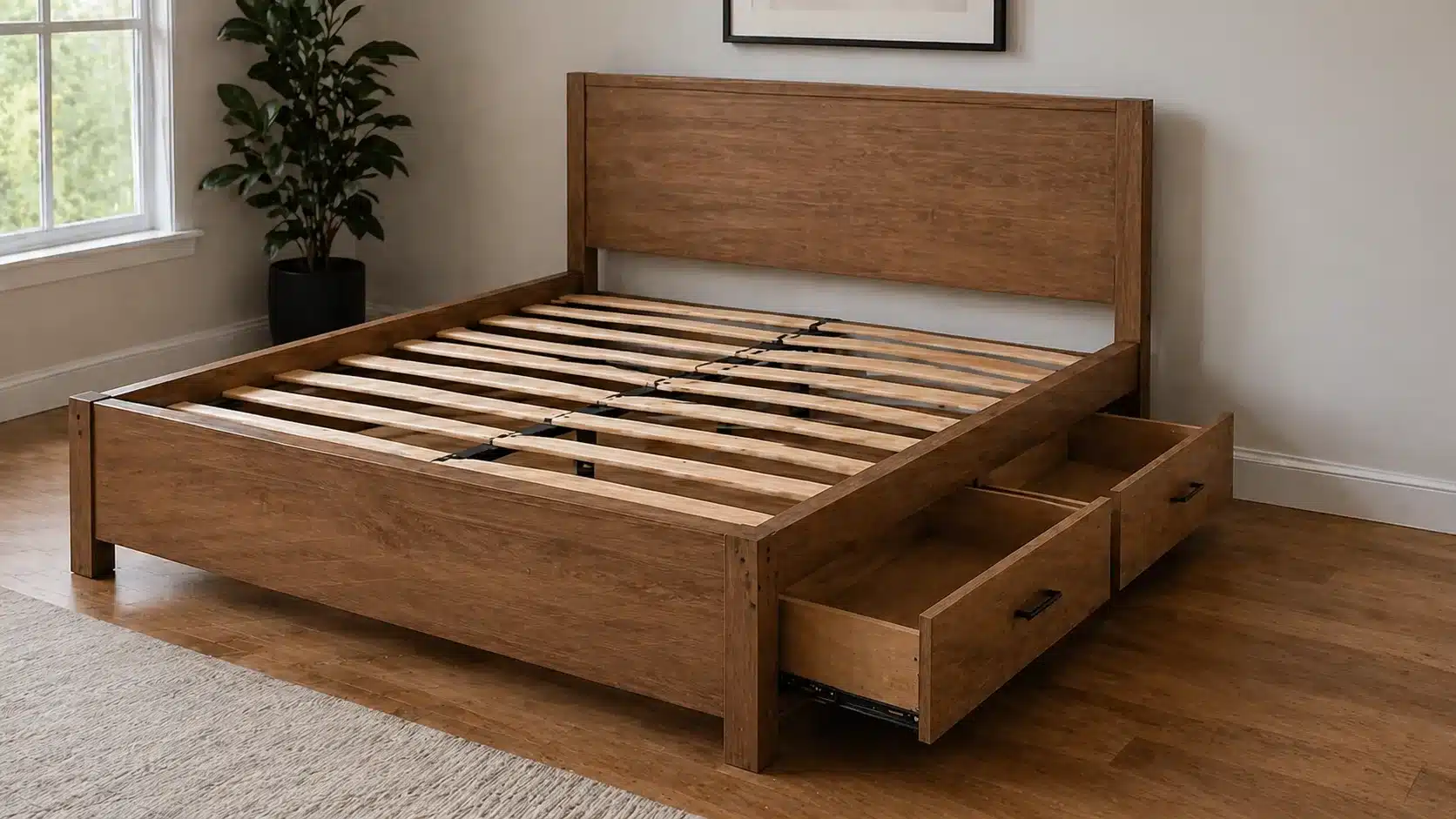
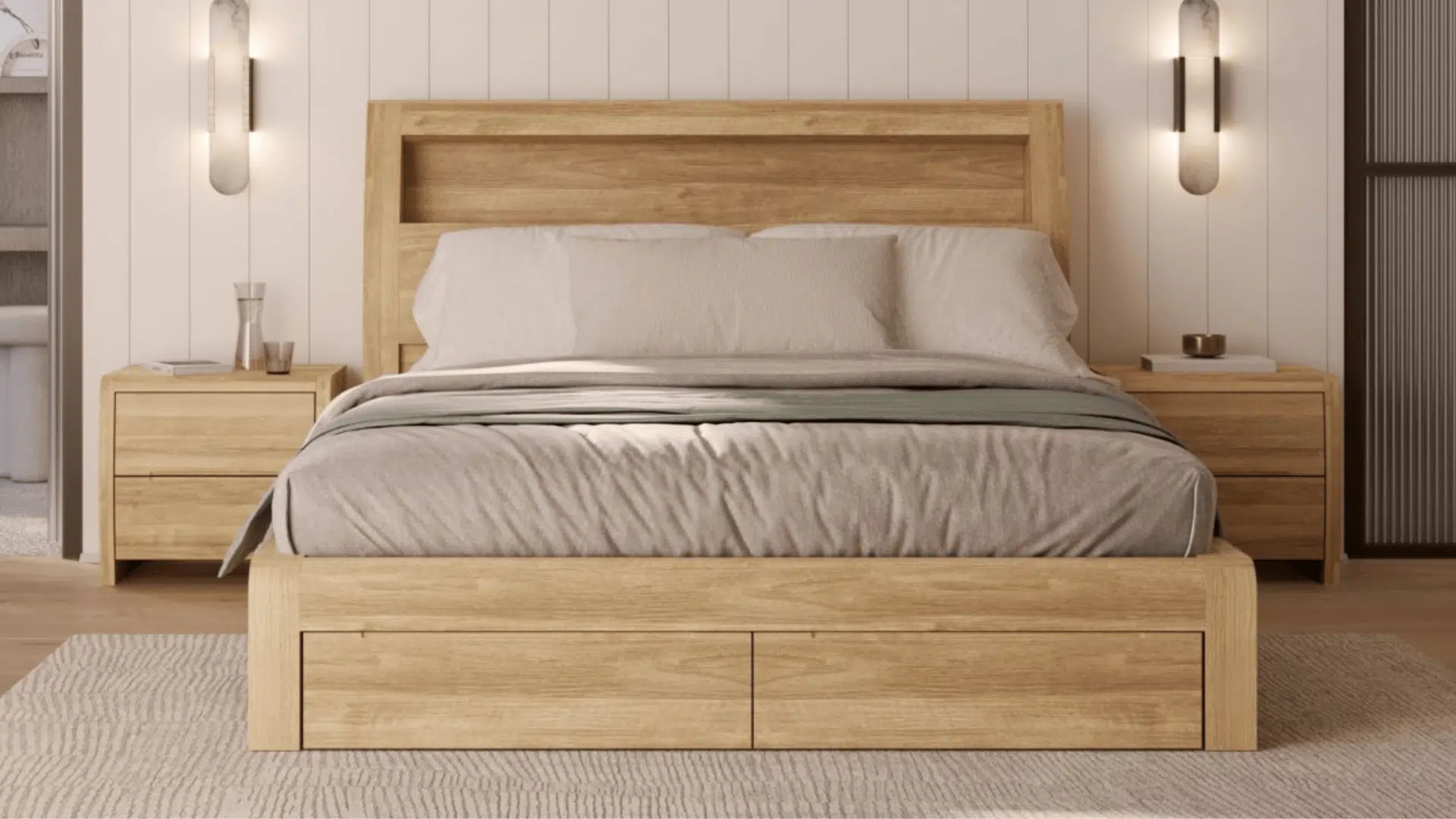
Storage frames use the space under the mattress rather than leaving it empty. Drawers or lift-up bases help keep extra items out of sight.
They are especially helpful in rooms where adding separate storage furniture is not practical.
Pros
- Reduces the need for extra storage furniture
- Keeps items hidden but easily accessible
Cons
- A heavier build can make setup and relocation difficult
- Mechanisms like lifts or drawers may need maintenance
Best for: Studio apartments, small bedrooms, and anyone replacing a chest of drawers
Approximate price range: $400 to $1,200, depending on size and lift mechanism
4. Upholstered Bed Frame
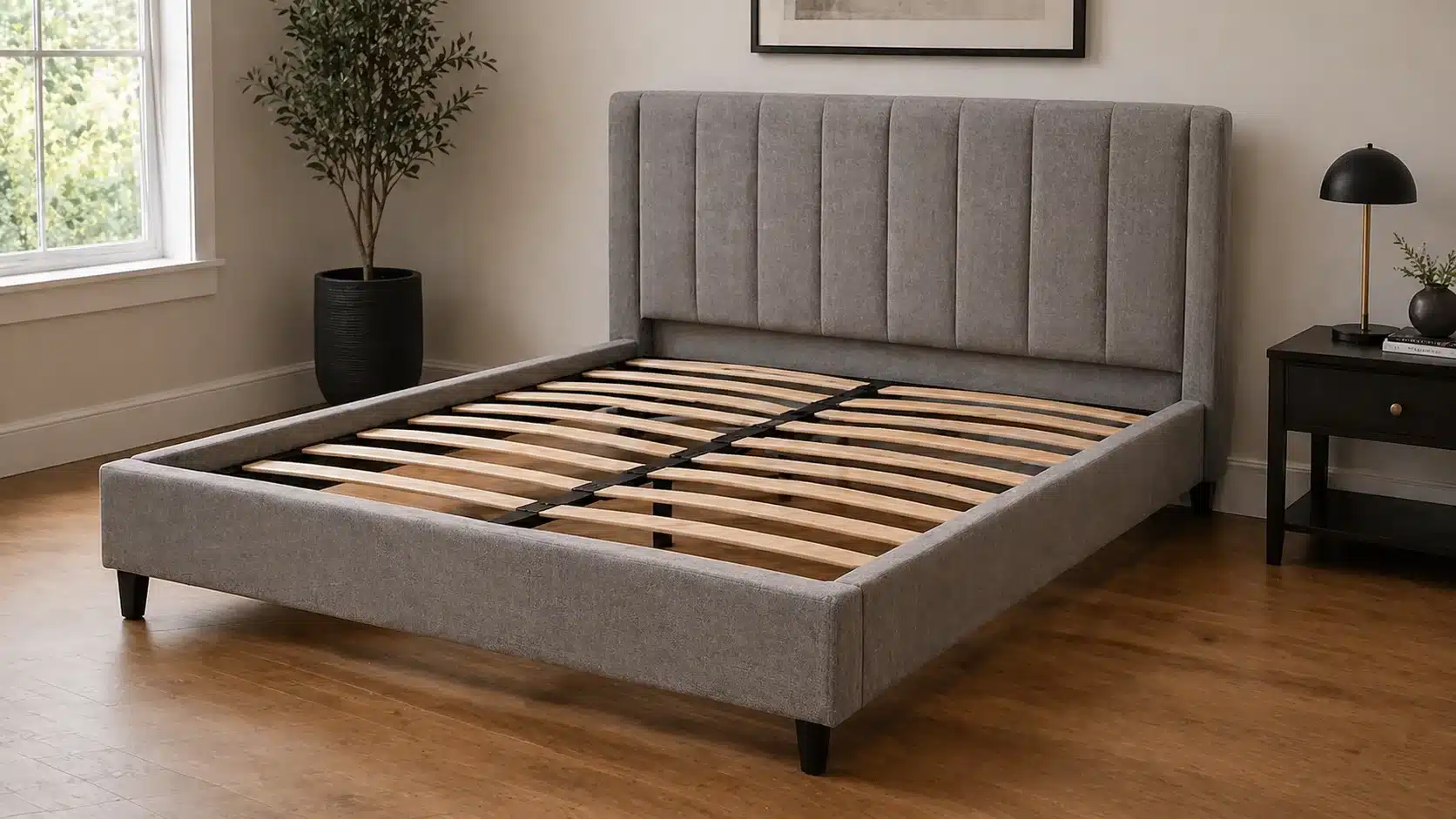
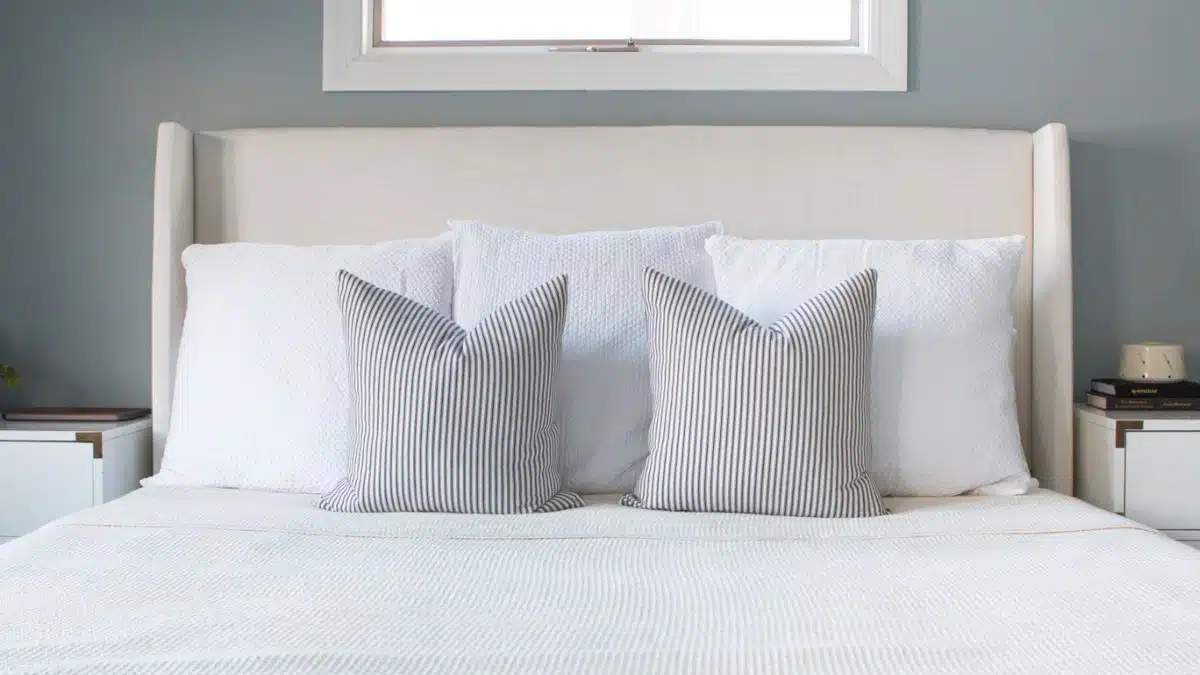
Covered in fabric or leather, upholstered frames bring a softer feel to the room. The padded headboard adds comfort when sitting up, making it easier to relax or read in bed. This type often suits spaces that prefer a warmer, more comfortable look.
Pros
- Comfortable back support for sitting or reading
- Adds warmth and texture to the room
Cons
- Fabric can trap dust and require regular cleaning
- More prone to stains compared to wood or metal
Best for: Bedrooms that prioritize comfort and visual warmth; anyone who reads or watches TV in bed
5. Canopy / Four-Poster Bed
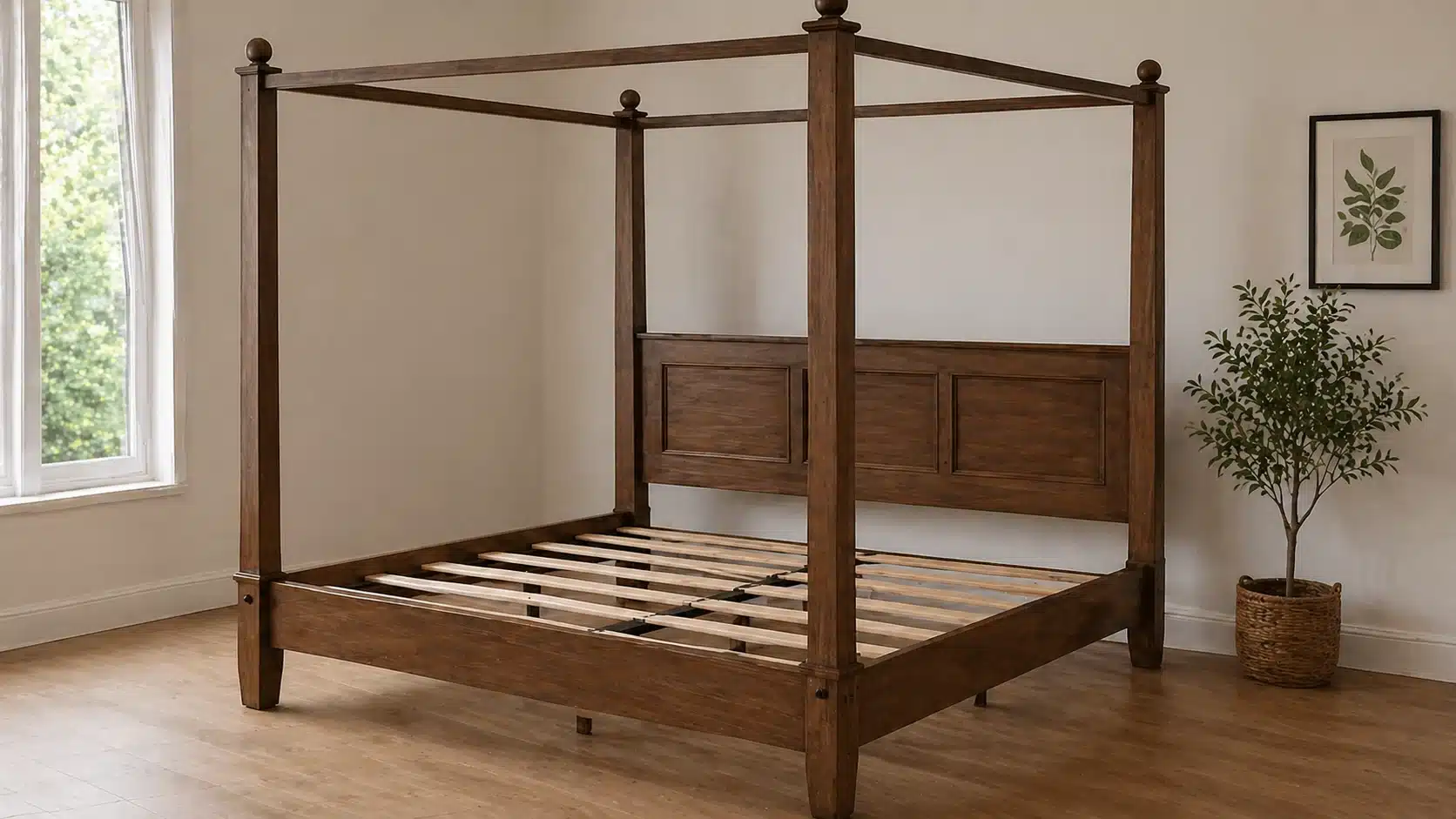
Tall posts at each corner give this bed its distinct shape. Some designs connect at the top, while others remain open.
It naturally draws attention and works best in rooms with enough height and floor space to balance its presence.
Pros
- Creates a strong focal point in the room
- Can add privacy or decorative layering
Cons
- Needs high ceilings and a larger space
- Can make smaller rooms feel crowded
Best for: Large primary bedrooms; rooms where the bed is intended to be the main design feature
6. Sleigh Bed
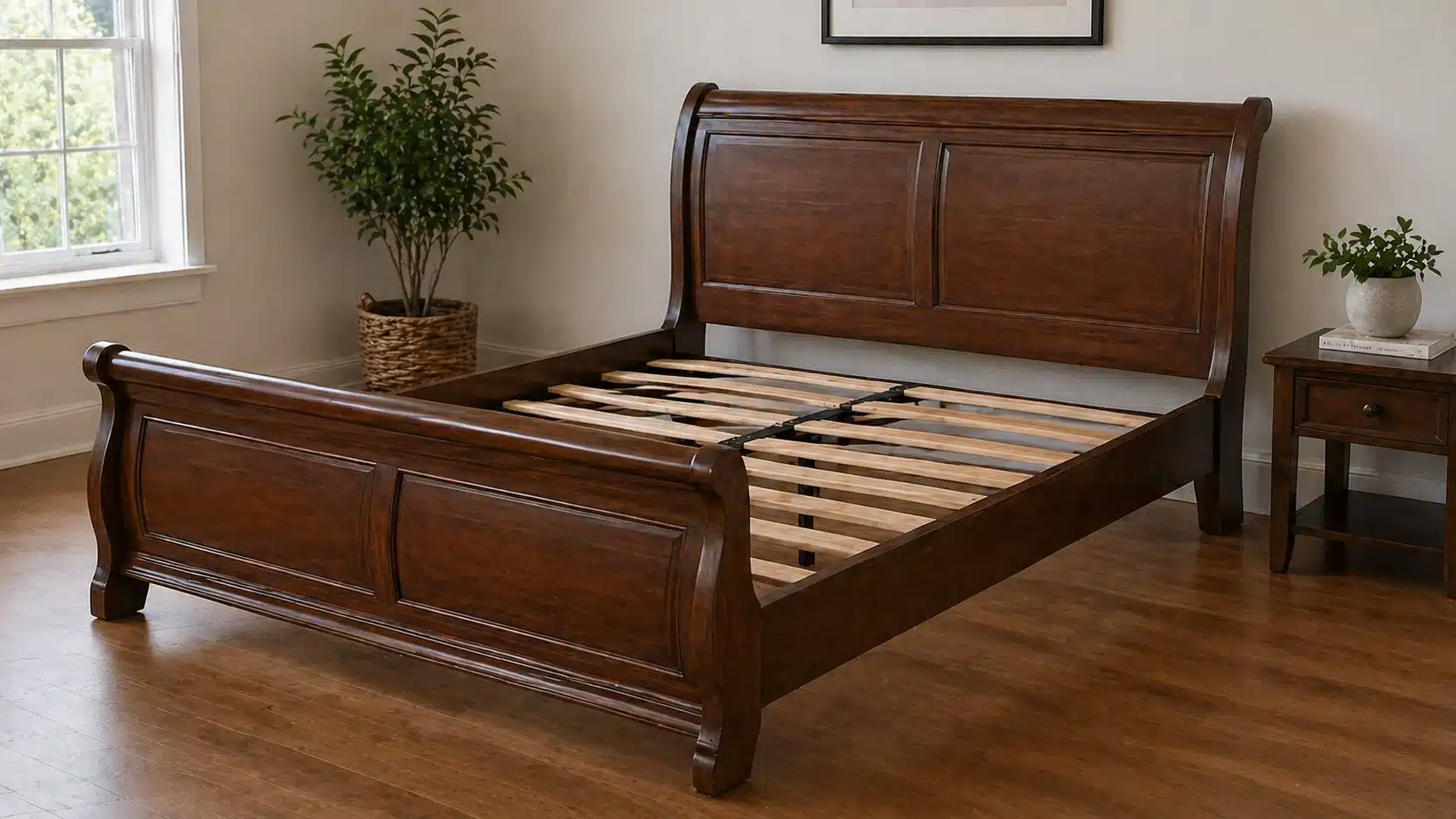
The curved headboard and footboard give this frame its recognizable shape. Often built from wood, it adds a heavier, more traditional feel to the space.
It works best where there’s enough room to accommodate its size without crowding the layout.
Pros
- Solid construction provides long-lasting use
- Distinct shape adds character to traditional spaces
Cons
- Takes up more floor space than simpler frames
- Heavy structure makes it harder to move
Best for: Traditional and transitional bedrooms; buyers who want a statement piece that isn’t as tall as a canopy bed
7. Adjustable Bed Frame
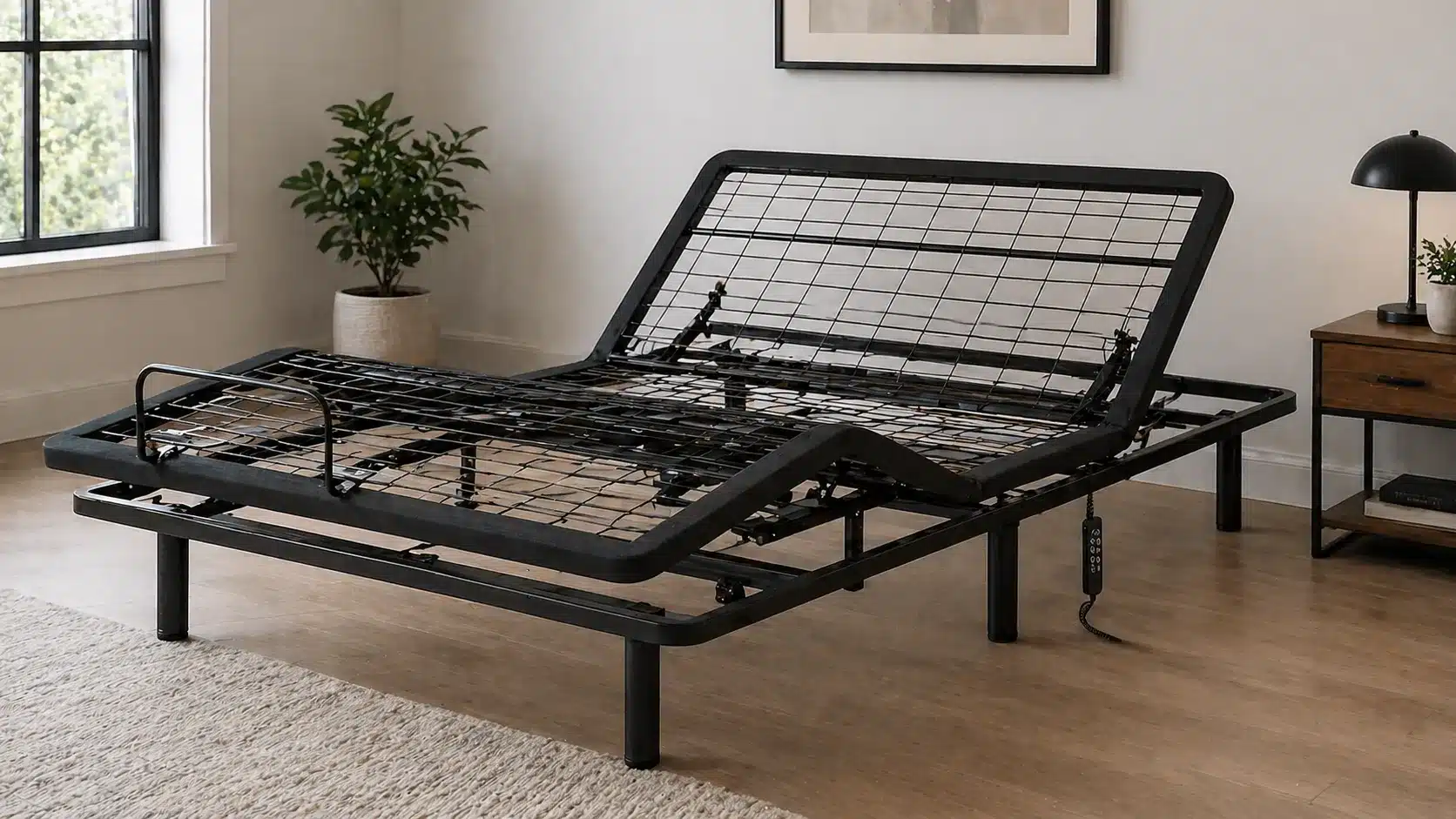
Movement is the key feature here, with sections that lift or lower to change position. This makes it easier to find a comfortable angle for resting, reading, or sleeping. It’s often chosen for added comfort rather than just style, especially when deciding if an adjustable bed makes sense for daily use.
Pros
- Allows customized comfort positions
- Useful for reading, resting, or improving sleep posture
Cons
- Higher upfront cost compared to standard frames
- Requires compatible mattress types
Best for: Sleepers with GERD, sleep apnea, back pain, or circulation issues; anyone who reads or watches TV in bed regularly
Approximate price range: $500 to $2,500+, depending on features and motor quality
8. Metal Bed Frame
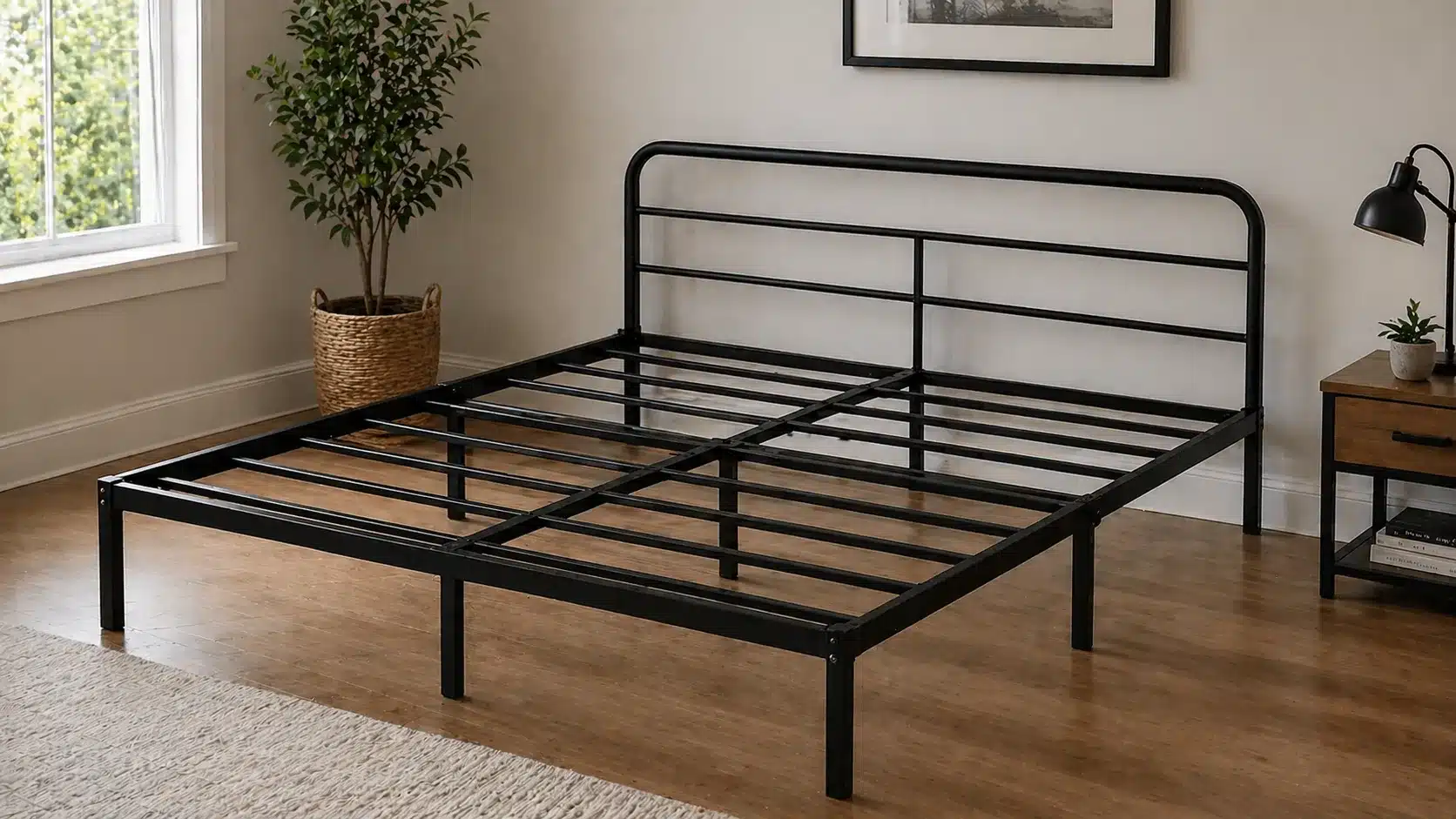
A metal frame keeps things straightforward with a lighter structure that’s easy to handle. It’s often chosen for basic setups or temporary use, though some designs include decorative elements. Practicality and affordability are its main strengths.
Pros
- Easy to move and assemble
- Budget-friendly option for basic setups
Cons
- Limited design variety in simpler models
- Can develop noise or loosen over time
Best for: Renters, temporary setups, college students, budget buyers, and anyone who moves frequently
Approximate price range: $50 to $300 for most basic styles; decorative wrought iron or brass versions $300 to $800+
9. Wooden Bed Frame
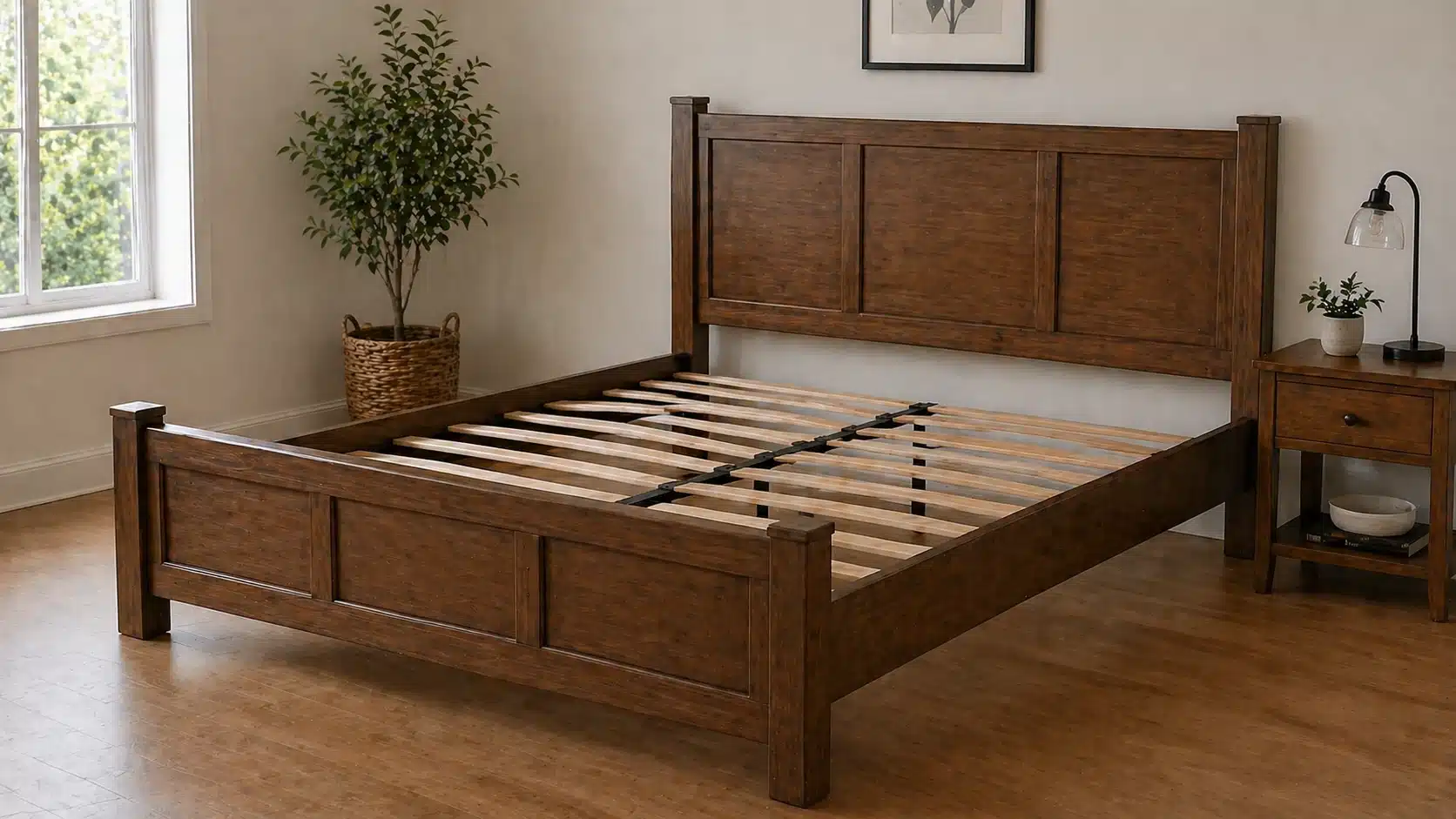
Wooden frames bring a more grounded feel to a bedroom. Depending on the finish and build, they can look simple or more detailed. They tend to last for a long time and fit easily into different interior styles.
Pros
- Long-lasting with proper care
- Works across both modern and traditional interiors
Cons
- Heavier and harder to relocate
- Cost can vary widely based on wood quality
Best for: Permanent bedrooms, buyers investing in long-term furniture, those who want a frame that can evolve with changing decor
10. Floating Bed Frame
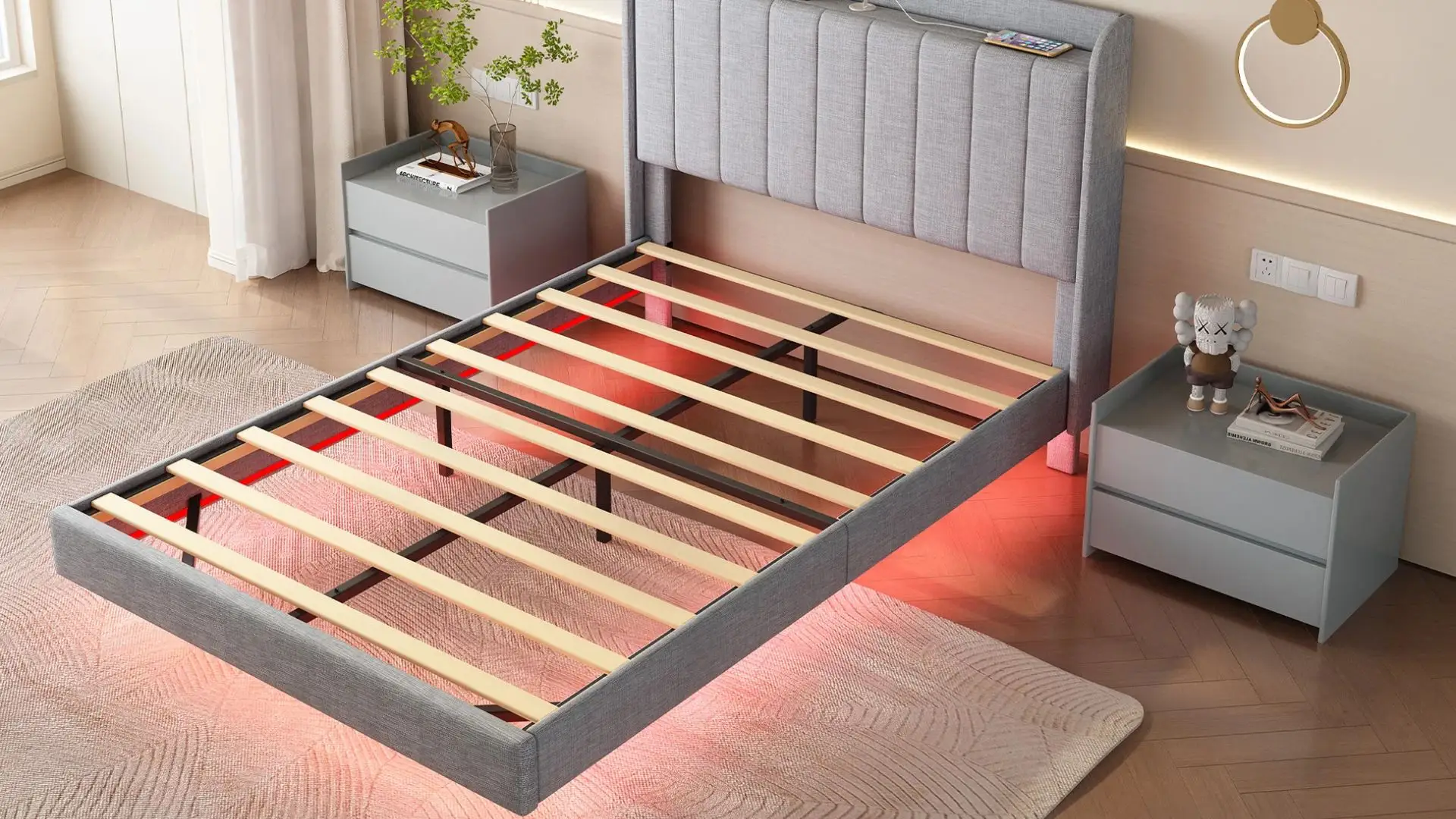
The hidden base creates the illusion of a bed lifted above the floor. This gives the room a cleaner and less cluttered feel. It’s often used in modern spaces where simplicity and visual balance matter.
Pros
- Makes the room feel more open and less cluttered
- Adds a modern, clean visual effect
Cons
- Usually costs more due to design complexity
- Offers little to no storage underneath
Best for: Contemporary and minimalist bedrooms; spaces where the visual effect of a “floating” piece is a deliberate design choice
11. Bunk Bed
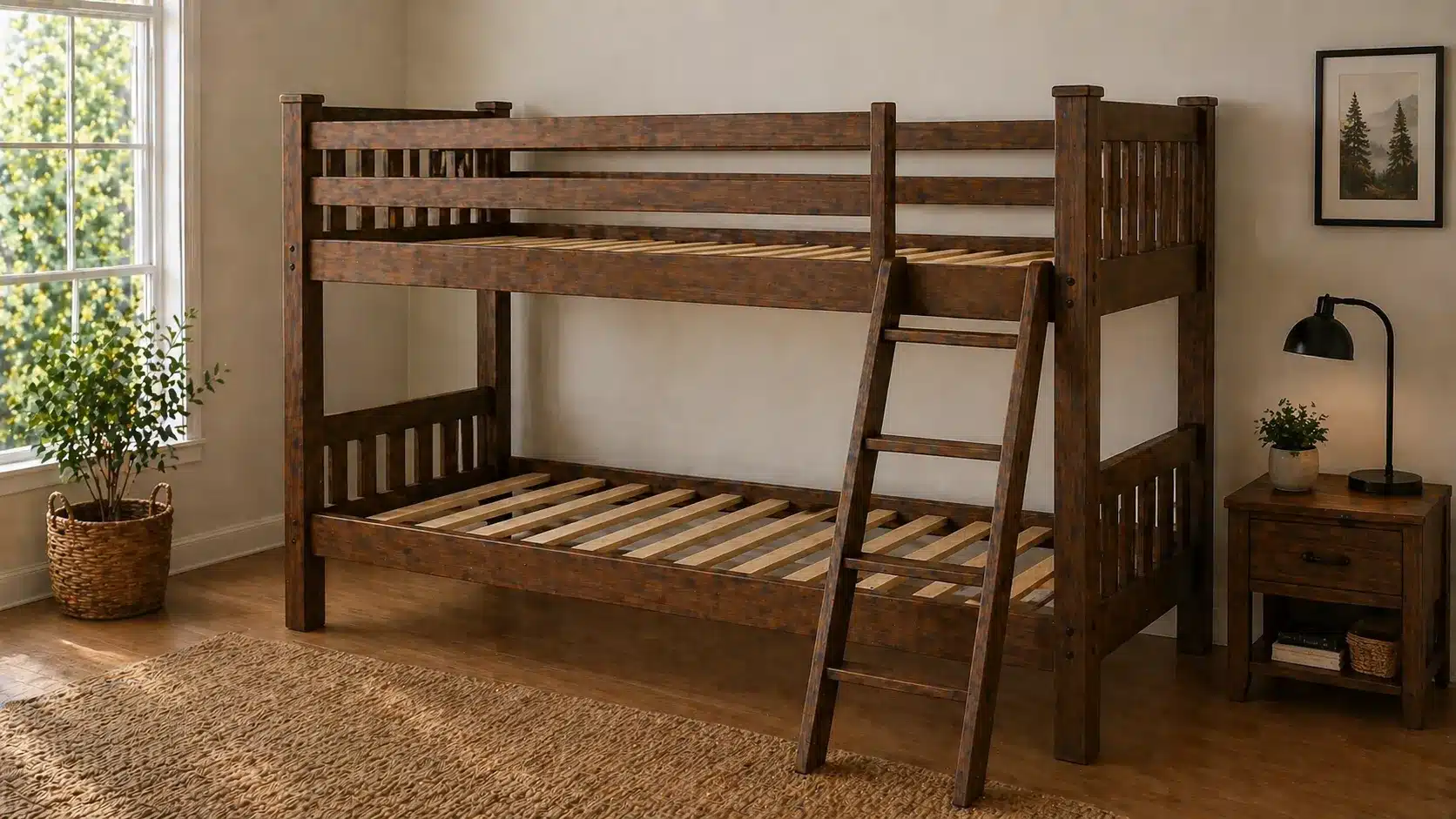
Stacking one bed on top of another helps free up floor space. This setup is common in shared rooms or homes with limited space. It allows more sleeping capacity without expanding the footprint of the furniture.
Pros
- Maximizes vertical space efficiently
- Ideal for shared or smaller bedrooms
Cons
- Safety concerns for upper-level users, especially around bunk bed safety requirements
- Less flexible once installed
| Note on weight capacity Check the weight limit for both the upper and lower bunk separately before purchasing. Most standard bunk beds have upper bunk limits between 150 and 250 pounds, important for adult users or households with changing family members. |
Best for: Shared children’s rooms, vacation cabins, dorms, any space with two sleepers and one room
12. Trundle Bed
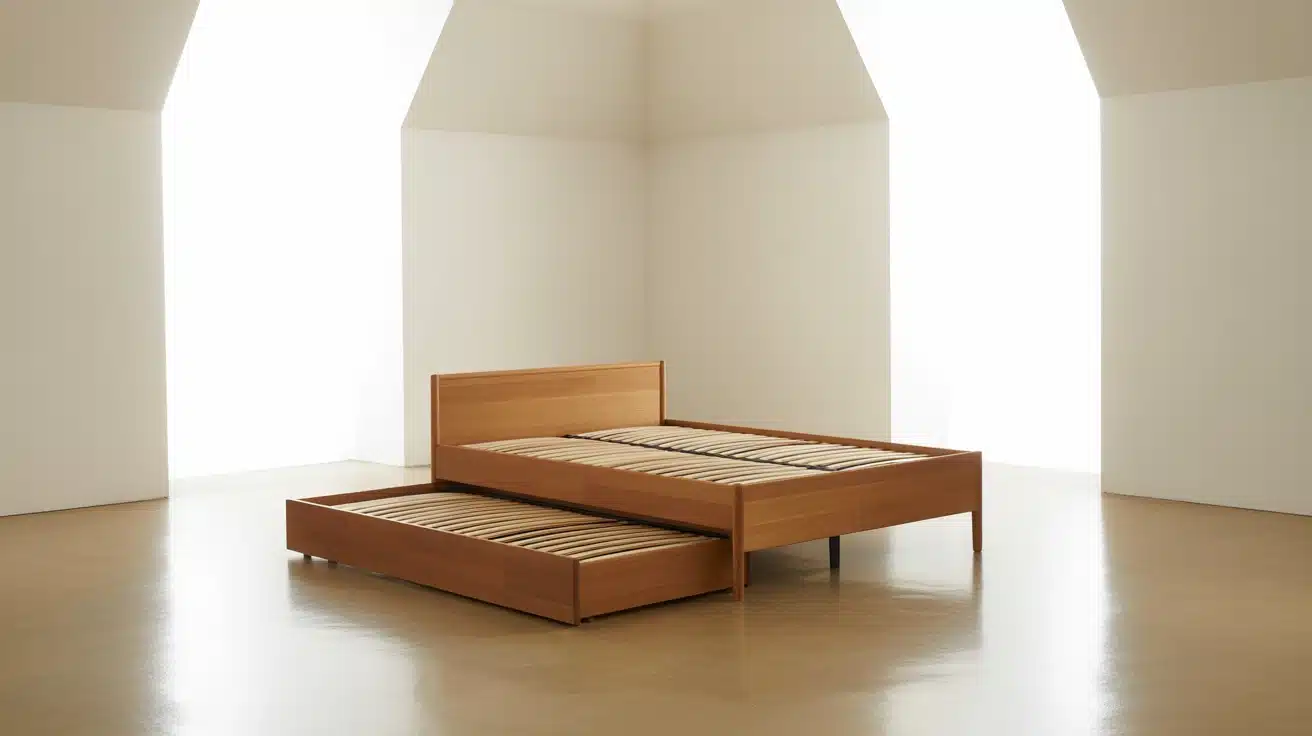
An extra bed stays tucked underneath and can be pulled out when needed. This makes it useful for guests or sleepovers without taking up space daily. When not in use, it remains hidden, keeping the room uncluttered.
Pros
- Adds extra sleeping space without a permanent footprint
- Useful for guests or flexible setups
Cons
- Lower height may not be comfortable for all users
- Limited size and support compared to standard frames
Best for: Children’s rooms, single adults who occasionally host guests, small apartments
13. Murphy Beds
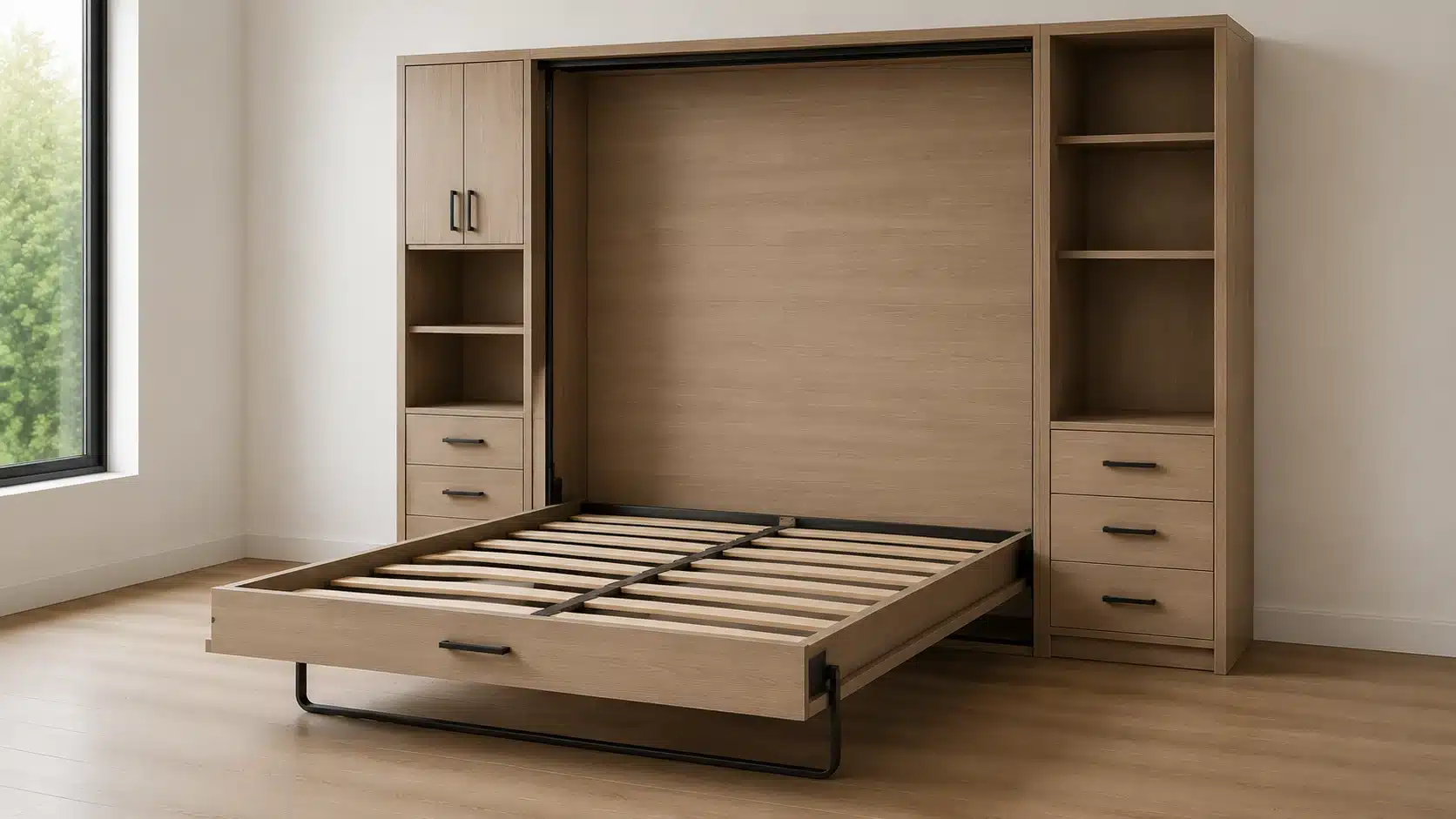
A Murphy bed features a foldable design that allows the bed to be neatly stored away when not in use. Ideal for maximizing space in small rooms or multi-purpose areas, Murphy beds offer a practical and space-saving solution.
Pros
- Maximizes floor space when the bed is stored away
- Perfect for small rooms or multifunctional spaces
Cons
- Installation can be more complex than traditional beds
- May not offer as much comfort as a permanent bed setup
Best for: Studio apartments, home offices that double as guest rooms, any space where daily floor space is more valuable than a permanent bed
Different types of beds serve different types of needs. Focus on comfort, space, and function to choose one that fits your home naturally.
Quick Comparison of Popular Bed Frame Choices
A quick comparison helps you see which bed frame suits your space, comfort needs, and budget before making a choice.
| Bed Type | Best For | Key Benefit | Main Drawback |
|---|---|---|---|
| Platform | Modern homes | No box spring | Low height |
| Storage | Small rooms | Extra storage | Higher cost |
| Adjustable | Comfort needs | Flexible position | Expensive |
| Canopy | Large rooms | Statement look | Needs space |
Use this table as a simple starting point, then choose different types of beds based on room size, comfort, storage needs, and daily use.
Popular Bed Frame Design Trends
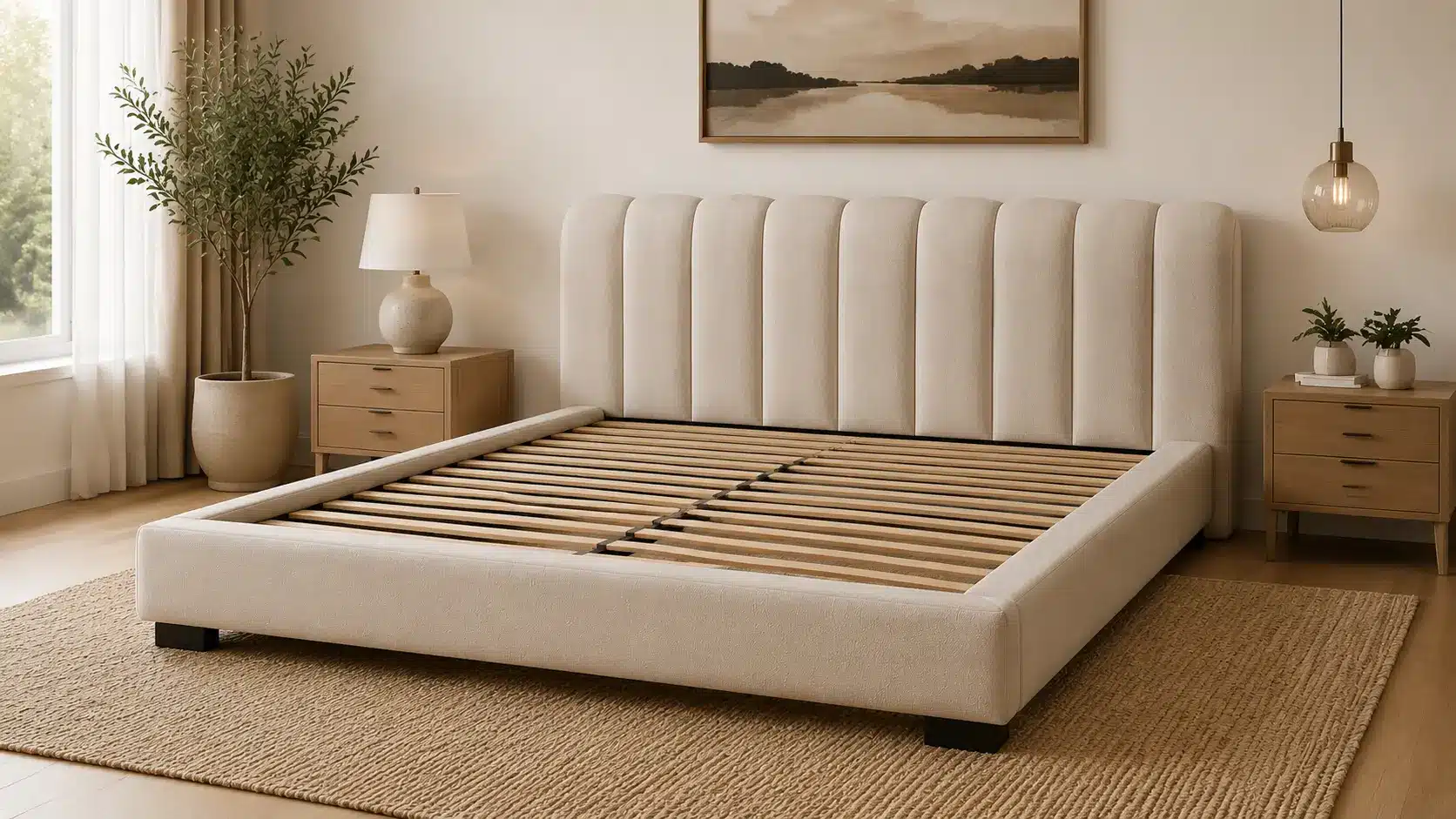
Bed frame design in 2026 is shifting toward calm, comfort-focused, and visually grounded interiors. Instead of heavy or ornate styles, the emphasis is on simplicity, texture, and a softer bedroom atmosphere.
Low-profile frames with clean lines are becoming more common, helping spaces feel open and uncluttered. This minimal approach is often balanced with warmer materials to avoid a cold or plain look.
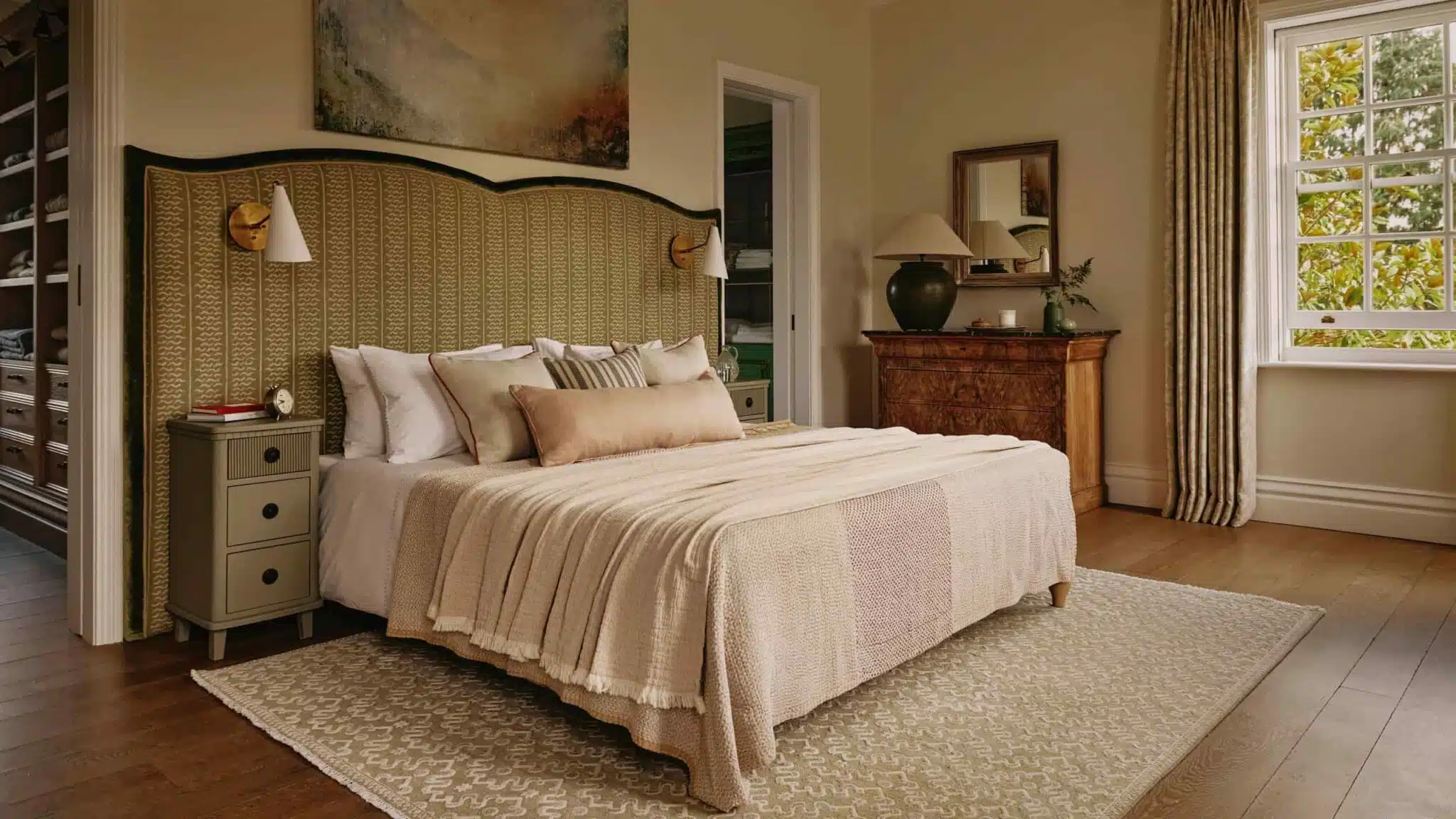
Upholstered beds remain widely used, especially designs with padded or sculptural headboards that create a cozy, supportive feel for rest.
Natural wood frames are also gaining attention again, with light, warm finishes that bring a grounded, organic quality to bedrooms.
Statement headboards continue to stand out, using curved shapes, channel detailing, and mixed materials to make the bed a clear focal point in the room.
Things to Consider While Buying a Bed Frame
A bed frame should fit your space, support your mattress well, and match your daily needs without making the room feel difficult.
- Room Size: Check how much space you have before choosing. A large frame can limit movement, while a smaller one keeps the room open and usable. You may want to refer to a bedding size chart to ensure the mattress and frame align properly.
- Storage Needs: Decide if you need built-in storage. Drawers or lift-up bases can help manage clutter, especially in rooms without enough closet space.
- Mattress Compatibility: Some frames need a box spring, while others do not. Make sure your mattress works properly with the frame you choose.
- Height Preference: The height of your bed plays a big role in overall comfort. While lower frames can create a sleek, modern look, higher beds are often preferred for their ease of use. If you’re looking for typical dimensions, the average bed height is a good reference point.
- Material and Durability: Wood, metal, or upholstered frames all vary in strength and upkeep. Choose based on how long you want it to last.
A well-chosen bed frame supports comfort, saves space, and lasts longer, making your bedroom easier to use every single day.
Final Thoughts
There isn’t one type of bed frame that works for everyone. The right choice depends on your space, how you use your room, and what kind of comfort you prefer.
A simple platform frame might be enough for one home, while another might benefit from built-in storage or an adjustable setup.
The goal is to find something that fits into your daily routine without making the room feel crowded or difficult to use.
Frequently Asked Questions
What is the Difference Between a Bed Frame and a Bed Base?
A bed frame usually includes legs, side rails, and sometimes a headboard, while a base refers to the support structure under the mattress, like slats or a solid platform.
How Long Does a Bed Frame Typically Last?
A well-built bed frame can last 8 to 15 years, depending on the material, build quality, and daily use.
Can You Use Any Mattress on Any Bed Frame?
Not always. Some frames require specific support, such as slat spacing or flexibility, so it’s important to match the mattress type with the frame design.
Which Bed Frame is Easiest to Maintain?
Metal and simple wooden frames are usually easier to maintain, as they require less cleaning and are less prone to collecting dust or stains.