
When shopping for new bedding, thread count often takes center stage in marketing claims and product descriptions.
This numerical value represents the total number of horizontal and vertical threads woven into each square inch of fabric.
Understanding its actual impact on your sleep experience requires looking beyond the numbers.
Many shoppers wonder about the best thread count for sheets and what the highest thread count available on the market is.
Thread count works alongside fabric type, weave style, and material quality to determine your sheets’ final feel, durability, and comfort level.
Making an informed decision means considering how all these elements work together to create the perfect sleeping environment for your specific needs and preferences.
What is Thread Count?
Thread count measures the density of threads woven into one square inch of fabric, counting both warp (vertical) and weft (horizontal) threads.
This measurement directly influences three key characteristics of your sheets: texture, longevity, and air circulation. Higher thread counts generally create a smoother, more tightly woven fabric.
However, the relationship isn’t always linear – extremely high thread counts can sometimes compromise breathability by creating such a tight weave that air circulation becomes restricted.
The counting method can also vary between manufacturers, with some using creative accounting to inflate numbers.
Understanding thread count as one component of overall fabric quality, rather than the sole indicator of sheet excellence, helps you make better purchasing decisions.
Ideal Thread Count for Different Types of Sheets
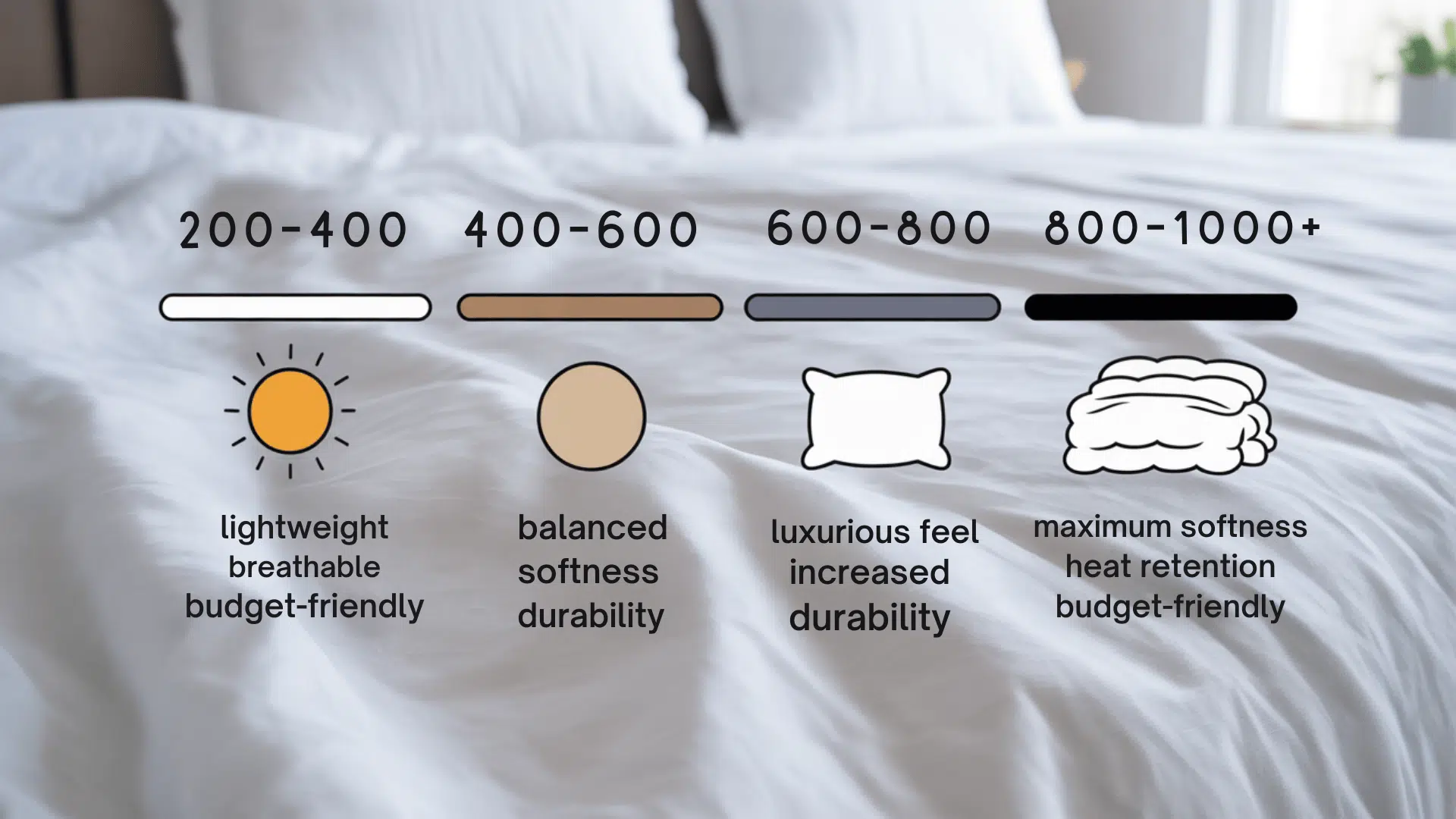
Lower thread counts offer excellent breathability and affordability, making them perfect for warm climates or those who sleep hot.
| Thread Count | Characteristics | Best For |
|---|---|---|
| 200-400 | Lightweight, breathable, budget-friendly | Hot sleepers, summer use, casual comfort |
| 400-600 | Balanced softness and durability | Year-round use, most sleep preferences |
| 600-800 | Luxurious feel, increased durability | Premium comfort, cooler climates |
| 800-1000+ | Maximum softness, potential heat retention | Luxury seekers, cold sleepers |
Mid-range counts provide the sweet spot for most people, balancing comfort with practicality. Higher ranges deliver a luxury feel but may trap more heat and come with premium pricing.
Other Key Factors to Consider When Buying Sheets
Consider these elements together rather than focusing solely on thread count for the results:
- Fabric Type plays a crucial role beyond thread count. Cotton varieties like Pima and Egyptian offer superior softness and durability compared to standard cotton.
- Weave Style significantly impacts feel – percale creates crisp, hotel-like comfort with excellent breathability, while sateen produces a smooth, lustrous finish with more warmth retention.
- Material Quality depends on fiber length, with long-staple cotton creating stronger, softer sheets than short-staple alternatives.
- Finishing Process techniques like mercerization can enhance strength and appearance.
How Thread Count Affects Sleep Quality?
Thread count influences your nightly comfort through three primary pathways.
Softness and comfortgenerally increase with higher thread counts. However, the relationship plateaus around 600-800 threads, after which improvements become minimal.
Durability shows a more complex relationship – moderate thread counts often outlast extremely high ones because overly dense weaves can make fabric brittle and prone to tearing.
Breathability and Temperature Regulation typically decrease as thread count rises, since tighter weaves restrict airflow.
The fabric type and weave style can override thread count effects, making material selection equally crucial for sleep quality optimization.
Recommended Thread Count for Specific Sleep Needs
Find optimal thread counts tailored to your sleeping style, if you run hot, feel cold at night, or have sensitive skin requiring special fabric considerations.
| Sleeper Type | Ideal Thread Count | Best Fabrics/Weaves | Benefits |
|---|---|---|---|
| Hot Sleepers | 200–400 | Percale cotton, linen | Cool & breathable |
| Cold Sleepers | 600–800 | Sateen weave | Warm & cozy |
| Sensitive Skin | 300–500 | Organic cotton (no harsh finishes) | Gentle & irritation-free |
Your ideal thread count varies by sleep style: 200-400 for hot sleepers seeking breathability, 600-800 for cold sleepers wanting warmth, and 300-500 for sensitive skin requiring gentle materials.
Personal comfort preferences always override general recommendations when selecting sheets.
Consider your primary sleep concerns when selecting thread count, remembering that personal comfort preferences often override general recommendations.
Best Thread Count for Sheets: Top Picks

Consider your budget, climate, and comfort priorities when selecting from these categories.
| Category | Product Name & Link | Thread Count | Material |
|---|---|---|---|
| Luxury Feel | Brooklinen Luxe CoreSheet Set | 480 | Long-staple cotton sateen |
| Luxury Feel | The Company Store Legends Hotel Supima Sheets | 450 | Supima cotton sateen |
| Budget-Friendly | California Design Den Cotton Sheets | 400 | Single-ply cotton |
| Budget-Friendly | L.L.Bean Pima Cotton Percale Sheet Set | 280 | Pima cotton percale |
These products are highly rated by experts and consumers for their comfort, fiber quality, and durability.
Care to Maintain Thread Count Quality
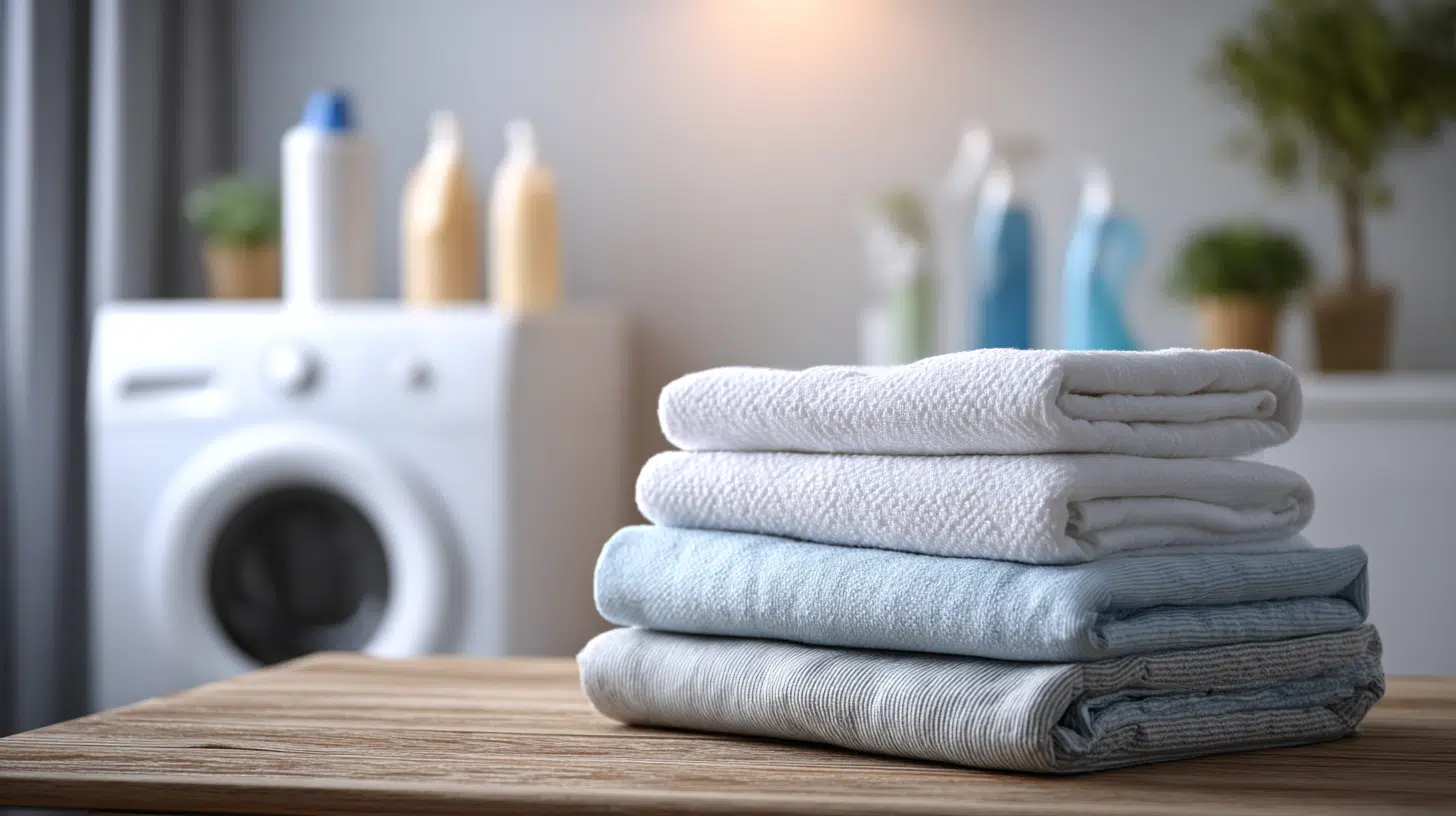
Proper sheet care preserves texture, appearance, and lifespan regardless of thread count, ensuring your investment maintains quality through countless wash cycles.
- Wash in cool or warm water with gentle detergents, avoiding fabric softeners that break down fibers.
- Prevent overloading washing machines to reduce excessive friction and tangling.g
- Tumble dry on low heat or line dry to minimize fiber damage and shrinkage
- Store sheets in breathable cotton bags rather than plastic to prevent moisture buildup
Regular gentle care extends your sheets’ lifespan significantly. Following these maintenance practices ensures your chosen thread count continues delivering optimal comfort and performance over time.
Common Thread Count Myths
Many widespread beliefs about thread count have little basis in reality, leading consumers to prioritize numbers over actual quality and comfort.
Myth 1: Higher Thread Count Always Equals Better Sheets
Truth: Softness improves up to 600–800 threads, but beyond that, quality and yarn thickness matter more than thread count for comfort.
Myth 2: Thread Count Determines Durability
Truth: Durability depends on fiber quality and weave, not just thread count; high-quality cotton at moderate counts often lasts longer than inflated high-count sheets.
Making Your Final Decision: Beyond the Numbers
Thread count serves as just one piece of the bedding puzzle, working alongside fabric type, weave construction, and material quality to create your final sleep experience.
Consider your sleeping temperature preferences, skin sensitivity, and climate when making selections.
Remember that quality construction and honest manufacturing practices often deliver better results than inflated thread count claims.
The best sheets are those that help you sleep comfortably night after night, regardless of their numerical specifications.
Ready to find your perfect sheets? Start by identifying your sleep preferences and budget, then search reputable brands that prioritize quality materials over marketing gimmicks for the best night’s rest.