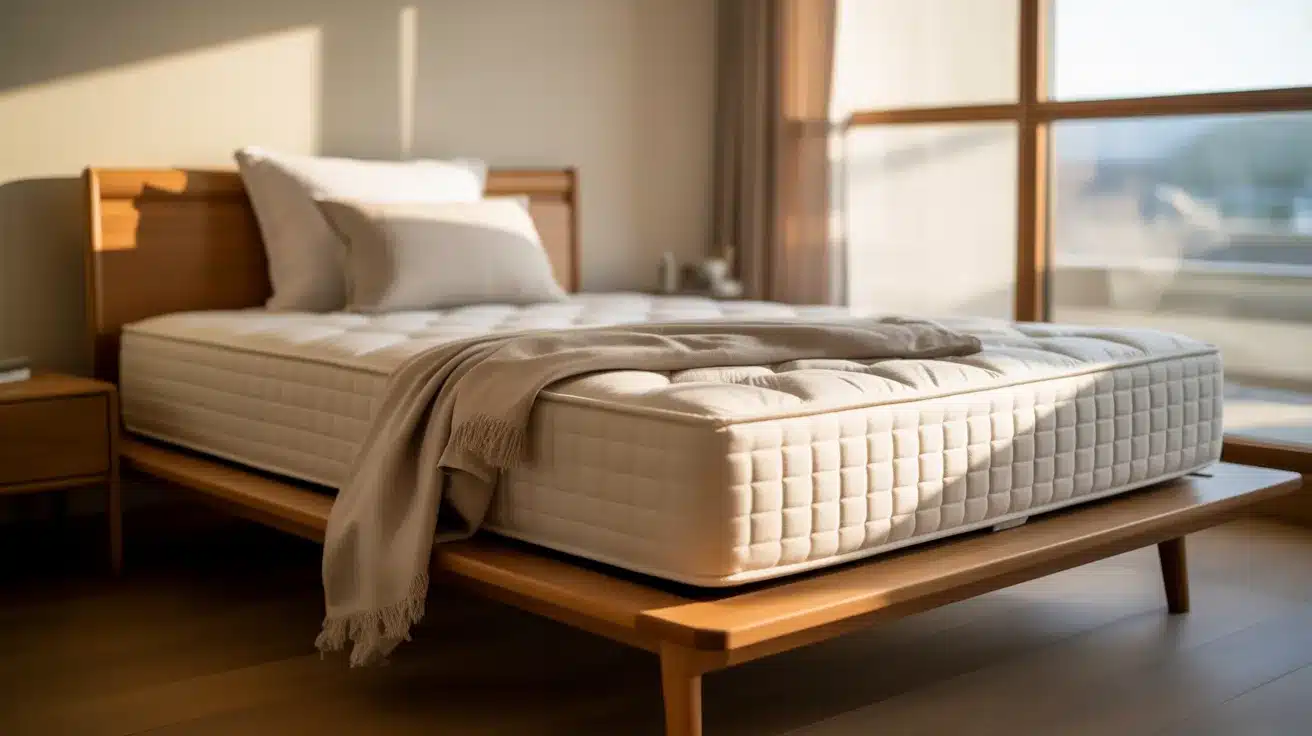



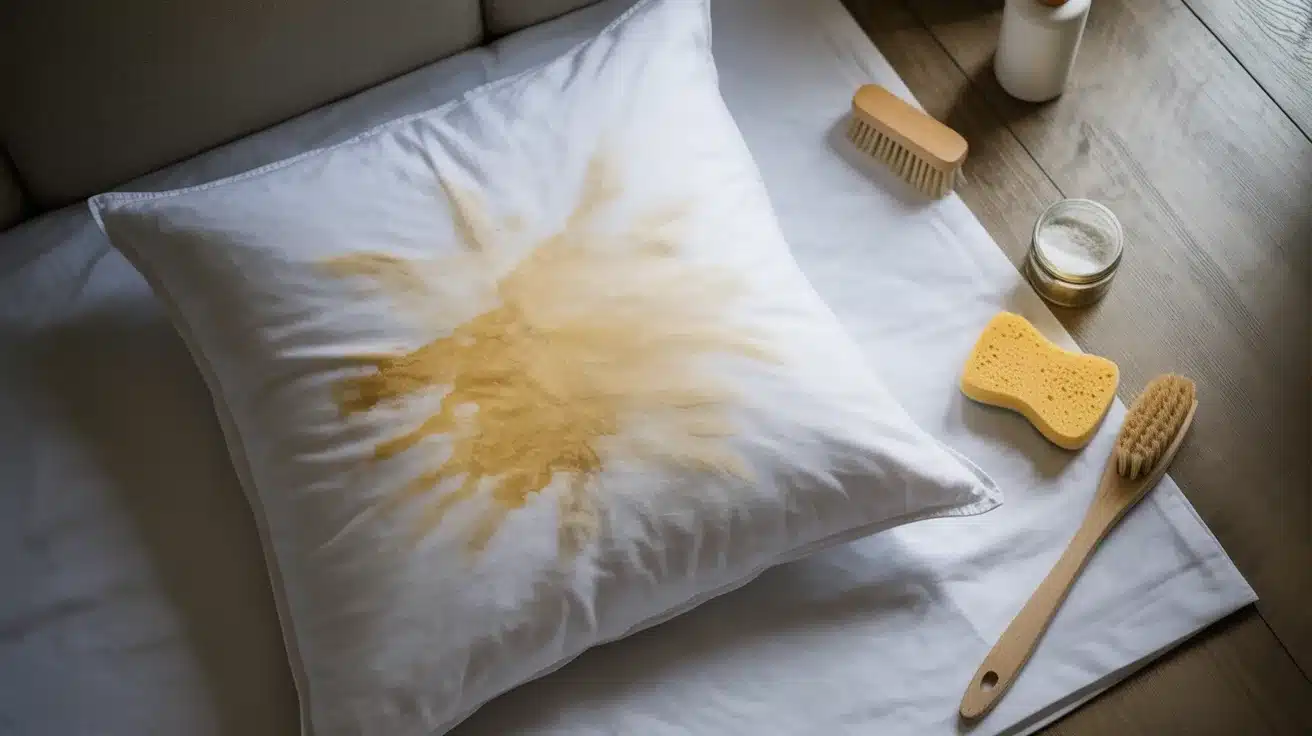
Tossing and turning all night? Your mattress might be the problem. Choosing between hybrid vs memory foam can make or break your sleep quality.
These two popular bed types offer very different feels, support levels, and price points. Hybrids give you bounce, stronger edge support, and cooler airflow.
Memory foam hugs your body tight and blocks motion transfer. One lifts you up. The other cradles you down. The right choice depends on what your body truly needs.
Want better temperature control and that responsive feel? Hybrid might be your match. Crave that deep sink-in feeling and motion isolation? Memory foam could be calling your name.
Both have real benefits, but understanding their differences helps you sleep better and spend smarter.
What Is A Hybrid Mattress?
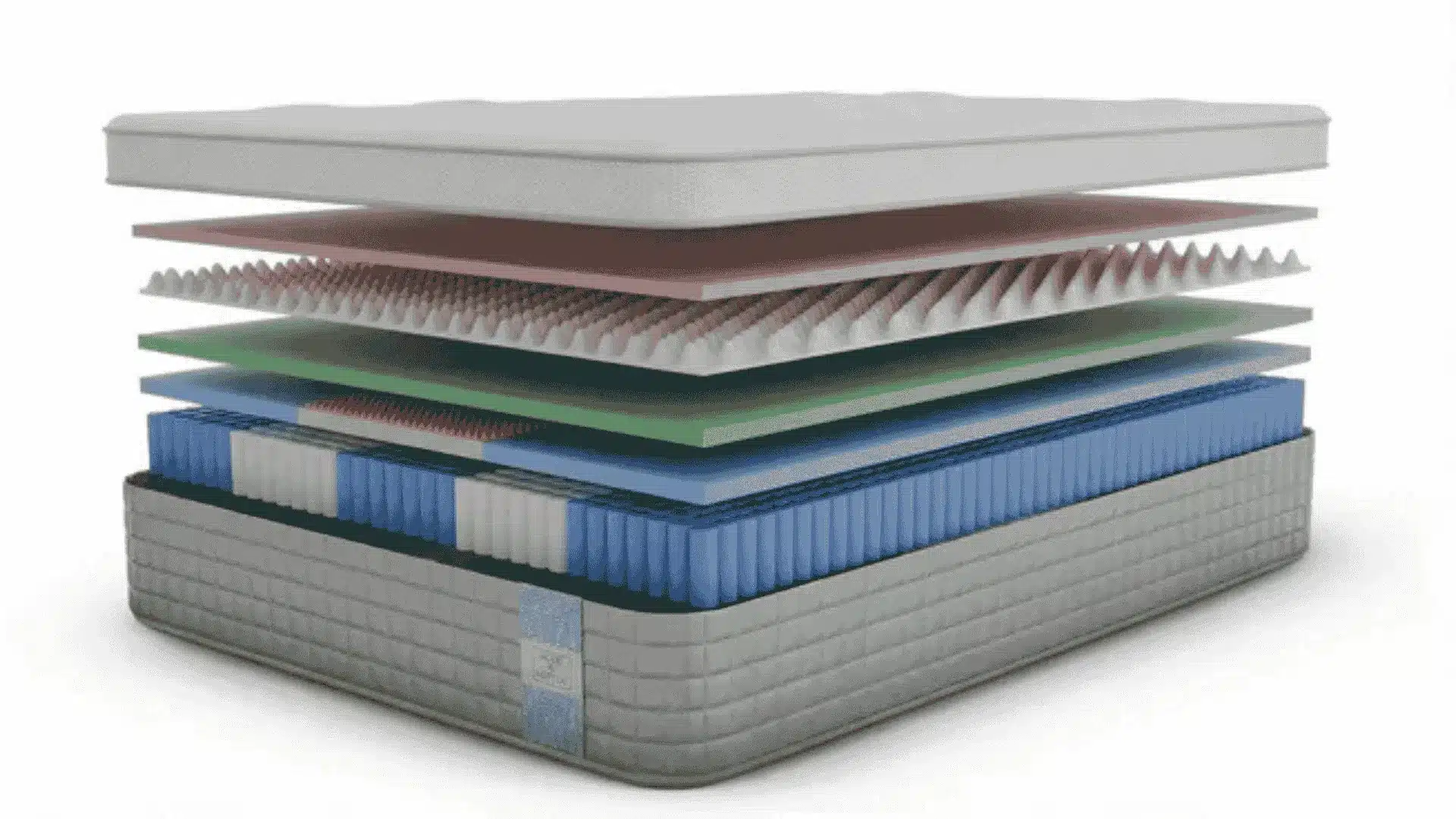
A hybrid mattress combines two different support systems into one comfortable bed. The bottom layer uses metal coils for bounce and better airflow. The top layers add soft foam for pressure relief and cushioning.
Coils come in two types: pocketed coils, which move independently, and traditional coils, which connect. Comfort layers can be made of memory foam, polyfoam, or latex.
Hybrids feel bouncy and responsive, making it easier to change positions. This design gives you the best of both worlds in one bed.
Hybrid Mattress Pros
- Air flows easily through the coil spaces, keeping the bed cooler throughout the night compared to solid-foam mattresses that trap heat.
- The coil base creates strong edge support so you can sit or sleep near the sides without rolling off easily.
- Hybrids give you more bounce and spring, which helps when moving around at night or getting in and out of bed.
Hybrid Mattress Cons
- Hybrid beds usually cost more money upfront than basic memory foam options because they use more materials and complex construction methods.
- You might feel your partner moving at night more than with memory foam, especially if the coils are not individually wrapped.
- Most mattresses, including hybrid and memory foam, should be rotated every 3–6 months to prevent uneven wear.
Hybrids offer a balanced sleeping experience that works for many different body types and sleep styles.
The combination of coils and foam creates a bed that stays cool, supports your body well, and feels comfortable night after night.
What Is A Memory Foam Mattress?
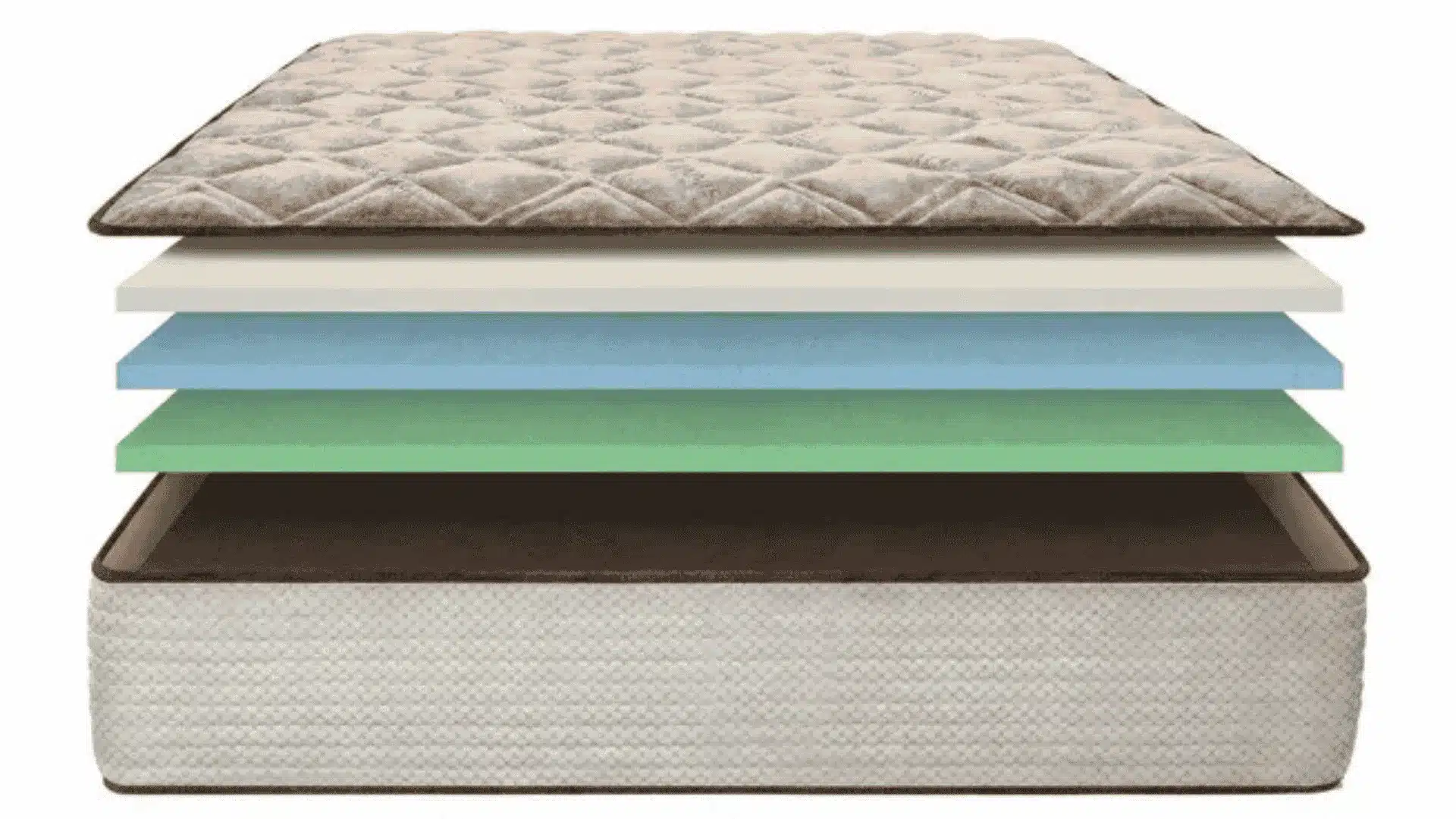
A memory foam mattress uses only foam layers, with no metal coils inside.
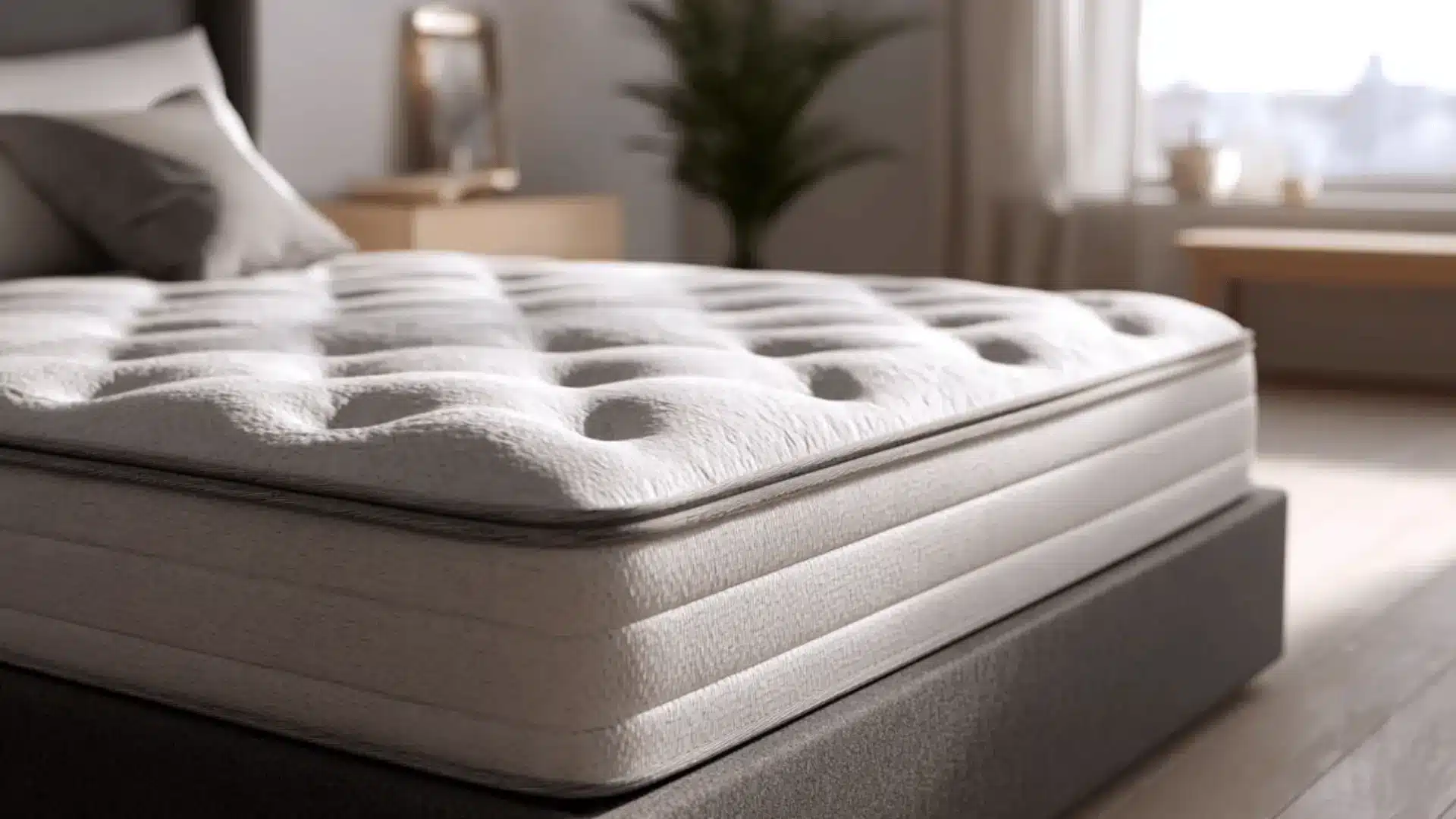
These beds are built with three main layers: a soft comfort layer on top, a transition layer in the middle, and a firm base layer at the bottom.
Memory foam responds slowly to your body weight and heat, creating that famous “hugging” feeling. The material molds closely around your shoulders, hips, and pressure points.
This deep contouring helps reduce pain and discomfort while you sleep. Memory foam beds feel different from hybrids because they sink in more and have less bounce.
Memory Foam Mattress Pros
- Memory foam provides excellent pressure relief, making it a great choice for side sleepers and anyone dealing with joint pain or body aches.
- These beds block motion transfer well, so you won’t feel your partner tossing and turning throughout the night.
- The deep body contouring keeps your spine aligned properly and reduces pressure on sensitive areas like shoulders, hips, and lower back.
Memory Foam Mattress Cons
- Memory foam can trap body heat, making it sleep warmer than hybrid beds unless the mattress includes special cooling materials or gel.
- The deep sink-in feeling can make it harder to move around, change positions, or get out of bed quickly in the morning.
- Edge support is usually weaker on memory foam beds, so sitting on the side or sleeping near the edge feels less stable.
Memory foam mattresses work best for sleepers who love that close body hug and want maximum motion isolation.
The all-foam design creates a quiet, pressure-free sleeping surface that many people find incredibly comfortable.
Hybrid Mattress Vs Memory Foam: Key Differences
Hybrid and memory foam mattresses work in very different ways. Understanding these key differences helps you pick the right bed for your sleep style and body needs.
Let’s compare them side by side so you can see exactly how they stack up.
| Comparison Factor | Hybrid Mattress | Memory Foam Mattress |
|---|---|---|
| Construction | Coils on bottom, foam layers on top | All foam layers, no coils inside |
| Feel | Bouncy and easy to move around | Slow response, hugs your body closely |
| Cooling | Stays cooler with better airflow | Can trap heat without cooling features |
| Pressure Relief | Light to medium pressure relief | Deep contouring with excellent pressure relief |
| Motion Isolation | You might feel partner movement | Blocks motion transfer really well |
| Edge Support | Strong edges for sitting and sleeping | Weaker edges that compress easily |
| Durability | Lasts about 7–10 years, depending on materials | Usually lasts 6–10 years, depending on foam density |
| Price Range | $1,000–$3,000+ for quality options | $600–$2,500+ for most models |
These differences show why some sleepers love hybrids while others prefer memory foam. Your best choice depends on whether you want bounce or hug, cooling or contouring, and how much you want to spend.
Similarities Between Hybrid And Memory Foam Mattresses
While hybrid and memory foam beds differ in many ways, they also share some important features. Let’s see what the key similarities include.
- Pressure relief: Both mattress types can reduce pressure on your hips, shoulders, and back, depending on the foam quality and the bed’s firmness.
- Multiple firmness options: You can find both hybrid and memory foam beds in soft, medium, and firm levels, suitable for back, side, and stomach sleepers.
- Cooling technology options: Many brands add cooling features like gel foam, special breathable covers, or temperature-regulating materials to both the mattresses.
- Quality foam layers: Both bed types use similar comfort foams on top, so you can get good cushioning and support from either style.
- Size availability: Hybrid and memory foam mattresses are available in all standard sizes, from twin to California king, for any bedroom.
These shared features mean you can find comfort, support, and cooling in either mattress type. The best choice comes down to whether you prefer the bouncy feel of hybrids or the hugging feel of memory foam.
Which One Should You Buy?
Picking between hybrid and memory foam depends on your personal sleep needs and preferences. Think about how you sleep, what bothers you at night, and what feels most comfortable to your body.
Choose A Hybrid If You…
- Sleep hot: Hybrids keep you cooler because air flows easily through the coil spaces throughout the night.
- Want bounce: The coil system provides springiness, making it much easier to move around or get out of bed.
- Need strong edges: Coils create firm edge support so you can sit or sleep near the sides without rolling off.
- Carry more weight: Many hybrid models provide stronger support for heavier body types.
Choose Memory Foam If You…
- Want a deep hug: Memory foam cradles your body closely and molds around every curve for maximum comfort.
- Share your bed: These mattresses block motion transfer extremely well, so you won’t feel your partner moving around.
- Watch your budget: Memory foam often costs less than hybrid beds while still giving you good quality and pressure relief.
- Sleep on your side: The deep contouring helps reduce pressure on your shoulders and hips.
Quick Decision Checklist (Before You Buy)
Before buying, consider your main sleep position and body weight. Consider if you sleep hot or feel your partner moving at night.
Set a clear budget, and always look for trial periods so you can test the mattress at home, risk-free, before keeping it.
Your perfect mattress matches your unique body and sleep habits. Take time to think through these factors, test mattresses during trial periods, and trust what feels most comfortable to you.
Conclusion
Choosing between hybrid vs memory foam comes down to five simple factors: the feel you want, how hot you sleep, whether partner movement bothers you, the support your body needs, and your budget.
Hybrids give you bounce, cooling, and strong edges. Memory foam offers deep hugging, motion isolation, and better prices.
Neither mattress type is better overall; the right choice depends completely on your unique sleep needs and preferences.
The smartest move? Use sleep trials to test your top pick at home for at least 30 nights. Your body will tell you what works best.
Ready to upgrade your sleep? Comment below your needs and what mattress you decide to pick.