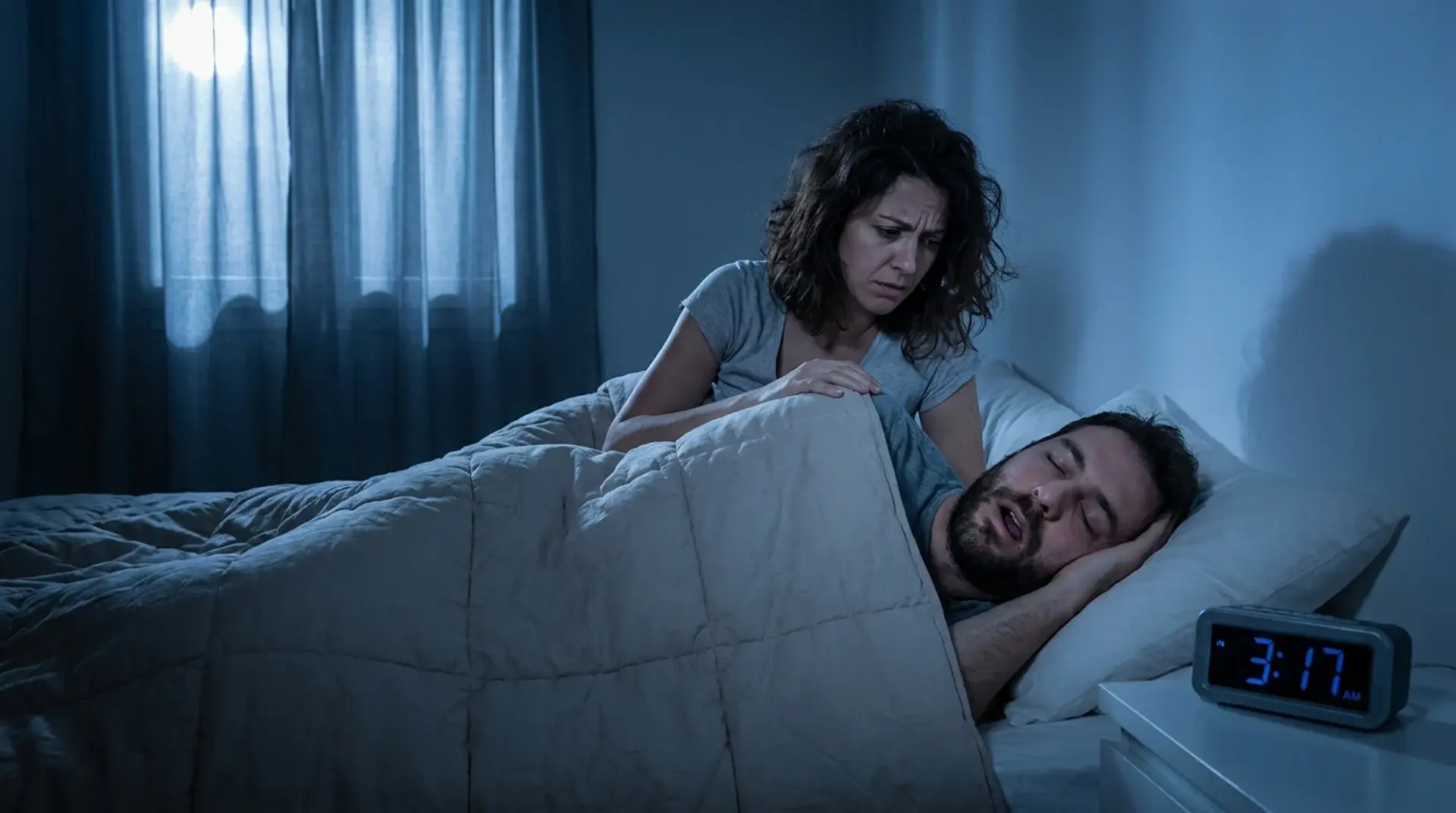




Melatonin is one of the most commonly used sleep supplements, yet a surprising number of people find it does nothing for them, and I hear this more than you would think.
The problem is rarely the supplement itself. In my experience, timing, dosage, screen habits, underlying conditions, and individual biology all shape whether melatonin works or quietly fails.
Understanding where the disconnect happens is often the first step toward actually fixing your sleep rather than chasing a solution that was never suited to your situation in the first place.
Understanding Melatonin and How It Works in the Body
Melatonin is a hormone your brain produces naturally in response to darkness. It regulates your internal clock, telling your body when it is time to wind down and prepare for sleep.
Most people assume taking a supplement works the same way, but the reality is more specific than that. Melatonin works as a timing signal, not a sleep switch.
When light fades in the evening, your pineal gland releases melatonin into the bloodstream, signaling that nighttime has arrived. It lowers alertness and shifts your system toward rest, but it does not knock you out or induce sleep on its own.
Levels rise a couple of hours before your natural bedtime, peak around 3 to 4 AM, and drop sharply in the early morning. Timing matters far more than dose.
Why Melatonin Doesn’t Work for You

If you have been taking melatonin and still lying awake, you are not dealing with a broken supplement. From what I have seen, there are specific, identifiable reasons why melatonin stops working or never works at all for certain people.
1. Incorrect Timing of Melatonin Use
Timing is one of the most overlooked factors when melatonin fails to deliver results.
- Taking it too close to bedtime means your body has no window to respond to the signal before you expect to fall asleep
- Taking it too early can cause it to wear off before you actually need it, leaving you awake again by midnight
In my view, getting the timing dialed in around one to two hours before your target sleep time is often what makes the difference for most people. If you are dealing with a delayed sleep schedule and need to fall asleep significantly earlier, going to bed three to four hours before your target may work better.
2. Dose That Does Not Match Your Need
More melatonin does not mean better sleep, and the right amount varies from person to person.
- A dose that is too high can actually disrupt your sleep cycle, causing grogginess or waking you up in the early hours
- A dose that is too low may not be enough to register any meaningful effect on your body clock
Most sleep researchers suggest starting at 0.5mg to 1mg before assuming a higher dose is needed.
3. Underlying Sleep Issues That Melatonin Cannot Fix
Melatonin only addresses timing. It cannot resolve the conditions that are actively keeping you awake.
- Stress and anxiety-driven insomnia keep your nervous system in alert mode regardless of hormone levels
- Sleep apnea causes repeated breathing disruptions that no supplement can prevent. Many people wonder whether sleep apnea resolves on its own or requires treatment before deciding on next steps.
- Poor lifestyle habits like late meals, alcohol, or irregular schedules create sleep fragmentation that melatonin cannot correct
If your sleep problem has a root cause beyond circadian timing, my take is that melatonin is simply addressing the wrong issue entirely.
4. Light Exposure and Screen Habits Interfering With Results
Evening light exposure is one of the most common reasons melatonin supplementation underperforms.
- Blue light from phones, tablets, and screens suppresses your body’s natural melatonin production, working directly against what the supplement is trying to do
- Evening stimulation from content, conversations, or bright indoor lighting keeps your brain alert and delays the sleep signal from registering
I look at it this way: taking melatonin while staying on screens is essentially canceling out its effect before it has a chance to work.
5. Individual Biology Differences
Not everyone processes melatonin the same way, and that alone can explain why it works for some and not others.
- Some people naturally produce higher melatonin levels, making supplementation redundant or counterproductive
- Melatonin naturally has a short half-life in the body, which is one reason it works best as a timing signal rather than an all-night sleep aid. People who metabolize it faster may see effects fade even sooner.
Age is another factor worth knowing about. As people get older, natural melatonin production declines, which is why supplements tend to work better for older adults.
Younger people often already have high nighttime melatonin levels, so supplementation has less of an impact.
This is why melatonin’s effectiveness is not universal, and personal biology plays a larger role than most people account for.
The Right Way to Take Melatonin for Best Results Using melatonin correctly makes a significant difference in its effectiveness. I recommend taking it 1 to 2 hours before your target sleep time to give your body clock the right signal at the right moment. If you are dealing with a delayed sleep schedule or circadian timing issues, shifting to going to bed 2 to 3 hours earlier may work better. Pair this with reducing screen use in the hour before bed so your natural melatonin production is not working against the supplement. Always consult a doctor before starting, especially if you are on medication or managing a health condition. |
Can Melatonin Keep You Awake or Make Sleep Worse
A small number of people experience a paradoxical alertness after taking it, in which the supplement triggers a wired or restless feeling rather than drowsiness.
This tends to happen more often with higher doses or in people whose bodies process melatonin more slowly than average.
Timing plays an equally important role. Taking melatonin at the wrong point in your biological cycle can shift your internal clock in the wrong direction, making delayed sleep phase issues worse rather than better.
Stress and anxiety add another layer. Even when melatonin signals the body to wind down, an active mind can override it entirely, sometimes increasing awareness of the inability to fall asleep.
Common Myths About Melatonin Supplements
|
What to Do If Melatonin Doesn’t Work for You

Before increasing your dose or switching products, I think it is worth stepping back to consider how you are using melatonin and whether your sleep problem actually calls for it in the first place.
1. Adjust Timing Instead of Increasing Dosage
Rather than taking more melatonin, my first suggestion is always to shift when you take it. Moving your dose to one to two hours before your target sleep time gives your body a proper window to respond.
Small timing adjustments based on your natural sleep schedule often produce better results than chasing a higher number on the label.
2. Improve Sleep Signals Naturally
Supporting your body’s own melatonin production can be just as effective as supplementing it.
A consistent bedtime routine trains your brain to expect sleep at the same time each night. Pairing this with proven techniques to fall asleep faster can further support the process.
Morning sunlight exposure helps anchor your circadian rhythm early in the day, and reducing evening stimulation from screens and bright lights allows your natural sleep signals to come through without interference.
3. Evaluate Lifestyle Factors Affecting Sleep
Some of the most common sleep disruptors have nothing to do with melatonin. Caffeine consumed in the afternoon can stay active in your system for six or more hours, directly interfering with sleep onset.
Late meals, alcohol close to bedtime, and an irregular sleep schedule all fragment sleep in ways that no supplement can compensate for.
4. Consider Whether Melatonin Is the Right Tool
Melatonin works best for specific situations like jet lag or adjusting to a new schedule, not as a nightly fix for ongoing sleep problems.
For chronic insomnia, cognitive behavioral therapy for insomnia, known as CBT-I, is widely considered the more effective and lasting approach.
When Sleep Problems May Need a Different Approach
If you have been using melatonin correctly and are still waking up exhausted, it is a sign the supplement is not reaching the root of the problem.
Ongoing insomnia despite proper use, frequent night wakings, and persistent daytime fatigue are all indicators that something deeper may be affecting your sleep quality.
These are not side effects of melatonin itself but signals that your sleep issue may have a medical or psychological cause that melatonin alone is not equipped to address. Some sleep issues go beyond what any supplement can manage.
Here are the conditions that warrant a closer conversation with a healthcare provider.
| Condition | Key Signs to Watch For |
|---|---|
| Sleep Apnea | Loud snoring, gasping during sleep, waking unrefreshed |
| Anxiety-Related Sleep Disruption | Racing thoughts at bedtime, inability to switch off, frequent waking |
| Circadian Rhythm Disorders | Consistent inability to sleep at normal hours, extreme night owl or early riser patterns |
When to Seek Professional Guidance
Knowing when to move past self-management is an important part of protecting long-term sleep health. Here is when professional input becomes the right next step.
- Long-term sleep difficulty: chronic insomnia lasting more than three months rarely resolves without targeted intervention
- Dependence on sleep aids: relying on supplements or medications nightly can mask an underlying issue rather than resolve it
- Worsening sleep quality: if sleep is getting worse over time despite lifestyle changes, a clinical evaluation can identify what is driving it
Simple Sleep Support: What Helps Instead of Melatonin Alone
Melatonin is not the right solution for every sleep problem. Here is what works better depending on what is actually keeping you up.
| Sleep Issue Type | Why Melatonin Falls Short | Better Option |
|---|---|---|
| Stress-Related Insomnia | Cannot calm an overactive nervous system | CBT-I or breathing techniques |
| Delayed Sleep Schedule | Wrong timing can worsen the delay | Morning light exposure and gradual schedule shifts |
| Light Exposure Problems | Screens suppress natural melatonin production | Screen cutoff one hour before bed |
| Age-Related Sleep Changes | Cannot restore changes in sleep architecture | Sleep hygiene review and medical evaluation |
Conclusion
Sleep is too important to keep troubleshooting with the wrong tool. If melatonin has not delivered results despite consistent use, I believe the answer lies in how it is being used or whether your sleep problem falls outside what it can address.
Small adjustments to timing and dose help some people. Others need to look at lifestyle habits, light exposure, or underlying conditions. Knowing the difference between a timing fix and a deeper issue is what I think moves you from restless nights to real, lasting rest.
Sources: Sleep Foundation, American Academy of Sleep Medicine, American College of Physicians, Old Dominion University, NIH – NCCIH
Frequently Asked Questions
Why Doesn’t Melatonin Work for Me Even at Higher Doses?
Higher doses do not improve effectiveness and can further disrupt your sleep cycle.
What to Do if Melatonin Doesn’t Work for Your Sleep?
Adjust timing, improve sleep habits, and evaluate whether an underlying condition needs attention.
Can Melatonin Keep You Awake Instead of Helping You Sleep?
Yes, in some people, melatonin can trigger alertness, especially when taken at the wrong time.
How Long Does It Take for Melatonin to Start Working?
It typically takes 20 to 40 minutes depending on the supplement form, dose, and individual metabolism.
Is It Safe to Take Melatonin Every Night?
Short-term use is generally considered safe, but nightly reliance should be discussed with a doctor.