



Living with a herniated C6-C7 disc means the pain does not stop when you get into bed.
The C7 nerve root sits at one of the most commonly herniated levels in the cervical spine, and when it is compressed, it sends sharp, burning pain from the neck down through the arm and into the middle finger.
Lying still for hours without movement keeps that pressure locked in place.
Inflammation builds, circulation to the arm drops, and morning stiffness sets in before you have even stood up.
Knowing how to position your body, support your neck, and prepare for sleep can change how much of the night you actually get through.
What is a C6-C7 Herniated Disc?
A C6-C7 herniated disc occurs when the soft inner material of the disc between the sixth and seventh cervical vertebrae pushes through its outer layer.
This can press on the C7 nerve root, leading to neck pain, stiffness, and symptoms that often radiate into the shoulder, arm, and middle finger.
Many people also experience tingling, numbness, or weakness in the triceps and hand muscles.
The condition develops due to wear and tear, injury, or repeated strain on the cervical spine.
When the disc compresses nearby nerves, it disrupts normal nerve signals, which can affect both sensation and muscle control in the upper limb.
How Herniated Discs Affect Your Sleep?
A herniated disc does more than cause daytime pain. At night, the effects on sleep are direct and specific to how your spine responds to stillness.
- Increased nerve pressure: Lying still for hours keeps the disc in one position, concentrating compression on the nerve root without relief from movement.
- Radiating arm pain: The C7 nerve sends pain and tingling down the arm and into the middle finger, making it hard to find a comfortable position.
- Sudden nighttime numbness: Static arm positioning during sleep reduces blood flow to the compressed nerve, causing sharp wake-ups with burning or numbness.
- Inflammation pooling: Without movement, inflammatory fluid accumulates around the disc and nerve root overnight, raising pain sensitivity by morning.
These four effects form a cycle in which poor sleep increases inflammation, and inflammation worsens sleep. Breaking it starts with the right sleeping position and support.
C6-C7 Herniated Discs and Symptoms
Nerve compression at this disc level shows up differently for everyone. Here is how to spot the warning signs before they disrupt daily movement and sleep.
| Symptom | Affected Area | Why It Happens |
|---|---|---|
| Neck pain and stiffness | Base of neck | Disc material pressing on nearby tissue |
| Shoulder blade ache | Between the shoulder blades | Referred pain from nerve irritation |
| Radiating arm pain | Back of arm | C7 nerve pathway compression |
| Tingling or numbness | Middle finger | C7 nerve supplies sensation there |
| Triceps weakness | Upper arm | C7 nerve controls triceps function |
| Reduced grip strength | Hand | Nerve signal disruption to hand muscles |
Symptoms often worsen with neck tilting, coughing, or straining. Catching these patterns early makes conservative treatment more likely to work before nerve compression becomes harder to reverse.
How to Sleep With Herniated C6-C7
Clinical guidance from the National Institutes of Health confirms that over 85 percent of cervical radiculopathy cases resolve within 8 to 12 weeks with conservative care.
Posture during rest is a key part of that process. Keeping the cervical spine supported through the night gives the disc and surrounding tissue a consistent window to reduce irritation.
For most people, this means combining the right sleep position with appropriate neck support before symptoms escalate further.
Unmanaged nerve compression during sleep slows recovery and increases morning stiffness.
Small, deliberate changes to how the neck is supported each night reduce the load on the C7 nerve root and give conservative treatment the conditions it needs to work.
Best Sleeping Positions for Pain Relief

Your sleeping position directly affects the pressure applied to the C7 nerve root.
The positions below go from most to least recommended. Try each one with the right pillow setup before ruling it out.
1. Maintain a Neutral Head and Neck Position
Keeping your head and neck in a straight line, without tilting forward or rotating to one side, is the starting principle behind every position listed here.
This keeps the head in a neutral position and reduces strain on the cervical spine.
When your neck tilts even slightly, the load on the C6-C7 disc increases. Any sleeping position works better when the neck stays in a neutral position relative to the rest of the spine.
Relief focus: Reduces C6-C7 nerve root pressure and morning stiffness in the cervical spine.
2. Sleep in A Reclined Position
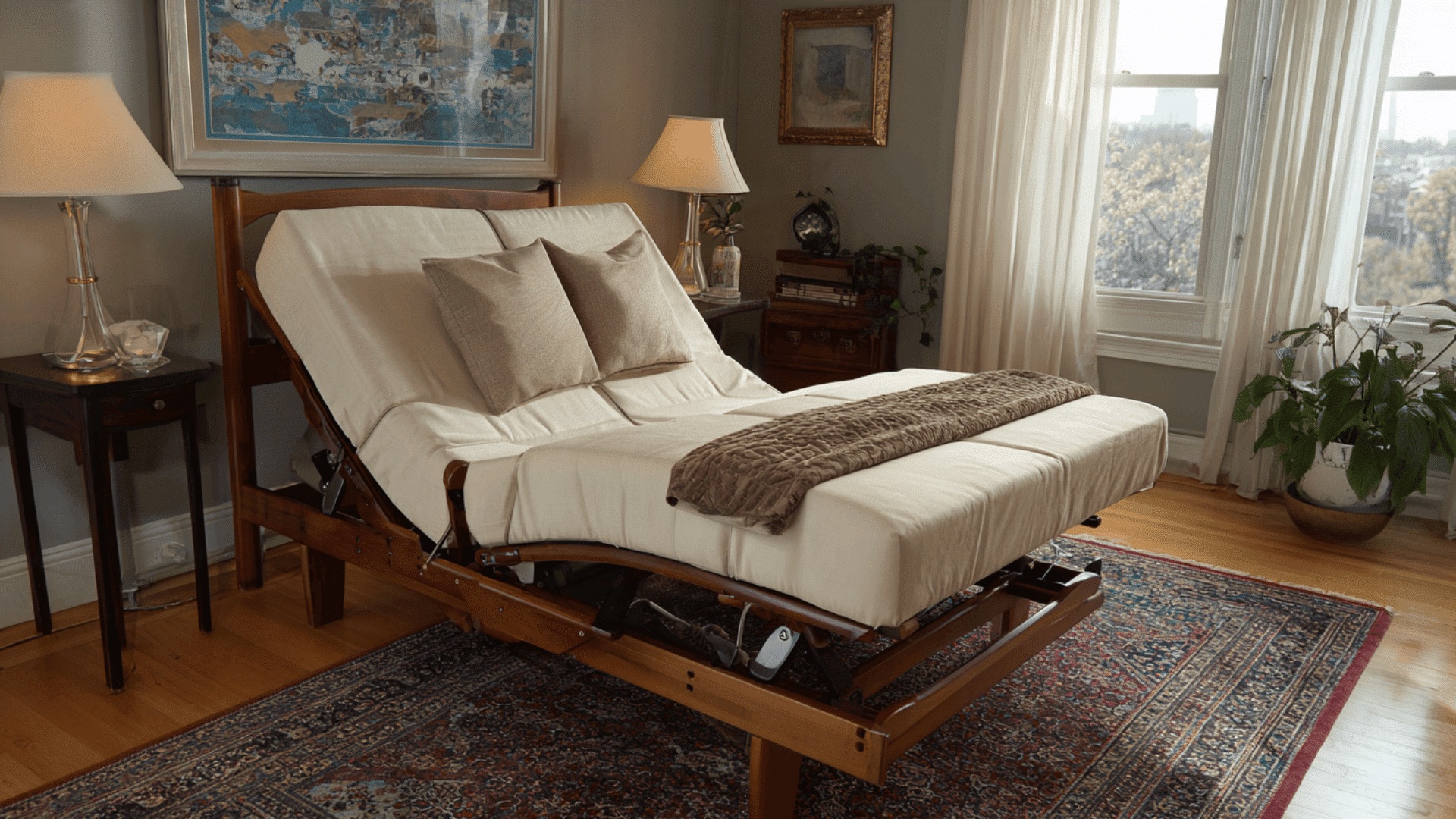
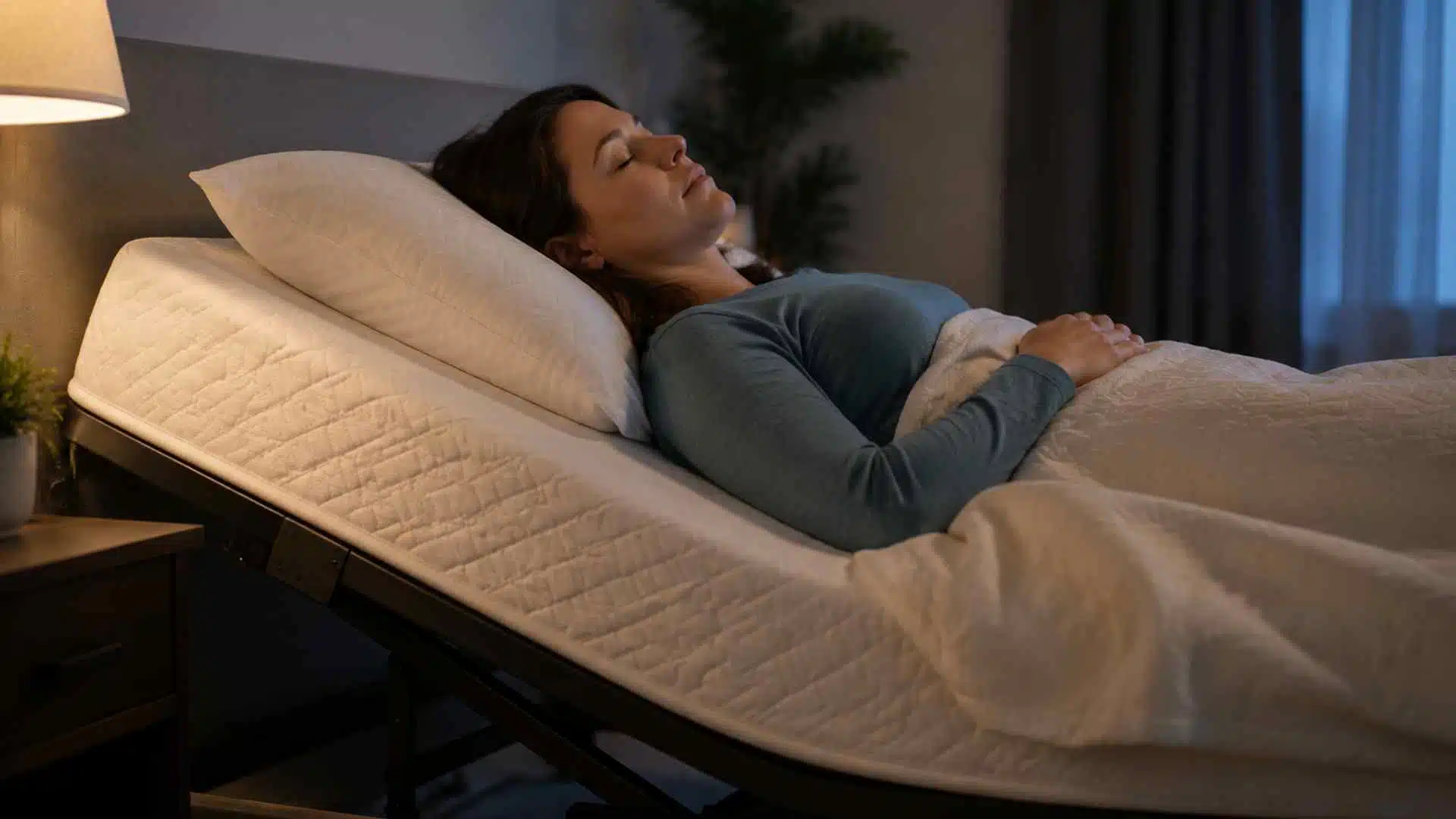
A reclined position can take some pressure off the spine and be a good option during flare-ups or acute nerve irritation.
A recliner or adjustable bed can hold the body at a semi-upright angle, which reduces the gravitational load on the cervical disc.
This position is not ideal in the long term but works well during acute pain episodes when lying flat feels unbearable.
Relief focus: Reduces neck, shoulder, and upper back pressure during acute C6-C7 flare-ups.
3. Sleep on Your Back
Back sleeping is the most effective position for cervical disc herniation.
It maintains neutral spinal alignment and distributes weight evenly across the body.
Place a cervical or contoured pillow under your neck to support the natural inward curve of the cervical spine.
A second pillow under your knees reduces pressure that travels up the spine. This is the most recommended position across all top medical sources.
Relief focus: Best overall position for reducing C6-C7 disc pressure and upper back strain.
4. Sleep on Your Stomach
If you are used to lying on your stomach, place a pillow under your lower abdomen and pelvis to relieve some of the pressure off your spine.
This reduces lumbar arching and overall spinal tension during prone rest.
For C6-C7 herniation specifically, this position carries a risk because it forces the neck to rotate to one side, directly compressing the cervical disc.
Use this position only short-term and limit neck rotation as much as possible.
Relief focus: Reduces lumbar stress and overall spinal stiffness, but limit use with cervical herniation.
5. Sleep on Your Side in A Fetal-Style Position
To reduce pain from a herniated disc, try sleeping on your side in a fetal position.
Tuck your knees toward your chest and gently twist your upper body toward your knees.
This position opens up the vertebrae on your back to offer some relief. Avoid curling too tightly, as excessive spinal flexion can increase disc pressure.
Pair this with a supportive pillow that keeps the neck aligned with the rest of the spine.
Relief focus: Can ease cervical nerve root and arm discomfort when paired with correct neck alignment.
6. Sleep on your side with a pillow between your knees
If you sleep on your side, use a thicker pillow to align your head and neck with your spine.
Placing a second pillow between your knees keeps the hips stacked, which prevents spinal twisting.
Twisting in the lower body can travel up the spine and irritate the C6-C7 level.
This position works well for people who shift during the night and wake up with increased arm pain.
Relief focus: Maintains spine and hip alignment to reduce cervical instability during side sleep.
Getting comfortable sleep with a herniated C6-C7 disc takes the right position, the right pillow height, and consistency every night.
Small adjustments to how you lie down can make a real difference in how you feel by morning.
Sleeping Positions to Avoid
Some positions feel comfortable at first, but put consistent stress on the herniated disc throughout the night.
Avoiding these can reduce morning stiffness and pain in the arm and hand.
- Stomach sleeping: This position forces the neck into prolonged rotation and extension, placing maximum stress on the C6-C7 disc and facet joints. It is the worst possible position for cervical disc problems.
- Twisted torso positions: Lying with the upper body rotated while the lower body faces another direction pulls the cervical spine out of alignment and amplifies nerve compression.
- Half-side/half-stomach positions: These hybrid positions place the neck in a partial rotation for hours. They combine the worst features of prone sleeping without any benefit.
- Couch sleeping: Sofas do not support the natural curve of the cervical spine. The uneven surface pushes the neck forward or sideways, increasing C7 nerve root irritation overnight.
Avoiding these four positions, especially sleeping on your stomach, is among the most consistent recommendations from major spine health sources.
Best Pillow Setup for Pain Relief
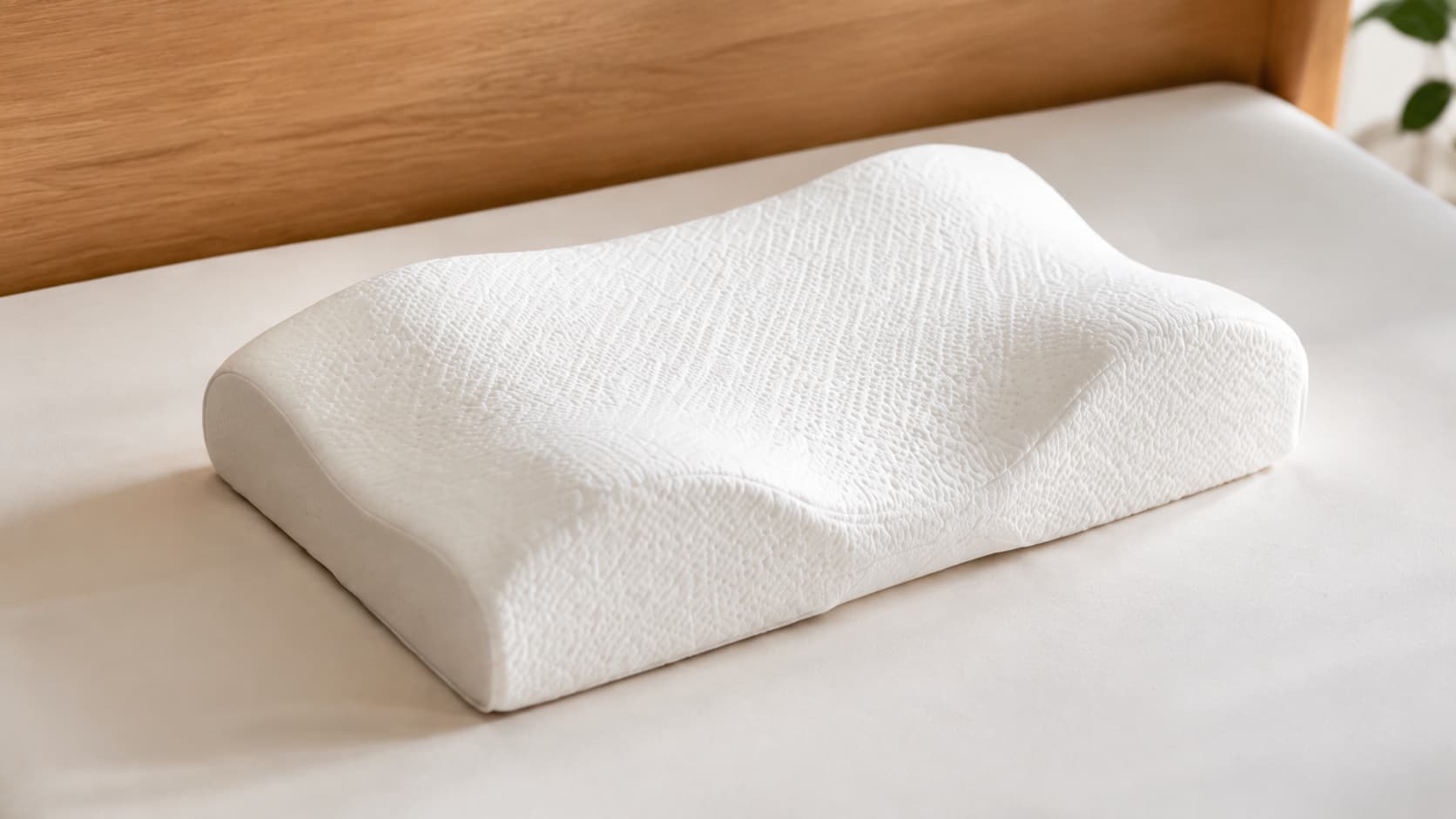
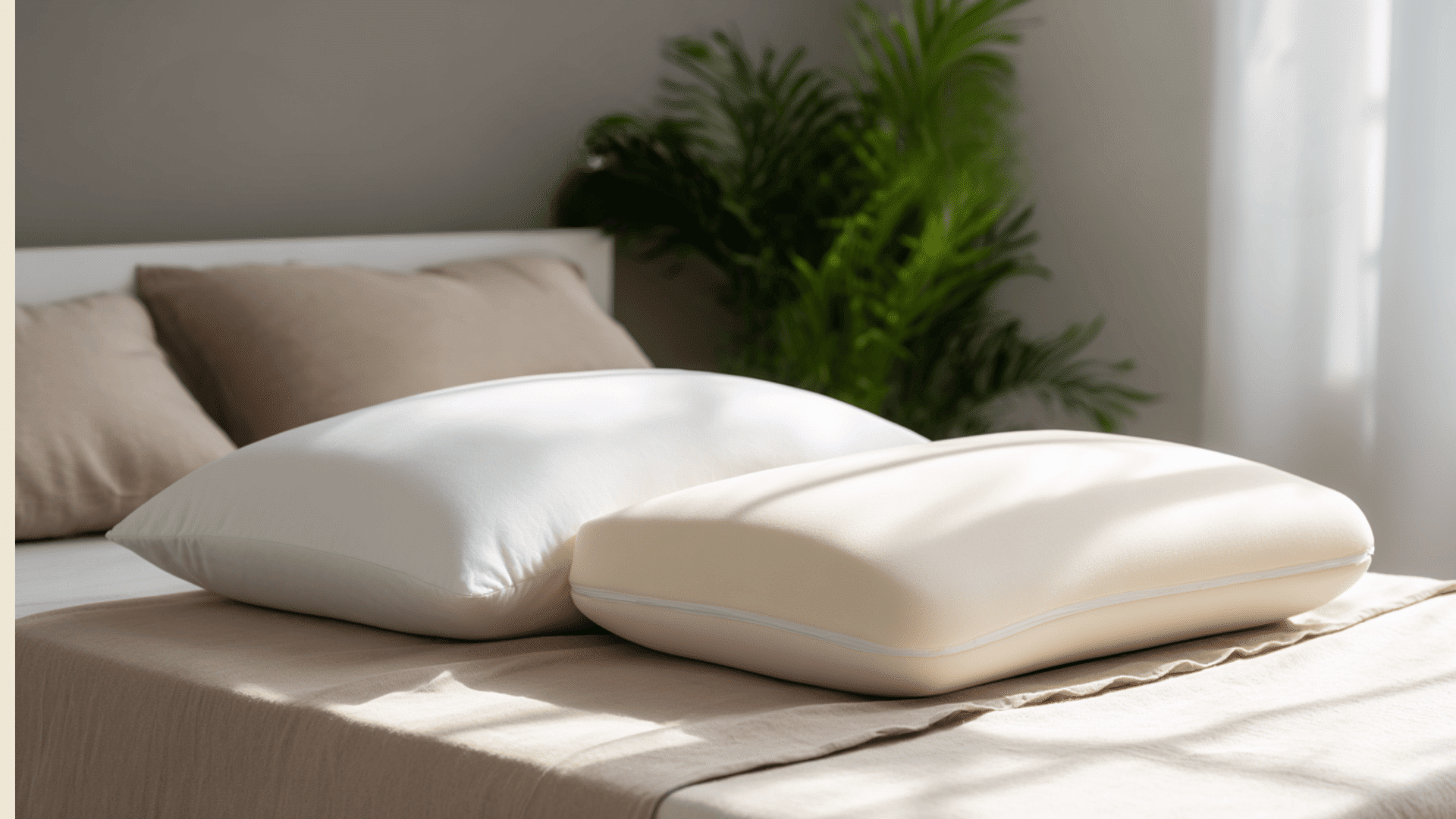
A proper pillow setup is essential for managing C6-C7 herniated disc pain during sleep.
A cervical contour pillow supports the natural curve of the neck with a raised edge and a central dip for the head.
If unavailable, a rolled towel inside a pillowcase can provide similar support.
Back sleepers should use a thinner pillow to avoid forward neck flexion, while side sleepers need a higher pillow to keep the neck aligned with the shoulders.
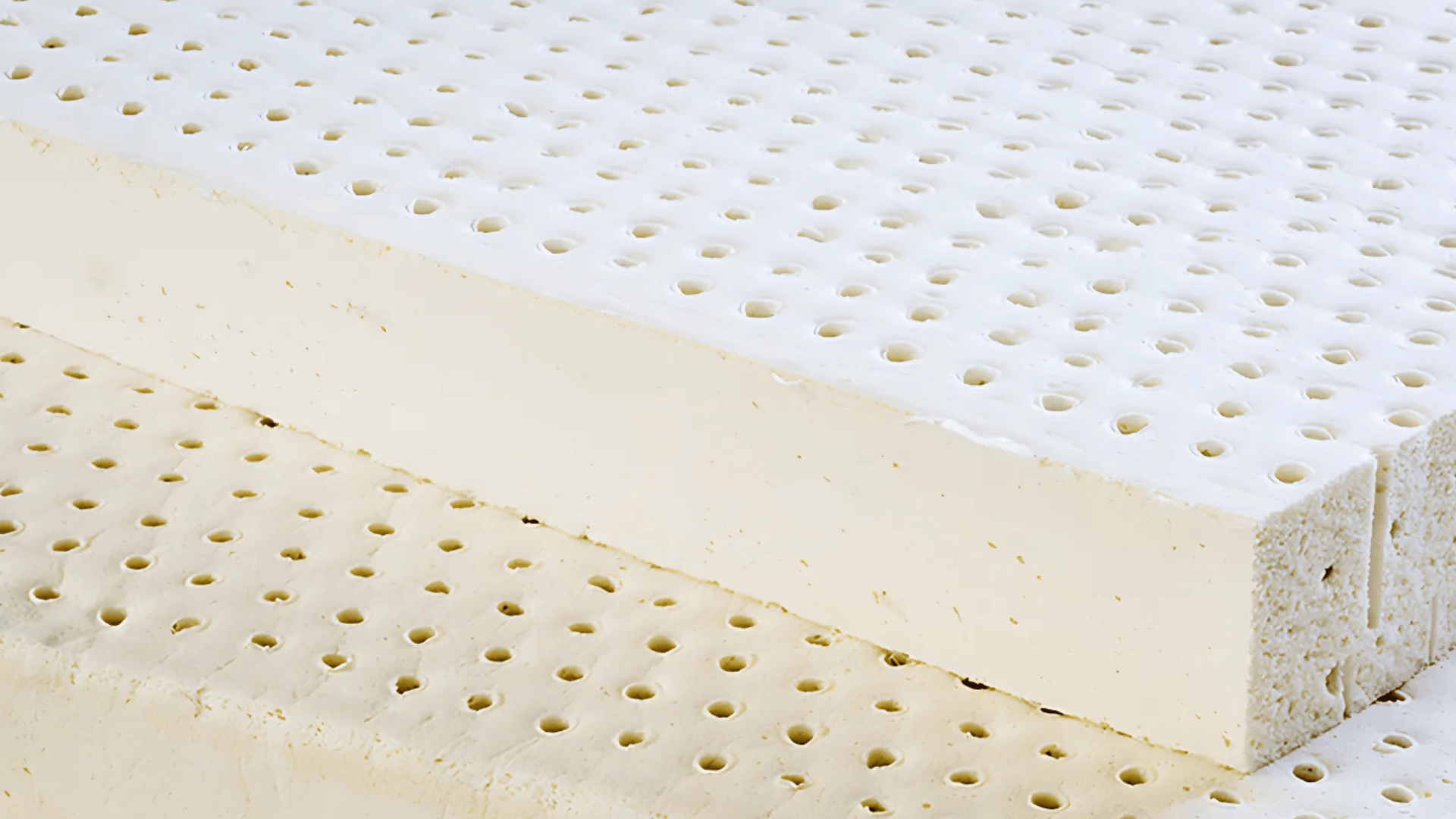
Memory foam and latex help maintain consistent support. Adjusting height with a folded towel or pillow stacking can fine-tune alignment and reduce nerve compression overnight.
Mattress and Sleep Surface Tips
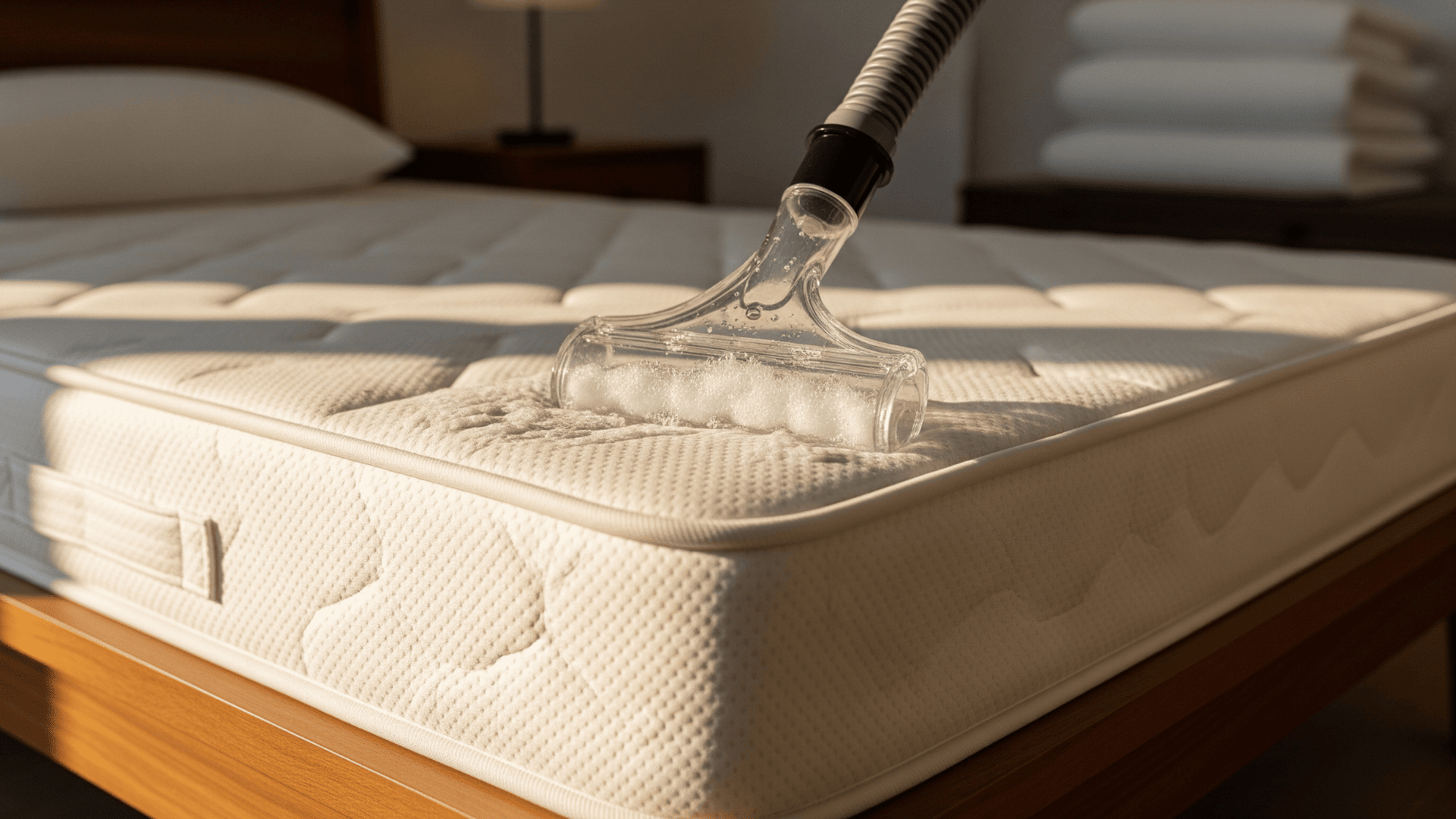
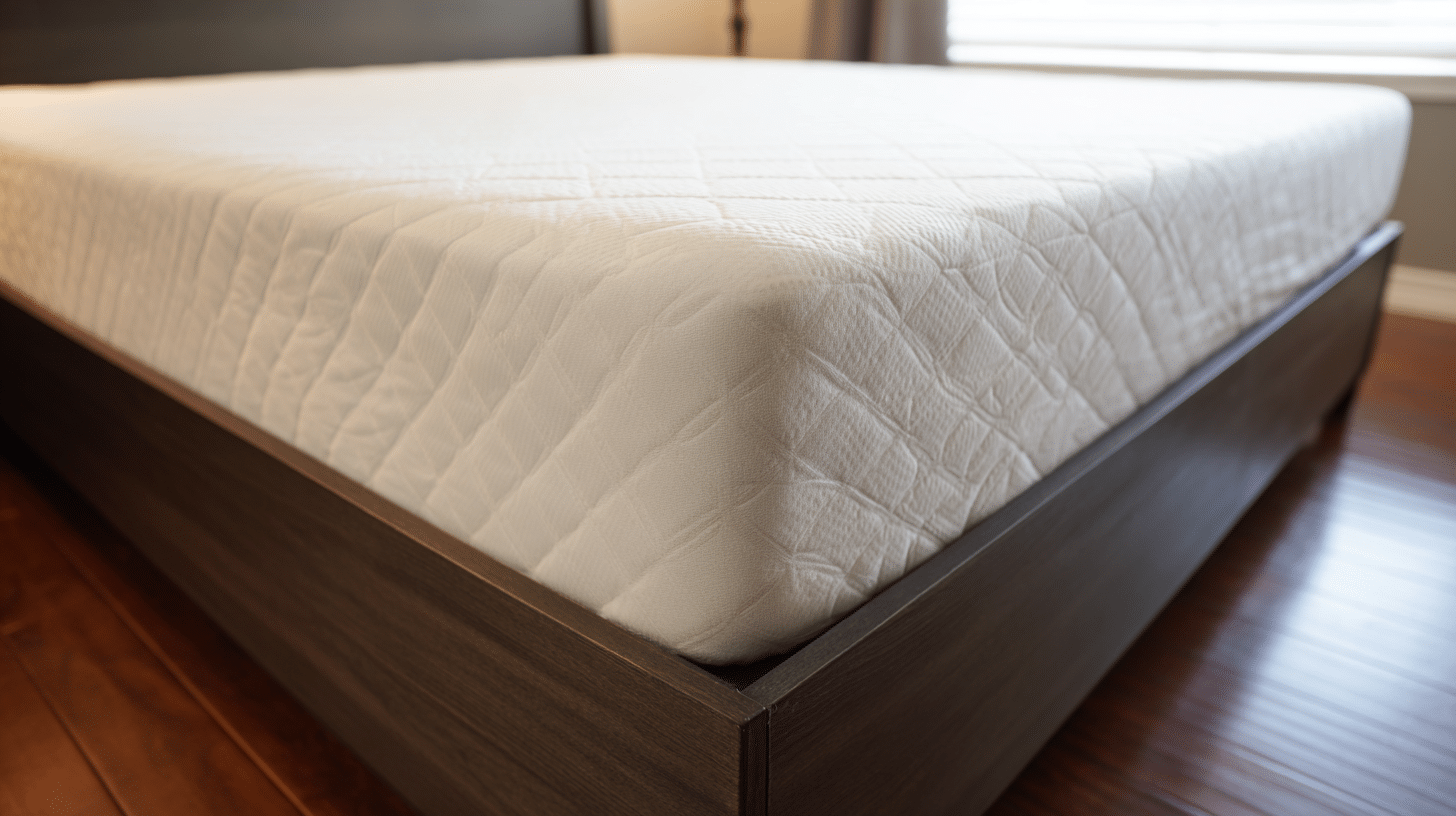
The mattress you sleep on affects how well any sleeping position actually works.
A surface that sinks too much pulls the spine out of alignment, no matter how well you position your neck.
- Medium-firm mattress: Provides the right balance of support and cushioning, keeping the spine level without creating pressure points on the body.
- Why soft mattresses cause problems: Deep sinking at the hips and shoulders curves the spine laterally, sending tension up into the cervical area and increasing pressure at C6-C7.
- Pressure distribution: A mattress that distributes weight evenly reduces mechanical load on the herniated disc and C7 nerve root throughout the night.
- Couch or recliner as a permanent bed: Both lack proper structural support. A recliner helps during flare-ups but should never replace a mattress long-term.
- Mattress sink and cervical misalignment: When the thoracic spine tilts due to mattress sag, the neck rotates to compensate, worsening C7 nerve symptoms despite an appropriate pillow setup.
Your mattress and sleeping position work together. Getting one right without the other still leaves the cervical spine exposed to pressure that builds through the night.
Night and Morning Sleep Routine
Building a consistent sleep routine reduces the chance of waking with increased arm pain or stiffness.
| Time | Activity | Goal |
|---|---|---|
| 60 min before bed | Reduce screen time, lower the device to eye level | Reduce neck flexion load |
| 30 min before bed | Apply heat to the neck and upper back | Relax muscle tension around C6-C7 |
| Bedtime | Set up the pillow and position it before lying down | Avoid sudden neck rotation when getting into bed |
| On waking | Move the neck slowly side to side before getting up | Reduce stiffness, avoid sharp morning movement |
| Morning | Gentle range-of-motion stretch for the neck | Reduce nerve sensitivity from overnight static posture |
Consistency matters here. Sleeping in the same position each night trains the body to hold alignment without shifting into a harmful position during deep sleep.
Why does arm pain worsen at Night?
The C7 nerve root controls the triceps, wrist extensors, and finger extensors.
Irritation here can cause pain, tingling, or numbness in the back of the arm, hand, and middle finger.
These symptoms often worsen at night because the arm remains in one position for long periods during sleep.
Positions like bending the arm under the body or raising it above the head can compress the nerve pathway and reduce blood flow, triggering sudden numbness or a burning sensation.
Reduced movement during sleep also prevents pressure changes around the disc and nerve, making symptoms more noticeable.
Best Sleeping Positions Chart
Back sleeping remains the most supportive position for reducing cervical disc pressure and maintaining spinal alignment during rest.
| Position | Pressure Reduction | Neck Alignment | Nerve Compression Risk |
|---|---|---|---|
| Back sleeping | High | Best | Low |
| Side sleeping (with pillow between knees) | Moderate | Good | Low to Moderate |
| Reclined / Semi-upright | High | Good | Low |
| Side sleeping (fetal) | Moderate | Fair | Moderate |
| Stomach sleeping | Low | Poor | High |
Back sleeping offers the best overall outcome for C6-C7 herniation.
Consistency in posture and pillow support helps reduce nerve irritation and improves overnight comfort.
When You Should See a Doctor
Position changes and pillow adjustments help most people.
But some symptoms signal that the nerve is under more serious compression and needs medical evaluation.
- Worsening arm weakness: Declining triceps or grip strength over days or weeks points to nerve damage that sleeping-position changes alone cannot fix.
- Progressive numbness: Numbness spreading beyond the middle finger or becoming constant rather than intermittent means the C7 nerve is not recovering.
- Loss of grip strength: Weakness in the triceps and difficulty straightening the arm are key signs of worsening C7 nerve root compression.
- Persistent sleep disruption despite position changes: Two to three weeks of trying different positions and pillow setups without improvement warrants a formal spine evaluation.
- Myelopathy warning signs: Symptoms in both arms, trouble walking, or loss of bladder and bowel control need immediate medical attention.
Sleep adjustments are a starting point, not a substitute for care. If symptoms continue to worsen, a spine specialist can identify what conservative measures alone cannot resolve.
Conclusion
Sleeping with a herniated C6-C7 disc gets easier once you stop guessing and start making deliberate choices about how you support your neck each night.
Small adjustments to pillow height, knee support, and sleep surface can reduce nighttime wake-ups, morning arm stiffness, and the burning that travels into the middle finger.
The goal is fewer bad nights and more actual recovery time for the disc and nerve.
If your pain has not improved after a few weeks of position changes, book an appointment with a spine specialist for a proper assessment and a personalized treatment plan.
Frequently Asked Questions
Should You Use Heat or Ice for C6-C7 Disc Pain Before Bed?
Use ice for the first 24 hours after injury, then use whichever feels better. Heat relaxes muscles while ice reduces inflammation around the disc.
What Pillow Height is Best for Side Sleepers With a C6-C7 Herniation?
A pillow that fills the gap between the ear and mattress works best, keeping the neck level with the spine and preventing it from dropping sideways overnight.
Can Physical Therapy Improve Sleep Quality With a Herniated C6-C7 Disc?
Clinical data from the NIH show that over 85 percent of cases improve within 8 to 12 weeks with conservative care, and structured physical therapy can speed recovery.