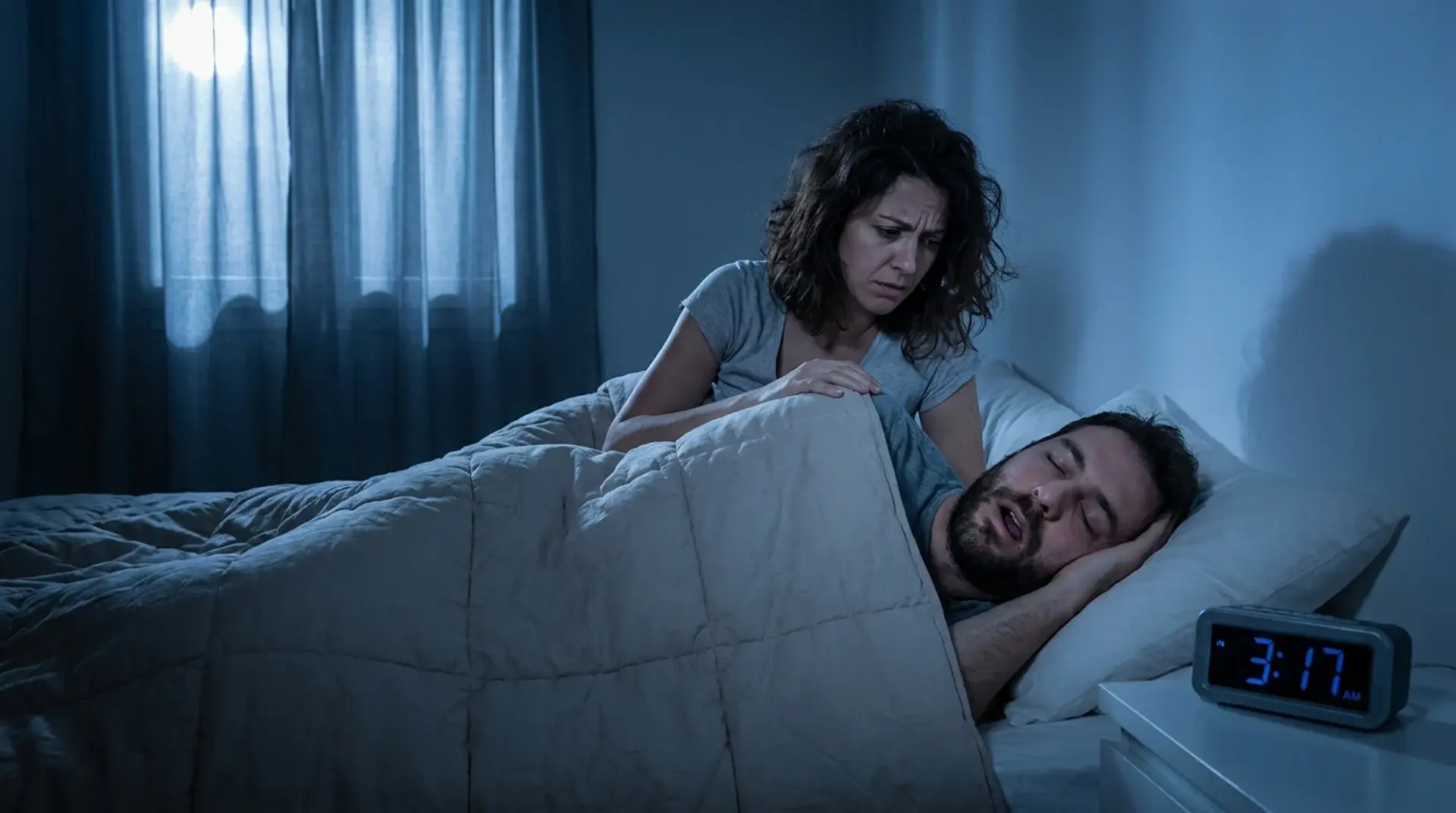





Most people snore once in a while. Maybe after a long day, a glass of wine, or when you have a blocked nose. That kind of snoring is usually harmless. But not all snoring is the same.
Some snoring is a sign that something is seriously wrong with your breathing during sleep. And if you or someone you love snores loudly every night, stops breathing for a few seconds, or wakes up gasping for air, that is not something to ignore.
Many people brush it off for years without knowing the damage it can cause to the heart, brain, and overall health.
Knowing what type of snoring is dangerous could genuinely protect your life. Read on to find out what warning signs to look for and when to take action.
Is Snoring Dangerous or Just Annoying?
Snoring happens when air cannot move freely through the nose or throat during sleep, causing the surrounding tissues to vibrate and create sound.
Occasional mild snoring is usually harmless and may not significantly affect sleep quality, but loud nightly snoring combined with pauses in breathing, gasping, choking sounds, or constant daytime fatigue can be a sign of a more serious condition, such as sleep apnea.
Common causes of snoring include overly relaxed throat muscles, nasal congestion from allergies or colds, sleeping on the back, alcohol use before bed, excess weight around the neck, and a family history of sleep-related breathing problems.
What Type of Snoring is Dangerous?

This is the most important section if you are trying to figure out whether your snoring is a health concern.
1. Loud and Chronic Snoring
As snoring gets louder, the likelihood of sleep apnea increases. If you snore loudly every single night and others can hear you from another room, that is not normal.
Loud, chronic snoring is one of the top warning signs that your airway is being blocked while you sleep.
2. Snoring With Pauses in Breathing
This is the most dangerous type of snoring. Only when snoring is interrupted by episodes of gasping, choking, or pauses in breathing does it signal that you may have sleep apnea and require medical evaluation.
Understanding the difference between regular snoring and a more serious sleep disorder can help you recognize these warning signs earlier.
With obstructive sleep apnea, the airway repeatedly becomes completely or partially blocked, limiting the amount of air that reaches the lungs.
The brain and body experience severe decreases in oxygen flow, causing multiple arousals from sleep during the night, or in more severe cases, several hundred times a night.
3. Snoring With Daytime Fatigue
People with sleep apnea might suffer from unexplained fatigue and mood swings because their breathing interruptions continually prevent them from settling into a deep, nourishing sleep.
The consequences can include car accidents in the daytime, lost productivity at work, mood swings, and waking up feeling groggy.
If you sleep for 7 to 8 hours and still feel exhausted every morning, your snoring may be interrupting your deep sleep without you knowing it.
4. Snoring Linked to Chest Pain or High Blood Pressure
When breathing repeatedly stops during sleep, oxygen levels in the body drop. This puts stress on the heart and other organs. Repeated oxygen drops during sleep can significantly affect blood pressure and overall heart health over time.
If you have snoring along with high blood pressure or chest discomfort, you should get checked right away.
5. Sudden Worsening of Snoring
If your snoring has recently gotten much worse, it could be linked to rapid weight gain, nasal blockage, or a new health issue. Any sudden change in your snoring pattern is worth paying attention to.
Is Snoring Unhealthy? The Hidden Health Risks
Snoring is often dismissed as harmless, but in some cases, it can signal deeper health problems. Persistent or severe snoring may affect far more than just sleep quality.
- Sleep Apnea: Obstructive sleep apnea causes repeated breathing interruptions during sleep when the airway becomes blocked.
- Heart Disease and High Blood Pressure: Repeated oxygen drops during sleep can strain the cardiovascular system and increase the risk of heart disease and hypertension.
- Stroke Risk: Untreated obstructive sleep apnea is associated with a higher risk of stroke and cardiovascular disease.
- Diabetes and Weight Gain: Sleep disruption affects the hormones that control hunger and blood sugar. Poor sleep over time can make it harder to manage weight and increase the risk of type 2 diabetes.
- Mental Health and Cognitive Problems: Poor sleep also weakens the immune system and may affect memory and mood. People with untreated sleep apnea often struggle with concentration, memory, and emotional stability.
Ignoring chronic snoring can increase the risk of serious long-term health complications. Recognizing the warning signs early can help prevent more dangerous sleep and breathing disorders.
Dangerous Snoring Symptoms You Should Never Ignore
If you or someone you know has snoring along with any of these signs, it is time to see a doctor:
Choking or gasping during sleep. A partner notices pauses in breathing. Morning headaches. Dry mouth when you wake up.
Extreme tiredness during the day. Falling asleep unexpectedly. Irritability or mood changes. Memory or focus problems. High blood pressure.
These symptoms, when they accompany snoring, often indicate a more serious underlying issue.
Who is Most at Risk for Dangerous Snoring?
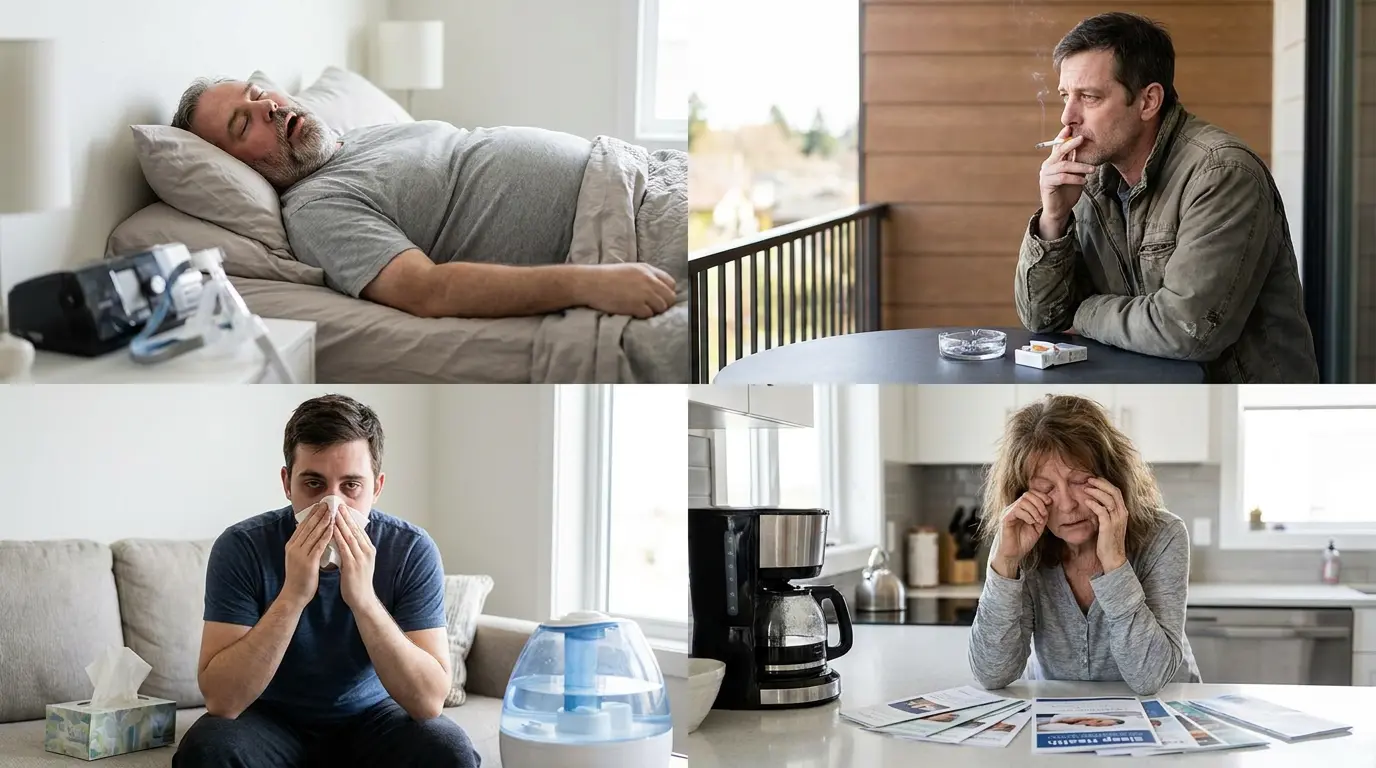
Certain people are far more likely to develop dangerous snoring and sleep apnea due to factors like age, weight, lifestyle habits, and airway structure.
- People With Obesity: Extra weight around the neck can compress the airway, increasing the risk of airway collapse during sleep.
- Men and Older Adults: Men are more likely to develop sleep apnea, and the risk increases with age, especially in middle-aged and older adults.
- Smokers and Alcohol Users: Smoking irritates and inflames the airway. Alcohol relaxes the throat muscles too much, making snoring worse.
- People With Nasal Problems: A deviated septum, chronic congestion, or enlarged tonsils can all block airflow and cause or worsen snoring.
- Family History of Sleep Apnea: Sleep apnea itself is not a single genetic disease, but many risk factors for obstructive sleep apnea are genetic, such as the natural structure of your jaw and neck. If close family members have sleep apnea, your risk is significantly increased.
If multiple risk factors apply to you, persistent snoring should not be ignored or treated as just a harmless sleep habit.
When Should You See a Doctor About Snoring?
You should see a doctor if:
Your snoring is loud and happens every night. Someone has noticed you stop breathing during sleep. You wake up tired, no matter how much you sleep.
You have headaches in the morning. You feel like you could fall asleep at work or while driving.
A doctor may refer you for a sleep study test that tracks your breathing, oxygen levels, heart rate, and brain activity overnight. It is the most reliable way to diagnose sleep apnea.
Some people can now do a basic version of this test at home with a kit their doctor provides.
How to Reduce Dangerous Snoring?
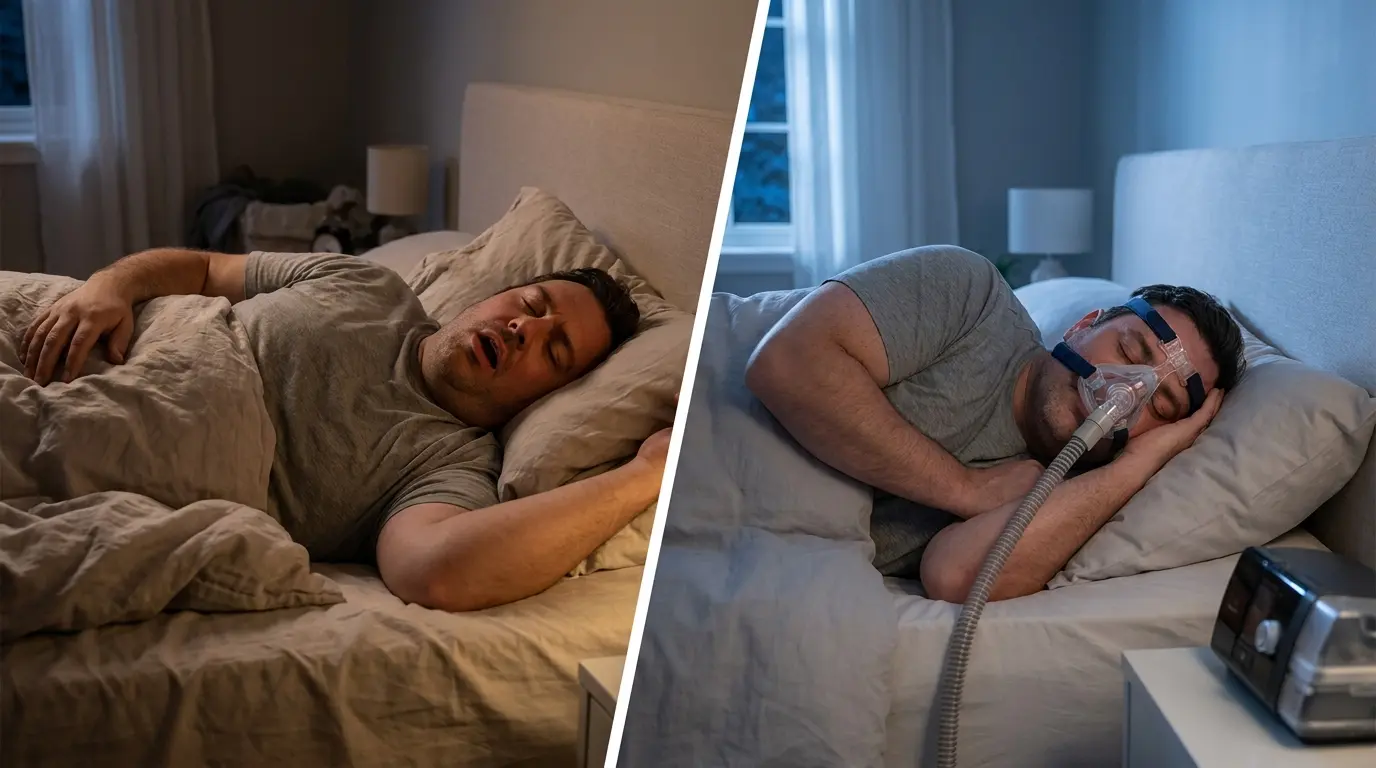
Dangerous snoring can often be improved with the right lifestyle changes, medical treatments, and sleep habits.
- Weight Loss: Even modest weight loss can reduce pressure on the airway and significantly reduce snoring severity.
- Side Sleeping: Sleeping on your back causes the tongue and soft tissues to fall back and block the airway. Try sleeping on your side.
- Avoid Alcohol Before Bed: Alcohol relaxes throat muscles too much. Avoid it at least 2 to 3 hours before sleeping.
- Treat Nasal Congestion: Use saline sprays, nasal strips, or allergy medication if congestion is a trigger for your snoring.
- CPAP Therapy: The most effective treatment for obstructive sleep apnea. A CPAP machine delivers steady air pressure through a mask to keep your airway open all night.
- Oral Appliances: A dentist can fit you with a mouthguard-like device that shifts your jaw forward to keep the airway open.
- Surgery for Severe Cases: In some cases, surgery may be needed to remove excess tissue from the throat or fix a structural problem in the nose or jaw.
Treating the root cause of snoring early can improve sleep quality and lower the risk of serious health complications. In some cases, lifestyle changes can significantly improve sleep-related breathing problems and reduce symptom severity.
Conclusion
Not all snoring is dangerous, but loud, frequent snoring with breathing pauses, morning headaches, or extreme daytime fatigue should never be ignored.
These symptoms can point to sleep apnea, a condition that places serious strain on your heart, brain, and overall health.
If your snoring matches these warning signs, talk to your doctor. A sleep study and proper treatment can greatly improve both your sleep quality and long-term health.
Frequently Asked Questions
Can Thin People Have Dangerous Snoring?
Yes, thin people can still develop dangerous snoring or sleep apnea, as airway structure and genetics also play major roles. Weight increases risk, but it is not the only cause.
Does Sleeping Position Affect Snoring?
Yes, sleeping on your back often makes snoring worse because the tongue and soft tissues can fall backward and narrow the airway. Side sleeping usually helps reduce airway blockage.
Can Children Have Dangerous Snoring?
Yes, regular loud snoring in children can sometimes signal enlarged tonsils, airway problems, or pediatric sleep apnea. Children who snore heavily should be evaluated by a doctor instead of being ignored.