



Sleeping habits have changed over time, yet one practice still stands out: sleeping on the floor. Some people claim it improves posture and relieves back pain, while others find it uncomfortable and even harmful.
So, is it good to sleep on the floor? The answer depends on individual comfort, body needs, and health conditions, which is why many people question whether sleeping on the floor is actually beneficial.
Floor sleeping can offer certain advantages, but sleep experts note that its effects vary depending on body type and support needs.
What Does Sleeping on the Floor Mean?
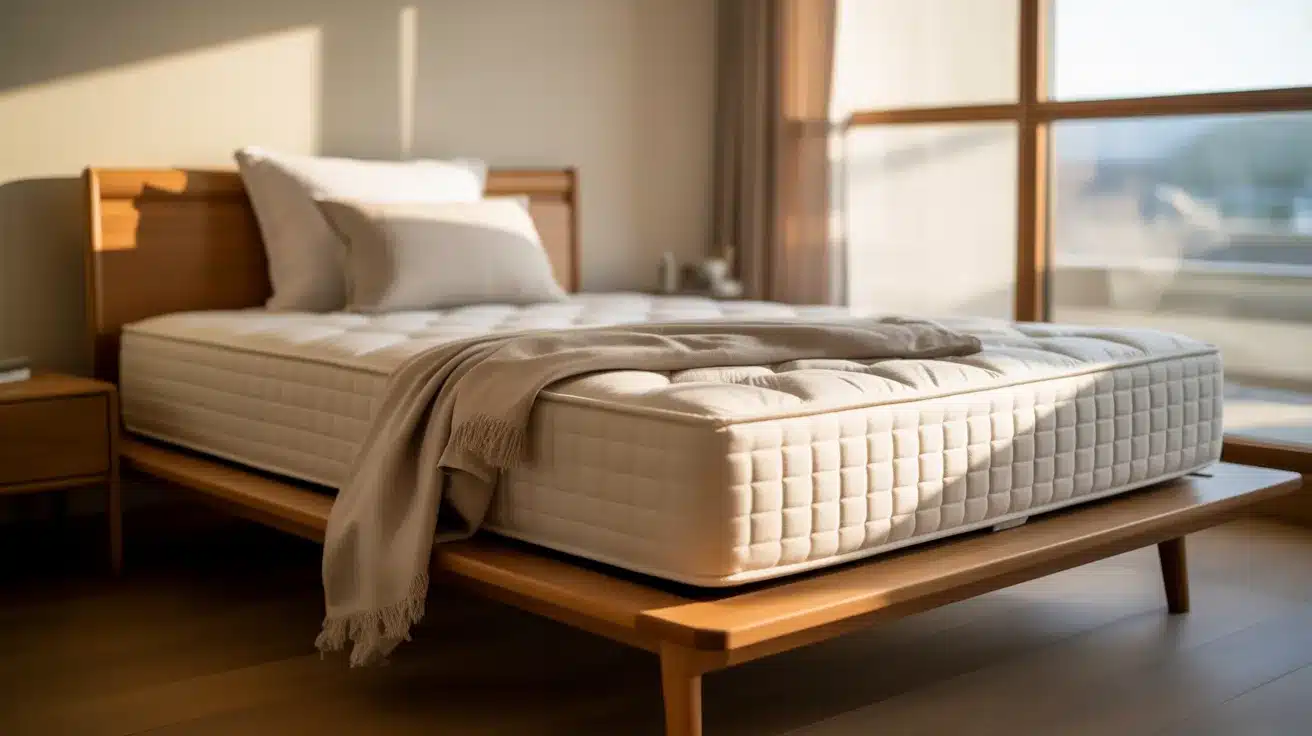
Sleeping on the floor does not always mean lying directly on a hard surface. Many people use a thin mattress, a yoga mat, a folded blanket, or traditional bedding like futons.
The idea is to have a firmer base compared to a soft mattress. In several cultures, especially in Japan, floor sleeping is part of daily life.
It is often linked to simplicity and space-saving living. With the right setup, it can be comfortable, but jumping straight onto a hard floor without support can lead to discomfort.
Potential Benefits of Sleeping on the Floor
Sleeping on the floor can feel different from sleeping on a traditional mattress, and for some people, that difference offers certain advantages.
A firmer surface may support the body differently, which can improve comfort for some people.
1. May improve posture
A firm surface can help keep the spine in a more neutral position during sleep. Unlike soft mattresses that cause the body to sink, the floor provides even support, which may help some people maintain better posture, though results can vary.
2. Might reduce back pain for some people
For those who experience discomfort from overly soft beds, a firmer surface may feel better. Some individuals notice reduced lower back strain after switching to floor sleeping.
3. Can feel cooler
Floors tend to stay cooler than higher beds. This can be helpful during warmer months, especially for people who struggle with nighttime overheating.
4. Minimalist and cost-effective
Floor sleeping requires fewer materials. It can be a practical choice for those who prefer a simple lifestyle or want to reduce furniture expenses.
While these benefits can make floor sleeping appealing, the experience varies from person to person and depends on individual comfort and needs.
Risks and Side Effects of Sleeping on the Floor
Sleeping on the floor may work well for some people, but it can also bring discomfort and practical challenges. Before committing to it, it is worth understanding the full range of downsides that come with a hard surface.
1. Pressure on joints
Hard surfaces can create pressure points on the hips, shoulders, and knees. This may lead to stiffness or soreness, especially after long hours of sleep.
2. May worsen back pain
A firmer surface does not always help with back pain. In some cases, reduced cushioning can place extra pressure on the spine and nearby joints, especially for people who need more support.
3. Exposure to dust, cold, and insects
Being closer to the ground increases exposure to dust, allergens, and cooler temperatures. This can affect people with allergies or respiratory issues.
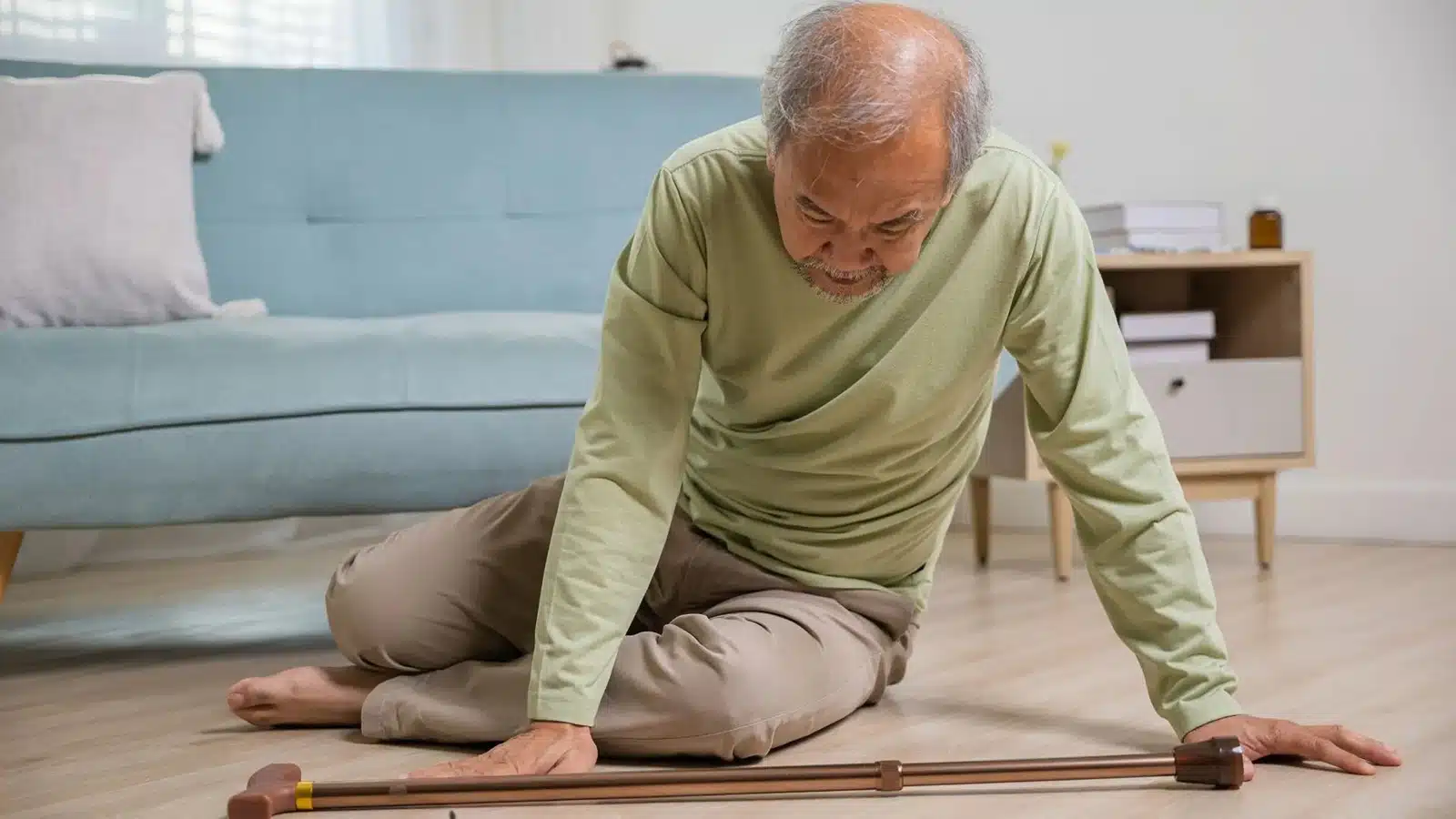
4. Harder to get up
For older adults or those with mobility challenges, getting up from the floor to sleep can be difficult and unsafe.
These side effects show that floor sleeping is not always as simple or comfortable as it may seem, especially for people who need more support.
Who May Benefit from Sleeping on the Floor?
Floor sleeping may suit people who naturally prefer firmer surfaces. It can also help individuals who feel discomfort on soft mattresses and are looking for a simpler alternative.
Those accustomed to traditional sleeping styles, such as using a mat or a futon, often adjust more easily.
In fact, cultural practices in Japan show that floor sleeping can be comfortable when done correctly, shaped by long-standing traditions and deeper cultural influences.
Who Should Avoid Sleeping on the Floor?
Floor sleeping is not suitable for everyone. Certain groups may experience more harm than benefit.
- Older adults may find it difficult to sit down and stand up
- People with joint pain or arthritis may experience increased discomfort
- Individuals with chronic back or hip problems may need more support
- Those with allergies or asthma may be affected by dust exposure
- Pregnant individuals may require additional cushioning and support
In such cases, sticking to a supportive mattress is usually a safer option. Consulting a healthcare professional can help in making the right decision, especially for those with existing conditions.
How to Sleep on the Floor Comfortably
For those interested in trying floor sleeping, comfort depends on proper setup.
- Use a yoga mat, thin mattress, or layered blankets instead of a bare floor
- Keep a low pillow to support the neck without raising it too much
- Place a cushion under the knees or hips to reduce pressure
- Make sure the area is clean and warm
- Start gradually instead of making a sudden switch
These small adjustments can make a big difference in how the body responds.
Final Verdict
Sleeping on the floor can work well for some people, especially those who prefer firm support. It may help with posture and certain types of discomfort.
However, it’s not a universal solution. In fact, experts note that medium-firm mattresses are generally better supported by research than very hard surfaces.
Ultimately, the best sleeping setup is the one that keeps you comfortable, pain-free, and well-rested.