



Most people are told at some point that sleeping on their back is the healthiest position. Actually getting your body to stay there is a different challenge entirely.
If you are a side or stomach sleeper, switching positions may feel unnatural at first. The discomfort, the restlessness, and the rolling back to your default side are all part of the process.
Learn how to train yourself to sleep on your back, from setting up the right environment to building a habit that sticks without disrupting your sleep quality.
Why Is Sleeping on Your Back Recommended by Sleep Experts?
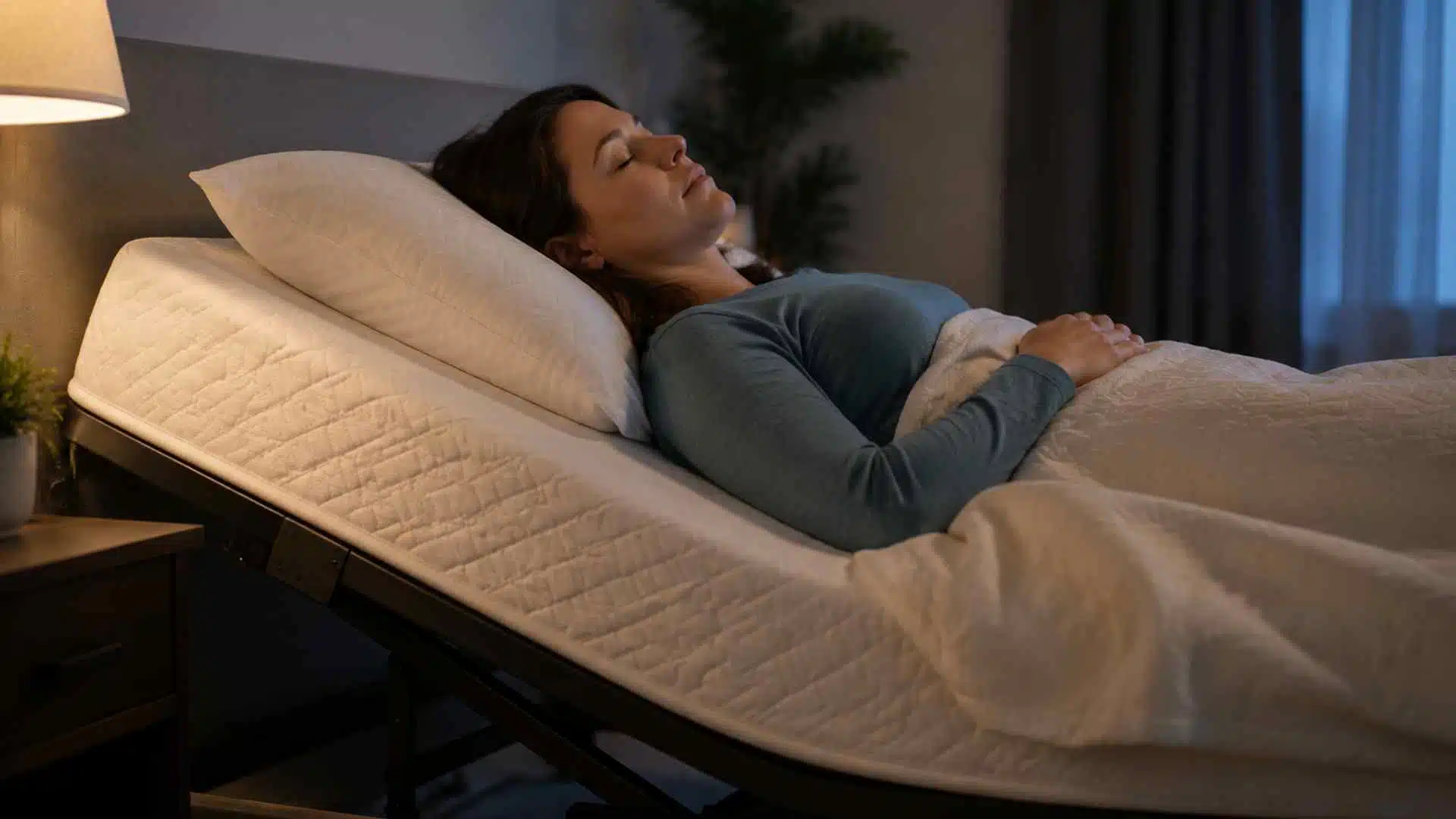
Back sleeping puts your body in its most neutral position overnight.
Your head, neck, and spine line up without twisting or bending, which means the muscles supporting your spine can fully relax rather than compensate for an awkward angle through the night.
A good sleep position keeps the spine properly aligned while still feeling comfortable. For most people, back sleeping best achieves this by spreading body weight evenly across a larger surface area, reducing pressure on any one part of the body.
It also keeps the face away from the pillow, reducing skin compression and sleep creases.
For people managing neck tension, lower back stiffness, or sinus congestion, sleeping on your back addresses all three without additional adjustments.
According to MedlinePlus, sleep position and sleep quality are closely linked to overall sleep health and physical recovery.
Back Sleeping Benefits and Challenges
Back sleeping has a longer list of research-backed benefits than most people realize, but it also comes with a few genuine drawbacks worth knowing before you commit to the switch.
| Factor | Benefit | Challenge |
|---|---|---|
| Spinal Alignment | Keeps head, neck, and spine in a neutral position with even weight distribution | Without knee support, the lower back may lose natural lumbar support |
| Neck & Shoulders | Reduces strain by keeping the neck in a straight, supported position | An improper pillow height can still cause neck stiffness |
| Breathing & Airway | Helps keep airways open for easier breathing in neutral alignment | Tongue and soft tissues may fall backward, worsening snoring or sleep apnea |
| Skin & Sinus Health | Reduces facial pressure, helping lower sleep wrinkles and skin irritation; may support sinus drainage | Flat position may feel uncomfortable for some with chronic sinus congestion |
| Lower Back Comfort & Reflux | Knee support can maintain the lumbar curve and reduce pressure on the spine | Lying flat may increase lower back pressure and can worsen acid reflux in some people |
Back sleeping works well for most people when the setup is right. The challenges are real but manageable with the correct pillow placement and a few position-training habits built over time.
The National Heart, Lung, and Blood Institute notes that sleep apnea is strongly influenced by airway obstruction during sleep, especially in supine positions.
Why Is Sleeping on Your Back Hard to Get Used To?
Switching back to sleeping on your back can be surprisingly difficult, even when you know it is better for your body.
Most people have years of side- or stomach-sleeping habits, making a change feel unnatural at first.
The body naturally shifts during sleep, and staying on your back can feel restrictive. Without proper pillow and mattress support, neck and lower back discomfort can appear.
Some also feel mild anxiety about position, which can reduce relaxation and delay sleep onset.
Pillow Science Explained?
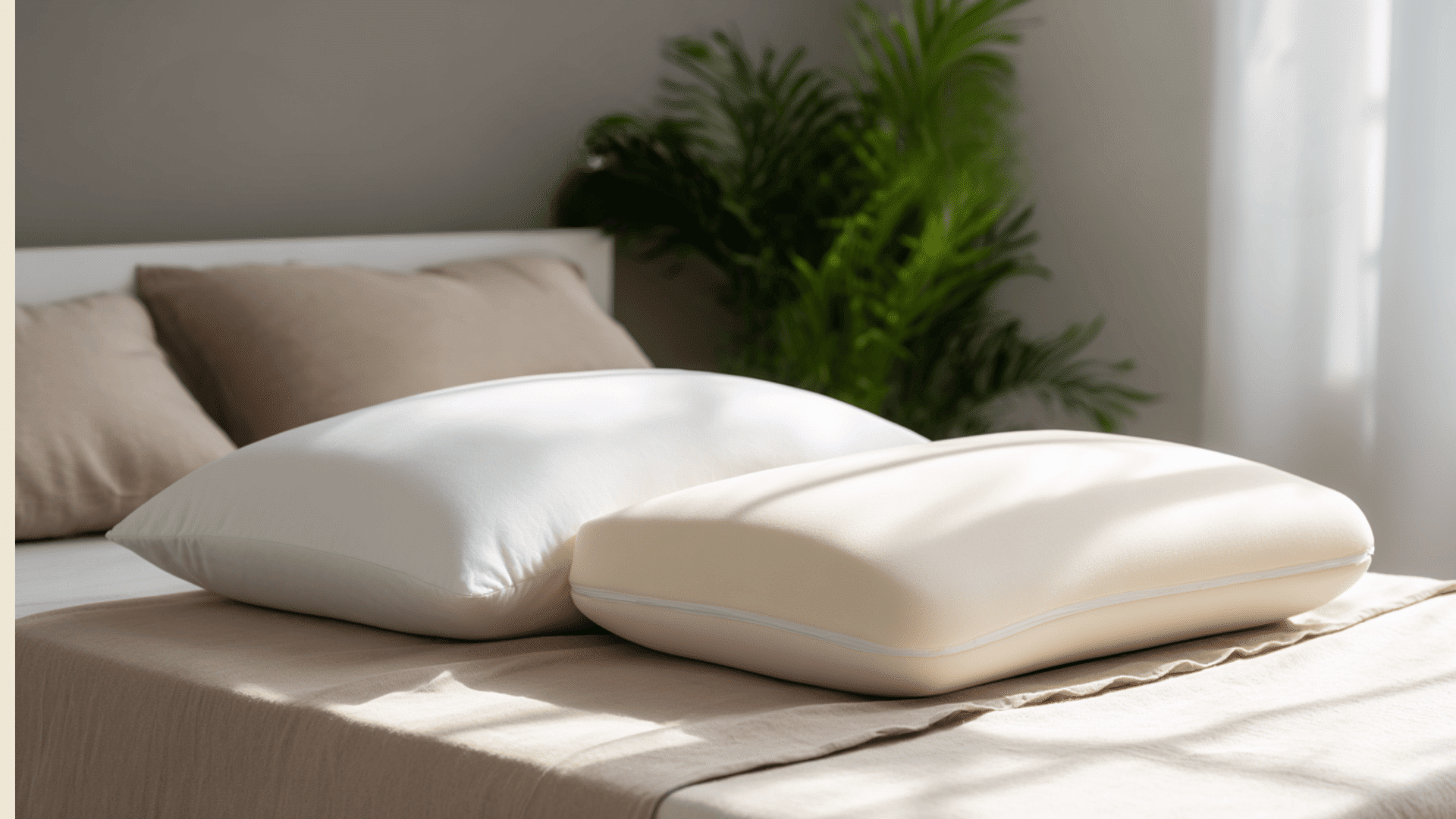
The wrong pillow height turns back sleeping into a source of neck pain overnight. A pillow that is too thick pushes your chin toward your chest.
One that is too flat leaves the cervical spine unsupported. Either way, your neck muscles stay tense rather than relaxing.
| Pillow | Placement | Purpose |
|---|---|---|
| Head pillow | Low to medium loft | Keeps the cervical spine neutral |
| Knee pillow | Under both knees | Restores lumbar curve |
| Lumbar pillow | Under the lower back | Optional for pronounced arch |
A knee pillow is equally important for better, healthier sleep. Placing a firm pillow under both knees restores the lumbar curve and takes pressure off the lower back, making the position far more comfortable from night one.
How to Train Yourself to Sleep on Your Back?
Training your body to sleep on your back takes patience, but the right habits and setup can make the shift much easier than you expect.
Step 1: Set up Your Sleep Environment for Back Sleeping
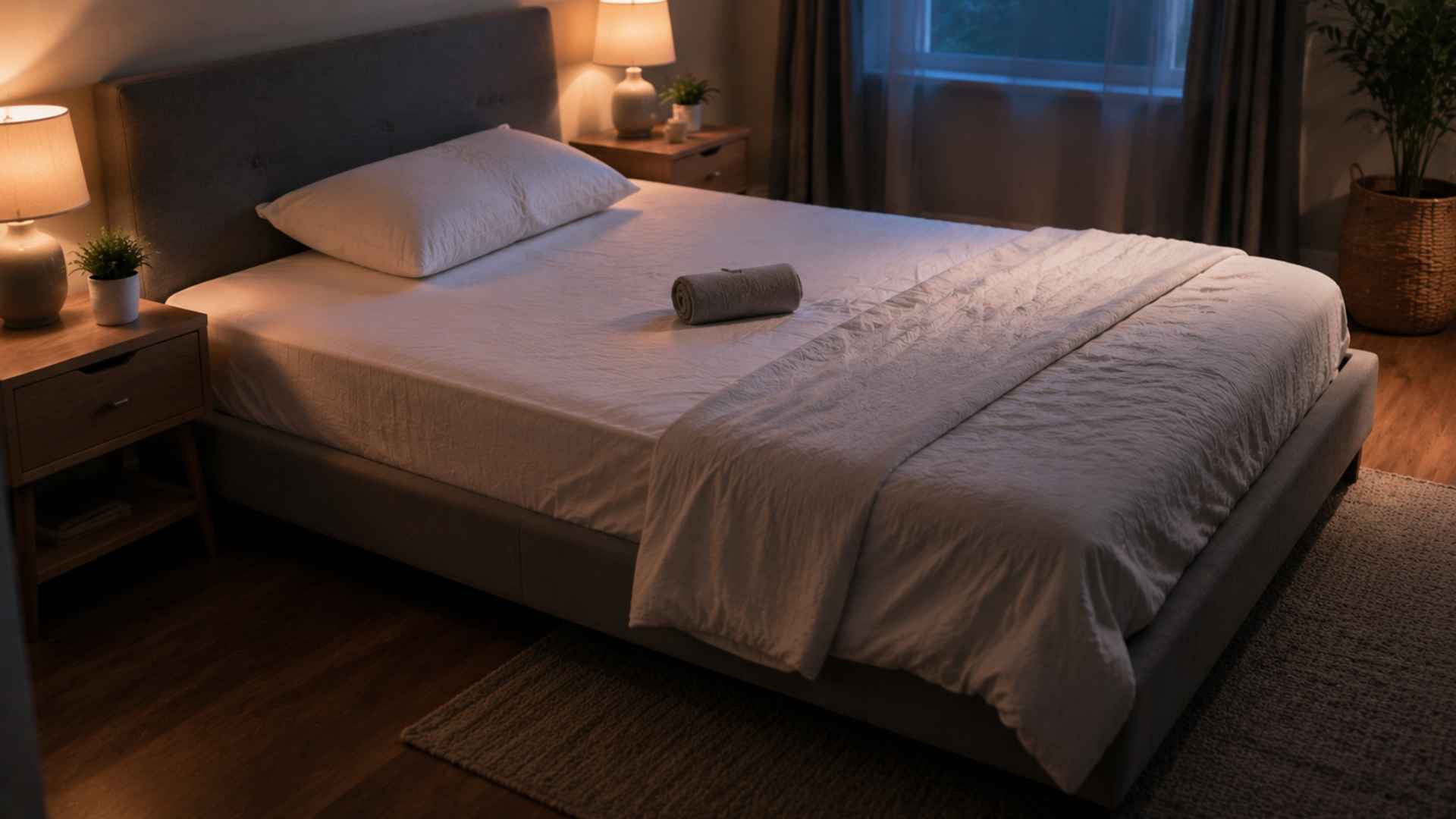
Your mattress and bedding play a bigger role in back sleeping comfort than most people expect.
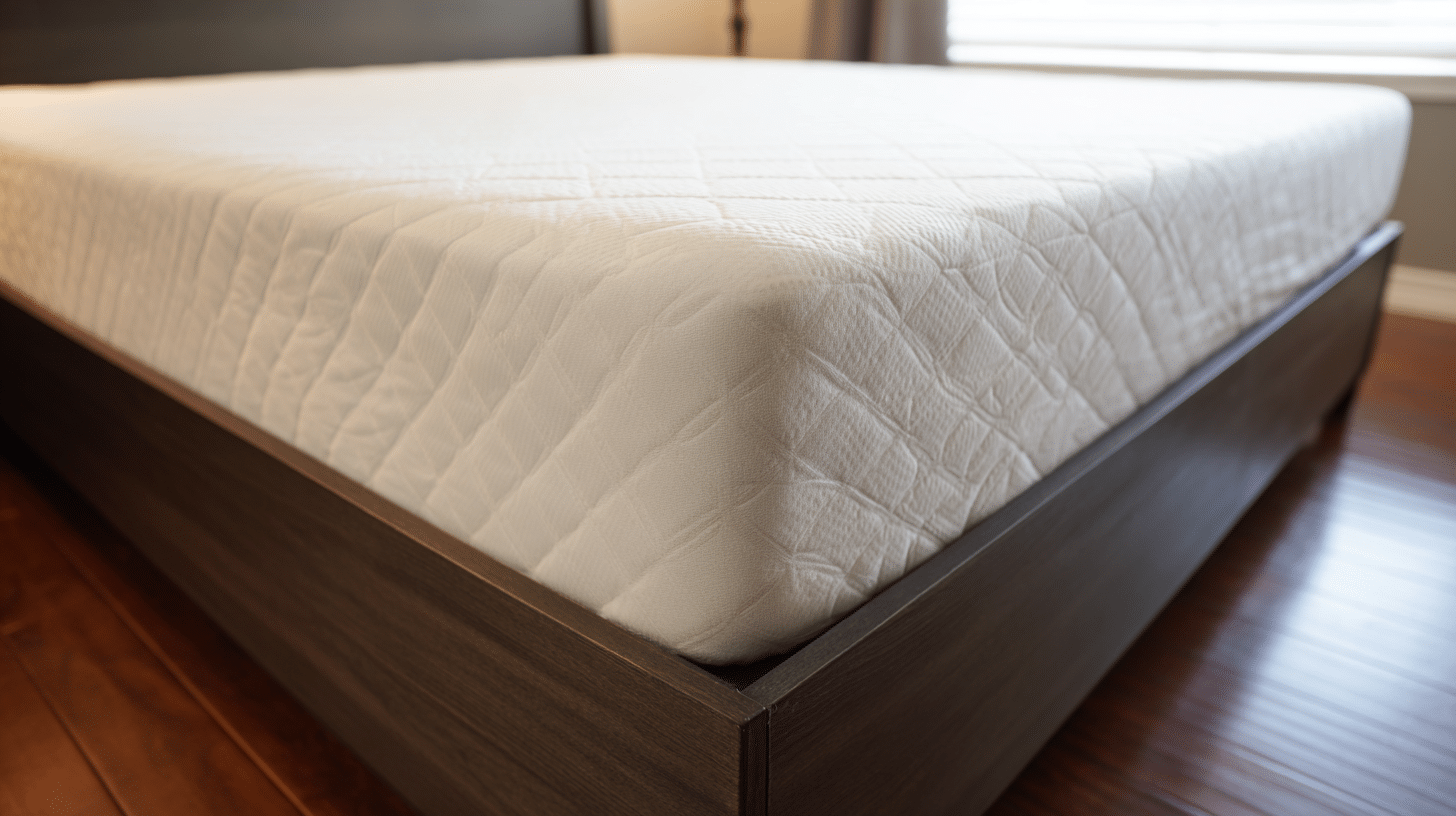
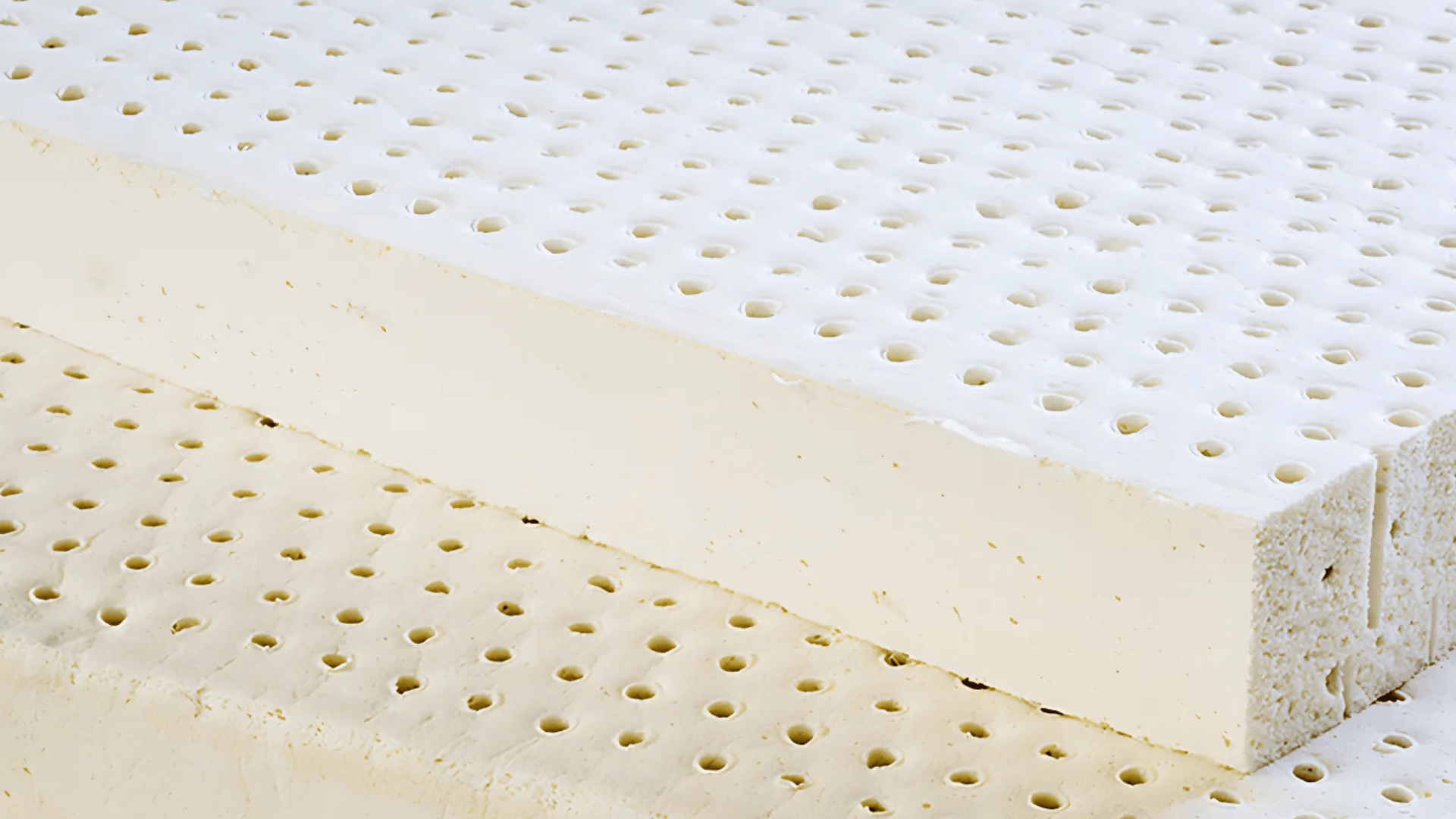
A medium-firm mattress gives your spine the support it needs without letting your hips sink too deep.
Loose, lightweight bedding allows your body to shift naturally without feeling restricted. Keep your room cool, ideally between 65 and 68 degrees Fahrenheit.
A cooler room helps your body relax faster, which reduces the restless movement that pulls you out of position early in the night.
Pro Tip: Place a thin pillow or rolled towel under your knees to reduce lower back pressure and make back sleeping noticeably more comfortable from night one
Step 2: Position Your Body Correctly Before Sleep

Getting your body into the right position before you fall asleep matters more than most people think.
Place a pillow under your knees to relieve pressure on your lower back and maintain a natural spinal curve.
Your arms should be resting loosely at your sides or slightly away from your body, not crossed over your chest or up over your head.
Instead of propping up your head too high, use a low-loft pillow that keeps your head level with your shoulders. Before you go to bed, take a quick mental inventory from your neck to your heels to make sure nothing feels strained or off.
Pro Tip: Try a contoured cervical pillow designed specifically for back sleepers. It cradles the neck curve and prevents your head from rolling to one side during the night.
Step 3: Train Yourself to Fall Asleep on Your Back First
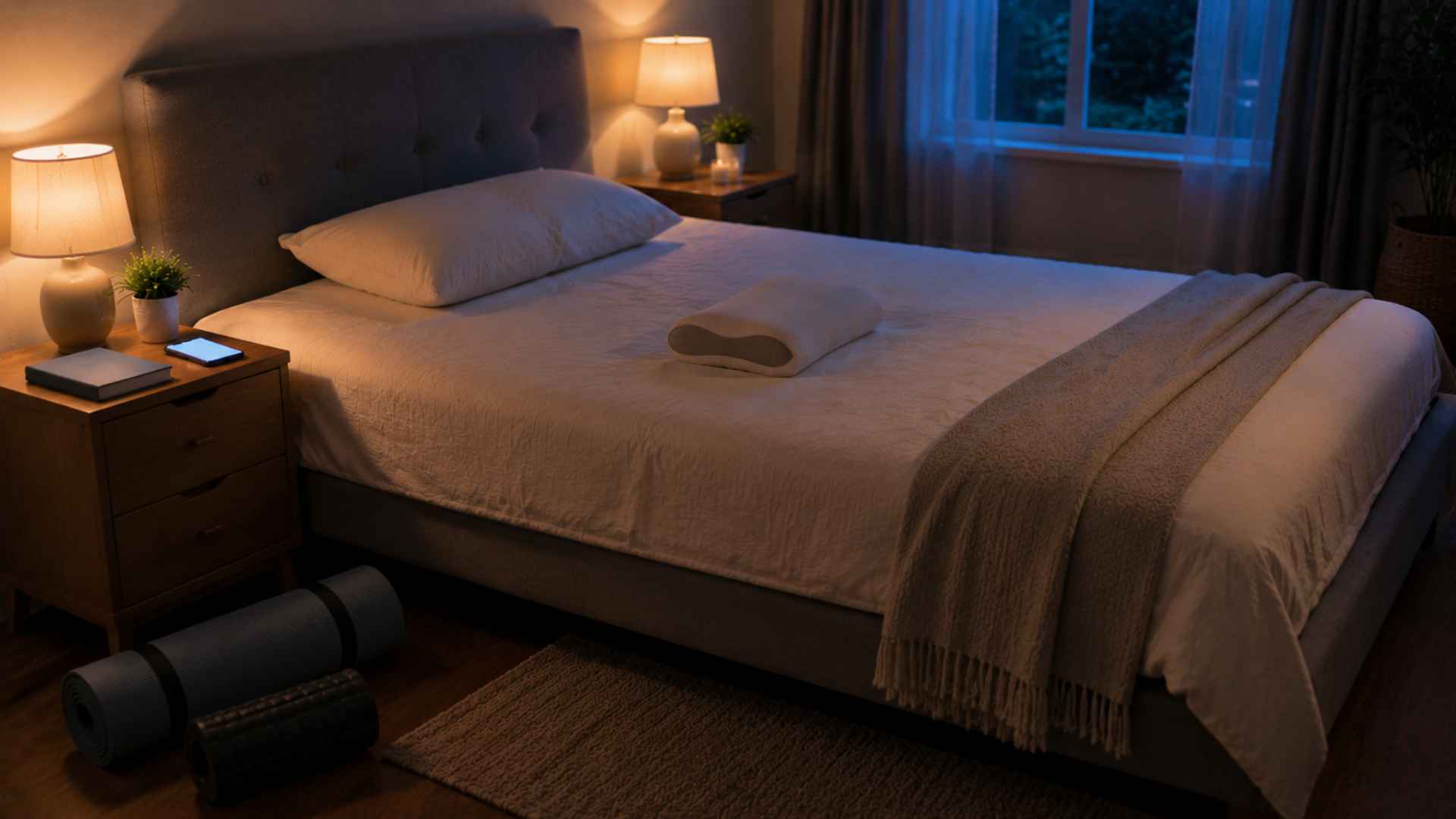
The key to lasting back sleeping is to consistently start each night on your back before distractions begin.
Pair this with a simple bedtime routine, such as stretching, breathing, or quiet reading.
Avoid drifting to the side or stomach early on. Over time, repeated back-sleep onset builds a strong mental link, making that position your natural default for falling asleep.
Pro tip: Set a nightly phone reminder saying start on your back. Small cues help build sleep habits faster than expected.
Step 4: Use Positioning Support to Prevent Rolling Over
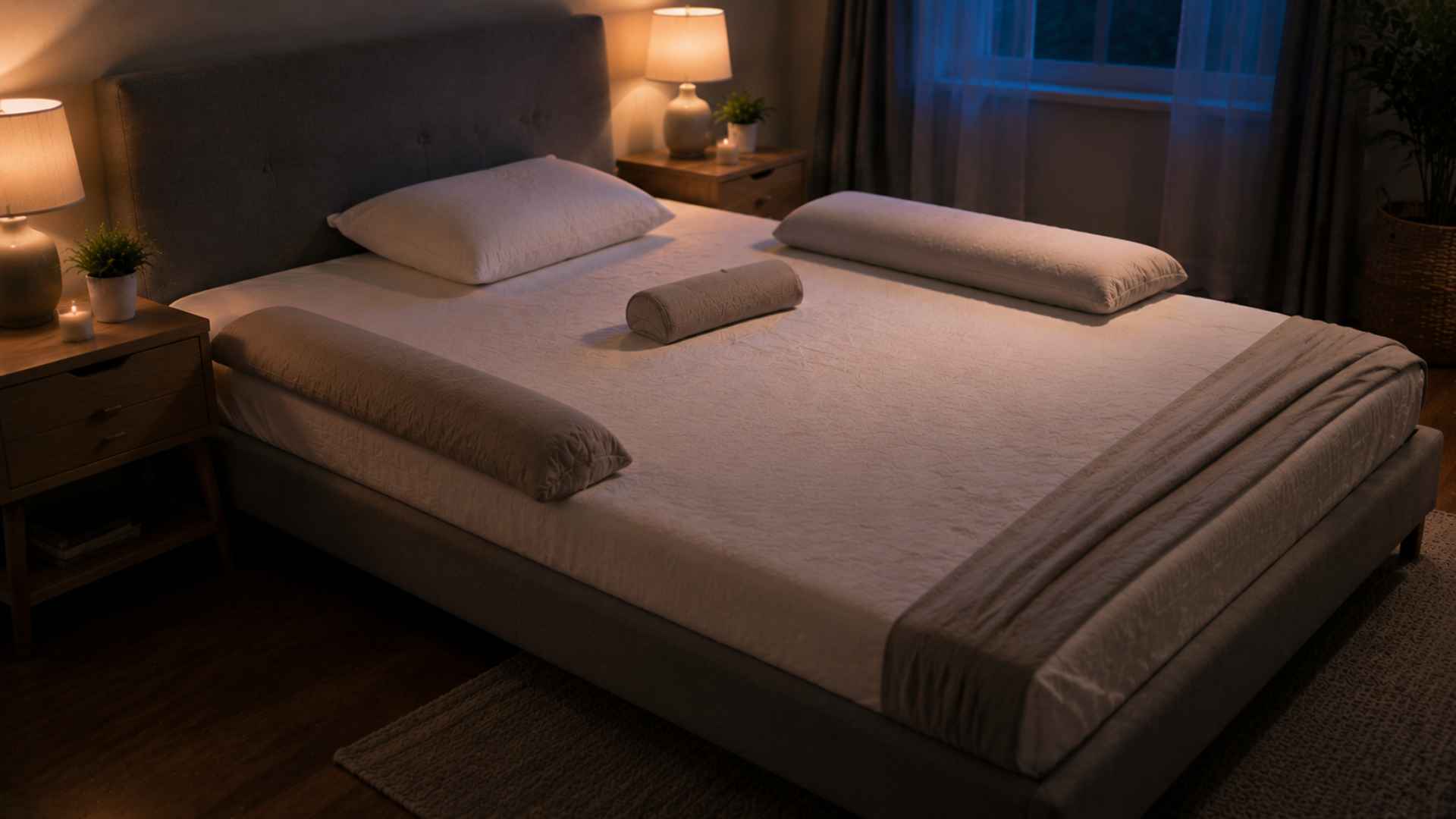
Placing firm pillows on both sides of your body creates a soft barrier that nudges you back into position if you start to turn.
A rolled towel along your waist or hips adds another layer of resistance without making the space feel tight.
Lightly tucking the edges of your blanket under both sides of the mattress creates just enough gentle resistance to slow unconscious rolling without waking you up or making you feel uncomfortable.
Pro tip: Lightly tuck blanket edges under mattress sides to create gentle resistance, helping reduce unconscious rolling without discomfort or waking.
Step 5: Extend Your Back Sleeping Time Gradually
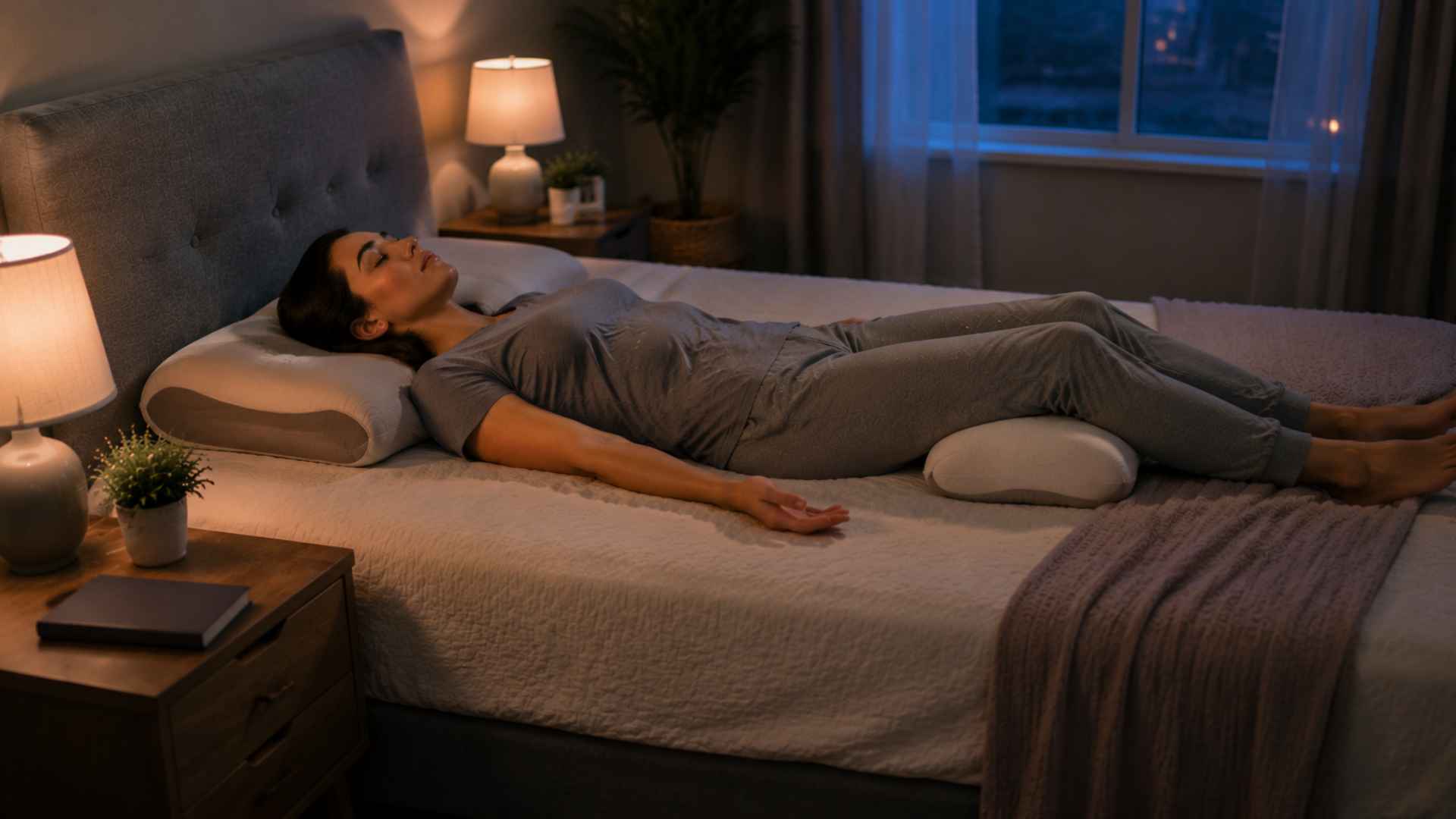
You do not need to stay on your back the entire night from day one. Start with a goal to remain on your back for the first 20 to 30 minutes before allowing yourself to shift.
As that becomes easier, extend the window gradually over the following days and weeks.
Focus on how long you stayed in position rather than whether you made it through the whole night.
Pro tip: Keep a simple sleep log on your phone, tracking your sleep time each night; progress builds motivation and clearly shows steady improvement.
Step 6: Train Your Body to Stay Comfortable on Your Back

Physical comfort determines whether back sleeping becomes a habit or something you give up after a week. Light stretching before bed releases the tension that makes lying flat feel stiff.
If you wake up with neck or lower back aches, adjust your pillow height or knee support first. A mattress creating pressure points under your hips may need a topper.
Slow breathing or progressive muscle relaxation before sleep also reduces the restless movement that pulls you out of position during the night.
Pro tip: Do a 60-second body scan after lying on your back, relaxing your shoulders to your feet to train deep, consistent sleep relaxation.
Step 7: Handle Waking Up on Your Side During the Night

Waking on your side is normal, not a setback; simply roll back to your back, adjust support, and return to sleep calmly.
Avoid frustration, as it disrupts rest more than movement. Each return strengthens the habit.
Over time, your body gradually learns to sleep on your back as the default position, and rolling happens less often naturally with consistent practice and patience.
Pro tip: Keep repositioning simple and automatic so you use less mental energy at night, fall asleep faster, and stay consistent with practice.
How Long Does It Take to Get Used to Sleeping on Your Back Again?
Most people start to feel more comfortable with back sleeping within two to four weeks of consistent effort, though the full adjustment can take anywhere from a few weeks to a couple of months, depending on how long you have slept in another position.
Consistency matters most, followed by how well your mattress and pillow setup supports your body. Stress levels and bedtime habits also play a role in how quickly the transition happens.
You will know the training is working when you wake up on your back more often, feel less stiffness in the morning, and no longer need to consciously think about your starting position each night.
Who Shouldn’t Sleep on Their Back?
- Obstructive Sleep Apnea: Sleeping on your back causes the tongue and jaw to fall back, narrowing the airway and worsening apnea symptoms. Side sleeping is the standard recommendation.
- Pregnancy After 20 Weeks: The weight of the uterus puts pressure on the inferior vena cava, reducing blood flow to both the mother and the baby, and Harvard Health notes that waking up on your back during pregnancy is not a cause for alarm, but starting each sleep period on your side is the safer choice
- Chronic Acid Reflux or GERD: Lying flat gives stomach acid a clearer path back into the esophagus, particularly after eating late at night. MedlinePlus explains that GERD symptoms often worsen when lying flat, especially after late meals.
- Snoring: The tongue and soft palate fall toward the airway in this position, making snoring louder and more frequent for most people.
- Heart and Lung Conditions: People with heart failure or chronic lung conditions often find that back sleeping feels restrictive and uncomfortable. Side sleeping tends to offer more relief.
Back sleeping is not a one-size-fits-all answer. If any of these conditions apply to you, side sleeping is likely the better long-term choice.
Common Mistakes to Avoid
Most people who struggle with back sleeping are making a few errors without realizing it. This is what works against you.
- Pillow too thick: A high pillow pushes your head forward, straining your neck. Switch to a low-loft or cervical pillow instead.
- Rushing the process: Forcing full night-back sleeping too soon leads to frustration. Give your body weeks to adjust gradually.
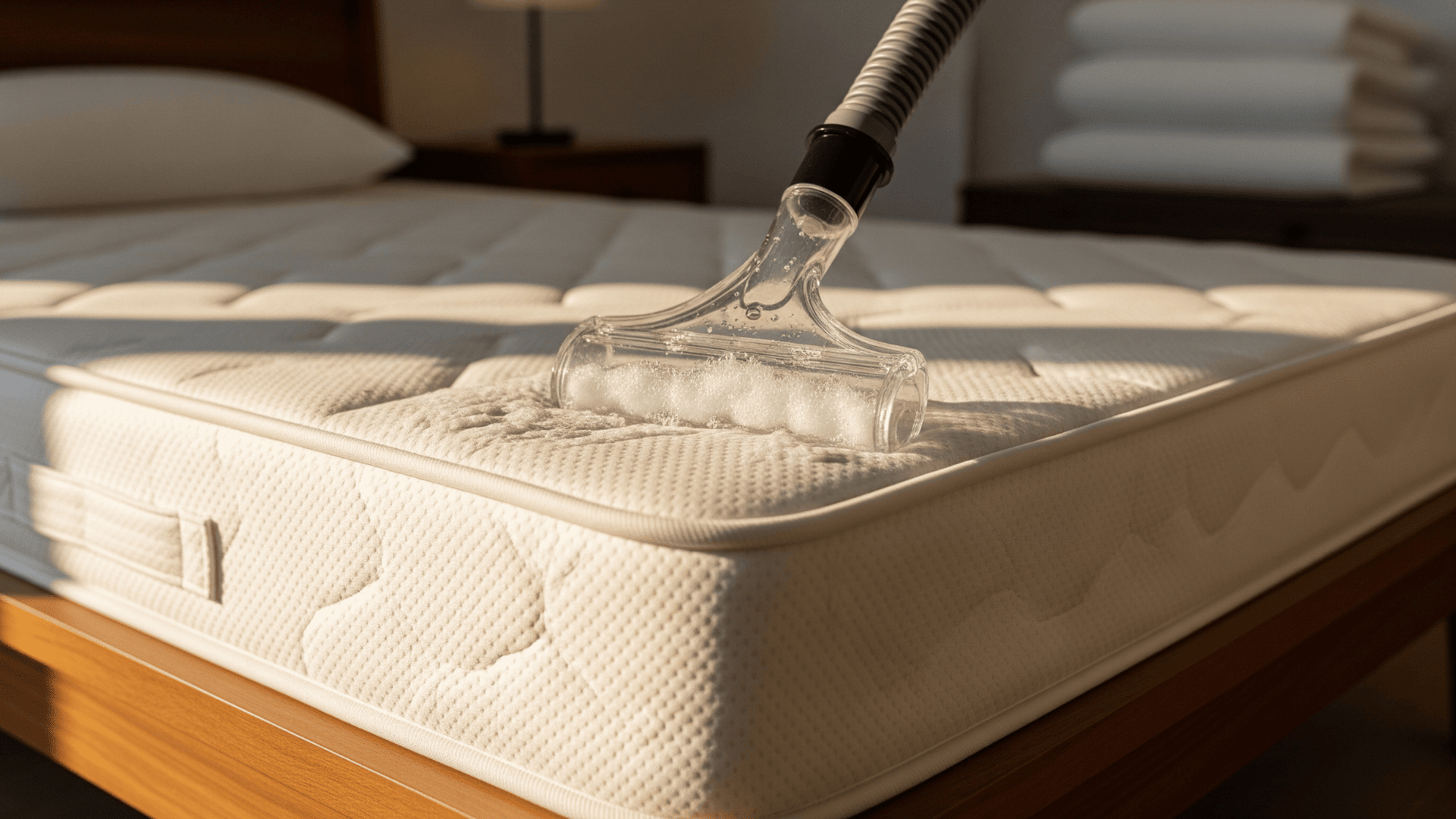
- Ignoring your mattress: A sagging mattress creates pressure points that make any position uncomfortable. Use a topper or replace it if needed.
- Getting Frustrated When You Roll Over: Rolling onto your side during the night is part of the process, not a failure. Calmly returning to your back each time is what builds the habit over time.
- Giving Up After One Bad Night: The first few nights are the hardest. Most people who stick with the process for two weeks find the position starts to feel far more natural than it did at the start.
Catching these early saves weeks of unnecessary discomfort and keeps the adjustment period as short as possible
Final Thought
Sleeping on your back gets easier with each passing week. The pillow height, knee support, and bedtime routine you put in place now are what make the position feel natural over time.
There will be nights when you roll over or wake up on your side. That is part of the process, not a sign it is not working. Every time you return to your back, the habit gets a little stronger.
Give it two to three weeks of consistent effort before drawing any conclusions. Most people who stick with it find the position stops feeling like a deliberate choice and starts feeling like the default.
Frequently Asked Questions
How Do I Train Myself to Sleep on My Back?
Start every night on your back, use a knee pillow for support, and build the habit gradually over several weeks.
Why Do I Keep Rolling onto My Side at Night?
Your body defaults to its most familiar position during sleep, which takes consistent retraining and physical barriers to gradually change.
How Long Does It Take to Get Used to Sleeping on Your Back Again?
Most people adjust within two to four weeks with consistent effort, though a full transition can take up to two months.