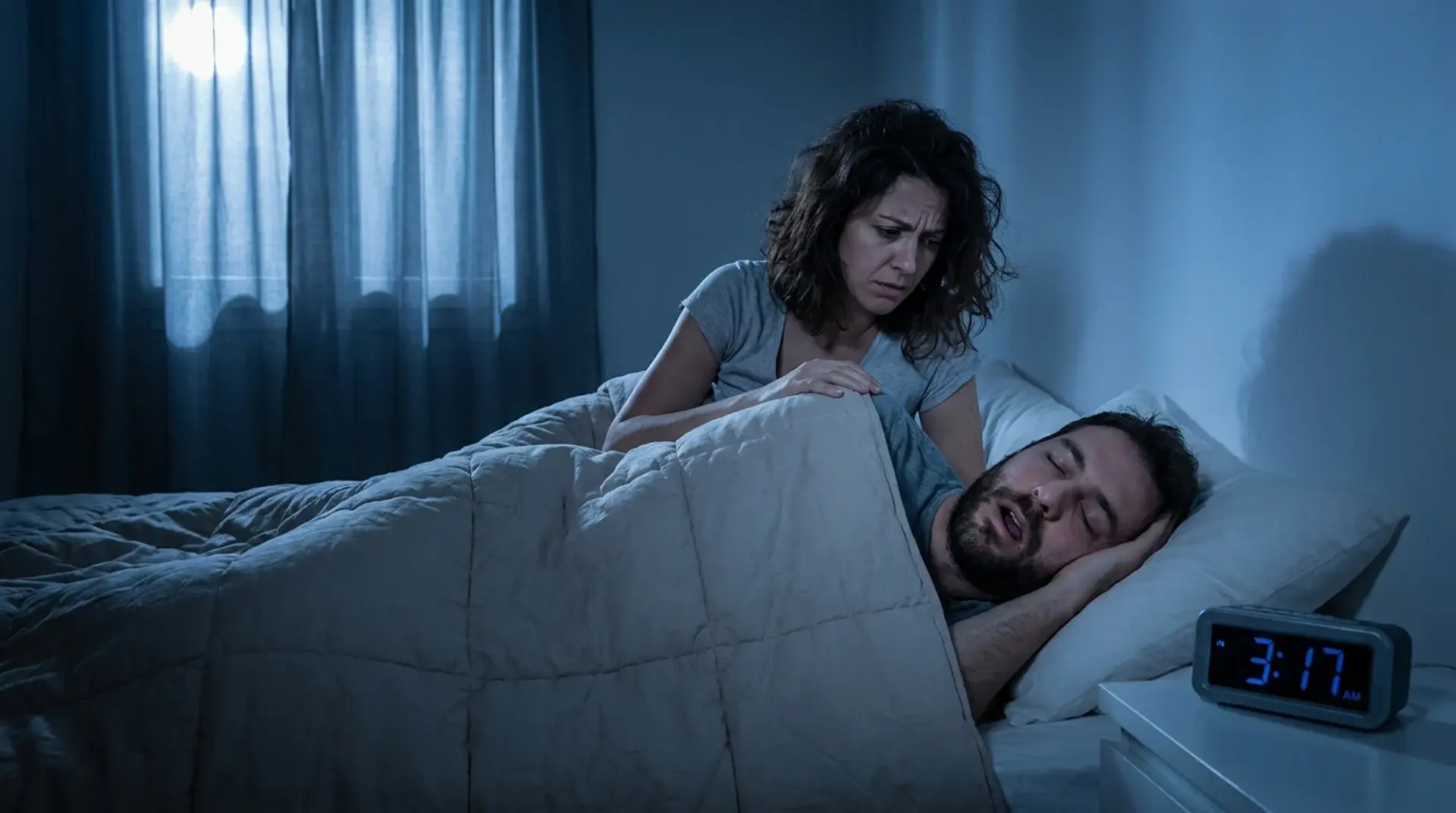

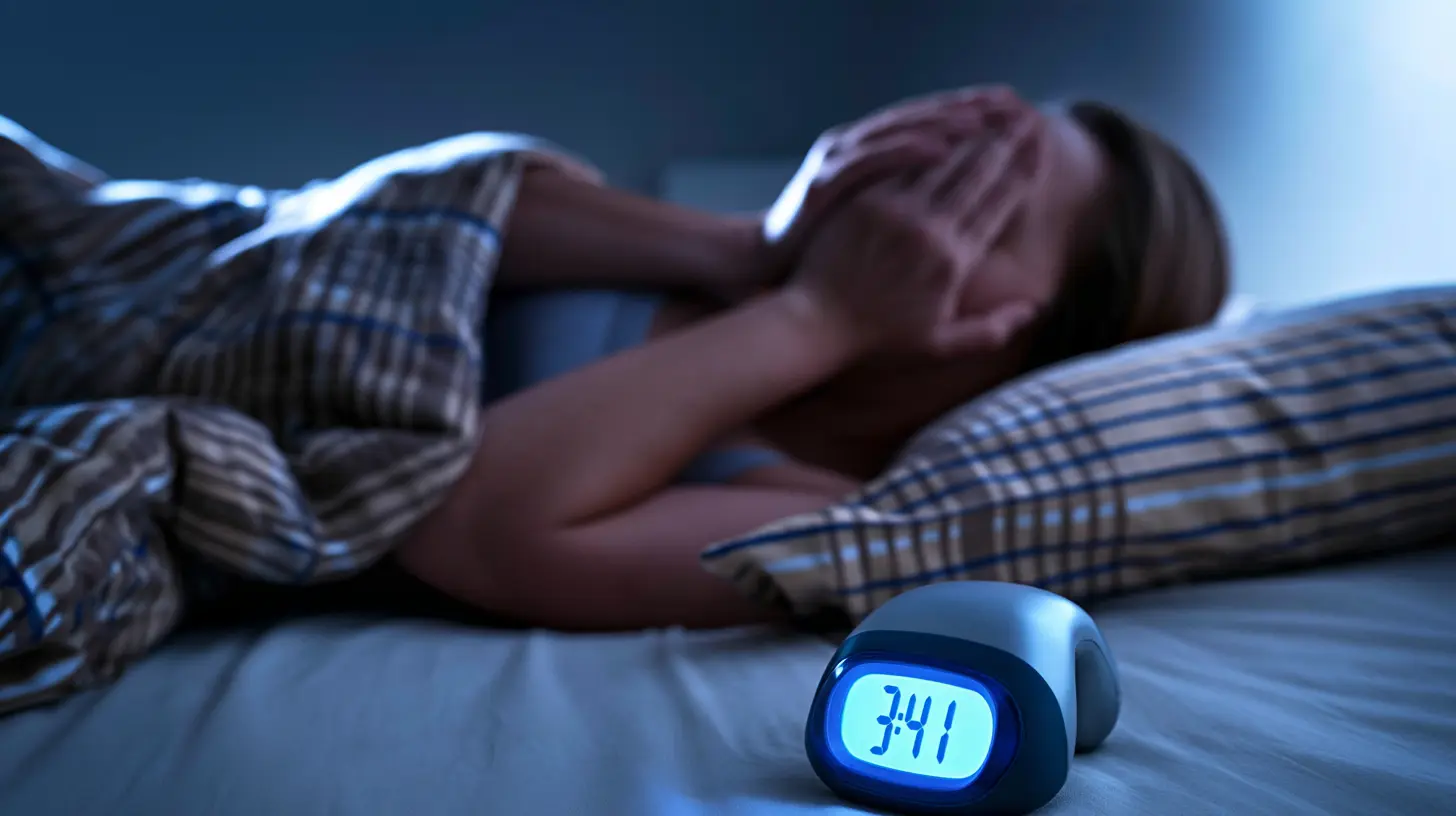

Being scared to fall asleep can feel confusing, especially when your body is tired, but your mind treats bedtime like something dangerous.
Fear of sleep, also called somniphobia, is an intense fear of falling asleep, staying asleep, or what might happen while you sleep.
It can turn an ordinary nighttime routine into something you begin thinking about hours before bed. For some people, the fear follows a frightening experience; for others, there is no obvious starting point.
What matters is how strongly it shapes your nights and your everyday life.
Understanding what is driving that fear is an important first step. From there, it becomes easier to tell normal bedtime worry from a problem that deserves professional attention and targeted support.
What is Fear of Sleep?
Fear of sleep is a strong, persistent fear of falling asleep or staying asleep. The medical term commonly used for it is somniphobia, although you may also see it called hypnophobia.
According to the Cleveland Clinic overview, this fear can become intense enough that someone avoids bedtime or stays awake as long as possible.
The fear itself can have different triggers. Some people worry about nightmares, sleep paralysis, or sleepwalking.
Others become afraid they might lose control, stop breathing, or die while asleep.
As the Sleep Foundation explains, somniphobia is different from ordinary trouble falling asleep. With somniphobia, fear of sleep itself is the central problem and may interfere with healthy sleep.
How is Somniphobia Different from Bedtime Stress?
Fear of sleep can look like ordinary bedtime stress at first, but the intensity, avoidance, and impact on daily life often make it different.
Fear of sleep | Ordinary bedtime stress |
|---|---|
You feel intense fear as bedtime approaches. | You feel worried occasionally. |
You may delay or avoid going to bed. | You usually still try to sleep. |
You may have panic symptoms. | You may feel mildly tense. |
It may affect work, school, health, or relationships. | It usually passes after the stressful event ends. |
Pro tip: Write down what you fear will happen when you sleep. The answer can help your doctor find the right cause.
Why am I Scared to Sleep?
People fear sleep for different reasons. Sometimes the cause is clear, such as repeated nightmares. Other times, fear grows slowly after months of anxiety or poor sleep.
- Nightmares: A nightmare can make bedtime feel dangerous. If the same type of dream happens often, your brain may begin to connect your bed with fear.
- Sleep paralysis: Sleep paralysis happens when you are briefly unable to move while falling asleep or waking up. Some people also see or feel things that are not really there.
- Anxiety and panic: Nighttime is quiet, so anxious thoughts can feel louder. You may worry about your health, work, family, or what will happen when you lose awareness.
- Trauma and PTSD: People who experienced trauma at night may feel unsafe when they go to bed. Trauma can also lead to nightmares, alertness, and repeated waking.
A 2021 review found that fear of sleep may help maintain trauma-related insomnia.
Research on trauma survivors shows that fear of sleep can be tied to nightmares, insomnia, and PTSD symptoms. In one study of people with PTSD, fear of sleep helped predict nightmares.
What are the Symptoms?
The main sign is strong distress when you think about sleep or try to fall asleep.
Somniphobia can affect your thoughts, habits, and body. Symptoms may appear at bedtime, during the day, or whenever you start thinking about falling asleep.
1. Emotional Signs
Emotional symptoms often appear before bedtime or whenever you think about sleep. You may feel dread, unsafe, or unable to relax.
Racing thoughts can intensify the fear, while daytime worry about the next night may increase stress. Some people also notice irritability, mood changes, or a persistent fear of losing control once they fall asleep.
2. Behavior Changes
Fear of sleep can change your bedtime habits in noticeable ways. You may delay going to bed, leave the bed repeatedly, avoid naps, or keep lights and television on for reassurance.
Some people check the clock constantly or only sleep near someone they trust. Others may rely on alcohol or drugs to make falling asleep feel easier.
3. Body Symptoms
Somniphobia can also trigger physical symptoms similar to anxiety or panic. Your heart may race, your hands may shake, or you may begin sweating or feeling chilled.
Some people experience chest tightness, shortness of breath, nausea, or dizziness. In more intense episodes, the fear may build into a panic attack when bedtime approaches, or sleep feels unavoidable.
Children may show fear in different ways. They may cry, cling to a parent, resist bedtime, have tantrums, or leave the bed many times.
Is It Somniphobia or Sleep Anxiety?
Somniphobia and sleep anxiety can look similar, but the main fear is different.
Question | Sleep anxiety | Somniphobia |
|---|---|---|
Main fear | “What if I cannot sleep?” | “What if something bad happens when I sleep?” |
Main problem | Worry about poor sleep | Fear of sleep itself or what sleep may bring |
Avoidance | May happen after repeated frustration | Often deliberate and strong |
Common link | Insomnia and stress | Phobia, trauma, nightmares, or sleep paralysis |
Professional diagnosis | May involve a sleep or mental-health evaluation | May meet criteria for a specific phobia |
These conditions can happen together. A clinician should check for insomnia, PTSD, panic disorder, nightmares, sleep apnea, and other causes.
Other Conditions to Check
This fear is sometimes a symptom of another condition rather than a standalone problem
A doctor may check for:
- Insomnia.
- Sleep apnea.
- Recurrent sleep paralysis.
- Nightmare disorder.
- Narcolepsy.
- Restless legs syndrome.
- Panic disorder.
- Generalized anxiety disorder.
- PTSD.
- Medication or substance effects.
Tell your doctor if you snore loudly, gasp during sleep, stop breathing, or feel extremely sleepy during the day.
How is Somniphobia Diagnosed?
There is no home test that can confirm somniphobia. A healthcare provider or mental-health professional usually asks about your fear, sleep habits, health, and daily routine.
They may ask what you think will happen during sleep, when the fear started, how often you avoid bedtime, and whether you experience nightmares, sleep paralysis, or panic.
They may also ask if the fear followed trauma, has lasted six months or longer, or affects work, school, driving, or relationships.
Alcohol, medication, and drug use may also be discussed. According to the Sleep Foundation overview, specific phobias often involve intense fear, avoidance, distress, and disruption to daily life.
A sleep study may be recommended if your doctor suspects sleep apnea, narcolepsy, unusual movements, or another sleep disorder.
How is Fear of Sleep Treated?
The best treatment is based on the cause. For most people, therapy is more useful than trying to sedate the fear away.
- Exposure therapy: Exposure therapy gradually reduces sleep-related fear through manageable steps, from discussing sleep to spending a full night in bed, ideally with professional guidance throughout.
- Cognitive behavioral therapy: CBT helps you challenge frightening sleep thoughts and replace them with more realistic responses. If insomnia is also present, CBT-I may help improve sleep patterns.
- Trauma-focused therapy: If trauma caused the fear, a trained therapist may recommend trauma-focused CBT, EMDR, or another evidence-based treatment.
- Medication: There is no single medicine that cures somniphobia. A doctor may treat anxiety, panic, PTSD, insomnia, or another condition.
Do not use alcohol, someone else’s sleeping pills, or unprescribed sedatives. Some medicines can cause dependence or worsen sleep problems. Therapy is a central part of treatment.
What If Fear of Sleep Goes Untreated?
Adults should generally get at least seven hours of sleep each night. Avoiding sleep can create a repeating cycle:
Step | What may happen |
|---|---|
Fear | Bedtime feels unsafe. |
Avoidance | You stay awake or leave bed. |
Sleep loss | You feel tired, tense, and less focused. |
More fear | The next bedtime feels even harder. |
Long-term sleep loss can affect mood, attention, reaction time, and physical health. NIH information links inadequate sleep with anxiety, depression, obesity, diabetes, high blood pressure, and other health problems.
Sleep loss also raises safety concerns. Do not drive if you are very sleepy or struggling to stay alert.
When Should You Get Help?
Simple coping strategies help some people, but ongoing or severe symptoms deserve professional attention
Speaking with a doctor or mental-health professional can help identify possible causes, rule out sleep disorders, and guide you toward appropriate treatment. Talk with a doctor or mental-health professional if:
- You avoid sleep often.
- Bedtime causes panic.
- You feel afraid during the day about the coming night.
- Fear affects school, work, relationships, or driving.
- Nightmares or sleep paralysis keep returning.
- You use alcohol, drugs, or unprescribed medicine to sleep.
- You snore, gasp, or stop breathing during sleep.
Seek urgent help if you have suicidal thoughts, severe breathing trouble, new severe chest pain, confusion, or unsafe behavior after prolonged sleep loss.
Conclusion
A peaceful night may feel far away when sleep itself has become something you dread, but fear does not have to keep setting the rules around bedtime.
Somniphobia can develop for several reasons, which is why simply telling yourself to relax or forcing yourself to stay in bed may not solve it. The more useful approach is finding out what is feeding the fear and addressing that problem directly.
Pay attention to patterns, especially if your nights are beginning to shape your choices during the day. You do not need to wait until exhaustion takes over before speaking with a professional.
With the right evaluation and support, the goal is not just getting more hours of sleep. It is helping bedtime feel safe and manageable again.
Frequently Asked Questions
Is Fear of Sleep a Real Condition?
Yes. Intense, persistent fear of sleep can be clinically significant and may fit a specific-phobia pattern, but only a qualified professional can diagnose it.
What Is Fear of Sleep Called?
Fear of sleep is commonly called somniphobia or hypnophobia. It may involve fear of sleeping, falling asleep, or what may happen during sleep.
Why Am I Scared to Sleep but Not Tired?
Anxiety can keep your body alert even when you need rest. Nightmares, trauma, panic, sleep paralysis, and poor sleep habits can also play a role.