


Waking up tired every single day is exhausting. And doing it while wearing a mask attached to a loud machine? Even more so. CPAP is effective; no one’s arguing that. But it isn’t easy to live with. The noise, the straps, the dry mouth, the feeling of being trapped. Millions
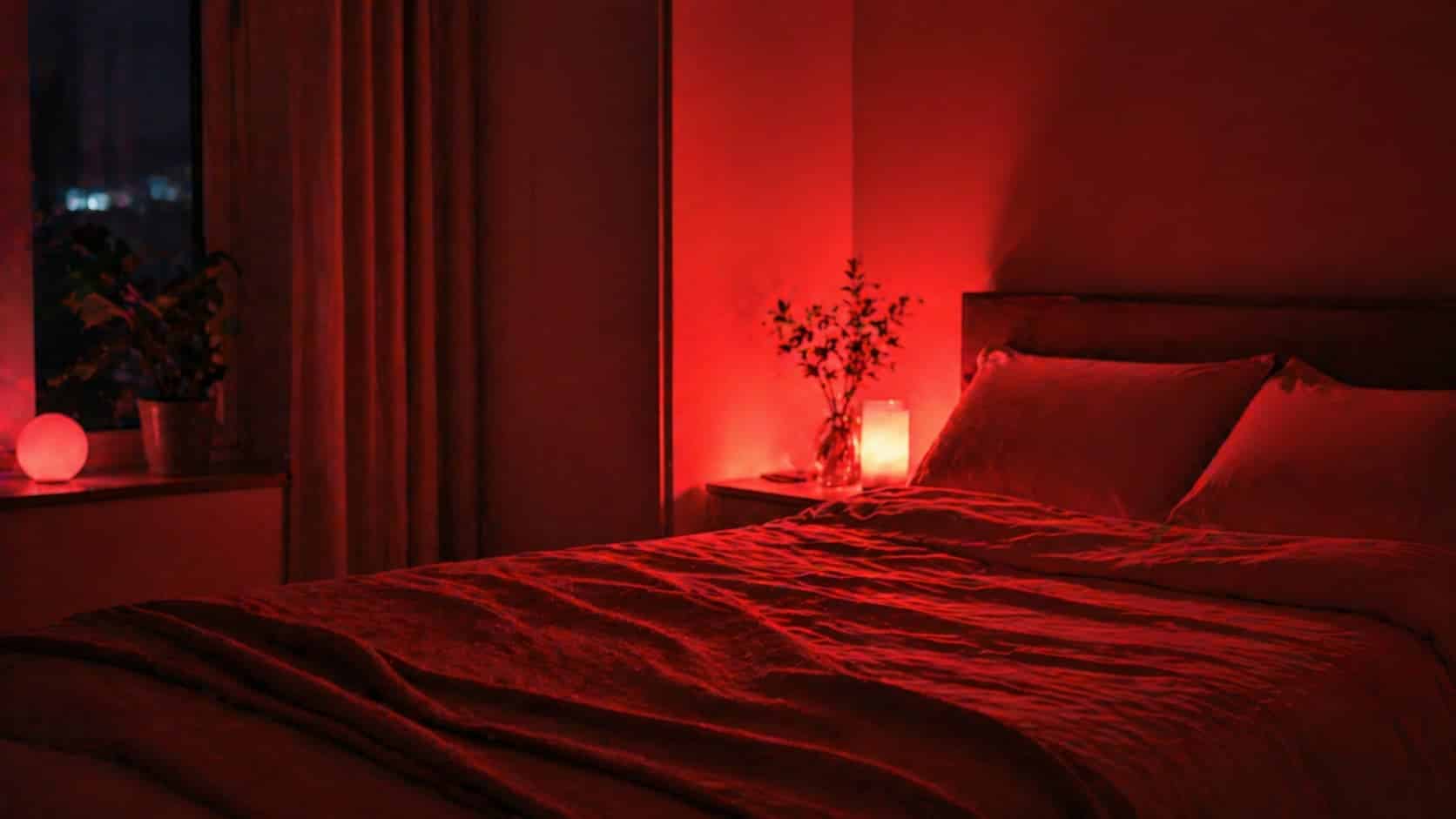
Colors can play an important role in people’s sleep cycles. The color of the lights can affect people’s internal biological clocks, which regulate the sleep-awake cycle. In this article, we are going to learn about what colors help you sleep better and what colors should be avoided in the bedroom.

Your mattress has been there through everything. late-night snacks, sweaty summer nights, sick days, and years of sleep. Over time, sweat, dead skin cells, dust mites, and the occasional spill quietly build up deep inside it, making your bed far less clean than it looks. That faint smell lingering on
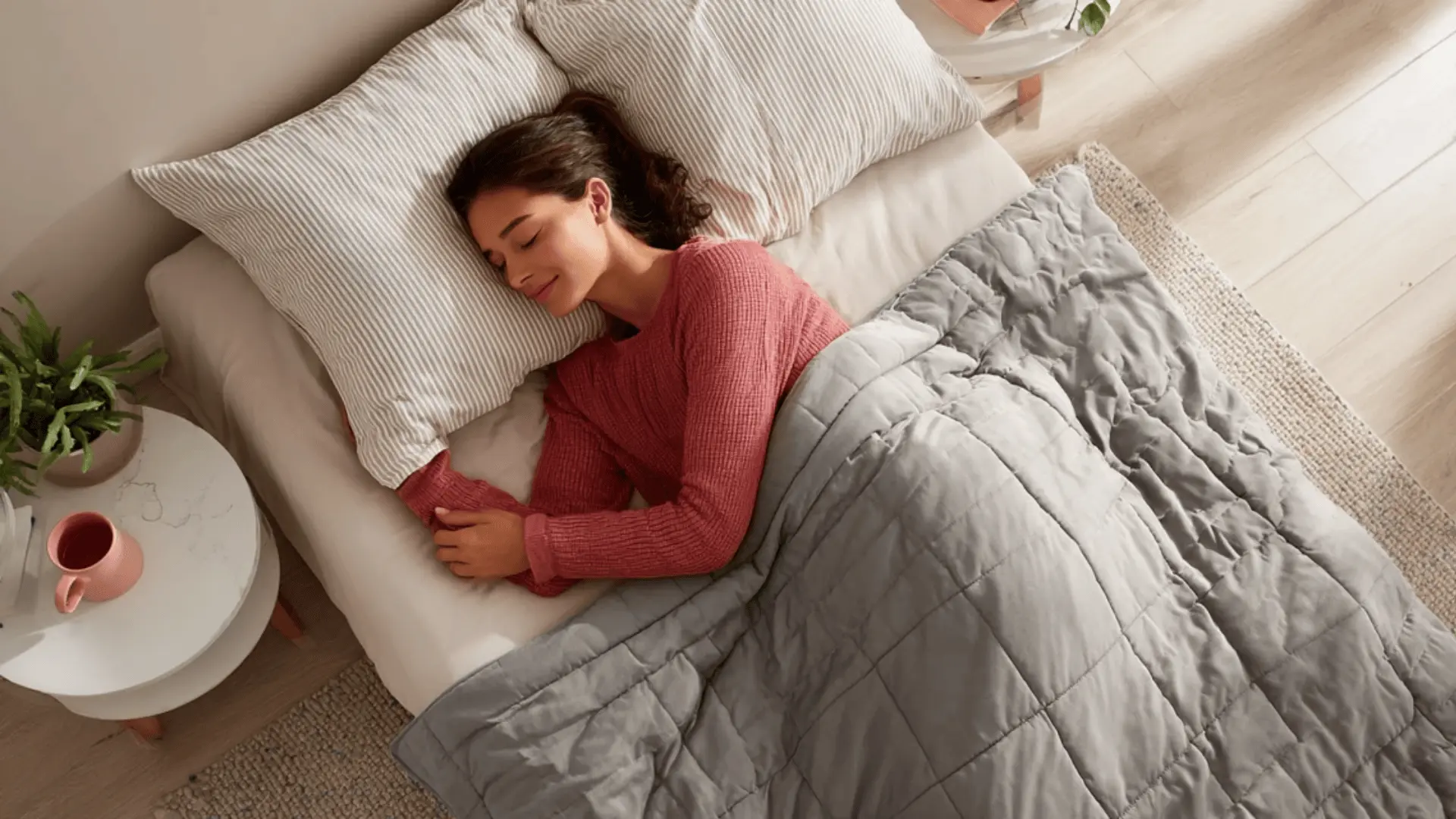
Many people look for simple ways to sleep better and feel more relaxed at night. One option that has gained attention is the use of weighted blankets. These blankets feel heavier than regular ones and rest firmly across the body while sleeping or resting. The weight creates gentle pressure, often

If you’ve ever sat on the edge of your child’s bed at 10 PM, waiting for them to finally fall asleep, you’re not alone. As a health coach, I’ve worked with many parents stuck in the same exhausting pattern of bedtime struggles, night waking, and tired mornings. Sleep plays a
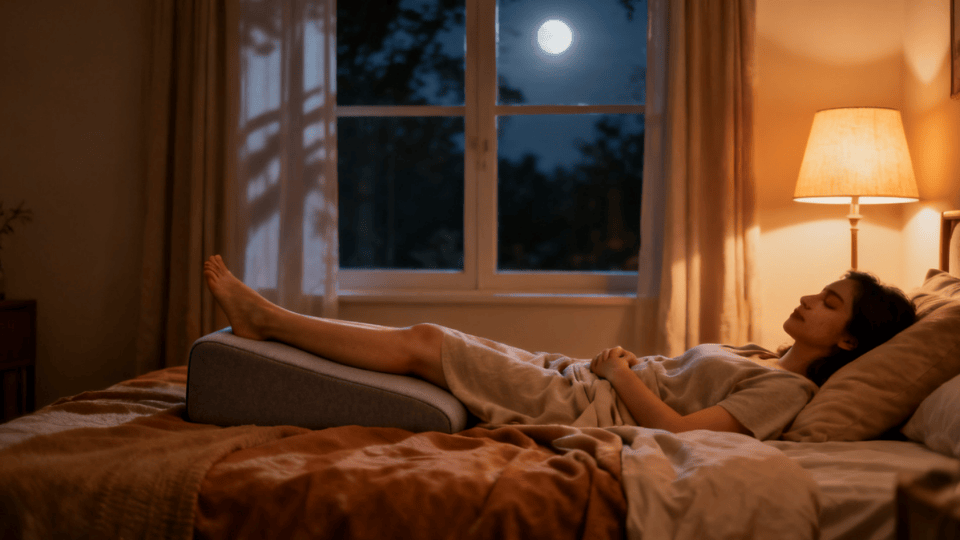
People hear that sleeping with legs elevated solves everything. It doesn’t. While propping up legs might help with circulation and swelling, there’s a flip side that most people conveniently skip over. Back strain. Hip discomfort. Sliding down the bed in the middle of the night. Nerve pressure that wasn’t there
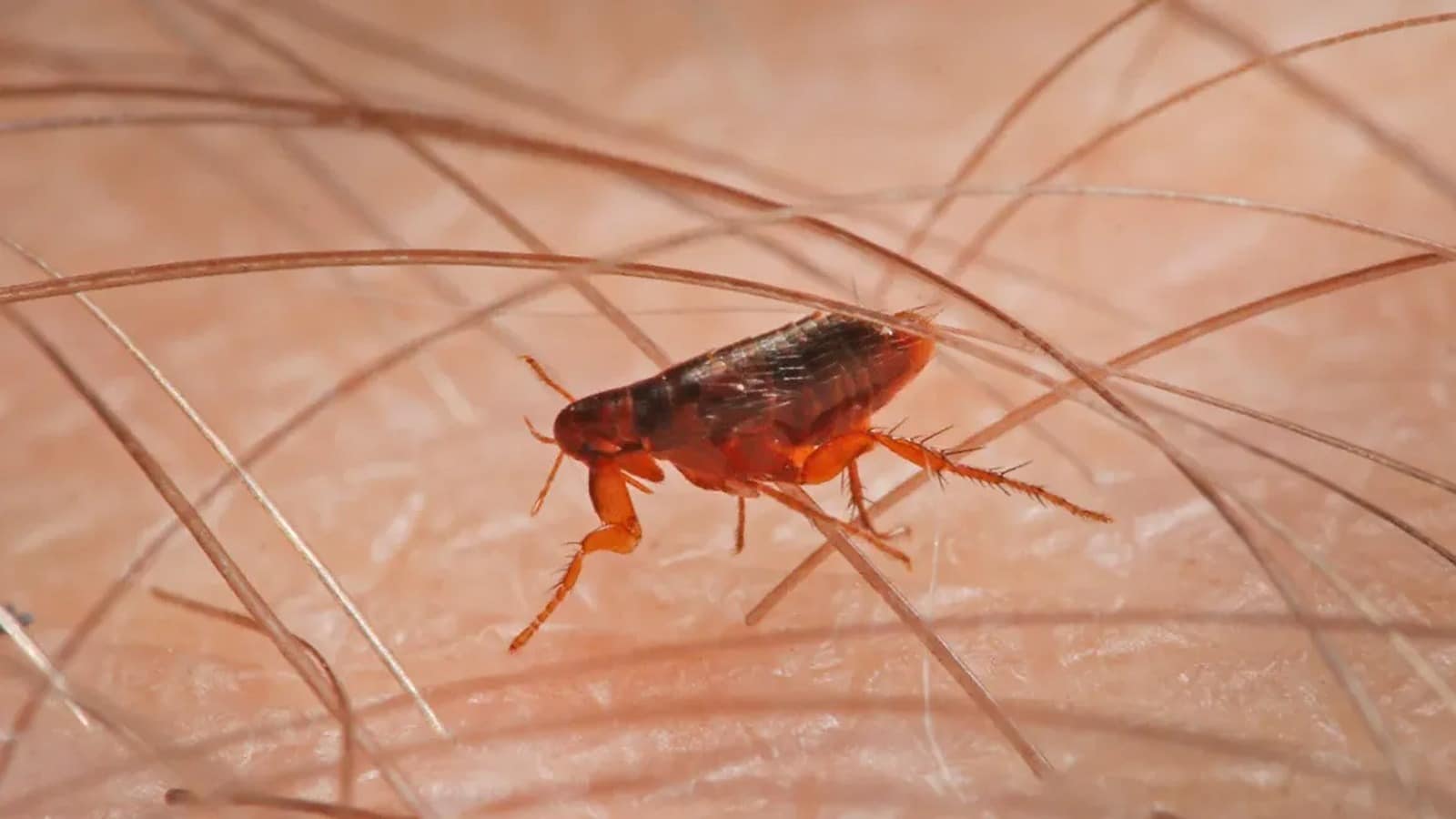
Spotting a flea crawling through pet fur or hopping across a bedsheet can trigger an instant reaction; squash it immediately. It feels like the quickest way to stop the problem. Squishing a flea can kill it, but it does not address the hidden eggs, larvae, and pupae that cause infestations.
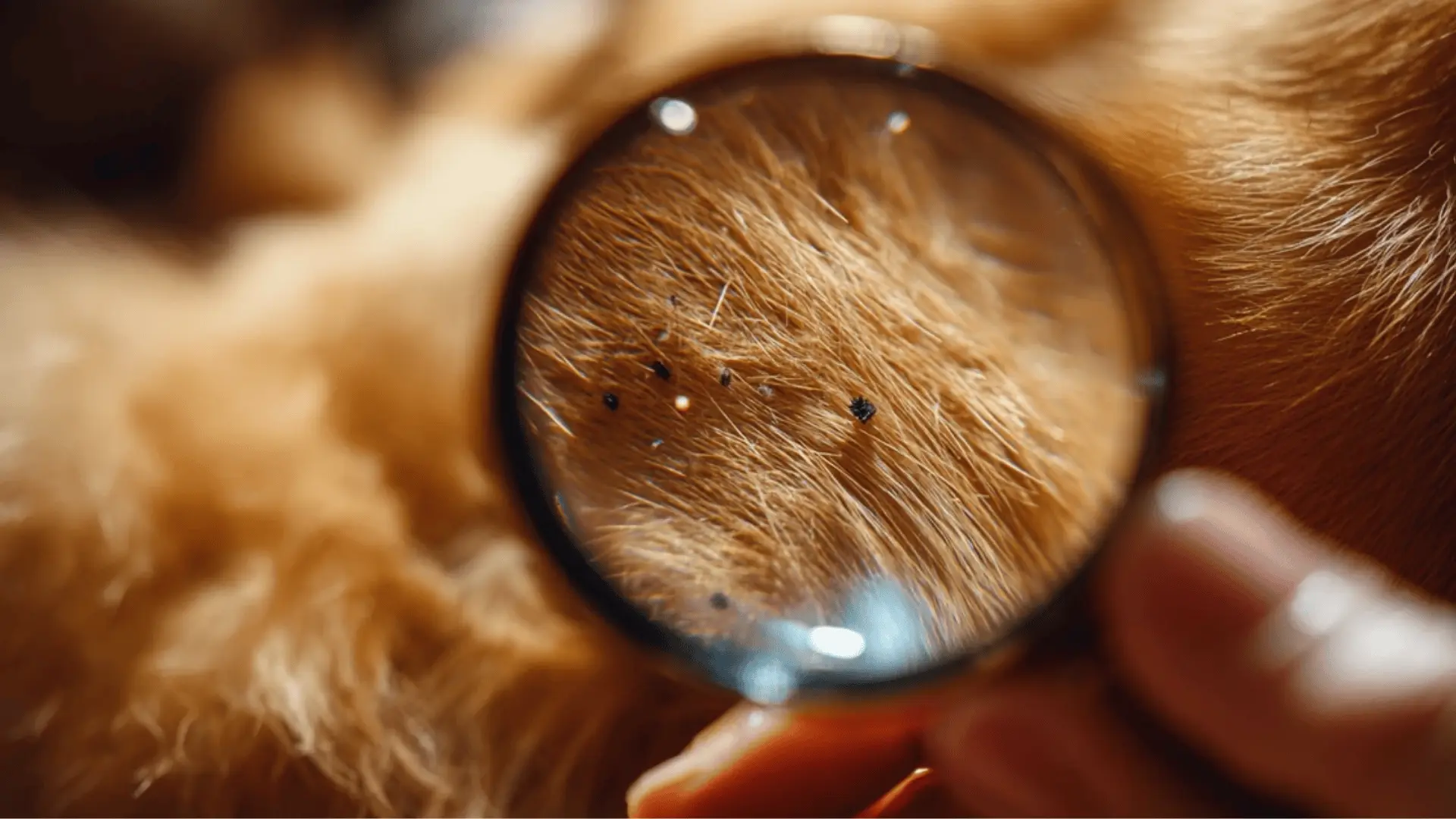
Fleas are real, and yes, they can be seen. So, what do fleas look like to the human eye? They are tiny, dark brown, wingless insects, roughly the size of a sesame seed. They are easy to miss because they move fast and stay close to the skin. Most people

Fleas often return even after treatment because of hidden eggs in carpets, bedding, and furniture. Understanding what triggers flea egg hatching is key to stopping infestations early. Flea egg hatching depends on environmental conditions like heat and humidity, along with subtle cues in the surroundings. Once these conditions align, eggs
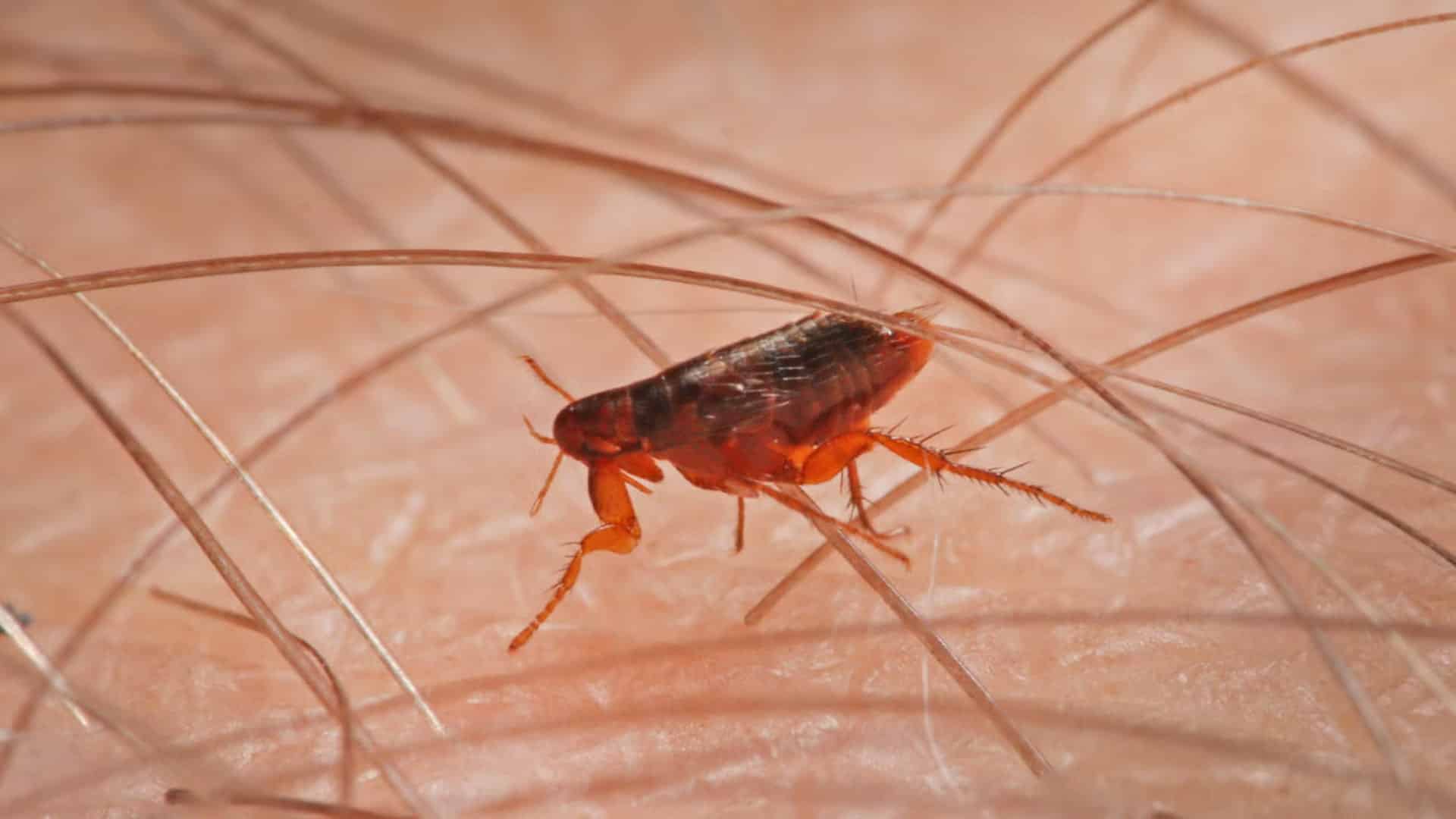
Waking up with itchy red marks and no idea where they came from can feel really unsettling. Fleas in bed signs are easier to spot than most people think. The most common ones include itchy bites on the skin, tiny black specks on sheets or pillows, pets scratching more than