





Ever woken up feeling like your mind stayed completely blank all night, while others describe vivid dreams like they watched a film in their sleep?
If that gap makes you wonder if something is off, you are not alone. For most people, it comes down to recall, not the act of dreaming itself.
A survey found that 20% do not believe they dream every night, yet most simply do not remember it.
Sleep quality, stress, and medications all shape what gets remembered, and understanding this clears up a lot of confusion about sleep.
| Quick Answer: Yes, you dream every night, even if you don’t remember it. Dream recall depends on your sleep stage, stress levels, and even medications, not on whether dreaming actually happened. |
Why Humans Dream at Night
During sleep, the brain stays far more active than most people expect. The limbic system, which handles emotional responses, shows heightened activity during REM sleep, and visual areas fire without any direct input from the eyes.
Research shows that frequent dream recallers tend to have higher activity in the temporoparietal junction, a region tied to attention and internal awareness, both during sleep and just after waking.
Beyond brain activity, dreams also serve an emotional function. The brain uses this state to consolidate memories from the day and process unresolved feelings, which is one reason disrupted sleep can quietly affect mood over time.
Sleep Stages That Create Dreams
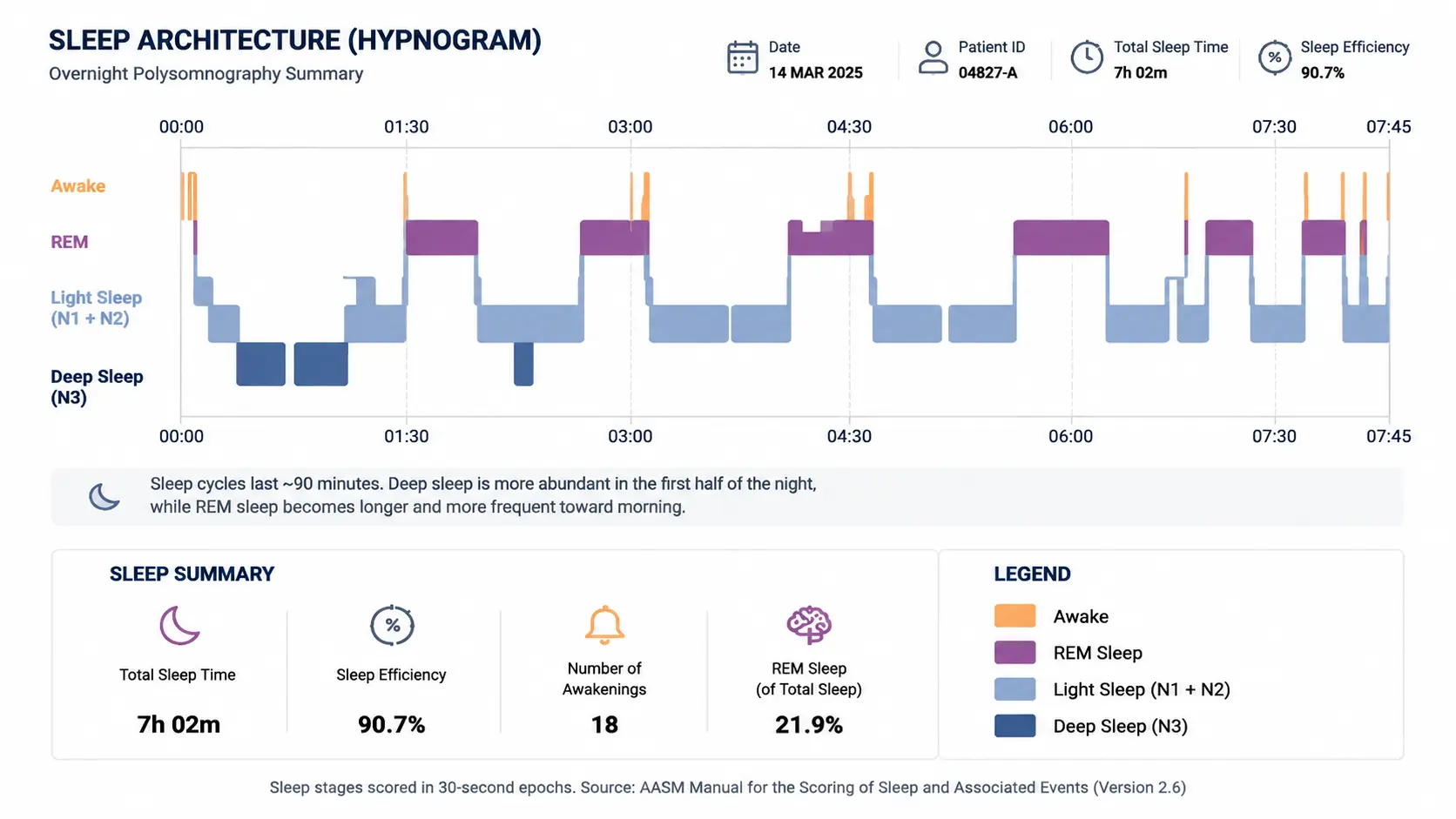
Not all sleep stages produce the same kind of dreaming, and where you are in your cycle when you wake up makes all the difference in what you remember.
| Sleep Stage | Dream Type | Recall Likelihood |
|---|---|---|
| REM Sleep | Vivid, story-like, emotionally rich dreams. Occurs in longer stretches during the second half of the night. | High. About 80% of people woken during REM can recall a dream, though in everyday life, most adults remember dreams only once or twice a week. |
| Light Sleep (NREM Stages 1 and 2) | Short, fragmented, less narrative. Hypnagogic images may appear at sleep onset. | Low to moderate. Dreams are brief and fade quickly on waking. |
| Deep Sleep (Slow-Wave) | Minimal dreaming. The brain prioritizes physical restoration during this stage. | Very low. Waking from deep sleep almost never produces dream recall. |
Understanding which sleep hygiene and stage drives the most vivid dreaming naturally raises the next question: if dreaming occurs this regularly, why do so many people wake up remembering nothing at all?
Why Does Dream Recall Often Fail?
Most people who think they never dream are actually dreaming. They just do not remember it. This happens mainly for two reasons.
Waking Too Quickly After REM
When you wake naturally near the end of a REM cycle, you are most likely to carry some dream memory forward. Alarm clocks, noise, or irregular sleep schedules cut into this window.
According to Psychology Today, a survey of 1,000 adults found that 32% reported dreaming less than once a month, a figure that likely reflects recall failure rather than an actual absence of dreaming.
Weak Memory Storage During Sleep
Dreams exist in a fragile form of short-term memory. Checking your phone or starting a conversation the moment you wake can erase them in seconds.
Lying still briefly after waking gives the brain a better shot at encoding dream content before it dissolves.
These two recall barriers are just the starting point. Several underlying factors, from sleep habits to health conditions, can make dream memory even harder to retain.
Myth vs Fact
Dreams often feel mysterious, but many common beliefs about them are misleading or incomplete. Separating myth from fact helps make sense of what actually happens during sleep.
| Myth | Fact |
|---|---|
| If you don’t remember your dreams, you didn’t dream. | Everyone dreams several times a night. Recall depends on when and how you wake up, not on whether dreaming happened. |
| Dreams only happen during deep sleep. | Deep sleep produces almost no dreaming. Most vivid dreams occur during REM sleep, which happens later in the sleep cycle. |
| Medication has nothing to do with dream recall. | Antidepressants, sleep aids, and other common drugs can suppress REM sleep and directly reduce how many dreams you remember. |
| Not remembering dreams means something is wrong with you. | For most people, low dream recall is completely normal and has no connection to a health problem. |
Most ideas about dreaming come from personal experience rather than sleep science, which is why misunderstandings are so widespread.
Reasons People Rarely Remember Dreams
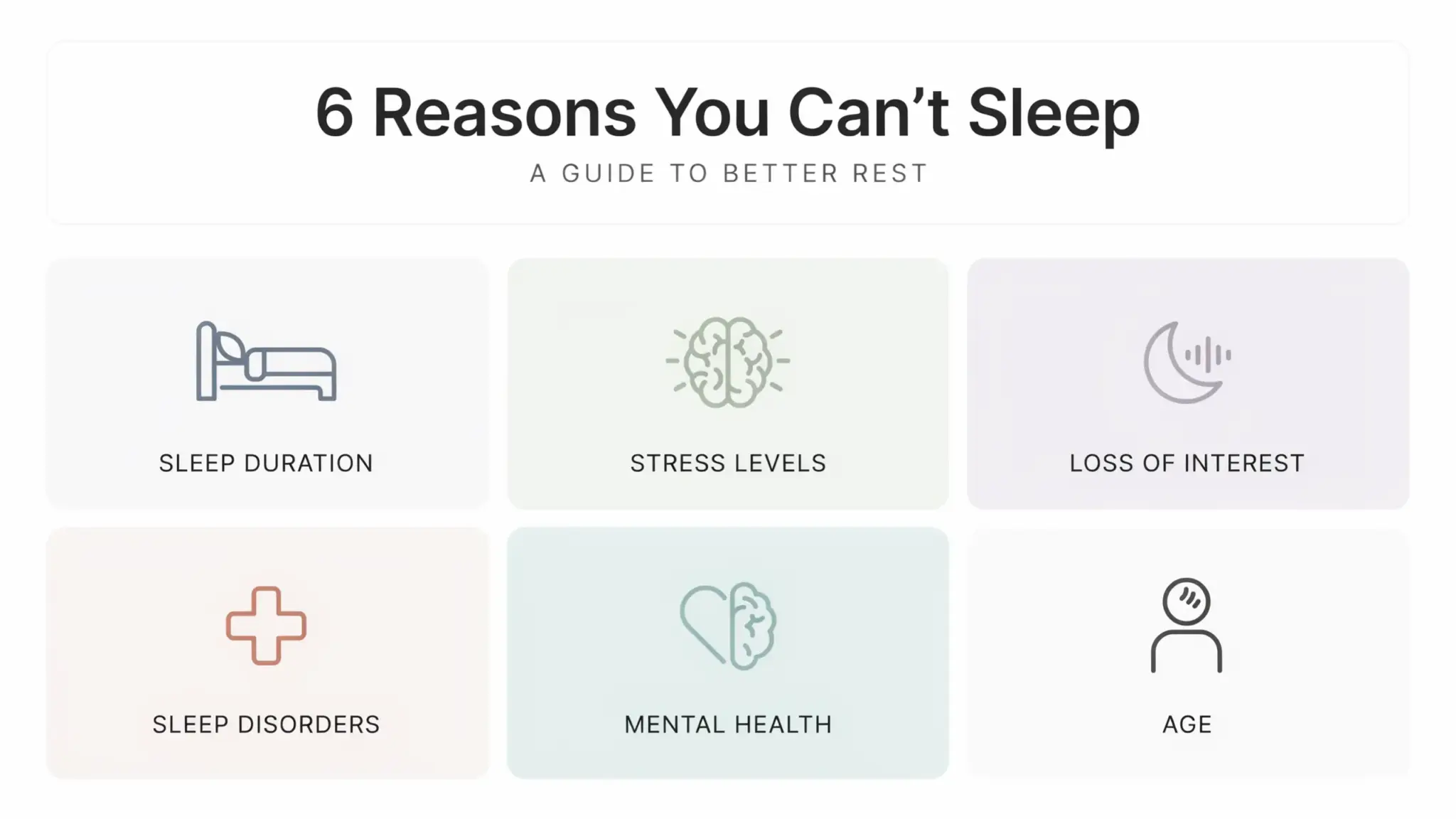
Dream recall is shaped by more than just sleep depth. Several everyday factors, physical, behavioral, and beyond your control, quietly work against it.
- Not Getting Enough Sleep: Shorter sleep duration reduces total time in REM. Since REM concentrates in the later hours, sleeping for less than six hours cuts off the period most likely to produce memorable dreams. A Purple survey of 1,000+ Americans found that 57% of those sleeping under eight hours want to remember more dreams, compared to 32% of those getting more than eight hours.
- Stress: High stress fragments sleep architecture and reduces REM quality. Elevated cortisol levels interfere with the deeper, longer cycles where vivid dreaming occurs most often.
- Disinterest: Recall is partly a practiced skill. People who pay no attention to dreams on waking tend to remember fewer over time. The same Purple survey found that nearly 45% of Americans had never tried to remember more of their dreams.
- Sleep Disorders: Conditions like obstructive sleep apnea cause repeated micro-awakenings that interrupt REM cycles. According to Healthline, people with sleep apnea rarely reach full REM sleep, which directly reduces dream recall.
- Mental Health Conditions: Depression, anxiety, and PTSD can all alter REM patterns. Some people with depression report reduced dream recall, while others experience more disturbing dreams depending on the severity of their condition.
- Aging: Dream recall naturally declines with age. Older adults spend less time in REM and report fewer remembered dreams, which is a normal part of how sleep architecture shifts over a lifetime.
These six factors explain why recall breaks down internally. Your nightly habits and routines outside the body play an equally quiet role.
Lifestyle and Sleep Pattern Factors

Daily habits affect dreaming more than most people realize, and three patterns in particular consistently cut into REM sleep and dream recall.
- Irregular Sleep Schedules: Going to bed and waking at inconsistent times disrupts the circadian rhythm and shortens REM sleep, particularly the longer REM periods that occur in the early morning hours. Night shift workers and frequent travelers often report notably lower dream recall.
- Alcohol and Late-Night Habits: Alcohol reduces REM sleep during the first half of the night. As the body processes it during the second half, REM can rebound, producing more fragmented dreaming. Regular use before bed interferes with normal dream patterns over time.
Poor Sleep Quality and Fatigue: When the body carries a significant sleep debt, it prioritizes deep slow-wave sleep for physical recovery. This leaves less room for the REM phases, where dreaming is most likely to be remembered.
What you take before bed matters just as much. Some commonly prescribed medications directly interfere with REM sleep, often without the person realizing it.
Medications That Affect Dream Patterns
Several common medications alter sleep stages, and REM is often the first casualty.
If you recently started a new prescription and stopped remembering dreams, that may not be a coincidence.
Antidepressants and REM Suppression
SSRIs and other antidepressants are among the most well-documented causes of reduced dream recall.
These medications suppress REM sleep as a side effect, and tricyclic antidepressants and MAOIs carry similar effects.
When stopped, a REM rebound can occur, temporarily producing more intense dreaming.
Sleep Aids and Altered Recall
Some prescription and over-the-counter sleep medications deepen sleep or sedate the nervous system.
While they may increase total sleep time, they can blunt the lighter transitions that enable dream recall.
A person may sleep longer but wake with no memory of any dream activity.
Other Drugs Influencing Sleep Cycles
Beta-blockers, certain antihistamines, and benzodiazepines can all alter sleep architecture in ways that affect dreaming.
Cannabis is also associated with reduced REM sleep and lower dream recall with regular use.
Note: If you notice a change in dream patterns after starting a new medication, mention it to your prescribing doctor. It is a more common side effect than most people realize and worth flagging early.
Dream Recall Improvement Tips
If you want to remember more of your dreams, a few small changes to your routine can make a real difference.
- Wake up without an alarm when you can. Alarms often pull you out of sleep mid-cycle, cutting off the REM window where dreams are most memorable.
- Stay still for a minute after waking. Moving around or reaching for your phone disrupts the fragile short-term memory that holds onto dream content.
- Keep a notepad or app by your bed. Write down even a single image or feeling the moment you wake up, before it fades.
- Set an intention before sleep. Simply telling yourself you want to remember your dreams can improve recall over time.
- Stick to a consistent sleep schedule. Regular sleep and wake times support longer, more complete REM cycles.
When Not Dreaming Becomes Concerning
Not remembering dreams is harmless for most people, but when it comes alongside other symptoms, it may be worth paying attention to.
Signs that your sleep may need a closer look:
☐ You wake up with frequent morning headaches or feel unrefreshed despite a full night of sleep
☐ A partner has noticed pauses or interruptions in your breathing during the night
☐ You feel excessive daytime sleepiness that does not improve with more rest
☐ You have been experiencing ongoing fatigue, low mood, or difficulty concentrating alongside poor dream recall
☐ Your sleep has been disrupted long enough to affect your mood, memory, or ability to manage stress day to day
☐ You recently started a new medication and noticed a change in both sleep quality and dream recall at the same time
If two or more apply, speaking to a doctor or sleep specialist is a reasonable next step, as a sleep study can confirm whether REM sleep is being reached.
Conclusion
Not remembering dreams does not usually mean you are not dreaming. In most cases, it reflects how the brain processes and stores sleep memories rather than a lack of dream activity.
Factors such as REM sleep patterns, stress, lifestyle habits, and certain medications can influence whether dreams are recalled.
For many people, dreams simply fade before waking awareness catches them. If this comes with ongoing fatigue, disturbed sleep, or other concerns, it may be worth looking deeper into your sleep health.
Frequently Asked Questions
Is It Unhealthy if You Don’t Dream?
Not usually. Dreaming still occurs in most people, but a lack of recall alone is not considered a health concern unless other sleep issues appear alongside it.
What Did Einstein Say About Dreams?
Einstein described imagination as more important than knowledge, a view often linked with the kind of free-associative thinking that appears during dreaming. He did not make any scientific claim specifically about the function of dreams.
Is Dreaming Related to IQ?
There is no strong evidence linking the frequency or recall of dreaming directly to intelligence. Dream patterns vary widely among individuals regardless of cognitive ability.
Do People with ADHD Dream Less?
ADHD does not reduce dreaming itself, but differences in sleep architecture and the effects of stimulant medications used to treat the condition can alter REM patterns and how often dreams are remembered.
How Can I Start Remembering My Dreams?
Keep a notepad by your bed and write down any fragment immediately on waking. Lying still for a moment before checking your phone also helps significantly.