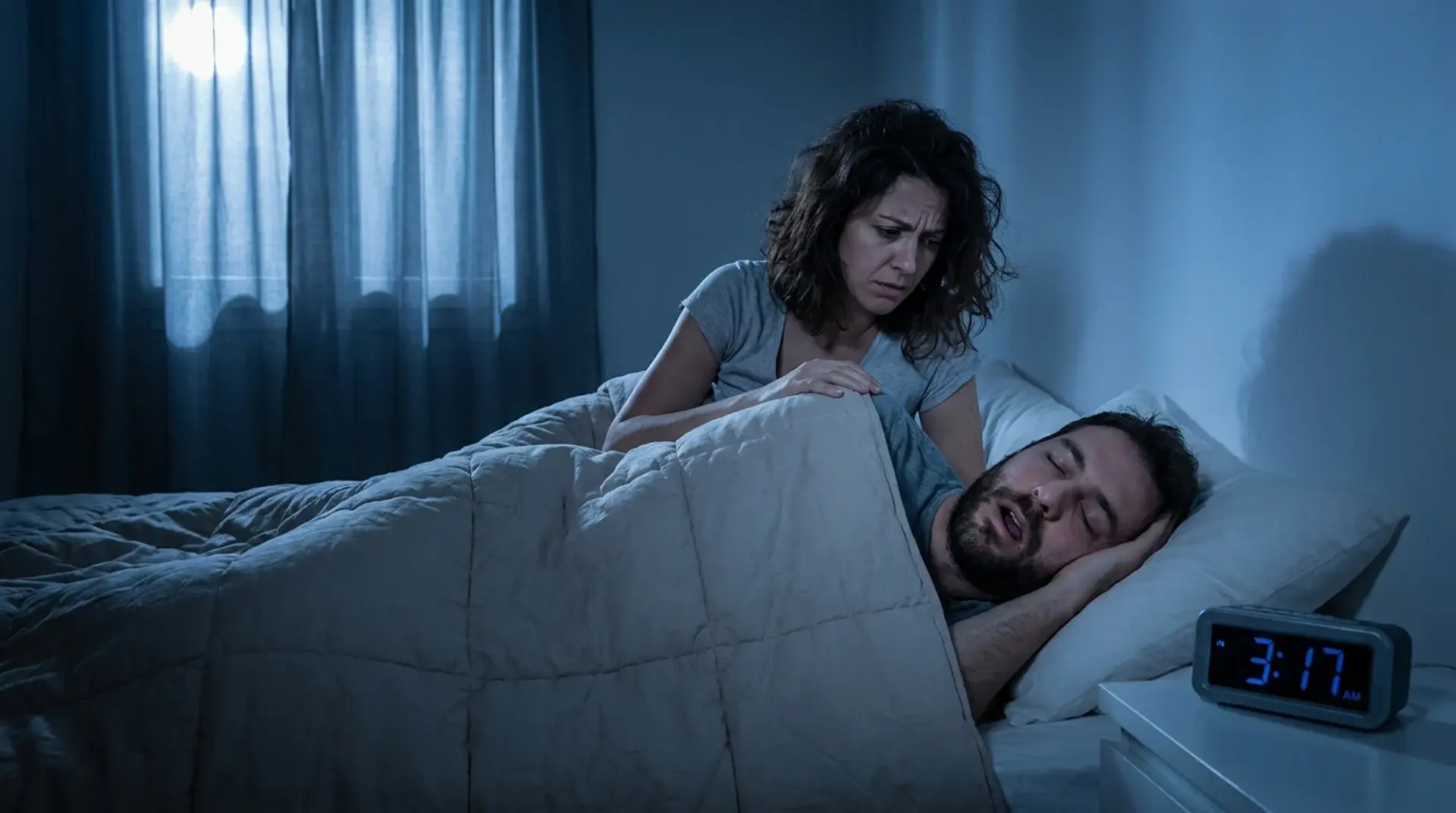

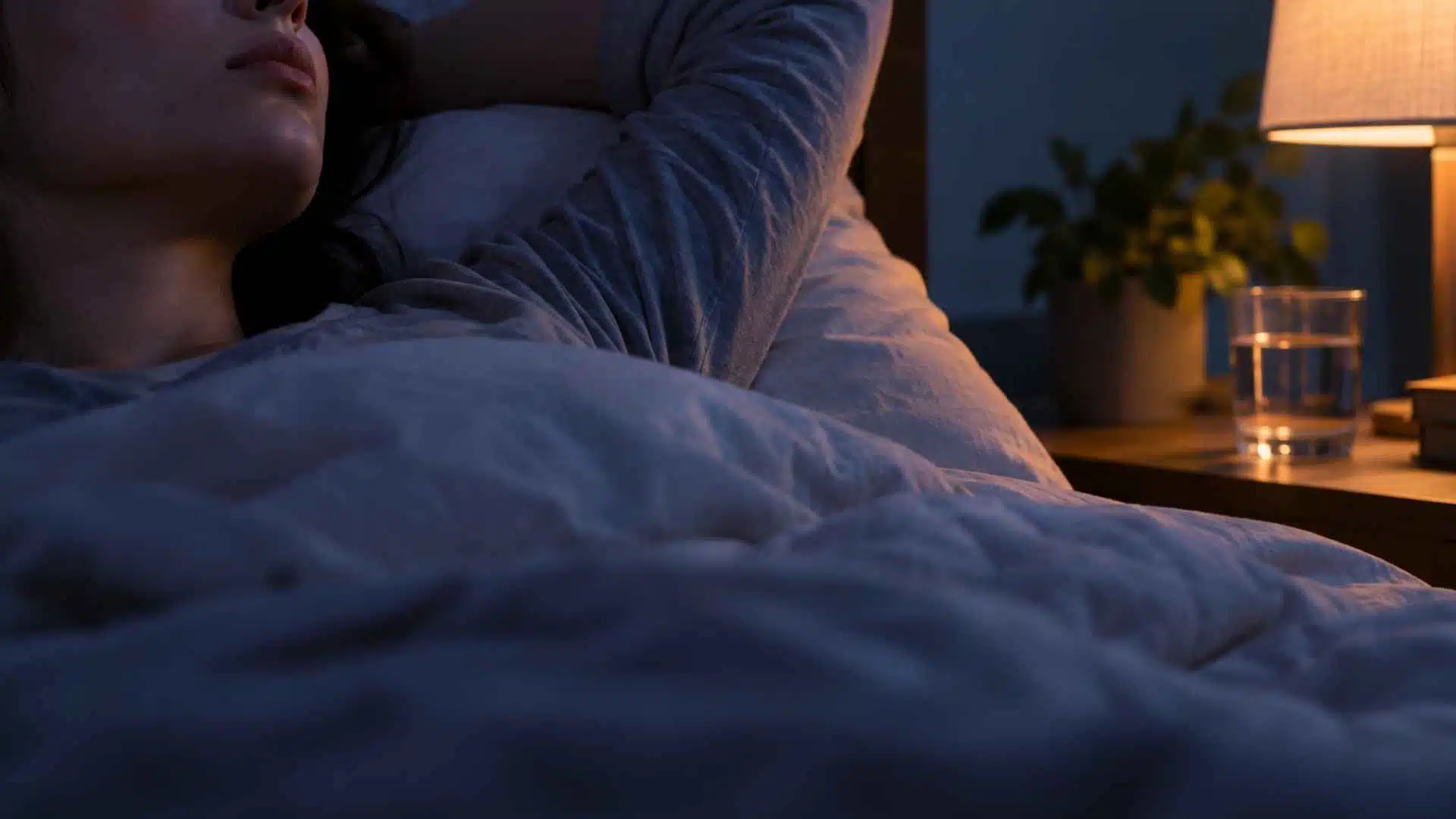
You wake up. You cannot move. Your chest feels crushed. Your throat will not work. The figure does not move, but you know it is aware of you.
The strange part is that thousands of people describe the same thing. Same corner. Same weight on the chest. Same dark figure. People who have never met, never talked, never shared a single detail.
That is not a coincidence. That is a pattern. Some see a crouching older woman. Some see a tall shadow with no face. Some feel hands around their throat before they see anything at all.
The descriptions are different, but the feeling is identical. This is what sleep paralysis demon types actually look like, what people report, and why certain figures keep coming back night after night.
What Is a Sleep Paralysis Demon?
A sleep paralysis demon is not a supernatural entity. It is a hallucination that occurs during sleep paralysis, a state where your mind wakes up but your body remains temporarily immobilized. People call it a demon because the experience feels dark, heavy, and completely real.
According to the American Academy of Sleep Medicine, roughly 20% of people experience sleep paralysis at least occasionally, and in up to 75% of those episodes, they hear or otherwise sense something that is not there. That is not a rare edge case. That is most episodes.
Your brain stays locked in REM muscle atonia after your mind wakes up. Sensing danger, it activates its threat-detection system and generates a presence, a figure, or a weight to explain what it perceives.
Sleep researchers have grouped these hallucinations into three categories: the Intruder (a menacing presence), the Incubus (chest pressure or suffocation), and Vestibular-Motor experiences (floating or out-of-body sensations).
Common Sleep Paralysis Demon Types
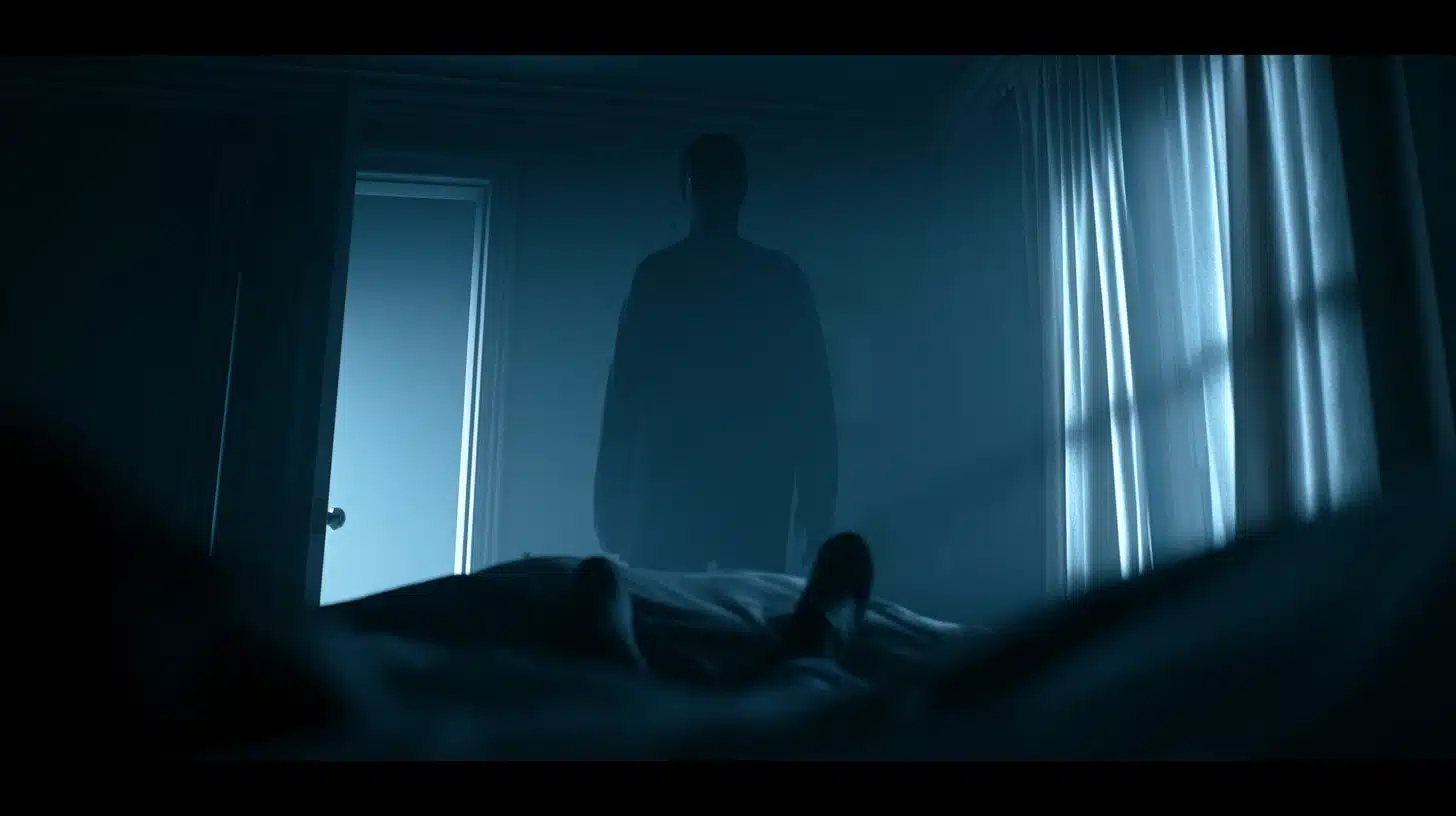
Sleep paralysis can be terrifying, and a big part of that fear comes from what people say they see. What makes it even stranger is that people across different countries, cultures, and backgrounds report seeing almost the same things.
1. The Shadow Figure
This is one of the most reported experiences across the board, and it tends to leave a lasting impression. You cannot see it clearly, but you know without any doubt that something is standing there.
- Appearance: Dark, human-shaped silhouette with no facial detail at all
- Positioning: Usually at the edge of your bed or just outside your direct line of sight
- Sensation: Even though you cannot move, you sense that it is focused on you
- Behavior: Try to focus on it, and it seems to move, like it is avoiding your gaze
- Frequency: Both first-timers and people with recurring episodes report this one a lot
2. The Old Hag
Of all the figures people explain, this one tends to hit the hardest emotionally. The combination of physical pressure and a looming presence makes it one of the most distressing experiences in the whole list.
- Appearance: A hunched, aged woman sitting or leaning right on top of you
- Positioning: She feels uncomfortably near, sometimes inches from your face
- Sensation: That crushing weight on your chest almost always comes paired with her
- Behavior: You might hear slow breathing or low whispering somewhere close
- Frequency: The helplessness hits harder than almost anything else in this experience
3. The Hat Man
There is something uniquely unsettling about a figure that stands there and watches. Unlike other hallucinations that feel aggressive, this one operates on slow, creeping dread.
- Appearance: Tall, completely dark, and sometimes wearing what looks like a wide-brim hat
- Positioning: Door frames, corners, and spots near bedroom furniture are his usual spots
- Sensation: It feels more like being observed than threatened, but that somehow makes it worse
- Behavior: He does not move toward you; he stands there
- Frequency: Some people still feel his presence even after fully waking up
4. The Distorted
This one is hard to shake because it feels so personal. Something is right in your space, close enough that you cannot look anywhere else.
- Appearance: Stretched, blurry, or weirdly sharp features all at once
- Positioning: This face shows up inches from yours, and it is hard to look away
- Sensation: People almost always say it is the eyes that stick with them
- Behavior: Gives the feeling of something leaning in or pressing toward your face
- Frequency: The second you fully wake up, it is just gone
5. The Chest Pressure Demon
This experience is less about what you see and more about what you feel. The physical sensation takes over completely, and the visual side almost becomes secondary.
- Appearance: Shifting shadows or vague shapes that appear above you
- Positioning: Something is definitely sitting directly on your chest
- Sensation: The weight makes breathing feel restricted, and panic sets in fast
- Behavior: You will try to push it off, but your body will not cooperate
- Frequency: The emotional experience here usually outweighs anything you actually see
6. The Faceless Presence
Not every sleep paralysis experience comes with something you can see. Sometimes the most unnerving part is what you hear, or what you think you hear.
- Appearance: No clear figure, just an overwhelming sense that someone is right there
- Positioning: Sounds feel like they are in the room, or sometimes right inside your ear
- Sensation: Creates a creeping feeling of being surrounded, even in a familiar space
- Behavior: Whispering, murmuring, or voices you cannot quite make out are reported constantly
- Frequency: Unlike visual experiences, this one tends to linger even after everything else fades
7. The Doppelganger
This one is arguably the most psychologically disturbing of all because what you see is yourself. It does not feel like a reflection or a dream. It feels like something wearing your face is standing in your room.
- Appearance: A figure that looks exactly like you, same face, same build, same features
- Positioning: Usually standing at the foot of the bed or somewhere in the room, watching you
- Sensation: The wrongness of it hits immediately, something feels deeply off, even though it looks familiar
- Behavior: It may mimic your movements or stand still, which somehow makes it worse
- Frequency: Less common than other types but consistently reported across different cultures and age groups
8. The Incubus and Succubus
This is one of the oldest recorded sleep paralysis experiences in human history, and cultures across the world have named and documented it for centuries. The details change, but the core experience stays the same.
- Appearance: A figure with a sexual or oppressive energy, sometimes humanlike, sometimes not fully formed
- Positioning: Directly on top of you or extremely close, with no personal space at all
- Sensation: Pressure, warmth, or an invasive closeness that feels physical rather than imagined
- Behavior: The presence feels intentional and focused entirely on you in a way that is hard to describe
- Frequency: Reported consistently across medieval Europe, ancient Mesopotamia, and modern accounts worldwide
9. The Hooded or Cloaked Figure
There is a quieter kind of dread that comes with this one. It does not rush at you or press down on you. It just exists in your space, and that stillness is what makes it so hard to shake.
- Appearance: A tall figure draped in a dark hood or cloak with no visible face underneath
- Positioning: Often seen in doorways, at the edge of the room, or standing just beyond clear sight
- Sensation: Feels ceremonial or deliberate, like it is there for a specific reason
- Behavior: Rarely moves, but the sense of intention behind it is strong and unsettling
- Frequency: Commonly reported alongside feelings of being watched or chosen, which adds to the distress
Whatever you’ve seen or felt during sleep paralysis, you’re far from alone in it. These experiences are remarkably consistent across cultures.
What Different Cultures Have Called These Same Demons
Cultures with no contact with each other arrived at almost identical descriptions of sleep paralysis demons. The figure changes names. The experience does not.
| Culture | Name | What It Does |
|---|---|---|
| Japan | Kanashibari | A ghost that pins the sleeper down (“bound by metal”) |
| Newfoundland | The Old Hag | A witch sitting on the chest |
| Brazil | La Pisadeira | A gaunt crone targeting back sleepers |
| Mexico | Se me subió el muerto | “A dead body climbed on top of me” |
| Egypt / Middle East | The Jinn | A malevolent spirit attacking during sleep |
| Hmong (SE Asia) | Dab Tsog | A chest-crusher, linked to unexplained nocturnal deaths among Hmong refugees in the US |
| Inuit | Shaman attack | A spirit pressing down on the sleeper, sometimes interpreted as a hostile supernatural attack |
The biology is identical across every one of these traditions. Only the costume changes. If you have ever woken up frozen and terrified, someone on every continent has felt exactly the same thing and given it a different name.
Why These Experiences Often Feel Similar

Seeing a sleep paralysis demon is unsettling, but it does not happen without reason. There are real factors behind why your brain creates these experiences, and some of them might surprise you.
- REM Sleep Cycle Disruption: Your brain wakes up before your body does, and that gap is where hallucinations slip in. REM sleep keeps your muscles temporarily paralyzed to prevent you from acting out your dreams.
- Fear Response and Hallucination Loop: The moment you realize you cannot move, your brain treats it as a threat. That fear response triggers your threat detection system, which then generates a perceived threat to explain the danger.
- Cultural and Childhood Beliefs: What you grew up believing shapes what your brain produces during these episodes. Someone raised with stories of demons or spirits is more likely to see a figure than someone who was not.
- Stress, Trauma, and Sleep Deprivation: When your body is running on poor sleep, high stress, or unresolved trauma, your REM cycle becomes unstable and harder to regulate. People dealing with anxiety or PTSD experience episodes at a noticeably higher rate than the general population.
- Sleeping Position and Its Role: Lying flat on your back makes sleep paralysis significantly more likely. In this position, your airway can partially narrow, your breathing shifts, and your brain responds by staying more alert during sleep. Simply switching to your side reduces the chances more than most people expect.
- Inherited Sensitivity to Sleep Disturbances: Some people are just wired to experience sleep paralysis more than others, and genetics plays a part in that. If it runs in your family, your nervous system may be more reactive during the transition between sleep stages.
Sleep paralysis demon types are not random. They usually follow a pattern, and recognizing that pattern is the first step toward breaking it.
What to Do During a Sleep Paralysis Episode?
When it happens, panic is usually the first response. But reacting with fear tends to make the episode last longer and feel more intense than it actually is.
The most useful thing you can do is focus on your breathing. Slow it down deliberately, even if everything in you wants to gasp. Steady breathing signals your nervous system to ease up.
Next, try moving something small, a finger, a toe, the corner of your mouth. Big movements won’t come easily, but small ones can break the paralysis faster than you expect. Do not fight the whole body at once.
Another thing that helps is reminding yourself out loud, even in your head, that this is temporary. Nothing in the room can hurt you. Your brain is running a loop, and it will stop.
Once it passes, get up slowly and give yourself a moment before going back to sleep. Jumping straight back into sleep too fast can trigger another episode.
How to Reduce Sleep Paralysis Episodes?
Sleep paralysis is unsettling, but a few consistent habits can actually make it happen less often.
- Fix your sleep schedule: Go to bed and wake up at the same time every day. Your body responds well to routine, and inconsistency is one of the biggest triggers.
- Sleep on your side: Back sleeping is strongly linked to more frequent episodes. Switching positions can make a noticeable difference fairly quickly.
- Cut screen time before bed: Bright screens keep your brain alert when it needs to wind down. Give yourself at least thirty minutes screen-free before sleeping.
- Manage your stress levels: Anxiety and high stress directly increase the chances of an episode. Regular journaling, or even just quiet time, helps.
- Caffeine late in the day: Anything that disrupts deep sleep increases the likelihood of sleep paralysis. Cut off caffeine by early afternoon.
- Get enough sleep consistently: Exhaustion and sleep deprivation are major contributors. Aim for seven to nine hours every night without negotiating.
You cannot always prevent sleep paralysis completely, but these steps genuinely reduce how often it shows up. Start with one or two changes and build from there.
When Should You Talk to a Doctor About Sleep Paralysis?
Most people who experience sleep paralysis occasionally do not need medical attention. It is frightening, but on its own, it is not dangerous.
That said, there are situations where speaking to a sleep specialist makes sense. If episodes happen frequently, leave you exhausted during the day, or are getting worse over time, it is worth getting checked out.
Sleep paralysis can also be an early sign of narcolepsy, a sleep disorder that does require treatment. Other signs to watch for include sudden muscle weakness during the day, feeling extremely sleepy no matter how much you sleep, or vivid dream-like experiences right as you fall asleep.
If any of those sound familiar alongside your sleep paralysis episodes, bring it up with your doctor. A sleep study can rule out underlying conditions and give you a clearer picture of what is going on.
Final Thoughts
Sleep paralysis is genuinely frightening, and nobody is dismissing that. Every common sleep paralysis demon type has a real explanation behind it.
The shadow figures, the chest pressure, the whispering presence, none of it is random. Your brain, your habits, your background, and even your sleeping position all play a role.
Understanding the different types of sleep paralysis demons will not make episodes disappear overnight. But it does take away some of the fear. And that matters. If this helped, share it with someone who has been through the same thing.
Frequently Asked Questions
What Do Most People See During Sleep Paralysis?
Most people report a dark, shadowy figure standing nearby or a heavy presence sitting on their chest. Some hear whispering or feel breathing close to their face.
Why Do Sleep Paralysis Demons Look Different for Everyone?
Cultural background plays a big role in what you grew up hearing and fearing, which shapes what your brain creates during an episode. Two people can have the same experience but see completely different figures.
Can the Same Sleep Paralysis Demon Type Appear Repeatedly?
Absolutely. Many people report seeing the same figure across multiple episodes. Once your brain creates a specific form, it tends to return to it. Prior experiences quietly condition what shows up next time.