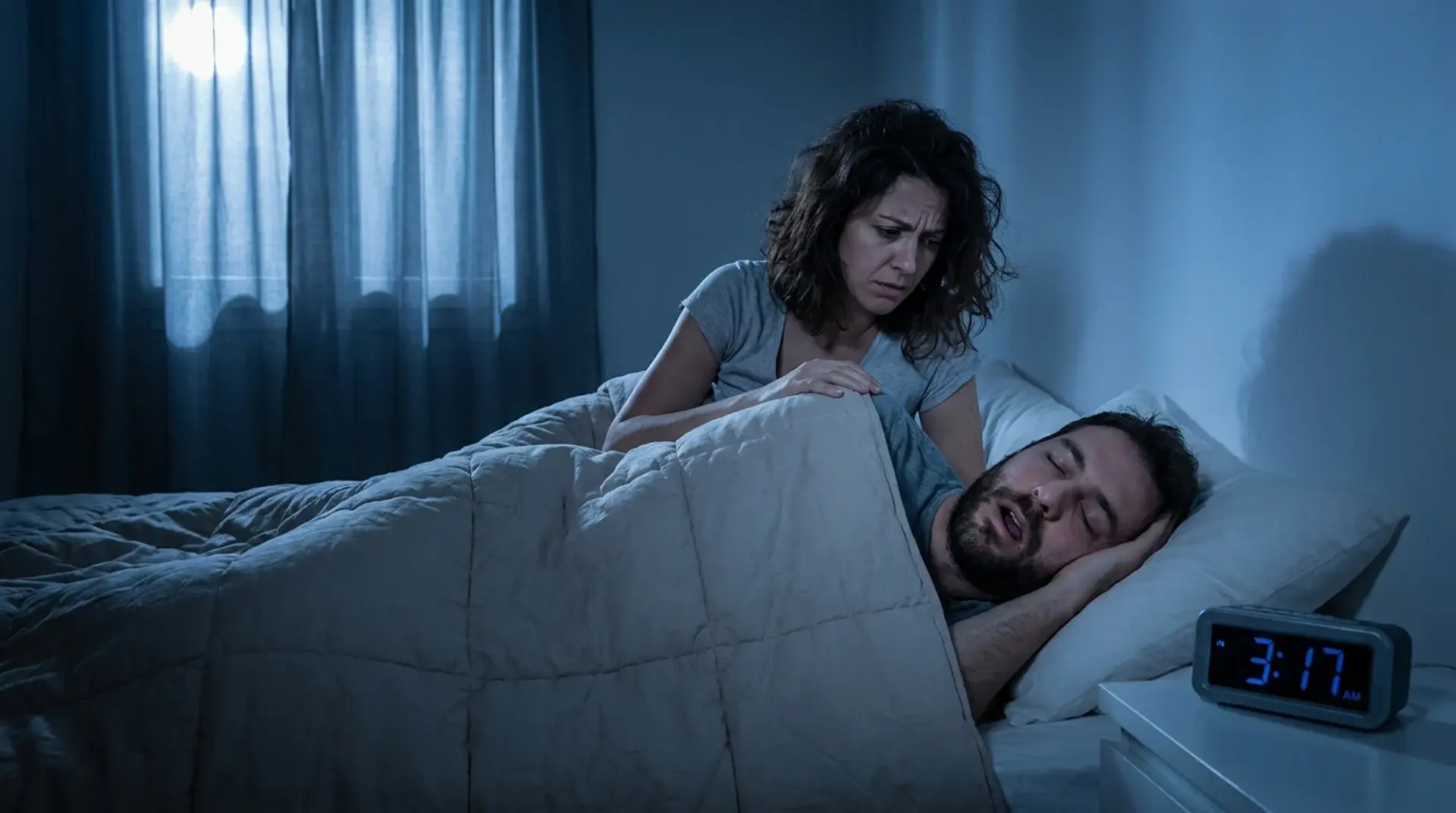



Lower back pain at night is one of the most frustrating things. You lie down hoping for rest, but the pain keeps you awake. And somehow, you wake up feeling even worse than before.
If you’ve been thinking about how to sleep with lower back pain, the good news is that your sleeping position plays a big role in how your back feels.
The right position keeps your spine in a straight, relaxed line.
The wrong one puts extra pressure on your muscles and joints all night long. This post covers the best and worst sleeping positions for lower back pain, how to use pillows the right way, mattress tips, and when to see a doctor.
Why Your Sleeping Position Makes Lower Back Pain Worse
Your spine has a natural curve. When you sleep in a position that breaks that curve, your muscles have to work all night to hold things together. Over 7 or 8 hours, that constant strain builds up.
When you lie down in certain positions, they flatten the lumbar curve or twist the spine, which increases strain on the ligaments and joints and can make pain worse at night and when you wake up.
Many cases of nighttime lower back pain are linked to posture, muscle strain, mattress support, or daily habits, but persistent or severe pain should be checked.
Best Sleeping Position for Lower Back Pain
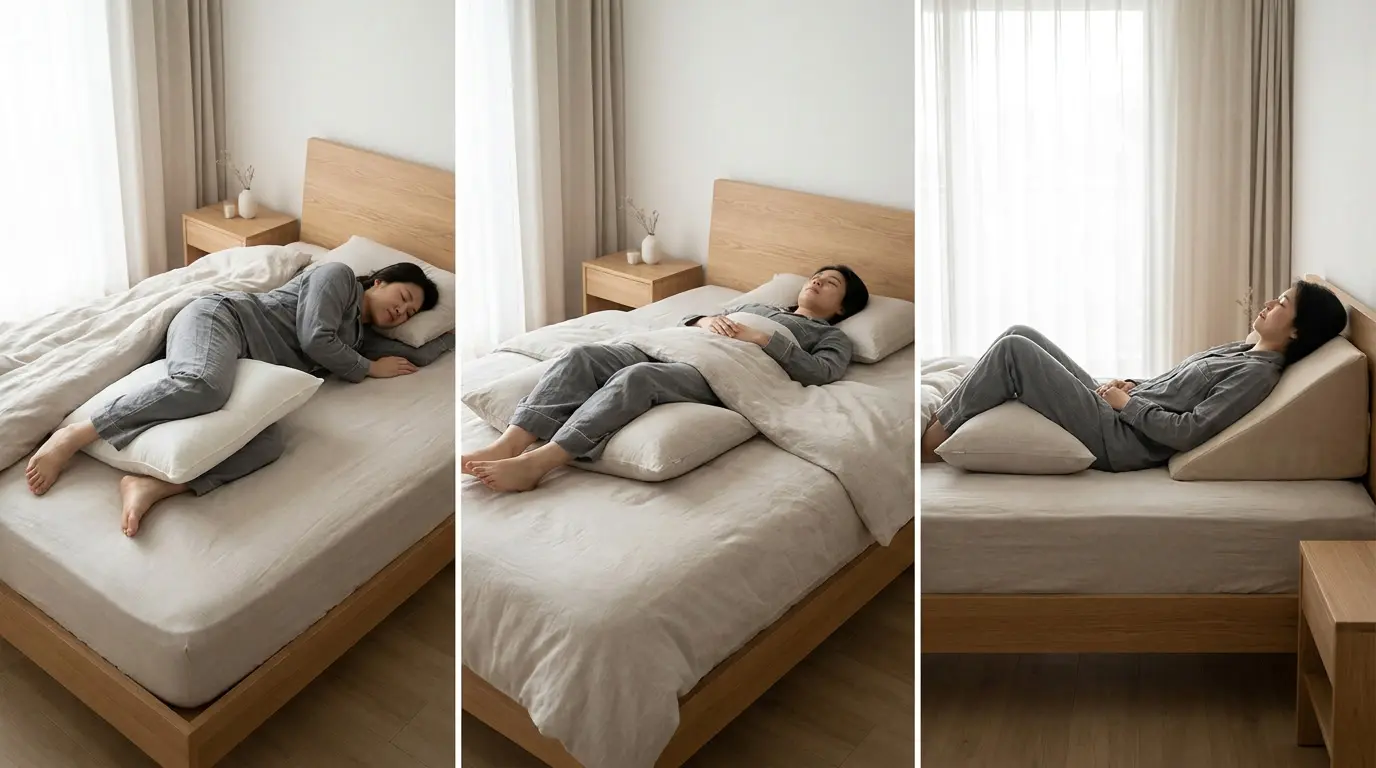
Most lower back pain at night stems from poor spinal alignment. The right sleeping position keeps your spine neutral and reduces pressure on your muscles and joints.
Small adjustments here can make a noticeable difference in how you feel in the morning.
1. Side Sleeping (Best Overall)
Side sleeping works best when your spine stays aligned and not twisted. It reduces pressure on your lower back by keeping your hips and pelvis in a neutral position.
This setup is also helpful if you experience hip discomfort at night, as proper alignment reduces pressure on both areas. Small adjustments make a big difference in how effective this position is.
Do this:
- Place a pillow between your knees
- Keep your knees slightly bent
- Maintain a straight line from head to hips
Extra support:
- Add a rolled towel under your waist if there’s a gap
Note: This reduces pressure on your spine and keeps your hips level
2. Back Sleeping (Second Best)
Back sleeping helps your spine stay in a neutral position and distributes your body weight evenly. It can reduce strain on your lower back when supported correctly.
Without proper support, though, your lower back can flatten, leading to discomfort.
Do this:
- Place a pillow under your knees
- Keep your head in a neutral position (not pushed forward)
- Let your back rest naturally without forcing it flat
Extra support:
- Add a small rolled towel under your lower back if needed
Note: This helps maintain the natural curve of your spine and relaxes back muscles
3. Reclined or Elevated Sleeping
Sleeping at a slight incline can reduce pressure on the lower spine by changing the angle of your body. It is especially useful for people who feel pain when lying completely flat.
This position can also improve comfort for certain spinal conditions.
Do this:
- Use an adjustable bed or a wedge pillow
- Keep your upper body slightly elevated
- Support your knees with a small pillow if needed
Extra support:
- Ensure your lower back is still supported and not arching
Note: This reduces pressure on the spine and can ease discomfort during the night
Additional Variations that Can Help

Not everyone finds the basic side or back positions comfortable right away. These two variations are worth trying. They can help fine-tune your posture and reduce pressure if standard positions don’t feel right.
4. Fetal Position (Variation of Side Sleeping)
The fetal position is a modified side-sleeping position in which your knees are drawn up to your chest. It can help reduce pressure on spinal discs and nerves.
This makes it especially useful for people dealing with nerve-related pain, such as sciatica pain during sleep.
Do this:
- Lie on your side and gently draw your knees toward your chest
- Keep your back slightly curved, not tightly curled
- Place a pillow between your knees
Extra support:
- Keep your head pillow thick enough to align your neck
Note: This position can relieve pressure on spinal discs and reduce nerve irritation
5. Side Sleeping With Pillow Support Tweaks
Small pillow adjustments can significantly improve comfort and alignment when sleeping on the side. Without proper support, your spine can dip or tilt, leading to stiffness.
These tweaks help maintain proper posture throughout the night.
Do this:
- Use a pillow that keeps your neck aligned with your spine
- Keep your body straight without leaning forward or backward
Extra support:
- Place a thin pillow or rolled towel under your waist if there’s a gap
Note: Proper support prevents your spine from dipping and reduces morning stiffness
Worst Sleeping Position for Lower Back Pain

Not all sleeping positions are harmless. Some put constant stress on your spine through the night and can make lower back pain worse by morning. Here’s what you should avoid and why it matters.
1. Stomach Sleeping (Worst)
Stomach sleeping puts your spine in an unnatural position by flattening its natural curve. It also forces your neck to stay turned to one side, which adds strain to both your neck and lower back.
What goes wrong:
- Flattens the natural curve of your spine
- Forces your neck into a twisted position
- Causes your lower back to arch unnaturally
- Increases pressure on muscles and joints
If you can’t avoid it:
- Place a pillow under your hips and lower stomach
- Use a very thin pillow under your head or none at all
Note: This position creates the most strain on your spine and should be avoided if possible
2. Twisted Side Sleeping
Twisting your body while sleeping on your side can pull your spine and pelvis out of alignment. Over time, this creates uneven pressure, leading to stiffness or pain.
What goes wrong:
- Rotates your spine out of alignment
- Pulls your pelvis forward
- Creates uneven tension in muscles
Fix it:
- Place a firm pillow between your knees
- Keep your top leg from rolling forward
- Maintain a straight line from shoulders to hips
Note: Keeping your spine straight prevents unnecessary tension and reduces pain
How to Fix Your Sleeping Position
Your sleeping position can affect how your neck, back, and shoulders feel when you wake up. A few small changes to how you lie down can help you sleep more comfortably and wake up with less stiffness.
Pillow Placement Guide
Getting your pillows right makes a big difference. Here is what works for each position, and it also helps prevent strain in your neck and shoulders, which are closely connected to your sleeping posture.
For side sleepers, place a firm pillow between your knees to keep your hips and spine level. For back sleepers, place a pillow under your knees to maintain the natural curve of the lower back.
For stomach sleepers, if you must sleep this way, place a thin pillow under your pelvis and skip the head pillow, or use a very flat one.
Mattress Tips
A mattress that is too soft allows your hips to sink too deeply, creating an unnatural arch in your lower back. Conversely, a mattress that is too firm does not accommodate the natural curves of your spine, forcing your lower back to bridge the gap and creating tension.
A medium-firm mattress provides support for the spine and distributes pressure from the body more evenly, reducing pain when lying down or upon getting up.
If you love the feel of a soft mattress, try adding a firm mattress topper instead of replacing the whole thing.
Extra Tips to Sleep Better With Lower Back Pain
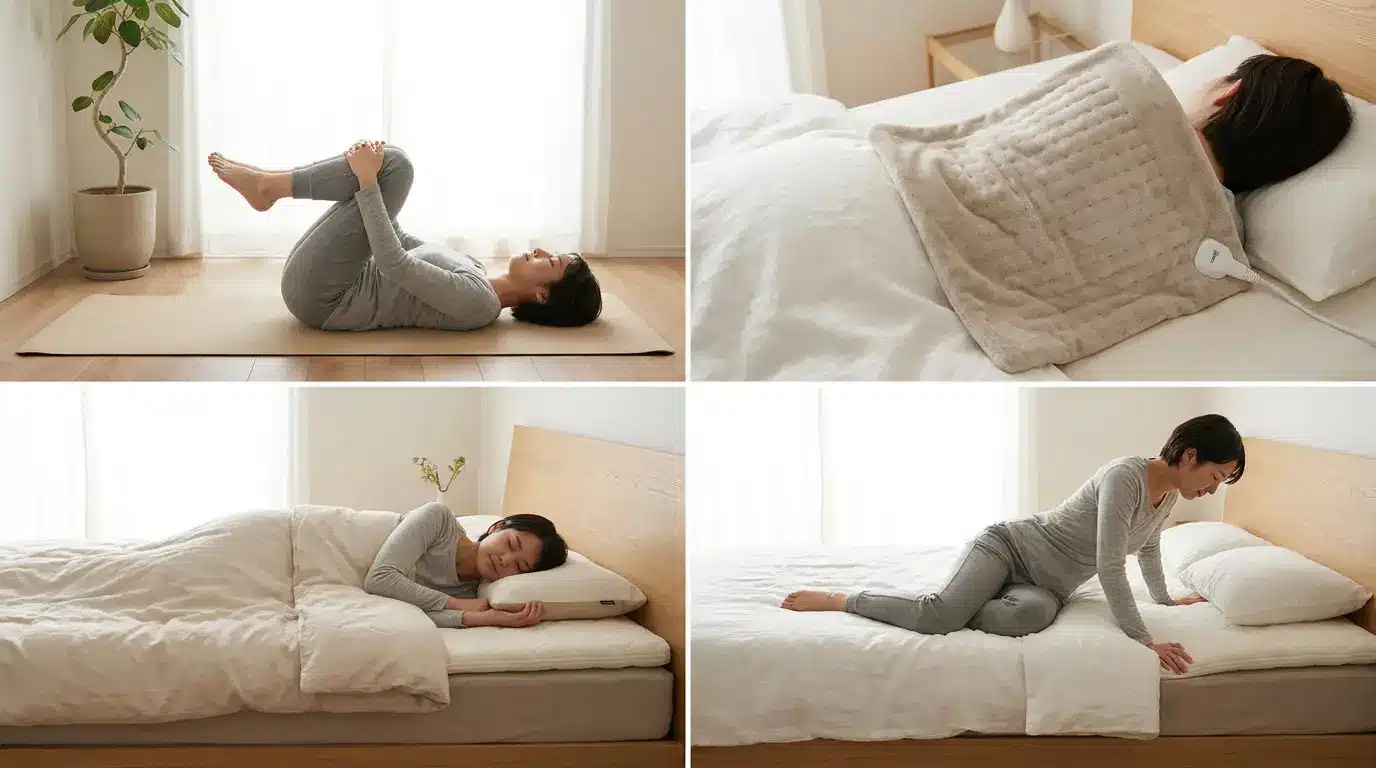
Small habits before bed can directly affect how your back feels through the night and make your sleep much more comfortable. Fix these, and you reduce strain before you even lie down.
- Try gentle back stretches before bed, like knee-to-chest, child’s pose, and cat-cow.
- Hold each stretch for 15–30 seconds and breathe slowly
- Use a heating pad or ice pack on your lower back for 15 minutes
- Stick to a consistent sleep schedule every day
- Avoid caffeine in the late afternoon or evening
One small detail most people ignore is how they get out of bed, but it can make a big difference in preventing sudden strain. Get out of bed the right way:
|
When to See a Doctor?
Position fixes work well for most people with everyday lower back pain. But some situations need professional attention.
See a doctor if your pain has lasted more than a few weeks and is not getting better, if you feel numbness or tingling running down your legs, if the pain wakes you up at night regularly, or if the pain came on after a fall or injury.
These can be signs of something more serious, like a herniated disc or nerve compression, and they need proper evaluation.
Conclusion
Lower back pain at night does not have to be your norm. If you understand how to sleep with lower back pain, the fix is usually simpler than people think. Side sleeping with a pillow between your knees is your best bet.
Back sleeping with a pillow under your knees is a close second. Stomach sleeping is the one to avoid if you can.
Small changes to how you lie down, how you place your pillows, and what kind of mattress you sleep on can add up to a huge difference in how you feel each morning.
Start with one adjustment tonight and see how your back responds.
Frequently Asked Questions
Can a Bad Sleeping Position Cause Lower Back Pain Over Time?
Yes, consistently sleeping in a poor position can slowly strain your spine and muscles. Over time, this can lead to stiffness, discomfort, and ongoing lower back pain.
How Long Does It Take to See Improvement After Changing Sleep Position?
Some people notice relief within a few nights, while others may take a couple of weeks. It depends on how long the pain has been present and how consistently you follow the changes.
Do Pillows Really Make a Difference for Lower Back Pain?
Yes, the right pillow placement can help keep your spine aligned during sleep. This reduces pressure on your lower back and helps prevent morning stiffness.