



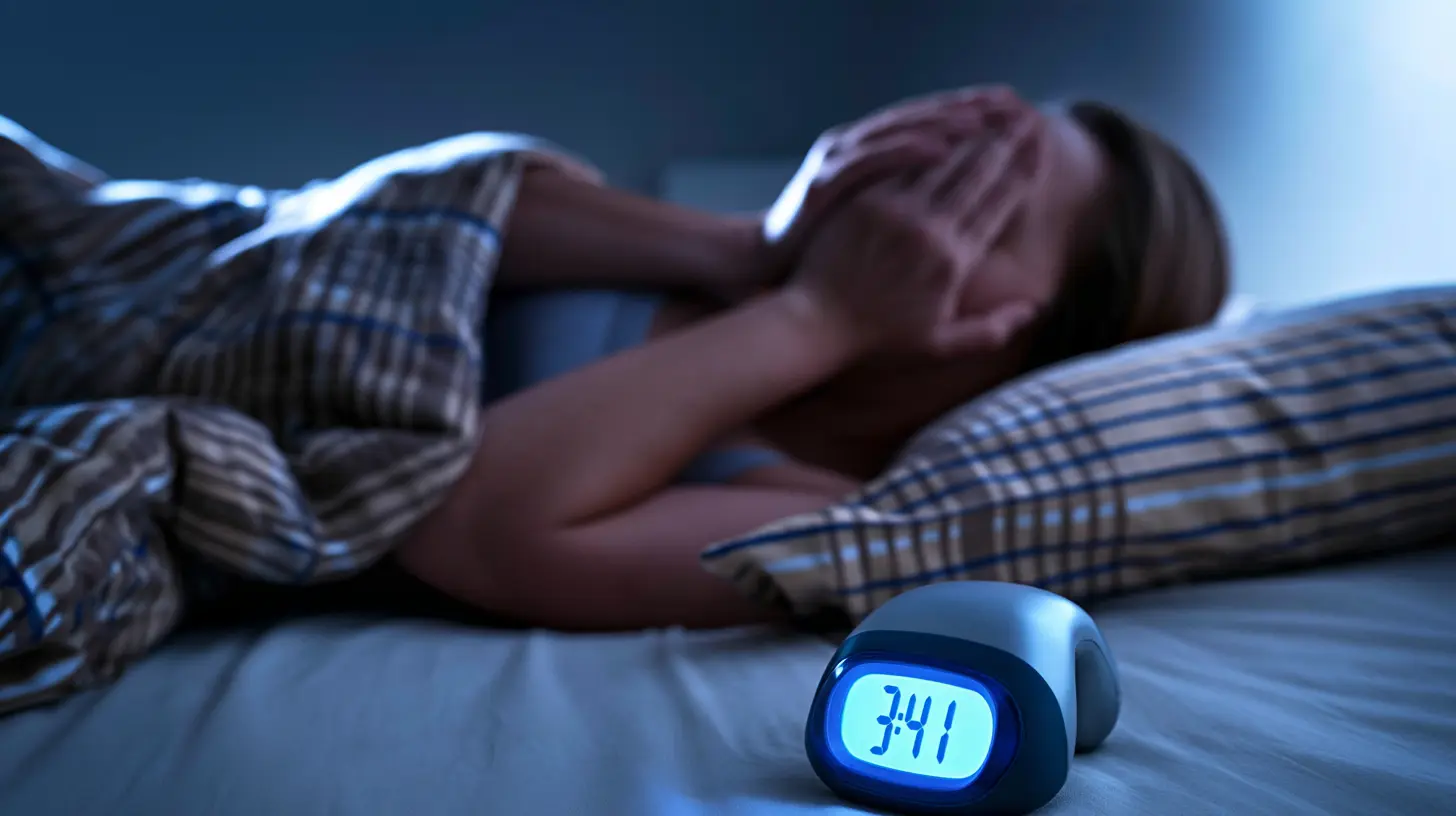

There was a time when I thought “being tired” was just part of life. Late nights, random sleep times, scrolling in bed, it all felt normal.
But the mornings told a different story. Waking up groggy, relying on coffee, and feeling off all day.
That’s when I started paying attention to something simple: my sleep habits.
Not fancy routines. Not strict rules. Just small changes that helped my body know when to rest. That’s really what sleep hygiene is about.
What is Sleep Hygiene?
Sleep hygiene means the habits and conditions that help you sleep well on a regular basis. Good sleep hygiene is simply a set of daily routines that support better and more consistent sleep.
Experts often describe sleep hygiene as a mix of daily habits and environmental factors that support consistent, restful sleep. It includes things like:
- When you go to bed
- What do you do before sleep
- Your bedroom setup
- What you eat or drink in the evening
Good sleep hygiene doesn’t mean perfect sleep every night. It means giving your body the right signals so sleep comes more naturally.
Why Sleep Hygiene Matters?

When your daily habits are inconsistent, your sleep often follows suit. Poor sleep hygiene can make it harder to fall asleep, stay asleep, or wake up feeling rested.
You may find yourself tossing at night, waking up often, or feeling tired even after a full night in bed. It can also affect your focus, mood, and energy during the day.
Over time, poor sleep habits may also affect your overall health, including your immune system and daily functioning.
Good sleep hygiene helps your body follow a steady rhythm. With regular habits, your brain starts to understand when it is time to slow down, making sleep feel easier and more natural.
Signs Your Sleep Hygiene Needs Improvement
You may not notice poor sleep habits right away, but your body often gives clear signs when something needs adjustment.
- You lie awake for a long time before falling asleep
- You wake up tired most days
- Your sleep schedule changes often
- You depend on caffeine to get through the day
- You feel alert at night but sleepy in the morning
If these signs feel familiar, start with small changes. Better sleep hygiene often begins with one simple habit.
The Ultimate Sleep Hygiene Checklist
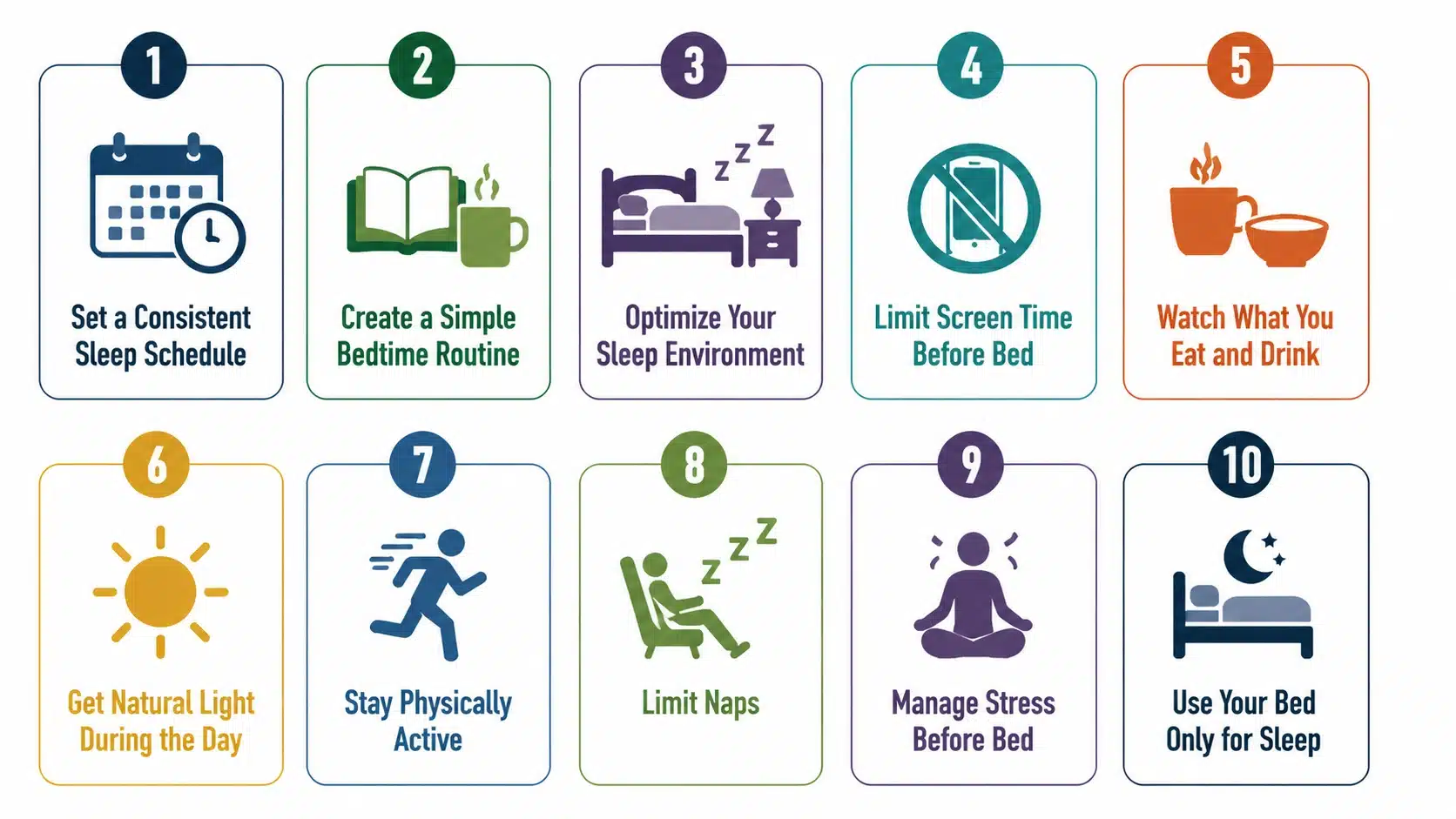
You do not need to change everything overnight. Many of these habits are commonly recommended by sleep specialists to improve sleep quality over time.
Start with simple habits that feel realistic, then build from there slowly.
1. Set a Consistent Sleep Schedule
Go to bed and wake up at the same time each day, even on weekends. A steady schedule helps your body understand when to feel alert and when to slow down.
Think of it as “training your body clock” with repeated signals, so sleep feels less forced over time.
2. Create a Simple Bedtime Routine
A bedtime routine does not need to be long or complicated. Choose quiet activities you can repeat each night, like reading, stretching, or taking a warm shower.
These small steps tell your brain, “the day is ending,” which helps your body settle before you get into bed.
3. Optimize Your Sleep Environment
Your bedroom should make sleep easier, not harder. Keep the room cool, dark, quiet, and free from distractions where possible, including choosing calming bedroom colors.
Focus on “comfort first” by checking your mattress, pillow, bedding, noise level, lighting, and even your sleeping position. Even small changes can make your sleep space feel more restful.
4. Limit Screen Time Before Bed
Phones, TVs, and laptops can keep your mind active when it should be winding down.
The light from screens can interfere with your body’s natural sleep signals, often linked to blue light exposure before sleep, making it harder to feel sleepy.
Try setting a simple rule like “no screens 30 minutes before bed,” and replace scrolling with a calming activity.
5. Watch What You Eat and Drink
What you eat and drink in the evening can affect how well you sleep. Caffeine may keep you alert, while heavy meals can make your body feel uncomfortable at bedtime.
A helpful rule is, “keep evenings light,” especially if you often struggle to fall asleep.
6. Get Natural Light During the Day
Natural light helps regulate your internal clock, making it easier to feel awake during the day and sleepy at night. Try stepping outside in the morning or sitting near a bright window.
Even a short walk can help. Think of daylight as a “wake-up signal” that supports better sleep later at night.
7. Stay Physically Active
Regular movement during the day can help your body feel more ready for sleep at night. You do not need intense workouts to benefit. Walking, stretching, or light exercise can help.
Just avoid hard exercise too close to bedtime, since it may leave you feeling too alert, especially if your body is already dealing with discomfort from sleeping on hard surfaces.
8. Limit Naps
Naps can be helpful when you are very tired, but long or late naps may disturb nighttime sleep. If you need to nap, keep it short and earlier in the day. A good guide is “brief and early,” so your body still feels ready for bed at night.
9. Manage Stress Before Bed
It is hard to sleep when your mind is full of worries, plans, or unfinished tasks. Try writing down tomorrow’s to-do list, breathing slowly, or sitting quietly for a few minutes.
This creates a “mental off-ramp,” helping your brain move from problem-solving mode into rest mode.
10. Use Your Bed Only for Sleep
If you work, eat, scroll, or watch TV in bed, your brain may stop linking bed with rest. Keep your bed mainly for sleep, so your body knows what to expect. Over time, this helps create a stronger “bed equals sleep” connection.
Pick two or three habits first. Small, steady changes often make better sleep feel easier and more natural over time.
Sleep Hygiene Recommendations that Actually Help
Good sleep hygiene works best when the habits feel simple enough to repeat, even on busy or imperfect days.
- Wake up at the same time every day, even after a rough night.
- If you can’t sleep, get out of bed and try again later.
- Keep your evenings simple, quiet, and calm.
- Avoid stressful tasks, work emails, or planning right before bed.
- Give your body time to adjust because better sleep usually builds slowly.
The goal is not a perfect routine. It is building steady habits your body can trust night after night.
A Simple Daily Sleep Routine

If you’re not sure where to start, keep it basic. A good sleep routine does not need to feel strict. It just needs to give your body steady signals throughout the day.
- Morning Habits: Wake up at the same time every morning and get some sunlight early in the day.
- Daytime Habits: Stay active during the day and avoid long naps, especially in the afternoon.
- Evening Habits: Eat early, reduce screen time, and do something calming before bed.
This kind of structure makes sleep feel more natural over time. Start with one or two habits first, then add more when they feel easy.
How Long Does It Take to Improve Sleep Hygiene?
Improving sleep hygiene takes time, so don’t expect everything to change in one night. Some people notice small improvements within a few days, while others may need a few weeks of consistent habits.
It depends on your current habits, stress level, schedule, and sleep environment. The key is staying consistent.
Instead of changing your whole routine at once, start with one or two habits, like reducing screen time or waking up at the same time daily.
These small changes are easier to maintain and can help your body slowly settle into a better sleep rhythm, supporting deeper core sleepover time.
Final Thoughts
You don’t need a perfect routine to sleep better. Most of the time, it comes down to a few steady habits, like going to bed at the same time, giving your mind a chance to slow down, and creating a space that feels calm.
Start small. Pick two or three things from the checklist and try them this week. Sleep hygiene can help many people, but if sleep problems continue or feel severe, it may be worth speaking with a doctor or sleep specialist.
That’s usually enough to help your body start settling into a more natural and consistent sleep pattern.
Frequently Asked Questions
Does Room Temperature Affect Sleep Quality?
Yes, a cooler room helps your body relax. Warmer temperatures can make it harder to fall asleep and stay comfortable overnight.
Is it Okay to Use Sleep Aids Regularly?
Occasional use may help, but regular dependence is not ideal. It’s better to improve habits and, if needed, speak with a professional.
Can Weekend Sleep Catch Up on Lost Sleep?
Sleeping extra on weekends may help in the short term, but it does not fully reset your sleep pattern or replace consistent daily habits.







One Response