

You’ve probably seen microfiber sheets everywhere, on Amazon, in stores, always cheap, always soft-looking, and always drowning in five-star reviews.
But are microfiber sheets actually good? Or are they one of those things that look great on paper but let you down when it actually matters?
Microfiber sheets aren’t bad, but they’re not for everyone either.
They have real strengths, but they also come with trade-offs that can seriously affect your sleep.
So before you add them to your cart, let’s break down exactly what you’re getting and what you’re not.
What are Microfiber Sheets?
Microfiber is a synthetic fabric made from super-fine polyester fibers, thinner than a human hair.
That’s why they feel so smooth when you first pull them out of the bag.
They’re woven tightly, which makes them soft, wrinkle-resistant, and easy to care for. But that tight weave? It’s also the reason they come with some real downsides.
As for how they’re made, manufacturers start with polyester or nylon and melt it down, then push it through tiny nozzles to create extremely thin strands. These strands are further split, bundled, and woven into fabric.
The result is a sheet that feels silky and lightweight but is entirely man-made from start to finish.
How Microfiber Quality Is Measured
Unlike cotton sheets, which are rated by thread count, microfiber quality is measured in GSM (grams per square meter). This tells you how dense and substantial the fabric actually is.
- Below 90 GSM: Very lightweight; can feel thin and wear out quickly
- 90–120 GSM: The reliable range for everyday bedding because it feels soft, lasts well, and holds up with washing.
- 120+ GSM: Heavier and cozier; better for cold sleepers but traps more heat
Most budget microfiber sets don’t list their GSM, which is worth noting. If a product page says nothing about GSM or material density, that’s usually a sign that the weight sits on the low end.
Flat-weave microfiber is the best bedding option. Some microfiber uses a waffle weave instead, which absorbs moisture and traps heat, making it a poor choice for sheets specifically.
Microfiber Sheets Pros and Cons
Before you buy, it’s worth knowing exactly what you’re signing up for. Microfiber sheets have some genuinely good things going for them, but they also come with trade-offs that can be a dealbreaker depending on how you sleep.
Pros:
- Very affordable, you can get a good set for under $30
- Soft and smooth right out of the package
- Wrinkle-resistant, so no ironing needed
- Dries fast after washing
- Lightweight and easy to handle
- Holds color well after multiple washes
Cons:
- Traps heat and is less breathable than natural fabrics like cotton, especially during warmer nights.
- Bad for hot sleepers and warm climates
- Builds up static electricity
- Starts to pill after a year or two of use
- Doesn’t absorb moisture as well as cotton, though it can wick some moisture
- Not ideal for sensitive or acne-prone skin
- Synthetic materials are generally less eco-friendly than natural fibers
Verdict: Cheap comfort upfront, but may compromise sleep quality for some people, especially hot sleepers.
Microfiber vs Cotton Sheets
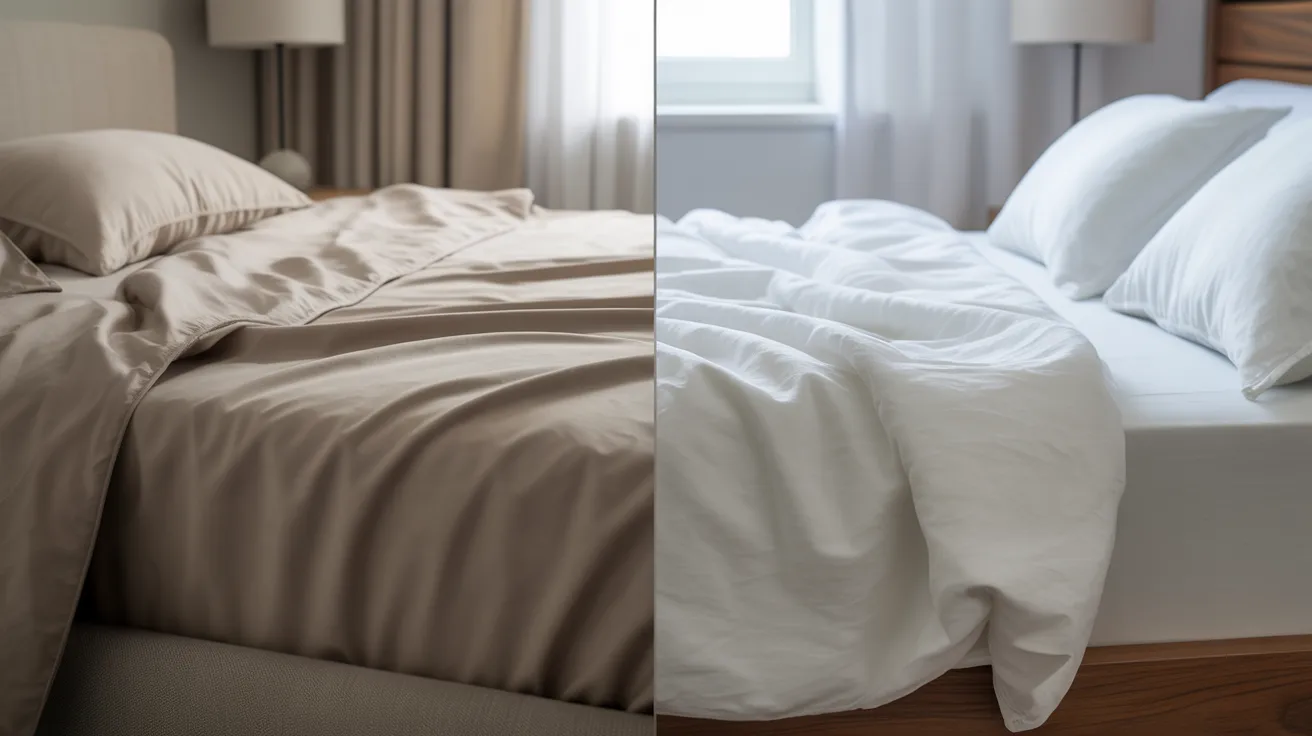
Microfiber is cheap and easy. Cotton costs more but sleeps better and lasts longer. If price is your main concern, go with microfiber. If you want comfort and long-term value, cotton wins.
If you’re considering upgrading beyond cotton, you can also explore the differences in cotton and linen sheets to see which material suits your sleep style better.
Feature | Microfiber | Cotton |
Price | Cheaper (under $30) | More expensive |
Breathability | Poor, traps heat | Much better airflow |
Softness | Very soft when new | Gets softer over time |
Durability | Pilling after 1–2 years | Lasts 5–10 years |
Moisture absorption | Low sweat sits on the skin | High, wicks moisture well |
Care | Easy wash, quick dry | Needs a bit more care |
Skin-friendly | Not ideal for sensitive skin | Better for most skin types |
Eco-friendly | No (synthetic) | Yes (natural fiber) |
Cotton, especially high-quality percale or long-staple cotton, lets air circulate and absorbs sweat. It keeps you cooler and more comfortable through the night.
And while microfiber is way cheaper upfront and needs almost zero effort to maintain, cotton is the better for long-term investment if you can stretch the budget a little.
Simple Truth:
- Microfiber = budget convenience
- Cotton = long-term sleep quality
Are Microfiber Sheets Good for Sleep Quality and Breathability?
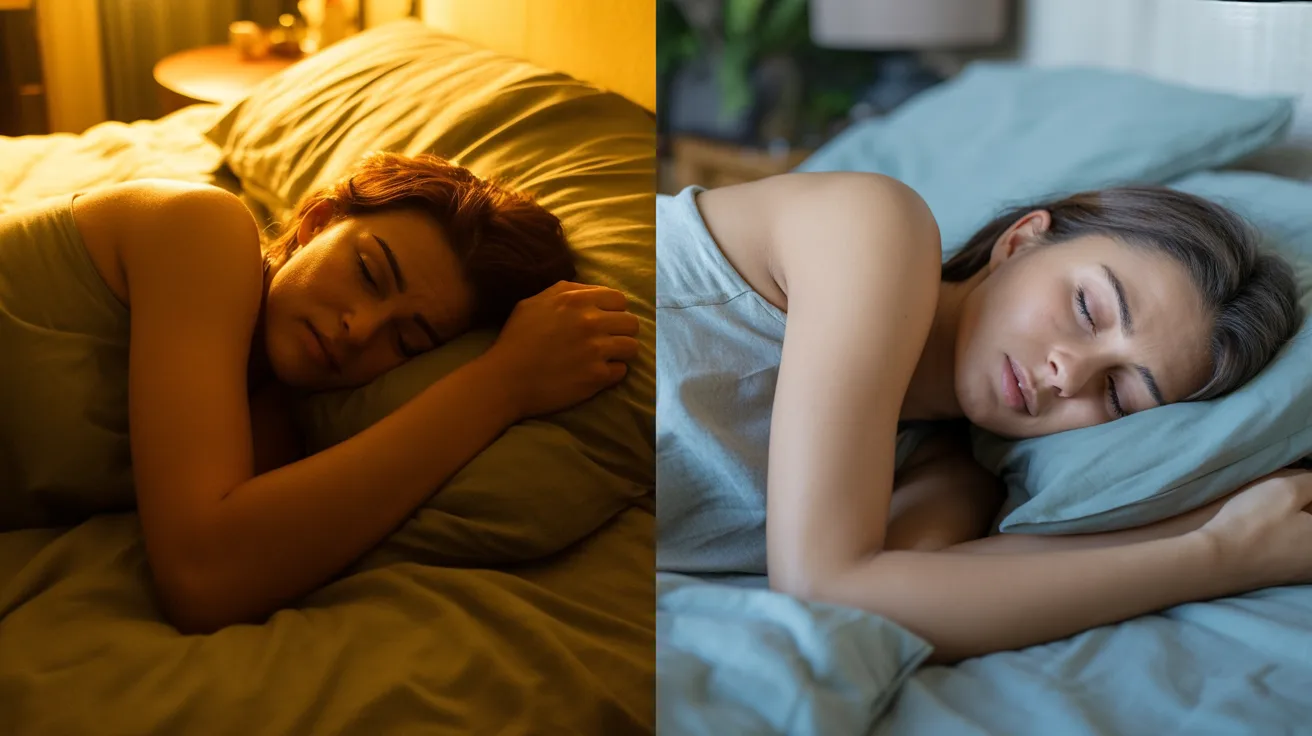
Microfiber is less breathable than natural fabrics, and this is where many people start to regret buying it. The tight weave limits airflow and tends to trap heat under the covers throughout the night. If you’re a cold sleeper, that’s actually a good thing.
But if you run warm, kick off blankets, or sweat at night, microfiber will make your sleep noticeably worse. In that case, switching to cooling sheets is a much better option since they’re designed for airflow and moisture control.
Are microfiber sheets good for summer? Generally not ideal, especially for hot sleepers. In warm weather, you need airflow and moisture-wicking, and microfiber delivers neither.
Lightweight cotton, linen, or bamboo are much better picks when the temperature rises.
Are Microfiber Sheets Good for Skin?
This is where many people start to regret their purchase, especially if skin comfort is a priority. Microfiber might feel smooth at first, but over time, its synthetic nature and low absorbency can cause problems you might not notice right away.
Microfiber
- Doesn’t absorb oil or sweat well, so moisture tends to stay on the surface instead of being pulled away from your skin
- Keeps that moisture trapped against your body, which can make your skin feel sticky and uncomfortable overnight
- Can increase irritation over time, especially if you already have sensitive or reactive skin
For Acne-Prone Skin
Not ideal. Since microfiber doesn’t absorb oil and sweat as effectively, it may leave more residue on the fabric surface, which could contribute to breakouts in some people.
However, skin reactions vary, and it’s not a guaranteed cause of acne.
For Sensitive Skin
Some people tolerate microfiber without issues, but many experience mild irritation due to the synthetic fibers and lack of breathability. When moisture and heat are trapped, it can make skin more reactive, especially if you’re already prone to redness or discomfort.
How Long Do Microfiber Sheets Last?
Microfiber sheets typically last around one to three years, depending on their quality and how they are cared for.
They usually do not tear quickly, but their feel and performance tend to decline with regular washing. Over time, the fabric often develops pilling, which creates small rough spots and reduces the smooth texture.
The material may also feel less soft than when new, which can affect overall comfort.
This wear occurs because synthetic fibers break down with repeated washing and heat, while some higher-quality cotton sheets can soften and last longer with proper care.
How to Care for Microfiber Sheets
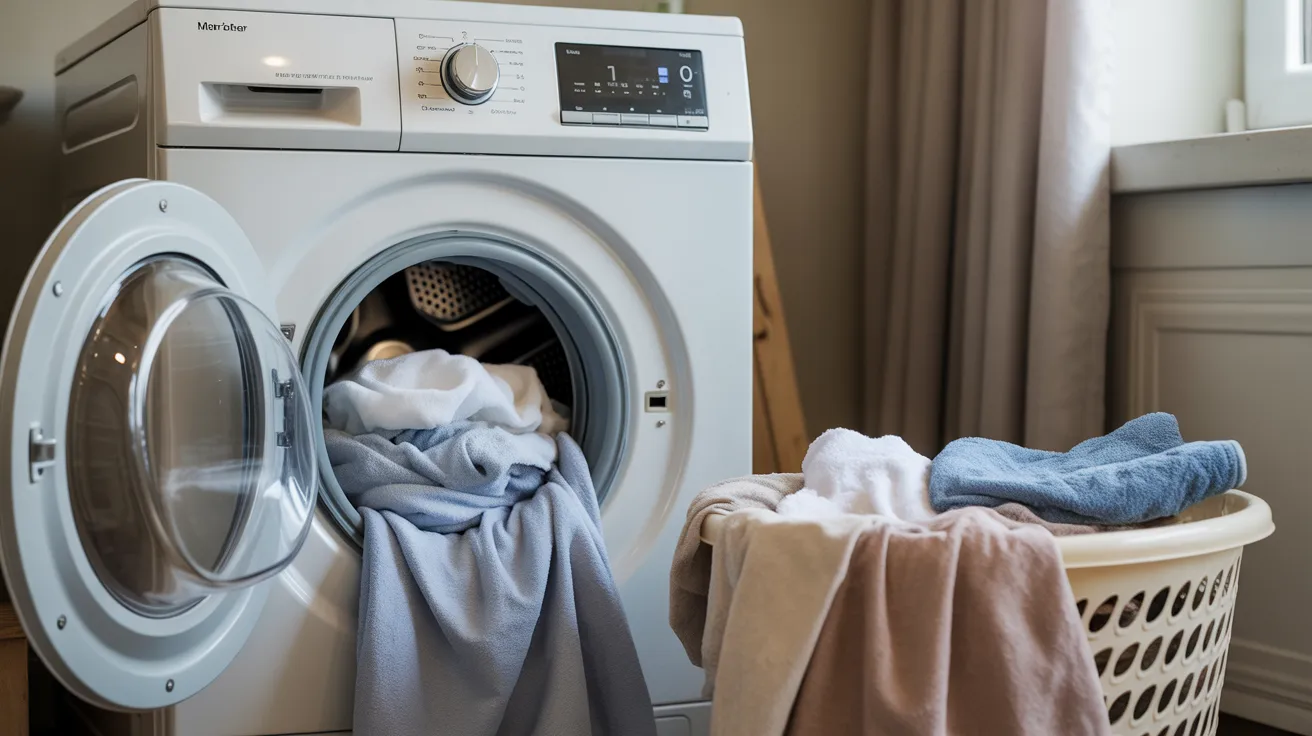
If you already have them or plan to buy them, properly caring for microfiber sheets can make a noticeable difference in how long they stay soft and comfortable.
They’re generally easy to maintain, but small mistakes can shorten their lifespan faster than most people expect.
- Wash in cold or warm water (not hot)
- Avoid fabric softener (it damages fibers)
- Dry on low heat or air dry
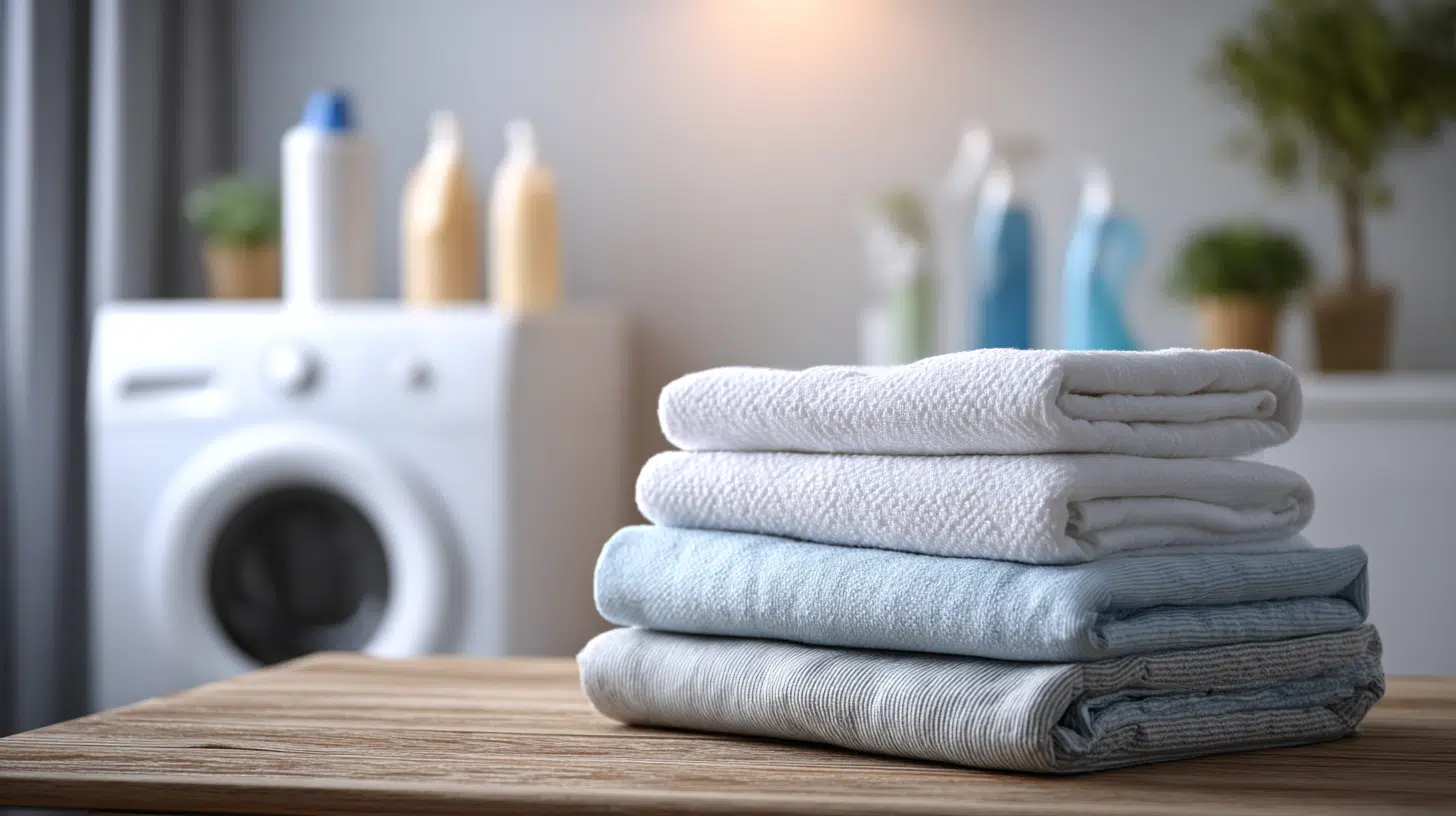
- Wash separately from towels (prevents lint buildup)
If you ignore these basics, microfiber sheets tend to lose their softness, develop pilling, and wear out much sooner than they should.
Who Should Buy Microfiber Sheets (and Who Shouldn’t)
Microfiber sheets aren’t a one-size-fits-all choice; they work well for some people but can be a poor fit for others, depending on how you sleep and what you value in bedding.
Buy them if:
- You’re on a budget
- You need guest room bedding
- You sleep cold
- You want low-maintenance sheets
Avoid them if:
- You sleep hot or sweat at night
- You live in humid weather
- You have skin sensitivity or acne
- You want long-lasting bedding
Best Microfiber Sheets to Consider
If you’ve decided microfiber sheets fit your needs, don’t just pick the cheapest set you see. Even within budget options, some are more reliable in terms of softness, fit, and consistency.
- Amazon Basics Microfiber Sheet Set: A safe, no-risk option for most people. It’s affordable, widely available in the US, and consistent in quality. Best for everyday use if you just want something simple that works.
- Bare Home Microfiber Sheet Set: A popular budget pick known for being extra soft right out of the package. Good if your main priority is comfort at a lower price, though durability is still average.
- Mellanni Microfiber Sheet Set: One of the most well-known microfiber sheet sets online. It balances softness, durability, and price better than most, making it a solid all-around choice.
- Utopia Bedding Microfiber Sheet Set: A straightforward, low-cost option that works well for guest rooms or backup use. Not premium, but practical and easy to maintain.
Quick tip: Don’t overspend on microfiber. Most sets use similar synthetic fibers, so paying more doesn’t always mean better quality. If your budget goes higher, switching to cotton is usually the smarter move.
Final Verdict: Are Microfiber Sheets Worth It?
Microfiber sheets are not bad; they’re just not for everyone. They deliver exactly what they promise: soft, affordable, easy to maintain.
But they fall short where it counts for many people, breathability, skin comfort, and long-term durability.
If your budget is tight or you sleep cold, go for it. But if you can spend a little more, a decent set of cotton sheets will give you better sleep, last longer, and be kinder to your skin.
That’s the straightforward truth about microfiber sheets: good value, but not the best choice for everyone.
Frequently Asked Questions
Can You Use Microfiber Sheets Every Day?
Yes, you can use them daily. Just make sure you’re washing them at least once a week, especially if you sweat at night, to keep bacteria and oil buildup in check.
Do Microfiber Sheets Get Softer Over Time?
Not really, this is actually the opposite of cotton. Microfiber tends to lose its softness after repeated washings and can feel rougher with age.
Are Microfiber Sheets Good for People with Allergies?
They can help slightly, as the tight weave may limit dust buildup, but it’s not guaranteed. Regular washing matters more, and synthetic fibers may still irritate sensitive skin.