




Ever pulled your sheets out of the washer only to find them twisted into a giant knot with your socks trapped inside?
You’re not alone. Washing sheets seems simple, but most people make mistakes that lead to tangled messes, faded colors, or scratchy fabric.
The truth is that your washing machine isn’t the enemy. The problem is the technique.
Fresh, clean sheets aren’t just about comfort – they impact your health, sleep quality, and how long your bedding lasts.
Learning how to wash sheets properly means no more wrestling with twisted fabric or wondering why your expensive sheets feel rough.
Master how to wash bed sheets and how to wash new sheets with these proven methods.
Tools You’ll Need
Having the right supplies ready makes the sheet washing process smoother and more effective. These basic items ensure you can handle any situation that comes up during washing.
| Essential Tools | Purpose |
|---|---|
| Washing machine | Front-loading or top-loading for cleaning |
| Dryer or drying rack | For drying sheets after washing |
| Mild laundry detergent | Cleaning agent suitable for your fabric type |
| Stain remover | Pre-treatment spray for spot cleaning |
| Measuring cup | Accurate detergent measurement |
| Clean laundry basket | Transporting sheets to and from machines |
Quality tools protect your investment in good bedding while making the entire process more efficient and less stressful.
How to Wash Bed Sheets: Step-By-Step
Follow this simple step-by-step process for perfect results every time. These steps work for all sheet types and prevent the most common washing mistakes.
Proper sheet care extends fabric life significantly while maintaining comfort and appearance over hundreds of wash cycles.
Step 1: Check Care Label and Pre-Treat Stains

Look for fabric instructions and temperature settings printed on the manufacturer’s label attached to your sheets.
Following these specific guidelines prevents shrinkage, fading, and permanent damage that can ruin expensive bedding sets.
Spot clean any visible stains with a gentle stain remover before placing sheets in the washing machine to ensure complete removal during the wash cycle.
Step 2: Load Sheets Properly in the Machine

Wash sheets separately from towels, clothes, and other household items to prevent lint transfer and reduce tangling during the wash cycle.
Avoid overloading your washer by giving sheets plenty of room to move freely and spreading them loosely throughout the drum.
Proper loading ensures even cleaning and prevents bunching that can trap dirt and detergent residue.
Step 3: Choose Correct Settings and Detergent
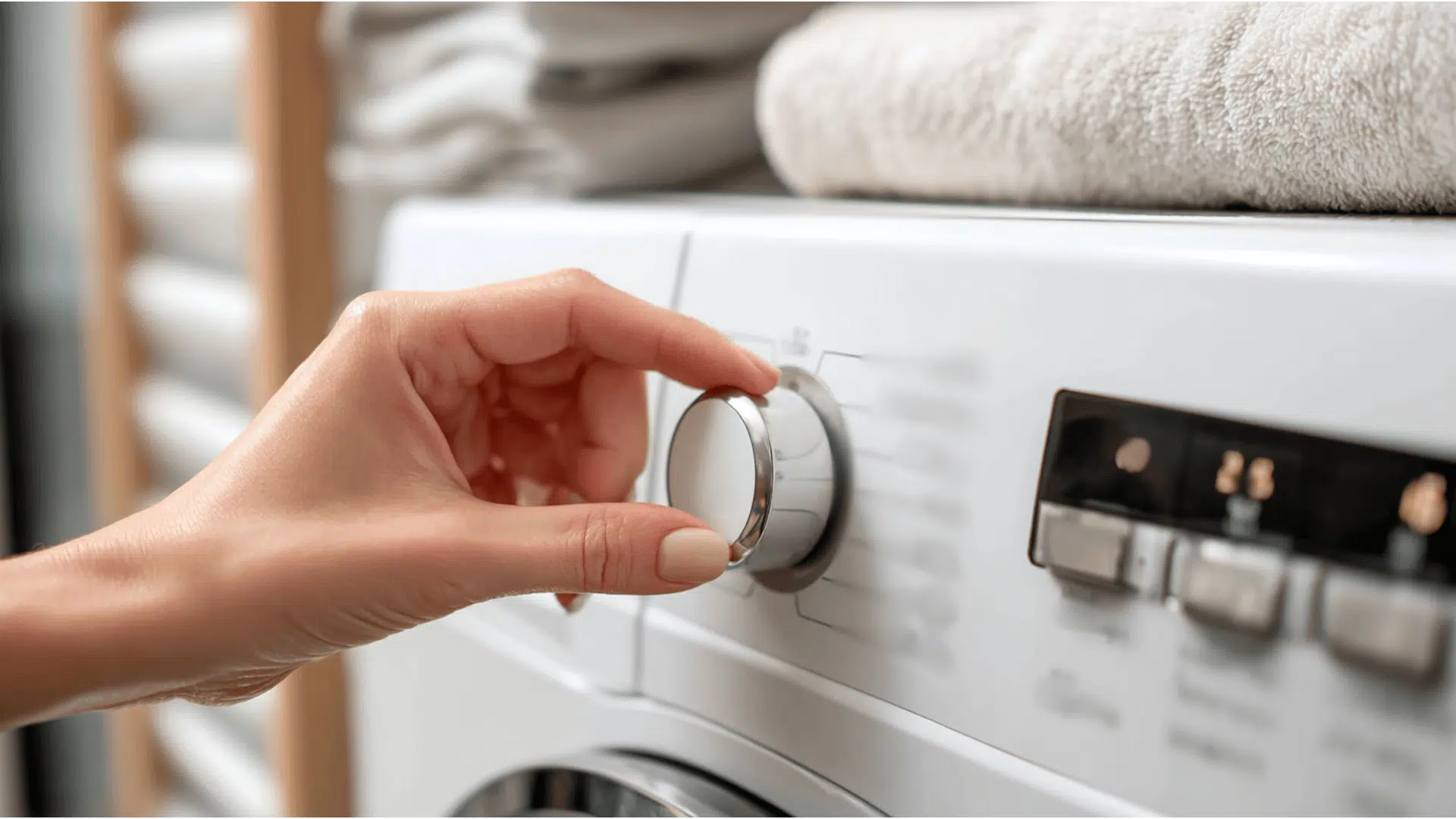
Use mild detergent in the recommended amount and avoid using excessive soap, which can leave residue buildup on fabric fibers.
Cotton sheets typically handle warm or hot water well, while soft materials like silk or bamboo require cold water settings.
Select the appropriate cycle length and agitation level based on soil level and fabric sensitivity for optimal cleaning results.
Step 4: Handle the Washing and Drying Process

Always wash new sheets before first use to remove manufacturing residues, chemicals, and sizing agents that can irritate skin or affect comfort.
Remove sheets promptly from the washer and shake them out thoroughly to prevent wrinkles from setting during the drying process.
Use low or medium heat settings in the dryer to prevent shrinkage and fabric damage from excessive temperatures.
Step 5: Store Sheets Properly
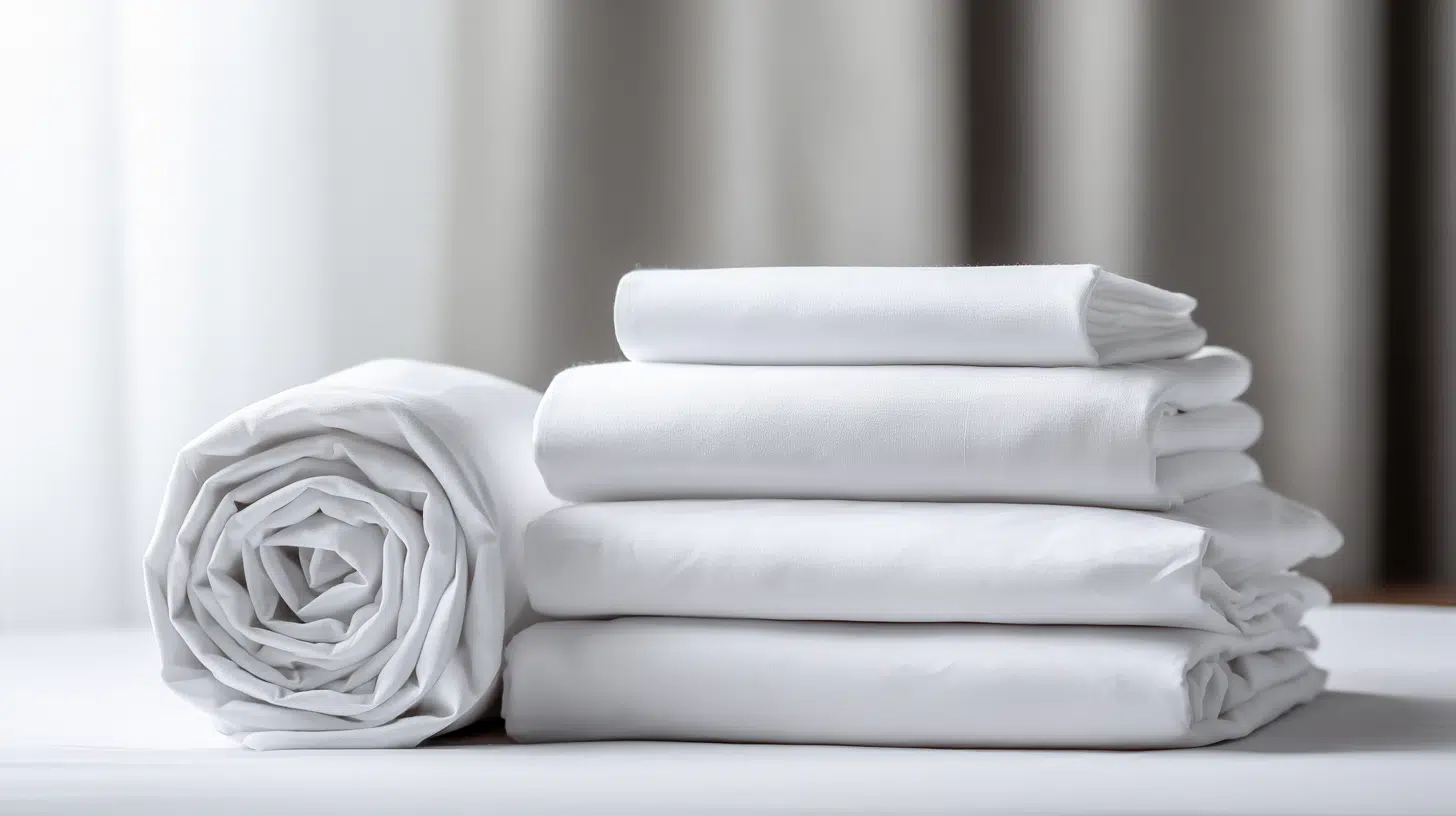
Once sheets are completely dry, fold them neatly while still warm to minimize wrinkles and create crisp edges. Store folded sheets in a cool, dry place away from direct sunlight to maintain freshness and prevent yellowing over time.
Proper storage in breathable containers or linen closets helps sheets maintain their shape and prevents musty odors from developing.
Smart Loading Tips and Detergent Selection
Proper prep prevents tangled disasters and protects your sheets.
- Check for Stains First – Treat makeup, sweat, or food spots with gentle stain remover.
- Sort by Color – Keep whites, lights, and darks separate
- Turn Sheets Inside Out – Protects colors and reduces pilling
- Leave Space in the Washer – Overstuffing increases tangles
- Wash Alone or With Similar Items – Avoid heavy or tiny items
- Pick the Right Detergent – Match your sheet’s fabric type
Pro Tip: Wash new sheets twice before first use for maximum softness and to remove all manufacturing residues.
Machine Settings and Water Temperature Guide
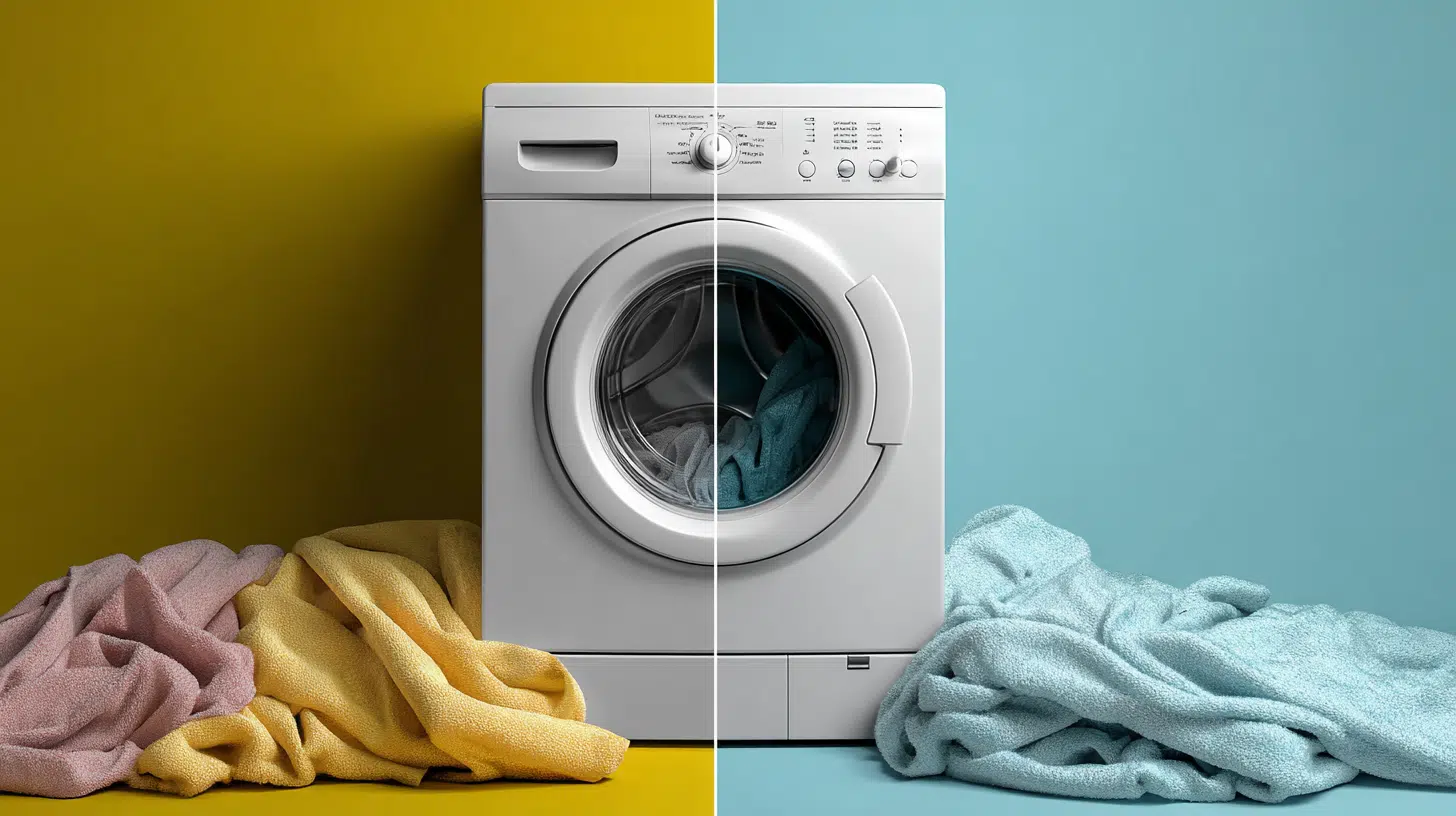
Different fabrics need different care to stay soft and last longer. Using the wrong settings can damage expensive sheets in just one wash.
Water temperature and cycle speed affect how your sheets feel and how long they last.
| Fabric Type | Water Temperature | Cycle Setting | Special Notes |
|---|---|---|---|
| Cotton | Warm or hot water | Gentle or normal | Can handle higher temperatures |
| Linen | Cold water | Delicate cycle | ents excessive wrinkling |
| Bamboo | Cold water | Delicate cycle | tains softness |
| Silk | Cold water | Delicate cycle | wash if possible |
| Polyester Blends | Warm water | Regular cycle. It’s faster | other than natural fibers |
Use your washer’s “Sheets” or “Bulky” cycle – it’s designed for large, flat items like bedding.
Color-Specific Washing Tips
White sheets and colored sheets need different care to stay looking their best. The wrong approach can leave you with gray whites or faded colors.
Colored Sheets – Stick to color-safe detergents and wash in cool or warm water to prevent fading
White Sheets – Hot water works well if the label allows, and non-chlorine bleach helps with tough stains.
How to Wash New Sheets
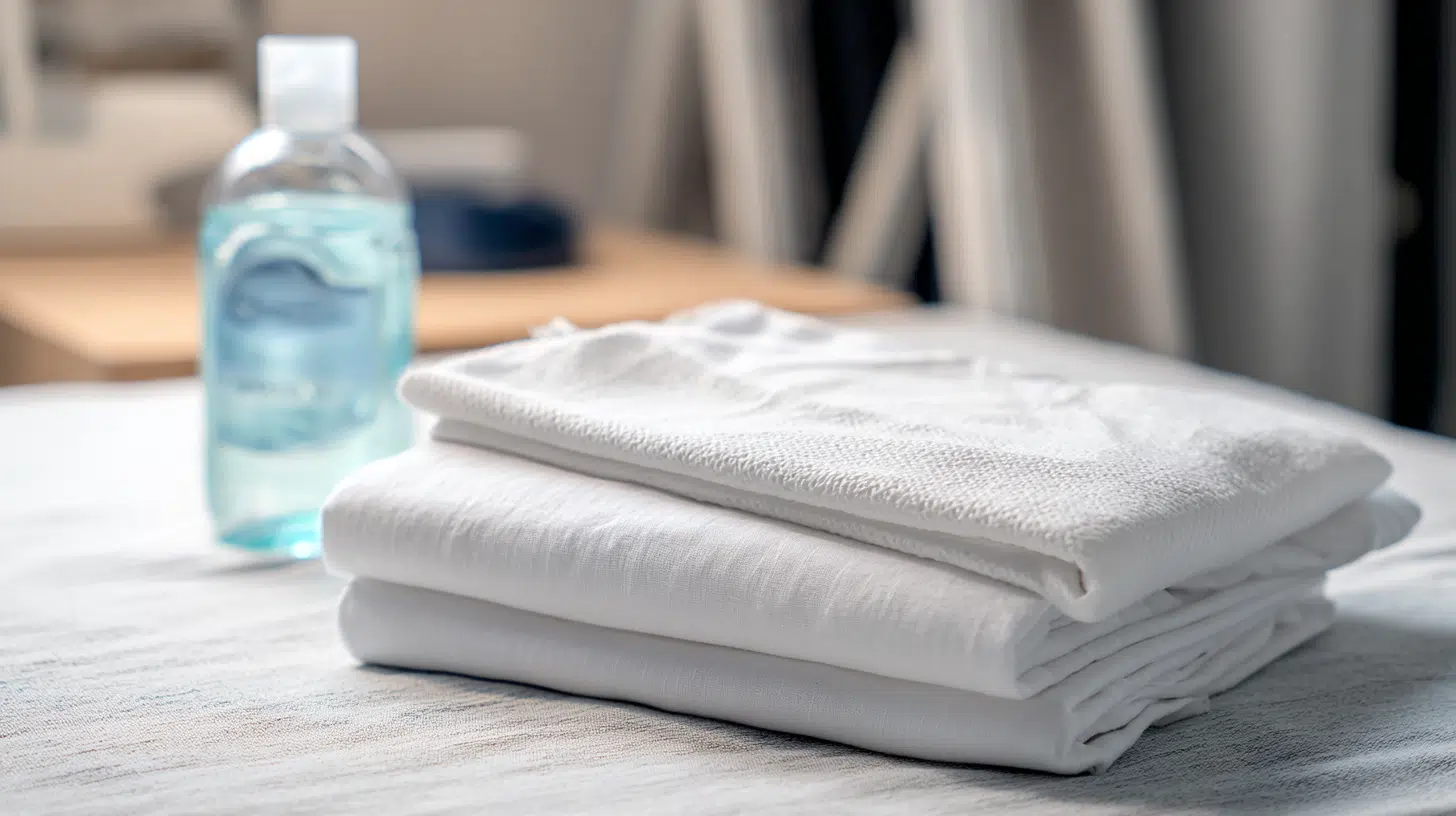
New sheets often feel stiff and may have leftover chemicals from manufacturing.
First-time washing removes factory residues and softens the fabric naturally without damaging the fibers.
| Step | What to Do | Why It Matters |
|---|---|---|
| Pre-Wash | Always wash before first use | Removes chemicals and softens stiff fabric |
| Water & Detergent | Use a gentle detergent with cool or warm water | Prevents shrinking and color loss |
| What to Skip | Avoid fabric softeners and bleach | Prevents fiber coating and maintains breathability |
| Color Sorting | Keep similar colors together | Extra important for bright or dark new sheets |
Avoiding Common Washing Problems
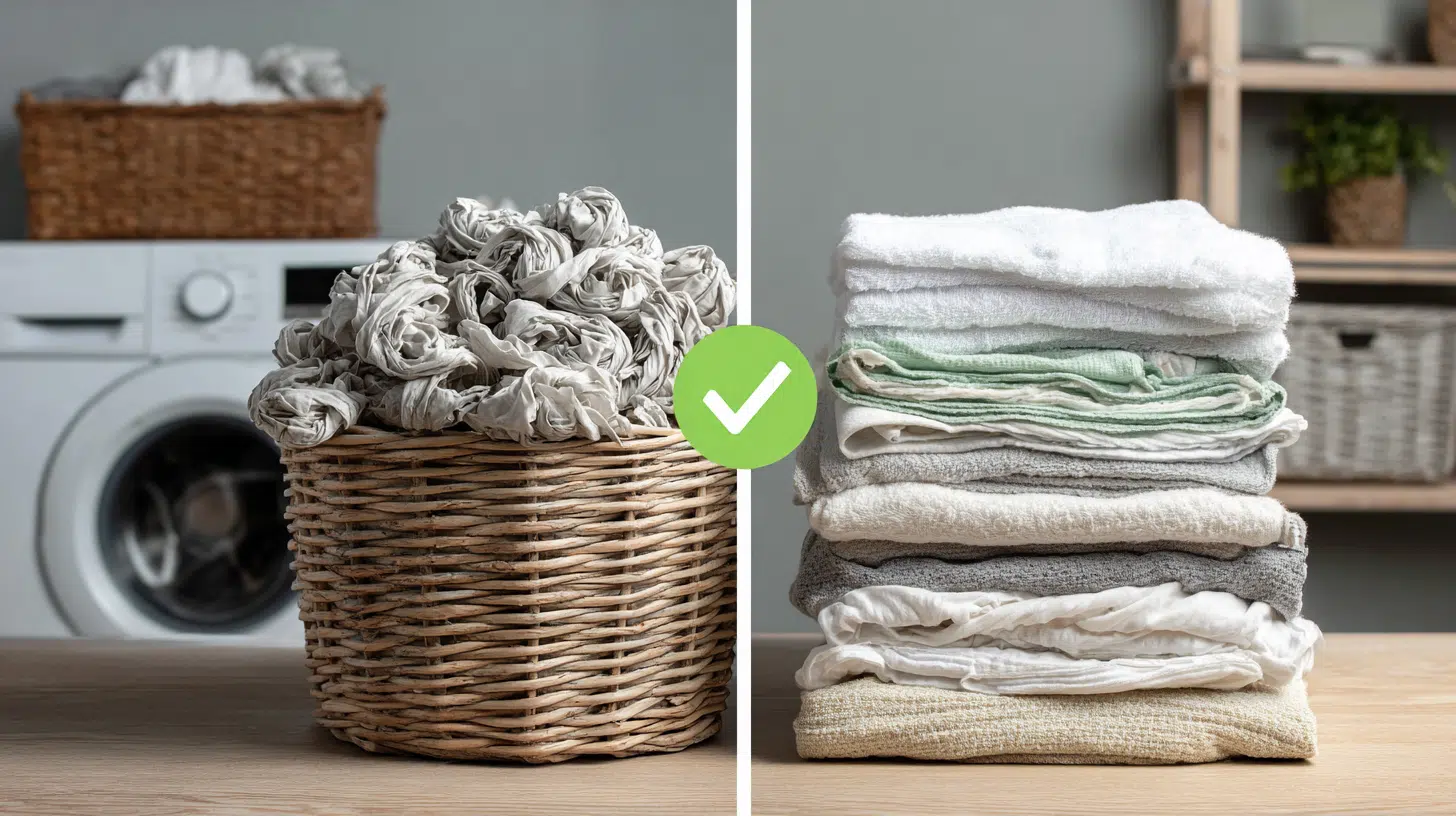
Sheet washing problems can damage expensive bedding and waste your time. Here are the most frequent issues and quick fixes to prevent them.
- Tangling: Wash sheets alone, use extra spin cycle, untangle before drying
- Color bleeding: Separate new colored sheets, use cold water, turn inside out
- Lint and pilling: Never wash with towels, use a gentle cycle with less water, and clean the lint trap
- Soap residue: Use less detergent, add an extra rinse cycle, and skip fabric softener
Master Clean Sheets for Better Sleep
Learning how to wash sheets properly changes your laundry routine and your sleep quality – no more tangled messes, faded colors, or rough fabric that feels uncomfortable against your skin.
If you’re figuring out how to wash bed sheets for the first time or perfecting your technique, these steps ensure your bedding stays soft, fresh, and lasts for years.
Good sheet care means better sleep, and better sleep means better days.
Your washing machine and your bedding will thank you for following these simple but effective techniques.
Start washing your sheets the right way tonight and feel the difference tomorrow.