




If you’ve ever paused by your baby’s crib, thinking about when kids can sleep with a blanket? You’re in good company; every parent faces this question sooner or later.
It’s one of those moments where comfort, safety, and instincts all collide. In this guide, you’ll get gentle hints about what really matters before making the switch, from noticing small readiness signs to easing into the transition in a way that feels natural.
You’ll also get a feel for what other parents commonly experience, without any pressure or overload.
Think of this as a calm, parent-friendly roadmap to help you move forward with confidence, one simple step at a time.
When Can a Kid Transition to a Blanket?
Most toddlers are ready to use a blanket between 18 months and 3 years, when their coordination and awareness improve enough to handle light bedding safely.
Around this age, kids can usually shift their bodies, uncover themselves if they get warm, and move fabric away without help.
Some children show interest earlier, while others take longer to feel comfortable. It’s less about hitting an exact age and more about noticing when your child starts showing the control and confidence needed for this new sleep change.
Signs Your Child May Be Ready for a Blanket
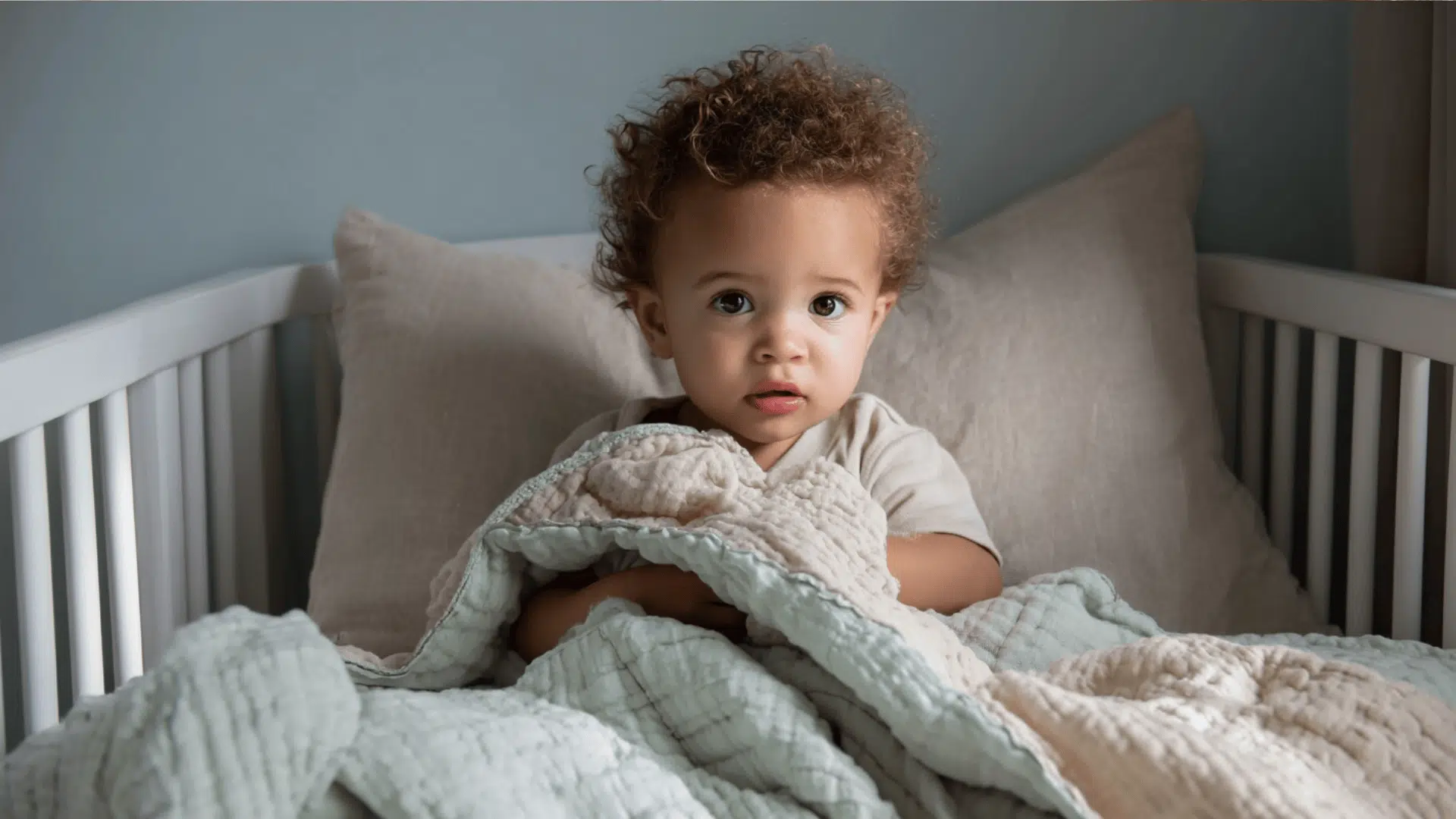
Introducing a blanket safely starts with knowing whether your child is developmentally ready. These key signs will help you determine the right time to make the transition with confidence.
- Age readiness: Your child is at least 12 months old, and ideally closer to 18 months for safer blanket use.
- Rolling ability: They can roll both ways independently without getting stuck or needing help.
- Removing objects: They can move fabric or items away from their face on their own.
- Controlled movements: They show steady, purposeful movements while sleeping rather than flailing.
- Motor skill strength: They can adjust or kick off a blanket if they feel too warm or uncomfortable.
- Toddler bed transition: They sleep in a toddler bed, which makes blanket use safer and easier.
Recognizing these signs ensures you introduce a blanket at the right time, keeping your child safe and comfortable. When in doubt, wait a little longer; your child’s readiness always matters more than the age alone.
How Kids Should Be Introduced to a Blanket
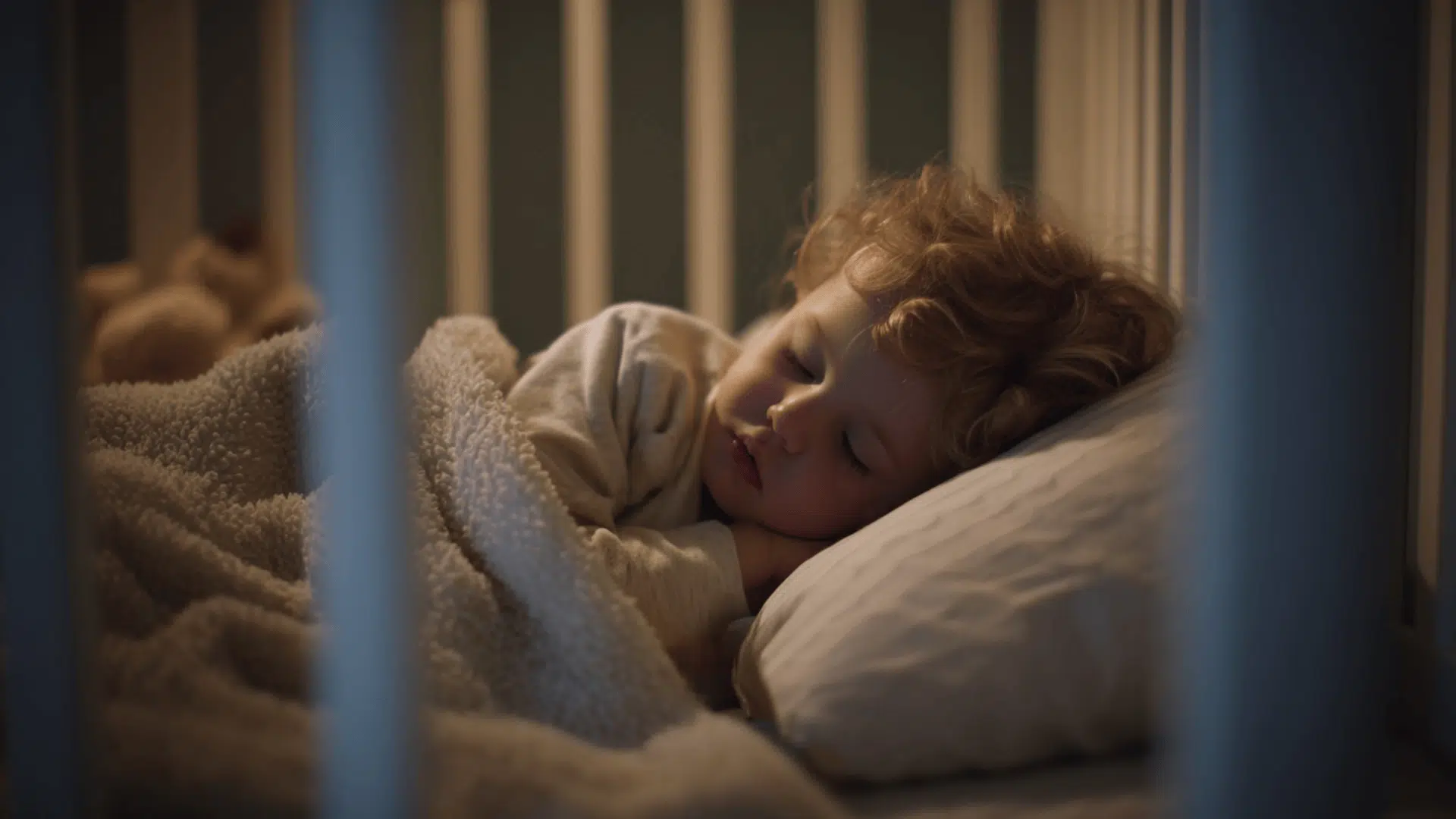
Introducing a blanket to your child should be a calm, gradual, and safety-first process. Taking it step by step helps your child adjust comfortably while giving you the confidence that they’re ready for this new sleep change.
1. Start With Daytime Naps
Begin by using the blanket during supervised daytime naps. This gives you a safe opportunity to observe how your child interacts with it, if they pull it over their face, kick it off, or handle it comfortably.
Naps allow you to introduce the blanket in a low-risk setting before moving to nighttime use.
2. Pick a Lightweight, Breathable Blanket
Choose a blanket made from light, breathable materials like cotton or muslin, and make sure you’re also choosing the right baby blanket sizes for safe, comfortable use.
These fabrics help regulate temperature and prevent overheating while being easy for your child to move.
A lightweight blanket also reduces the risk of tangling and ensures your child can adjust it without struggling.
3. Keep the Sleep Space Simple
Make the sleep area clutter-free by removing pillows, toys, and extra bedding. A fitted sheet and the blanket are all your child needs during this transition.
A simple sleep setup minimizes hazards, keeps the blanket from getting caught, and helps your child stay safer as they get used to this new change.
4. Transition Slowly to Nighttime Use
Once your child handles the blanket well during naps, start using it at night. Check on them frequently for the first few nights to make sure the blanket stays in a safe position.
If it often ends up over their face or they seem restless, pause the transition and try again later when they’re more ready.
Things to Keep in Mind When Shifting to a Blanket
Selecting the right blanket goes beyond softness and color. It’s about safety, comfort, and practicality. These key points will help you choose a blanket that supports safe, restful sleep:
- Fabric and Breathability: Choose lightweight, breathable materials like cotton, muslin, or bamboo to prevent overheating, since the right blanket materials can make a big difference in comfort and airflow.
- Size and Weight: Pick a small, manageable blanket your child can adjust or kick off. Avoid heavy or oversized blankets that trap heat or limit movement.
- Safety and Design Features: Skip buttons, ties, ribbons, or loose threads that can pose choking or entanglement risks. Look for clean stitching and sturdy construction.
- Ease of Cleaning: Kids’ blankets need frequent washing, so choose machine-washable, quick-dry fabrics that hold up well.
- Your Child’s Sensitivities: If your child has allergies or sensitive skin, choose hypoallergenic or organic fabrics with chemical-free dyes.
A thoughtful choice keeps your child safe, comfortable, and sleeping soundly, giving you peace of mind.
Safe Sleep Alternatives Before Blanket Age
Before your child is ready for a regular blanket, several safer options can keep them warm and comfortable during sleep. Here’s a quick, clear table to help you compare the best choices:
| Alternative | What It Does | Why It’s Safe |
|---|---|---|
| Sleep Sacks | Wearable blankets that zip or snap closed. | No loose fabric; available in different warmth levels. |
| Wearable Blankets (with arm holes) | Allows more movement than standard sleep sacks. | Baby can roll naturally without getting tangled. |
| Layered Pajamas | Footie pajamas with optional onesie layers. | Warmth is adjustable based on room temperature. |
| One-Piece Fleece Sleepers | Thick, cozy sleepers that replace blankets. | Keeps baby warm without loose bedding in the crib. |
These alternatives offer warmth without the risks of loose blankets. Many families continue using them well past the first year because they’re simple, safe, and highly effective.
Common Mistakes Parents Make
Even well-meaning parents can make mistakes when introducing blankets. These errors are easy to overlook, especially for first-time caregivers. Here are the most common pitfalls, and how to avoid them.
- Using heavy comforters too early: Thick, fluffy blankets look cozy, but are unsafe for young toddlers. Choose thin, breathable options instead.
- Adding stuffed toys and pillows for “coziness”: Extra items increase risk and go against safe-sleep basics. Keep the sleep space simple and clutter-free.
- Assuming cold hands or feet mean your child is cold: These areas are naturally cooler. Check the back of the neck or the chest for an accurate temperature reading.
- Following outdated family advice: Safety recommendations evolve. Rely on your pediatrician and current guidelines rather than old generational habits.
Avoiding these mistakes is simple: follow updated safety guidance, choose lightweight sleep essentials, and remember that with babies and toddlers, less is always more.
Parent Perspectives: Real Life Experiences
Parents handle the blanket transition in different ways, and all approaches are normal.
Some follow the 12-month guideline and introduce a small, lightweight blanket right after the first birthday.
Others wait until 18–24 months for extra reassurance, especially when their toddlers show more interest.
Common concerns include suffocation risks, leading parents to check frequently in the early days. Many also worry about cold hands and feet, though pediatricians note this is normal.
There’s often tension between updated medical advice and grandparent opinions. Some families skip blankets altogether, sticking with sleep sacks or wearable blankets into toddlerhood for safer warmth.
Wrapping It Up
Deciding when kids can sleep with a blanket isn’t always simple, but you’ve now got the clarity and confidence to make that choice in a parent-friendly way.
You have learned the signs of readiness, gentle ways to introduce a blanket, and safer alternatives for the in-between stage.
These small insights help you understand what feels right for your child and for you. Trust what you’ve learned, trust what you notice, and move at a pace that keeps everyone comfortable.
You took the time to understand this milestone, and that alone puts your little one on a safer, calmer sleep journey!