

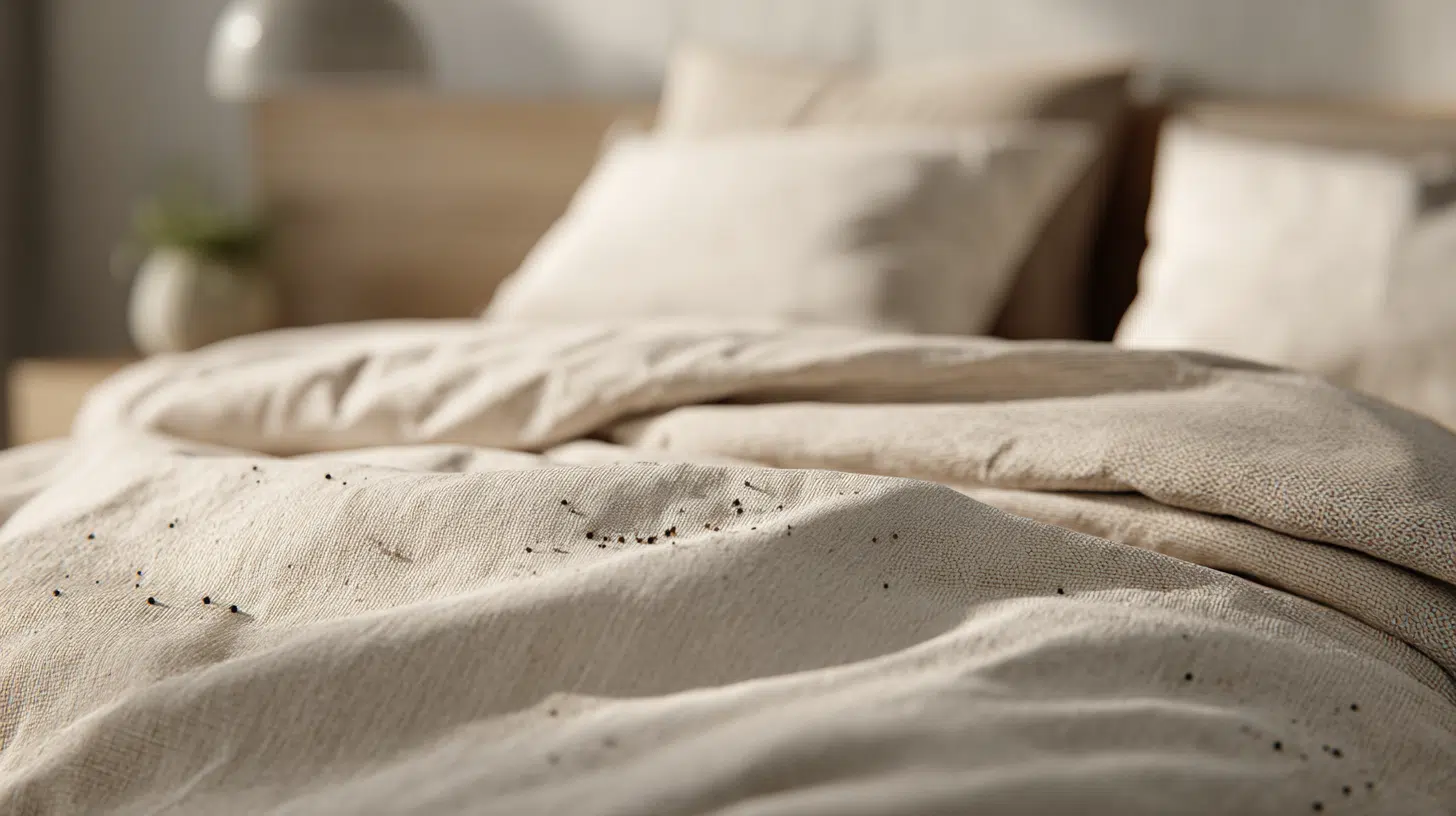
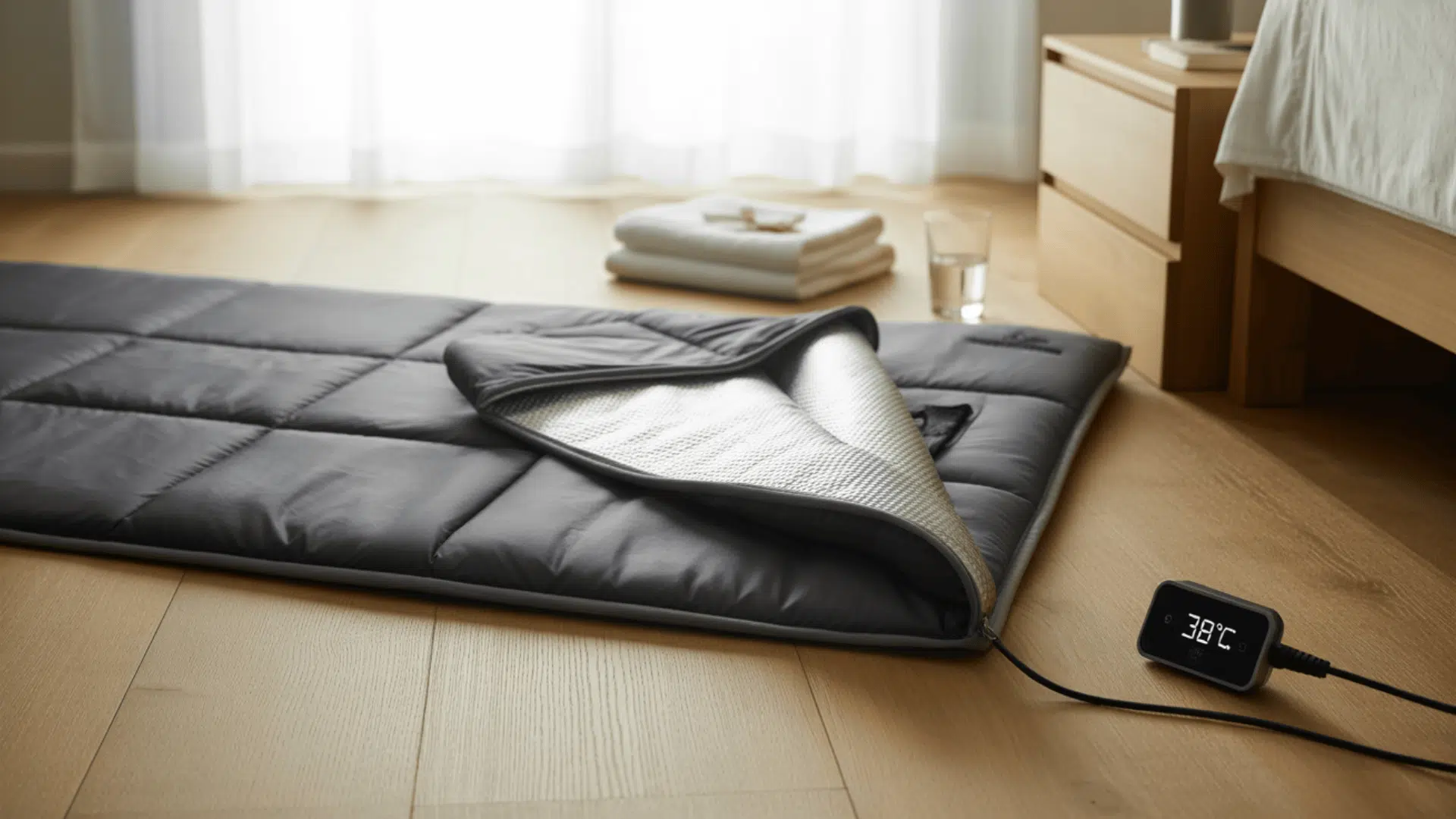

You toss off your blanket because it’s too hot. Five minutes later, you’re pulling it right back on. Sound familiar?
This nightly blanket dance happens in bedrooms everywhere. People kick off covers, then grab them again. They feel too warm but can’t sleep without something covering them. It’s like your body can’t make up its mind.
But here’s the thing – your body knows exactly what it’s doing. That blanket isn’t just about staying warm. Your brain actually needs it for reasons that have nothing to do with temperature. The science behind this bedtime ritual might surprise you.
Ready to figure out why you’re basically addicted to your blanket? Let’s find the real mystery behind this sleepy habit that connects us all.
The Body’s Nighttime Temperature Game
Your body drops its temperature before sleep. It’s like hitting a cool-down button for bedtime.
This temperature drop signals to your brain that it’s time to sleep. But your body needs to keep this coolness going all night. Your blanket helps maintain the perfect balance.
Think of your blanket as a temperature bubble. It traps just enough warmth while keeping your core cool. Without this balance, sleep gets messy.
So, When Your Body Stops Being the Boss?
Here’s something crazy. During REM sleep, your body’s thermostat completely shuts off.
Normally, you shiver when cold. You sweat when hot. But during REM? Your body does nothing. It becomes totally dependent on your blanket for temperature control.
This is why people wake up without blankets. Their body hits REM sleep, loses control, and feels too hot or too cold. The blanket becomes your backup thermostat.
Your blanket keeps your sleep cycles smooth when your body takes a break from temperature duty.
The Psychology Behind Your Blanket Addiction

Your blanket isn’t just fabric – it’s a powerful sleep trigger your brain has been training on for years. The moment that familiar texture touches your skin, your mind starts preparing for rest mode.
Why Your Brain Associates Blankets With Sleep Time?
Your body learns patterns fast. Touch a blanket, and your brain thinks “sleep time.”
This conditioning happens without you noticing. After years of blanket-then-sleep, your brain creates mental shortcuts. The familiar texture becomes an instant drowsiness signal.
Key sleep signals your blanket creates:
- Familiar weight triggers automatic drowsiness
- Soft texture tells your nervous system to relax
- A consistent routine helps regulate your sleep cycle
Why Childhood Blanket Memories Still Control Your Sleep?
Remember being tucked in as a kid? Those feelings never really disappear.
Early bedtime routines create lasting sleep memories. Blankets meant safety and protection. Adults still reach for blankets when stressed or sick – it’s comfort that goes back to childhood.
How childhood shapes your blanket needs:
- Security feelings from being tucked in never fade
- Stress makes you crave that same protective comfort
- Your brain links blankets with feeling safe and loved
Why Heavier Blankets Help You Sleep Faster
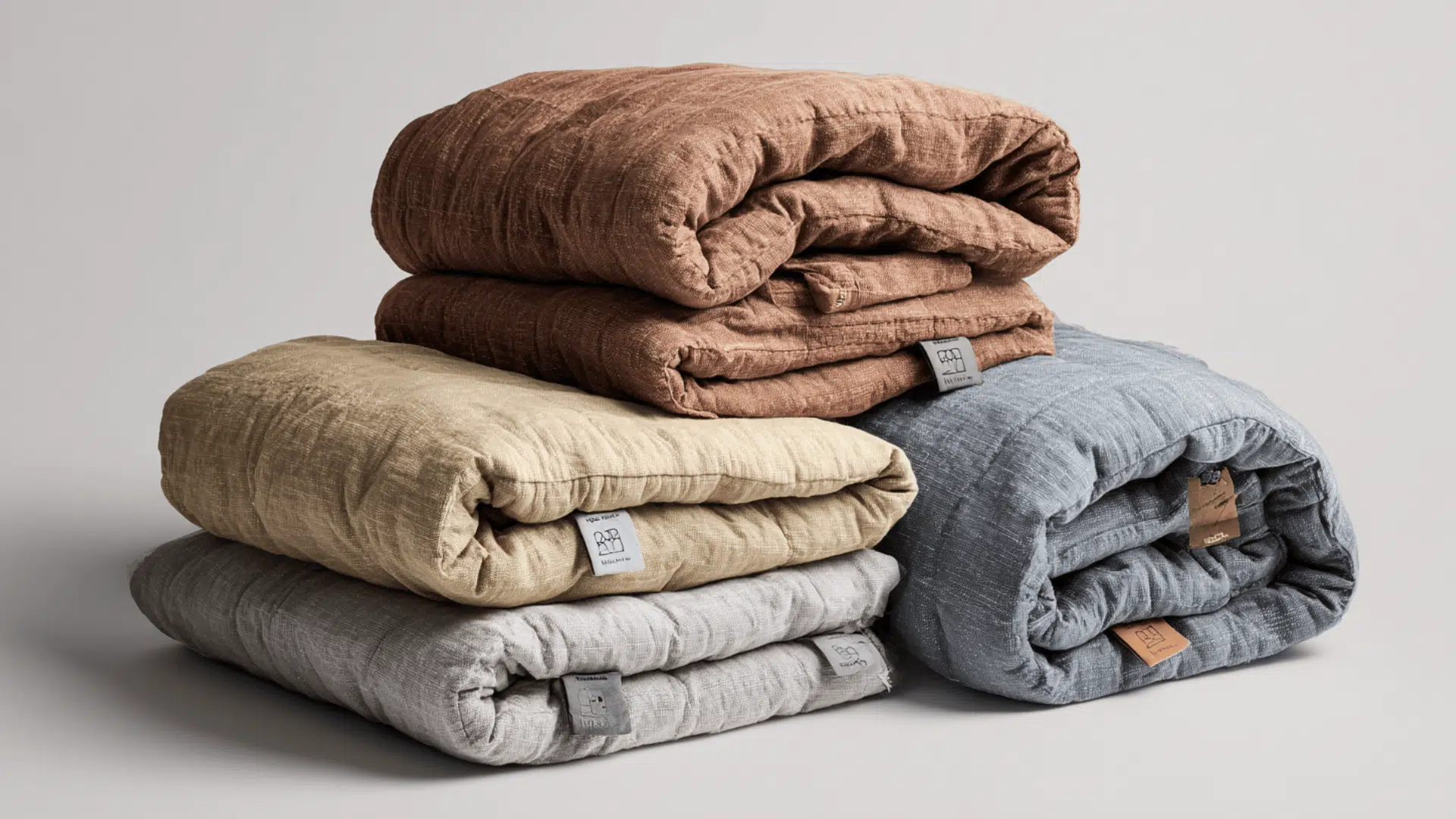
Your blanket’s weight does more than you think. That gentle pressure isn’t just cozy – it’s actually rewiring your nervous system for better sleep.
Heavy blankets create “deep pressure stimulation.” It’s like getting a gentle, full-body hug all night long.
This pressure sends calming signals straight to your brain. Your body stops fighting sleep and starts embracing it.
| Light Blanket | Heavy Blanket |
|---|---|
| More tossing and turning | 23% less movement |
| Racing thoughts continue | Anxious minds settle faster |
| Feels exposed | Secure, held feeling |
The 10% Rule for Perfect Blanket Weight
There’s a sweet spot for blanket weight. Sleep experts recommend 10% of your body weight. Too light won’t give enough pressure. Feeling too heavy can be overwhelming and disrupt sleep.
|
Quick Weight Guide:
|
New to weighted blankets? Start 2-3 pounds lighter than recommended.
What Happens When Your Blanket Weight Feels Perfect?
The right blanket weight triggers instant body changes. Your heart rate slows. Breathing deepens. Stress hormones drop.
This isn’t just comfort – it’s your nervous system switching to sleep mode. The perfect blanket becomes a physical switch that tells your body it’s safe to rest.
Before Perfect Weight: Restless → Anxious → Wide Awake
After Perfect Weight: Calm → Relaxed → Deep Sleep
Common Blanket Sleep Problems (And Solutions)
Even though blankets help most people sleep better, they can create their own set of problems. The good news? Every blanket sleep issue has a practical solution.
This is the classic blanket catch-22. You’re sweating, but can’t fall asleep without something covering you.
The solution isn’t ditching your blanket completely. Instead, work with your body’s need for coverage while managing temperature better.
- Lower your room temperature to 65-68°F before bed
- Use a fan to circulate air over your blanket
- Try the “one leg out” method – it regulates body heat surprisingly well
Choosing the Right Blanket Weight and Material
Not all blankets are created equal. The wrong choice can ruin your sleep, while the right one changes your nights.
For weight, follow the 10% rule if you want pressure benefits. A 150-pound person should use a 15-pound weighted blanket. Regular blankets should match your temperature preferences and sleeping style.
Cotton works for most people because it’s breathable and temperature-neutral. Bamboo naturally cools and wicks moisture for hot sleepers.
If you’re buying a weighted blanket, choose glass beads over plastic pellets – they distribute weight more evenly and stay quieter when you move.
Avoid synthetic materials if you tend to overheat. They trap heat and moisture, making temperature problems worse.
Breaking the Blanket Habit (If You Want To)

Some people reach a breaking point with their blanket dependency. Maybe you’re tired of feeling trapped, or you’re moving somewhere that makes blankets unbearable.
Breaking up with your blanket is possible, but it requires strategy.
Gradual Methods to Sleep Without Blankets
Cold turkey blanket removal usually ends in defeat around 2 AM when you’re desperately searching for anything to cover yourself.
Your brain has spent years associating blankets with sleep safety. Shocking it with sudden blanket removal creates panic, not peaceful sleep. The slow fade works better.
The 6-Week Blanket Breakup Timeline:
| Week | What You Use | Pro Tip |
|---|---|---|
| 1-2 | Heavy → Light blanket | Keep an old blanket nearby |
| 3-4 | Light blanket → Sheet only | Wear cozy pajamas |
| 5-6 | Sheet → Nothing | Increase the room temperature |
| 7+ | Complete freedom | Enjoy the movement! |
Alternative Sleep Comfort Solutions
Your blanket addiction isn’t really about the blanket. It’s about pressure, security, and comfort. You can hack these feelings without traditional covers.
The Blanket Replacement Menu:
- For Pressure Seekers: Weighted pajamas or compression sleep shirts
- For Security Cravers: Body pillows or strategically placed small cushions
- For Warmth Lovers: Crank room temperature to 72-75°F
- For Touch Comfort: Soft pajamas or textured sheets that feel good against the skin
The goal isn’t suffering through blanket withdrawal. It’s discovering that freedom from fabric prison can actually improve your sleep quality.
The Real Reason You Need a Blanket to Fall Asleep
Your blanket isn’t just fabric – it’s a sleep superpower working on multiple levels. From regulating body temperature to triggering childhood comfort memories, that nightly cover serves purposes you never realized.
Your brain associates blankets with safety and rest, but you can work with these patterns instead of against them.
The next time you reach for your blanket, remember you’re activating a complex sleep system that’s been years in the making.
Ready to optimize your sleep? Start experimenting with different blanket weights and materials to find your perfect combination tonight.