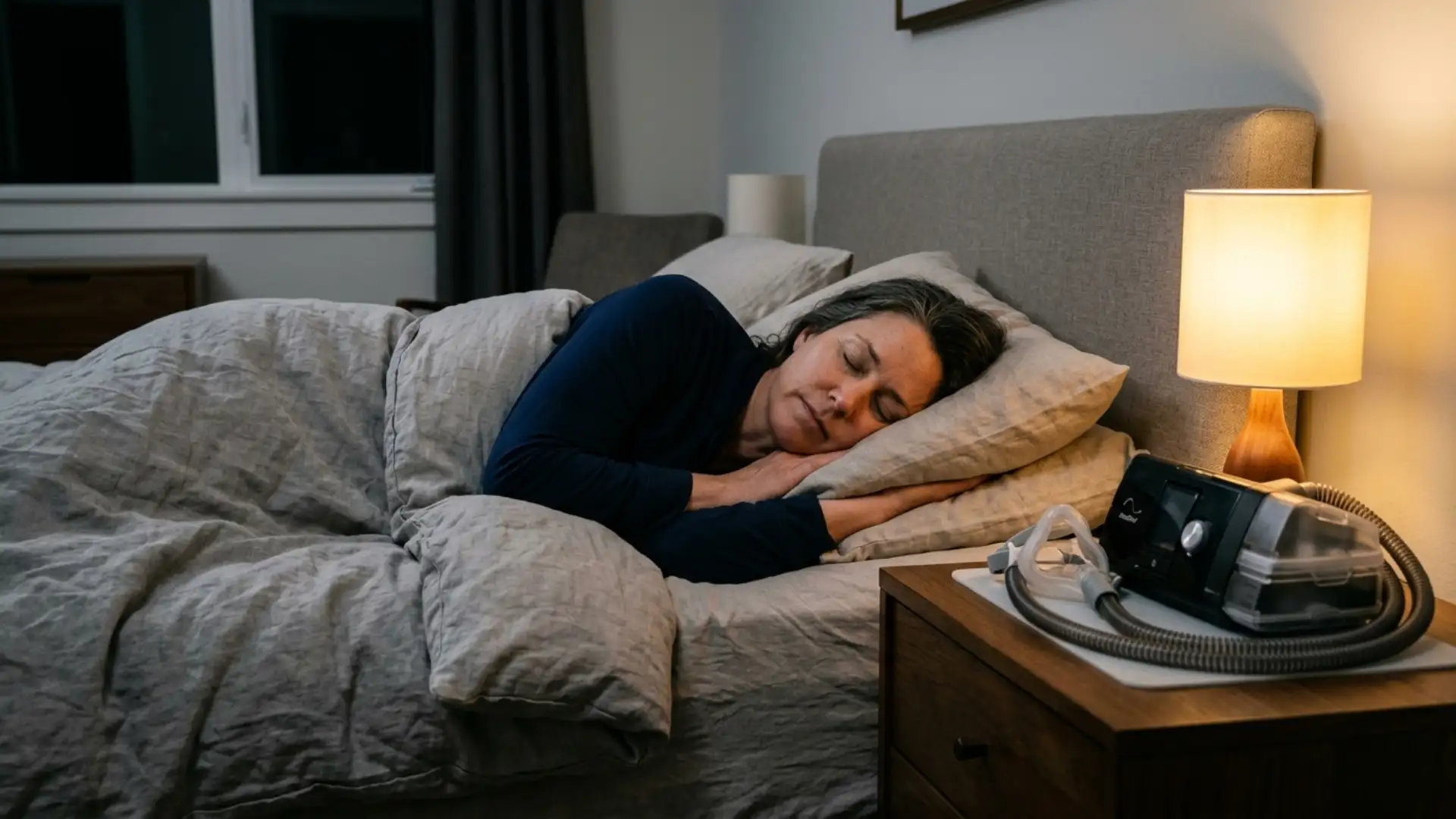





You snore a little. You wake up tired. Your partner says you stop breathing at night. These may seem minor, but they can point to a real sleep disorder.
Many people ignore the signs and assume mild cases are harmless. In reality, understanding mild sleep apnea life expectancy is about making informed choices, not creating fear.
Over time, untreated sleep apnea can put repeated stress on the heart, brain, and body. That long-term strain may raise the risk of serious health problems.
The encouraging part is that treatment can help, and lifestyle changes can also make a meaningful difference. Learning the risks early gives you the chance to protect your long-term health.
What Is Mild Sleep Apnea?
Mild sleep apnea means you stop breathing 5 to 14 times per hour while you sleep. These pauses last at least 10 seconds each time.
Your breathing stops because your throat muscles relax too much. This blocks your airway. Your brain then wakes you up just enough to breathe again. Many people don’t even know they have it. They just feel tired during the day, which is one reason sleep apnea without snoring can be easy to miss. They just feel tired during the day.
Sleep apnea life expectancy concerns increase when the condition goes untreated for years. Your body doesn’t get enough oxygen during those breathing pauses.
The good news is that mild sleep apnea responds well to treatment. Catching it early helps protect your long-term health.
Mild Sleep Apnea Life Expectancy
If you have mild sleep apnea, you are probably wondering how it affects how long you live. The good news is that mild cases carry far lower risks than moderate or severe sleep apnea.
Research shows that mild sleep apnea does not significantly cut life expectancy on its own. But that does not mean you can ignore it.
When left untreated, it can slowly progress. And as it gets worse, so do the health risks. Your heart, brain, and blood pressure all feel the effects over time.
Common Symptoms of Mild Sleep Apnea
Mild sleep apnea can be easy to miss. Knowing the signs early helps you take steps to protect your long-term health and life expectancy.
- Loud or Frequent Snoring: Snoring is one of the most common signs of mild sleep apnea and often the first thing a bed partner notices.
- Daytime Sleepiness: Even after a full night in bed, you may feel tired throughout the day because your sleep is repeatedly broken.
- Morning Headaches: Low oxygen levels during the night can cause blood vessels in the brain to widen, leading to dull headaches when you wake up.
- Trouble Staying Focused: Interrupted sleep affects how well your brain works. You may notice it is harder to concentrate, remember things, or make decisions.
- Mood Changes or Irritability: Poor sleep quality affects your emotional health. Feeling short-tempered or low in mood without a clear reason can be a sign.
- Mild Gasping or Choking Sensations: Some people with mild sleep apnea briefly gasp or feel a choking sensation before returning to normal breathing. This may go unnoticed.
Recognizing these early signs is important because mild sleep apnea often goes unnoticed for years. Identifying the symptoms early can help you seek treatment and prevent potential long-term health issues.
How Does Untreated Sleep Apnea Affect Life Expectancy?

When sleep apnea goes untreated, it creates ongoing stress on your body. Over time, untreated sleep apnea can raise the risk of heart, blood vessel, and blood sugar problems, especially if oxygen drops are frequent.
1. Low Oxygen and Stress Response
Each time you stop breathing, your oxygen levels drop. Your body releases stress hormones to wake you up. This happens dozens or hundreds of times each night. Your body stays in constant fight-or-flight mode. Over time, this stress can strain your heart and blood vessels
2. High Blood Pressure and Heart Strain
Sleep apnea forces your heart to work harder during the pauses in your breathing. Your blood pressure spikes repeatedly throughout the night. Many people with untreated sleep apnea develop chronic high blood pressure.
This makes your heart pump against more resistance. The extra workload can lead to heart disease. Your heart muscle may thicken or weaken over time.
3. Stroke and Brain Risks
Low oxygen levels during sleep can damage brain tissue. Blood clots form more easily when oxygen drops repeatedly. Untreated sleep apnea is linked with a higher stroke risk in long-term research, especially when oxygen drops are frequent or severe.
The connection between sleep apnea, life expectancy, and stroke risk is clear. Even mild cases increase your chances of memory problems. Your brain needs steady oxygen to stay healthy.
4. Type 2 Diabetes and Metabolic Risks
Sleep apnea disrupts how your body processes sugar. Poor sleep makes your cells less responsive to insulin. This increases your diabetes risk significantly. High blood sugar then creates more health problems.
The combination of diabetes and sleep apnea affects the life expectancy of those with mild sleep apnea. Both conditions damage blood vessels and organs together.
5. Arrhythmias and Sudden Cardiac Death Risk
Breathing pauses can trigger irregular heartbeats. Your heart rhythm becomes unstable when oxygen levels drop. Some people develop atrial fibrillation or other dangerous rhythms. These heart problems increase suddenly during sleep.
Breathing pauses can trigger irregular heartbeats, especially in people with other heart risks. In more severe or untreated cases, nighttime heart risks may rise, which is why treatment matters.
Understanding how untreated sleep apnea affects the body is key to protecting long-term health. Over time, repeated breathing interruptions can strain vital organs and increase the risk of serious conditions that may impact life expectancy.
Factors that Influence Life Expectancy with Mild Sleep Apnea
Mild sleep apnea affects people differently. Several key factors decide how much it impacts your health and how long you live.
- How Early You Get Diagnosed: Finding mild sleep apnea early gives you more time to treat it before it causes lasting damage to your health.
- Progression From Mild to Severe Sleep Apnea: Mild sleep apnea can advance to moderate or severe if left unmanaged. Severe cases carry a much higher risk of early death.
- Other Health Conditions You Already Have: Having heart disease, high blood pressure, or type 2 diabetes alongside sleep apnea raises your overall health risk significantly.
- Your Weight and Body Composition: Excess weight, especially around the neck, puts pressure on the airway during sleep, making sleep apnea harder to control.
- How Well You Stick to Treatment: Consistent treatment through lifestyle changes or prescribed therapy directly lowers the health risks tied to sleep apnea and life expectancy.
- Daily Habits Like Smoking and Alcohol Use: Smoking irritates the airway and alcohol relaxes throat muscles, both of which make sleep apnea worse and increase long-term health risks.
Several factors can influence how mild sleep apnea affects long-term health outcomes. Understanding these risks can help you manage symptoms early and reduce potential complications over time.
Effects of Untreated Mild Sleep Apnea
Leaving mild sleep apnea untreated affects your body in two ways. It causes daily discomfort now and raises serious health risks over time, directly impacting life expectancy.
Short-Term Effects
- Feeling tired no matter how much you sleep
- Waking up with headaches most mornings
- Struggling to focus at work or school
- Feeling irritable or moody throughout the day
- Snoring that disturbs your sleep and others
Long-Term Effects
- Higher risk of developing heart disease over time
- Blood pressure that becomes harder to control
- Increased chance of having a stroke
- Memory loss and gradual cognitive decline with age
- Greater risk of type 2 diabetes developing
Understanding the effects of untreated mild sleep apnea is important for protecting overall health. Even mild cases can gradually impact the body if symptoms persist without proper management.
Who is More Likely to Have Long-Term Risk?
Not everyone with mild sleep apnea faces the same risks. Certain factors can make mild cases more dangerous and affect life expectancy in people with mild sleep apnea more significantly. Some conditions and habits make mild sleep apnea more harmful:
- Significant Daytime Sleepiness: If you feel exhausted despite sleeping enough hours, your body is struggling. Extreme tiredness signals that mild sleep apnea is already affecting you. This increases your health risks.
- High Blood Pressure, Diabetes, Heart Disease History: Existing health problems combine with sleep apnea. The two conditions stress your body together. Your risk of complications increases significantly.
- Big Oxygen Desaturations On The Sleep Report: Some people’s oxygen levels drop more than others. If your sleep study shows deep oxygen dips, even mild sleep apnea becomes more serious. Those drops damage your organs faster.
- Obesity, Alcohol Use Near Bedtime, Smoking: Extra weight makes breathing problems worse. Alcohol relaxes your throat muscles even more. Smoking inflames your airways. Each factor amplifies the others, worsening the life expectancy in sleep apnea.
- Older Age: Sleep apnea becomes more dangerous as you age. Your heart and blood vessels are less resilient. Older adults with mild sleep apnea face higher risks than younger people with the same severity.
Research suggests mild-to-moderate sleep apnea is linked with a higher chance of future high blood pressure and blood sugar problems, especially when other risk factors are present. This risk appears especially strong in younger and middle-aged adults. Early treatment protects your long-term health.
Sleep Apnea Severity Levels and Risk
Sleep apnea severity depends on how many times you stop breathing each hour. As the number increases, so do health risks and impacts on the life expectancy of those with mild sleep apnea.
Mild Sleep Apnea

Mild sleep apnea means 5 to 14 breathing pauses per hour. You might feel tired but still function okay during the day. Even at this level, your body experiences stress. Your blood pressure may start rising at night.
Treatment at this stage can prevent worse problems. Mild sleep apnea life expectancy improves significantly with early intervention.
Treatments Available: Lifestyle changes like weight loss, quitting smoking, reducing alcohol, positional therapy, and custom oral appliances are commonly recommended for mild cases.
Moderate Sleep Apnea

Moderate cases involve 15 to 29 breathing pauses each hour. Your sleep quality drops noticeably.
Daytime fatigue becomes harder to ignore. You might fall asleep during quiet activities.
Health risks increase at this level. Your heart works harder throughout the night. Blood oxygen levels drop more often and deeper.
Treatments Available: CPAP therapy, custom oral appliances, and a structured weight management program are the most commonly recommended treatments for moderate sleep apnea.
Severe Sleep Apnea

Severe sleep apnea means 30 or more breathing pauses per hour. Some people stop breathing hundreds of times nightly. Your body never gets proper rest. Oxygen levels drop dangerously low.
Sleep apnea life expectancy concerns are greatest here. Heart disease, stroke, and diabetes risks all jump significantly. Immediate treatment becomes critical.
Treatments Available: CPAP or BiPAP therapy, surgical options such as jaw advancement, and an implantable nerve stimulator are the primary treatments for severe sleep apnea.
Each severity level increases your health risks. More breathing pauses mean more oxygen drops and stress on your body.
In general, health risks rise as sleep apnea becomes more severe, especially when oxygen drops are deeper and more frequent. But treatment works at any level and can improve life expectancy for people with sleep apnea.
When to See a Doctor
Knowing when to get medical help is a key step in protecting your life expectancy with mild sleep apnea. The sooner you act, the better your chances of avoiding serious health problems.
If you snore loudly, feel tired every day, or often wake up with headaches, talk to a doctor. These are early signs that your sleep and breathing may need attention.
You should also see a doctor if someone tells you that you gasp or stop breathing during sleep. This is a clear warning sign.
Do not wait for symptoms to get worse. Early diagnosis and treatment can significantly reduce the long-term risks associated with sleep apnea and improve life expectancy.
Tips to Reduce the Risks of Mild Sleep Apnea
Small, consistent changes in daily habits can lower the health risks tied to mild sleep apnea and help you sleep better every night.
- Lose Extra Weight if You Are Overweight: Losing even a small amount of weight can reduce airway pressure during sleep and improve mild sleep apnea symptoms noticeably.
- Sleep on Your Side Instead of Your Back: Back sleeping causes the tongue and soft tissues to block the airway. Side sleeping keeps the airway open more easily.
- Cut Back on Alcohol, Especially at Night: Alcohol relaxes the muscles in your throat, making airway collapse more likely during sleep and worsening breathing disruptions.
- Quit Smoking as Soon as Possible: Smoking causes swelling and irritation in the upper airway, which makes sleep apnea harder to manage and increases long-term health risks.
- Keep a Consistent Sleep Schedule Every Day: Going to bed and waking up at the same time each day supports deeper, more stable sleep that reduces breathing interruptions at night.
- Follow Up With Your Doctor Regularly: Regular check-ins help track any changes in your condition. Early action prevents mild sleep apnea from advancing and affecting your life expectancy.
Taking simple steps to manage mild sleep apnea can significantly improve sleep quality and overall health. Healthy habits and early lifestyle changes can help reduce symptoms and lower long-term risks.
Wrapping It Up
Mild sleep apnea’s life expectancy depends on getting treatment. The condition affects your heart, brain, blood pressure, and overall health.
The good news is clear. Mild sleep apnea is treatable, and early steps can protect your long-term health. If you have symptoms, ask your doctor about a sleep study so you can choose the option that’s right for you.
If you have symptoms, don’t wait. Talk to your doctor about getting a sleep study. Early diagnosis protects your long-term health.
Understanding how sleep apnea affects life expectancy and how your choices connect to it gives you power. You can take steps today that protect your future.
Did this guide help you better understand your risks? Share it with someone who might need this information.
Frequently Asked Questions
Can You Live a Normal Life with Mild Sleep Apnea?
Yes, many people live a normal life with treated mild sleep apnea. Treatments like PAP therapy or lifestyle changes reduce health risks. Untreated cases can lead to serious problems over time.
Will Sleep Apnea Go Away?
Sleep apnea rarely goes away on its own. Weight loss can reduce or eliminate mild cases. Most people need ongoing treatment like PAP therapy, oral appliances, or lifestyle changes to manage it.
What Is the Root Cause of Sleep Apnea?
Throat muscles relax too much during sleep, which can block your airway. Common causes include excess weight, large tonsils, a thick neck, aging, and anatomical factors such as a narrow airway or a large tongue.