
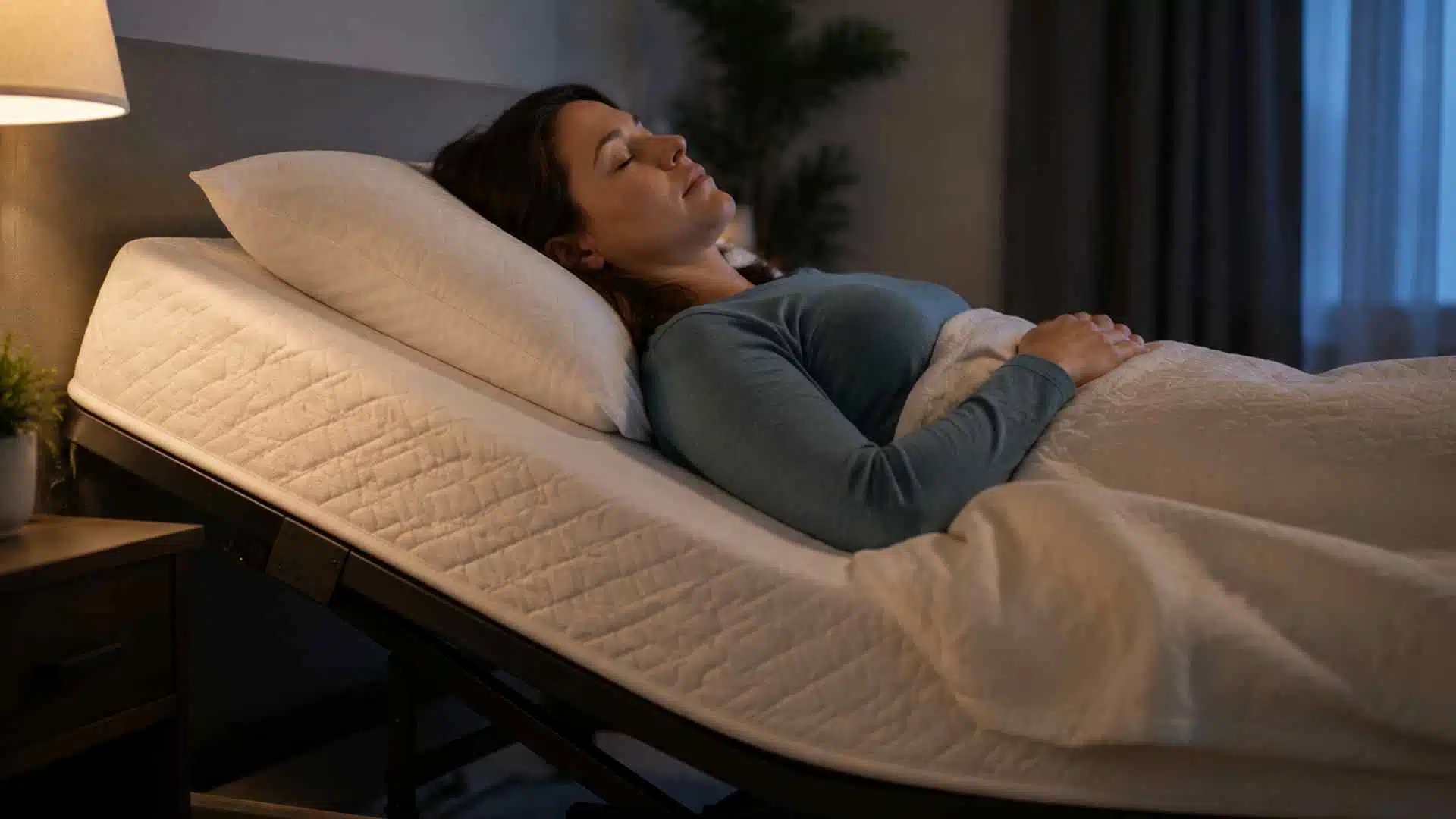



Sleep can feel difficult when shoulder pain does not ease at night. For many people with calcific tendonitis, lying down brings more discomfort than rest. The shoulder may ache, stiffen, or wake you up again and again.
This makes falling asleep and staying asleep a real challenge. Learning how to sleep with calcific tendonitis is not about one single fix. It is about small changes that work together.
The right pillow support and bedtime habits can reduce pressure on the shoulder and make nights more manageable.
If you are still testing what works for your body, reviewing various sleep setups can help you narrow down where to start. Pain may still be present, but the goal is to lower its intensity and improve rest.
What Is Calcific Tendonitis?
Calcific tendonitis is a condition where calcium deposits form within the tendons of the shoulder, particularly impacting the rotator cuff and causing substantial pain and discomfort.
This condition is most often diagnosed in people aged 40 to 60, with women more frequently affected, and calcific tendonitis accounts for 42.5% of patients with subacromial pain syndrome.
The deposits go through three stages: a formative phase, a resting phase, and a resorptive phase.
Pain is primarily caused by the inflammation and pressure the calcium deposits create within the tendon, which can lead to a condition known as shoulder impingement.
Note : Knowing the stage you are in can help you and your doctor choose the right nighttime management approach.
Why Does the Pain Get Worse at Night?
Nighttime shoulder pain from calcific tendonitis is not random. Three biological factors drive it every single night.
- Direct pressure on the tendon. When you lie down, especially on your side, you place direct and sustained pressure on your shoulder joint. This compresses the inflamed tendon and bursa, significantly amplifying pain signals.
- Your cortisol drops at night. Cortisol, the body’s anti-inflammatory hormone, naturally peaks in the morning and gradually dips to its lowest point in the evening and during early sleep hours. That means the body loses its natural anti-inflammatory protection precisely when it is preparing for rest.
- Inflammatory chemicals peak overnight. Pro-inflammatory cytokines such as Interleukin-6 often show elevated levels during the night, further contributing to heightened pain perception and the familiar deep aching that wakes you at 2 or 3 AM.
These three factors stack on top of each other, which explains why rest can feel more painful than activity. Source: Science Sights
Best Sleeping Positions for Calcific Tendonitis
Sleep becomes difficult with calcific tendonitis due to shoulder pressure and inflammation, but certain positions can significantly reduce pain and improve nighttime comfort.
1. Back Sleeping (The Top Choice)
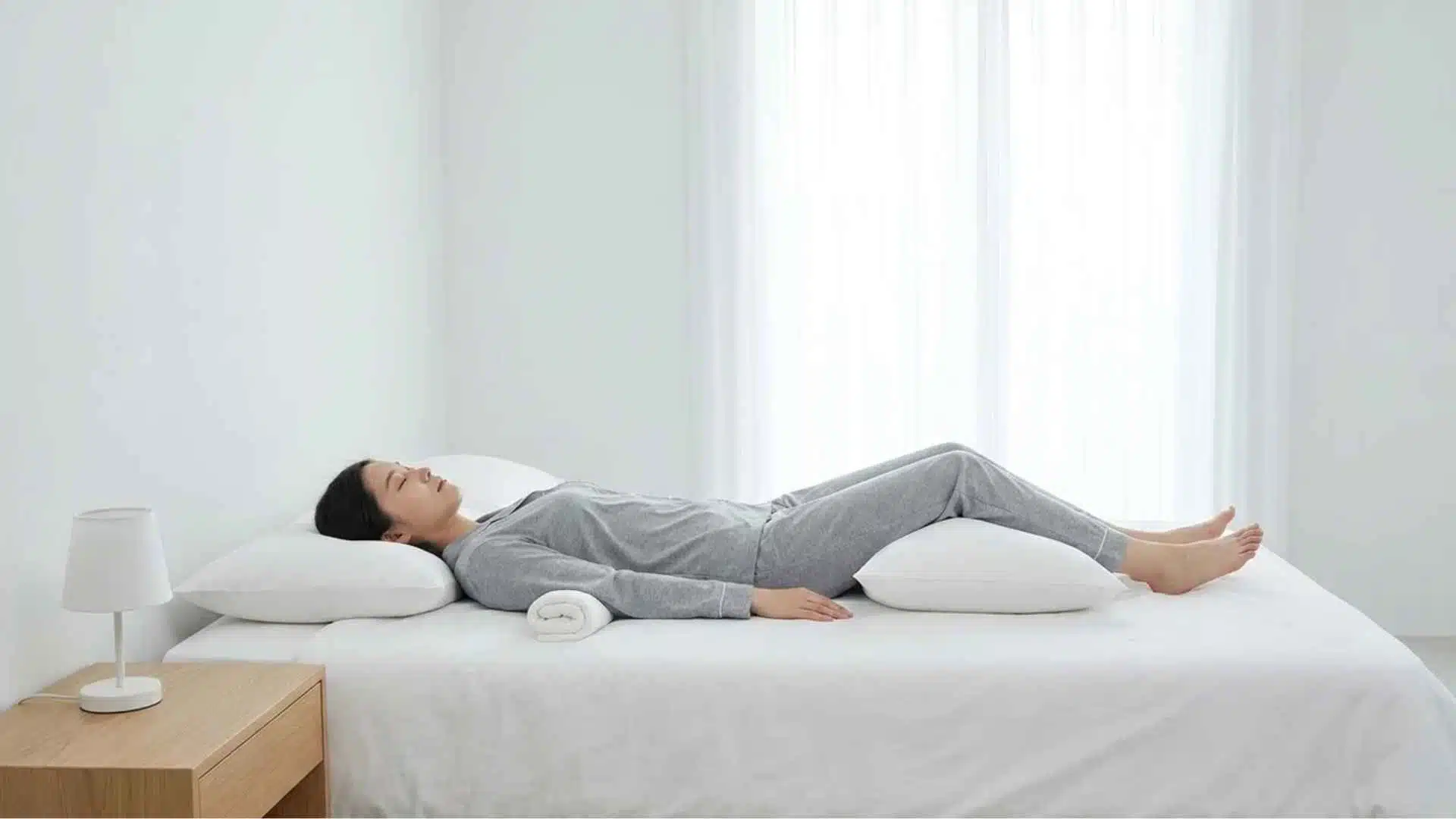
Sleeping on your back is widely recommended by orthopedic specialists because it places the least stress on the shoulder joint.
Lie flat, then place a small rolled towel or thin pillow under the elbow of the affected arm to keep it slightly lifted and supported. Add a pillow under your knees to take the strain off your lower back.
2. Side Sleeping on the Unaffected Shoulder

Sleeping on the unaffected side with a pillow hugged to the chest works well for calcific tendonitis, though the rules differ slightly from general shoulder pain advice for side sleepers, since an inflamed tendon needs more deliberate arm support.
Place a small pillow or folded towel under the affected arm to stop the shoulder from collapsing inward, which creates space for the tendon and reduces irritation.
3. Reclined Position for Flare-Up Nights
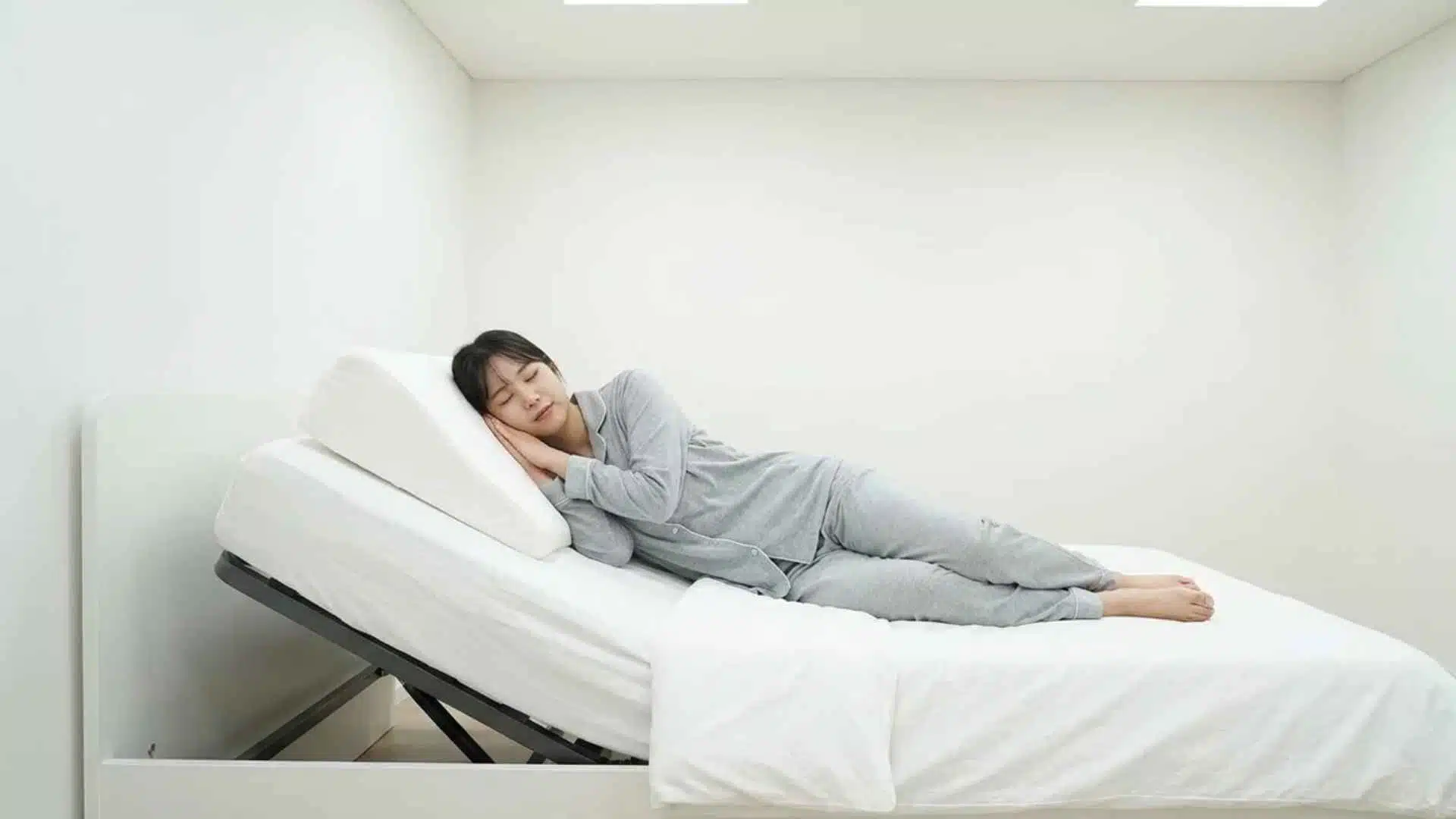
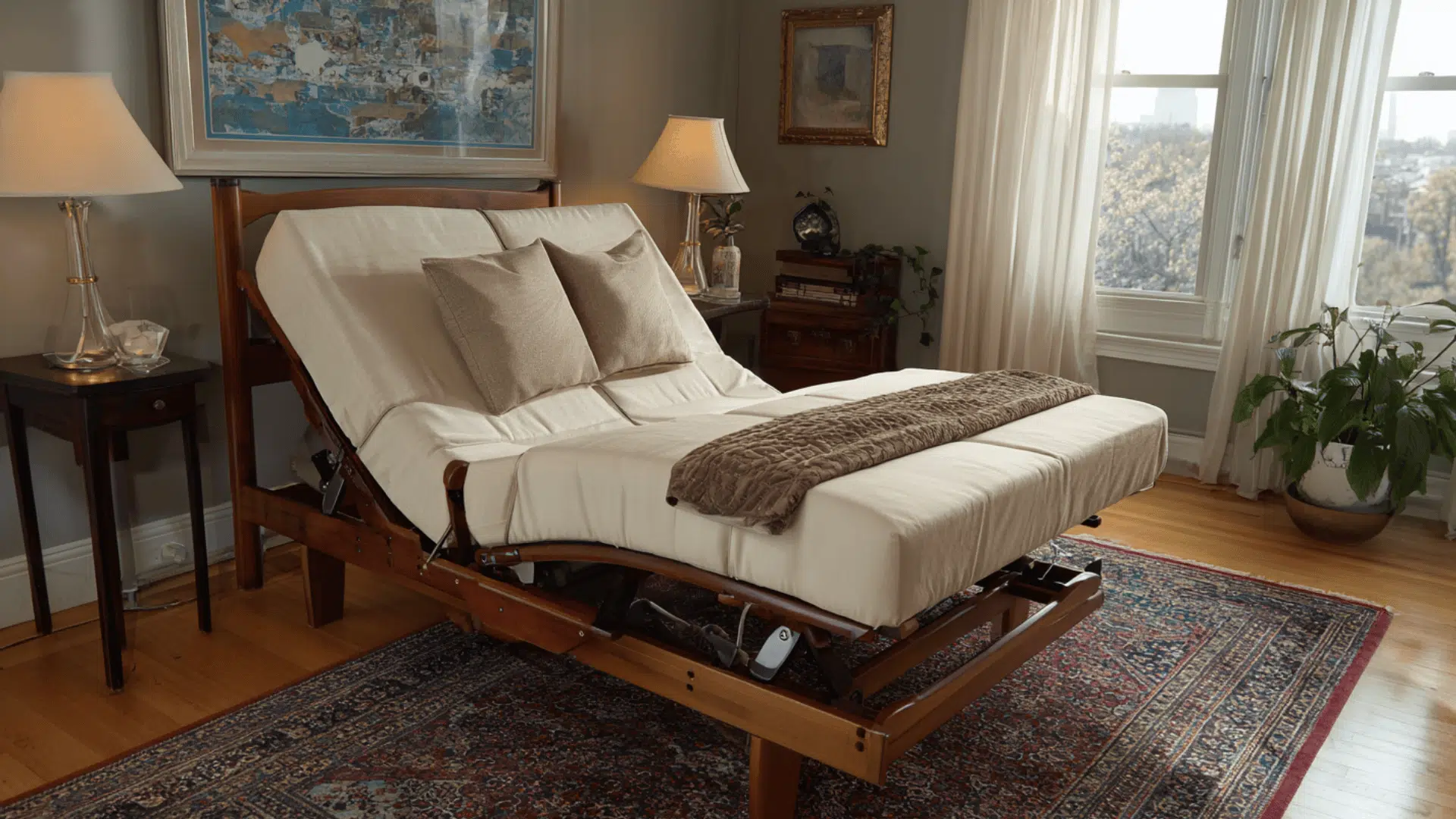
A reclined sleeping position of 30 to 45 degrees can reduce intra-shoulder pressure when side sleeping fails.
A wedge pillow or a recliner chair works well during an acute flare when lying flat is simply not possible.
When to Use a Reclined Position A reclined position works best during flare-ups when lying flat or side sleeping hurts, as elevating the upper body 30–45 degrees reduces shoulder joint pressure and inflammation. |
4. Semi-Prone “Supported Stomach” Position
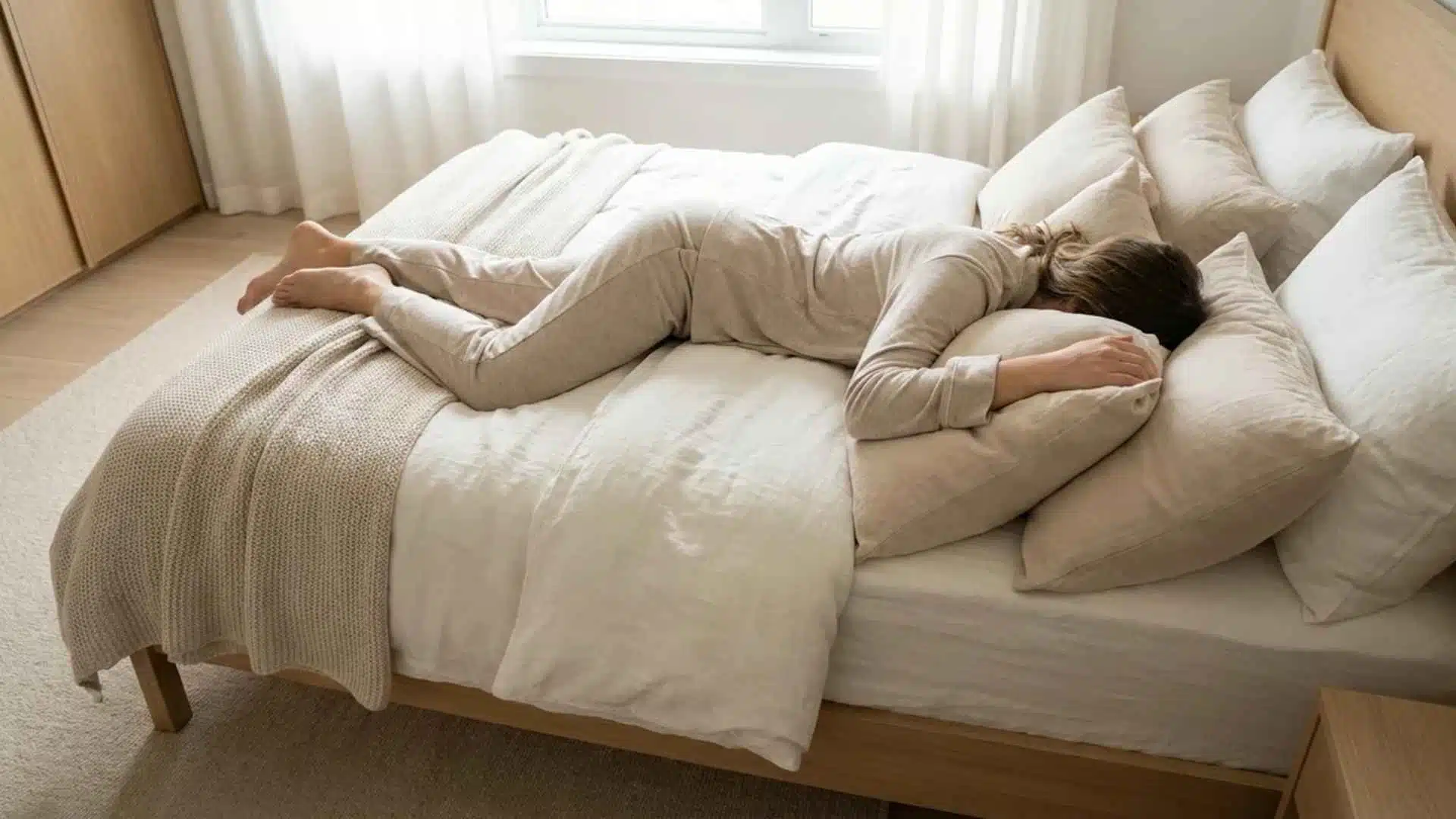
A modified stomach position can work for some people when other positions feel too restrictive. Lie partly on your stomach but roll slightly toward the unaffected side.
Place a thick pillow under the chest and another under the affected arm to prevent the shoulder from being compressed or twisted.
5. Hugged Pillow Forward Support Position

This position helps prevent the shoulder from rolling backward during sleep.
Lie on your back or unaffected side while hugging a firm pillow across the chest. Rest the affected arm on the pillow so it stays slightly elevated and supported throughout the night.
Finding the right sleeping position reduces shoulder pressure, limits nighttime pain, and supports healing, but consistency matters more than any single position change.
Sleeping Positions to Avoid
Certain sleeping positions increase shoulder pressure in calcific tendonitis, often worsening pain and inflammation and disrupting sleep throughout the night.
| Position | Why It Makes Pain Worse |
|---|---|
| Stomach sleeping | Applies excessive pressure to the shoulder and can intensify pain and delay healing. |
| Arm overhead or under pillow | Stretches the inflamed tendon under load. Almost guarantees waking in pain. |
| Affected-side sleeping | Direct compression on the calcium deposit worsens overnight inflammation and bursitis. |
Avoiding these positions reduces shoulder strain, minimizes inflammation, and helps create a more stable, less painful sleep environment overall.
Pillow Setup That Reduces Shoulder Pressure
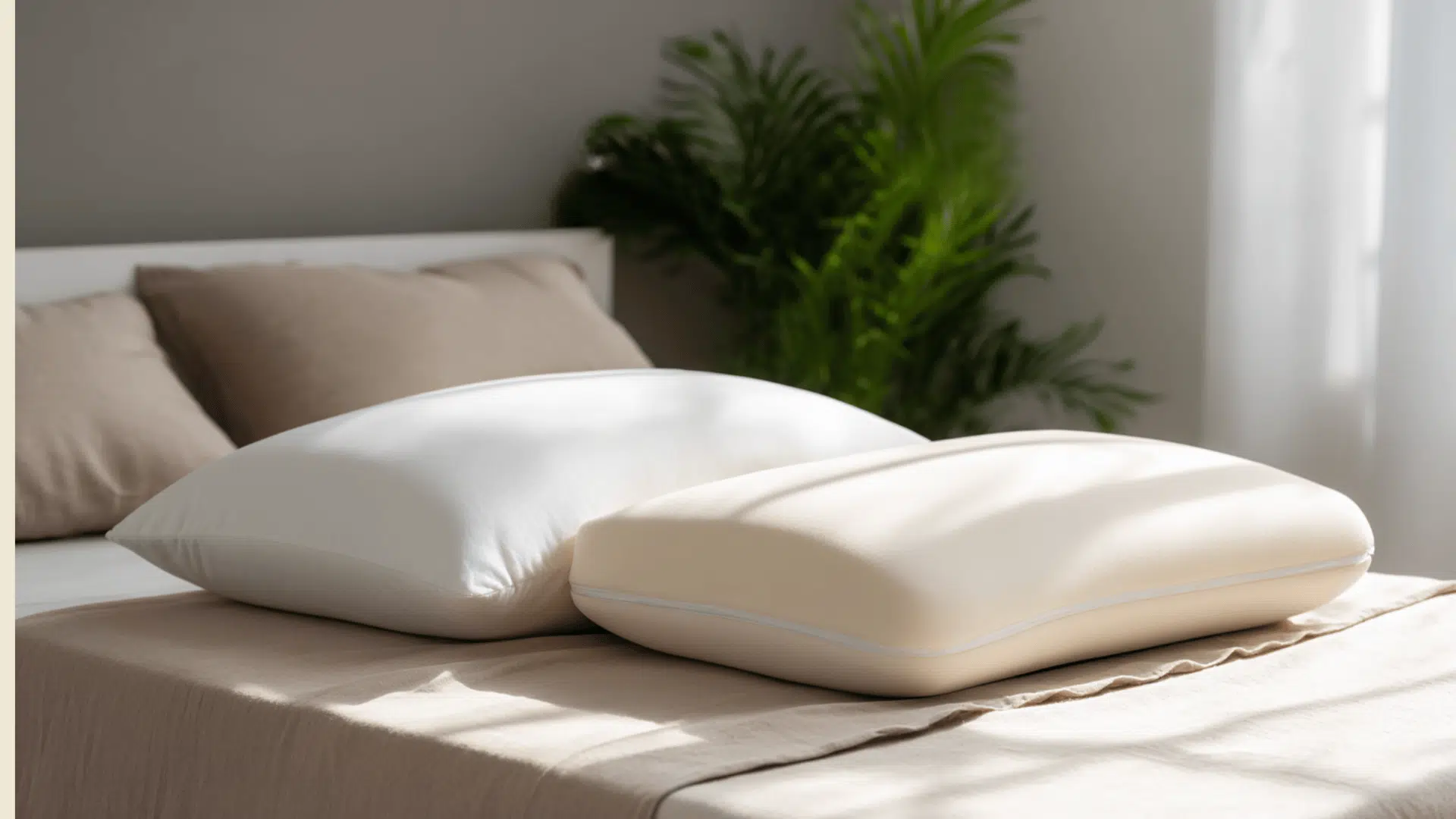
Proper pillow placement helps maintain shoulder alignment, reduces tendon compression, and supports pain-free sleep in calcific tendonitis by effectively minimizing pressure on inflamed structures overnight.
For Back Sleepers
A back-sleeping support setup helps keep the neck aligned and reduces shoulder pressure by properly positioning the head and the affected arm.
Under the head, a low-profile or medium pillow maintains a neutral neck position, preventing forward tilt and reducing strain on cervical and shoulder structures during sleep.
Under the elbow, a rolled towel or small travel pillow gently elevates the affected arm, keeping the shoulder from collapsing into the mattress and reducing pressure on inflamed tendons throughout the night.
This simple back-sleeping setup improves alignment, reduces compression, and helps minimize nighttime shoulder pain and stiffness.
For Side Sleepers (Unaffected Side)
Side sleeping on the unaffected shoulder requires proper support to maintain alignment and reduce strain on the painful shoulder joint.
Under the heading: A standard pillow should fill the space between your ear and the mattress, keeping your neck straight and aligned. This prevents tilting, reduces cervical strain, and supports even weight distribution across shoulders.
Against the chest: A firm pillow placed against the chest keeps the top arm supported at shoulder level. It prevents the arm from dropping forward, reducing rotator cuff tension and limiting pressure on the affected shoulder.
Body pillow option: A full-length body pillow supports the entire arm and torso, maintaining side alignment throughout the night. It helps prevent rolling toward the painful shoulder and reduces accidental compression during sleep movements.
Proper side sleeping support reduces shoulder strain, improves alignment, and helps maintain a more stable and comfortable sleep position.
Mattress Firmness
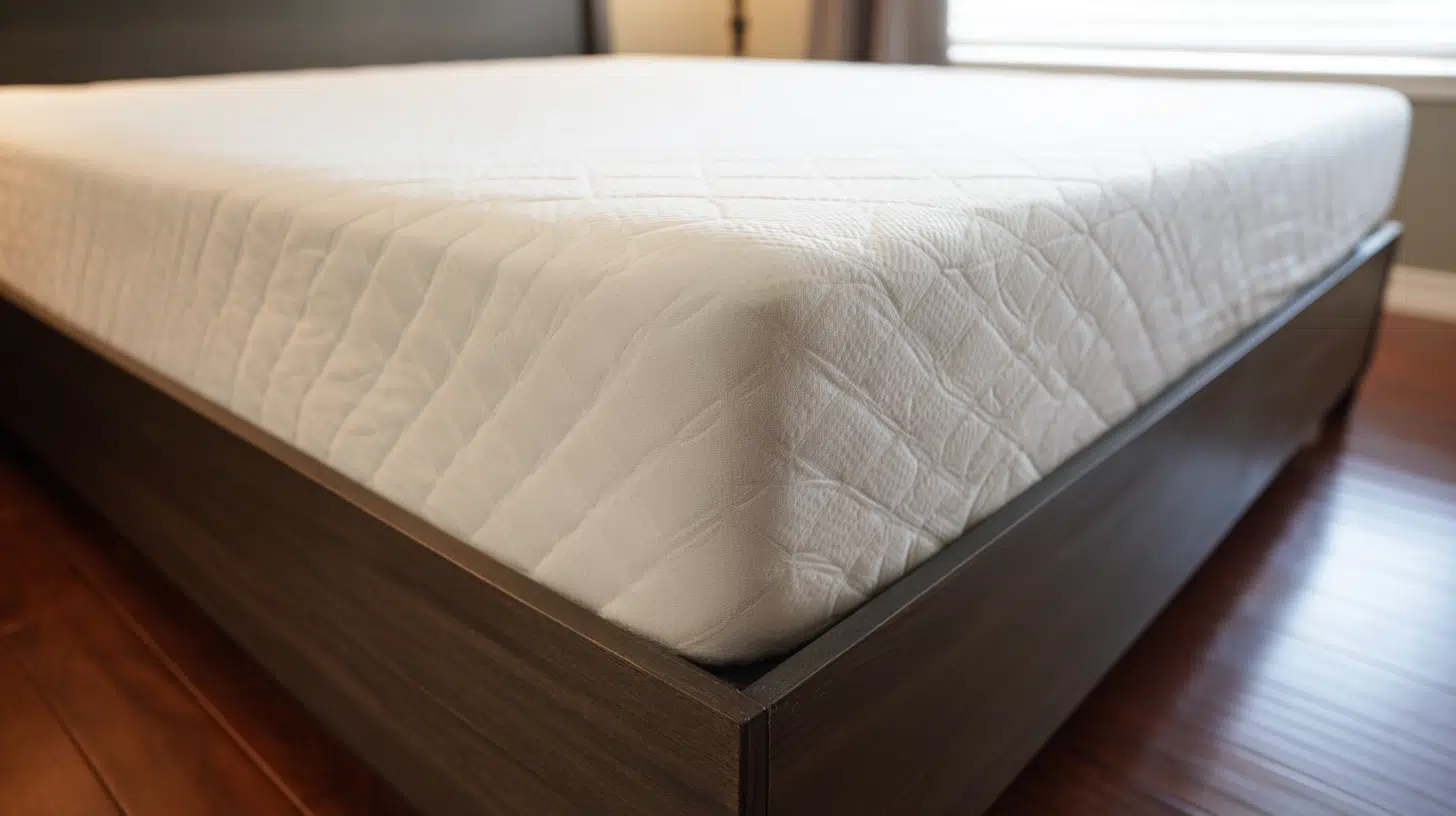
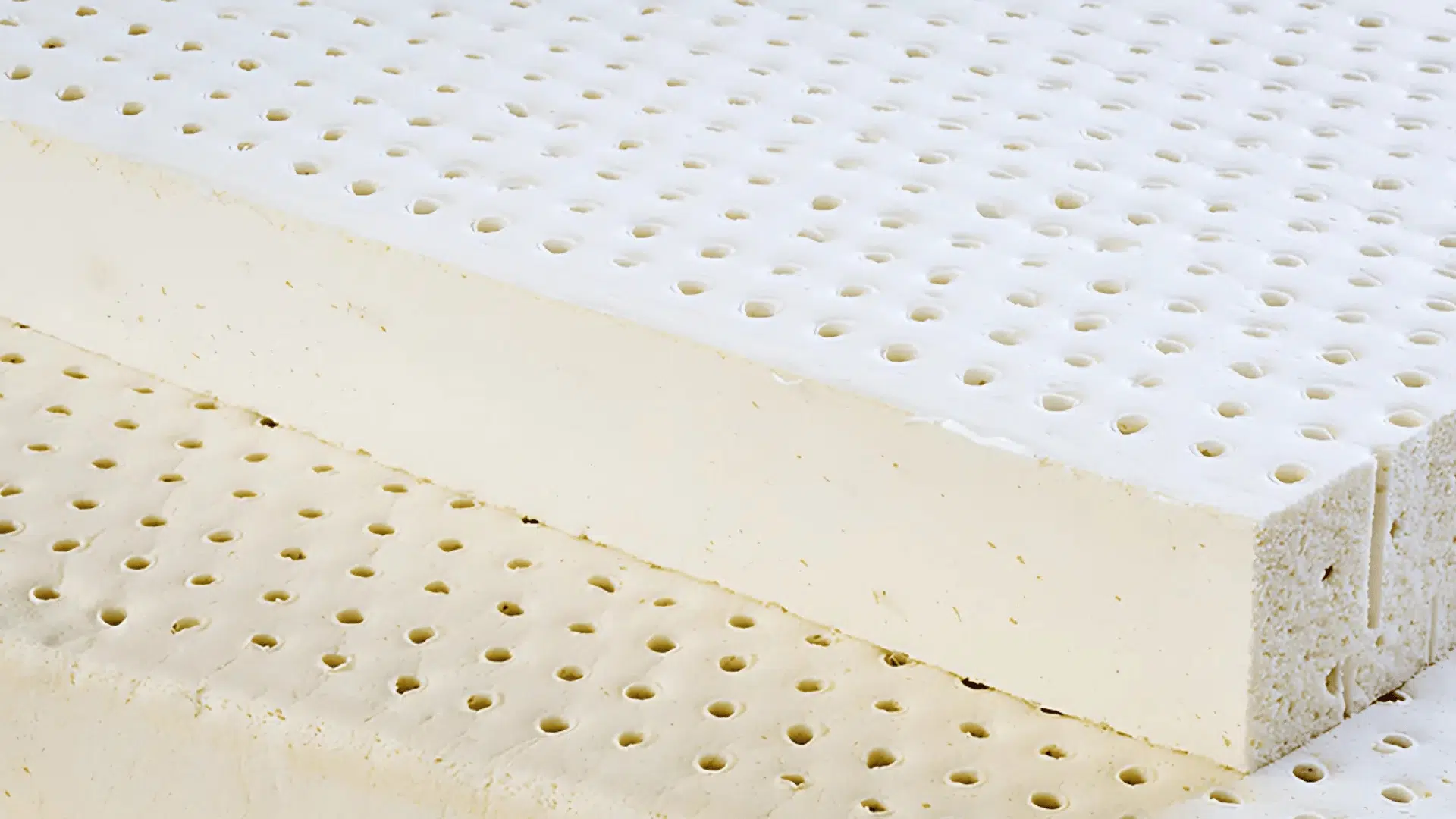
Mattress firmness plays an important role in managing calcific tendonitis pain during sleep.
Extremely soft mattresses allow the shoulder to sink too deeply, creating an awkward angle that increases pressure on inflamed tendons.
A medium-firm mattress helps keep the torso level and maintains proper shoulder alignment throughout the night, reducing strain, improving support, and promoting more comfortable, stable sleep positioning overall.
Pro Tip: If you wake with your arm under your body or overhead, place a rolled blanket behind your back to prevent rolling onto the affected shoulder.
Getting the pillow set up right costs nothing but requires a bit of trial and error for the first few nights.
Sleep Environment Setup
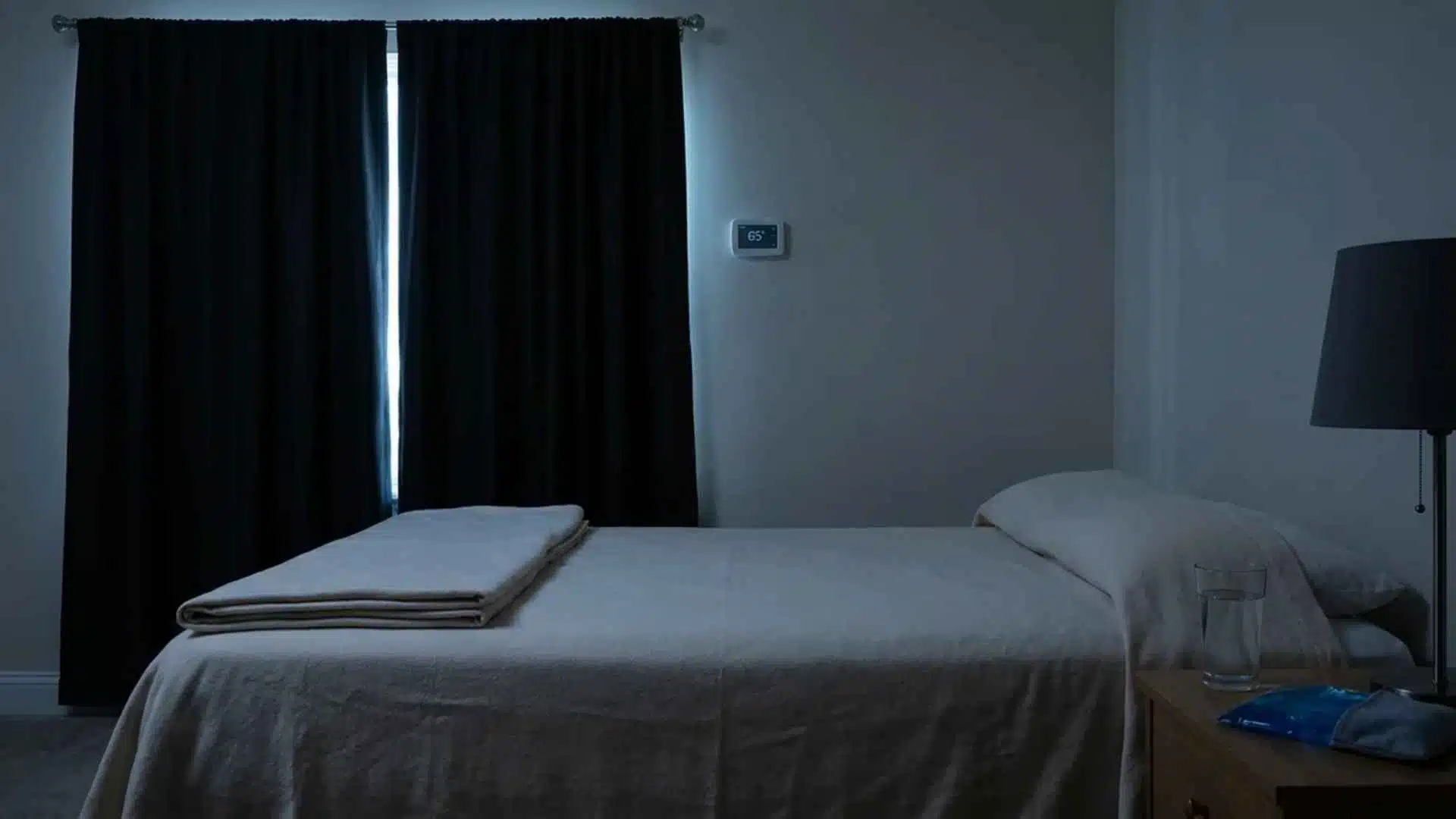
The right sleeping position and pillow setup can only do so much if the room around you is working against your body’s recovery process.
A few environmental adjustments make a real difference to how quickly you fall back asleep and how deeply you sleep through the night.
- Keep the room cool. A bedroom temperature between 60°F and 65°F supports natural sleep regulation. A cooler room may also help reduce shoulder inflammation and improve the quality of rest in calcific tendonitis.
- Choose lighter bedding during a flare. Heavy comforters and thick blankets can pull on the arm during sleep, especially when changing positions. During flare-ups, using a lighter blanket or cotton sheet reduces tension and prevents unnecessary nighttime discomfort.
- Reduce light exposure: Keeping the room dark supports natural melatonin production, which regulates sleep cycles. In calcific tendonitis, darkness may reduce nervous system stress and improve sleep quality. Blackout curtains or a sleep mask help maintain steady darkness and promote deeper, more stable rest throughout the night.
- Keep an ice pack within reach: Place a gel ice pack (wrapped in a cloth sleeve) on your nightstand before bed. If pain wakes you at 2 AM, having it ready means you can apply it within seconds rather than getting up and aggravating the shoulder at the worst possible time.
- Reduce noise: The CDC recommends a quiet sleep environment to support better pain tolerance and relaxation. Background noise can keep the nervous system slightly active, lowering sleep quality. Using white noise machines or earplugs helps reduce disturbances, supporting deeper rest.
Getting the environment right before you lie down removes several low-level stressors that quietly add to nighttime shoulder pain.
Pre-Bed Routine to Lower Pain Before You Lie Down
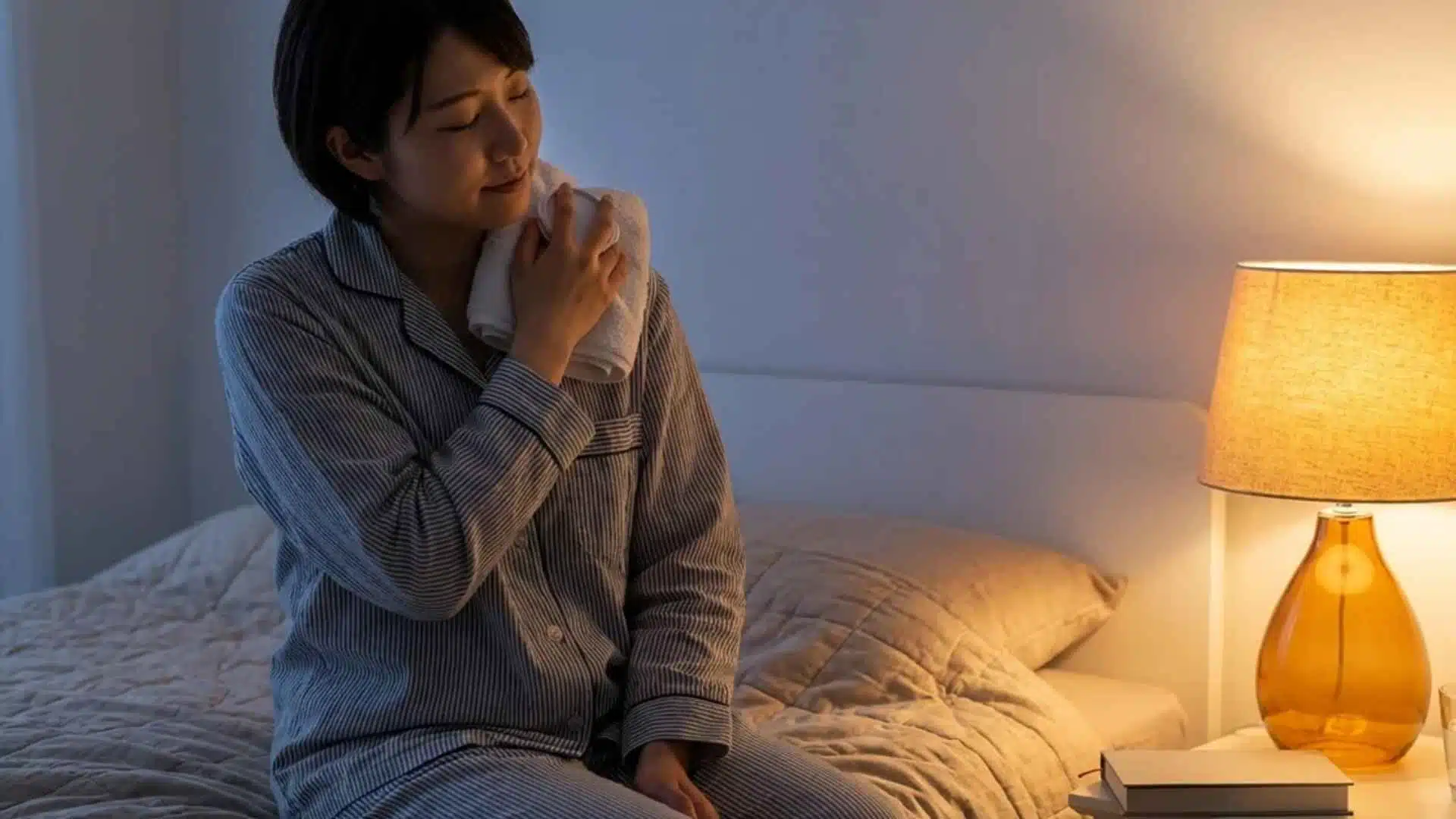
Night pain from calcific tendonitis can be eased with targeted pre-sleep habits, including icing, medication timing, gentle movement, and relaxation techniques.
1. Ice the Shoulder (Not Heat)
A 2021 study suggests that applying ice for 15 to 20 minutes lowers skin temperature and can reduce pain and inflammation.
Wrap the ice in a towel to avoid direct contact with the skin and the risk of an ice burn
Avoid heat before bed. It increases local swelling and worsens the overnight inflammatory peak already driven by falling cortisol levels.
2. Time Your OTC Pain Reliever Right
NSAIDs are the primary recommended treatment for calcific tendinitis. Taking them before bed may help reduce shoulder pain enough to make it easier to fall asleep.
Always follow dosing instructions on the label and talk to your doctor about ongoing use.
The CDC recommends NSAIDs as a nonopioid pain therapy that can be effective for musculoskeletal conditions.
3. Gentle Pendulum Stretches
Stand and lean forward slightly, letting the affected arm hang at your side. Swing it gently in small circles for 30 to 60 seconds.
This movement creates mild traction, opening the subacromial space and encouraging fluid drainage. Do not push through sharp pain.
The goal is gentle decompression. Ask a physical therapist which exercises are appropriate for your current stage before starting. Source: Healthline
4. Mindfulness Before Lights Out
A 2023 review suggests that mindfulness techniques, including meditation and breathing exercises, may be the most promising approach for reducing pain and improving sleep.
Even 10 minutes of slow breathing can lower pain sensitivity before you lie down.
Consistent nighttime routines combining ice, safe medication use, gentle movement, and relaxation techniques can significantly reduce pain and improve sleep quality over time.
Sleep Hygiene for Chronic Shoulder Pain
For people who live with chronic or other types of pain, practicing good sleep hygiene may help them feel rested and refreshed, including getting enough hours of sleep each night.
Keep a consistent sleep and wake schedule seven days a week. This stabilizes your body’s cortisol rhythm, which means less unchecked inflammation at night. Keep the bedroom cool.
The National Sleep Foundation recommends around 65 to 68°F (18 to 20°C) for most adults.
Limit caffeine after 2 PM and avoid screens for 30 minutes before bed. Blue light from phones and tablets delays melatonin release, and melatonin is already disrupted when pain is present.
Heavy comforters can also pull on the arm during the night, so choose lighter bedding during a flare.
Recovery Timeline: What to Expect at Each Stage
Recovery from calcific tendonitis is not linear, and sleep disruption does not follow a clean arc from bad to better.
Understanding what typically happens at each stage helps you set realistic expectations and avoid stopping treatment too early.
Most cases of calcific tendonitis of the shoulder will eventually resolve, with an expected recovery period of 12 to 18 months.
During this period, calcium deposits will slowly disappear, with pain levels varying from person to person.
The table below maps what sleep typically looks like at each stage:
| Stage | What is happening | Typical sleep impact | Duration |
|---|---|---|---|
| Formative phase | Calcium crystals begin depositing in the tendon | Mild aching at night; most people sleep reasonably well | Weeks to a few months |
| Resting phase | Deposits stabilize and stop growing | Intermittent nighttime pain, often worse after active days | Around 6 to 9 months |
| Resorptive phase | The body begins breaking down the deposit, the most painful stage | Frequent night waking, acute pain at rest, difficulty finding any comfortable position | 6 to 12 months; most severe sleep disruption |
| Post-calcific phase | Deposit fully absorbed; tendon remodels with new tissue | Pain gradually decreases; sleep improves steadily | Weeks to months after resorption |
The resorptive phase is the one that brings most people to the internet searching for sleep help.
It feels counterintuitive because the body is actually healing, but the inflammatory response that drives reabsorption is also the reason pain peaks during this stage.
While some cases resolve in a few weeks, the natural timeline for complete disappearance of calcium deposits can span from 6 months to several years, depending on the size and chemical composition of the deposit.
When to See a Doctor
Home strategies work well for mild to moderate pain. Some signs mean you need more than a pillow adjustment.
Severe pain that disrupts sleep and reduced range of motion are key signs that calcific tendonitis may need medical evaluation.
When symptoms persist or worsen despite home care, a healthcare provider can help confirm the diagnosis and guide treatment options.
Seek medical care if any of the following apply:
- Pain has not improved after 6 to 8 weeks of consistent conservative management
- Numbness or tingling travels down the arm, suggesting possible nerve involvement
- You are unable to lift the arm above shoulder height without significant pain or restriction
- Sleep disruption continues despite changes in positioning, pillows, and bedtime routine
- Pain begins suddenly and severely without an obvious trigger or injury
In persistent cases, treatments may include steroid injections, physical therapy, or NSAIDs to reduce inflammation.
When conservative care is not enough, procedures such as ultrasound-guided barbotage to remove calcium deposits or extracorporeal shockwave therapy may be recommended to improve shoulder function and reduce long-term pain.
The Bottom Line
Calcific tendonitis can turn nights into a cycle of pain, poor sleep, and constant repositioning. Small, consistent changes make a real difference. The right sleeping position helps reduce shoulder pressure.
Proper pillow support keeps the joint aligned. Simple bedtime habits like icing, gentle movement, and relaxation can ease discomfort before sleep.
Over time, these adjustments can improve the quality of rest and reduce night-time flare-ups.
There is no single fix that works for everyone. Learning how to sleep with calcific tendonitis usually comes down to building a routine that supports the shoulder night after night.
Frequently Asked Questions
What Is the Best Sleeping Position for Calcific Tendonitis?
Back sleeping is best. It removes direct pressure from the shoulder joint and keeps the tendon properly aligned overnight.
Should I Use Ice or Heat Before Bed with Calcific Tendonitis?
Always use ice, not heat. Ice reduces inflammation before sleep. Heat increases local swelling and worsens the overnight inflammatory response.
How Firm Should My Mattress Be for Shoulder Pain at Night?
A medium-firm mattress works best. It keeps your torso level, prevents the shoulder from sinking, and maintains proper joint alignment throughout sleep.
How Long Will Sleep Disruption Last with Calcific Tendonitis?
Sleep disruption is worst during the resorptive phase and can last six to twelve months. Most cases fully resolve within twelve to eighteen months.