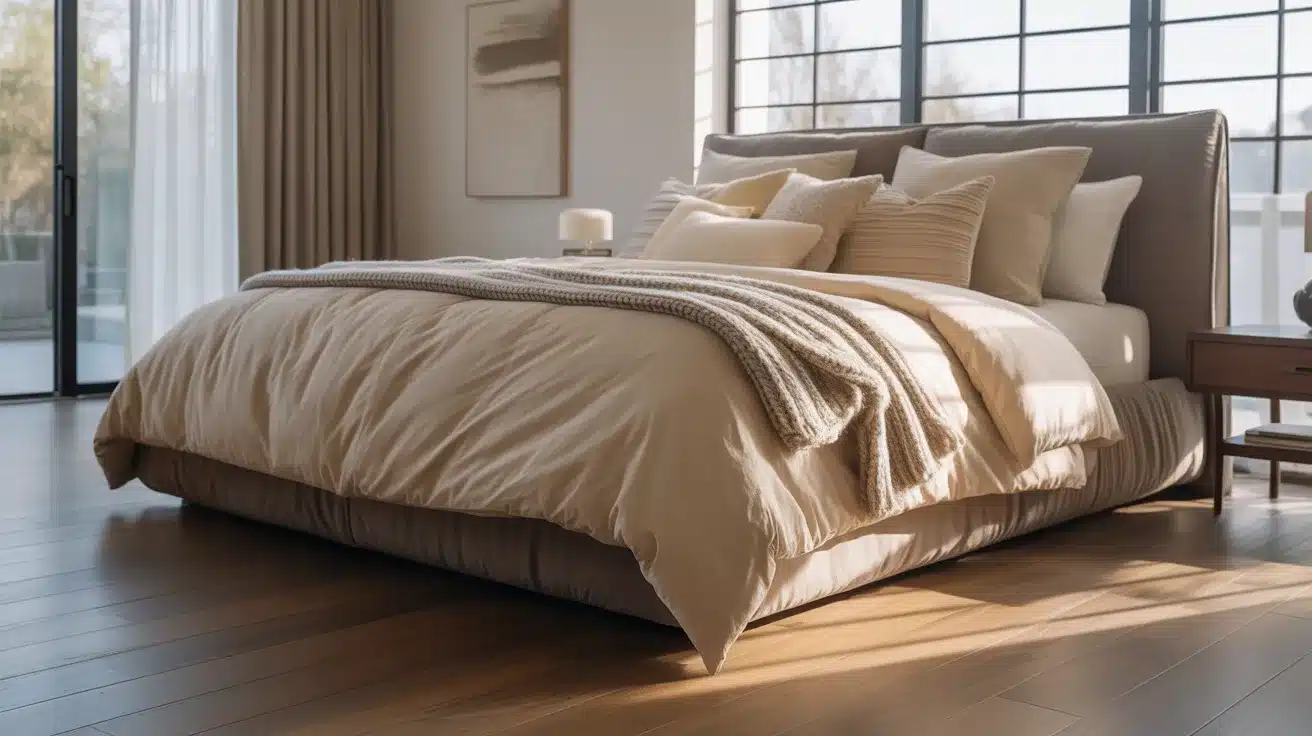

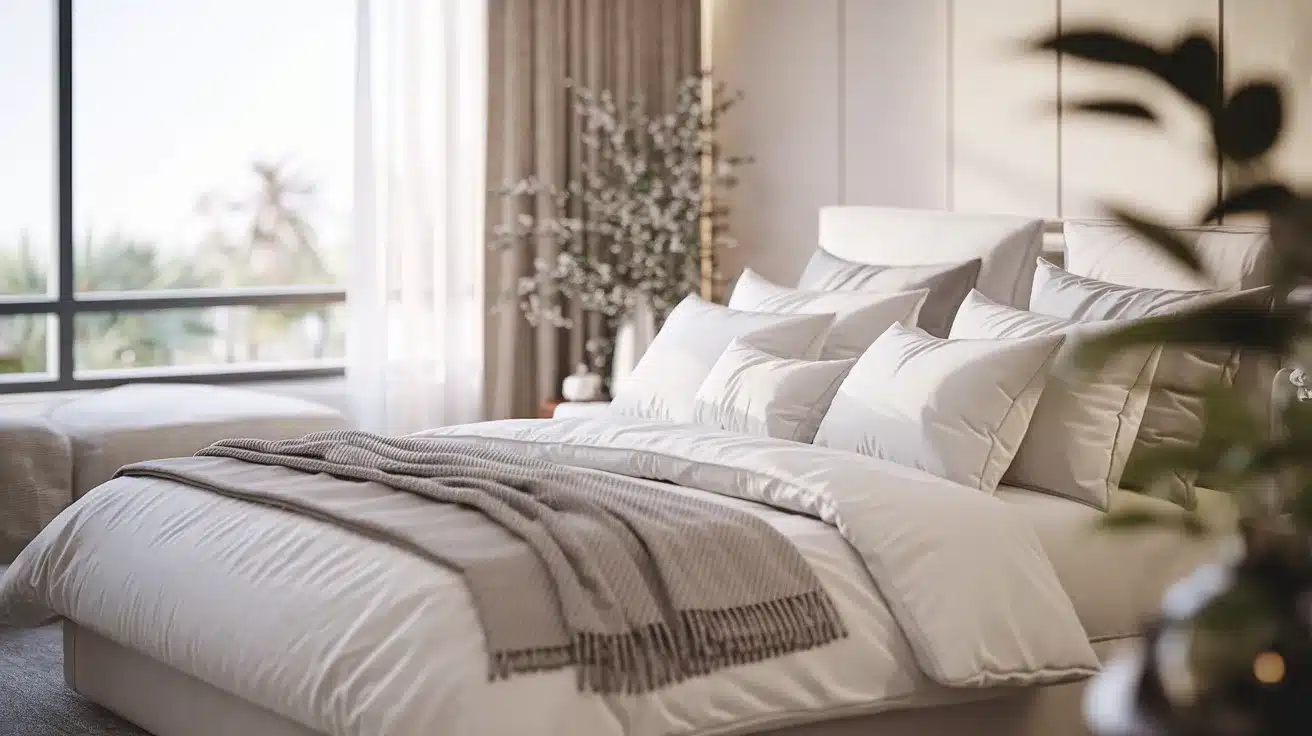

In the debate around cotton vs linen sheets, the choice usually comes down to softness, breathability, texture, and overall comfort.
Cotton is often loved for its smooth, familiar feel, while linen is known for a lighter, more relaxed sleeping experience.
That does not mean one is perfect for everyone. The better option depends on what feels good to you, how you sleep, and what kind of comfort you want at the end of the day.
Once you understand the real difference between these two fabrics, it becomes much easier to choose sheets that feel right for your bed and your routine.
What Are Cotton Sheets?
Cotton sheets are made from fibers from the cotton plant, one of the most common materials used for bedding.
They have stayed popular for years because they feel soft, comfortable, and easy to sleep on. Common types include Egyptian cotton, Pima or Supima cotton, and standard cotton.
Egyptian and Pima cotton usually feels smoother because they use longer fibers, while standard cotton is more affordable and easier to find.
Thread count also affects feel, but very high numbers do not always mean better quality. Cotton sheets are soft from the start, easy to wash, and available at many price points.
What Are Linen Sheets?
Linen sheets are made from the fibers of the flax plant. Flax has been grown and used for thousands of years, making linen one of the oldest textiles in the world.
Linen fabric has a distinct look and feel. It is a bit rougher and more textured than cotton when new, but it softens with each wash.
Linen also has a natural, slightly lived-in appearance that many people find appealing.
Linen is well known for its high breathability. The fibers are hollow, which allows air to move through the fabric more freely.
This makes linen a popular choice in warm climates and for people who tend to overheat at night.
Is Linen Cotton?
No. Linen and cotton are two completely different materials. They come from different plants and go through different production processes.
- Cotton comes from the fluffy bolls of the cotton plant (Gossypium).
- Linen comes from the stalks of the flax plant (Linum usitatissimum).
Both are natural, plant-based fibers, but their textures, structures, and properties differ significantly. Cotton is generally softer and smoother, while linen is more textured and stiffer at first.
Some manufacturers make cotton-linen blend sheets that combine fibers from both plants, but on their own, the fibers are entirely separate materials.
Cotton Vs Linen Sheets: Quick Comparison
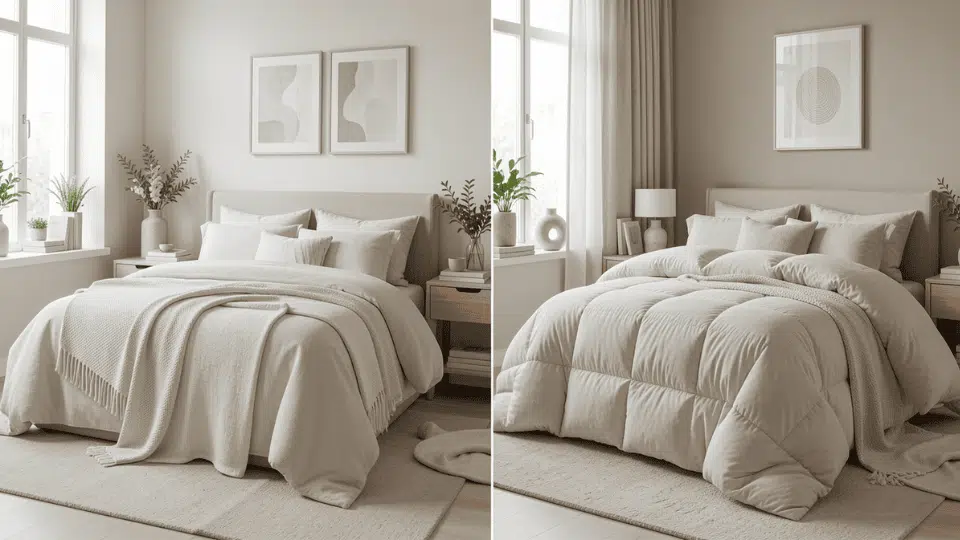
Here is a quick side-by-side comparison of cotton and linen sheets to help you understand the main differences before comparing the details.
Feature | Cotton Sheets | Linen Sheets |
|---|---|---|
| Source | Cotton plant | Flax plant |
| Feel | Soft and smooth | Textured; softens over time |
| Breathability | Good | Excellent |
| Durability | 3–5 years (varies by quality) | 10–20 years |
| Care | Machine washable; low maintenance | Machine washable; needs more care |
| Price | $30–$200+ | $100–$400+ |
| Best For | Everyday comfort, all budgets | Hot sleepers, warm climates |
This quick comparison clearly shows the basics, and the next section breaks down each difference in more detail to make decision-making easier.
Main Differences Between Cotton And Linen Sheets
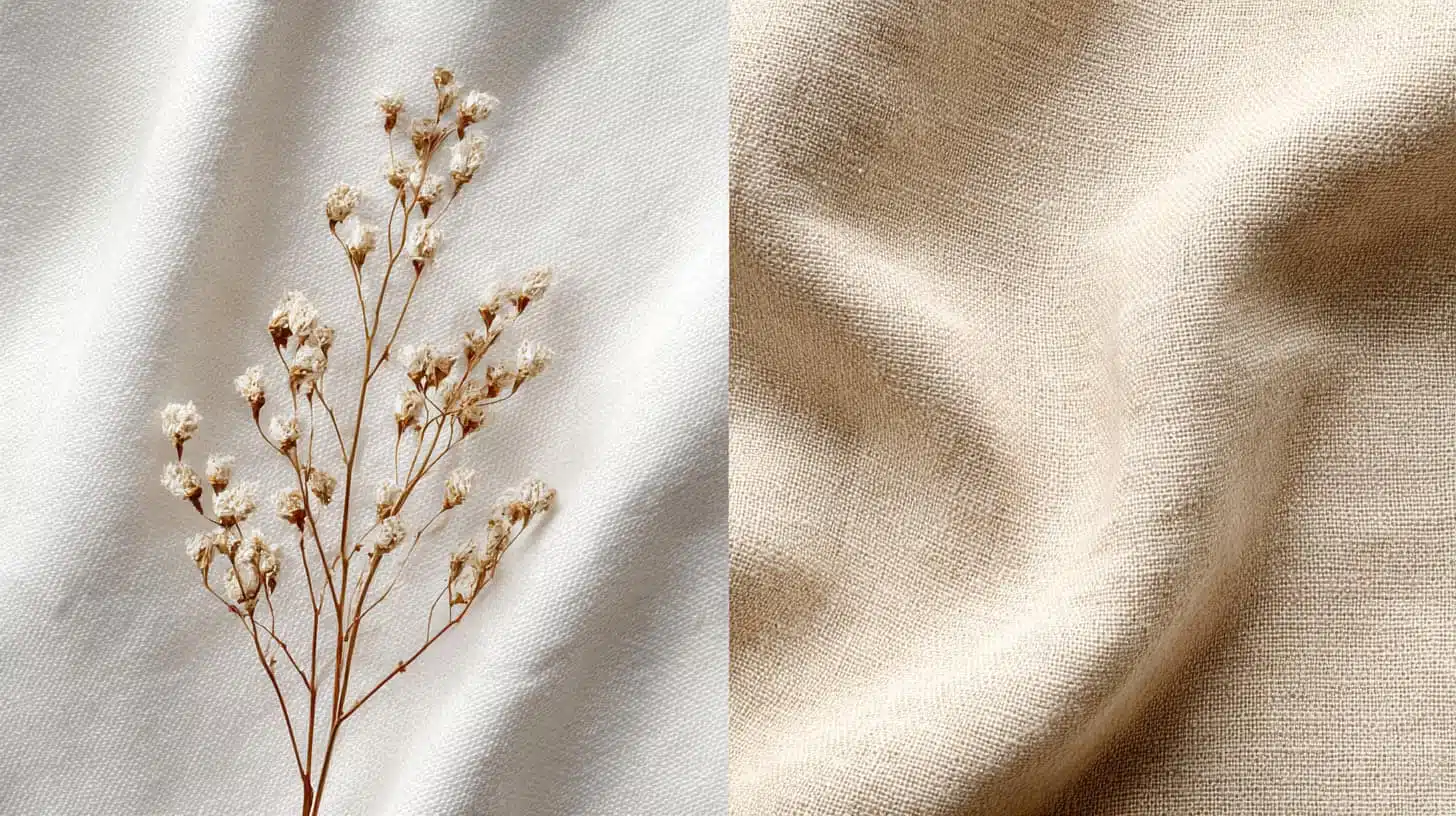
Cotton and linen sheets feel different, handle heat differently, last for different lengths of time, and suit different sleep needs and budgets.
Breathability And Cooling
Linen is generally the better choice for breathability. The hollow fibers in linen allow air to flow more freely, helping keep you cooler at night. Linen also absorbs moisture well and dries quickly, so it does not feel clammy when you sweat.
Cotton breathes well, too, but not as efficiently as linen. Lighter cotton constructions, such as percale, are more breathable than heavier ones, such as sateen. If you tend to sleep warm, cotton percale is a decent option, but linen still has the edge in cooling performance.
Softness And Overall Feel
Cotton wins when it comes to immediate softness. Most cotton sheets feel smooth and comfortable right out of the package, especially higher-quality options like Egyptian or Pima cotton.
Linen, on the other hand, starts out stiff and somewhat rough. It takes several washes before it begins to soften up. Over time, linen develops a cozy, broken-in feel that many people love, but you have to be patient to get there.
If you want something that feels soft from the first night, cotton is the safer bet. If you do not mind waiting a few weeks for the fabric to break in, linen can become very comfortable.
Durability And Lifespan
Linen is significantly more durable than cotton. Flax fibers are naturally stronger, so linen sheets can last 10 to 20 years with proper care. They actually get better with age: softer, more broken in, and more comfortable over time.
Cotton sheets, depending on quality, typically last between 3 and 5 years before showing signs of wear. Higher-quality cotton sheets may last a bit longer, but they still cannot match linen’s lifespan.
Care And Maintenance
Both cotton and linen sheets can be machine-washed, which is a plus for everyday use.
Cotton is generally easier to care for. You can wash most cotton sheets in warm or hot water, tumble dry them, and they come out ready to go. Some cotton sheets do wrinkle, especially percale types.
Linen needs a bit more attention. It is best washed in cool or warm water and dried on a low heat setting or air-dried. Linen wrinkles easily, and many people simply accept that as part of its look. If wrinkles bother you, linen may require more ironing or careful handling after drying.
Price And Long-Term Value
Cotton sheets are generally more affordable upfront. Decent cotton sheets can be found for as little as $30 to $50, and higher-end options typically fall in the $100 to $200 range.
Linen sheets usually cost more, starting around $100 and rising to $300 or more for high-quality sets. That can feel like a large upfront expense.
But when you factor in lifespan, linen can be more cost-effective over time. A set of linen sheets that lasts 15 years may cost less per year than replacing cotton sheets every few years.
Benefits And Drawbacks Of Cotton Sheets
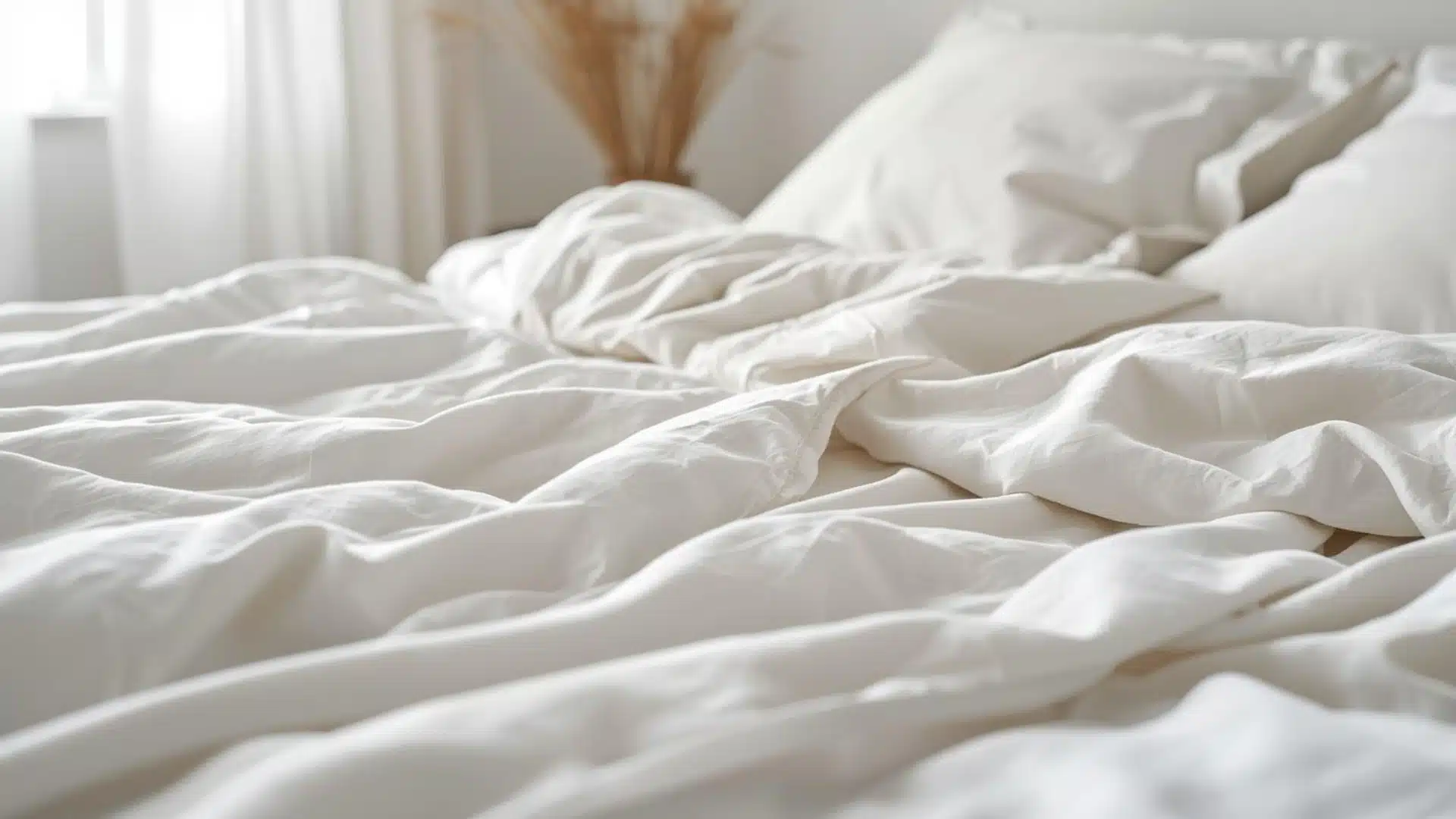
Cotton sheets are popular because they feel soft right away and fit many budgets, sleeping styles, and everyday bedding needs.
| Benefits | Drawbacks |
|---|---|
| Soft and comfortable from the start | Less durable than linen |
| Wide range of prices and styles | May pill or thin out over time |
| Easy to wash and dry | Not as breathable as linen in hot climates |
| Widely available in stores and online | Higher thread counts can trap heat |
| Good breathability, especially in percale types | Lower-quality cotton can lose softness with repeated washing |
Cotton sheets suit many homes well, but linen offers a different feel and performance, as the next section explains.
Benefits And Drawbacks Of Linen Sheets
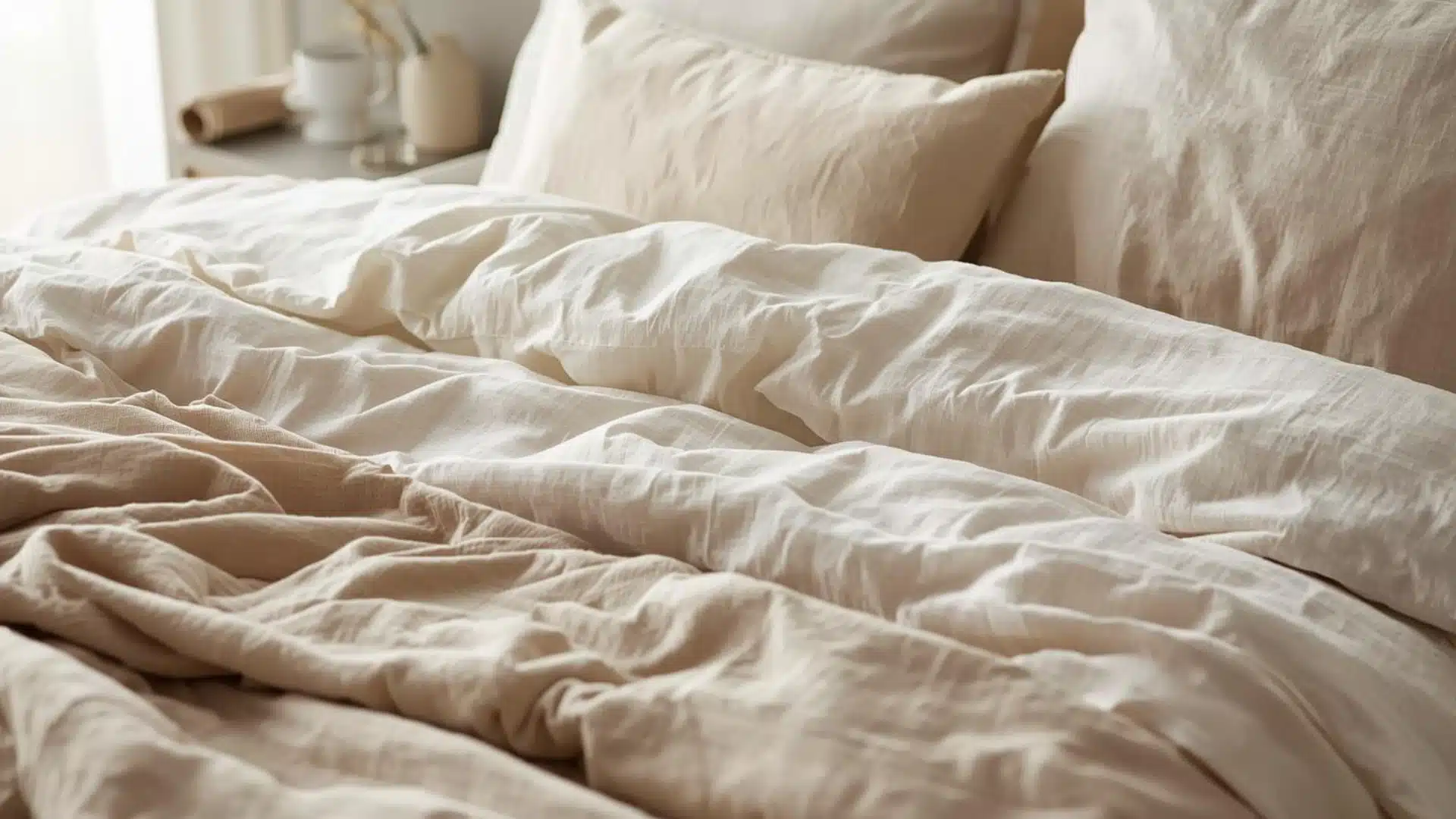
Linen sheets stand out for their long-lasting quality, airflow, and a relaxed feel that many warm sleepers enjoy over time.
| Benefits | Drawbacks |
|---|---|
| Linen can last significantly longer, often many years or even decades, with proper care | Higher upfront cost |
| Very breathable and well-suited for warm weather | Rough and stiff when new |
| Gets softer with each wash | Wrinkles easily |
| Naturally moisture-wicking | Requires more careful washing and drying |
| More eco-friendly because flax requires less water and fewer pesticides than cotton | The textured feel is not comfortable for everyone |
Now that both fabrics are clearer, the next section can compare which one better fits different sleepers and comfort needs.
Are Cotton-Linen Blend Sheets Worth It
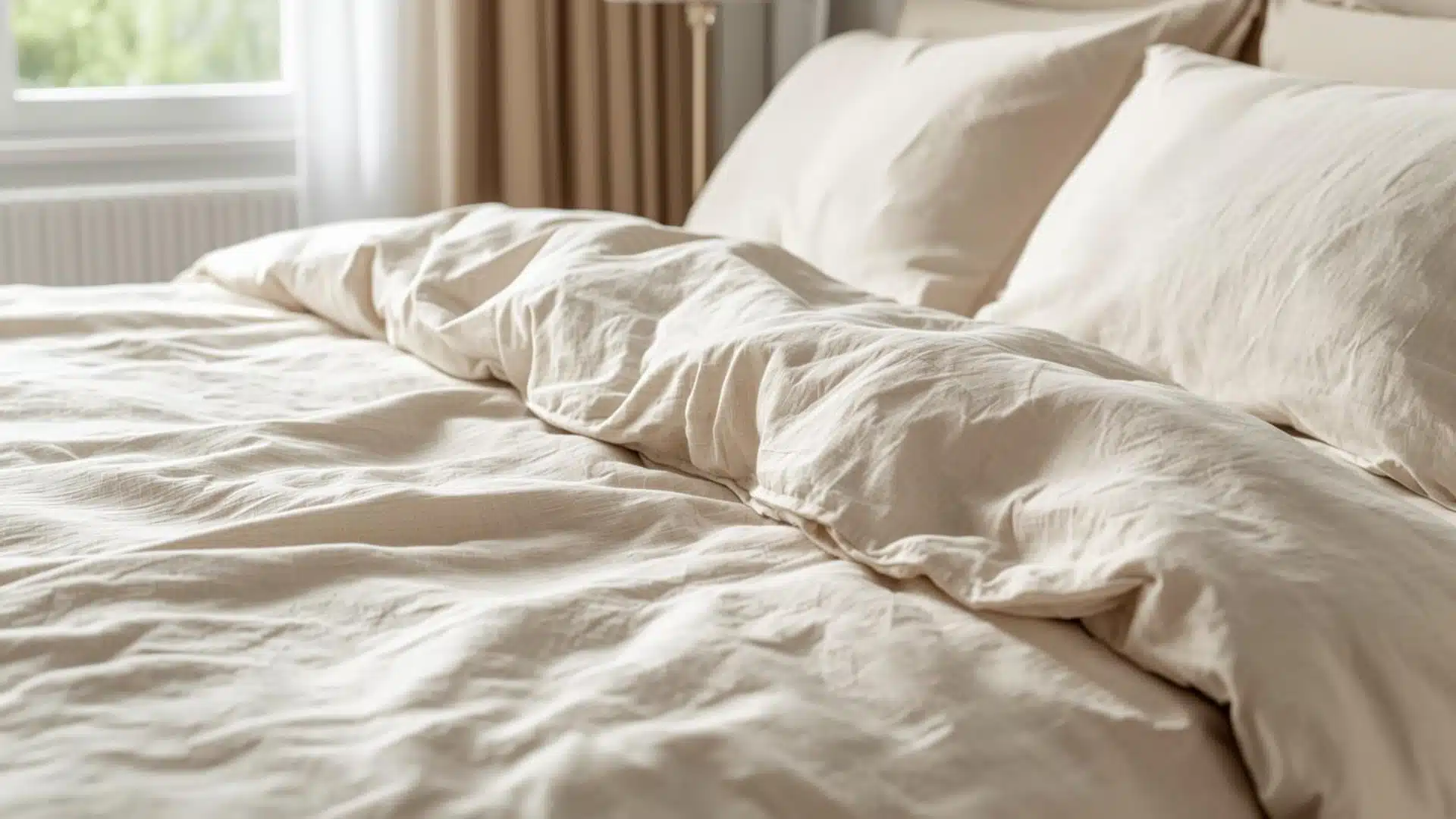
Cotton-linen blend sheets offer a middle option for sleepers who want some linen benefits without the higher cost or rougher feel.
- Cotton-linen blend sheets combine fibers from both cotton and linen.
- They are usually softer than pure linen but more breathable than pure cotton.
- Most blends contain about 30% to 55% linen with the rest made from cotton.
- The fabric often has a light texture, solid airflow, and everyday comfort.
- Blend sheets usually cost less than pure linen, which makes them easier on the budget.
- They can suit people who like linen but find pure linen too rough at first.
- They also work well for shoppers who want better airflow without paying full linen prices.
- Blends usually do not last as long as pure linen.
- They may also be a little less breathable than full linen sheets.
Blend sheets can be a smart middle choice, and the next section helps you choose the best sheet for you.
Which Sheets Are Better For Hot Sleepers
If you sleep hot or live in a warm climate, linen sheets are the better option. Their breathability and moisture-wicking ability make them well-suited for people who tend to overheat at night.
That said, if linen is out of your budget or the texture does not appeal to you, a cotton percale sheet is a reasonable alternative.
Percale has a crisp, cool feel and a tight fabric construction that allows air to flow freely. Avoid cotton sateen if heat is a concern; its denser, smoother structure can trap warmth.
Which Sheets Are Better For Everyday Use
For most people, cotton sheets are the go-to for everyday use. They are comfortable from the start, easy to wash, and available at nearly every price point.
Linen can work for everyday use too, but the initial stiffness and the extra care required make it a less convenient option for some households, especially those with kids or anyone who prefers low-maintenance bedding.
If you want something that works well every night without much thought, cotton is the more practical choice.
Final Verdict
When comparing cotton vs linen sheets, the best choice depends on how you sleep and what matters most in your routine.
Cotton is a strong everyday option because it feels soft right away, washes easily, and fits a wide range of budgets.
The right choice is the one that feels most like home to you. Some people want that soft and easy comfort they can enjoy from the very first night.
Others want a sheet set that feels light, fresh, and made for cooler sleep over time. Choose the sheet set that matches your sleep style and enjoy more comfortable nights starting today.
Frequently Asked Questions
Do Linen Sheets Shrink After Washing?
Linen sheets can shrink slightly when washed or dried on high heat. Gentle washing and lower drying heat help them keep their size better.
What Is The Best Thread Count For Cotton Sheets?
For most cotton sheets, a thread count of 200-400 is a good range. Quality and weave matter more than choosing the highest number.
Do Linen Sheets Feel Heavy On The Bed?
Linen sheets usually do not feel heavy. They often feel airy and relaxed, though the texture can be more noticeable than that of smooth cotton.
Are Cotton Sheets Better For Guest Rooms?
Cotton sheets are often a good guest room choice because they feel familiar, soft, and easy to wash, making them a good fit for a range of comfort preferences.