

Waking up in the middle of the night with a pounding heart, drenched in sweat, and gasping for air is one of the most disorienting experiences a person can have.
Nocturnal panic attacks hit without warning and, for many people, feel indistinguishable from a medical emergency.
Research shows that over 50% of people diagnosed with panic disorder experience at least one nocturnal episode, and up to two-thirds deal with both daytime and nighttime attacks
The fear that something is seriously wrong, even fatal, is completely understandable. But the evidence tells a different story.
Let’s understand what actually happens during a panic attack while sleeping, the real risks, and what you can do about it.
What Happens During a Panic Attack in Sleep
During a nocturnal panic attack, your body’s fight-or-flight response fires suddenly during NREM (non-dreaming) sleep, specifically during the transition from Stage 2 to Stage 3, typically within the first 1 to 3 hours after falling asleep.
Common physical responses include:
- A racing or pounding heartbeat
- Shortness of breath or a choking sensation
- Sweating and chills
- Chest tightness or pain
- Trembling or shaking
- A feeling of intense dread
- Nausea or stomach discomfort, fear of losing control
These symptoms are real and physical, not imagined. That’s why so many people call emergency services the first time it happens, convinced they’re having a heart attack.
The key difference is this: a heart attack typically involves persistent chest pain that radiates to the arm, jaw, or back, and does not ease on its own. Panic attack symptoms, while severe, usually peak within 10 minutes and begin to fade. A heart attack does not resolve that way.
Can You Die From a Panic Attack in Your Sleep
This is the question that keeps a lot of people up at night, sometimes literally. The short answer is no. A panic attack, on its own, is not fatal.
That said, a few risk factors are worth knowing:
- Pre-existing heart conditions: If you have an undiagnosed or unstable heart condition, the adrenaline surge during a panic attack can place extra strain on the heart. This is not the norm, but it is a reason to get checked out if you have frequent attacks.
- Chronic, untreated anxiety: Long-term, unmanaged anxiety has links to cardiovascular stress over time. This is about the cumulative effect of chronic stress, not any single panic attack.
- Misidentifying a medical emergency: The bigger danger for some people is assuming a heart attack is a panic attack and waiting it out. When in doubt, always rule out medical causes first.
For the vast majority of people, nocturnal panic attacks are deeply distressing but not dangerous.
Symptoms to Recognize
|
How to Manage Nocturnal Panic Attacks
Waking up in a panic is disorienting, but there are proven ways to bring your nervous system back down.
In the Moment:
- Controlled Breathing: Try the 4-7-8 technique. Inhale for 4 seconds, hold for 7, exhale slowly for 8. This activates the parasympathetic nervous system and signals to your brain that it is safe.
- Grounding Techniques: Name 5 things you can see, 4 you can touch, 3 you can hear. This pulls your attention away from the physical sensations and back to your surroundings.
- Sit Upright: Moving to a seated or standing position can ease breathing and help break the cycle of mounting fear.
Sleep Hygiene Adjustments:
- Stick to a consistent sleep and wake time, even on weekends
- Cut caffeine, alcohol, and nicotine, especially in the hours before bed
- Avoid screens for at least 30 minutes before sleeping
- Keep your bedroom cool, dark, and quiet
- Avoid heavy meals late at night
When to see a doctor: If you are experiencing panic attacks in sleep more than once or twice a month, waking up and struggling to calm down for long periods, or avoiding sleep because you fear an attack, it is time to speak to a healthcare provider. Frequent nocturnal panic attacks can be linked to underlying anxiety disorders, sleep apnea, or other conditions that respond well to treatment. |
Prevention and Long-Term Strategies
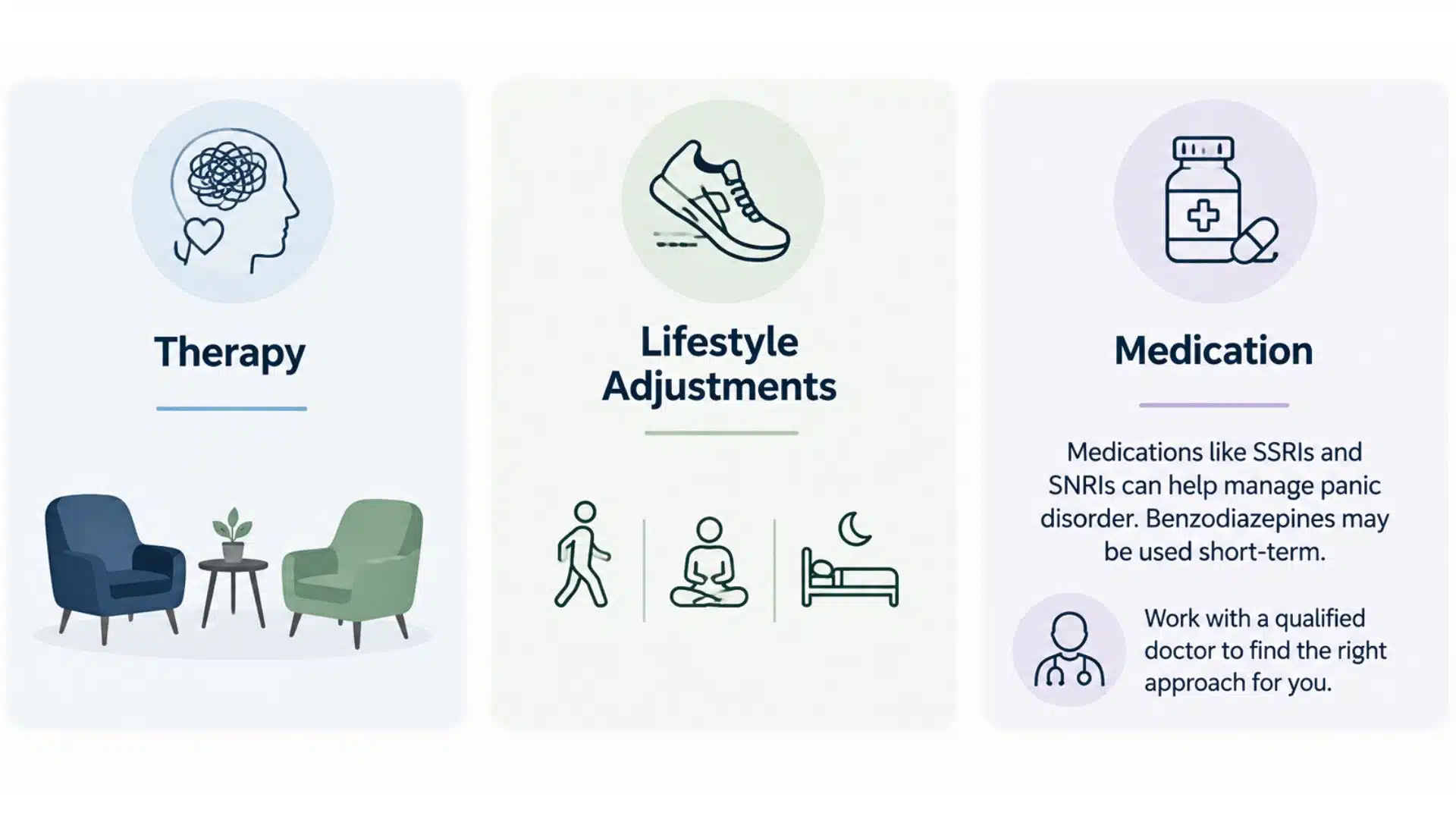
Managing nocturnal panic attacks long-term comes down to treating the anxiety at its root, not just the nighttime symptoms.
Therapy:
Cognitive Behavioral Therapy (CBT) is one of the most effective treatments for panic disorder. It helps you identify and change the thought patterns that feed panic cycles.
A specialized technique called interoceptive exposure is particularly effective for nocturnal panic.
A trained therapist gradually reintroduces physical sensations that mimic panic, such as a deliberately raised heart rate through exercise, in a controlled setting.
Over time, the brain learns that these sensations are not dangerous, breaking the fear-sensation-panic cycle at its root.
Lifestyle Adjustments:
- Regular physical activity, even 20 to 30 minutes of walking daily, significantly reduces baseline anxiety levels
- Mindfulness and meditation help train your nervous system to sit with discomfort without escalating
- Reducing overall life stress through time management, boundaries, and rest has a measurable impact on panic frequency
Medication:
Some people benefit from medication alongside therapy. SSRIs (selective serotonin reuptake inhibitors) and SNRIs are commonly prescribed for panic disorder and are considered a first-line option for longer-term management.
Benzodiazepines may be prescribed for short-term relief but are generally not recommended for ongoing use due to dependence risk.
Any medication decisions should be made with a qualified doctor who knows your full medical history.
The Bottom Line
Nocturnal panic attacks are frightening, but they are not fatal. Your body is not in danger, even when every instinct tells you otherwise.
What makes them so hard to deal with is exactly that disconnect; the symptoms feel life-threatening, but the threat is not real.
The good news is that they are also very treatable. Most people who seek help through therapy, lifestyle changes, or medication see a significant reduction in both frequency and intensity.
If panic attacks in sleep are becoming a pattern, talk to a doctor. Getting to the root cause is always a better strategy than simply hoping the next night goes smoothly.
Frequently Asked Questions
Can a Panic Attack Cause Heart Damage?
In healthy individuals, a panic attack does not cause heart damage. The surge of adrenaline raises your heart rate temporarily, but this is within the range your heart handles regularly during exercise.
What is the Difference Between a Nocturnal Panic Attack and a Night Terror?
A nocturnal panic attack causes sudden fear and full awakening, while night terrors happen during deep sleep with little memory afterward.
Can Medication Prevent Nighttime Panic Attacks?
Yes, certain medications can reduce the frequency and intensity of nocturnal panic attacks. SSRIs taken daily are often used for this purpose.
Should I Wake Someone During a Panic Attack?
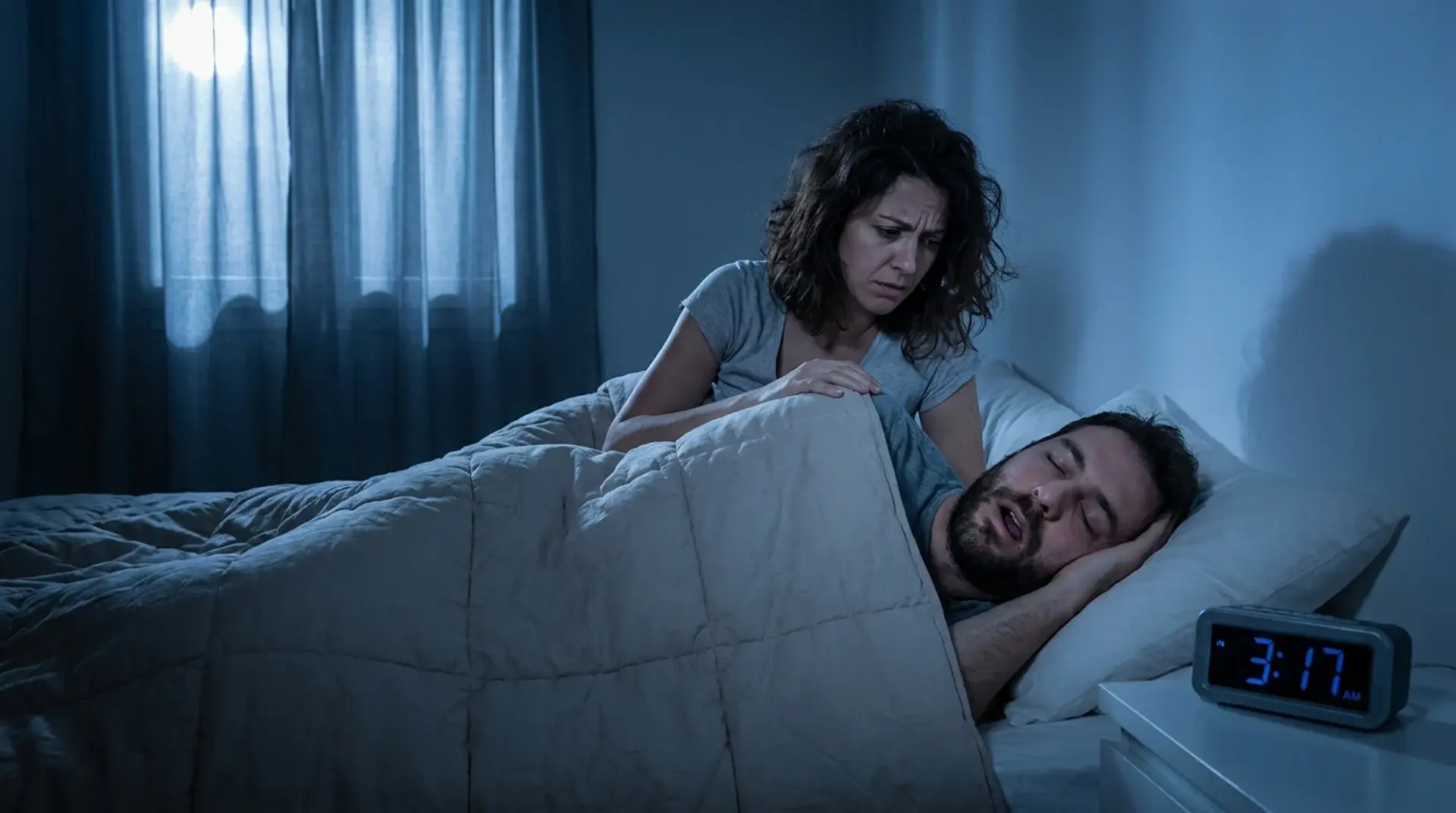
If someone you know is having a panic attack, it is generally safe and helpful to gently wake them and speak calmly. Avoid loud noises or sudden movements. Use a low, steady voice, remind them where they are, and stay with them.